Join thousands of students achieving their dreams with expert-led courses.
Join free and unlock everything on EasyShiksha.
Takes less than 3 seconds — no password needed
Please enter a valid email address.
Checking your email…
Almost done — just verify your number so we can send course updates and certificates.
Used only for verification & updates
Incorrect OTP. Please try again.
Takes less than 10 seconds
Please select your country.
Please select your state.

In today’s fast-paced, competitive world, being a student is no longer just about attending classes and passing exams. Students are expected to excel academically, build impressive resumes, gain skills, secure internships, plan careers early, and still maintain a social life. While ambition and growth are positive, the constant pressure to succeed has made mental health one of the most pressing challenges among students.
Career pressure, academic competition, social expectations, and uncertainty about the future are pushing many students into stress, anxiety, burnout, and self-doubt. Unfortunately, mental health struggles often go unnoticed or unspoken, especially in environments where performance is valued more than well-being.
This article explores:
If you are a student feeling overwhelmed, this guide is meant for you.
Understanding Student Mental Health
What Is Mental Health?
Mental health refers to a person’s emotional, psychological, and social well-being. It affects how students:
Good mental health doesn’t mean being happy all the time. It means being able to cope with challenges, recover from setbacks, and function effectively.
Why Mental Health Is Crucial During Student Years
Student life is a period of:
Mental health plays a vital role in how students navigate these transitions. When mental health is neglected, even the most talented students struggle to perform or enjoy their achievements.
The Growing Problem of Career Pressure Among Students
What Is Career Pressure?
Career pressure refers to the stress and anxiety students experience related to:
This pressure often begins as early as school and intensifies during college.
Sources of Career Pressure
1. Academic Competition
Constant comparisons, rankings, and exams make students feel they are always racing against others.
2. Family Expectations
Many students feel responsible for fulfilling parental dreams, sometimes at the cost of their own interests.
3. Fear of Unemployment
News about job scarcity and layoffs increases anxiety about the future.
4. Social Media Influence
Seeing peers succeed early creates unrealistic expectations and self-doubt.
5. Unclear Career Paths
Rapidly changing industries leave students unsure about which skills or careers are safe.
How Career Pressure Affects Student Mental Health
Emotional Impact
Psychological Impact
Behavioral Impact
Career pressure, when unmanaged, can seriously harm a student’s overall well-being.
Common Mental Health Challenges Faced by Students
1. Stress and Anxiety
Academic deadlines, exams, and career decisions often trigger chronic stress.
2. Depression
Prolonged stress, loneliness, or feeling directionless can lead to depression.
3. Burnout
Burnout occurs when students push themselves continuously without rest or balance.
4. Low Self-Esteem
Constant comparison makes students doubt their abilities and worth.
5. Fear of Failure
The fear of making mistakes or choosing the wrong path paralyzes decision-making.

The Hidden Cost of Ignoring Student Mental Health
Ignoring mental health issues can lead to:
Mental health is not a “phase” — it requires attention and care.
Breaking the Myth: Success at the Cost of Mental Health
Many students believe:
“I’ll rest after I succeed.”
This mindset is dangerous. Success achieved at the cost of mental health often leads to:
True success includes well-being, balance, and fulfillment.
Practical Strategies to Manage Career Pressure and Protect Mental Health
1. Redefining Success
Success is not one-size-fits-all.
Students should:
2. Building Skills Gradually, Not Perfectly
Instead of trying to master everything at once:
Skill-based learning reduces pressure by creating confidence through action.
3. Using Online Learning Without Overloading
Online courses should empower, not overwhelm.
Smart approach:
Platforms like EasyShiksha offer self-paced learning that supports mental balance.
4. Embracing Internships as Learning, Not Judgment
Internships are for:
Not for proving perfection. Viewing internships as experiments reduces anxiety.
5. Time Management for Mental Balance
Effective time management helps students:
Simple habits make a big difference.
6. Taking Breaks Without Guilt
Rest is productive.
Short breaks:
The Role of Physical Health in Mental Well-Being
Mental and physical health are deeply connected.
Students should:
Small lifestyle changes improve emotional resilience.
Importance of Emotional Support and Communication
Talking Helps
Sharing feelings with:
Reduces emotional burden.
Seeking Professional Help
There is no shame in:
Seeking help is a sign of strength.
How Parents and Educators Can Support Student Well-Being
Parents Can:
Educators Can:
Creating a Healthy Relationship with Career Growth
Students should:
Careers are journeys, not deadlines.
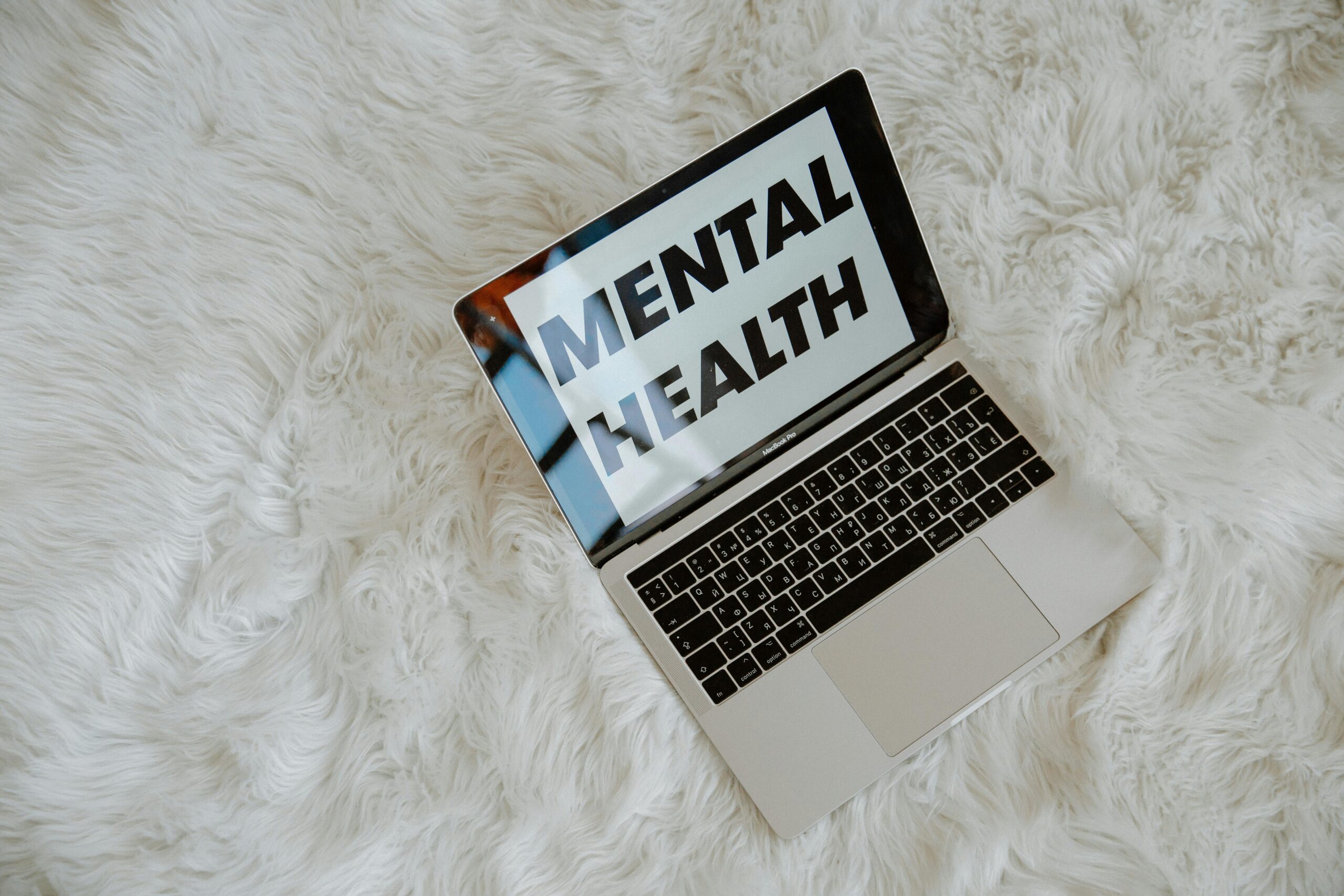
Role of Skill-Based Platforms in Reducing Stress
Skill-based platforms help students:
EasyShiksha supports students with:
This structured approach reduces uncertainty and anxiety.
The Invisible Weight Students Carry Every Day
Many students wake up each morning already feeling overwhelmed. The pressure may not always be visible, but it manifests internally as:
This constant mental dialogue creates emotional fatigue, even before the day begins.
Academic Pressure vs Career Pressure: Understanding the Difference
Academic Pressure
Academic pressure comes from:
It is usually short-term and measurable.
Career Pressure
Career pressure is long-term and uncertain. It includes:
Career pressure is more mentally exhausting because it has no clear end date.
How Uncertainty Intensifies Mental Health Issues
Uncertainty is one of the strongest triggers of anxiety.
Students today face uncertainty about:
When students don’t know what to prepare for, they often feel:
This uncertainty fuels overthinking, self-doubt, and chronic stress.
The Role of Comparison Culture in Student Mental Health
The Social Media Effect
Social media has created a culture of constant comparison. Students see:
What they don’t see:
This creates a false narrative that everyone else is doing better.
Psychological Impact of Comparison
Comparison leads to:
Students begin to measure their worth through external validation instead of personal growth.
Imposter Syndrome Among Students
Imposter syndrome makes students feel:
Even high-performing students suffer silently because they believe asking for help will expose weakness.
The Connection Between Mental Health and Learning Ability
Mental health directly affects:
A stressed mind cannot learn effectively.
Students often blame themselves for poor performance when the real issue is mental overload, not lack of intelligence.
Burnout: The Most Ignored Student Mental Health Issue
What Is Burnout?
Burnout is not laziness. It is emotional and mental exhaustion caused by prolonged stress.
Signs of burnout include:
Why Students Experience Burnout Early
Students push themselves because they believe:
This mindset is damaging and unsustainable.

The Fear of Choosing the “Wrong” Career
One of the biggest mental burdens for students is the belief that:
“One wrong decision can ruin my life.”
This belief creates paralysis.
In reality:
Understanding this reduces career-related anxiety significantly.
Emotional Impact of Career Confusion on Student Well-Being
Career confusion leads to:
Students begin to feel disconnected from their goals and directionless in life.
Healthy vs Unhealthy Career Motivation
Healthy Motivation:
Unhealthy Motivation:
Shifting from unhealthy to healthy motivation improves both career outcomes and mental health.
The Importance of Purpose Over Pressure
Students who focus only on outcomes often feel empty even after success.
Purpose gives:
Career goals aligned with personal values reduce stress and improve long-term satisfaction.
How Skill-Based Learning Supports Mental Well-Being
Skill-based learning:
When students see tangible progress, anxiety decreases.
Platforms like EasyShiksha support students by allowing:
Online Learning: Support Tool or Stress Trigger?
Online learning becomes stressful when:
Used wisely, online learning:
Balance is key.
Internships as Mental Health Boosters (When Used Right)
They should be treated as learning spaces, not judgment zones.
A healthy internship mindset improves emotional resilience.
Mindset Shifts Every Student Needs
These shifts create long-term well-being.
Long-Term Benefits of Prioritizing Mental Health
Students who protect mental health:
Mental well-being is a lifelong asset.
Conclusion: Choosing Growth Without Losing Yourself
Mental health, career pressure, and student well-being are deeply connected. Ignoring one affects the others.
Students do not need to sacrifice happiness for success. With:
It is possible to build a fulfilling career and a healthy mind.
More News Click Here
New Courses
Opamp Projects: Design & Simulate Operational Amplifier Based Projects on Proteus & LTSpice Software
Biomedical Project: Design Digital Thermometer with Atmega32, Arduino & LM35 Temperature Sensor
Fusion 360 Learn CAD and Earn Money Online
Analog Electronic Lab Based Course on MOSFETs using MULTISIM








Discover thousands of colleges and courses, enhance skills with online courses and internships, explore career alternatives, and stay updated with the latest educational news..

Gain high-quality, filtered student leads, prominent homepage ads, top search ranking, and a separate website. Let us actively enhance your brand awareness.
Download EasyShiksha Mobile Apps from Android Play Store, Apple App Store, Amazon App Store, and Jio STB.



1 million+ learned on the EasyShiksha App
Trusted by Standards & Global Compliance Frameworks





Built under internationally recognized standards for quality, information security, educational excellence and business continuity.
ISO 9001:2015 | ISO/IEC 27001:2022 | ISO 21001:2018 | ISO 22301:2019 | DPIIT Recognized Startup | MSME Registered