






Master Video Editing: Story, Pacing, Rhythm & Narrative Skills
Master cinematic storytelling through editing, controlling narrative, emotion, pacing, and collaboration to create professional, portfolio-ready video content.
#1 Most Popular Online Course & Internship in Arts and Photography You can enroll today & get certified from EasyShiksha & HawksCode.
 Build real-world projects
Internship with certificate
Resume-ready experience
Beginner to advanced
Lifetime access
Interview prep included
Build real-world projects
Internship with certificate
Resume-ready experience
Beginner to advanced
Lifetime access
Interview prep included
 Updated September 21, 2026
Join 5,00,000+ students already enrolled worldwide
No risk — 30-day full refund guarantee
Start instantly after payment — access in seconds
Certificate + Internship Joining Letter included
Updated September 21, 2026
Join 5,00,000+ students already enrolled worldwide
No risk — 30-day full refund guarantee
Start instantly after payment — access in seconds
Certificate + Internship Joining Letter included

 Free Preview
 101 On-demand Videos
 Internship Joining Letter
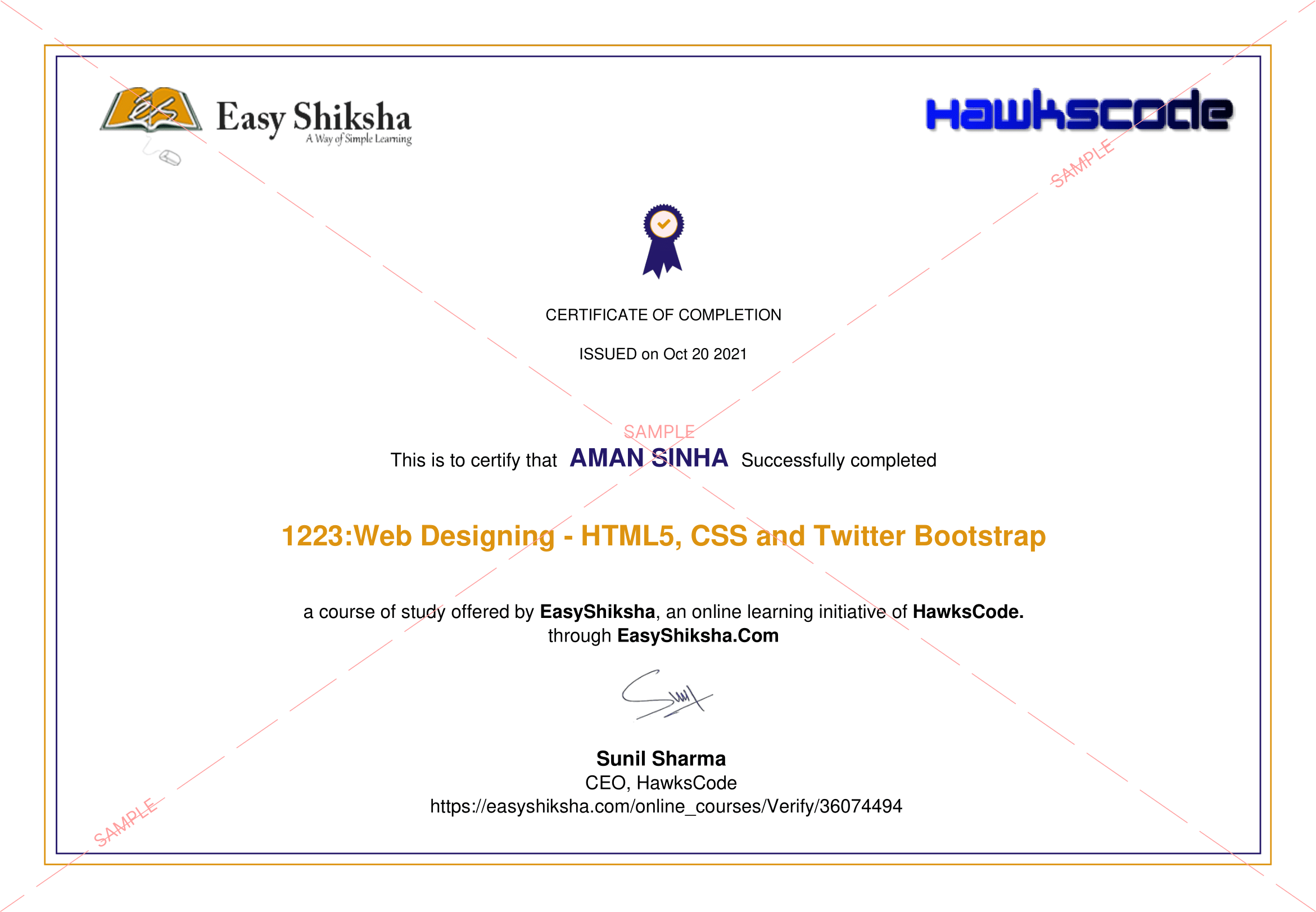
 2 Certificates (Course + Internship)
 Lifetime Access
 1 Quiz + Assignments
 Mobile & Desktop Access




Why This Course and Internship Stands Out
See exactly what separates EasyShiksha students from everyone else
 Watching scattered YouTube
videos with no structure
No certificate — nothing to show
employers
No internship experience on
resume
Wasting months without clear
direction
Struggling to stand out in job
applications
No proof of practical skills
Structured, beginner-to-advanced
learning path
Verified certificate — shareable
on LinkedIn
Real internship offer letter for
your resume
Go from zero to job-ready in one
programme
Resume-ready experience before
graduation
Practical projects you can show
any recruiter
Watching scattered YouTube
videos with no structure
No certificate — nothing to show
employers
No internship experience on
resume
Wasting months without clear
direction
Struggling to stand out in job
applications
No proof of practical skills
Structured, beginner-to-advanced
learning path
Verified certificate — shareable
on LinkedIn
Real internship offer letter for
your resume
Go from zero to job-ready in one
programme
Resume-ready experience before
graduation
Practical projects you can show
any recruiter
Internship Opportunity Included With This Course
"This is not just a course — it's real career experience. Walk away with documents that prove your skills to any employer."




This Course is Perfect For
Whether you're starting from scratch or switching careers — this course is designed with your success in mind.








This course uses elements of Artificial IntelligenceHave you ever wondered how a single editing choice can completely change the emotional impact of a scene, turn footage into a gripping narrative, or elevate a simple story into something unforgettable? In an industry where over 500 hours of video are uploaded to YouTube every minute and streaming services compete in a global storytelling revolution, mastering the art and craft of video editing is more essential than ever. With screens everywhere and audience attention more precious (and fleeting) than ever, those who understand how to truly shape narrative through editing not only bring stories to life—they become indispensable creative partners in film, television, and online media.
Welcome to the most comprehensive journey into the heart of storytelling through video editing. Developed by a team of industry professionals and working editors who have shaped award-winning films, iconic commercials, and viral web series, this course is your gateway to both the technical mastery and creative vision demanded by today’s top studios and content creators. Our approach goes far beyond software tutorials and basic cutting: here, you’ll learn to see editing as a narrative art form—where every decision drives emotion, meaning, continuity, and engagement.
Why Now?
Video is now the dominant form of communication, entertainment, and education. The ability to shape narrative, pace, and visual rhythm is what separates great content from content that gets ignored. Audiences expect cinematic polish, seamless immersion, and stories that speak to their emotions and intellect alike. Editors who can deliver on these needs are some of the most in-demand professionals—not only in film and TV, but across advertising, online streaming, and social media. Understanding the conceptual foundations, as well as the latest workflow techniques and emerging trends, empowers you to carve out your own voice and advance your career in a rapidly evolving industry.
What Sets This Course Apart?
Unlike fragmented tutorials or software-limited instruction, our curriculum is designed to make you a storytelling editor, not just a button-clicker. We blend foundational theory, actionable best practices, and hands-on creative exercises. With a focus on real-world, portfolio-ready projects, you’ll build the skills hiring managers and collaborators are looking for. You’ll analyze master editors, dissect award-winning sequences, collaborate as part of a post-production team, and navigate complexities from legal issues to cutting-edge automation. Prepare to produce work you’re proud to showcase—across genres, platforms, and story types.
Your Journey Through the Editor’s Creative Process
Discover the Editorial Mindset and Storytelling Tradition
The course begins by immersing you in the grand tradition of cinematic storytelling. Trace how legendary editors have altered the course of cinema—and why their choices resonate decades later. Learn to define your own editorial vision and voice, understand your creative responsibilities, and recognize how editors influence tone, meaning, and audience engagement across diverse production environments, from indie films to advertising agencies and streaming series. Through case studies and discussions, see yourself as an authorial force—not just a technician—working in creative partnership with directors, writers, and cinematographers.
Deepen Your Grasp of Narrative Flow and Emotional Engagement
Narrative flow is the pulse of any successful edit. You’ll deconstruct what makes a story “work” on screen—how sequence order, emotional arcs, and classic techniques like parallel editing, cross-cutting, and suspenseful pacing keep an audience involved from start to finish. Analyze iconic scenes to understand why some edits thrill or move us while others fall flat. Move from theory to practice with creative exercises that challenge you to cultivate suspense, surprise, and empathy without a single line of dialogue.
Master Sequencing and Story Meaning
Discover the power of shot order, timing, and duration in shaping meaning and mood. Explore how nonlinearity—featuring flashbacks, flashforwards, and innovative sequencing—can deepen character, expand plot, and blur the boundaries between past, present, and future. Compare and contrast how award-winning features use sequencing to deliver complex, multi-layered narratives, then apply those concepts to your own short film or scene editing projects.
Understand and Manipulate Pacing and Rhythm
Learn the vital role shot length and pacing play in guiding audience experience. Delve into the contrasting worlds of documentary versus action editing, manipulating the tempo to generate tension, catharsis, or reflection. Experiment with slow motion, fast cuts, and transitions to influence energy, drive narrative beats, or allow viewers to breathe. By the end of this section, you’ll confidently control rhythm to elicit very specific reactions in diverse genres.
Explore Transitions, Continuity, and Seamless Immersion
Editing isn’t only about which shots to use, but how you blend them. We’ll demystify the subtle art of transitions—cuts, dissolves, wipes, fades—and their unique narrative functions. Discover how invisible edits maintain audience immersion and how motivated transitions guide viewers seamlessly through time, space, and shifting perspectives. By dissecting transitions in classic and contemporary cinema, you’ll add a new depth to your editorial toolkit, making your edits both stylish and unobtrusive.
Build Emotional Arc and Story Intensity
Your role as editor extends to sculpting each story’s emotional journey. Identify and construct escalating tension, climaxes, and satisfying resolutions within various structures. Practice editorial choices that build empathy, connect viewers to characters, or heighten conflict—all supported by hands-on projects in both fiction and documentary formats. A dedicated case study walks you through the complete emotional arc development in standout short films.
Ensure Visual Continuity and Consistency
Nothing distracts from a story like a jarring edit or continuity error. We’ll break down the essential rules and principles—from framing, lighting, and the 180-degree rule to managing eye lines, action continuity, and spatial relationships—ensuring you can preempt, spot, and fix issues that undermine narrative unity. Through real-world blooper analysis and practical exercises, you become a guardian of audience immersion.
Elevate Framing, Composition, and Point-of-View
Explore the nuanced elements that give edits their visual signature: consistent framing, meaningful shot-reverse-shot structure, and point-of-view management. Learn how the best cinematographers shoot for the edit, anticipating your needs as an editor, and how subtle choices in camera angle and composition infuse your work with emotional subtext and symbolic power.
Orchestrate Rhythm, Patterns, and Musicality in Edits
Editing is visual music. In this unique section, examine how patterns, repetitions, and graphic matches construct a rhythm that’s felt as much as seen. Synchronize your cuts with musical beats or natural sound rhythms, learning from music video and commercial editing case studies that illustrate the profound impact of visual cadence on memory and mood.
Navigate Discontinuity and Maintain Audience Engagement
Discover techniques for identifying and addressing potential sources of disorientation. Through practical strategies—ranging from repairing jump cuts to salvaging seemingly unusable sequences—you’ll train your eye and instincts to protect story clarity and viewer immersion, even under tight deadlines and complex circumstances.
Unlock Advanced Story Structures and Nonlinear Narratives
Push storytelling boundaries with nonlinear editing. Deploy reverse chronology, intersecting timelines, and memory-laden sequences to create intrigue while maintaining clarity. An in-depth festival-winning project case study offers a step-by-step look into complex narrative construction, empowering you to experiment with contemporary and experimental narrative forms.
Interpret Symbolism, Subtext, and Editorial Meaning
Editing is interpretation. You’ll add depth to your visual storytelling by analyzing how edit choices create symbolism, highlight metaphors, and reinforce themes and subtexts. Through auteur cinema case studies, learn to use editorial suggestion to guide audience perception and elevate your projects above formulaic storytelling.
Collaborate Creatively in Post-Production Teams
Editing is a team sport. Acquire skills for collaborating with sound designers, colorists, and assistant editors in both traditional and remote workflows. Learn communication essentials, best collaborative practices, and conflict resolution techniques that are vital for surviving—and thriving—in the high-pressure worlds of episodic TV and feature film post-production.
Navigate Revision Cycles and Creative Feedback
Experience the real-world editorial feedback loop, from first cuts to final delivery. Practice integrating client and director notes while maintaining your editorial vision and artistry. With case studies of major feature films that survived drastic revisions, you’ll learn flexibility, resilience, and the value of versioning in professional environments.
Integrate Advanced Sound Design and Color Grading
Sound and color are your secret weapons. Discover how the strategic use of sound effects, music, dialogue, and voice-over transform cuts into emotional moments and guide audience focus. Work alongside colorists (virtually or in case studies) to match shots, set tone, and create visually cohesive sequences. Experiment with color grade choices that define a project’s identity and showcase your ability to deliver “final picture” quality.
Organize Workflow for Professional Efficiency
Project management is creative, too. We demystify industry-caliber workflows, from media ingestion and metadata tagging, to structuring timelines and managing backups. Adapt your organizational strategy for everything from YouTube shorts to longform documentaries, boosting productivity and reducing errors as you prepare to collaborate with large creative teams.
Apply Legal, Ethical, and Cultural Considerations
Today’s stories travel the world. Stay ahead by mastering copyright, intellectual property, ethical representation, and culturally sensitive editing. Through real-life legal challenge case studies, you’ll understand exactly what’s at stake and how to navigate risk as both a creative and a responsible storyteller.
Plan for Distribution, Multi-Platform Delivery, and Accessibility
Modern editors don’t just cut for theaters. You’ll learn to reimagine content for web, cinema, and social media, adapt to aspect ratios and platform constraints, and create versions for different territories and audiences—including subtitles, accessibility features, and platform-specific trailers. A global case study walks you through a high-profile, multi-platform content release.
Prepare for the Future with Emerging Trends and Skills
As tools evolve and roles expand, adaptability is your strongest asset. Stay on the cutting edge with trends in experimental editing, the rise of AI automation, and the emergence of hybrid creative roles. Our final reflection invites you to synthesize everything you’ve learned, assess your portfolio, and chart a path for lifelong growth within this fast-moving industry.
What You'll Create
Throughout the course, you’ll complete a range of hands-on projects and assessments based on real-world scenarios: editing film scenes, restructuring documentaries, creating suspenseful narrative flow, building continuity, designing revisions from client notes, collaborating on multi-editor projects, integrating advanced sound and color, and adapting versions for multiple platforms. Each project is designed to challenge you creatively and push you to produce professional-quality editorial pieces, ready for your portfolio or demo reel.
Transform Your Voice—and Your Career—as an Editor
By the end of this journey, you won't simply know how to operate editing software; you’ll have the creative and conceptual mastery to shape stories that truly connect, move, and inspire. Whether your ambitions lie in narrative film, streaming television, web content, ads, or experimental media, our course equips you with the narrative tools, professional workflows, and industry insight you need to stand out.
Join our team and thousands of aspiring editors who have transformed their creative potential into real-world impact. Enroll today—and become the storyteller behind tomorrow’s most unforgettable stories.
SEO Keywords: video editing course, video storytelling, narrative editing, film editing, cinematic editing, continuity editing, pacing in video, editing transitions, narrative structure, visual rhythm, sound design editing, color grading, post-production workflow, editing for social media, portfolio-ready editing, documentary editing, nonlinear storytelling, creative collaboration, video editing trends
 Unlock 99 More Lessons + Internship Access

 Missing this = losing the internship credential Missing this = losing your early-access advantage Missing this = falling behind candidates who did enroll



.svg?v1)
 Chat with us first →
 UPI
UPI
 Wallets
 Debit/ Credit card
 NetBanking
 EMIs
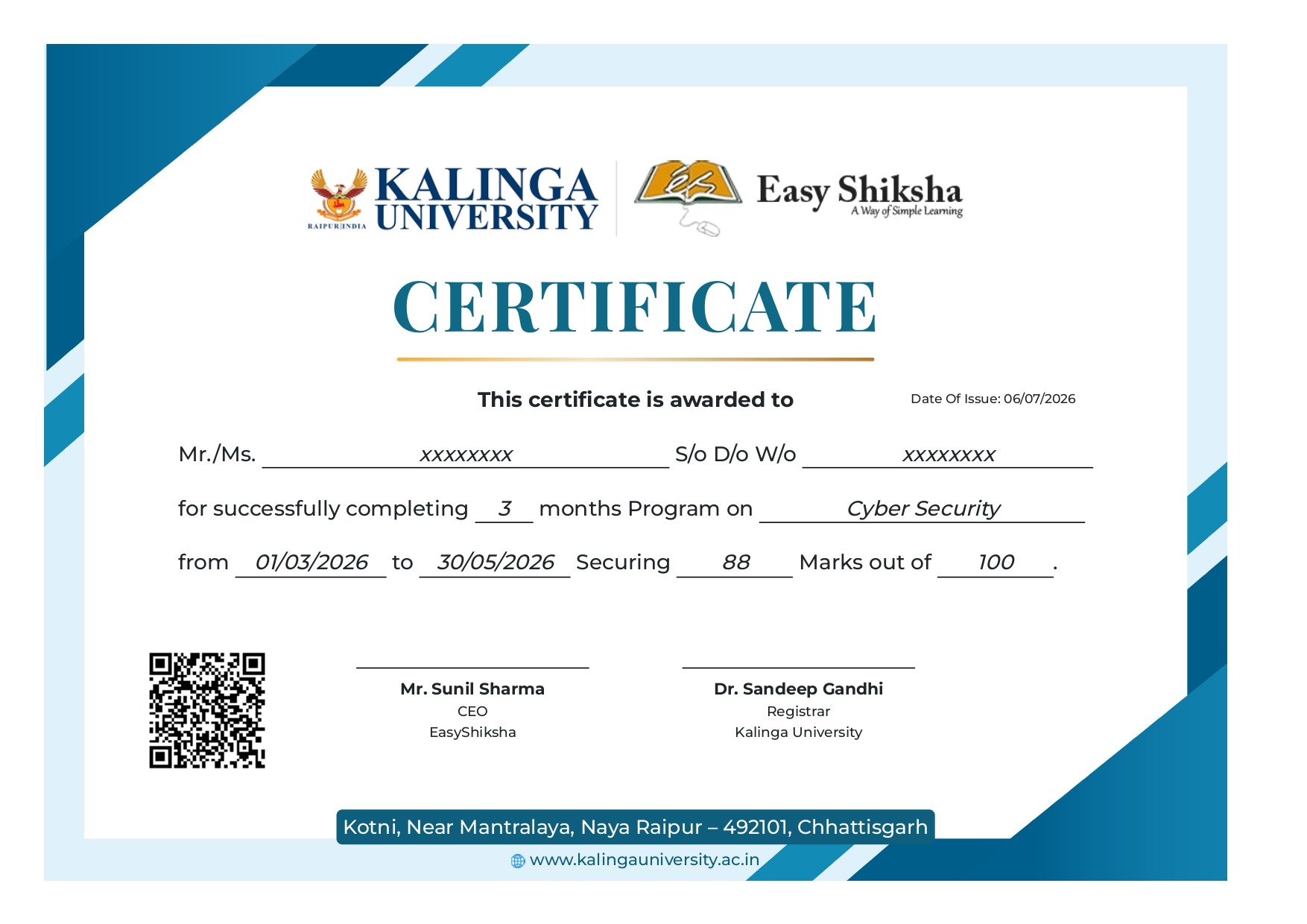
101 On-demand Videos Course Completion Certificate
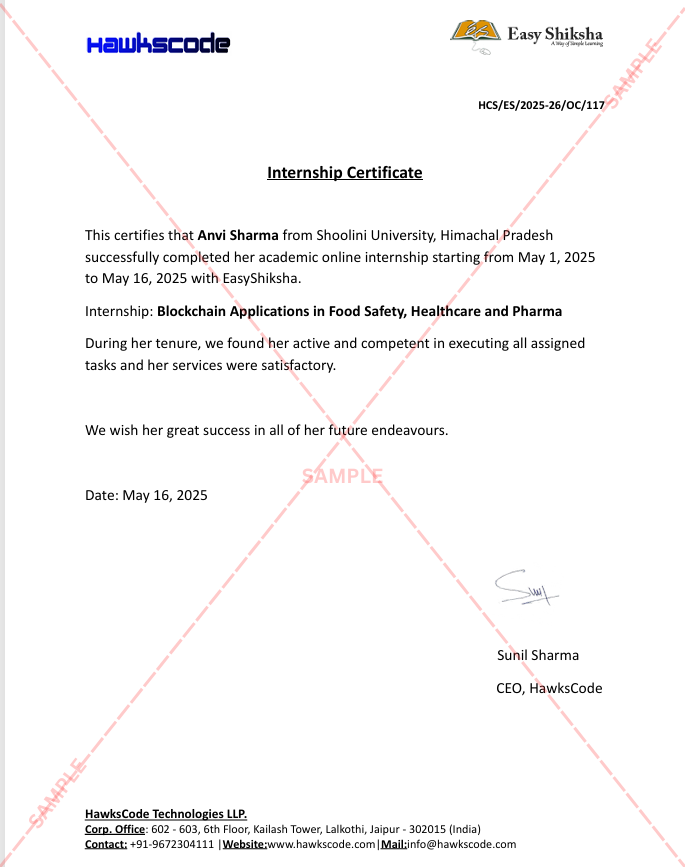
Internship Certificate
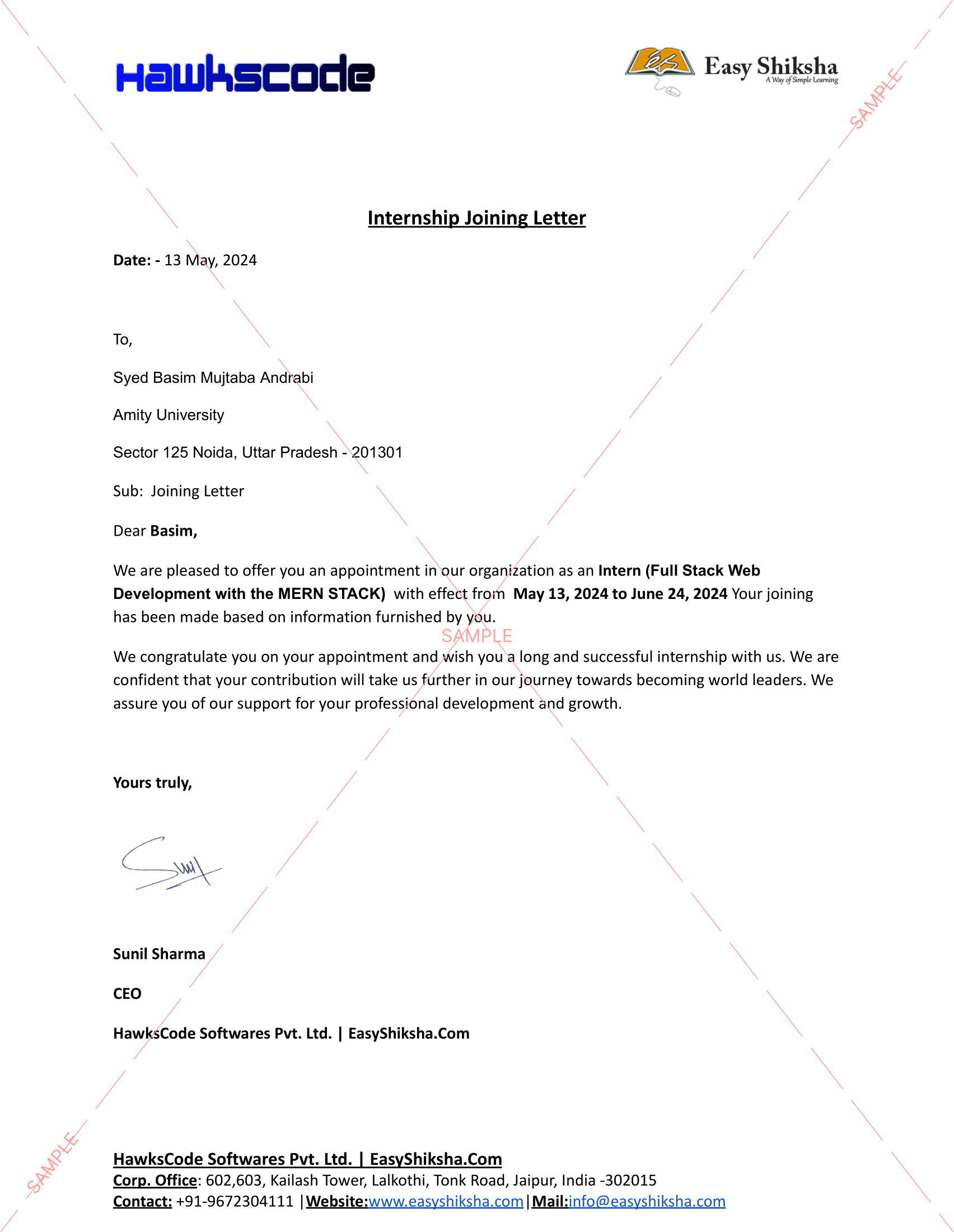
Internship Joining/Offer Letter
Letter of Appreciation (LOA)
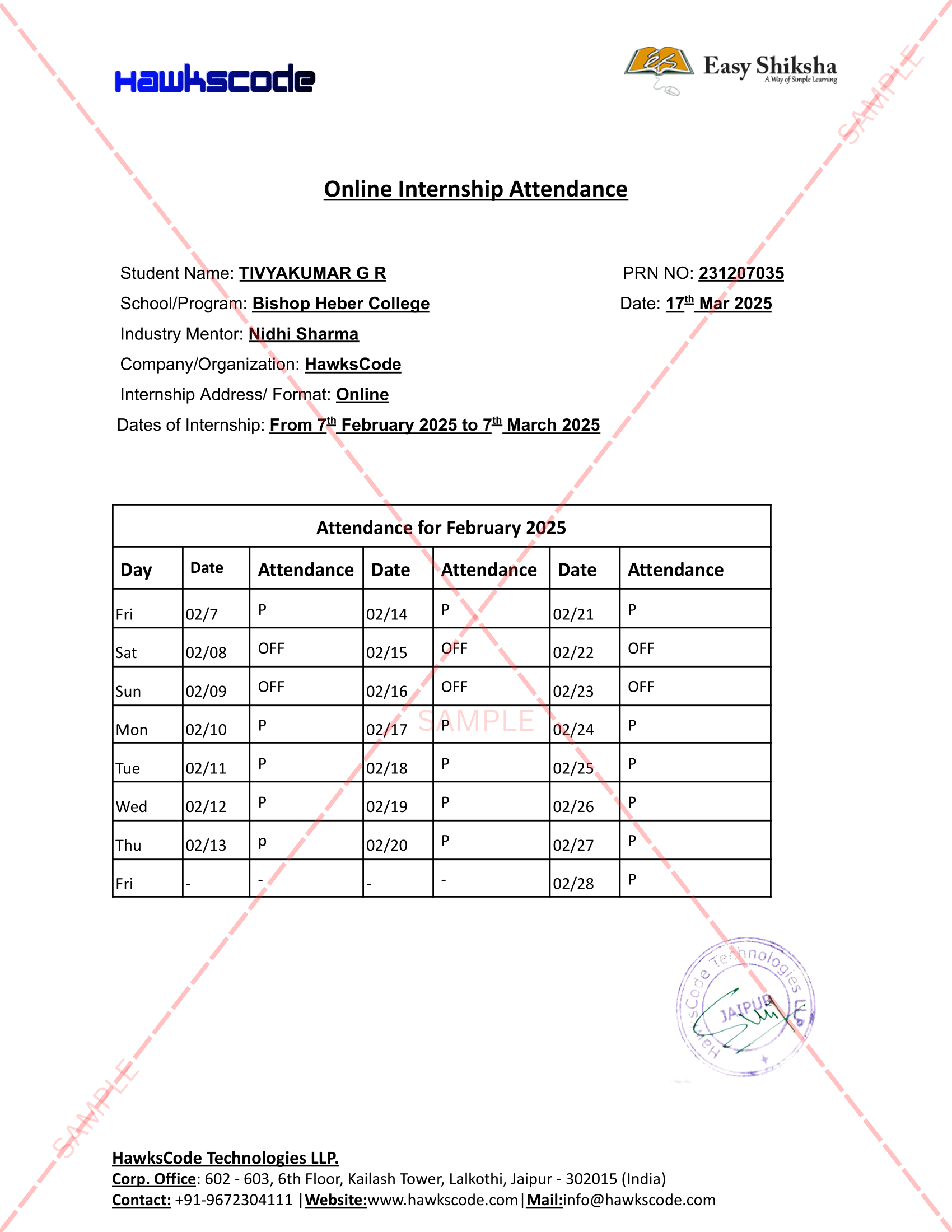
Internship Attendance Report
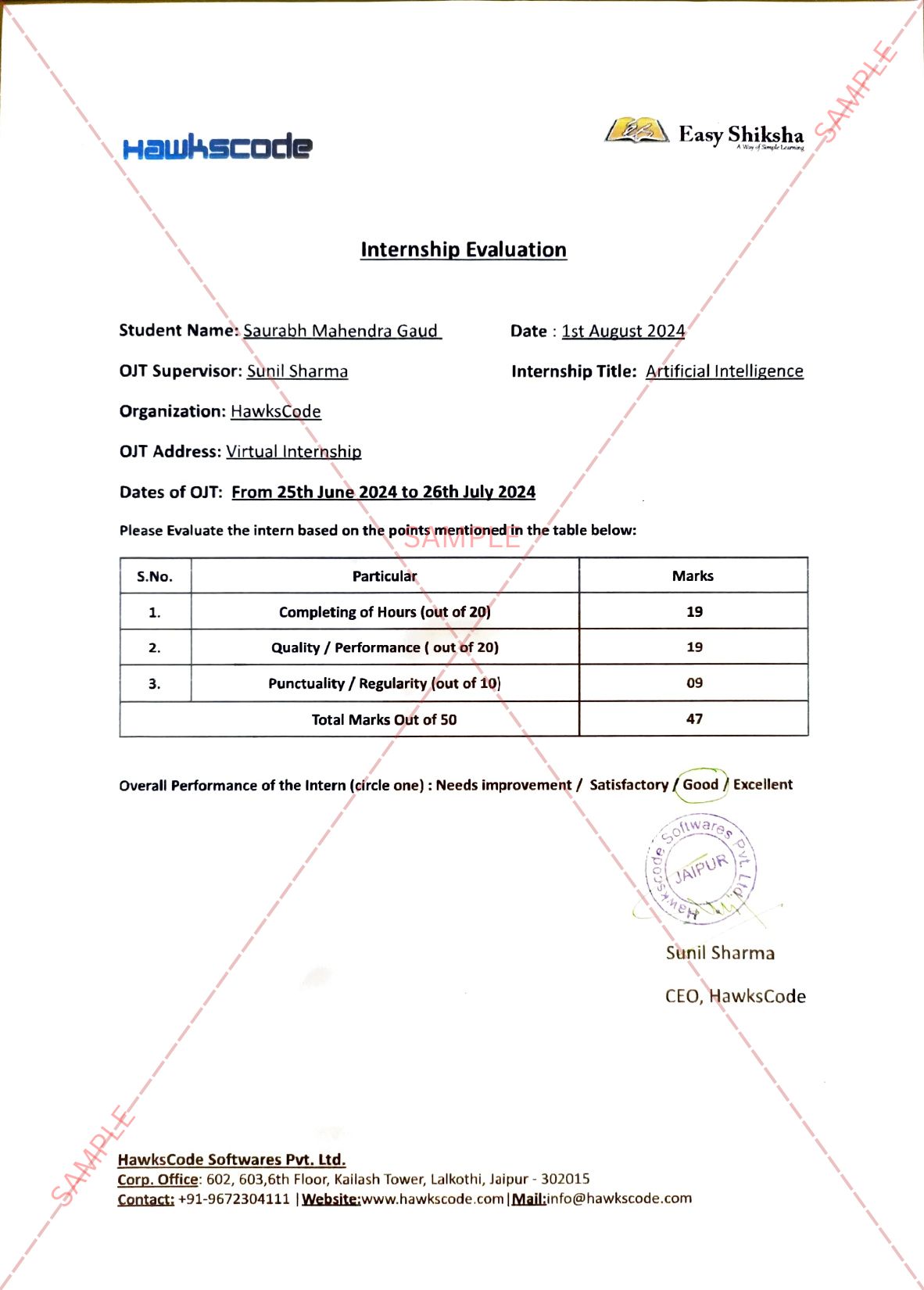
Internship Evaluation Report
Internship Certificate Hard Copy
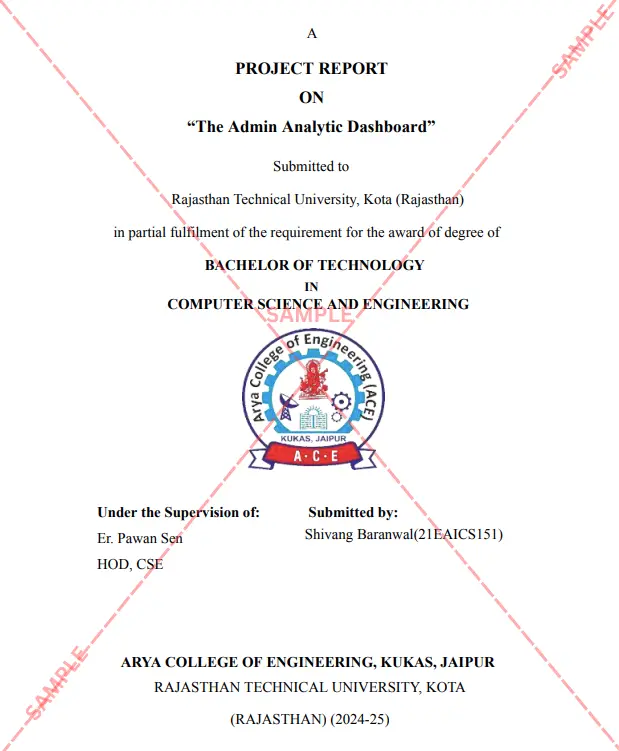
Project Report Assitance
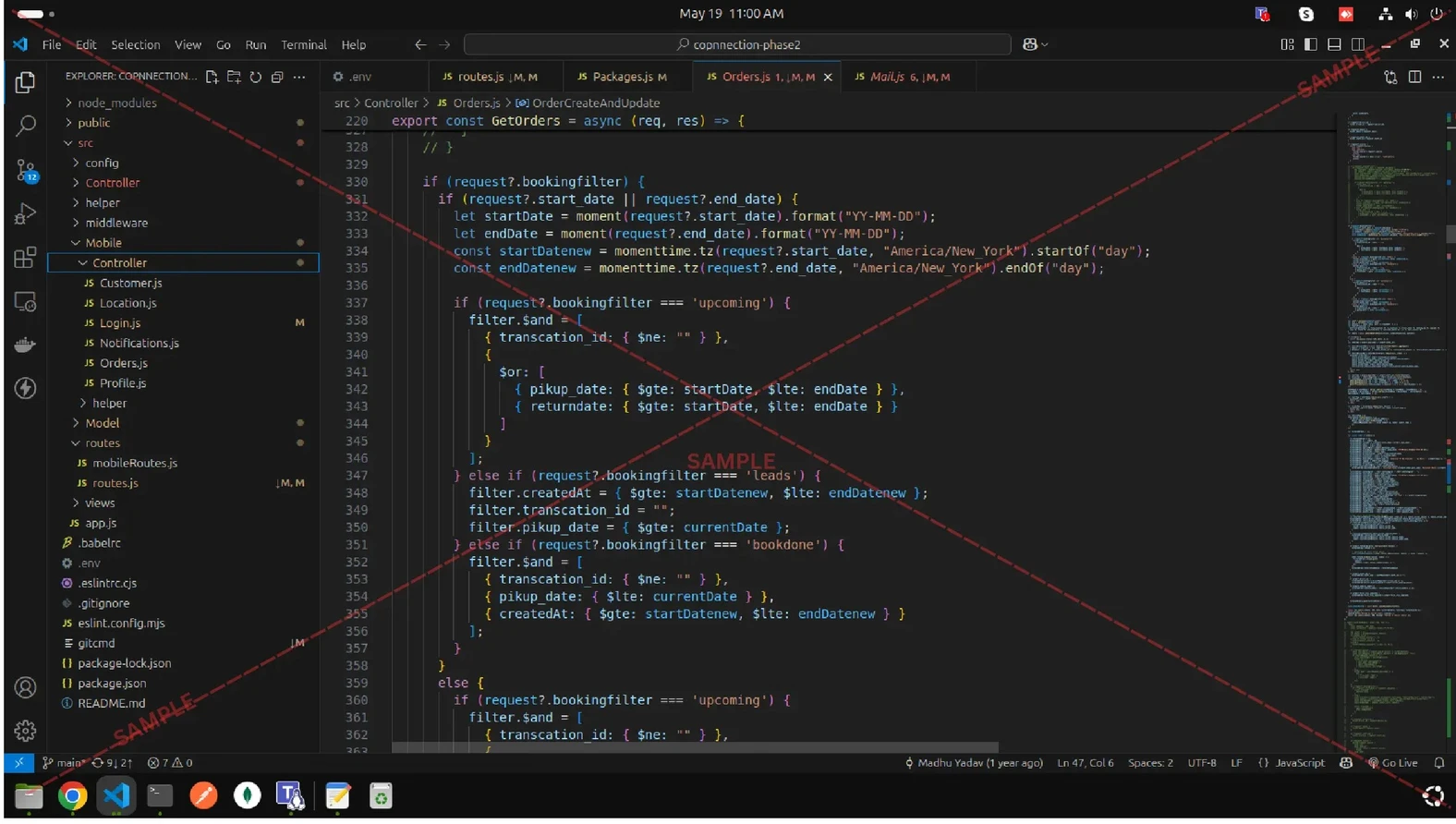
Internship Project Assitance
1:1 Live Mentor Call
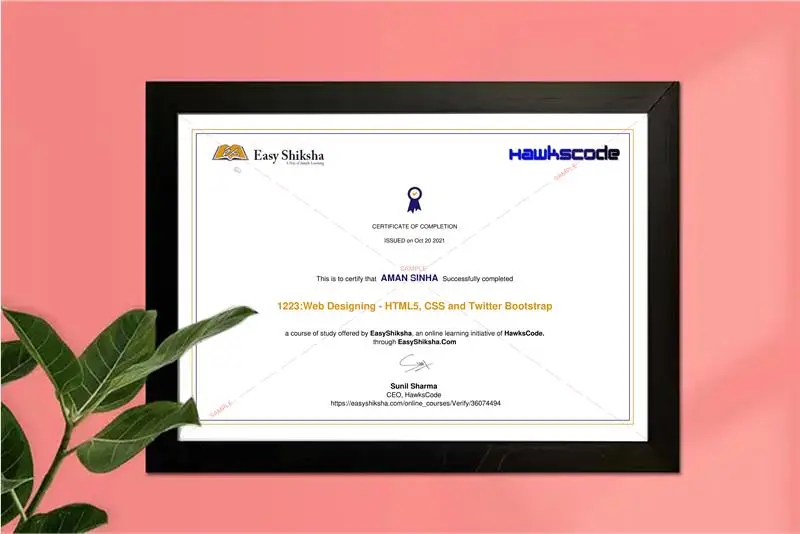
Course Certificate in Elegant Wooden Frame
2 Certificates (Course + Internship) Lifetime Access Projects & Assignments 1 Quiz + Assignments
EMIs
101 On-demand Videos Course Completion Certificate
Internship Certificate
Internship Joining/Offer Letter
Letter of Appreciation (LOA)
Internship Attendance Report
Internship Evaluation Report
Internship Certificate Hard Copy
Project Report Assitance
Internship Project Assitance
1:1 Live Mentor Call
Course Certificate in Elegant Wooden Frame
2 Certificates (Course + Internship) Lifetime Access Projects & Assignments 1 Quiz + Assignments
Why Start Now?
The Opportunity Won’t Wait.
Every day you delay is a missed opportunity to grow your skills. Learners who start today gain the advantage — whether it's building skills, improving careers, or unlocking new opportunities.
Still Thinking?
Here's everything that makes this a no-brainer:
No prior experience needed — start from absolute zero Beginner friendly — explained step by step Risk-free — 30-day full refund guarantee One-time payment — access forever Student-friendly pricing — see details at checkout Real internship certificate includedWhat Happens After You Enroll?
From payment to certificate — here's exactly what to expect
 Secure Payment
 Instant Access
30-Day Refund
2 Certificates
Instant Access
30-Day Refund
2 Certificates
Imagine After Completing This Course
Picture yourself 30 days from now — with skills, experience, and credentials that open real doors.




 Includes Internship