







Master Visual Storytelling: Cinematic Language, Editing, and Film Production
Master cinematic storytelling—craft, shoot, and edit films that captivate, evoke emotion, and leave a lasting visual impact worldwide.
#1 Most Popular Online Course & Internship in Literature You can enroll today & get certified from EasyShiksha & HawksCode.
 Build real-world projects
Internship with certificate
Resume-ready experience
Beginner to advanced
Lifetime access
Interview prep included
Build real-world projects
Internship with certificate
Resume-ready experience
Beginner to advanced
Lifetime access
Interview prep included
 Updated October 19, 2026
Join 5,00,000+ students already enrolled worldwide
No risk — 30-day full refund guarantee
Start instantly after payment — access in seconds
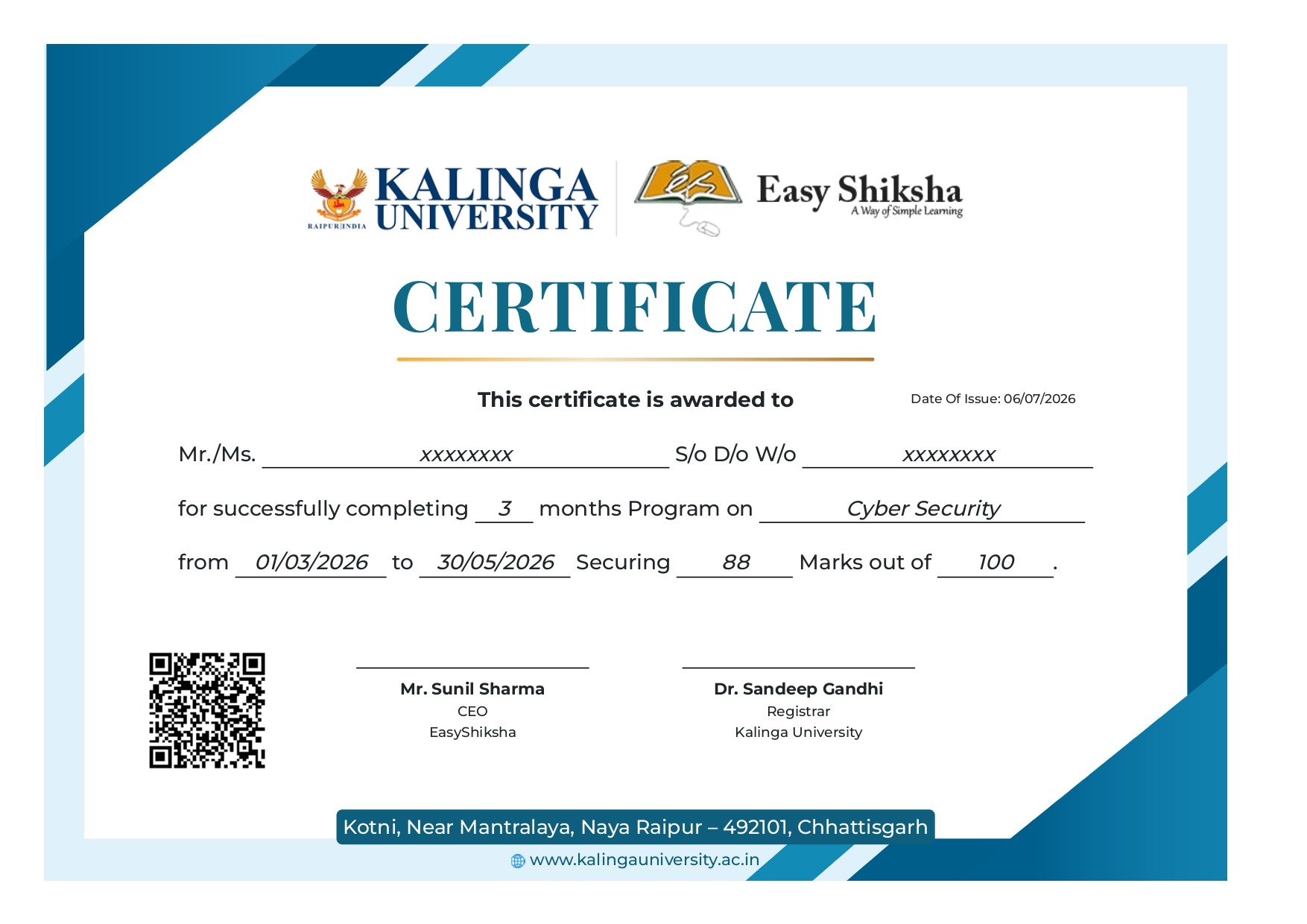
Certificate + Internship Joining Letter included
Updated October 19, 2026
Join 5,00,000+ students already enrolled worldwide
No risk — 30-day full refund guarantee
Start instantly after payment — access in seconds
Certificate + Internship Joining Letter included

 Free Preview
 101 On-demand Videos
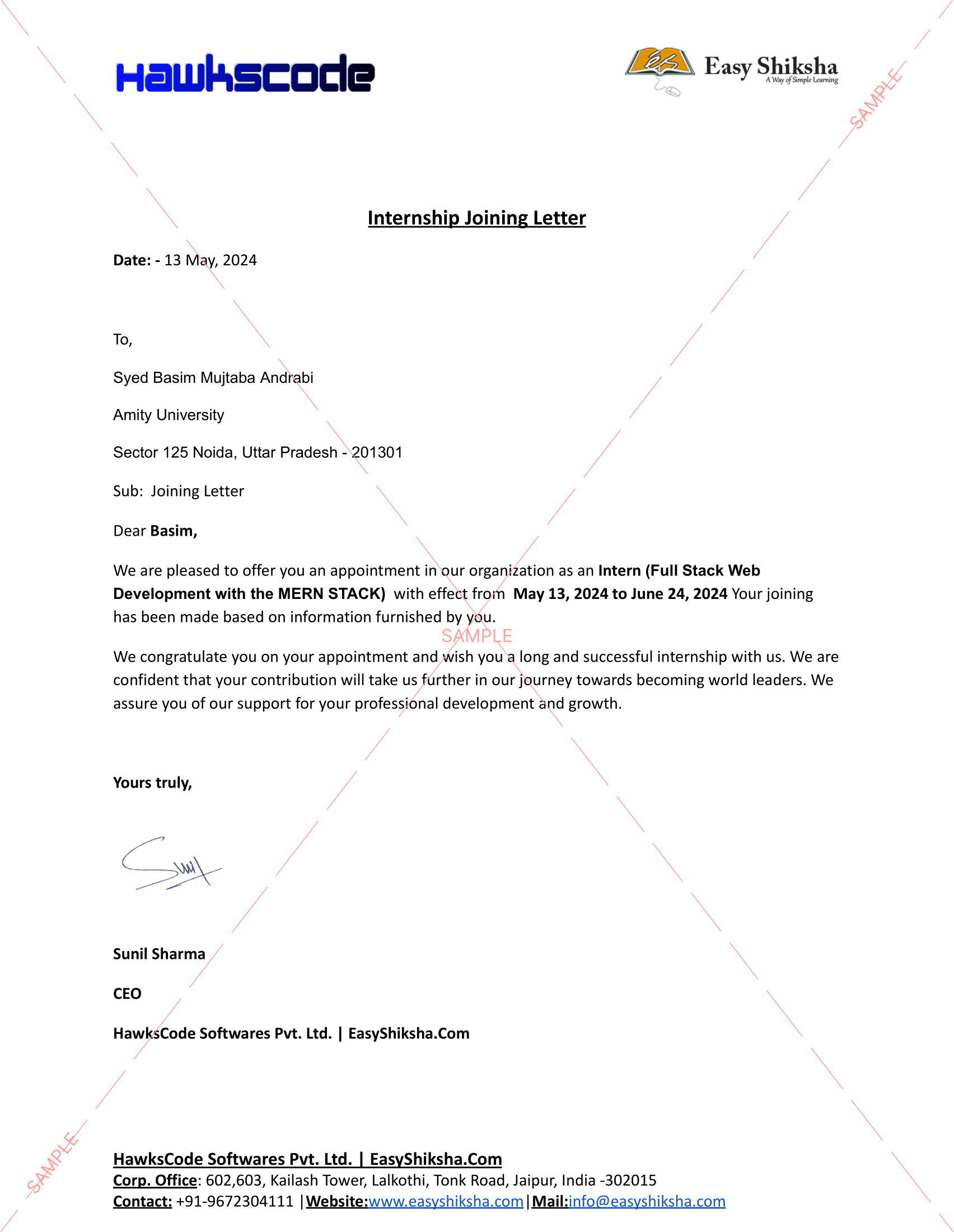
 Internship Joining Letter
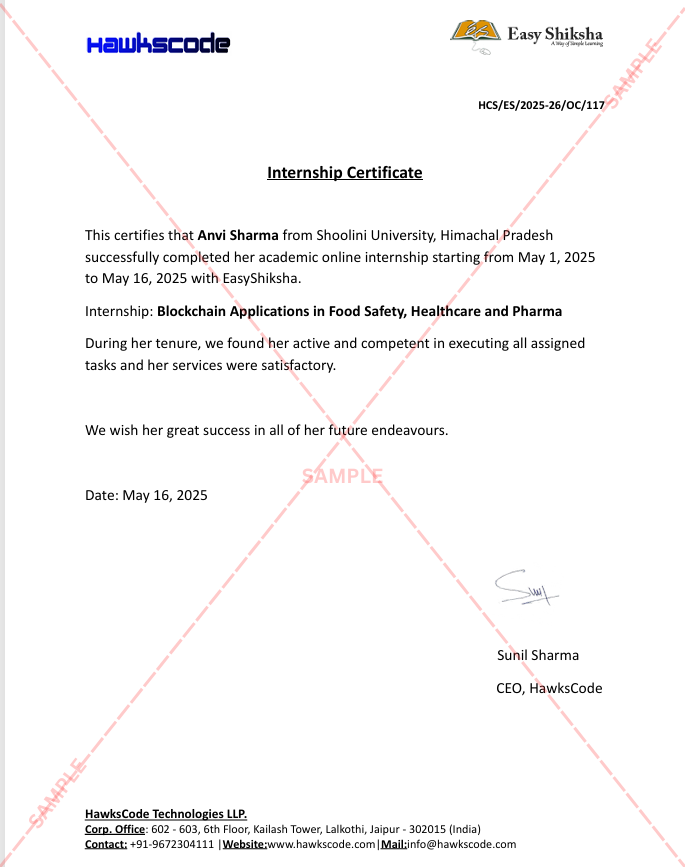
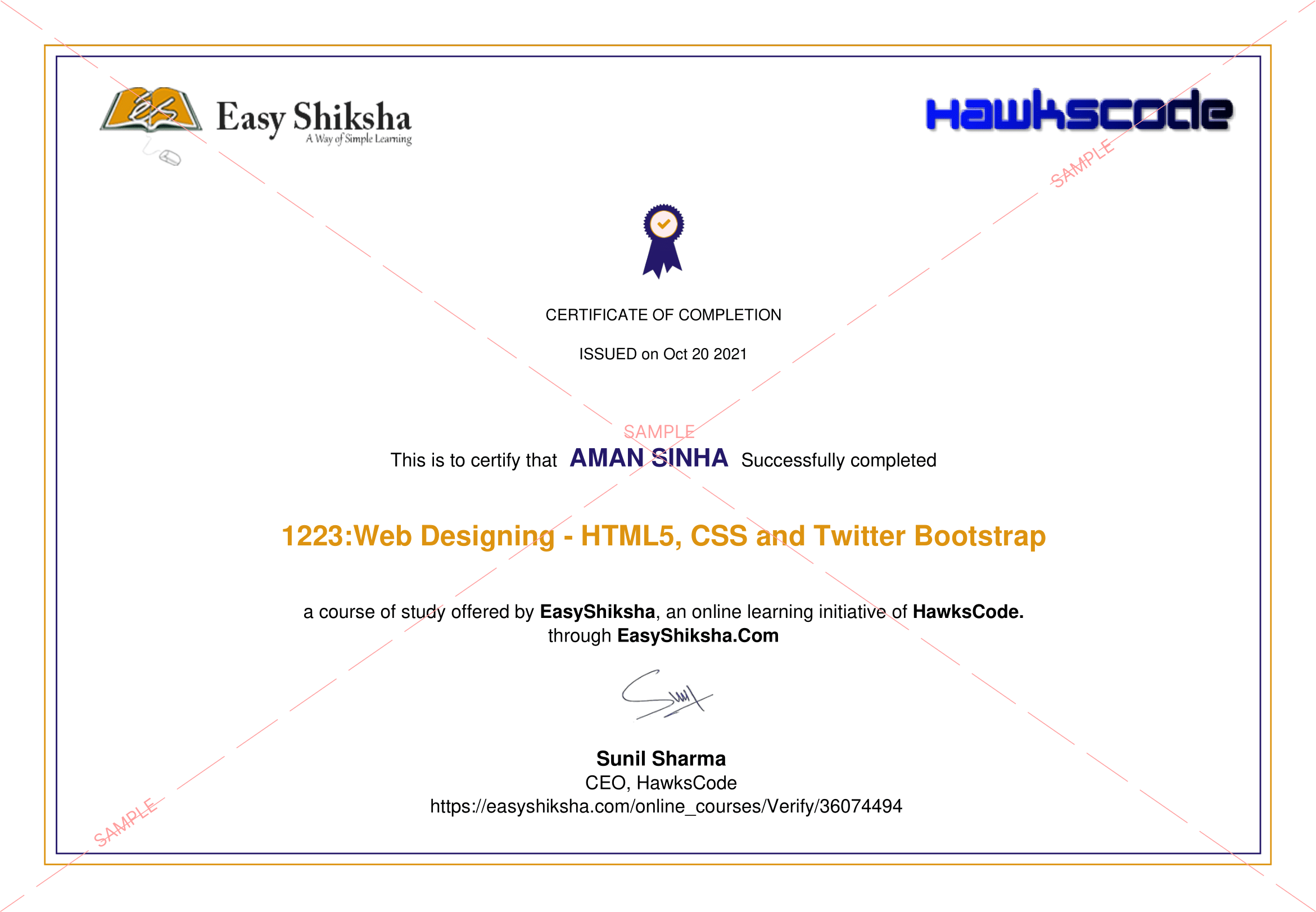
 2 Certificates (Course + Internship)
 Lifetime Access
 1 Quiz + Assignments
 Mobile & Desktop Access




Why This Course and Internship Stands Out
See exactly what separates EasyShiksha students from everyone else
 Watching scattered YouTube
videos with no structure
No certificate — nothing to show
employers
No internship experience on
resume
Wasting months without clear
direction
Struggling to stand out in job
applications
No proof of practical skills
Structured, beginner-to-advanced
learning path
Verified certificate — shareable
on LinkedIn
Real internship offer letter for
your resume
Go from zero to job-ready in one
programme
Resume-ready experience before
graduation
Practical projects you can show
any recruiter
Watching scattered YouTube
videos with no structure
No certificate — nothing to show
employers
No internship experience on
resume
Wasting months without clear
direction
Struggling to stand out in job
applications
No proof of practical skills
Structured, beginner-to-advanced
learning path
Verified certificate — shareable
on LinkedIn
Real internship offer letter for
your resume
Go from zero to job-ready in one
programme
Resume-ready experience before
graduation
Practical projects you can show
any recruiter
Internship Opportunity Included With This Course
"This is not just a course — it's real career experience. Walk away with documents that prove your skills to any employer."




This Course is Perfect For
Whether you're starting from scratch or switching careers — this course is designed with your success in mind.








This course uses elements of Artificial IntelligenceHave you ever wondered why certain films leave you breathless, haunted, or inspired long after the credits roll? What is it that makes movie moments so deeply etched in our memories, evoking real emotion from mere flickering images? Today’s visual world is saturated with moving pictures, but true cinematic storytelling—where every frame, cut, and gesture speaks volumes—remains a rare craft. Whether you’re an aspiring director, a visual artist, a storyteller, or a cinephile yearning to decode the secret language of film, this course will open your eyes to the extraordinary power of visual storytelling in filmmaking.
Our team brings together years of experience across directing, cinematography, screenwriting, and film history scholarship. We’ve designed this course to equip you with authentic, industry-tested insights, rooted both in timeless film principles and contemporary cinematic trends. Today, visual storytelling is more vital than ever—not only in the art of filmmaking, but in advertising, social media, branded video content, and digital media platforms that reward the bold, the evocative, and the narratively sharp. Visual culture is global—those who master it become the voices shaping what our world sees, feels, and remembers.
A Journey From Foundations to Mastery
From the earliest days of silent cinema to the digital narratives defining the next generation, our course is a carefully sequenced exploration of the creative, technical, and collaborative processes that bring compelling stories to life on screen. You’ll develop a filmmaker’s eye, learning to recognize the patterns, decisions, and details that transform scripts into unforgettable cinematic experiences.
Throughout the course, you’ll engage in a rich combination of guided projects, practical assignments, hands-on scene analyses, and portfolio-building exercises that go far beyond theory. These aren’t just academic discussions—each module is an invitation to observe, experiment, create, and refine. You’ll be challenged to bring your own stories to life, turning abstract principles into concrete, screen-ready works that communicate with clarity and artistry.
The Visual Language of Story—Creating Impact, Frame by Frame
We begin by transporting you into the heart of cinematic storytelling—exploring how narrative meaning emerges not just from words or performances, but from the fundamental building blocks of moving images. By analyzing early motion pictures and reveling in the ingenious visual tricks of silent cinema, you'll see how narrative has always thrived in our ability to harness images for emotional and intellectual engagement. We’ll uncover the building blocks of cinematic language: framing, composition, camera movement, symbolism, and mood. Through in-depth case studies and scene dissections, you’ll gain practical skills for orchestrating visual moments that speak volumes.
Move Beyond Imitation—Craft Your Own Visual Voice
One of the core strengths of this course is its focus on helping you move from passive viewing to active, intentional filmmaking. With creative exercises in sequencing, montage, and visual juxtaposition, you’ll learn how meaning unfolds and shifts over time—not just in isolated shots, but in the complex dance of images, rhythms, and pacing that shape how audiences perceive and feel.
Understanding point-of-view is fundamental to cinematic storytelling. We’ll dive deeply into framing, perspective, and the emotional power of visual intimacy and distance. Through scene reconstructions and shot experiments, you’ll discover how different perspectives—first person, omniscient, objective, or subjective—guide audience connection, empathy, and suspense.
Emotion, Audience Engagement, and the Psychology of the Image
Great filmmakers are emotional architects, capable of tugging strings of empathy, anticipation, and catharsis. In immersive modules dedicated to nonverbal communication, close-ups, gesture analysis, and the choreography of space, you’ll gain the tools to direct attention and emotion, using every aspect of the frame for maximum impact. We’ll show you, through renowned film examples and original scene work, how cinematic techniques sear images and feelings into audience memory, making your stories not just watched, but experienced and remembered.
Temporal Structure—Rhythm, Pacing, and the Experience of Time
The magic of film lies in its manipulation of time—the pulsing of tension, the release of emotion, the expansion or compression of moments for maximum effect. Our course offers a unique dive into temporal structure, cinematic rhythm, and narrative pacing. Through hands-on editing exercises and scene-building projects, you’ll learn how to control screen time and story time, experimenting with continuity, ellipsis, and nonlinear structures that keep viewers engaged and invested.
Discover how legendary films construct suspense, surprise, and emotional release through sequencing, flashbacks, and innovatively timed visual reveals. You'll develop a flexible approach to narrative, equipping yourself with a wide repertoire of techniques—crucial for both scripted works and the ever-increasing demand for agile storytelling in digital media.
Editing, Montage, and the Art of Psychological Engagement
As you progress, the course deepens into the creative psychology of editing: how cuts, transitions, and montage sequences intensify emotion, guide perception, and unlock new layers of meaning. We’ll put the focus on experimentation, using cross-cutting, rhythm-based cuts, and historical comparisons to reveal how editing is at the core of cinematic storytelling’s most memorable—and influential—moments. By the end, you’ll develop your own screen-ready montage, using rhythm as your brushstrokes for maximum audience impact.
Production Context—Bridging Imagination and Craftsmanship
A powerful story begins with a vision—but comes alive through disciplined production and collaboration. We demystify the journey from script to screen, introducing you to the tools of pre-visualization, storyboarding, and production management. Gain industry-proven templates for budgeting, scheduling, and resource planning—essential whether you're working solo, with a small crew, or managing a large-scale team. Learn from real-world examples of independent projects that punched far above their budget, transforming constraints into innovation.
Collaboration is at the heart of film. We dedicate modules to the dynamics between directors, producers, writers, cinematographers, and multidisciplinary crews. Through insider interviews and case studies, you’ll learn best practices for communication, vision-sharing, conflict resolution, and leadership on set—all hallmarks of professional, portfolio-ready productions.
Set, Space, and the Cinematic World
Beyond story and character, the world itself is a character in your film. We guide you through the vital decision-making of location scouting, set design, and production planning, revealing how the environments you choose and build can transform simple stories into immersive cinematic journeys. Gain step-by-step strategies for staging movement, blocking scenes, and using visual atmospherics to underpin theme and emotion. Armed with classic and contemporary examples, you’ll tackle assignments that sharpen your eye for world-building and enhance every layer of your filmmaking.
The Interplay Between Budget, Innovation, and Story
Great films are shaped by their boundaries as much as their ambitions. In this course, you learn how to harness limitations—budget, time, resources—as fuel for creative problem-solving, turning every challenge into an opportunity for visual invention. From low-budget miracles to genre-defining blockbusters, our toolbox and case studies will help you balance creative goals with practical feasibility, empowering you to deliver compelling stories at any scale.
Performance, Casting, and the Human Heart of Cinema
Filmmaking is about people—within the frame and behind the scenes. We provide you with actionable advice on casting, directing actors, and eliciting performances that feel authentic, alive, and visually magnetic. Explore techniques for achieving emotional truth on screen, handling ensemble casts, and ensuring performance continuity across complex filming schedules. You’ll analyze milestone performances and gain pro tips for working with diverse talent, bolstering your confidence as a visual storyteller.
Master the Art of Adaptation and Real-World Filmmaking
Production rarely goes as planned. Our team lays out practical strategies for troubleshooting on set, navigating unpredictable weather, technical challenges, and last-minute script changes. Develop your crisis-management toolset, learn to adapt storyboards in real time, and discover contingency planning inspired by films that overcame the odds to achieve greatness.
Aesthetics, Genre, and Directorial Signature
This isn’t just a technical course—it’s a laboratory for your own vision. Through genre study and deep-dives into directorial style, you’ll experiment with aesthetic choices, cultural influences, and creative risks. Learn to develop a personal voice that resonates across genres and cultures, balancing innovation with tradition. Explore what trademark style looks like in a global cinema landscape and how your own experiences and passions can shape a meaningful, original body of work.
Understanding Audience, Interpretation, and Your Film’s Legacy
What happens when your film meets an audience, a critic, or a culture? We dive into the science and art of audience reception, understanding how images, structure, and timing plant seeds in the viewer’s mind. Build strategies for guiding interpretation, evoking the responses you intend, and analyzing feedback to sharpen your future projects. Learn from films that changed the way audiences engaged with story—and harness those lessons as you shape your own creative legacy.
Ethics, Culture, and Responsibility in Visual Storytelling
With power comes responsibility. Our course invites you to grapple with the ethical and cultural impacts of your stories. We cover best practices for representing diverse perspectives, fostering empathy, and addressing socially significant topics with sensitivity and artistic integrity. Navigate copyright, authorship, and collaboration in a rapidly shifting media landscape, and study the real-world consequences of storytelling choices—on both film legacy and public discourse.
A Pathway to Lifelong Growth—Your Cinematic Journey Begins Here
Your time with us is just the beginning. We provide structured opportunities for reflection, feedback, creative peer connection, and real-world portfolio development. Through project-based assessments, collaborative workshops, and community critique, you’ll leave with a suite of completed works—and the professional language and confidence to present them.
Our commitment doesn’t end at course completion. With ongoing access to growing resources, insights into future trends, and opportunities for connection with an active creative network, you’re positioned not only to launch, but to sustain, a lifelong journey in cinematic storytelling.
Start Creating the Stories That Will Define Tomorrow’s Culture
In today’s dynamic landscape—across film, television, streaming, digital shorts, branded content, and social storytelling—the visual storyteller is more important than ever. You have a unique voice and vision, and the world is ready to see—and feel—what you create.
Master the full arc of cinematic storytelling, from foundational theory to on-set problem-solving, deep collaboration, and masterful execution. Build a portfolio of meaningful, visually stunning work, and join a creative community dedicated to raising the art of film to new heights.
Step into the world of professional filmmaking. Enroll today, and let’s tell stories that matter, together.
 Unlock 99 More Lessons + Internship Access

 Missing this = losing the internship credential Missing this = losing your early-access advantage Missing this = falling behind candidates who did enroll



.svg?v1)
 Chat with us first →
 UPI
UPI
 Wallets
 Debit/ Credit card
 NetBanking
 EMIs
101 On-demand Videos Course Completion Certificate
Internship Certificate
Internship Joining/Offer Letter
Letter of Appreciation (LOA)
Internship Attendance Report
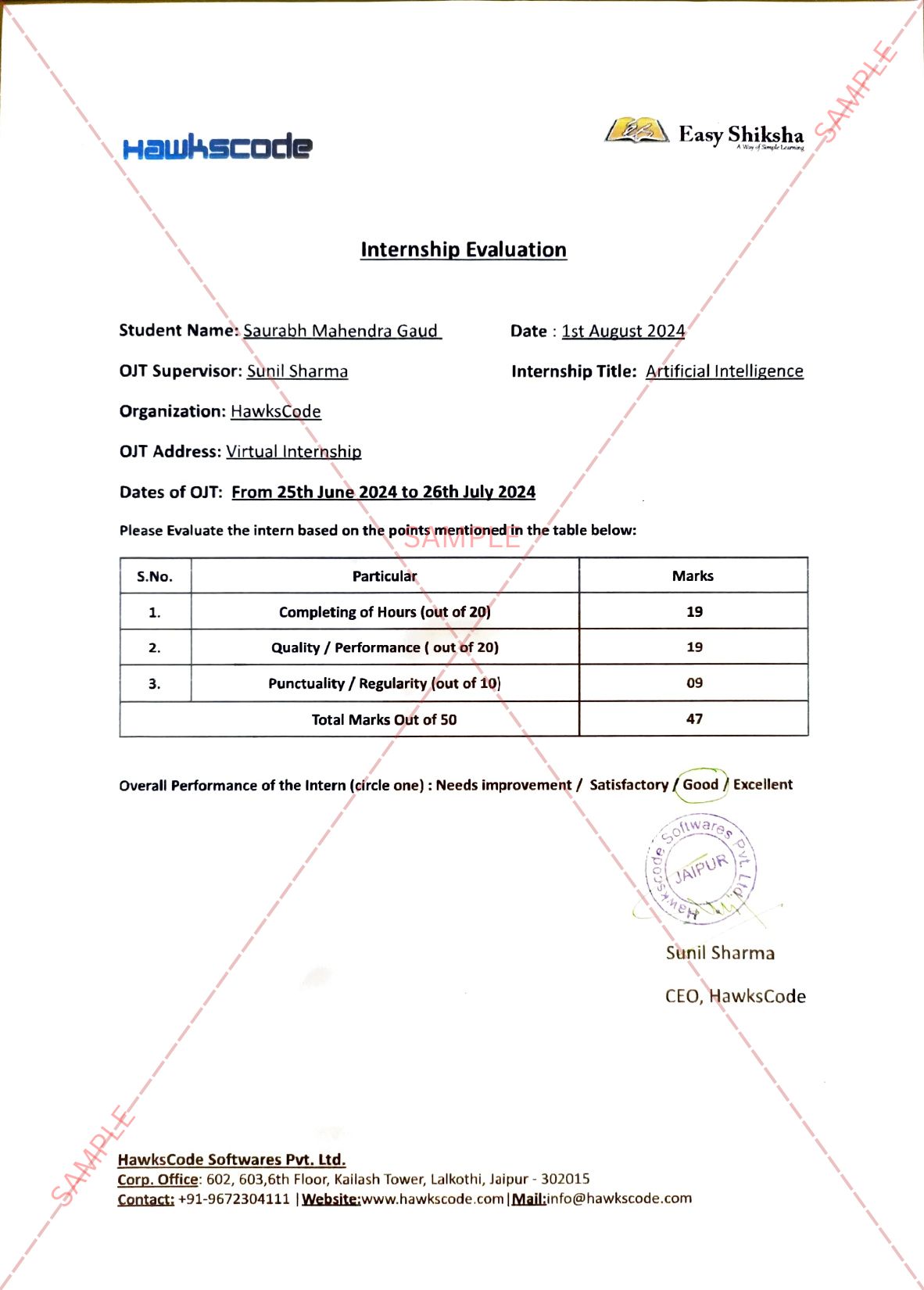
Internship Evaluation Report
Internship Certificate Hard Copy
Project Report Assitance
Internship Project Assitance
1:1 Live Mentor Call
Course Certificate in Elegant Wooden Frame
2 Certificates (Course + Internship) Lifetime Access Projects & Assignments 1 Quiz + Assignments
EMIs
101 On-demand Videos Course Completion Certificate
Internship Certificate
Internship Joining/Offer Letter
Letter of Appreciation (LOA)
Internship Attendance Report
Internship Evaluation Report
Internship Certificate Hard Copy
Project Report Assitance
Internship Project Assitance
1:1 Live Mentor Call
Course Certificate in Elegant Wooden Frame
2 Certificates (Course + Internship) Lifetime Access Projects & Assignments 1 Quiz + Assignments
Why Start Now?
The Opportunity Won’t Wait.
Every day you delay is a missed opportunity to grow your skills. Learners who start today gain the advantage — whether it's building skills, improving careers, or unlocking new opportunities.
Still Thinking?
Here's everything that makes this a no-brainer:
No prior experience needed — start from absolute zero Beginner friendly — explained step by step Risk-free — 30-day full refund guarantee One-time payment — access forever Student-friendly pricing — see details at checkout Real internship certificate includedWhat Happens After You Enroll?
From payment to certificate — here's exactly what to expect
 Secure Payment
 Instant Access
30-Day Refund
2 Certificates
Instant Access
30-Day Refund
2 Certificates
Imagine After Completing This Course
Picture yourself 30 days from now — with skills, experience, and credentials that open real doors.




 Includes Internship