

Studies from five major cities offer actionable strategies to advance equitable urban planning.
CAMBRIDGE, Mass., Feb. 24, 2026 /PRNewswire/ -- The Lincoln Institute of Land Policy today released the Policy Focus Report Planning in a Polycrisis: Equitable Urban Strategies for a Changing Climate. Across the United States and Canada, city planners face a "polycrisis," as the interacting challenges of adapting to climate change, ensuring housing affordability and security, and prioritizing economic inclusion put competing demands on localities' limited resources, attention, time, and capacity. This report, written by Emilia Oscilowicz, James J. T. Connolly, and Isabelle Anguelovski from the Barcelona Lab for Urban Environmental Justice and Sustainability and with affiliations at the Universitat Autònoma de Barcelona and the University of British Columbia, offers a path forward by producing a framework of actionable strategies for practitioners, policymakers, and others.

"Local leaders face increasing pressure created by converging crises. This report aims to alleviate that pressure by providing a more equitable policy framework," said George W. McCarthy, president and CEO of the Lincoln Institute. "Creating more climate-friendly, affordable homes while simultaneously cultivating agency, participation, and engagement from frontline communities creates more sustainable urbanism that leads to better outcomes across the board."
In 2025, researchers interviewed 32 planners and practitioners across five cities—Boston, Massachusetts; Denver, Colorado; Portland, Oregon; Vancouver, British Columbia; and Washington, DC—and mobilized prior interviews they conducted in those cities to find that traditional approaches to climate action, housing, and economic development are often siloed, which spreads municipal resources very thin. After thorough analysis, the authors created an overarching framework that empowers city leaders to advance climate urbanism that addresses these interconnected challenges.
The recommendations include securing and expanding local climate action funding; championing resilient, affordable housing solutions; strengthening local economies and connection to place through climate resilience; restructuring and coordinating municipal planning; leveraging short-term projects for long-term goals; and fostering respectful, ongoing community engagement.
For more information about the Lincoln Institute and to view the full report, visit the Lincoln Institute's website.
About the Lincoln Institute of Land Policy
The Lincoln Institute of Land Policy seeks to improve quality of life through the effective use, taxation, and stewardship of land. A nonprofit private operating foundation whose origins date to 1946, the Lincoln Institute researches and recommends creative, nonpartisan approaches to land as a solution to economic, social, and environmental challenges. Through education, training, publications, and events, we integrate theory and practice to inform public policy decisions worldwide.
 View original content to download multimedia:https://www.prnewswire.com/news-releases/lincoln-institute-releases-new-report-outlining-how-cities-can-tackle-housing-climate-and-economic-issues-concurrently-302695601.html
SOURCE Lincoln Institute of Land Policy









Discover thousands of colleges and courses, enhance skills with online courses and internships, explore career alternatives, and stay updated with the latest educational news..

Gain high-quality, filtered student leads, prominent homepage ads, top search ranking, and a separate website. Let us actively enhance your brand awareness.
Download EasyShiksha Mobile Apps from Android Play Store, Apple App Store, Amazon App Store, and Jio STB.
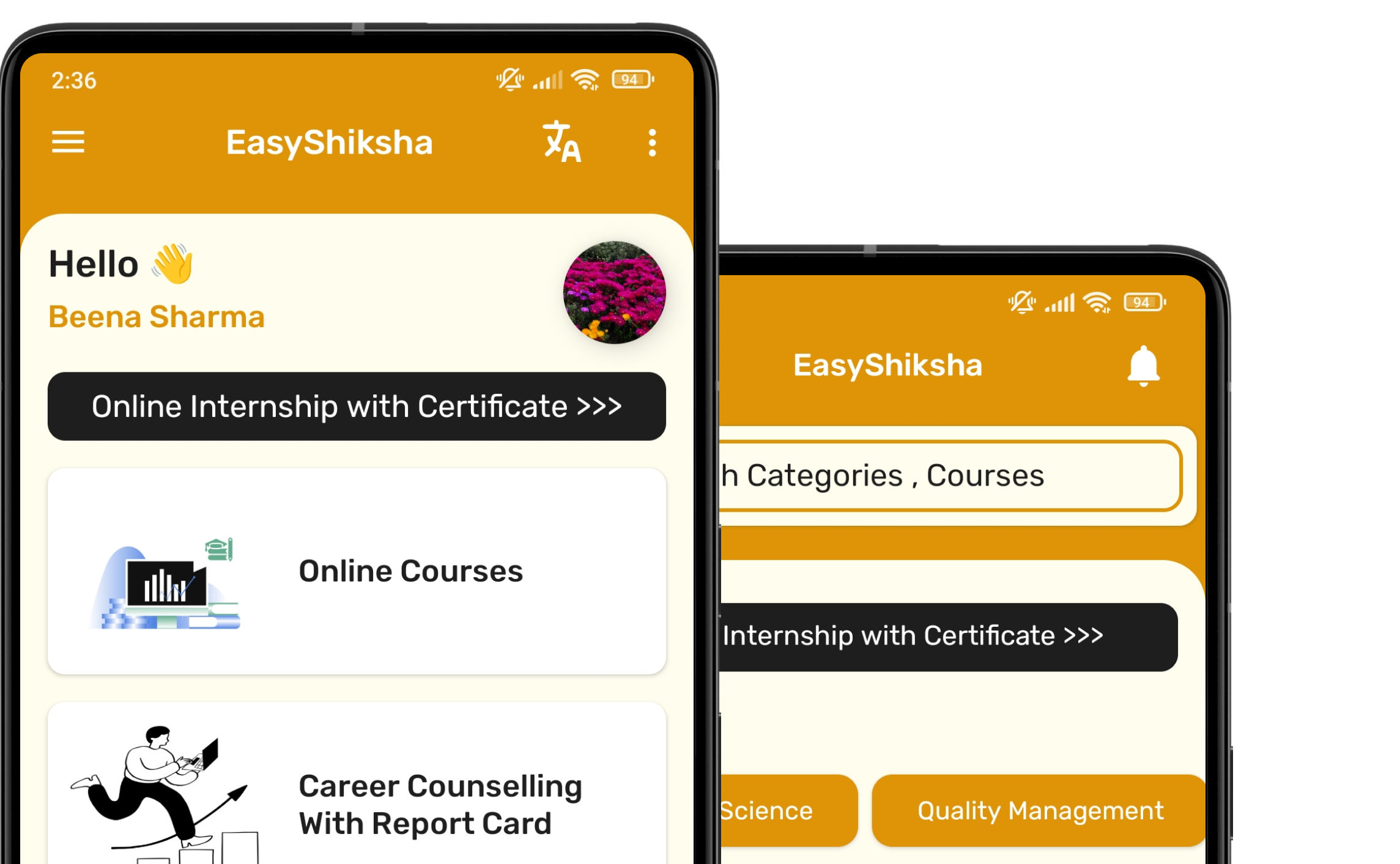


1 million+ learned on the EasyShiksha App
Trusted by Standards & Global Compliance Frameworks





Built under internationally recognized standards for quality, information security, educational excellence and business continuity.
ISO 9001:2015 | ISO/IEC 27001:2022 | ISO 21001:2018 | ISO 22301:2019 | DPIIT Recognized Startup | MSME Registered