For generations, the report card has been one of the most familiar symbols of academic success. Students have traditionally been evaluated through marks, grades, percentages, and subject-wise performance, with these numbers often shaping how parents, teachers, institutions, and even students themselves understand educational achievement. A good report card has generally been associated with high marks, while lower marks have often been viewed as a sign that a student needs improvement. Although academic assessment remains important, the world in which students are preparing to build their futures is changing rapidly. Technology is transforming industries, artificial intelligence is influencing the way people work, digital skills are becoming increasingly valuable, and employers are placing greater importance on practical knowledge, creativity, communication, adaptability, and real-world experience. In this changing environment, an important question is emerging: should a student's future still be represented mainly by a sheet of marks, or should education begin recognizing the wider range of skills and achievements that students develop throughout their learning journey?
The report card of the future may therefore look very different from the traditional report card that generations of students have received. Academic performance will continue to matter, but it may become only one part of a broader picture. Future student achievement could include practical skills, completed projects, interactive learning experiences, educational games, creative work, certifications, internships, communication abilities, problem-solving skills, and evidence of real-world application. Instead of simply showing how well a student performed in an examination, the future report card could provide a more complete understanding of what the student knows, what they can do, what they have created, and how they have grown over time. This represents a significant shift from measuring memorization to recognizing meaningful learning and real achievement.
Platforms such as EasyShiksha are part of the growing movement toward flexible and skill-oriented education. By providing learners with opportunities related to online courses, skill development, certifications, internships, and educational exploration, EasyShiksha reflects the changing expectations of modern learners. Students today increasingly need opportunities that go beyond traditional classroom learning and help them prepare for a future where knowledge, skills, creativity, and practical experience are closely connected. The future report card may not replace marks completely, but it could expand the definition of success and recognize that every learner is more than a percentage.
Why Traditional Report Cards Are No Longer Enough
Traditional report cards were developed to provide a structured and standardized method of evaluating academic performance. Students study subjects, attend classes, complete assignments, and take examinations, after which their performance is represented through marks or grades. This system continues to serve an important purpose because it helps institutions evaluate academic understanding and provides students with a clear indication of their performance in specific subjects. However, marks alone do not always reveal the complete picture of a student's abilities, interests, strengths, or potential. A student may understand a subject deeply but struggle during high-pressure examinations. Another learner may be excellent at memorizing information and achieve strong marks without necessarily developing practical understanding or the ability to apply knowledge in real-world situations.
The limitations of traditional report cards become even more visible when students move beyond school or college and begin preparing for internships, professional opportunities, and careers. Employers and organizations are often interested in abilities that cannot always be measured through written examinations. They want to know whether a candidate can communicate clearly, solve problems, work with others, use technology effectively, adapt to new situations, complete practical tasks, and continue learning independently. A percentage on a report card cannot always answer these questions. As careers become increasingly skill-oriented, education must also find better ways to recognize the abilities that students develop outside conventional examination systems.
The future report card may therefore need to become broader and more meaningful. Academic marks can continue to provide valuable information, but they should be supported by evidence of skills, practical achievements, projects, creativity, and personal development. This would allow education to recognize students as complete learners rather than reducing their abilities to a collection of numbers. EasyShiksha supports this broader approach by providing opportunities that encourage learners to develop skills and explore educational experiences beyond traditional classroom boundaries.
The Shift From Marks to Meaningful Evidence
One of the most important changes in future education may be the growing importance of meaningful evidence. Instead of asking students only to demonstrate what they can remember during a specific examination, educational institutions and employers are increasingly interested in what students can actually apply. A project can demonstrate problem-solving ability, a presentation can show communication skills, a creative assignment can reveal imagination, and a completed internship can provide evidence of workplace readiness. Similarly, a student who completes an online course, develops a digital project, or successfully participates in an educational challenge creates evidence of learning that goes beyond a traditional examination score.
This shift is important because learning becomes more valuable when students can connect knowledge with action. Memorizing information may help students perform well in certain examinations, but applying knowledge requires a deeper level of understanding. A learner who studies a concept and then uses it to solve a real problem demonstrates not only knowledge but also practical ability. The future report card could therefore include examples of completed work, projects, certifications, and achievements that show how students have used their learning in meaningful ways.
EasyShiksha can support students in building this type of achievement profile by providing access to learning opportunities connected with courses, skill development, certifications, and internships. These experiences allow students to move beyond simply consuming information and begin creating evidence of what they have learned. The future of education may increasingly focus on helping students build a learning journey that they can demonstrate through real achievements rather than relying entirely on examination results.
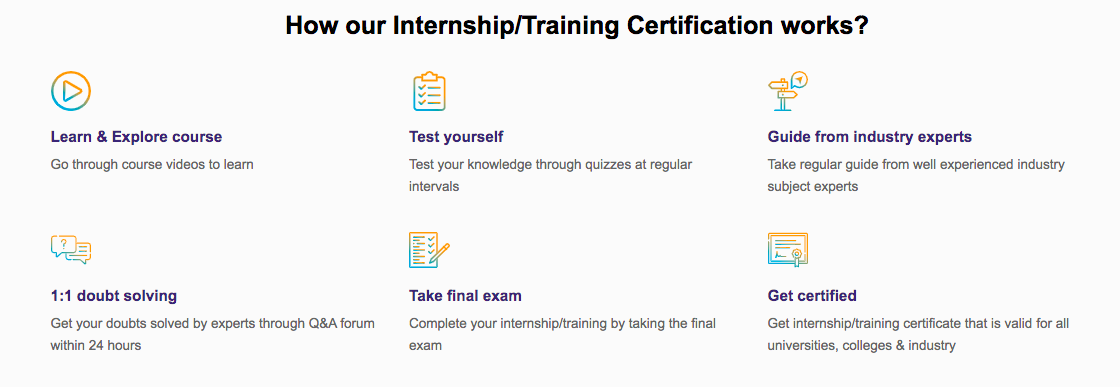
How EasyShiksha Internship/Training Program Works
Skills Could Become a Major Part of the Future Report Card
The modern world requires students to develop a combination of technical knowledge and human abilities. Communication, creativity, critical thinking, problem-solving, collaboration, adaptability, and digital literacy are becoming increasingly important in education and professional life. A future report card could therefore include information about how students are developing these skills over time. Rather than treating skills as secondary achievements, education may begin recognizing them as essential components of overall success.
Communication, for example, is important in almost every profession. Students need to express ideas clearly, listen carefully, write effectively, participate in discussions, and communicate with different types of people. Creativity is equally valuable because future challenges will require original thinking and innovative solutions. Problem-solving helps students approach difficulties logically and confidently, while collaboration prepares them to work successfully with others. Digital skills are becoming necessary across industries as technology continues to influence the way people learn and work.
A future-focused report card could provide students with a clearer understanding of these strengths. Instead of receiving only a mark in a subject, learners might also see evidence of how their communication, creativity, teamwork, and problem-solving abilities have developed. This would encourage students to recognize that education is not only about remembering information but also about becoming capable individuals who can apply knowledge in different situations.
EasyShiksha supports this changing educational environment by providing learners with opportunities to explore skills that may be relevant to their academic and professional growth. Through flexible learning, students can continue developing abilities that complement their formal education and help them become more prepared for future opportunities.
Projects Show What Students Can Actually Do
Projects may become one of the most important components of the future report card because they provide visible evidence of learning. A project allows students to take information from books, lectures, or online courses and transform it into something practical. Instead of simply answering questions about a subject, students can research problems, create solutions, design products, develop presentations, build digital projects, write reports, or complete practical assignments. The final result demonstrates how students think, plan, create, and apply knowledge.
Project-based learning also encourages deeper engagement with subjects. Students often need to research information independently, analyze problems, make decisions, manage time, and communicate their ideas. These experiences can help develop multiple skills at the same time. A student completing a technology project may develop technical knowledge, creativity, and problem-solving abilities. A business-related project may improve research, communication, planning, and decision-making. A creative project may encourage imagination while helping students develop discipline and confidence.
The future report card could include project achievements as an important part of student evaluation. This would make education more closely connected to real-world expectations because students would be recognized not only for what they know but also for what they can create. EasyShiksha's focus on practical learning and skill development supports this approach by giving learners opportunities to explore knowledge in ways that can contribute to meaningful achievements.
Educational Games and Interactive Learning Could Change Assessment
Games have traditionally been viewed primarily as a form of entertainment, but educational and interactive experiences are changing the way people understand the relationship between play and learning. Purposeful games can encourage students to solve problems, recognize patterns, make decisions, develop strategies, and remain persistent when they face challenges. For children especially, interactive learning can make education feel more engaging and less intimidating than traditional methods based entirely on memorization and repetition.
The future report card may eventually recognize progress made through meaningful educational games and interactive learning experiences. This does not mean that every game score should become part of academic assessment. The purpose should not be to transform play into another stressful form of examination. Instead, interactive activities can provide useful insights into how learners approach challenges, develop strategies, and improve through practice. A student who continues trying after failure may demonstrate persistence, while another learner may show creativity by finding an original solution to a difficult challenge.
Games can also provide immediate feedback, allowing students to understand the results of their decisions and improve gradually. Traditional examinations often provide feedback only after an assessment has been completed, while interactive learning allows students to experience progress during the learning process itself. EasyShiksha's broader educational ecosystem supports the growing importance of engaging and learner-friendly experiences. When games and interactive activities are designed with meaningful educational objectives, they can become valuable tools for skill development and personal growth.
Real Achievements Matter Beyond the Classroom
Students learn in many different environments. The classroom is important, but education does not end when students leave school or college. Learners also develop valuable abilities through personal projects, internships, creative activities, online courses, competitions, volunteering, clubs, and real-world experiences. Traditional report cards may not always recognize these forms of growth, even though they can play an important role in preparing students for the future.
The future report card could create space for achievements that happen beyond conventional academic subjects. A student who organizes an event may develop leadership and communication skills. Someone who participates in a community initiative may demonstrate responsibility and social awareness. A learner who creates a website or digital project may develop technical skills and creativity. A student who completes an internship can gain valuable exposure to professional environments and workplace expectations. These experiences provide meaningful evidence of development that cannot always be represented through examination marks.
EasyShiksha offers learners opportunities connected with online learning, skill development, certifications, and internships, allowing students to build achievements that may contribute to their broader learning profiles. Recognizing real achievements can help students understand that education is not limited to textbooks and examinations. Learning happens whenever individuals explore new ideas, solve problems, develop abilities, and apply knowledge in meaningful ways.
The report card of the future may not necessarily be a single printed document. Instead, it could become a digital learning portfolio that develops alongside the student. A digital portfolio could contain academic performance, completed courses, certifications, projects, creative work, internship experiences, skill development, and other meaningful achievements. Rather than providing only a snapshot of performance during a specific examination period, a portfolio could show how a learner has developed over months and years.
This approach would make progress more visible. A student who initially struggles with communication may gradually become more confident through presentations and projects. A learner who begins without technical knowledge may eventually complete a successful digital project. A student who discovers an interest in creativity may develop a portfolio of original work. These changes are important because education is a continuous journey rather than a series of isolated examinations.
Digital learning platforms such as EasyShiksha can support this future by giving students access to flexible learning opportunities and achievements that contribute to their educational journeys. As learners complete courses, develop skills, earn certifications, and gain practical experience, they can gradually create a stronger record of their development. The future report card may therefore become dynamic, personalized, and continuously updated rather than remaining limited to a single period of academic performance.
Progress May Become More Important Than Perfection
Traditional education often places significant importance on final results. Students are rewarded for achieving high marks, while mistakes are frequently associated with failure. However, the future of education may increasingly recognize the importance of progress. A student who improves significantly over time demonstrates determination, persistence, and a willingness to learn. These qualities are extremely valuable, particularly in a world where people will need to continue developing new skills throughout their lives.
A progress-focused approach can create healthier learning environments because students become less afraid of making mistakes. Instead of asking only what score a student received, educators may begin asking how much the student has improved and what they have learned from challenges. This can encourage a growth mindset in which students understand that abilities can develop through practice, effort, and continuous learning.
EasyShiksha's flexible learning environment supports the idea that students can learn according to their own pace and continue developing over time. Learners can revisit topics, explore new skills, and gradually improve their understanding. The future report card could include evidence of this progress and help students recognize that education is not about achieving perfection immediately. It is about developing the confidence and ability to become better throughout life.
Communication and Creativity as Future Achievements
Communication and creativity may become increasingly important components of future student evaluation. In a technology-driven world, students will need the ability to express ideas clearly, understand different perspectives, work with others, and communicate across both physical and digital environments. Technical knowledge alone may not be enough if students are unable to explain their ideas or collaborate effectively with others.
Creativity is equally important because many future challenges will require original thinking. Students may need to develop new solutions, create innovative products, communicate ideas in engaging ways, and approach problems from different perspectives. Creativity should not be limited to art or design. It can also appear in technology, business, science, communication, and problem-solving.
The future report card could recognize creative work through projects, writing, storytelling, designs, presentations, and innovative solutions. Rather than expecting every student to demonstrate success in exactly the same way, education may increasingly recognize that different learners have different strengths. EasyShiksha supports educational exploration and skill development, giving students opportunities to discover areas that match their interests and goals.
Technology and Coding as Evidence of Practical Learning
Technology is becoming an important part of almost every industry, making digital literacy increasingly valuable for students. Future learners may need to understand coding concepts, artificial intelligence, data, digital tools, and other emerging technologies. However, future achievement will not depend only on understanding technology. Students will also need to demonstrate how they can use technology responsibly, creatively, and effectively.
The future report card could include technology-related projects and achievements that provide evidence of practical ability. Students may showcase websites, applications, digital designs, coding projects, data analysis, or technology-based solutions. These examples would provide a clearer understanding of what learners can actually do.
EasyShiksha can support students interested in developing modern and career-oriented skills by providing access to online learning opportunities. Students can explore subjects according to their interests and gradually build knowledge that may contribute to their future educational and professional journeys. Technology achievements may therefore become part of a broader student profile that connects learning with practical application.
Collaboration and Teamwork in the Future Report Card
Traditional examinations usually evaluate students individually, but many real-world situations require people to work together. Modern workplaces depend on communication, collaboration, shared decision-making, and teamwork. Students therefore need opportunities to develop these abilities before entering professional environments.
Group projects can help learners understand how to share responsibilities, listen to others, contribute ideas, and solve problems collectively. A future report card could recognize collaboration as an important achievement area. This should not mean rewarding only students who speak the most or take the most visible roles. Teams require different types of contributions, and meaningful evaluation should recognize the diverse strengths that students bring to collaborative work.
Some students may be strong organizers, while others may contribute creative ideas or technical knowledge. Some may be effective communicators, while others may analyze problems carefully. A broader understanding of achievement can help students recognize that teamwork involves many different abilities. EasyShiksha's learner-focused approach reflects the importance of developing skills that extend beyond individual academic performance.
Internships and Real-World Experience
Internships can become an increasingly important part of future student achievement profiles because they connect education with real working environments. Students often gain their first understanding of professional expectations through internships, where they can observe workplace communication, responsibilities, deadlines, teamwork, and practical problem-solving.
The future report card or digital portfolio could include internship experiences as evidence of career readiness. Instead of simply showing that a student completed a course, an achievement profile could demonstrate how the learner applied knowledge in practical situations. This connection between learning and experience can help students become more confident and prepared for future opportunities.
EasyShiksha supports internship opportunities and career-oriented learning experiences that can help learners move closer to professional environments. For students, completing an internship can represent more than a line on a resume. It can become an important learning experience that develops confidence, responsibility, and practical understanding.
Certifications as Proof of Continuous Learning
The modern education system is increasingly recognizing that learning does not end with a degree. Students and professionals often need to continue developing new abilities as industries and technologies change. Certifications can provide evidence that learners have completed specific educational programs and explored additional areas of knowledge.
A future report card could include relevant certifications as part of a student's broader achievement profile. When combined with practical skills and completed projects, certifications can help create a stronger record of continuous development. EasyShiksha provides certification opportunities that can help learners document their educational progress and skill-building journey.
For students, this approach can encourage lifelong learning. Instead of waiting until graduation to develop additional skills, learners can begin exploring new subjects and building meaningful achievements throughout their educational journeys. The future report card may therefore become a reflection of continuous growth rather than a final statement about student ability.
Artificial Intelligence and the Future of Assessment
Artificial intelligence is likely to influence many aspects of education, including assessment and progress tracking. AI-powered systems may eventually help provide personalized learning experiences, identify areas where students need additional support, and offer faster feedback. However, technology should support education rather than reduce students to automated scores or predictions.
The future report card must remain human-centered. Every learner has different interests, experiences, challenges, and strengths. Technology can help organize information and track progress, but teachers, parents, and students themselves will remain essential in understanding personal growth.
EasyShiksha reflects the growing role of digital technology in making learning more flexible and accessible. As educational platforms continue to evolve, students may have more opportunities to create detailed records of their learning journeys. Technology can make these records easier to organize, but the purpose should always be to support meaningful growth.
The future report card should use technology to understand students better rather than judge them more narrowly. The most successful systems will combine the efficiency of digital tools with empathy, encouragement, and human understanding.
A broader future report card could also improve the way parents understand their children's development. Traditional marks provide information about academic performance, but they may not reveal creativity, communication, confidence, persistence, practical skills, or personal progress. A more complete learning profile could help parents see strengths and areas where additional support may be useful.
This could also change the conversations families have about education. Instead of asking only about marks, parents might ask students what they created, what skills they improved, what challenges they solved, or which projects they enjoyed completing. These questions can encourage students to think about education as a journey of growth rather than a competition for high scores.
EasyShiksha supports opportunities that can help students develop skills and achieve educational milestones beyond traditional classroom learning. A broader understanding of success can create more meaningful conversations and help students develop confidence in different areas of their lives.
The Future Report Card and Career Readiness
One of the most important advantages of a broader achievement profile is its connection with career readiness. Students often face difficulty when they need to demonstrate their abilities while applying for internships or jobs. Academic marks can be useful, but employers frequently want practical evidence of skills and experience.
A future report card could gradually become part of a student's career portfolio. Learners could include projects, certifications, internships, communication achievements, technical skills, and other meaningful experiences. This would allow employers and institutions to understand not only what students studied but also what they have actually achieved.
EasyShiksha supports career-oriented learning by connecting educational opportunities with skill development and internship experiences. Students who begin documenting their achievements early may become more confident when preparing for future professional opportunities. Career readiness does not need to begin only after graduation. It can develop throughout the learning journey as students gain knowledge, complete projects, explore skills, and participate in practical experiences.
Why EasyShiksha Fits Into the Future of Learning
The future of education will require platforms that recognize more than one definition of success. Students need opportunities to learn new skills, explore interests, complete courses, earn certifications, participate in internships, and gain practical confidence. EasyShiksha supports this changing educational environment by providing learners with opportunities connected to online learning, skill development, certifications, internships, and educational exploration.
Modern learners are no longer limited to a single textbook, a single learning schedule, or one traditional method of education. They can explore knowledge independently, develop additional skills, and create learning experiences that align with their personal interests and career goals. This flexibility can become especially valuable as the future of work continues to change.
EasyShiksha can therefore become part of a student's broader learning journey by encouraging continuous education and practical skill development. As the meaning of achievement continues to expand, platforms that support flexible and learner-focused education may play an increasingly important role in helping students prepare for future opportunities.
Conclusion
The traditional report card has played an important role in education for generations, but the future demands a broader and more meaningful understanding of student achievement. Marks and grades will continue to provide valuable information about academic performance, yet they cannot fully represent a student's creativity, communication abilities, practical skills, projects, persistence, real-world experience, or personal growth.
The future report card may include academic knowledge alongside skills, games, projects, certifications, internships, creativity, collaboration, problem-solving, and other meaningful achievements. It may become less focused on a single examination and more connected to a student's complete learning journey.
A student who develops a new skill has achieved something meaningful. A learner who creates a project has demonstrated ability. Someone who improves after failure has shown persistence. A student who completes an internship has gained valuable experience. A child who solves a challenging problem has developed confidence. These achievements deserve recognition because they contribute to the development of capable and future-ready individuals.
EasyShiksha supports this broader vision of education through flexible learning opportunities, skill development, certifications, internships, and learner-focused experiences that can help students build meaningful achievement profiles.
Anshika Jain is an Engineer, Developer, and Educational Content Author known for her dedication to technology and knowledge sharing. With a strong analytical mindset and a passion for innovation, she has consistently contributed to creating meaningful digital solutions and insightful educational articles.
Her ability to simplify complex technical concepts into engaging and easy-to-understand content makes her work valuable for students and learners across various platforms. Along with her technical expertise, Anshika is admired for her creativity, professionalism, and commitment to continuous learning.
She represents a perfect blend of technical excellence and impactful communication, inspiring others through both her development work and educational contributions.