








Chandigarh University
A UGC-recognised private university offering online Degree, B.Voc, and Executive programmes across Engineering & Technology and Business & Management — accredited, approved, and ready to apply to today.
A UGC-recognised university in Mohali
Chandigarh University is a UGC-recognised private university established in 2012 located in Mohali Punjab. It is approved under Section 12B of the UGC Act , holds a NAAC A+ accreditation grade , and carries AICTE approval for its technical programmes . — the combination of approvals that makes its online degrees valid for eligibility criteria requiring a recognised qualification, including many government job applications and further academic study.
Through its partnership with EasyShiksha, Chandigarh University offers a growing set of online Degree MBA, BBA, M.Sc, M.A, BCA, MCA, BJMC, MJMC, and Executive programmes across Engineering & Technology and Business & Management. Delivered under UGC-DEB approved Online mode — meaning you study entirely online while earning a degree with the same institutional backing as an on-campus qualification.
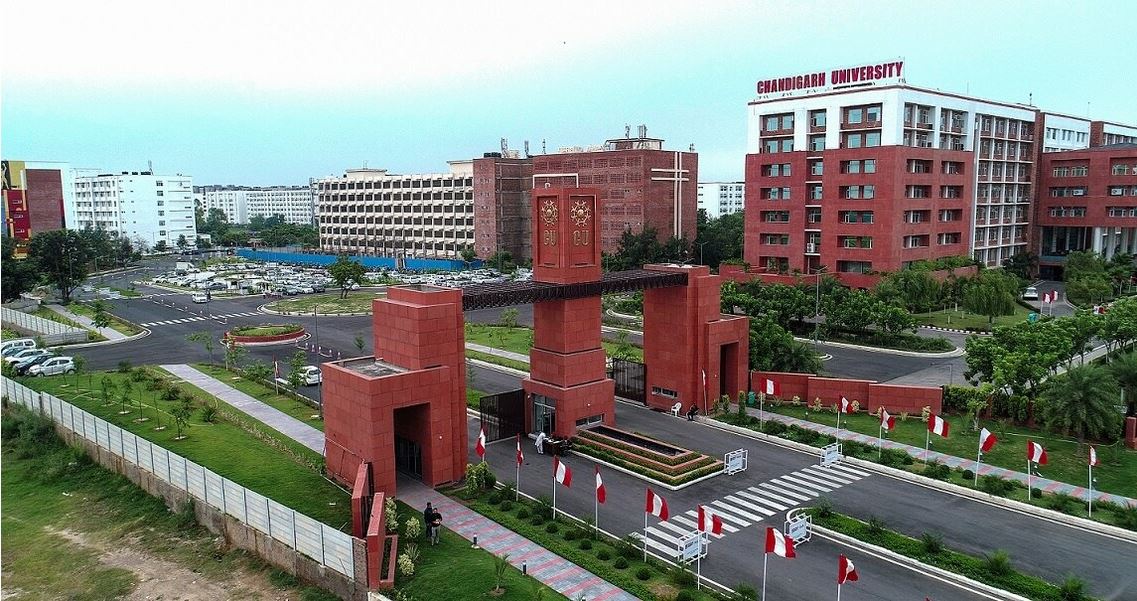
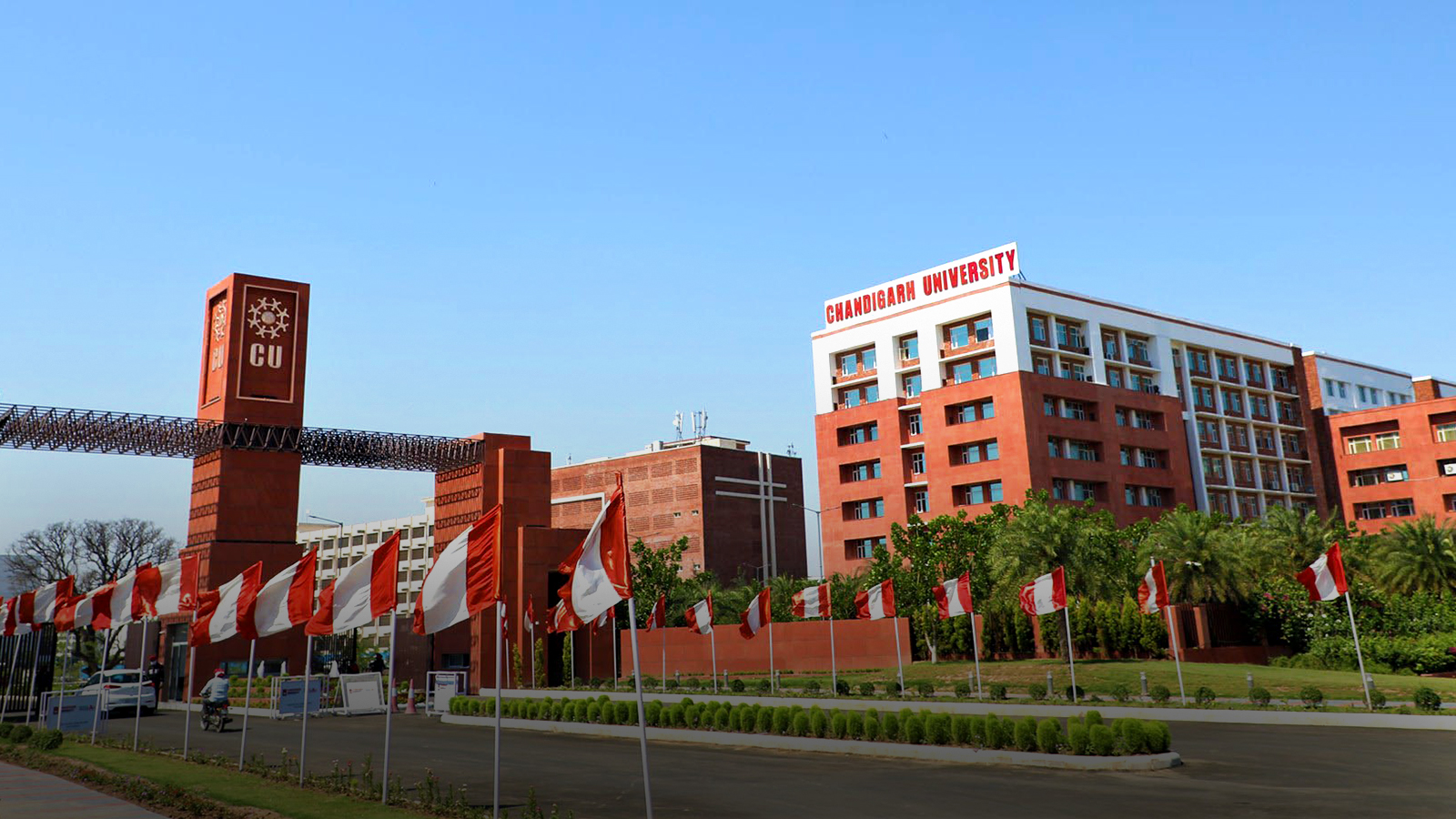
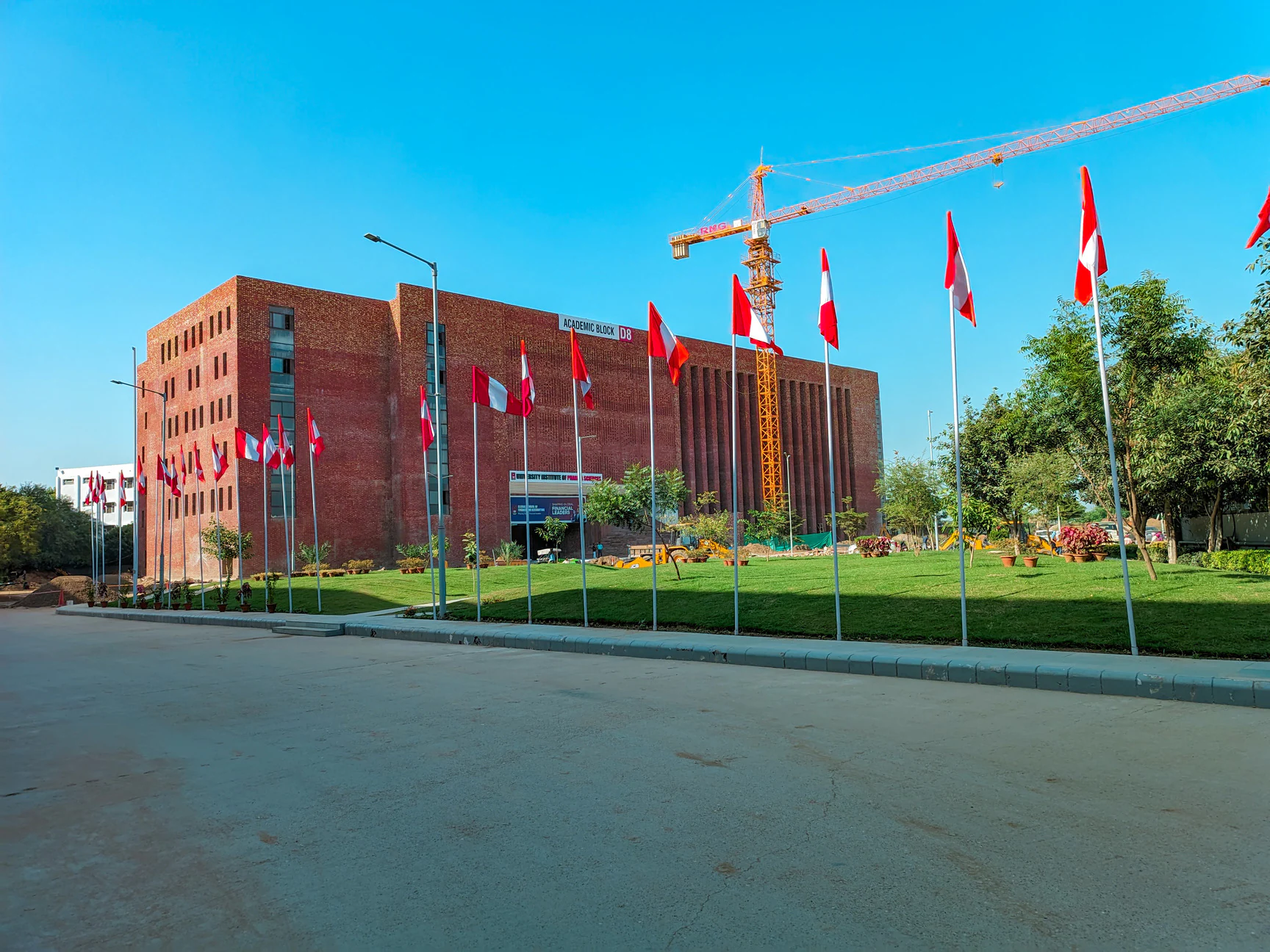
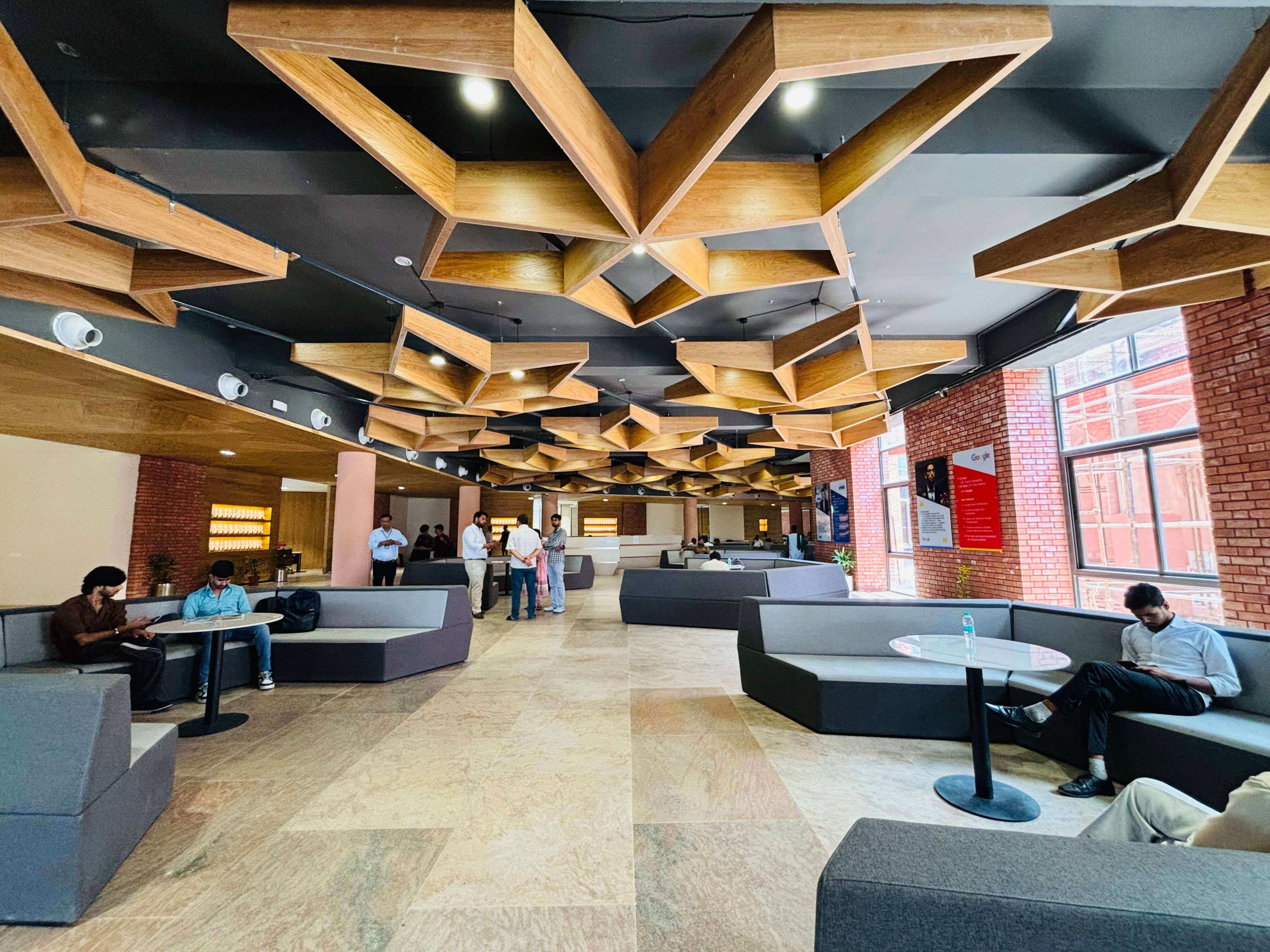
The university's 250 + acre Mohali campus supports its on-ground academic programmes and hosts the optional campus immersion sessions offered as part of select Executive and Hybrid-mode programmes, giving online learners an occasional in-person touchpoint without requiring full-time relocation.
Explore Chandigarh University Degree Programmes

M.A in Economics
Duration

MCA in Master of Computer Applications
Duration

MBA in Business Analytics
Duration

M.A in English
Duration

BCA in Bachelor of Computer Application
Duration

MBA in Business Administration
Duration

M.Sc in Data Science
Duration

BBA in Business Administration
Duration

M.Sc in Mathematics
Duration

BBA in Business Analytics
Duration

BJMC in Journalism & Mass Communication
Duration

MJMC in Journalism & Mass Communication
Duration
Degree, B.Voc, Diploma & Executive — what Chandigarh University offers
Chandigarh University's programmes span various qualification formats. Here's what each one actually means, and which programmes fall under it.

MBA
2 ProgrammesMaster of Business Administration (MBA) is a postgraduate management degree designed to develop advanced knowledge of business, management and organisational practices. The programme generally combines conceptual learning with practical approaches to areas such as finance, marketing, human resources, operations, strategy, entrepreneurship and business analytics. MBA programmes may be suitable for graduates and professionals seeking to strengthen their management knowledge or specialise in a particular business domain.
MBA courses are offered with a variety of specialisations depending on the university. These may include Finance, Marketing, Human Resource Management, International Business, Operations Management, Business Analytics, Entrepreneurship, Healthcare Management, Information Technology Management and other emerging management areas. The exact MBA specialisations, curriculum and elective options vary across institutions.
MBA eligibility is determined by the university and programme. Admission may require a recognised bachelor's degree, minimum academic performance, entrance examination, interview or other selection criteria. MBA duration also varies according to the programme structure and learning format.
Depending on the university, MBA programmes may be offered through regular, online, hybrid, distance or other approved modes. Students should verify the mode, curriculum, assessment pattern and admission requirements of the specific programme.
An MBA can support professional development across business and management functions, while also providing a foundation for entrepreneurship or further academic study. At EasyShiksha, students and working professionals can explore and compare MBA programmes by university, specialisation, eligibility, duration, learning mode, curriculum and career relevance.

BBA
2 ProgrammesBachelor of Business Administration (BBA) is an undergraduate management degree designed to provide students with foundational knowledge of business administration, management and organisational practices. The programme introduces learners to core areas such as accounting, finance, marketing, human resource management, business communication, operations, entrepreneurship and organisational behaviour. BBA programmes can be suitable for students interested in developing business knowledge and preparing for management-oriented professional pathways.
BBA courses are offered with different specialisations depending on the university. These may include Finance, Marketing, Human Resource Management, International Business, Entrepreneurship, Business Analytics, Digital Marketing, Banking and Finance, Healthcare Management and other business-related domains. The availability of BBA specialisations and elective subjects varies across universities.
BBA eligibility is determined by the university and programme. Many programmes accept students who have completed higher secondary education or an equivalent qualification, but specific subject requirements, minimum marks and admission conditions can vary. BBA duration also depends on the university and programme structure.
BBA programmes may be offered through regular, online, hybrid, distance or other approved learning modes, depending on the institution. Students should verify the officially available mode and programme requirements before admission.
After completing a BBA, students may explore entry-level business and management roles, entrepreneurship or further education such as an MBA or another postgraduate programme. At EasyShiksha, students can explore and compare BBA programmes by university, specialisation, eligibility, duration, learning mode, curriculum and career relevance.

M.Sc
2 ProgrammesMaster of Science (M.Sc) is a postgraduate degree programme focused on advanced study, specialised knowledge and analytical understanding in science and related disciplines. It is generally pursued by students who want to deepen their expertise in a particular scientific, mathematical, technological or applied field after completing an appropriate undergraduate qualification. Depending on the university, M.Sc programmes may combine advanced coursework with laboratory work, projects, research or practical learning.
M.Sc courses are available across diverse disciplines. Common M.Sc specialisations include Physics, Chemistry, Mathematics, Biology, Biotechnology, Microbiology, Environmental Science, Computer Science, Information Technology, Data Science, Statistics and other specialised areas. The exact subjects and specialisations available vary among universities.
M.Sc eligibility depends on the university and chosen programme. Many institutions require a relevant bachelor's degree, while some may specify particular subjects, minimum marks, entrance examinations or other conditions. M.Sc duration also varies according to the programme structure and applicable academic regulations.
M.Sc programmes may be offered through regular and, where officially available, online, hybrid, distance or other approved modes. Programmes involving laboratory or research work may have specific practical requirements.
After completing an M.Sc, graduates can explore specialised professional, research, academic and technical pathways or pursue doctoral and other advanced qualifications where eligible. At EasyShiksha, students can explore and compare M.Sc programmes by university, specialisation, eligibility, duration, curriculum, learning mode and career relevance.

M.A
2 ProgrammesMaster of Arts (M.A) is a postgraduate degree programme that provides advanced study in humanities, social sciences, languages, communication and related disciplines. It is generally pursued by graduates who want to develop deeper subject knowledge, analytical abilities and research-oriented skills in a selected academic field. Depending on the university, M.A programmes may be general, subject-specific, specialised or interdisciplinary.
M.A courses are available across a broad range of disciplines, including English, Hindi, History, Political Science, Sociology, Psychology, Economics, Geography, Philosophy, Journalism, Public Administration and other humanities and social science areas. Universities may also offer specialised programmes in communication, development studies, international relations, public policy and related fields. The availability of M.A specialisations varies by institution.
M.A eligibility depends on the university and programme. Many institutions require a relevant bachelor's degree, while some accept graduates from related or different disciplines subject to their admission rules. Minimum marks, entrance examinations and subject-specific requirements may also apply. M.A duration varies according to the university and programme structure.
M.A programmes may be offered through regular, online, hybrid, distance or other approved modes, depending on the institution. Students should verify the officially available learning mode and admission requirements before applying.
After completing an M.A, graduates can explore opportunities related to their specialisation, communication and analytical skills or pursue research, teaching-related qualifications and further academic study where eligible. At EasyShiksha, students can explore and compare M.A programmes by university, specialisation, eligibility, duration, curriculum, learning mode and career relevance.

BCA
1 ProgrammesBachelor of Computer Applications (BCA) is an undergraduate degree programme focused on computer applications, information technology and software-related concepts. It is designed for students who want to build foundational and practical knowledge of computing, programming and digital technologies. Depending on the university, BCA courses may combine theoretical concepts with programming exercises, practical sessions, projects and application-oriented learning.
BCA programmes can cover areas such as programming, data structures, database management, computer networks, operating systems, web development, software engineering, computer architecture and information systems. Some universities may also offer BCA specialisations in areas such as Artificial Intelligence, Data Science, Cloud Computing, Cyber Security, Web Development or related technology domains. The exact subjects and specialisations vary by institution.
BCA eligibility is determined by the university and programme. Many institutions accept students who have completed Class 12 or an equivalent qualification, while some may specify minimum marks or particular subjects. BCA duration also depends on the university and applicable academic structure.
Depending on the institution, BCA programmes may be available through regular, online, hybrid, distance or other approved learning modes. Students should verify the officially available mode and admission requirements before applying.
After completing a BCA, graduates can explore technology-related career pathways or pursue postgraduate education and specialised certifications. At EasyShiksha, students can explore and compare BCA programmes by university, specialisation, eligibility, duration, curriculum, learning mode and career relevance.

MCA
1 ProgrammesMaster of Computer Applications (MCA) is a postgraduate degree programme focused on advanced computer applications, software development, information technology and related computing disciplines. It is designed for graduates who want to build deeper technical knowledge and develop skills relevant to software, digital systems and technology-driven applications. Depending on the university, MCA courses may combine theoretical learning with programming, practical assignments, projects and application-oriented study.
MCA programmes can cover areas such as programming, data structures, database management, computer networks, operating systems, software engineering, web technologies, cloud computing, artificial intelligence, cybersecurity and data analytics. Some universities may offer MCA specialisations or elective pathways in emerging technology domains, while others provide a broader computer applications curriculum.
MCA eligibility varies by university and programme. Institutions may require a bachelor's degree and, in some cases, specific subjects such as Mathematics or Computer Science, along with minimum marks or other admission requirements. MCA duration also depends on the university and applicable academic structure.
Depending on the institution, MCA programmes may be available through regular, online, hybrid, distance or other approved learning modes. Students should verify the officially offered mode and admission requirements before applying.
After completing an MCA, graduates can explore technology-oriented career pathways or pursue specialised certifications and further academic study where eligible. At EasyShiksha, students can explore and compare MCA programmes by university, specialisation, eligibility, duration, curriculum, learning mode and career relevance.

BJMC
1 ProgrammesBachelor of Journalism and Mass Communication (BJMC) is an undergraduate programme focused on journalism, mass media, communication and the creation and distribution of information across traditional and digital media platforms. The programme introduces students to the principles and practices of news reporting, writing, editing, media production, communication and audience engagement.
A BJMC programme may cover areas such as journalism, reporting, editing, broadcasting, television, radio, print media, digital media, advertising, public relations, photography and media production, depending on the university curriculum. It can help students develop communication, research, writing, critical-thinking and creative skills relevant to the rapidly evolving media industry.
BJMC can be suitable for students interested in journalism, digital content, broadcasting, advertising, public relations, media production and related communication careers. Programme eligibility, duration, curriculum and learning mode vary by university. Students should review the specific programme requirements before applying. EasyShiksha helps students explore and compare university programmes based on relevant academic and admission information.

MJMC
1 ProgrammesMaster of Journalism and Mass Communication (MJMC) is a postgraduate programme focused on advanced journalism, mass media, communication and the creation and distribution of information across traditional and digital media platforms. The programme helps students develop deeper knowledge of news reporting, writing, editing, media production, communication, research and audience engagement.
An MJMC programme may cover areas such as advanced journalism, reporting, editing, broadcasting, television, radio, print media, digital media, advertising, public relations, media research, photography, media production and communication studies, depending on the university curriculum. It can help students develop advanced communication, research, writing, analytical, creative and digital media skills relevant to the evolving media industry.
MJMC can be suitable for graduates interested in journalism, digital content, broadcasting, advertising, public relations, media production, communication research and related media careers. Programme eligibility, duration, curriculum, specialisations and learning mode vary by university. Students should review the specific programme requirements before applying. EasyShiksha helps students explore and compare university programmes based on relevant academic and admission information.
Issued directly by Chandigarh University
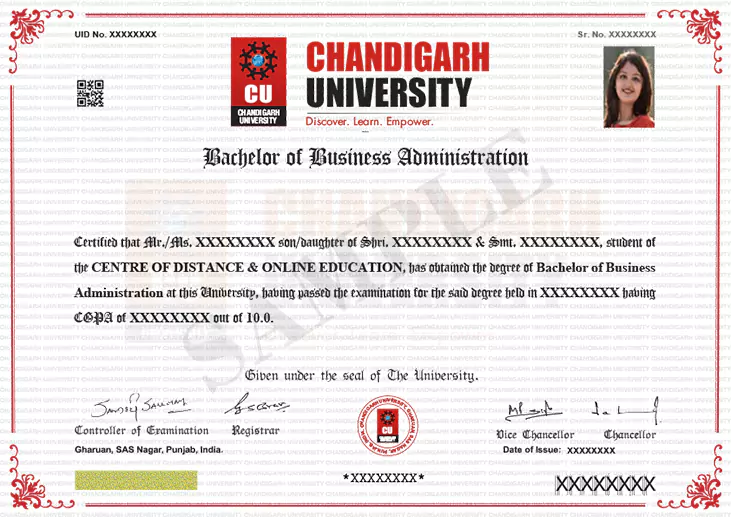
Chandigarh University Degree
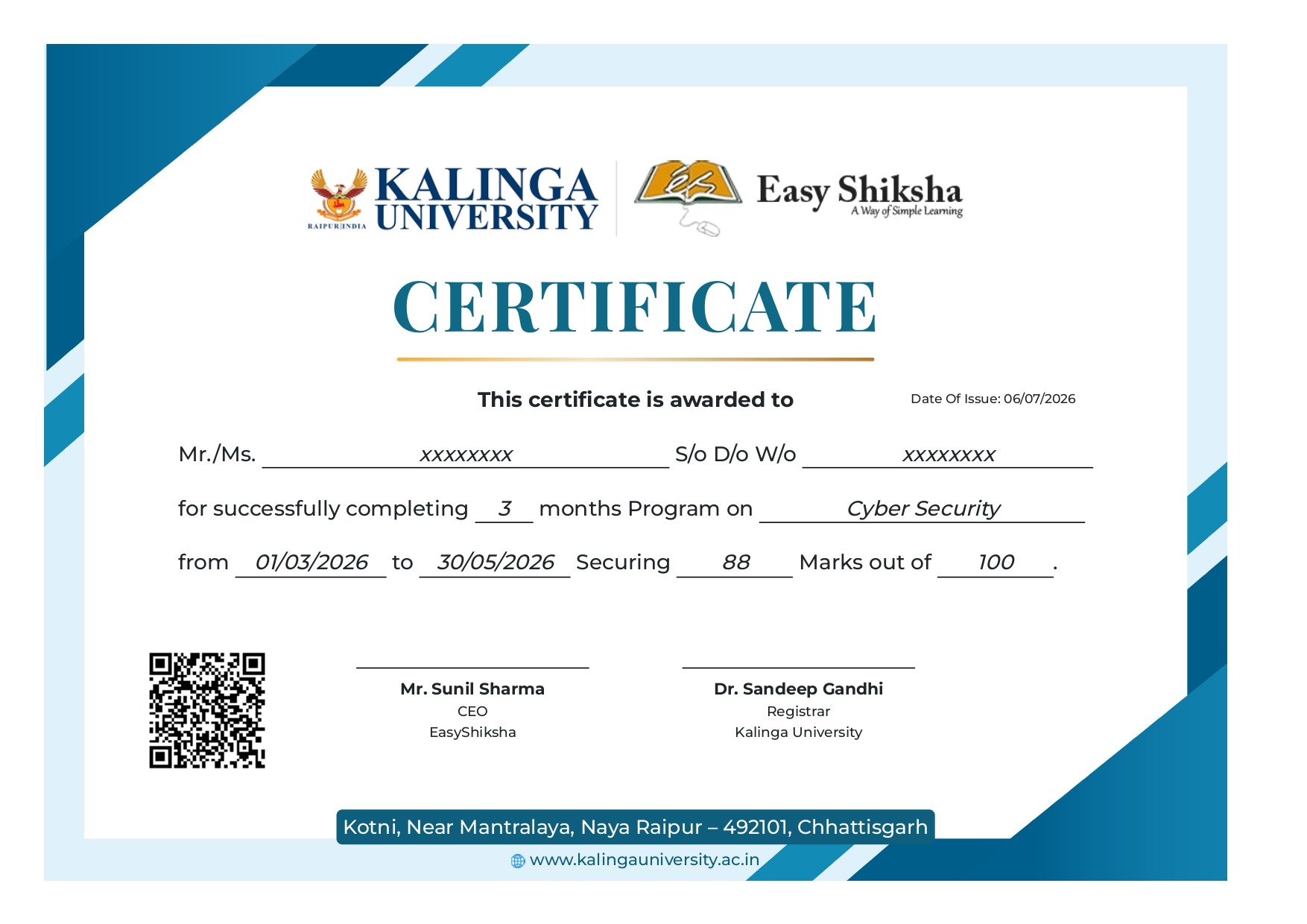
This is what you actually receive at the end of your programme — signed and issued directly by Chandigarh University, not a third-party course platform.
- Personalised with your name, programme, and completion date
- Carries the university's official signature and seal
- Backed by UGC recognition and NAAC A+ accreditation
- Shareable on LinkedIn and accepted as a formal academic credential
How to apply to Chandigarh University
Choose a Programme
Pick from the Chandigarh University programmes above.
Apply Online
Submit your personal details and required documents.
Pay the Fee
Complete the application fee to submit for review.
Get Reviewed
Track your status from Under Review to Accepted.
Begin Your Degree
Start classes and work toward your certificate.
A look at the Mohali campus
More campus photos to be added — currently showing verified imagery only.

A degree that's easier to trust
Independently Accredited
UGC-recognised, NAAC A+, and AICTE approved — not just a platform claim.
Multiple Programme Types
From full Degrees to B.Voc and Executive formats, across two domains.
100% Online Delivery
UGC-DEB approved Online mode — study from anywhere, at your own pace.
Application Support
Track your application end to end through your EasyShiksha dashboard.
What learners say about Chandigarh University
"Checking their UGC and NAAC status before applying gave me real confidence — this wasn't just another online course."
"The Executive MBA's optional campus immersion at Naya Raipur was the highlight — real networking beyond the online coursework."
"Having 'Chandigarh University' on my B.Tech certificate, not just a course platform, made a real difference in campus interviews."
Chandigarh University online degrees: what you need to know
Chandigarh University is a UGC-recognised private university, Established in 2012 and based in Mohali, Punjab. For students evaluating whether an online degree from Chandigarh University is worth pursuing, three approvals matter most: UGC recognition under Section 12B (which makes the university's degrees valid at all), UGC-DEB approval for the specific programme's Online/ODL delivery (which makes the online format itself valid), and — for technical programmes — AICTE approval.
What a NAAC A+ grade means in practice
Chandigarh University holds a NAAC A+ accreditation grade. NAAC (National Assessment and Accreditation Council) grades institutional quality on a letter scale, and A+ reflects a good standard across the criteria NAAC assesses — infrastructure, teaching quality, governance, and student outcomes among them. It's worth noting this is a quality signal, not itself a requirement for degree validity; a university can be fully UGC-recognised without any NAAC grade at all, so Chandigarh University having one is an additional trust marker rather than a bare minimum.
Choosing among Chandigarh University programmes
Chandigarh University's current online catalogue spans Engineering & Technology (B.Tech, B.Voc in Software Development, Advanced Diploma in Cloud Computing, Diploma in Cybersecurity, and Embedded Systems, VLSI & Robotics) and Business & Management (BBA, MBA, and Executive MBA). Students choosing between them should generally start from career goal and required qualification level — a full Bachelor's or Master's Degree for long-term career or further-study eligibility, a shorter Diploma or Advanced Diploma for a faster, more focused credential, or B.Voc for direct, skills-oriented employability alongside recognised degree status.
Applying through EasyShiksha specifically
Applications submitted through EasyShiksha follow a tracked process — personal information, document upload, application fee, and a visible status through to Under Review and Accepted — rather than an opaque email-based enquiry. This doesn't change what Chandigarh University itself approves or requires; it simply makes the application process transparent from the student's side, with a reference ID and dashboard visibility at every step.
Frequently asked questions
Does Chandigarh University offer online degree programs? +
Yes. Chandigarh University offers undergraduate and postgraduate degree programs through its Online Education division.
Are Chandigarh University online degrees UGC recognized? +
Yes. Chandigarh University is recognized by the UGC, and its eligible online degree programs are offered under the applicable UGC regulations.
Is Chandigarh University NAAC accredited? +
Yes. Chandigarh University is accredited with an A+ grade by NAAC.
What programmes can students explore at Chandigarh University? +
Chandigarh University offers programmes across multiple academic areas, including Engineering & Technology and Business & Management. Its programme portfolio includes degree, B.Voc and executive-oriented options. Students should review the current Chandigarh University programme list to confirm the exact programme name, level, specialisation, eligibility and learning mode before applying.
What undergraduate programmes are available at Chandigarh University? +
Students can explore undergraduate options at Chandigarh University across relevant academic domains, including technology, engineering, business and management. The available programme list can change by academic offering and mode. Students should check the current programme catalogue for the specific undergraduate qualification, specialisation, eligibility, duration and curriculum before making a decision.
What postgraduate programmes are available at Chandigarh University? +
Chandigarh University offers postgraduate options, including programmes in business and management and other academic areas represented in its programme portfolio. The exact postgraduate programmes, specialisations and delivery formats may vary. Students should review the current programme information to compare the qualification level, curriculum, eligibility, duration and fees of individual programmes.
What programme types can students explore at Chandigarh University? +
The Chandigarh University programmes listed on EasyShiksha include different academic formats such as Degree, B.Voc and Executive programmes. Programme Type describes the qualification or academic format, while Programme Level refers to categories such as undergraduate or postgraduate. Students should examine the specific programme page to understand its qualification structure and academic requirements.
Which academic domains are available across Chandigarh University programmes? +
Chandigarh University's EasyShiksha programme listing currently groups its offerings primarily under Engineering & Technology and Business & Management. Students can use these domain categories to narrow their search before comparing individual programmes. The specific programme name, specialisation, eligibility, curriculum and learning mode should then be checked separately for each option.
What specialisations can students explore at Chandigarh University? +
Students can explore specialised programmes within areas such as technology, engineering and business management. The current EasyShiksha listing includes examples such as Software Development, Cloud Computing, Cybersecurity, Embedded Systems, VLSI and Robotics, alongside business and management options. Specialisation availability depends on the specific programme, so students should verify the current listing before applying.
What should students know about Chandigarh University programme eligibility? +
Eligibility depends on the specific Chandigarh University programme, its Programme Level and academic requirements. Students should not assume that one eligibility criterion applies to every course. Before applying, they should review the current programme-specific eligibility information, required prior qualification and any other admission conditions applicable to the programme they want to pursue.
How can students apply for a Chandigarh University programme? +
Students should first select their preferred Chandigarh University programme and review its current eligibility, fees, curriculum and admission requirements. The EasyShiksha listing describes an online application process involving personal details, required documents, application fee payment and application-status tracking. Students should follow the latest programme-specific instructions before completing an application.
What documents may students need when applying to Chandigarh University? +
Document requirements can vary depending on the programme and applicant. Students should keep the academic and other documents requested in the current application instructions ready before applying. Rather than assuming identical requirements for every Chandigarh University programme, applicants should check the specific programme's latest admission information and submit documents according to the applicable instructions.
How long do Chandigarh University programmes take to complete? +
Programme duration depends on the specific qualification, Programme Level, programme structure and learning mode. Chandigarh University's current EasyShiksha listing includes programmes with different academic formats, so there is no single duration applicable to all offerings. Students should check the individual programme page for the current duration and number of academic terms before applying.
What should students consider when choosing a Chandigarh University programme? +
Students should consider their previous qualification, academic interests and future study goals when selecting a Chandigarh University programme. Useful comparison factors include Programme Type, Programme Level, Programme Domain, Specialisation, Programme Mode, eligibility, duration, curriculum and fees where available. Reviewing these factors together can help students identify programmes that fit their individual academic requirements.
How can students compare Chandigarh University programmes before applying? +
Students can compare Chandigarh University programmes by examining their Programme Type, Programme Level, Programme Domain, Specialisation, Programme Mode, eligibility, duration and curriculum. Fees can also be considered where current information is available. Comparing these attributes helps students distinguish between programmes with different qualification structures and academic focuses instead of selecting solely by programme title.
Ready to apply to Chandigarh University?
Browse all and start your application in minutes.
View All Programmes & ApplyFeatured in:








Easy Shiksha for Students/Parents
Discover thousands of colleges and courses, enhance skills with online courses and internships, explore career alternatives, and stay updated with the latest educational news..

EasyShiksha for Institutes/Colleges/Universities
Gain high-quality, filtered student leads, prominent homepage ads, top search ranking, and a separate website. Let us actively enhance your brand awareness.
Experience the Speed: Now Available on Mobile!
Download EasyShiksha Mobile Apps from Android Play Store, Apple App Store, Amazon App Store, and Jio STB.
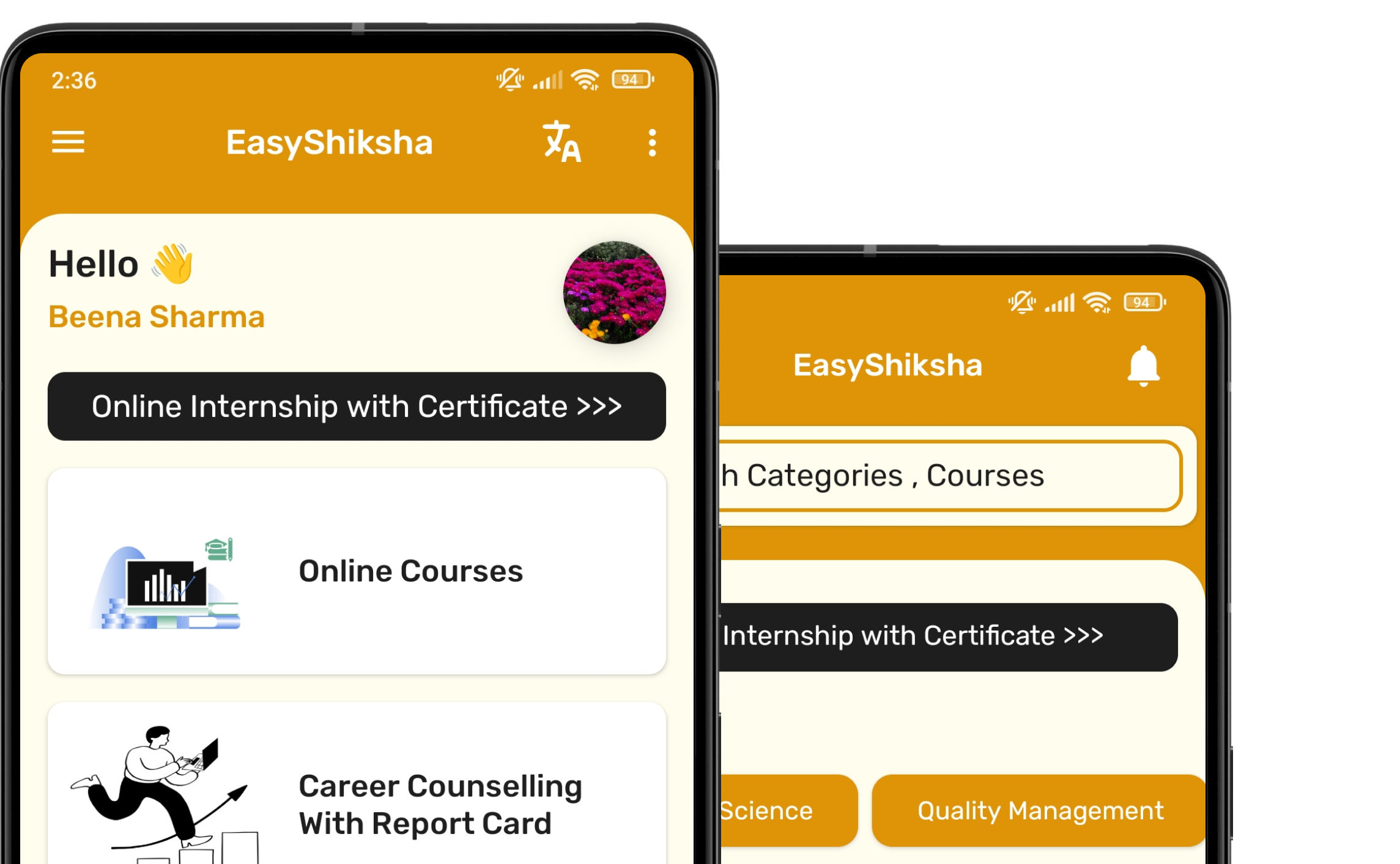


1 million+ learned on the EasyShiksha App
Trusted by Standards & Global Compliance Frameworks






Built under internationally recognized standards for quality, information security, educational excellence and business continuity.
ISO 9001:2015 | ISO/IEC 27001:2022 | ISO 21001:2018 | ISO 22301:2019 | DPIIT Recognized Startup | MSME Registered


