Online learning has transformed the educational landscape in ways that were unimaginable just a few decades ago. The rapid growth of digital technologies, widespread internet access, and evolving educational needs have made online learning one of the most powerful tools for personal and professional development. Today, students can access world-class educational resources, acquire industry-relevant skills, earn certifications, and participate in internships from virtually anywhere in the world.
However, while online learning offers unprecedented flexibility and accessibility, success in a digital learning environment requires more than simply enrolling in a course. Many students begin online programs with enthusiasm but struggle to complete them. Others consistently achieve exceptional outcomes, mastering new skills and advancing their careers through online education.
What explains this difference?
The answer lies largely in psychology. Successful online learning is deeply connected to how learners think, behave, stay motivated, manage their time, process information, and maintain focus. Understanding the psychological principles behind effective learning can help students maximize the benefits of online education and achieve meaningful results.
The psychology of learning influences everything from motivation and attention to memory retention and self-discipline. Students who understand these psychological factors can develop habits and strategies that enhance learning outcomes. They become better equipped to overcome distractions, maintain consistency, and remain committed to long-term goals.
Online learning platforms such as EasyShiksha have recognized the importance of these factors. By providing flexible learning environments, structured courses, practical certifications, and career-focused programs, EasyShiksha helps learners build not only knowledge and skills but also the habits and mindsets necessary for sustained success.
This article explores the psychology behind successful online learning, examining the mental processes, behaviors, and strategies that enable students to thrive in digital education environments while highlighting how EasyShiksha supports learners on their educational journeys.
Understanding the Psychology of Learning
Learning is fundamentally a psychological process.
When students acquire new knowledge or skills, their brains create, strengthen, and reorganize neural connections. This process involves attention, memory, motivation, reasoning, and emotional engagement. Effective learning occurs when these psychological elements work together efficiently.
Online learning environments present unique opportunities and challenges because students often have greater control over their learning experiences. This increased autonomy requires learners to manage their own motivation, focus, and progress.
EasyShiksha provides structured educational pathways that help students engage effectively with learning materials while maintaining flexibility and independence.
The Role of Motivation in Online Learning
Motivation is one of the most important predictors of learning success.
Students who are genuinely motivated are more likely to complete courses, engage deeply with content, overcome obstacles, and persist through challenges. Motivation acts as the driving force that sustains learning behavior over time.
Psychologists generally distinguish between intrinsic and extrinsic motivation.
Intrinsic motivation comes from internal satisfaction. Learners pursue knowledge because they enjoy learning, find the subject interesting, or value personal growth.
Extrinsic motivation comes from external rewards such as certifications, career advancement, promotions, or recognition.
Successful online learners often combine both forms of motivation. They enjoy the learning process while also understanding the practical benefits of skill development.
EasyShiksha supports learner motivation by offering certifications, career-focused programs, and practical learning experiences that connect education with tangible outcomes.
Self-Discipline: The Foundation of Online Learning Success
Unlike traditional classrooms, online learning often requires students to manage their own schedules and learning activities.
Without direct supervision, self-discipline becomes essential. Students must decide when to study, how long to focus, and how to prioritize educational responsibilities alongside other commitments.
Psychologically, self-discipline involves delaying immediate gratification in favor of long-term benefits. Successful learners understand that consistent effort today creates valuable opportunities tomorrow.
EasyShiksha's flexible platform encourages students to develop self-management skills while pursuing educational goals at their own pace.
The Importance of Goal Setting
Goals provide direction and purpose.
Psychological research consistently demonstrates that individuals perform better when they establish clear, specific objectives. Goals help learners focus attention, maintain motivation, and measure progress.
Students who approach online learning with defined outcomes often experience higher completion rates and better learning results. Whether the goal involves mastering a skill, earning a certification, or preparing for a career opportunity, clarity enhances commitment.
EasyShiksha enables learners to align educational activities with personal and professional objectives through targeted courses and certification programs.
Attention and Focus in Digital Learning Environments
Attention is a limited cognitive resource.
The digital world offers numerous distractions, including social media, entertainment platforms, notifications, and multitasking opportunities. These distractions can significantly reduce learning effectiveness.
Successful online learners understand the importance of focused attention. They create environments that minimize interruptions and allow deep engagement with educational content.
Psychologists refer to this state as sustained attention or concentration. When learners focus fully on a task, information processing becomes more efficient, leading to improved understanding and retention.
EasyShiksha's structured learning modules help students maintain focus by presenting information in organized and manageable formats.
How Memory Influences Learning Outcomes
Learning depends heavily on memory.
Students must not only understand information but also retain and retrieve it when needed. Psychological studies have shown that memory improves when learners actively engage with content rather than passively consuming information.
Techniques such as repetition, practice, reflection, and application strengthen memory formation.
Online learners who review materials regularly and apply knowledge through projects or exercises typically retain information more effectively.
EasyShiksha incorporates practical learning experiences that reinforce understanding and support long-term retention.
The Power of Active Learning
Active learning involves engaging directly with educational content rather than simply observing it.
Students who take notes, answer questions, participate in discussions, complete assignments, and apply concepts demonstrate deeper learning than those who passively watch videos or read materials.
Psychologically, active participation strengthens cognitive processing and promotes better retention.
EasyShiksha encourages active learning through assessments, projects, practical exercises, and certification-based evaluations.
The Growth Mindset and Learning Success
The concept of a growth mindset has become one of the most influential ideas in educational psychology.
A growth mindset refers to the belief that abilities and intelligence can be developed through effort, learning, and persistence. Students with growth mindsets view challenges as opportunities rather than threats.
In contrast, individuals with fixed mindsets often avoid difficult tasks because they fear failure or believe their abilities are limited.
Successful online learners typically embrace growth-oriented thinking. They understand that progress requires effort and that mistakes are valuable learning experiences.
EasyShiksha supports continuous skill development and encourages learners to pursue improvement through consistent education.
Confidence and Self-Efficacy
Self-efficacy refers to a person's belief in their ability to succeed.
Students with high self-efficacy are more likely to attempt challenging tasks, persist through difficulties, and maintain motivation. Confidence influences both performance and learning behavior.
Online education provides opportunities for learners to build confidence gradually through course completion, skill acquisition, and certification achievements.
EasyShiksha helps strengthen self-efficacy by offering structured learning pathways that enable learners to experience measurable progress and success.
Why Consistency Matters More Than Intensity
Many students mistakenly believe that learning success depends on occasional bursts of intense effort.
Psychological research suggests otherwise. Consistent, moderate learning sessions are generally more effective than infrequent periods of extreme study.
Successful online learners often establish routines that make learning a habitual part of their daily lives.
EasyShiksha's flexible format supports consistent learning habits by allowing students to study according to their schedules.
The Science of Habit Formation
Habits play a critical role in educational success.
A habit is a behavior that becomes automatic through repetition. When learning becomes habitual, students require less motivation and willpower to maintain progress.
Psychologists explain habit formation through repeated associations between cues, routines, and rewards.
Successful online learners often establish specific study times, learning environments, and routines that reinforce productive behavior.
EasyShiksha's accessible platform makes it easier for learners to integrate education into their daily routines.
Managing Cognitive Load
Cognitive load refers to the amount of information the brain processes at one time.
When learners encounter excessive information, understanding and retention can suffer. Effective educational design minimizes unnecessary cognitive burden while supporting meaningful learning.
Online courses that present content in organized, structured formats improve comprehension and reduce mental fatigue.
EasyShiksha's learning modules are designed to help students absorb information progressively and effectively.
Positive emotions such as curiosity, enthusiasm, and confidence enhance learning, while stress, anxiety, and frustration can interfere with cognitive performance.
Successful learners develop emotional regulation strategies that help them remain focused and resilient during challenges.
EasyShiksha creates supportive learning experiences that encourage confidence and personal growth.
Overcoming Procrastination
Procrastination is one of the most common obstacles in online learning.
Psychologically, procrastination often results from fear of failure, lack of motivation, unclear goals, or overwhelming tasks. Successful learners recognize these tendencies and implement strategies to maintain momentum.
Breaking large objectives into smaller tasks, establishing routines, and focusing on progress rather than perfection can reduce procrastination significantly.
EasyShiksha's structured learning pathways help students maintain consistent progress toward educational goals.
The Importance of Feedback
Feedback is essential for improvement.
Psychological research demonstrates that timely feedback helps learners identify strengths, address weaknesses, and refine performance. Feedback creates opportunities for reflection and growth.
Students who actively seek and apply feedback often achieve better outcomes than those who avoid evaluation.
EasyShiksha provides assessments and learning opportunities that support continuous improvement and skill development.
Social Learning in Digital Environments
Although online learning is often associated with independence, social interaction remains important.
Humans learn effectively through observation, discussion, collaboration, and shared experiences. Online communities, mentorship relationships, and peer interactions contribute to motivation and understanding.
Social learning also supports accountability and engagement.
EasyShiksha fosters educational communities that encourage learner interaction and professional development.
The Role of Curiosity
Curiosity is a powerful psychological driver of learning.
Curious individuals actively seek information, ask questions, and explore new ideas. This intrinsic motivation enhances engagement and promotes deeper understanding.
Students who cultivate curiosity often become lifelong learners capable of adapting to changing environments.
EasyShiksha offers diverse educational opportunities that encourage exploration and intellectual growth.
Resilience and Long-Term Learning Success
Learning journeys are rarely free from challenges.
Students may encounter difficult concepts, time constraints, setbacks, or moments of self-doubt. Resilience enables learners to continue progressing despite these obstacles.
Psychologically resilient individuals view challenges as temporary and manageable rather than permanent barriers.
EasyShiksha supports resilience by providing flexible learning options that accommodate diverse needs and circumstances.
The Relationship Between Learning and Career Confidence
Successful learning experiences contribute directly to professional confidence.
As students acquire new skills, complete projects, and earn certifications, they develop stronger beliefs in their capabilities. This confidence positively influences interviews, workplace performance, networking efforts, and career decisions.
Online learning can therefore serve as both an educational and psychological growth tool.
EasyShiksha helps learners build confidence through measurable achievements and career-focused educational experiences.
Document
#AbIndiaSikhegaGharSe
Online Internships for Students
EasyShiksha offers comprehensive online virtual internship programs tailored for students, graduates, freshers, and working professionals seeking academic advancement and upskilling certifications.
Get Job-Ready with Our Online Summer Internship 2025 Opportunities
Explore our wide selection of online job-ready internships featuring globally recognized certificates accepted by universities, colleges, and companies worldwide.
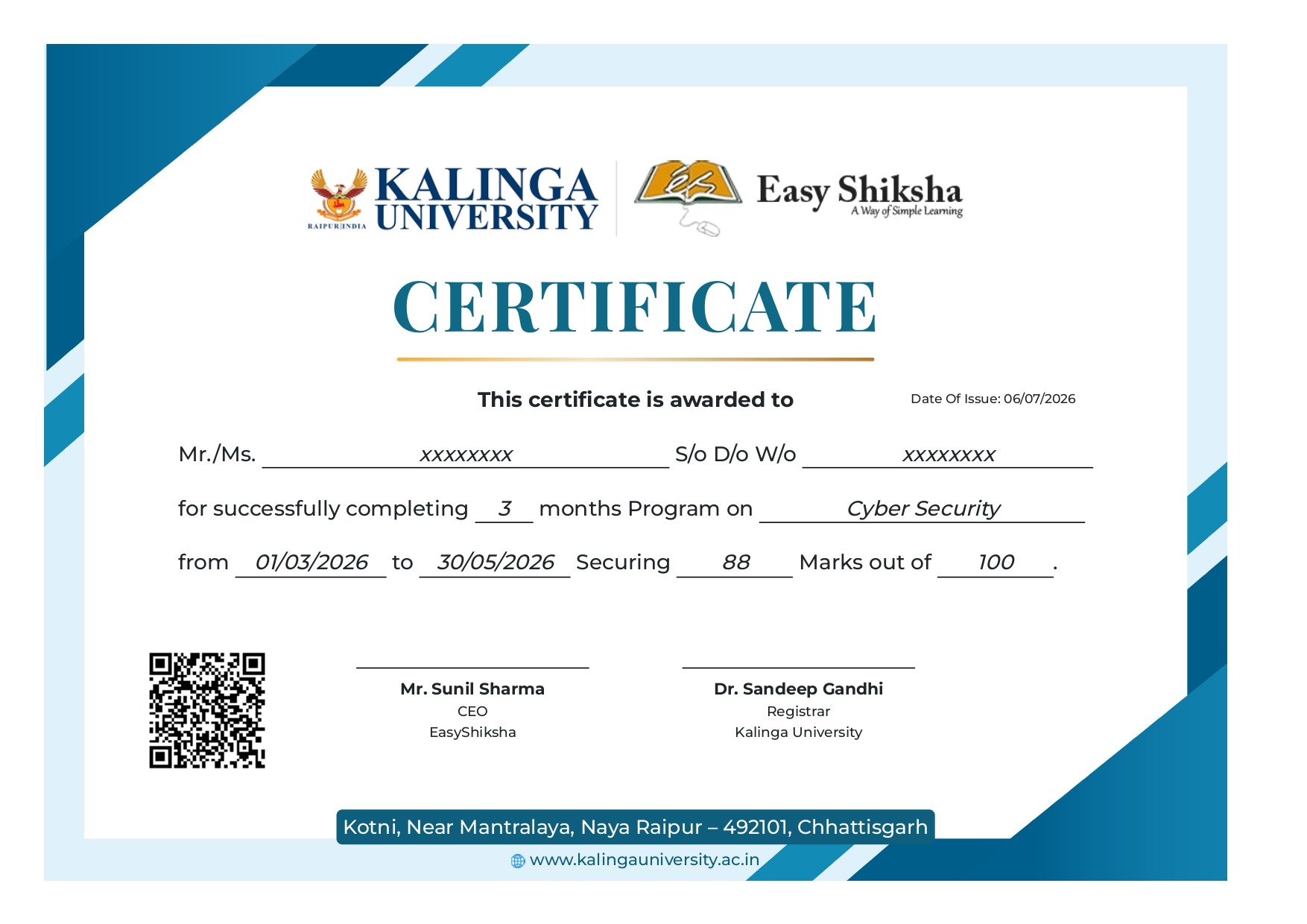
Obtain two authorized certificates recognized by universities & corporates.
Access our 100% online internships at genuine price.
Choose from flexible internship durations ranging from 2 weeks to 6 months.
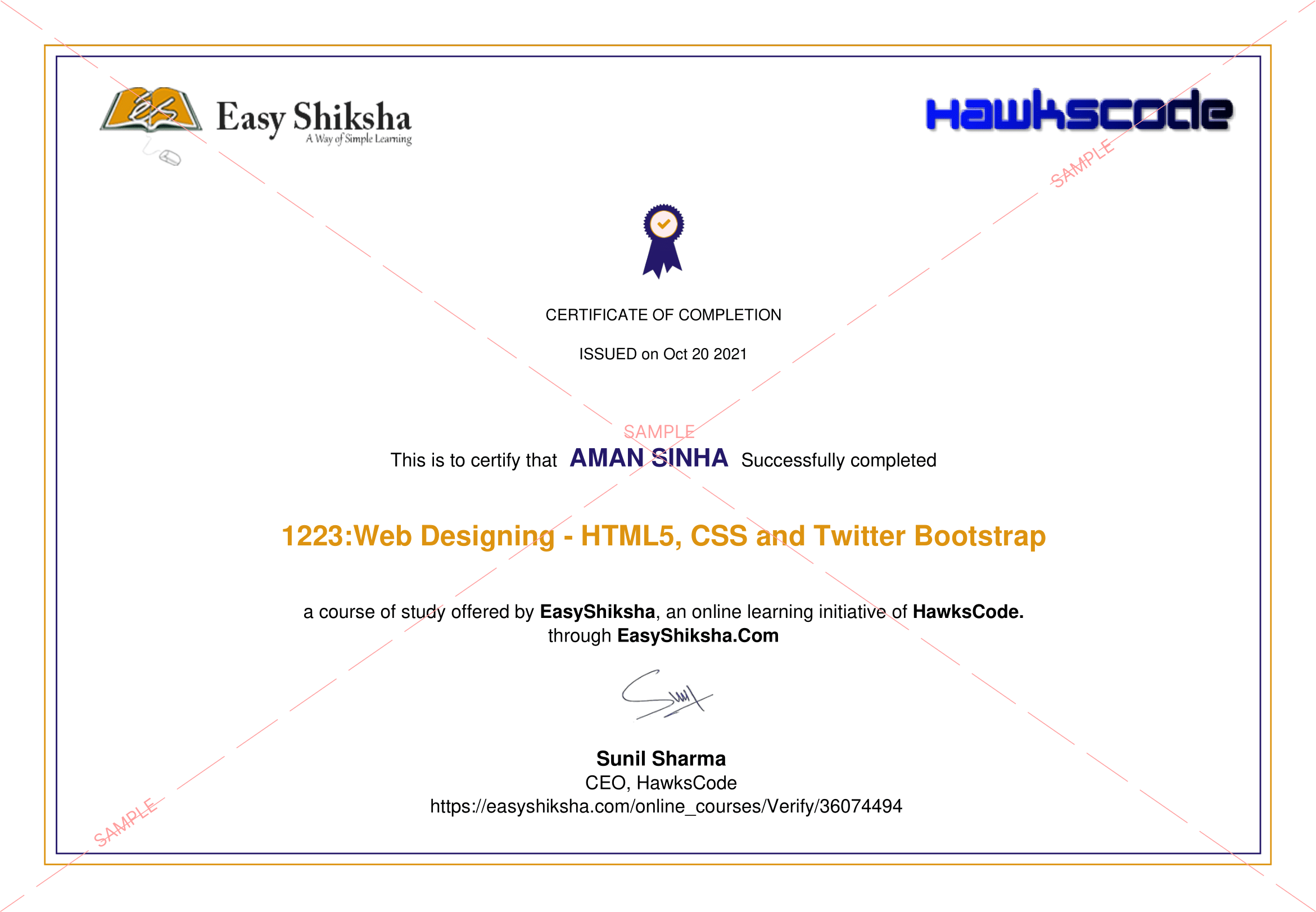
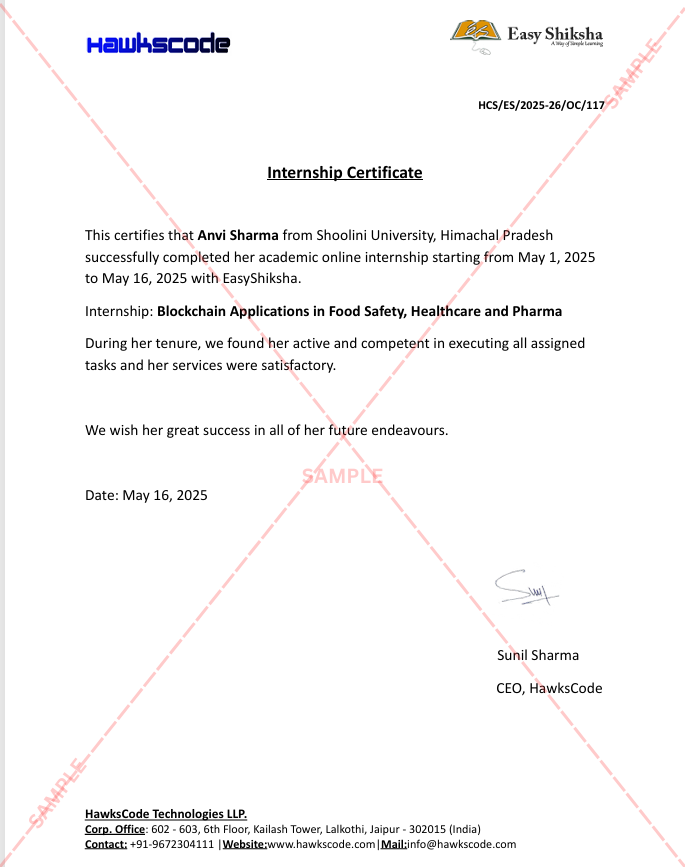
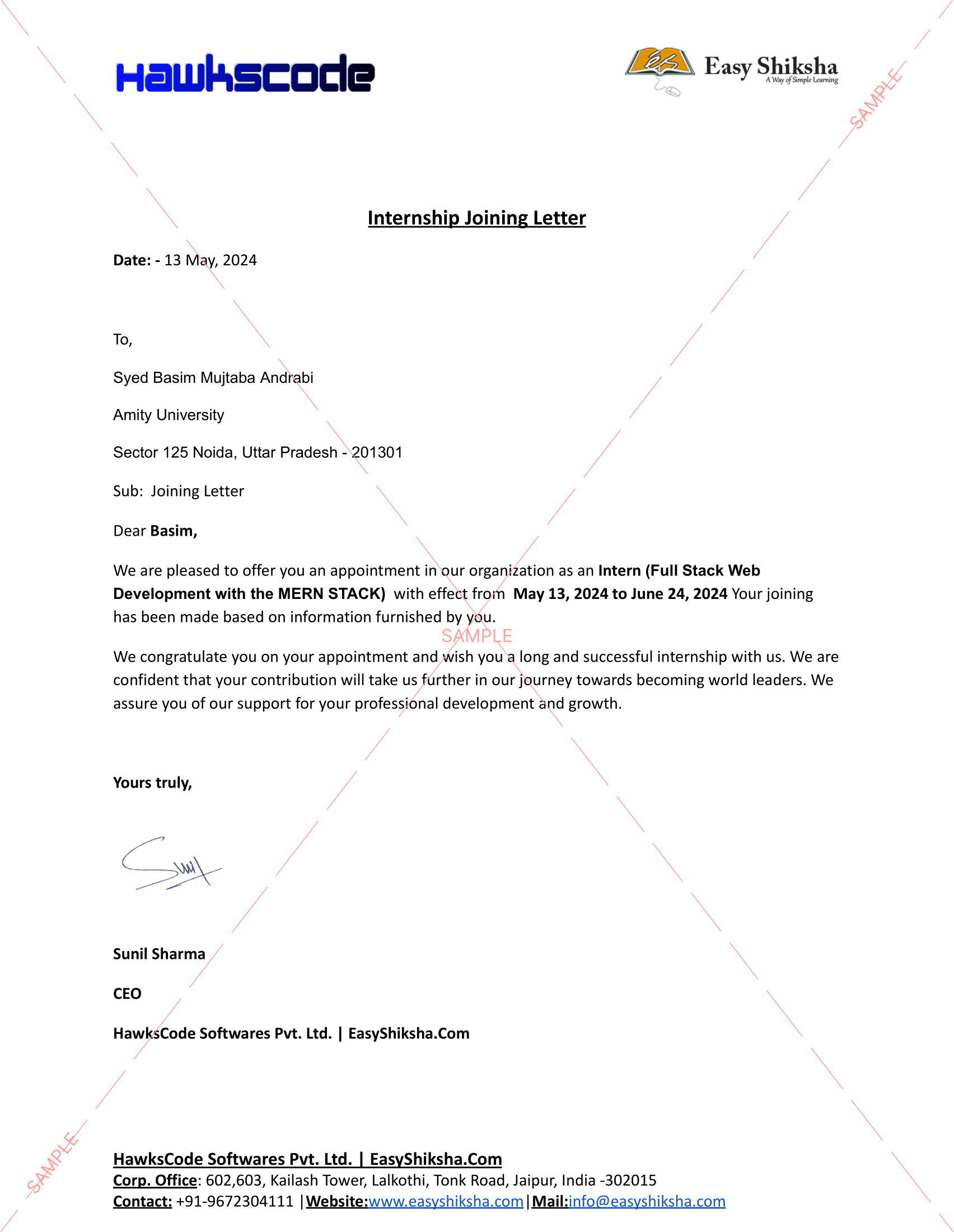
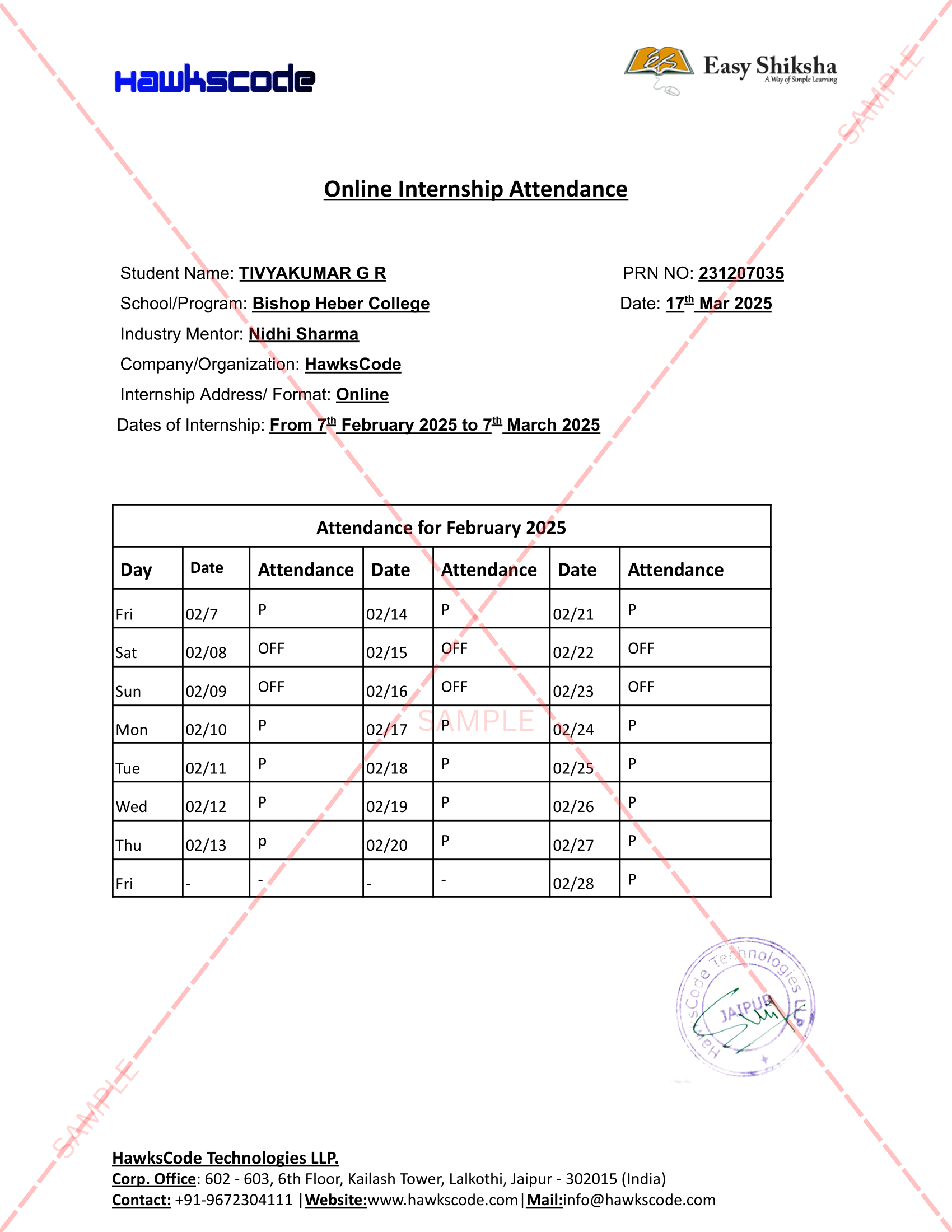
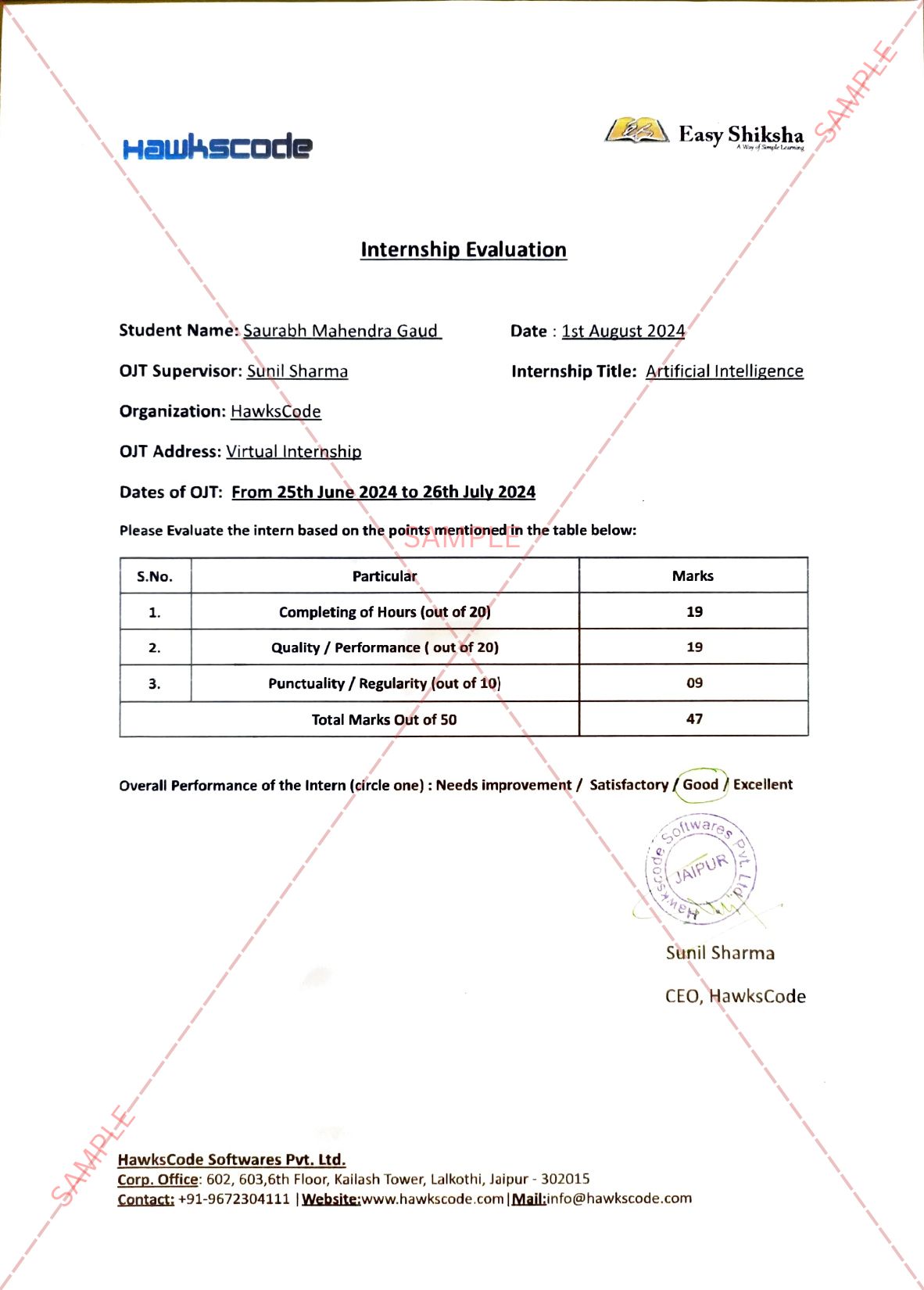
Upon completion, you will receive two certificates: an Internship Certificate and a Course Completion Certificate
Learn conveniently anytime, anywhere.
Access learning materials seamlessly via web or mobile. (Download App)
The Psychology of Achievement Through Certifications
Certifications provide more than professional credentials.
Psychologically, they represent milestones that reinforce motivation, confidence, and commitment. Achieving certification validates effort and creates a sense of accomplishment.
These achievements encourage continued learning and professional growth.
EasyShiksha certifications help learners document progress while strengthening their resumes and professional profiles.
Developing Lifelong Learning Habits
One of the most valuable outcomes of successful online learning is the development of lifelong learning habits.
In today's rapidly changing world, professional success depends on continuous adaptation and skill development. Lifelong learners remain competitive because they consistently acquire new knowledge and competencies.
The psychological principles that support successful online learning also contribute to sustained personal and professional growth.
EasyShiksha promotes lifelong learning through accessible, flexible, and career-oriented educational opportunities.
How EasyShiksha Supports Successful Online Learning
EasyShiksha understands that effective online education requires more than delivering content. It requires creating learning experiences that align with how people learn best.
The platform offers structured courses, professional certifications, internships, and skill-development programs designed to support learner engagement, motivation, and progress. Its flexible format allows students to study at their own pace while maintaining consistency and focus.
EasyShiksha's emphasis on practical learning, career readiness, and continuous improvement helps learners apply psychological principles that enhance educational success. By combining accessibility with quality instruction, the platform empowers students to develop valuable skills and achieve meaningful outcomes.
Whether pursuing technical expertise, communication skills, digital literacy, or professional certifications, learners can find opportunities that align with their goals and support long-term development.
Conclusion
The success of online learning is influenced as much by psychology as by technology. Motivation, self-discipline, focus, memory, confidence, resilience, habit formation, and emotional regulation all play critical roles in determining educational outcomes.
Students who understand these psychological factors can approach learning more strategically. They can create productive routines, maintain motivation, overcome challenges, and maximize the benefits of digital education.
As the world increasingly embraces online learning, the ability to learn effectively has become one of the most valuable skills an individual can possess. Success is not simply about accessing information but about engaging with it in ways that promote understanding, retention, and application.
EasyShiksha supports this process by providing flexible, career-oriented educational opportunities that align with proven learning principles. Through courses, certifications, internships, and practical experiences, the platform helps students build both professional competencies and the psychological foundations necessary for lifelong success.
Ultimately, the psychology behind successful online learning reveals a powerful truth: learning is not merely an academic activity. It is a mindset, a habit, and a lifelong journey of growth. Students who cultivate the right psychological approaches to learning today will be better prepared to achieve their goals, adapt to future challenges, and thrive in an increasingly digital world.
Anshika Jain is an Engineer, Developer, and Educational Content Author known for her dedication to technology and knowledge sharing. With a strong analytical mindset and a passion for innovation, she has consistently contributed to creating meaningful digital solutions and insightful educational articles.
Her ability to simplify complex technical concepts into engaging and easy-to-understand content makes her work valuable for students and learners across various platforms. Along with her technical expertise, Anshika is admired for her creativity, professionalism, and commitment to continuous learning.
She represents a perfect blend of technical excellence and impactful communication, inspiring others through both her development work and educational contributions.