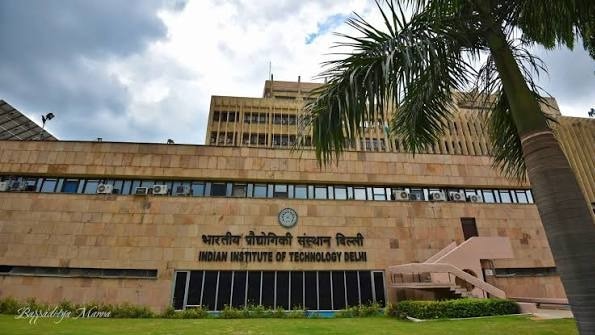
For years, JEE Advanced has been the defining gateway for students aspiring to study at an Indian Institute of Technology. But the IIT admission landscape is gradually expanding beyond a single entrance examination.
From IIT Madras' non-campus BS programmes to IIT Kanpur's Olympiad-based admissions and the new Bachelor of Cybersecurity (BCyber) programme, institutes are experimenting with ways to identify talent through academic performance, subject-specific achievements and practical skills.
The BCyber programme, jointly offered by IIT Madras and IIT Kanpur from the 2026-27 academic session, is the latest example of this shift.
B-CYBER MOVES BEYOND JEE ADVANCED
The first BCyber admission cycle did not require JEE Advanced. IIT Madras joined IIT Kanpur's existing selection process, with selected students getting the option to study at either institute.
The two IITs will run the programmes independently and award their respective degrees.
However, the first cycle still relied on IIT Kanpur's existing admission process. The more significant change is planned for the next cycle.
From next year, IIT Madras plans to use an aptitude test covering basic mathematics, logical reasoning and cybersecurity aptitude, followed by a longer-duration hackathon. The hackathon will test programming skills and cybersecurity expertise, with candidates shortlisted on the basis of their performance.
The model effectively shifts the focus from simply asking whether a student can clear a standardised entrance examination to asking whether they can demonstrate skills relevant to the discipline.
The programme itself is heavily practice-oriented, covering areas such as vulnerability assessment, penetration testing, malware analysis, reverse engineering, cloud security and critical infrastructure security. Students will also undertake a two-year field deployment project involving live cybersecurity assignments.
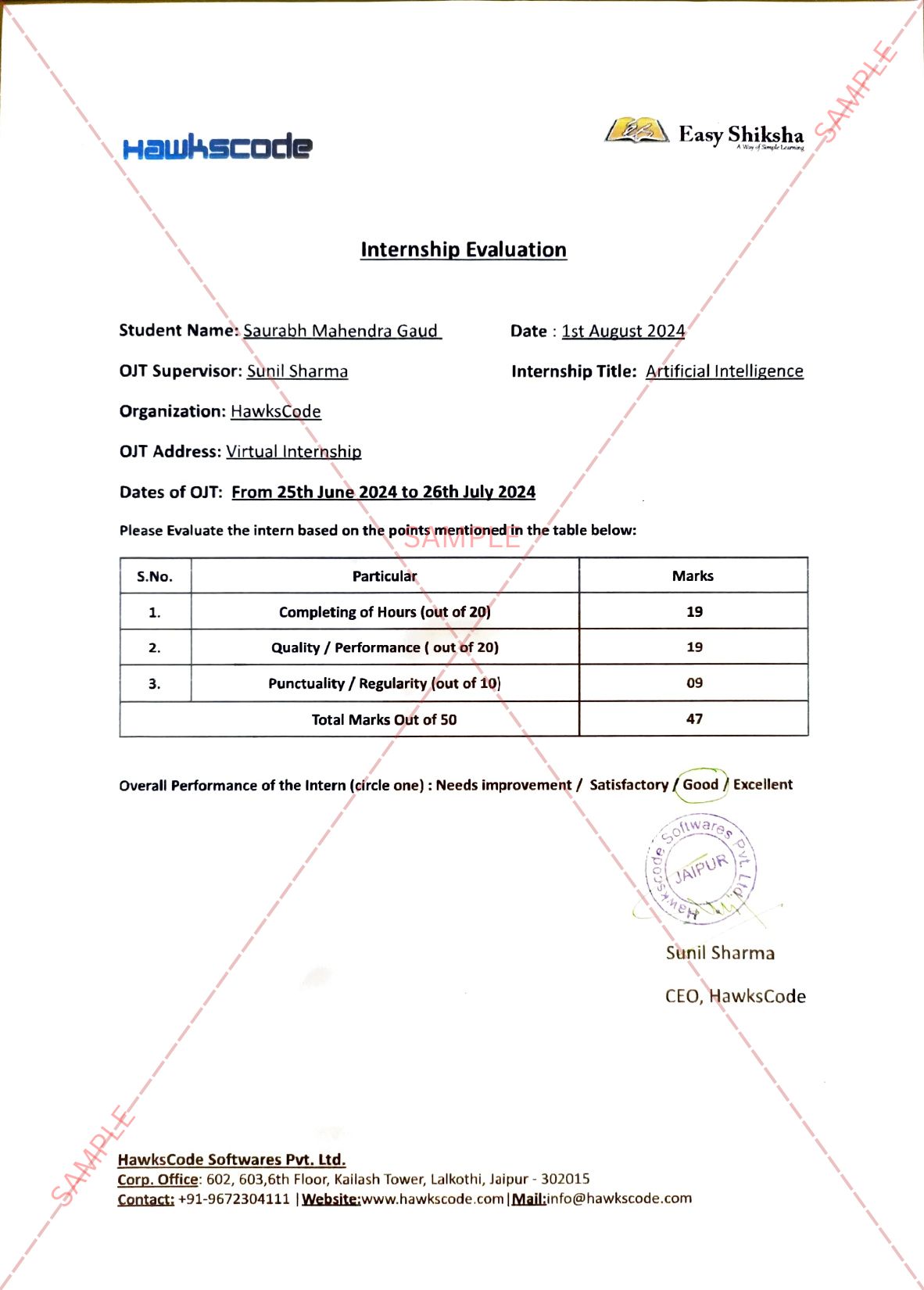
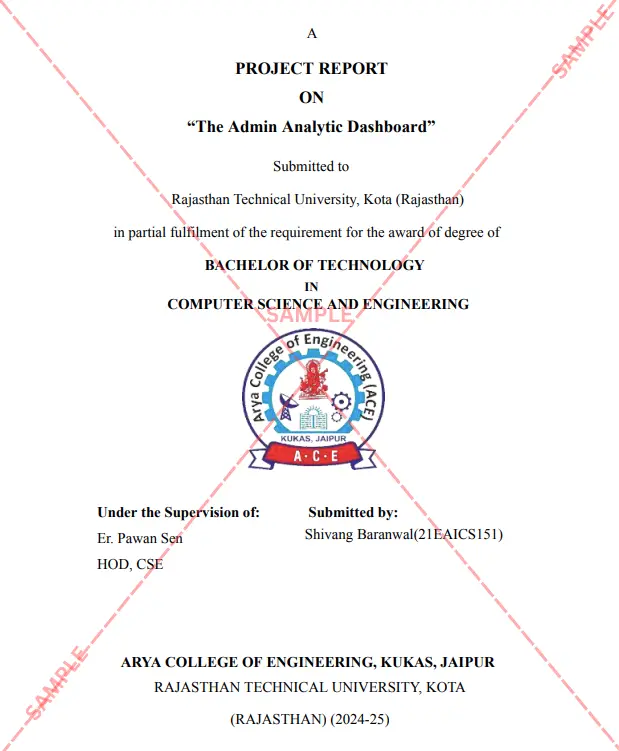
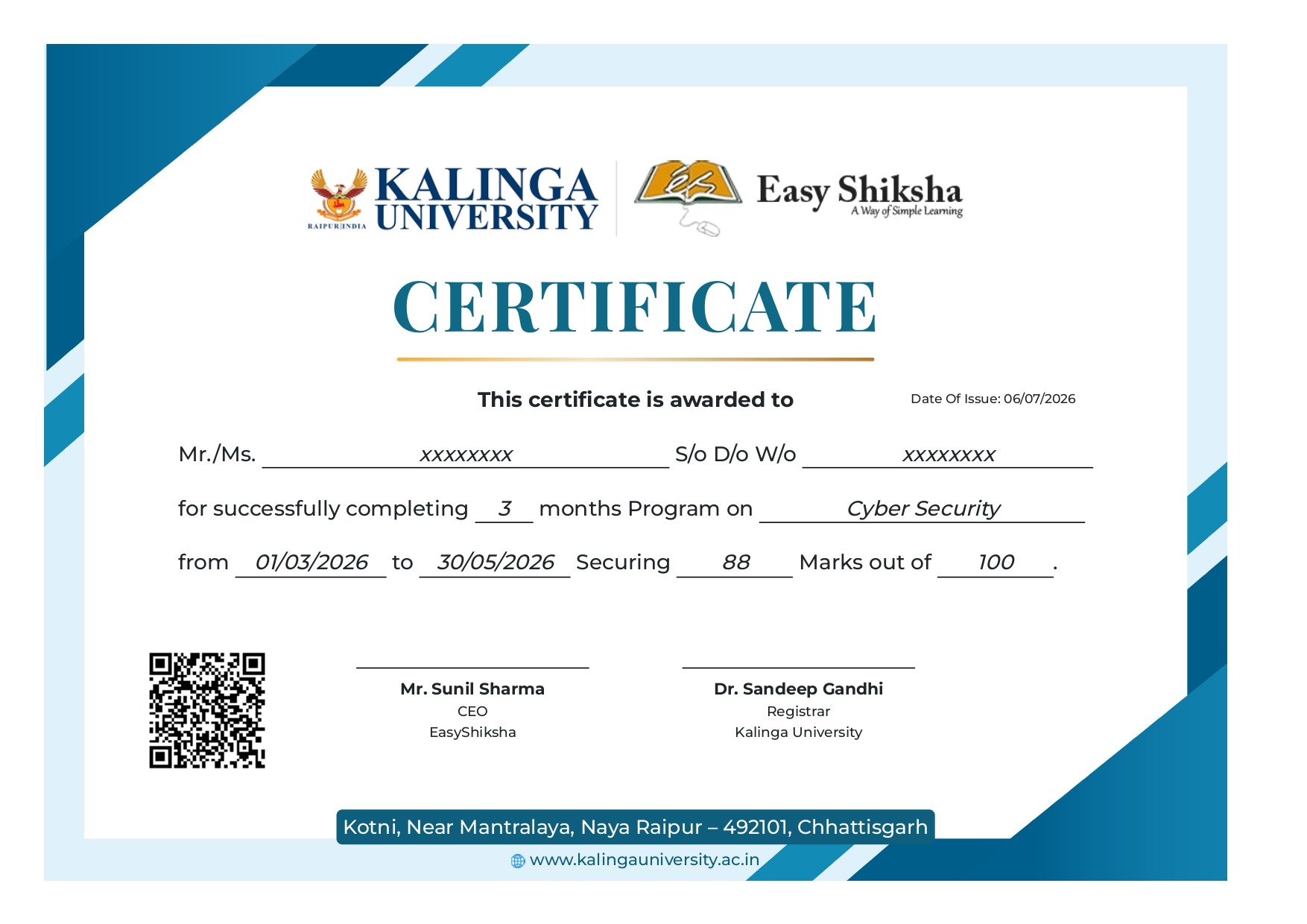
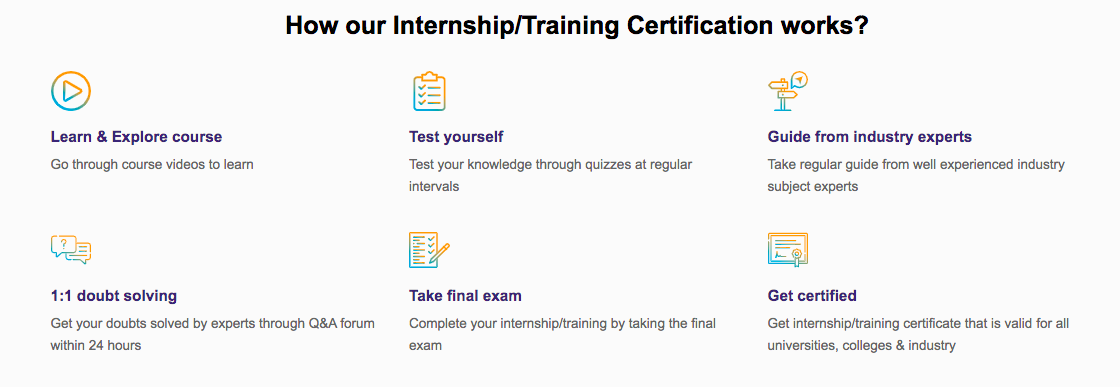
How EasyShiksha Internship/Training Program Works
OLYMPIADS EMERGE AS ANOTHER IIT ROUTE
BCyber is not the only example of IITs looking beyond the conventional JEE pathway.
IIT Kanpur has also used Olympiad performance as an alternative route for identifying students with exceptional aptitude in science and mathematics.
In 2026, the institute selected 14 students through its Olympiad-based admission route without requiring JEE Advanced. Among them, six have been admitted to Computer Science and Engineering, two to Biological Sciences and Bioengineering, and others to Mathematics, Intelligent Systems, Chemistry, and Data Science-related programmes.
The move builds on IIT Kanpur's earlier experiments with Olympiad-based admissions. The model recognises that students who perform exceptionally in national or international science and mathematics competitions may demonstrate subject depth and problem-solving ability that is not fully captured by a single entrance examination.
IIT MADRAS ALREADY OFFERS NON-CAMPUS BS ROUTES
Students also have alternative ways to pursue IIT Madras programmes without following the conventional JEE Advanced route.
IIT Madras offers non-campus BS programmes, including its BS in Data Science and Applications and BS in Electronic Systems, where students can enter through institute-specific qualifier processes.
These programmes are different from the regular residential BTech programmes admitted through the conventional IIT system. But they show how the IIT ecosystem has already begun creating admission pathways beyond JEE Advanced.
For Class 12 students, this means the IIT dream is no longer necessarily tied to a single examination. JEE Advanced remains the primary route to conventional IIT BTech programmes, but specialised programmes are increasingly experimenting with other ways of measuring merit.
The BCyber programme could take this trend further. If its proposed aptitude-test and hackathon-based model is expanded, it would represent a significant shift in IIT admissions — one where academic scores remain important, but demonstrated skills, subject expertise and practical ability also get a seat at the table.
Anshika Jain is an Engineer, Developer, and Educational Content Author known for her dedication to technology and knowledge sharing. With a strong analytical mindset and a passion for innovation, she has consistently contributed to creating meaningful digital solutions and insightful educational articles.
Her ability to simplify complex technical concepts into engaging and easy-to-understand content makes her work valuable for students and learners across various platforms. Along with her technical expertise, Anshika is admired for her creativity, professionalism, and commitment to continuous learning.
She represents a perfect blend of technical excellence and impactful communication, inspiring others through both her development work and educational contributions.