A student’s education journey is no longer limited to attending classes, preparing for examinations, completing assignments, and receiving a degree. Today, students discover courses online, compare colleges and universities, watch learning videos, take quizzes, build skills, search for internships, prepare for competitive examinations, seek career guidance, earn certificates, and explore employment opportunities through digital platforms. Each activity may happen on a different website or application, creating a learning journey that is increasingly digital but often highly fragmented.
This raises an important question: what if students could manage most parts of their educational journey from one digital place? Instead of moving between multiple platforms for learning, assessment, career discovery, internships, and educational information, could an education super-app bring these experiences together?
The idea of an education super-app is becoming increasingly relevant as online education expands and students become more comfortable managing important parts of their lives through smartphones and digital platforms. An education super-app does not simply mean an application containing thousands of courses. It represents a connected educational ecosystem where discovery, learning, assessment, practical experience, career exploration, and educational decision-making can exist within one digital environment.
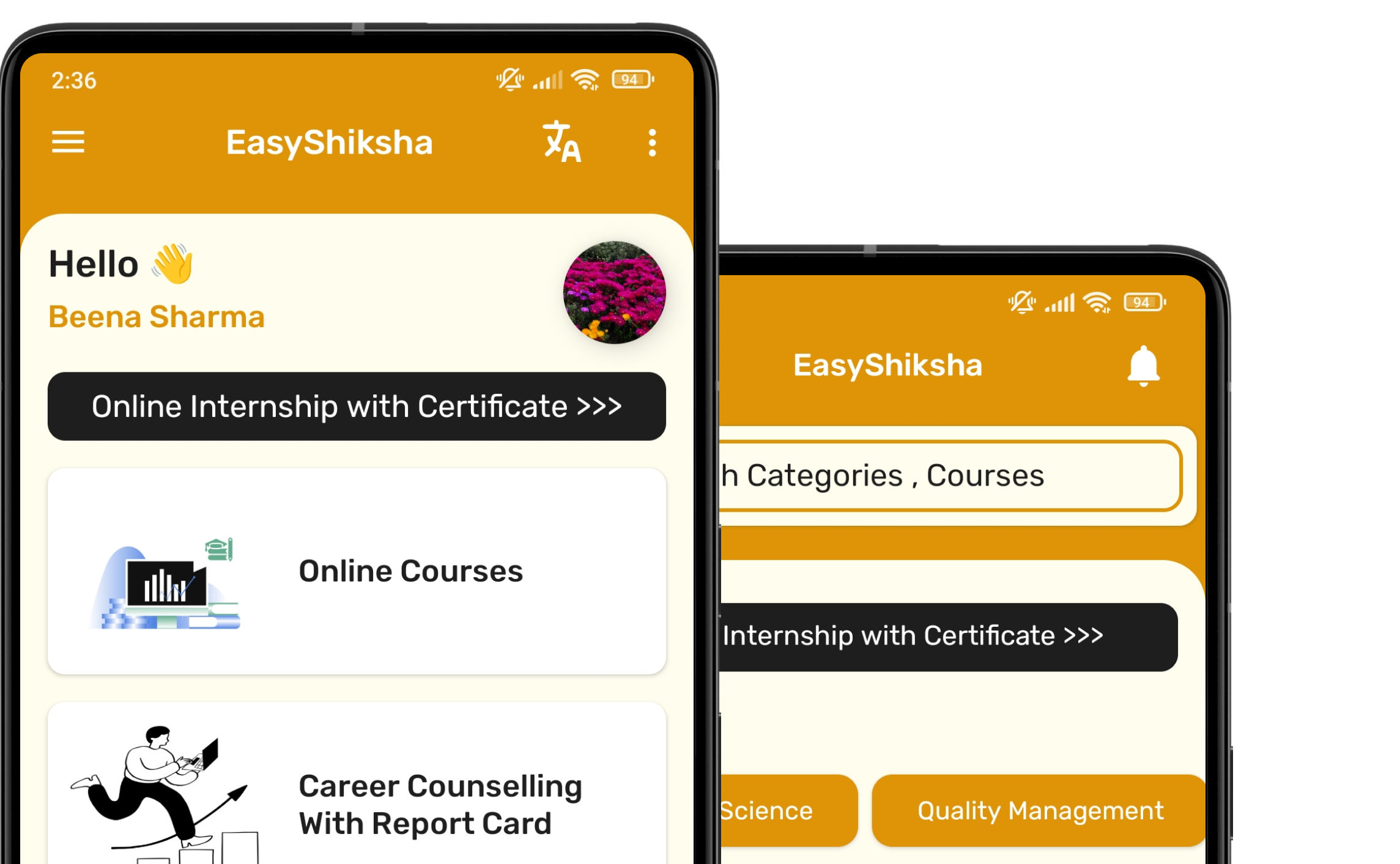
This concept closely connects with the vision of EasyShiksha, which brings together online courses, online degrees, internships, quizzes, certificates, career counselling, school and university discovery, government exam preparation, games, and other digital learning opportunities. Rather than treating education as a single activity, such an ecosystem can support students throughout different stages of their learning and career journey.
The bigger question, therefore, is not simply whether students are ready for an education super-app. It is whether digital education has reached a stage where students increasingly expect their learning journey to be connected, accessible, personalised, and available from one place.
The Problem With a Fragmented Digital Education Journey
The internet has made education more accessible, but accessibility does not always mean simplicity. A student interested in a career may need to search across several platforms before making a decision. One website may provide course information, another may offer learning content, another may host quizzes, while internship opportunities may exist somewhere else. Information about colleges and universities can require another round of research, while career counselling may happen through a completely separate service.
This fragmented experience can create unnecessary complexity. Students may save dozens of links, register on multiple platforms, maintain different accounts, and repeatedly enter similar information. Over time, their educational activities become scattered across different digital environments.
Consider a student who has recently completed school and is unsure about what to study next. The student may begin with a career quiz, search for suitable subjects, compare courses, research colleges, watch introductory lessons, speak to a counsellor, and eventually look for internships or practical opportunities. Each stage may involve a different platform.
The information exists, but the journey is disconnected.
An education super-app attempts to address this gap by connecting these activities. The objective is not necessarily to replace every educational website or institution. Instead, it can become a central digital environment where students discover, evaluate, learn, practise, and progress.
What Is an Education Super-App?
The concept of a super-app became popular through platforms that combined multiple services within one digital ecosystem. In education, the same concept can be adapted to the needs of students.
An education super-app can be understood as a digital platform that brings multiple education-related services together rather than focusing on only one activity. Courses may represent one part of the ecosystem, while quizzes, internships, certificates, career counselling, degree discovery, college information, competitive exam preparation, and educational games can form other connected parts.
The important word is “connected.”
Simply placing many features inside one application does not automatically create a useful education super-app. The value comes from the relationship between those features. A quiz should be able to help a student understand their learning needs. A course should help develop relevant knowledge and skills. A practical project or internship should allow the student to apply those skills. Career guidance should help connect learning experiences with possible career directions.
This creates a journey rather than a collection of unrelated services.
For students, this could mean that the same digital profile gradually reflects what they have explored, learned, practised, and achieved.
Traditional online learning often begins with a search box. A student knows what they want to learn, types a course name, and receives a list of results. This model works well when the student already knows their objective.
However, many students do not know exactly what they should study.
A student may know that they want a “good career” but may not know whether that means computer science, finance, digital marketing, engineering, design, healthcare, entrepreneurship, or another field. Students can also have interests that do not immediately translate into obvious career choices.
An education super-app can change the starting point from course hunting to learning discovery.
Instead of asking only, “Which course do you want?”, a digital platform can help students explore questions such as what subjects interest them, what skills they already possess, what they would like to develop, and what career areas they want to understand better.
Quizzes can become an important part of this discovery process. They can introduce students to topics, test existing knowledge, identify areas requiring more practice, and make learning more interactive.
For a platform such as EasyShiksha, this creates an opportunity to connect quizzes with courses, career exploration, and practical learning instead of treating each feature as a separate destination.
One Platform Can Create a More Connected Learning Journey
Imagine a student beginning with a simple quiz about technology. The results encourage the student to explore programming. The student then discovers a beginner-friendly online course and starts learning basic concepts.
After completing several lessons, the student takes quizzes to test understanding. Instead of stopping after course completion, the student moves toward a practical project or internship opportunity. The experience can then become part of the student’s digital learning profile.
Later, the same student may explore an online degree, seek career counselling, or investigate universities offering a relevant programme.
The important difference is that the student does not have to restart the entire discovery process each time.
This connected model can make education feel more like a continuous journey. The student’s activities build upon one another rather than existing as isolated transactions.
The Digital Profile Could Become the Centre of the Journey
An education super-app becomes more meaningful when it recognises that students are more than their examination scores.
A traditional academic record may show marks, grades, subjects, and qualifications. A broader digital education profile can potentially reflect courses completed, quizzes attempted, skills developed, projects undertaken, internships experienced, certificates earned, career interests explored, and learning milestones achieved.
Such a profile could become a living representation of a student's educational journey.
For example, instead of simply showing that a student completed a digital marketing course, the profile could provide a broader picture of the student's learning progression. It could show that the student studied search engine optimisation, completed related quizzes, worked on a project, participated in an internship, and explored marketing career options.
This does not mean replacing formal academic records. Degrees, marksheets, and institutional qualifications remain important. Instead, a digital learning profile can complement them by providing additional evidence of continuous learning and practical development.
For EasyShiksha, this idea fits naturally with an ecosystem containing courses, certificates, quizzes, internships, career guidance, and educational discovery.
Online Courses Become Building Blocks, Not End Points
The popularity of online courses has made learning more flexible. Students can learn from home, study at their own pace, and explore subjects beyond their formal curriculum.
However, course completion should not necessarily be treated as the final destination.
An education super-app can position courses as building blocks within a larger learning journey. A student may begin with foundational learning and gradually move toward advanced subjects, practical activities, projects, internships, or career-focused preparation.
This creates a more meaningful relationship between learning and application.
A student studying programming, for example, can learn concepts through an online course and then practise them through quizzes or projects. A student learning digital marketing can apply concepts through practical exercises. A student preparing for government examinations can combine lessons with repeated testing and revision.
The platform therefore becomes a place where students can move from understanding to practice.
Quizzes Can Become Learning Checkpoints
Quizzes are often viewed as simple assessment tools, but they can play a broader role in a connected education ecosystem.
A quiz can help students discover subjects before enrolling in a course. During a course, it can reinforce concepts and identify areas that require additional practice. After learning, it can help students measure retention.
For students preparing for competitive examinations, frequent testing can also become part of their regular preparation routine.
When quizzes are connected with courses and learning profiles, they can provide context to the student's progress. Instead of being an isolated activity, every quiz can become another learning checkpoint.
This can make learning more active. Students are not simply consuming content; they are repeatedly interacting with what they are learning.
Internships Connect Digital Learning With Experience
One of the biggest challenges faced by students and fresh graduates is the transition between education and practical experience.
A student may complete several courses but still wonder how those skills apply in a workplace. An internship can provide an opportunity to observe professional workflows, complete assignments, collaborate with others, and understand workplace expectations.
This makes internships particularly important in an education super-app.
When learning and internships exist within the same ecosystem, the transition from knowledge to experience becomes easier to understand. A student can learn a concept, practise it, and then look for opportunities to apply it.
For students who are building their first professional profile, this progression can be especially useful. The journey becomes less about collecting isolated certificates and more about developing a combination of knowledge, practice, and experience.
EasyShiksha’s combination of courses and internships can support this broader “learn and apply” approach.
Document
#AbIndiaSikhegaGharSe
Online Internships for Students
EasyShiksha offers comprehensive online virtual internship programs tailored for students, graduates, freshers, and working professionals seeking academic advancement and upskilling certifications.
Get Job-Ready with Our Online Summer Internship 2025 Opportunities
Explore our wide selection of online job-ready internships featuring globally recognized certificates accepted by universities, colleges, and companies worldwide.
Obtain two authorized certificates recognized by universities & corporates.
Access our 100% online internships at genuine price.
Choose from flexible internship durations ranging from 2 weeks to 6 months.
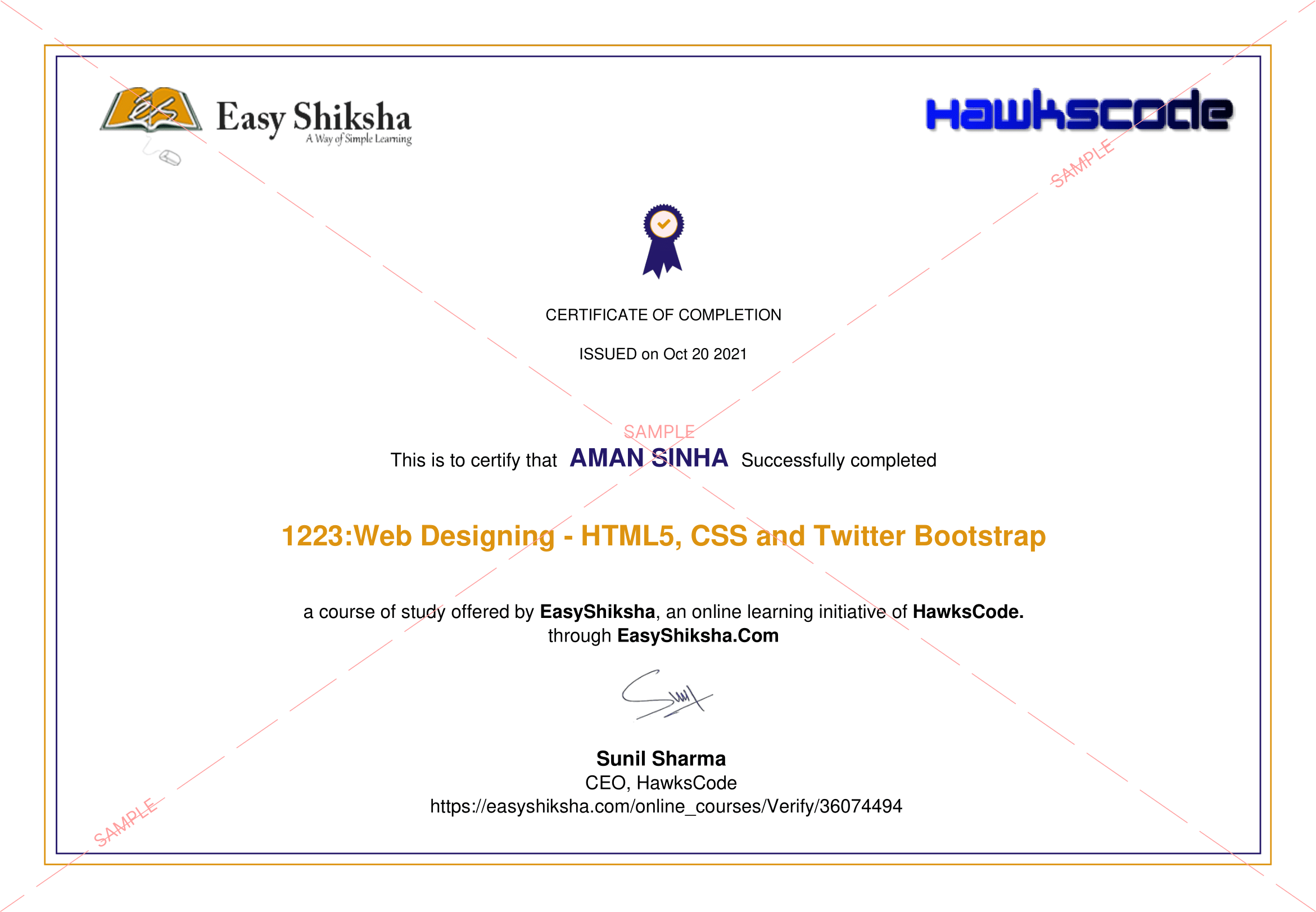
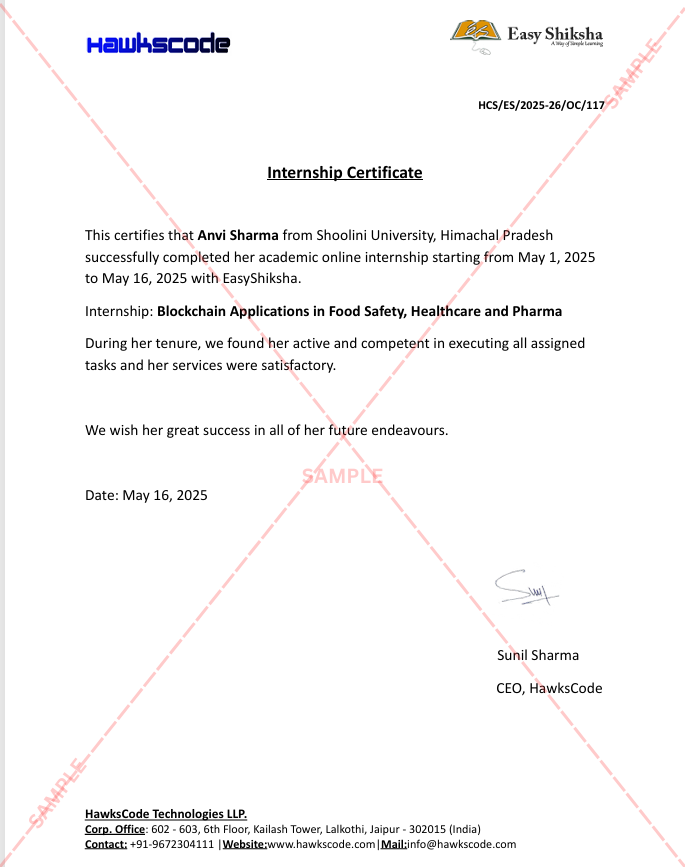
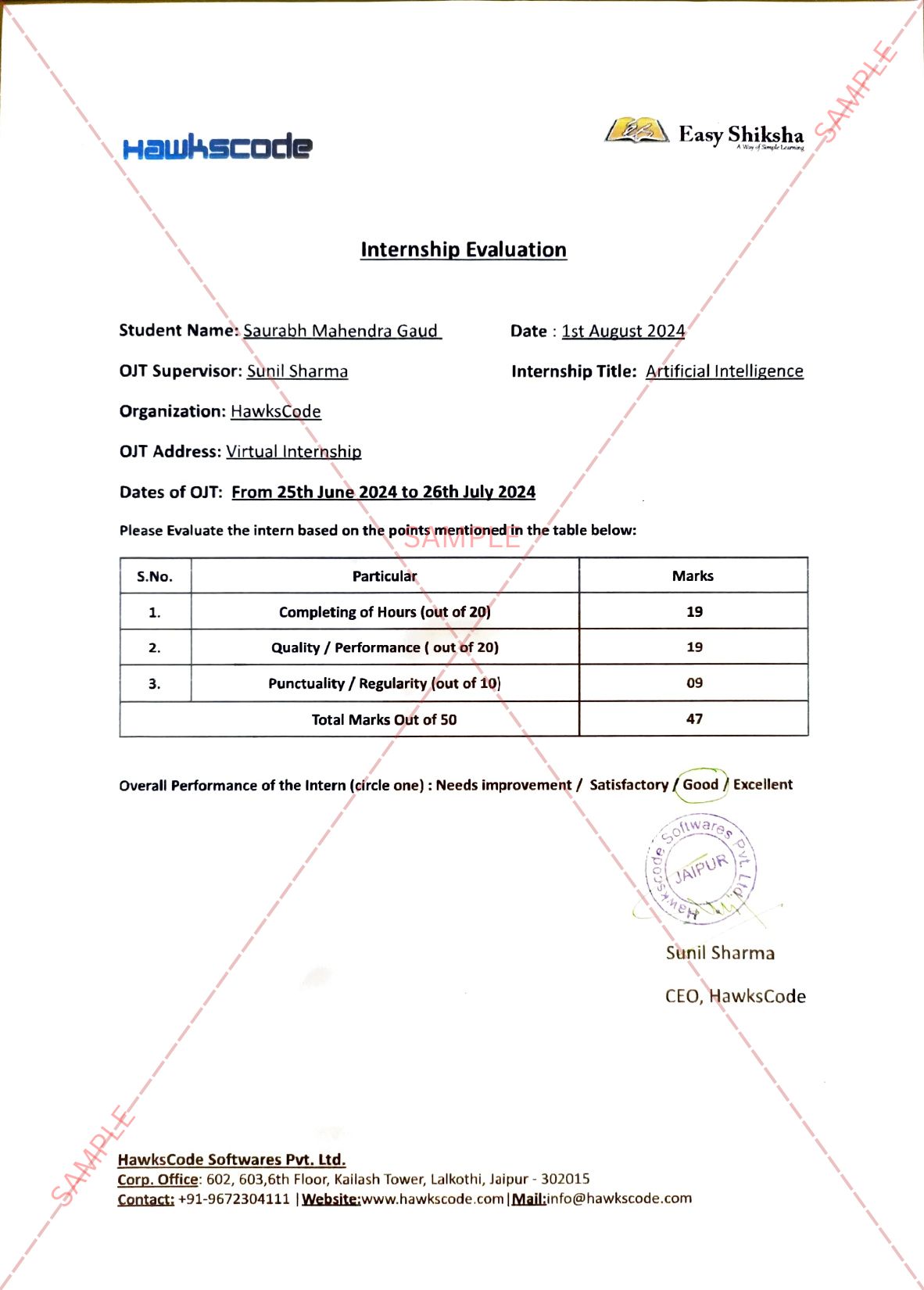
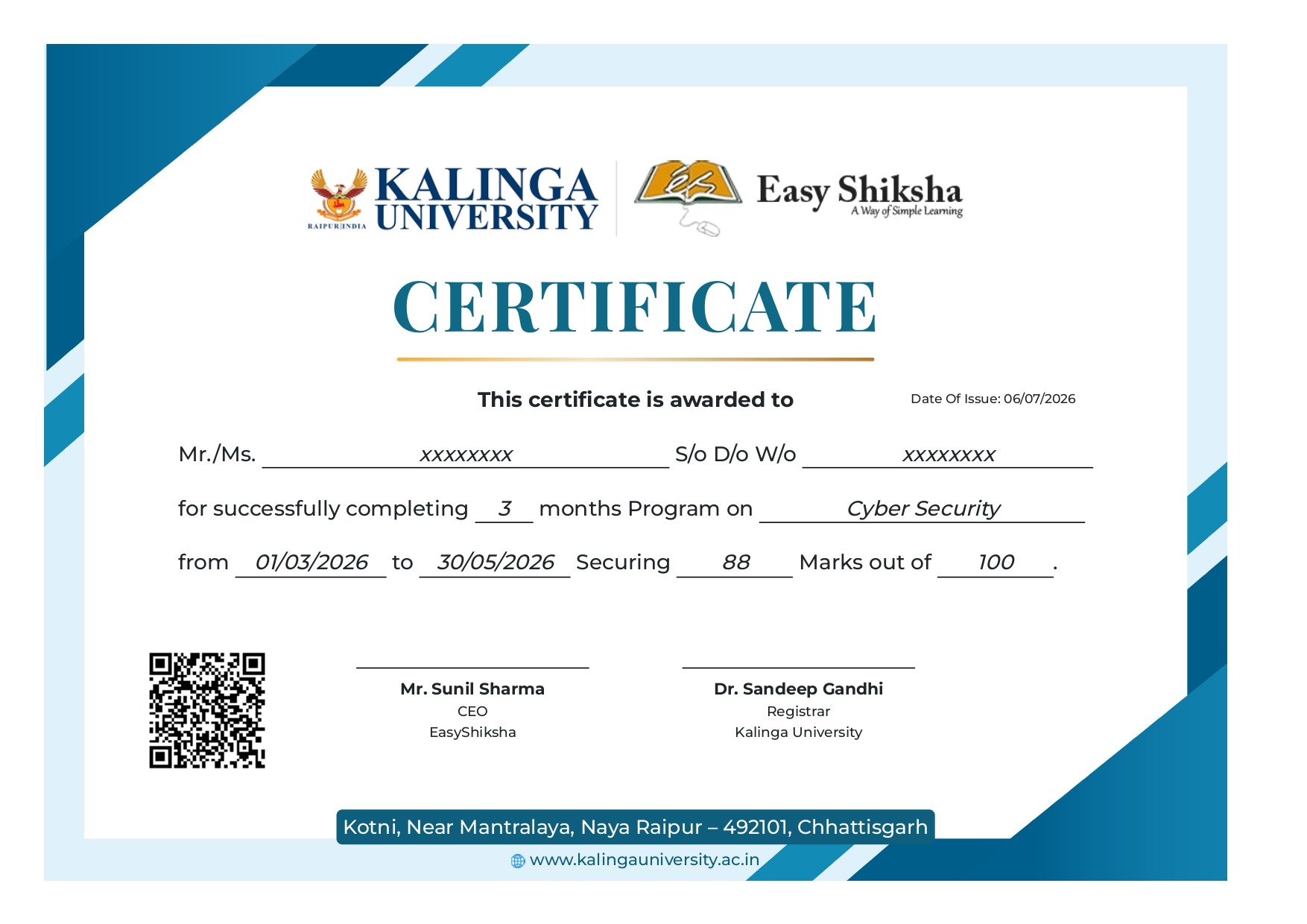
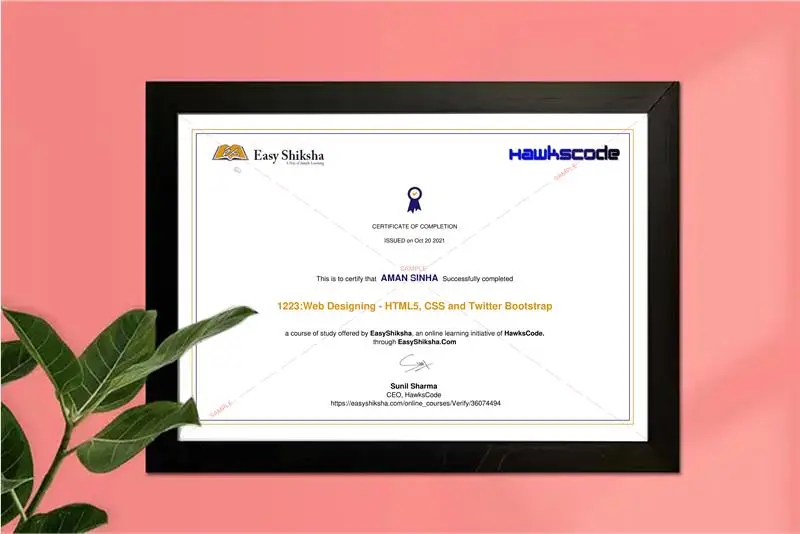
Upon completion, you will receive two certificates: an Internship Certificate and a Course Completion Certificate
Learn conveniently anytime, anywhere.
Access learning materials seamlessly via web or mobile. (Download App)
Career Counselling Can Help Students Make Better Connections
The availability of thousands of courses does not automatically make educational decisions easier. In fact, an overwhelming number of choices can sometimes make decisions more difficult.
Career counselling can help students interpret their interests, understand possible pathways, identify skill requirements, and think about education in relation to longer-term goals.
Within an education super-app, career counselling can become connected to the student’s learning journey.
A student who has explored technology courses, completed programming quizzes, and shown interest in software development could potentially use career guidance to understand what educational and skill-building options exist next.
Similarly, a student exploring commerce could investigate finance, accounting, taxation, business, or related areas and use counselling to understand possible pathways.
The purpose is not to decide a student's career for them. It is to provide information and guidance so that students can make more informed choices.
Discovering Schools, Colleges and Universities in the Same Ecosystem
Education decisions do not end with online learning.
Students still need to identify schools, colleges, universities, degree programmes, specialisations, admission requirements, and other educational options.
This is another area where a connected education platform can become useful.
Imagine a student exploring a particular field. Instead of learning about the subject on one platform and then beginning an entirely separate search for institutions, the student could move from career discovery to course exploration and then toward relevant educational institutions.
A digital ecosystem that supports school, college, and university discovery can reduce some of the friction involved in educational research.
For students and families, the objective is not simply convenience. Better discovery can help them compare available pathways and understand that there may be multiple ways to reach a career goal.
Online Degrees Add Another Layer to Digital Education
The education journey does not end when a student completes a short course.
Many learners pursue formal degrees while simultaneously building additional skills online. Online degrees can offer another pathway for students who need flexibility because of location, work, personal responsibilities, or other circumstances. An education super-app can therefore serve students at different stages of education.
A school student may use it for discovery and quizzes. A college student may use it for courses and internships. A graduate may use it for advanced skills, career development, or an online degree. A working professional may return to the platform for upskilling. This creates a more continuous relationship between the learner and the education ecosystem.
Games Can Make Learning More Engaging
Education and entertainment are often treated as completely different experiences, but digital learning is increasingly experimenting with interactive formats.
Educational games can introduce concepts through challenges, rewards, levels, problem-solving activities, and interactive experiences. When designed thoughtfully, gamification can encourage students to return to learning activities and practise more frequently.
In an education super-app, games can complement rather than replace serious learning.
A student might take a quiz, complete a course module, practise a skill, and then use an educational game to reinforce related concepts. The experience can make digital learning more engaging, particularly for younger learners and students who prefer interactive formats. EasyShiksha’s inclusion of games alongside courses, quizzes, and other educational features reflects this broader shift toward learning experiences that combine education with interaction.
Are Students Actually Ready for an Education Super-App?
The answer depends on what students expect from digital education. Today's students are already accustomed to using digital platforms for communication, entertainment, shopping, payments, navigation, and information. Managing multiple services digitally is therefore not unfamiliar.
The challenge is different in education because educational decisions are often more complex and personal. Students need reliable information, transparent course details, meaningful assessments, useful career guidance, trustworthy opportunities, and clear educational pathways. An education super-app must therefore offer more than convenience.
Trust becomes essential. Students should be able to understand what they are learning, why they are learning it, what a certificate represents, how an internship opportunity works, and how educational information should be evaluated. The platform must support informed decisions rather than simply encouraging students to consume more content.
Personalisation Could Make the Super-App More Useful
Another potential advantage of a connected education ecosystem is personalisation. Students have different interests, academic backgrounds, learning speeds, career goals, and levels of prior knowledge. A platform that understands these differences can potentially make recommendations more relevant.
Instead of showing every student the same collection of courses, a digital ecosystem could gradually adapt as the learner interacts with it.
A student interested in artificial intelligence may see introductory programming resources before advanced AI courses. A student preparing for competitive examinations may receive more practice-oriented learning and quizzes. A student looking for internships may be encouraged to strengthen specific skills before applying. The goal should be useful personalisation rather than endless recommendations.
The Challenge of Too Many Features
There is also a risk in the super-app model. When a platform attempts to provide everything, it can become confusing. A student opening an application should not feel overwhelmed by hundreds of menus, categories, recommendations, and notifications. The success of an education super-app therefore depends on simplicity.
The technology should make the learning journey easier, not add another layer of complexity. Students should be able to understand where they are, what they have completed, what they can do next, and why a particular recommendation is relevant.
The platform should function as a guide rather than simply becoming another massive content library.
Privacy and Student Data Will Become Increasingly Important
A connected education ecosystem may contain significant amounts of information about a learner. Courses, quiz performance, interests, certificates, educational history, internship experiences, and career exploration can all become part of a digital profile. This makes responsible data practices extremely important.
Students should understand what information is collected, how it is used, and who can access it. Educational technology should be designed around transparency and appropriate privacy protections. The more comprehensive a digital education profile becomes, the more important it is for students to retain meaningful control over their educational information.
The Indian Education Landscape Makes Connected Platforms Particularly Relevant
India has a large and diverse student population with very different educational needs. Students may come from metropolitan cities, smaller towns, rural communities, different academic backgrounds, and different economic circumstances. Digital platforms can provide additional access to learning opportunities that may not be equally available locally.
A student in a smaller city can explore online courses. A graduate can search for remote internships. A learner can investigate online degree options. A student preparing for government examinations can use quizzes and digital study resources. Another learner can explore colleges and universities beyond their immediate geographical area.
A connected ecosystem can bring these activities together. The challenge remains ensuring that digital education is affordable, accessible, understandable, and useful for learners across different backgrounds.
EasyShiksha and the Idea of One Digital Education Ecosystem
The education super-app concept closely reflects the broader direction of EasyShiksha.
Instead of focusing exclusively on one educational service, EasyShiksha brings together multiple parts of the student journey. Online courses can support skill development, online degrees can support formal education pathways, quizzes can encourage testing and practice, internships can introduce practical experience, certificates can document learning, career counselling can support decision-making, and school, college, and university discovery can help students research educational opportunities.
Games add another dimension by making learning more interactive, while government exam preparation can support students pursuing competitive examination goals.
Together, these features create the possibility of a more connected digital education journey. The most important idea is that students do not necessarily need another place to consume information. They need a digital environment that helps them move from one meaningful stage of learning to the next.
Welcome to Career Helper
A Career Concern of EasyShiksha
Career Helper suggests occupations that correspond to your interests, values, aspirations, and personality.
Career Helper consists of:
IQ Test
Basic Test
Advance Test
Psychometric Test
Know your talents, skills, strengths, and weaknesses.
Choose the profession that suits you best.
Get best career guidance by Experts.
Explore various career options in India with EasyShiksha.
The Future Student May Expect One Connected Learning Journey
In the future, students may increasingly think about education as a continuous digital journey rather than a series of disconnected activities.
A student could discover an interest through a quiz, explore a course, develop foundational knowledge, practise through assessments, complete a project, participate in an internship, seek career guidance, investigate degree options, and continue learning after graduation. The journey could remain active even after formal education ends.
This does not mean that physical classrooms, teachers, universities, mentors, or traditional institutions will disappear. Digital platforms can complement these experiences by connecting them and making additional resources available.
The future of education is therefore unlikely to be about choosing between physical and digital learning. It may be about creating a system where both can work together.
Conclusion: From Many Educational Tools to One Learning Journey
The education super-app represents a broader shift in how students may experience learning.
Instead of searching separately for courses, quizzes, internships, certificates, career guidance, degrees, colleges, universities, and other opportunities, students can increasingly expect these experiences to connect. The real value of a super-app lies not in the number of features it contains, but in how effectively those features help students progress.
For a student, education is ultimately a journey. It begins with curiosity, develops through learning, grows through practice, becomes stronger through experience, and continues through career development and lifelong learning.
An ecosystem such as EasyShiksha can support this journey by bringing different digital education experiences into one place. Courses can introduce knowledge, quizzes can encourage practice, internships can create experience, career counselling can provide direction, educational discovery can expand choices, degrees can support formal learning, certificates can document achievements, and games can make learning more engaging.
The education super-app is therefore not simply about putting everything into one application. It is about creating a connected environment where every learning activity has a meaningful place in the student's larger journey.
Anshika Jain is an Engineer, Developer, and Educational Content Author known for her dedication to technology and knowledge sharing. With a strong analytical mindset and a passion for innovation, she has consistently contributed to creating meaningful digital solutions and insightful educational articles.
Her ability to simplify complex technical concepts into engaging and easy-to-understand content makes her work valuable for students and learners across various platforms. Along with her technical expertise, Anshika is admired for her creativity, professionalism, and commitment to continuous learning.
She represents a perfect blend of technical excellence and impactful communication, inspiring others through both her development work and educational contributions.