Every year, thousands of students reach an important stage in their educational journey without knowing exactly what they want to study. After completing school, a student may be expected to choose a degree, select a subject, prepare for entrance examinations, or begin learning professional skills. However, not every student has a clear understanding of their interests, strengths, or long-term career goals.
Some students enjoy several subjects and cannot decide which one to pursue. Others have limited knowledge about the educational opportunities available to them. Many learners select courses because their friends have chosen them, their families recommend them, or a particular career appears popular. Although these influences can be important, they may not always lead to an educational decision that matches the student's interests and abilities.
This is where online education discovery can provide a valuable starting point. Digital platforms allow students to explore courses, degrees, career options, colleges, universities, skills, and learning opportunities before making major educational decisions. Instead of beginning with the question, “Which course should I choose?”, students can start by asking, “What interests me, what can I learn, and which opportunities should I explore?”
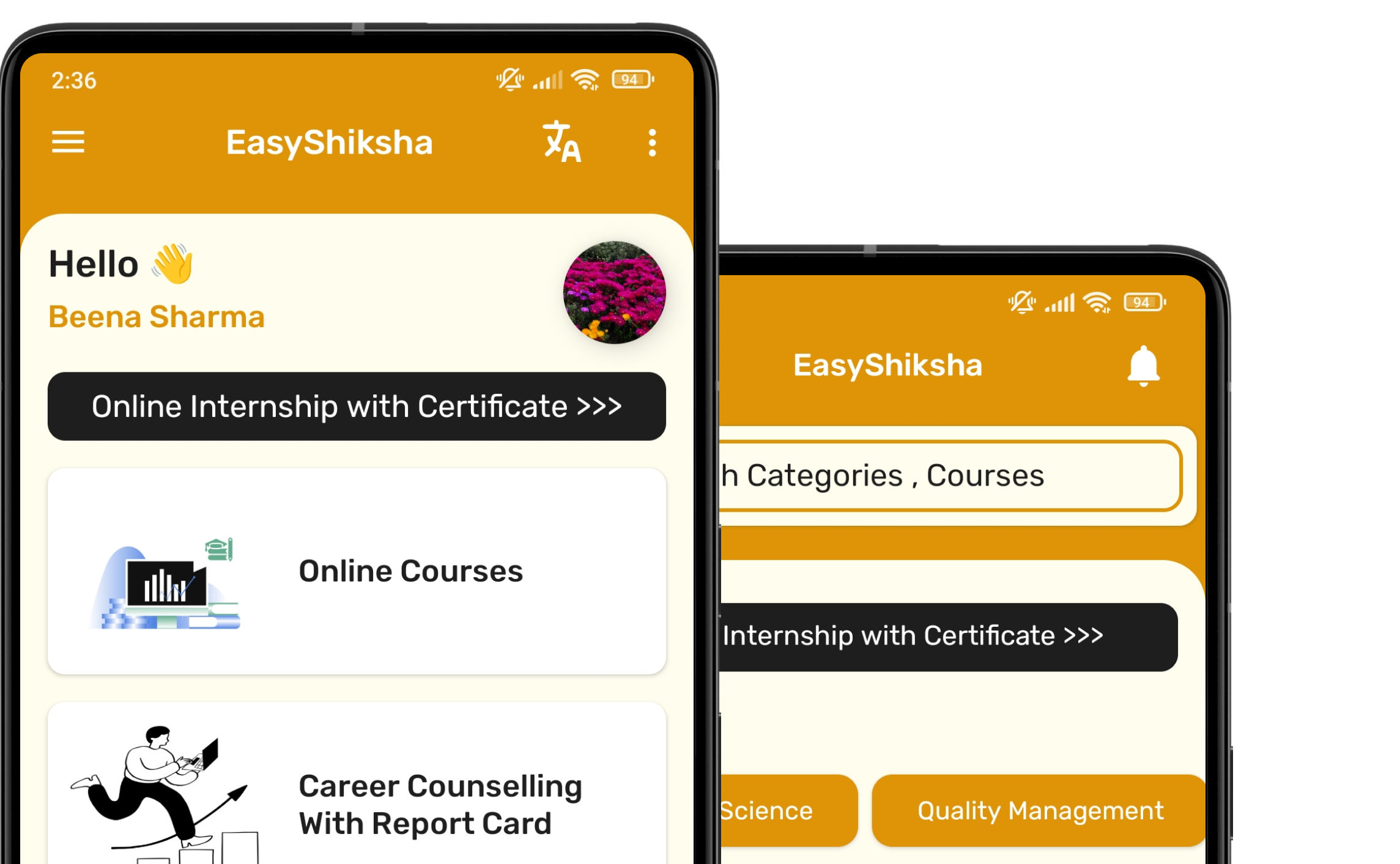
EasyShiksha reflects this changing approach to education by bringing together online courses, online degrees, quizzes, internships, certificates, career counselling, educational discovery, and interactive learning experiences. Through such an ecosystem, students can begin their journey with exploration rather than pressure and gradually move toward more informed decisions.
The Student Who Has No Clear Study Plan
Imagine a student named Riya who has recently completed Class 12. She has studied science but is not certain whether she wants to pursue engineering, computer science, biotechnology, design, or another field. Her friends have already selected their preferred courses, while her family expects her to make a decision quickly.
Riya searches online for the “best course after Class 12” and finds hundreds of articles, videos, advertisements, and opinions. Some recommend traditional degrees, while others promote short-term professional courses. She sees information about artificial intelligence, business, medicine, digital marketing, coding, and many other fields.
Instead of becoming more confident, Riya feels increasingly confused. The problem is not a lack of information. The problem is that she does not yet have a structured way to understand the information.
This situation is common among students who are beginning their educational journey. They may have access to numerous options but lack the guidance required to compare them. They may also be unaware of the difference between a subject they enjoy studying and a career they would like to explore.
Online discovery can help change this starting point by encouraging students to investigate their interests before committing to a specific path.
Why Choosing a Course Can Feel Difficult
Selecting a course is an important decision because it may influence a student's academic experience, skill development, financial investment, and future opportunities. However, students often make this decision with incomplete information.
A course title may sound attractive, but the student may not understand its curriculum, learning requirements, duration, practical exposure, or career relevance. Similarly, a degree may have a strong reputation, but it may not align with the student's interests or preferred learning style.
Students may also confuse popularity with suitability. A course that is widely chosen by others may not necessarily be appropriate for every learner. Educational decisions should consider individual interests, academic preparation, learning goals, available resources, and future plans.
Online discovery does not remove the need for careful decision-making. Instead, it can provide students with access to information that helps them ask better questions.
When students explore different options before enrolling, they may develop a clearer understanding of what each course involves and why it could be relevant to their goals.
From Searching for Answers to Exploring Possibilities
Traditional educational decision-making often begins with a direct question: “What should I study?” This question can create pressure because it suggests that there is one correct answer that must be discovered immediately.
A more useful starting point may be exploration. Students can begin by identifying subjects they enjoy, skills they want to develop, problems they find interesting, and professional environments they would like to experience.
For example, a student who enjoys mathematics may explore data analysis, finance, engineering, programming, and research. A learner interested in communication may investigate content writing, public relations, teaching, marketing, and media. Someone who enjoys solving technical problems may explore cybersecurity, cloud computing, software development, or electronics.
Exploration does not mean that students must choose every field they investigate. It allows them to understand their options before making a commitment.
EasyShiksha can support this approach by offering opportunities to discover educational subjects, explore online courses, attempt quizzes, seek career guidance, and understand different learning pathways.
The starting point changes from immediate selection to informed exploration.
The Role of Online Course Discovery
Online course discovery can help students understand the range of learning opportunities available beyond their immediate educational environment. A learner may discover subjects that are not taught in depth at school or may explore professional skills alongside formal education.
Courses can introduce students to fields such as artificial intelligence, data science, digital marketing, finance, communication, programming, cybersecurity, robotics, and many others. Introductory learning can help students understand the basic concepts and requirements associated with a subject.
This is particularly useful for learners who have heard about a career but do not know what studying that field actually involves. For instance, a student may be interested in artificial intelligence because of its growing visibility but may not understand the importance of mathematics, programming, and data.
An introductory course can provide a realistic starting point. It allows students to learn basic concepts and decide whether they want to explore the subject further.
Online course discovery therefore becomes more than a search function. It can become a way for students to test their curiosity and gradually develop educational direction.
Quizzes Can Help Students Begin Without Pressure
Quizzes can provide a simple and interactive entry point for students who are uncertain about their learning interests. A short quiz can introduce a subject, test basic knowledge, and encourage students to think about what they already understand.
A student who is interested in business may attempt a quiz related to entrepreneurship or finance. Someone curious about technology may explore a beginner quiz covering programming or artificial intelligence. A learner considering a creative field may begin with questions related to design, communication, or content creation.
Quiz results should not be interpreted as definitive assessments of career suitability. A short quiz cannot measure every aspect of a student's potential, personality, or interests. However, it can help learners identify topics they want to understand better.
Within the EasyShiksha ecosystem, quizzes can connect with courses and other educational resources. A student can begin with a quiz, discover a relevant subject, explore a course, and then continue learning through assessments and practical activities.
This reduces the pressure associated with making a major educational decision immediately. Students can take a small first step and build understanding gradually.
Career Discovery Before Course Selection
Career discovery can help students understand the relationship between academic subjects and professional opportunities. Many learners know the names of popular careers but are unfamiliar with the skills, responsibilities, and educational pathways connected to them.
For example, a student may want to become a data analyst without knowing what data analysis involves. Another may be interested in digital marketing but may not understand the role of research, content, analytics, communication, and campaign planning.
Online discovery can help students explore these fields through introductory resources, career information, quizzes, courses, and practical examples.
Career counselling can provide additional support by helping students reflect on their interests, strengths, learning preferences, and educational options. Guidance should encourage informed exploration rather than forcing a learner into a particular career.
EasyShiksha’s career counselling and learning resources can contribute to this process by helping students connect career questions with possible courses and skill-development opportunities.
When students understand the nature of a field before selecting a course, they may be better prepared to make decisions based on realistic expectations.
Understanding the Difference Between Interest and Career Choice
Interest is an important starting point, but it is not always the same as a final career decision. A student may enjoy watching technology-related videos but may not yet know whether they enjoy programming. Someone may like photography but may not have explored the professional responsibilities involved in photography-related careers.
Online discovery allows students to move from general interest toward deeper understanding. Introductory courses, quizzes, practical tasks, and career resources can help learners investigate what a subject involves.
For example, a student interested in graphic design can begin by studying basic design principles and creating simple visual projects. Through this experience, the learner may discover whether they enjoy the creative process, revision, client requirements, and technical tools.
This does not guarantee that the student will choose design as a career, but it provides useful experience for making a more informed decision.
Students should be encouraged to explore interests without feeling that every initial preference must become a permanent career choice.
Connecting Educational Discovery With Practical Learning
Discovery becomes more valuable when students can apply what they learn. Reading about a course or watching an introductory video may create interest, but practical activities can help students understand whether they enjoy working with the subject.
A student exploring programming may complete a basic coding exercise. Someone interested in digital marketing may prepare a sample content plan. A finance learner may practise creating a simple budget. A student considering communication-related fields may work on a presentation or writing assignment.
Practical learning helps students recognise the difference between theoretical interest and active engagement. It also allows learners to develop initial skills before applying for more advanced courses or internships.
EasyShiksha’s combination of courses, quizzes, internships, and certificates can support a progression from discovery to application. Students can explore a topic, learn its fundamentals, test their understanding, and gradually attempt practical activities.
This process can make educational decisions more informed because students gain experience rather than relying only on assumptions.
The Importance of Comparing Courses Carefully
Online discovery gives students access to multiple courses, but learners must still compare options carefully. A course should not be selected only because of its title, advertisement, or certificate.
Students should examine the learning objectives, curriculum, level, duration, format, practical opportunities, and relevance to their goals. They should also consider whether the course is suitable for beginners or requires prior knowledge.
For example, a student interested in cybersecurity may encounter both introductory and advanced programmes. Selecting an advanced course without understanding basic networking or security concepts could create unnecessary difficulty.
A structured discovery experience can help learners identify the difference between beginner, intermediate, and advanced learning pathways. It can also encourage students to select courses according to their current stage.
EasyShiksha can serve as a place where learners explore different educational resources and gradually identify opportunities that align with their learning requirements.
School, College and University Discovery in One Journey
Educational discovery should not be limited to professional courses. Students also need support when exploring schools, colleges, universities, and degree programmes.
Choosing an institution involves several considerations, including the programme offered, curriculum, learning format, fees, location, academic recognition, support services, and practical opportunities. The importance of each factor may differ depending on the student's situation.
A student researching an online degree may prioritise flexibility, programme structure, academic recognition, and learning support. Another student looking for a traditional college may focus on campus experience, location, course availability, and practical exposure.
Digital platforms can help students begin this research process earlier. They can explore educational options, compare relevant information, and identify questions they should ask before making a decision.
EasyShiksha’s educational discovery features align with the idea of connecting school, college, university, course, and career exploration within one digital ecosystem.
This can help students view education as a continuous journey rather than a series of isolated decisions.
Insights from Internship Students: Testimonials
×
How Online Degrees Fit Into the Discovery Process
Online degrees provide another educational pathway for students and professionals who need flexibility. However, selecting an online degree also requires careful exploration.
Students should understand the programme structure, subjects covered, eligibility requirements, learning format, assessment process, academic recognition, and potential career relevance. They should consider how the degree fits into their long-term educational plans.
Online discovery can help students compare degree-related opportunities with other learning options. A learner may decide to pursue a formal online degree while also completing short-term courses that develop specific professional skills.
For example, a student studying an online business degree may explore digital marketing, finance, data analytics, communication, or entrepreneurship through additional courses. These learning experiences can complement formal academic education.
EasyShiksha’s focus on online education and online degree-related resources can help students think about formal qualifications and skill development as connected parts of their educational journey.
Career Counselling Can Reduce Confusion
Students may experience confusion even after exploring multiple courses and career options. Information alone may not resolve every question, particularly when learners are unsure how to evaluate their interests and abilities.
Career counselling can provide a structured opportunity to discuss educational choices. It may help students identify possible directions, understand course requirements, consider career pathways, and develop short-term learning goals.
A student does not need to have a fixed career objective before seeking guidance. In fact, counselling can be particularly useful for learners who are uncertain about their interests or are considering multiple options.
Career guidance should recognise that students develop at different speeds. One learner may make a decision quickly, while another may need to explore several subjects before identifying a suitable direction.
Through career counselling and educational resources, EasyShiksha can help students approach their decisions with greater awareness and a clearer understanding of available pathways.
From Exploration to a Personal Learning Plan
Once students have explored different options, they can begin creating a personal learning plan. This plan does not need to be permanent or complicated. It should provide a realistic direction for the next stage of development.
A student may decide to spend several weeks exploring a subject through beginner courses and quizzes. After developing foundational knowledge, the learner may choose a practical project or seek guidance about advanced learning.
For example, a student interested in data science could begin with mathematics and spreadsheet skills, then explore basic programming and data visualisation. Another learner interested in digital marketing might start with content writing and SEO before moving toward analytics or advertising.
A learning plan helps students avoid jumping between unrelated courses without understanding how they connect. It also allows them to review their progress and adjust their goals as they gain experience.
EasyShiksha’s courses, quizzes, internships, and career-oriented resources can support learners as they build a more structured pathway based on their evolving interests.
The Connection Between Learning and Internships
Internships can become an important part of the learning journey once students develop basic knowledge and practical confidence. However, students should understand that internship requirements differ according to the role and organisation.
A student exploring content writing may need writing practice, research ability, editing skills, and communication. A learner interested in programming may require foundational technical knowledge and project experience. A marketing intern may need familiarity with content, social media, analytics, or campaign planning.
Online discovery can help students understand these expectations before applying. They can explore internship descriptions, identify required skills, and select relevant courses or practical tasks.
EasyShiksha’s internship-related opportunities can connect learning with professional exposure. Students can use courses and quizzes to develop knowledge and practical activities to prepare for internship responsibilities.
This creates a pathway in which an internship becomes a logical continuation of learning rather than an unexpected next step.
Certificates as Part of a Larger Learning Journey
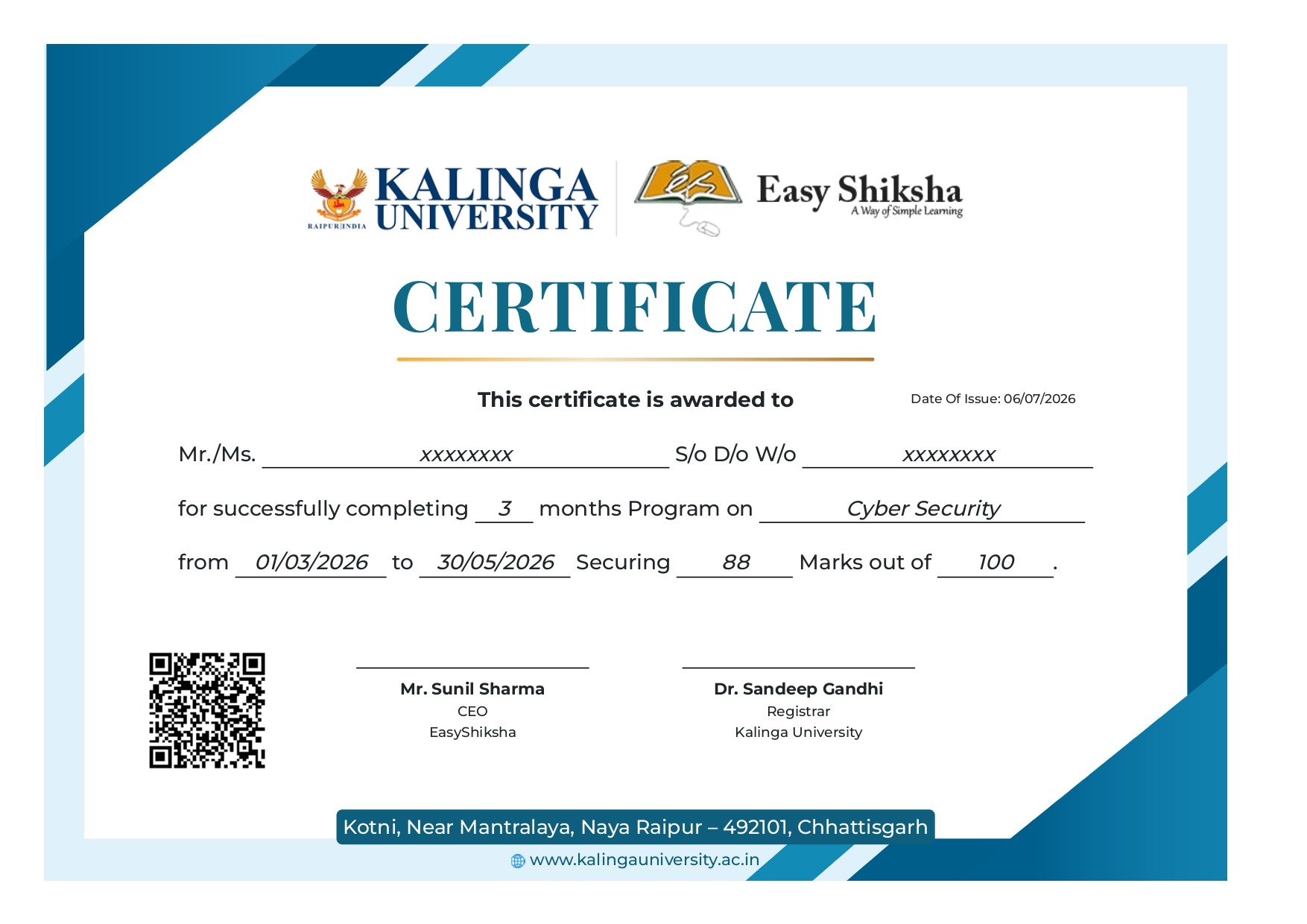
Certificates can provide evidence of course or programme completion, but they should not become the only objective of online education. Students should focus on understanding concepts, developing skills, completing practical work, and gaining meaningful experience.
A certificate becomes more valuable when it is supported by the knowledge and activities behind it. For example, a student completing a digital marketing course can strengthen the learning experience through quizzes, sample campaigns, and internship exposure.
Similarly, a student completing a programming course can demonstrate learning through coding exercises and projects.
EasyShiksha’s courses, certificates, quizzes, and internship opportunities can be viewed as interconnected components of skill development. Students can use these experiences to build a stronger educational profile and communicate their learning more effectively.
The focus should remain on what the student has learned and applied, rather than simply how many certificates have been collected.
Games and Interactive Features Can Make Discovery Engaging
Students may find educational discovery more engaging when digital platforms use interactive features. Games, challenges, progress indicators, and quizzes can encourage learners to participate actively while exploring new subjects.
Educational games can introduce concepts in a different format and make learning less intimidating for beginners. Quizzes can provide immediate feedback, while progress systems can help students recognise their development.
These features should support meaningful learning rather than turn education into a competition based only on scores or completion numbers.
EasyShiksha’s inclusion of games and interactive learning experiences can help students explore education through different formats. A learner may discover a subject through a quiz, reinforce concepts through a game, and develop skills through a course or practical activity.
This variety can be useful for students who are still discovering their preferred learning methods.
Making Educational Choices More Inclusive
Online discovery can be particularly useful for students who have limited access to career guidance or educational information in their immediate surroundings. Digital resources can help learners explore opportunities beyond the courses and institutions they already know.
Students from different locations and educational backgrounds may use online platforms to investigate subjects, compare programmes, learn professional skills, and discover internships.
However, digital access must be supported by clear information and responsible guidance. Students should be encouraged to evaluate opportunities carefully and avoid making decisions based only on promotional claims.
A platform that provides multiple educational services can help learners move through different stages of discovery more conveniently. EasyShiksha’s broader ecosystem supports this approach by connecting online learning, quizzes, internships, career guidance, and educational discovery.
The objective is not to make every student follow the same pathway. It is to help each learner find a starting point that reflects their individual needs and interests.
Challenges Students Should Understand
Online discovery can provide useful information, but it does not eliminate every challenge associated with educational decision-making. Students may still encounter misleading claims, incomplete information, excessive choices, or unrealistic expectations.
Learners should verify important details about institutions, programmes, eligibility, fees, certificates, and internship opportunities before making commitments. They should also recognise that no single quiz or recommendation can determine their entire future.
Another challenge is the tendency to keep exploring without taking action. Students may save dozens of courses and read extensive career information without beginning any learning activity.
Exploration becomes productive when it leads to a small and realistic next step. This could involve taking an introductory course, completing a quiz, speaking with a counsellor, or working on a basic project.
A balanced approach combines research with action and reflection.
Document
#AbIndiaSikhegaGharSe
Online Internships for Students
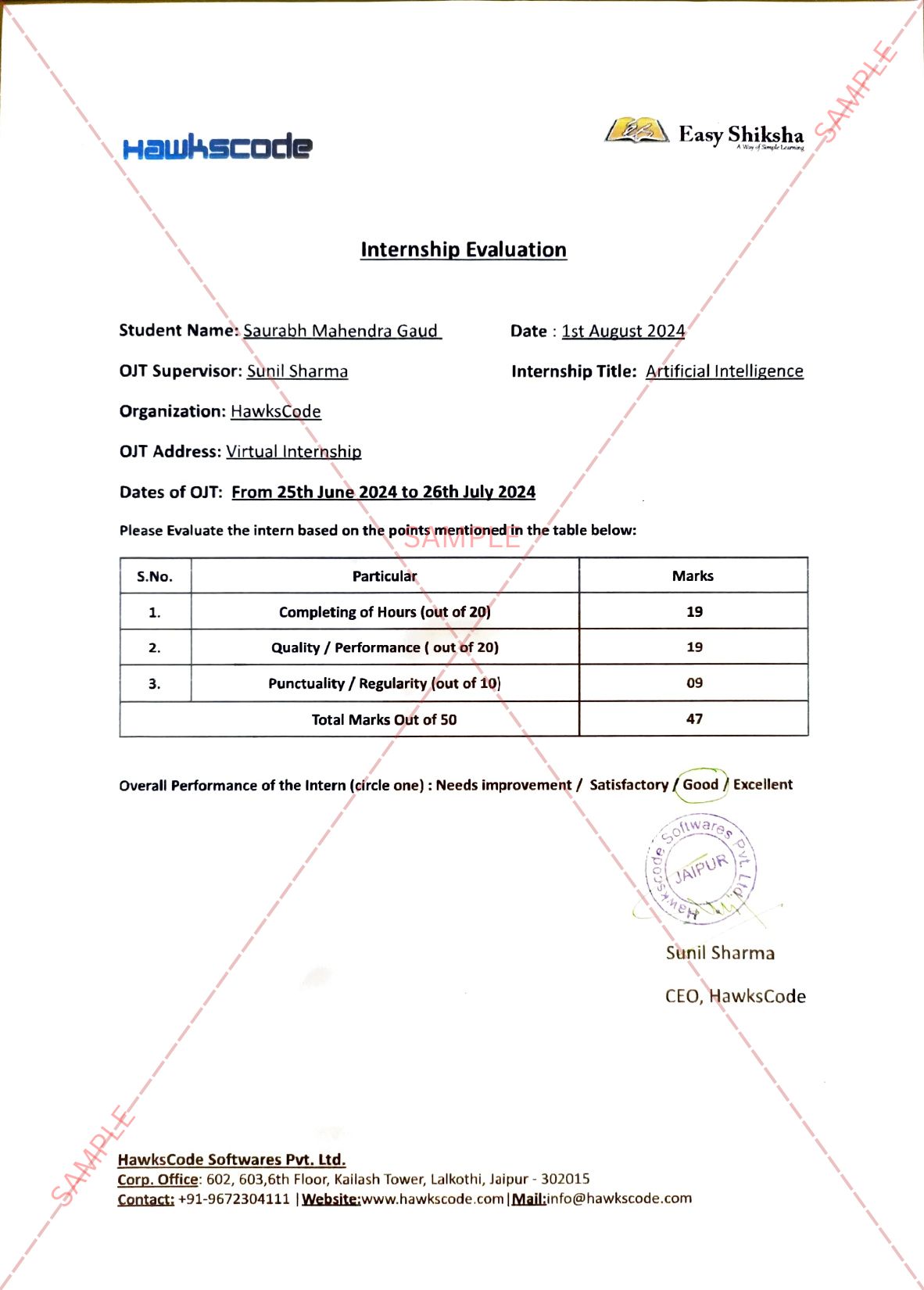
EasyShiksha offers comprehensive online virtual internship programs tailored for students, graduates, freshers, and working professionals seeking academic advancement and upskilling certifications.
Get Job-Ready with Our Online Summer Internship 2025 Opportunities
Explore our wide selection of online job-ready internships featuring globally recognized certificates accepted by universities, colleges, and companies worldwide.
Obtain two authorized certificates recognized by universities & corporates.
Access our 100% online internships at genuine price.
Choose from flexible internship durations ranging from 2 weeks to 6 months.
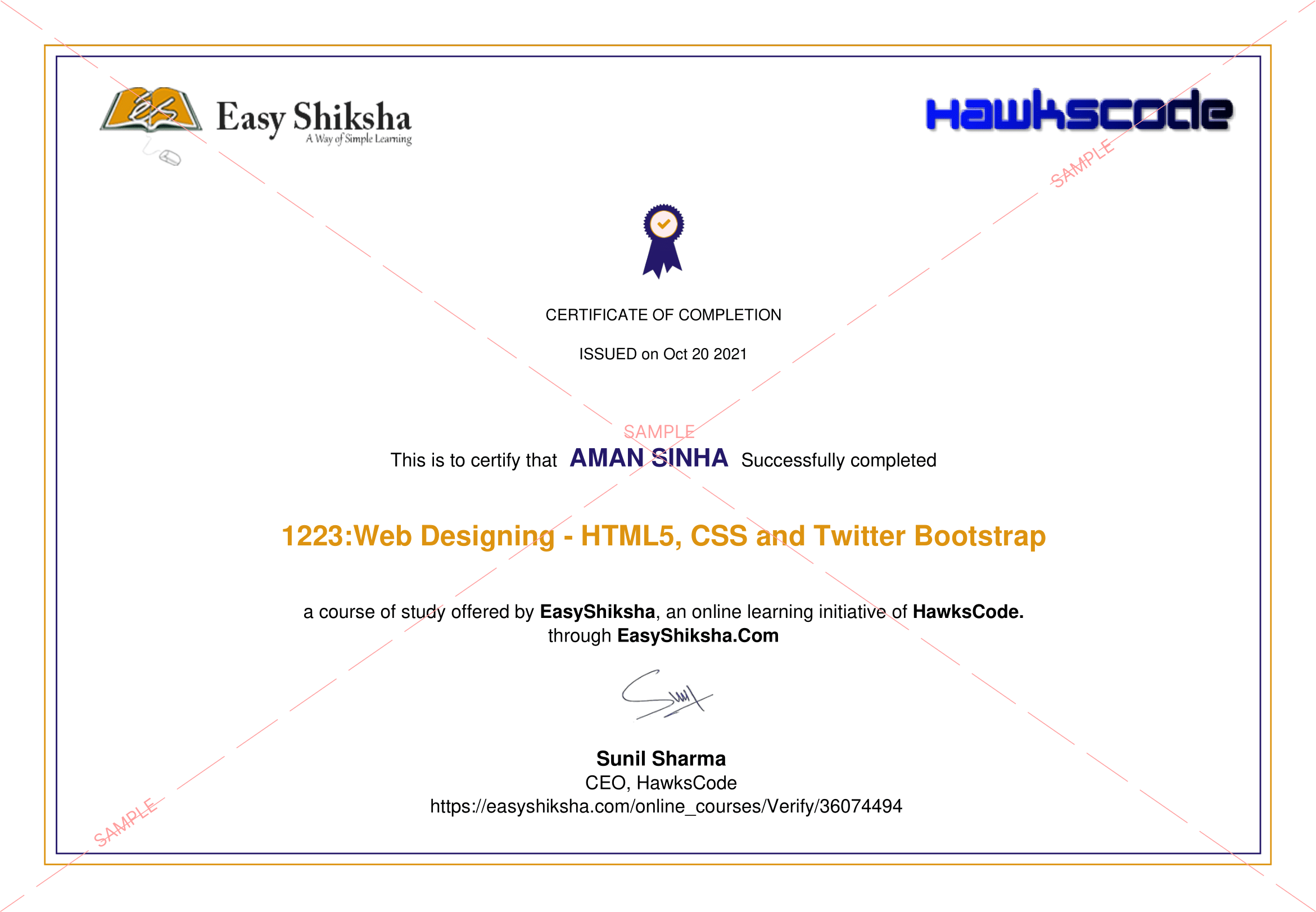
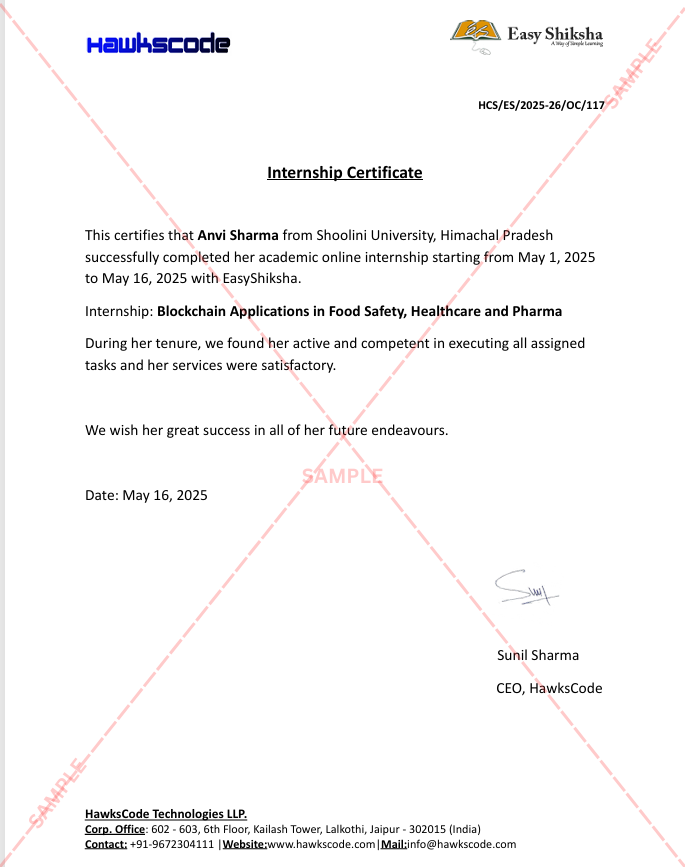
Upon completion, you will receive two certificates: an Internship Certificate and a Course Completion Certificate
Learn conveniently anytime, anywhere.
Access learning materials seamlessly via web or mobile. (Download App)
The future of education may place greater importance on helping students explore before they commit. Digital platforms can support this change by connecting career discovery, course information, quizzes, practical learning, internships, and educational guidance.
A student may begin with uncertainty but gradually develop a clearer understanding of their interests. They can explore different subjects, identify suitable courses, test their knowledge, practise skills, and gain professional exposure.
This process does not guarantee that every decision will be perfect. Students may change their courses, develop new interests, or discover that a particular field is not suitable for them. Such changes can also become valuable parts of learning.
The purpose of online discovery is therefore not to eliminate uncertainty completely. It is to help students navigate uncertainty with better information, greater confidence, and more opportunities to learn.
EasyShiksha as a Starting Point for Student Exploration
EasyShiksha can play a role in this changing educational journey by bringing different learning and discovery opportunities into one digital ecosystem. Students can explore online courses, quizzes, internships, certificates, online degree-related resources, career counselling, games, and educational options.
For a student who does not know what to study, this connected environment can provide multiple entry points. The learner may begin with a quiz, explore a course, seek career guidance, discover a degree programme, or investigate internship opportunities.
The important aspect is the ability to move between different stages of development. A student does not have to begin with a fixed career goal or a complete learning plan.
By taking small steps, learners can develop knowledge, evaluate interests, and identify their next educational opportunity.
EasyShiksha’s role in this process is not simply to provide access to individual services. It is to support a broader learning journey in which discovery, education, assessment, practice, and career preparation can work together.
Conclusion: The Best Starting Point May Be Exploration
The student who does not know what to study is not necessarily unprepared or lacking ambition. In many cases, the student simply needs access to better information, meaningful exploration, and guidance that makes educational choices easier to understand.
Online discovery can change the starting point by allowing learners to explore subjects before making major commitments. Quizzes can introduce areas of interest, courses can build foundational knowledge, practical activities can develop confidence, and internships can provide professional exposure.
Career counselling and educational discovery can help students understand their options, while online degrees and certificates can support longer-term academic and professional development.
EasyShiksha brings these learning opportunities together through its online courses, quizzes, internships, certificates, career guidance, online degree-related resources, games, and school, college, and university discovery features.
The future of education should not require every student to have a complete plan from the beginning. Instead, students should have opportunities to explore, learn, reflect, and make informed decisions as they progress.
For a student who does not know what to study, the first step does not have to be choosing a final career. It can simply be discovering one subject, taking one quiz, completing one course, or asking one meaningful question. That small beginning can gradually lead to a more confident and connected educational journey.
Anshika Jain is an Engineer, Developer, and Educational Content Author known for her dedication to technology and knowledge sharing. With a strong analytical mindset and a passion for innovation, she has consistently contributed to creating meaningful digital solutions and insightful educational articles.
Her ability to simplify complex technical concepts into engaging and easy-to-understand content makes her work valuable for students and learners across various platforms. Along with her technical expertise, Anshika is admired for her creativity, professionalism, and commitment to continuous learning.
She represents a perfect blend of technical excellence and impactful communication, inspiring others through both her development work and educational contributions.