Imagine opening your study material and feeling the same curiosity you experience when starting a new game. Instead of wondering how many chapters are left, you are thinking about what challenge comes next. Instead of feeling discouraged by a difficult topic, you see it as a level that can be unlocked with practice. Instead of studying only because an examination is approaching, you begin learning because every new concept gives you a sense of progress. This is the basic idea behind gamified learning: transforming education into an experience that encourages curiosity, participation, progress and achievement.
For many students, studying becomes associated with pressure, deadlines, examinations and marks. Traditional education often measures progress through tests and grades, but these measurements do not always make learning enjoyable. A student may understand a concept but still lose interest because the learning process feels repetitive. Another student may spend hours reading without actively engaging with the subject. Games, on the other hand, are designed around interaction. They give players goals, challenges, feedback, rewards and opportunities to improve. These elements can also be thoughtfully incorporated into education to make learning more engaging without reducing the seriousness of academic development.
EasyShiksha fits naturally into this changing approach to learning by bringing together online courses, quizzes, practical learning, internships, skill development and career-oriented experiences. The larger idea is not to turn every lesson into entertainment. Instead, it is to make learning more active and purposeful so that students can see what they are learning, why they are learning it and how each achievement contributes to their overall development.
Why Traditional Studying Can Sometimes Feel Difficult
Studying is not inherently boring, but the way students are often expected to study can make it feel difficult. Reading the same material repeatedly, memorising information for an examination and waiting weeks or months to discover whether the effort was successful can reduce motivation. When students cannot see immediate progress, they may feel that their effort is not producing meaningful results.
This is where the design of games provides an interesting lesson. Games rarely ask players to complete an enormous challenge without showing progress along the way. A player usually begins with a simple task, learns the controls, completes an early challenge, receives feedback and gradually faces more difficult situations. The process creates a feeling of movement. Education can adopt a similar progression by breaking large learning goals into smaller and understandable stages.
For example, learning an entire programming language may initially seem overwhelming to a beginner. However, learning one concept, completing a small coding exercise, solving a quiz and then building a simple project can create a sequence of achievable milestones. Each completed stage becomes evidence that the learner is moving forward. The subject has not become easier, but the learning journey has become easier to navigate.
The Game-Like Learning Experience
A game usually has a clear objective. Players know what they are trying to accomplish, whether it is completing a mission, reaching a new level, solving a puzzle or improving a score. Learning can benefit from the same clarity. Instead of setting a vague goal such as “I need to study computer science,” students can create more specific learning missions such as understanding programming fundamentals, completing a particular course module or developing a small project.
Once a goal becomes specific, progress becomes easier to measure. A student can identify what has already been completed and what still needs attention. This can reduce the psychological pressure associated with large academic goals because the student is no longer trying to solve everything at once.
The game-like approach also encourages students to view mistakes differently. In many games, failure is not treated as the end of the experience. Players try again, understand what went wrong and adjust their strategy. Learning works in much the same way. A wrong answer in a quiz can reveal a knowledge gap. An unsuccessful coding attempt can expose an error in logic. A weak presentation can show where communication skills need improvement. When mistakes become feedback rather than embarrassment, students become more willing to experiment and learn.
Levels: Turning Large Learning Goals Into Smaller Challenges
One of the strongest ideas education can borrow from gaming is the concept of levels. A large learning objective can be divided into smaller stages that gradually increase in difficulty. This approach can make progress more visible and encourage students to continue.
Consider a student learning digital marketing. Starting with advanced advertising strategies may create confusion. A better learning journey could begin with basic digital marketing concepts, move into content creation, introduce search engine optimisation, explore social media marketing and eventually reach analytics and campaign planning. Each stage develops the foundation needed for the next.
The same principle can be applied to academic subjects. A student learning mathematics can move from foundational concepts to intermediate problems and then to application-based challenges. A student studying science can progress from understanding definitions to explaining concepts and eventually applying them to real-world situations. The objective is not simply to make education look like a game but to create a logical progression in which each achievement prepares the learner for the next challenge.
Online learning platforms can support this structure particularly well because digital courses can divide learning into modules, lessons, quizzes and practical activities. Students can return to difficult sections, revise concepts and continue their journey at a pace that suits their needs.
Points and Progress: Making Effort Visible
Games frequently use points, scores or progress indicators to show players how far they have travelled. Education can use similar concepts carefully. The purpose should not be to reduce learning to a number but to make effort and improvement more visible.
A student completing a course module, successfully answering a set of quiz questions, finishing a project or participating in an internship can see these activities as parts of a larger learning journey. Instead of viewing each activity as an isolated task, students begin to understand how different experiences contribute to their development.
This becomes especially important when discussing a learning profile. A traditional academic record may show marks, grades and qualifications, but a broader learning profile can demonstrate what a student has actually explored and accomplished. Courses completed, quizzes attempted, skills developed, projects created and internship experiences can collectively tell a richer story about a learner.
For platforms such as EasyShiksha, this approach creates an opportunity to connect learning activities with a student's broader career journey. The goal is not simply to collect points or certificates but to create evidence of continuous learning.
Quizzes as Mini Challenges
Quizzes are one of the easiest ways to introduce game-like elements into learning. A quiz transforms passive reading into active participation because students must recall information and make decisions. Instead of simply looking at a page and believing that they understand it, learners are asked to demonstrate what they remember.
The challenge becomes more meaningful when students receive feedback. If a learner answers a question incorrectly, the mistake can encourage revision. If the answer is correct, it provides confirmation that the concept has been understood. Repeated quiz-based practice can therefore create a cycle of learning, testing, feedback and improvement.
EasyShiksha's emphasis on quizzes can complement online courses because students can use questions as checkpoints during their learning journey. A lesson can introduce a concept, a quiz can test understanding, and practical work can demonstrate whether the learner can apply it. This creates a more active experience than reading alone.
The important point is that quizzes should not become another source of pressure. When presented as learning challenges rather than judgement tools, they can encourage students to test themselves without being afraid of mistakes.
Rewards That Actually Matter
Games use rewards to encourage players, but educational rewards need to be designed carefully. A reward in learning should ideally reinforce meaningful progress rather than encourage students to complete activities without understanding them.
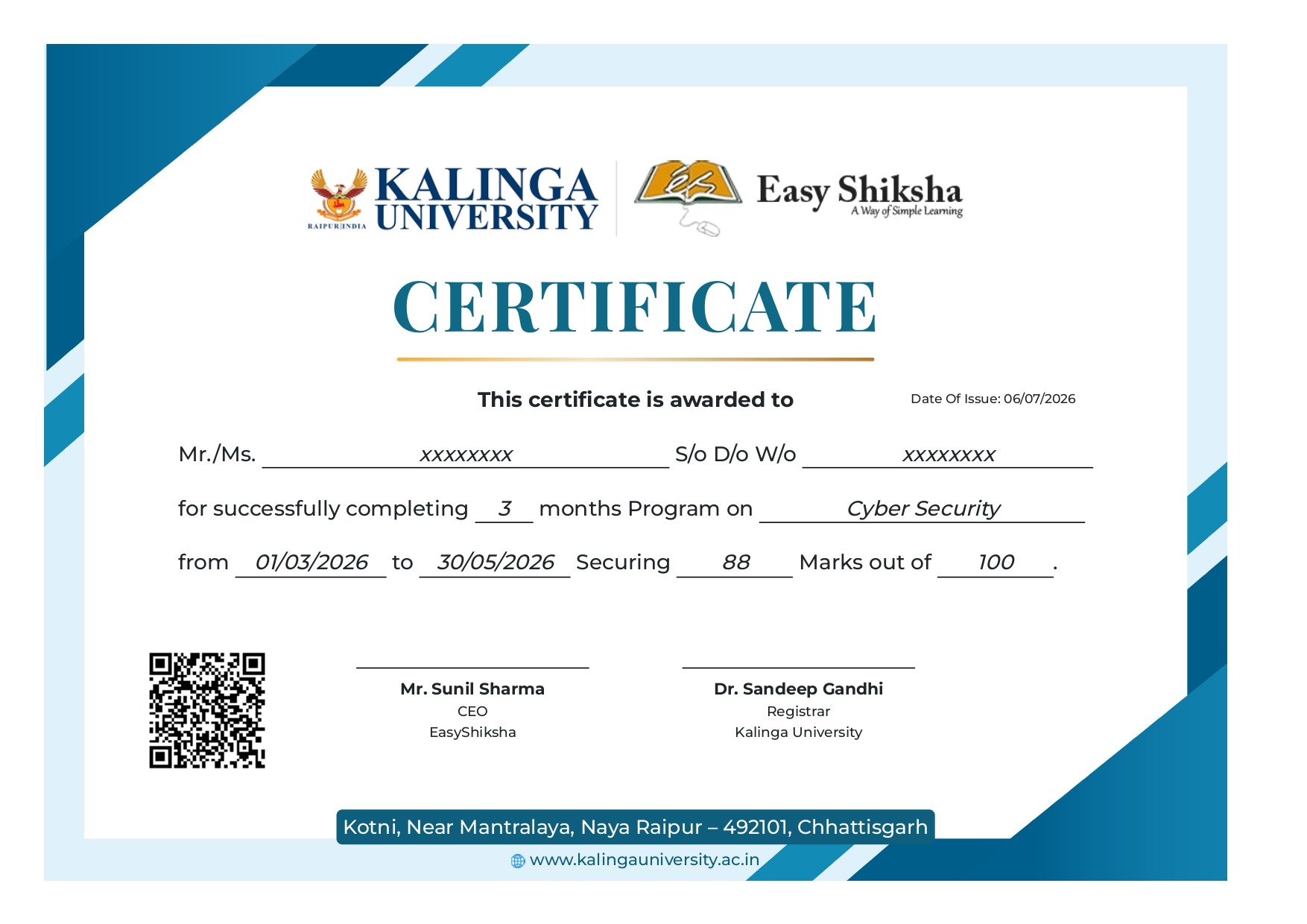
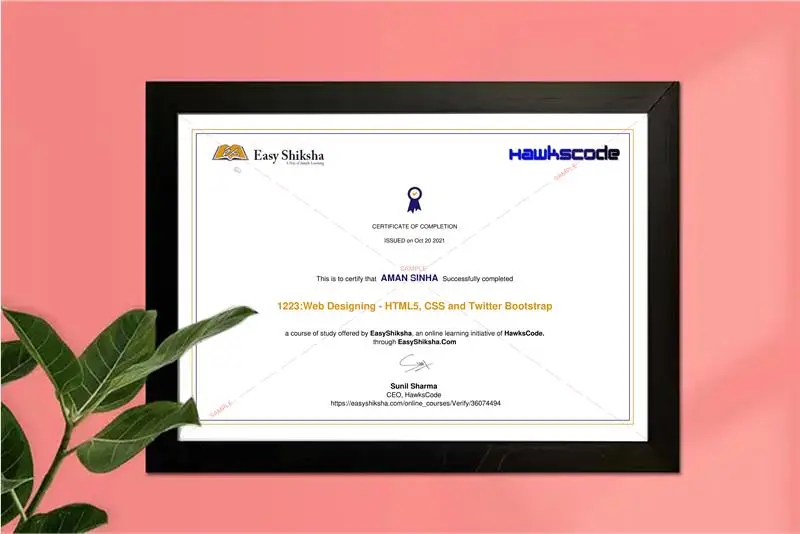
Certificates can serve as one form of recognition, particularly when they represent the completion of a meaningful course or learning experience. However, the value of a certificate becomes stronger when it is supported by actual knowledge and practical work. Completing a course and then applying the knowledge in a project or internship creates a more complete learning experience.
For students preparing for employment, this distinction matters. Employers are increasingly interested in what candidates can do, not only what they have studied. A student who has completed a course, practised the concepts, created a project and gained internship exposure can potentially demonstrate a stronger connection between learning and application.
This is why a learning journey that combines courses, quizzes, practical projects and internships can be more meaningful than a reward system based only on collecting badges or points.
The Power of Immediate Feedback
One of the reasons games are engaging is that players usually know what happened after an action. They complete a challenge and immediately understand whether their strategy worked. Education can benefit from faster feedback as well.
In traditional learning environments, students may complete an assignment and wait for evaluation. By the time they receive feedback, they may have already moved to another topic. Digital learning can shorten this cycle. Interactive quizzes can provide immediate responses, practice activities can reveal mistakes, and online exercises can encourage students to correct problems while the concept is still fresh.
Immediate feedback does not mean that every learning activity needs an instant score. It means students should have opportunities to understand their progress while they are still actively engaged with the subject.
For example, a student learning Excel may complete a practical exercise and immediately discover that a formula is incorrect. Fixing the formula at that moment reinforces the underlying concept. The student is not simply being told whether the answer is right or wrong; the experience encourages problem-solving.
Failure Can Become Part of the Learning Journey
Students often develop anxiety around mistakes because academic environments can sometimes make failure feel permanent. A low score may feel like a judgement of ability rather than a temporary indication of what needs improvement.
Games offer a different perspective. Failure is often expected. Players may lose a round, restart a level, change their strategy and try again. The experience teaches persistence because unsuccessful attempts are treated as part of the process.
Education can adopt this mindset without lowering standards. Students still need accurate knowledge and strong performance, but they can be encouraged to see errors as information. A wrong quiz answer can show which concept requires revision. An unsuccessful project can reveal weaknesses in planning. A difficult coding problem can teach students how to debug their thinking.
This shift can help build a growth mindset. Instead of thinking, “I am bad at this subject,” students can begin thinking, “I have not mastered this concept yet.” That small change in language can influence how learners respond to difficulty.
From Passive Watching to Active Learning
One of the biggest differences between watching educational content and learning through interaction is participation. A student can watch an hour-long lecture without actively processing much of the information. Interactive learning requires the student to make decisions, answer questions, solve problems or create something.
This is particularly important in online education. Digital platforms make it possible to combine videos, reading materials, quizzes, projects and practical activities. Instead of treating online learning as a digital version of a textbook, students can use technology to create a more interactive learning environment.
EasyShiksha can be viewed within this broader shift toward active online learning. A student can move from course content to quizzes and then toward practical and internship-based experiences. The learning journey becomes less about consuming information and more about doing something with that information.
Learning Profiles: Your Personal Game Map
If education were designed like a game, every student would have a different profile. One learner might have strong communication skills but need more practice in technical subjects. Another might be excellent at coding but need greater confidence in presentations. A third student might have completed several online courses but have limited practical experience.
A learning profile can help make these differences visible. Rather than viewing students only through marks, it can show their interests, completed learning experiences, skills, projects and practical exposure. This creates a broader picture of development.
For students, such a profile can also encourage self-awareness. They can identify where they are strong, where they need improvement and which skills they want to develop next. The result is a more personalised approach to learning.
This idea is particularly relevant to modern education because students are no longer limited to learning only what is available inside a classroom. Online courses, internships, projects, quizzes and digital resources allow learners to build unique combinations of skills.
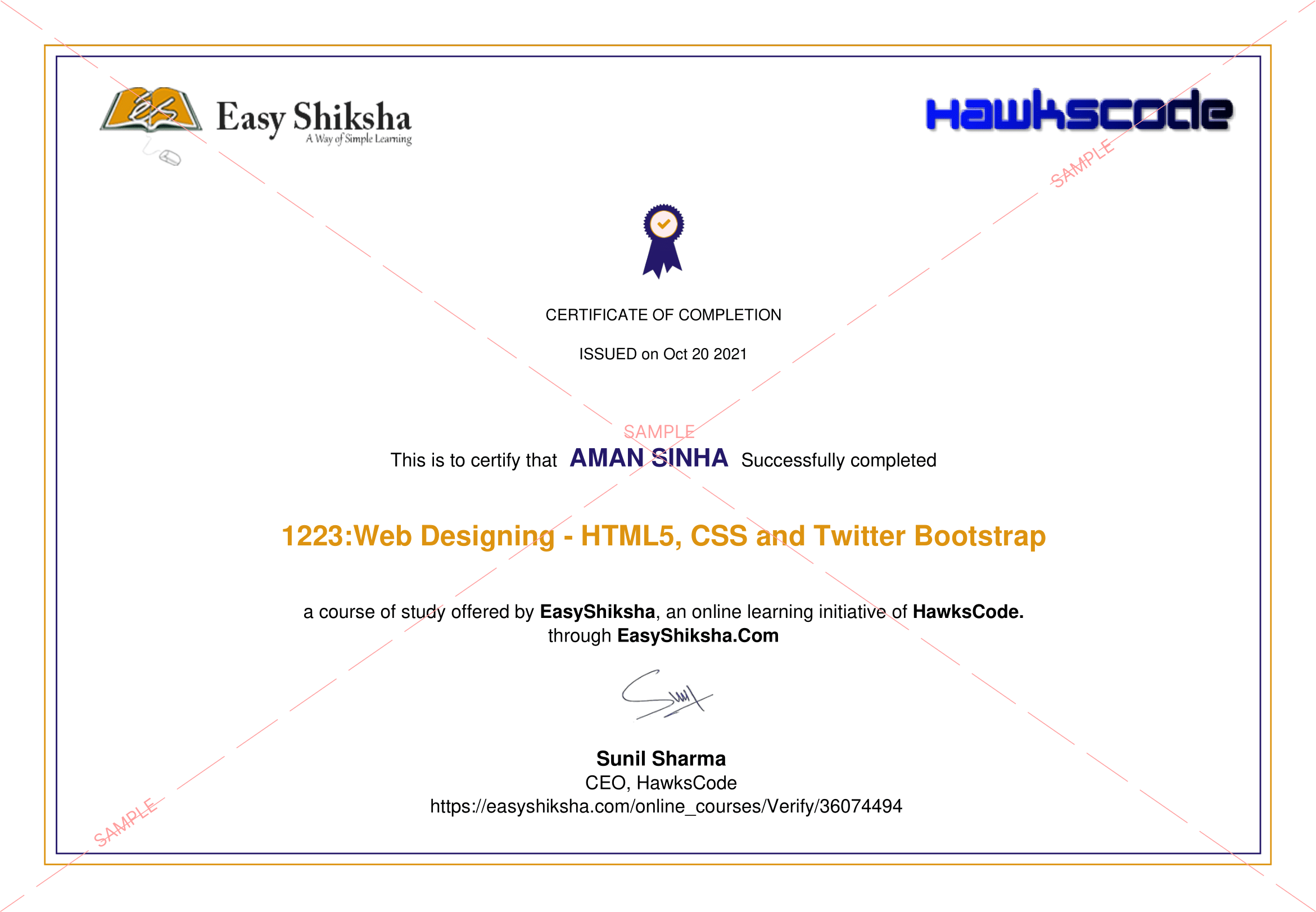
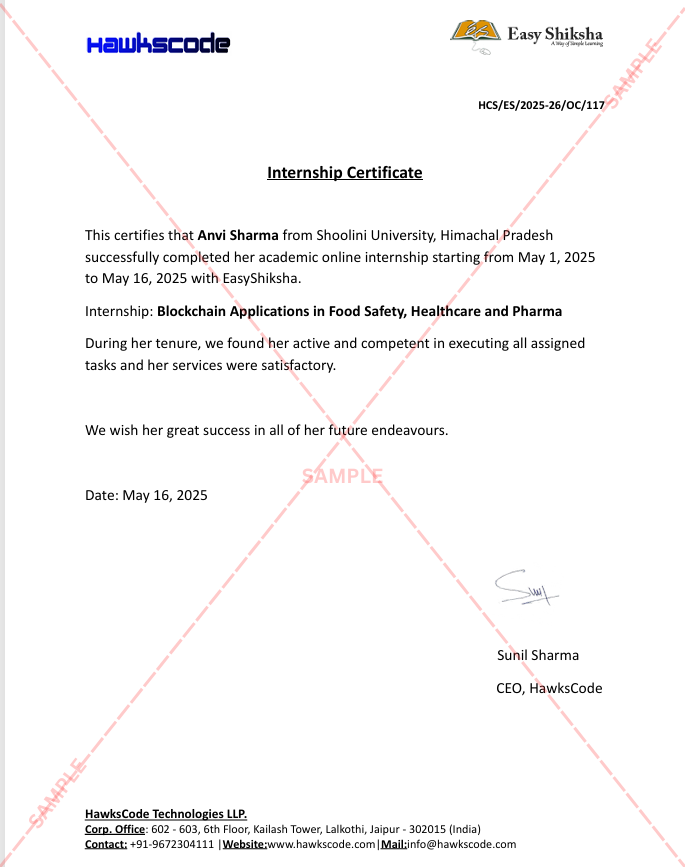
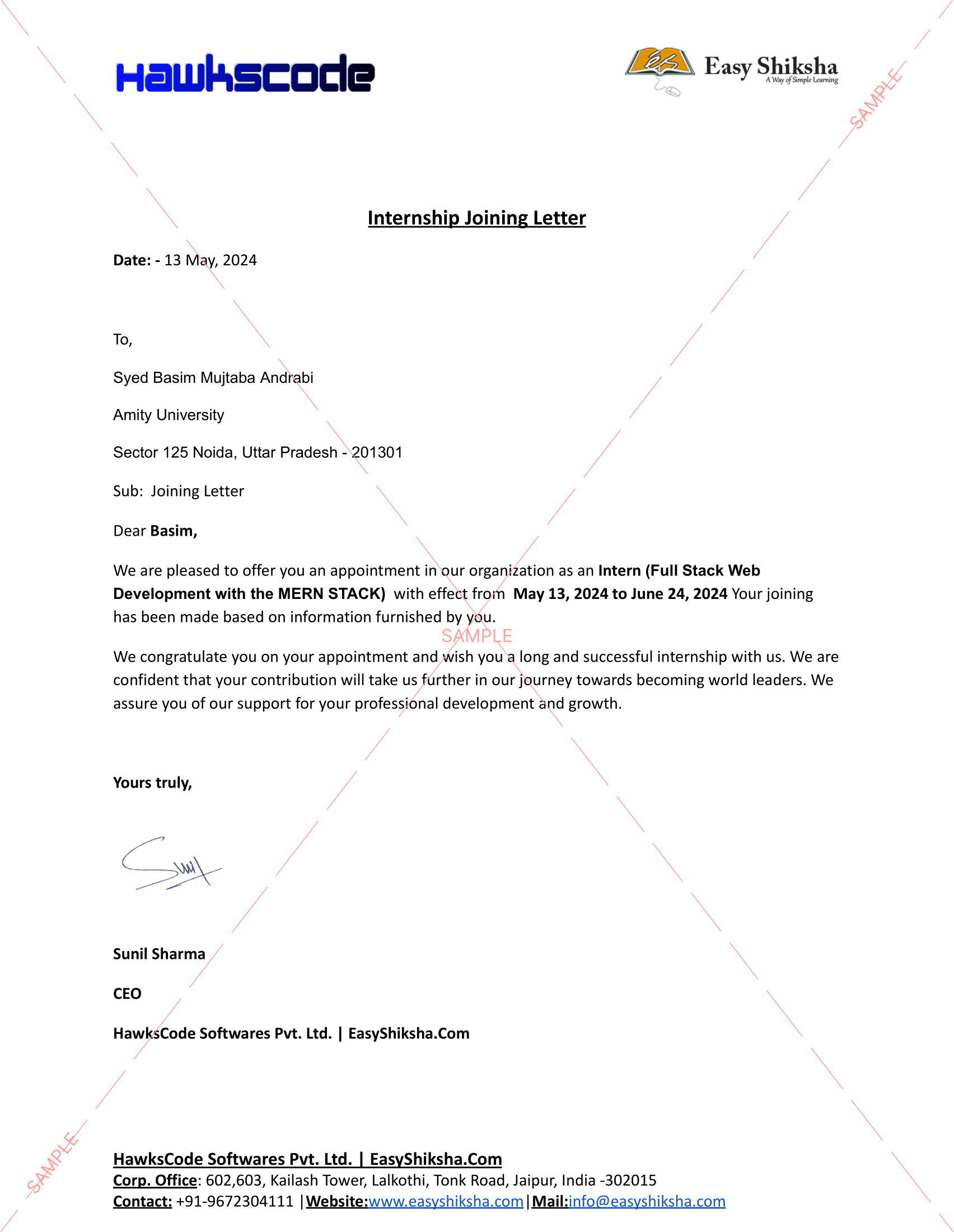
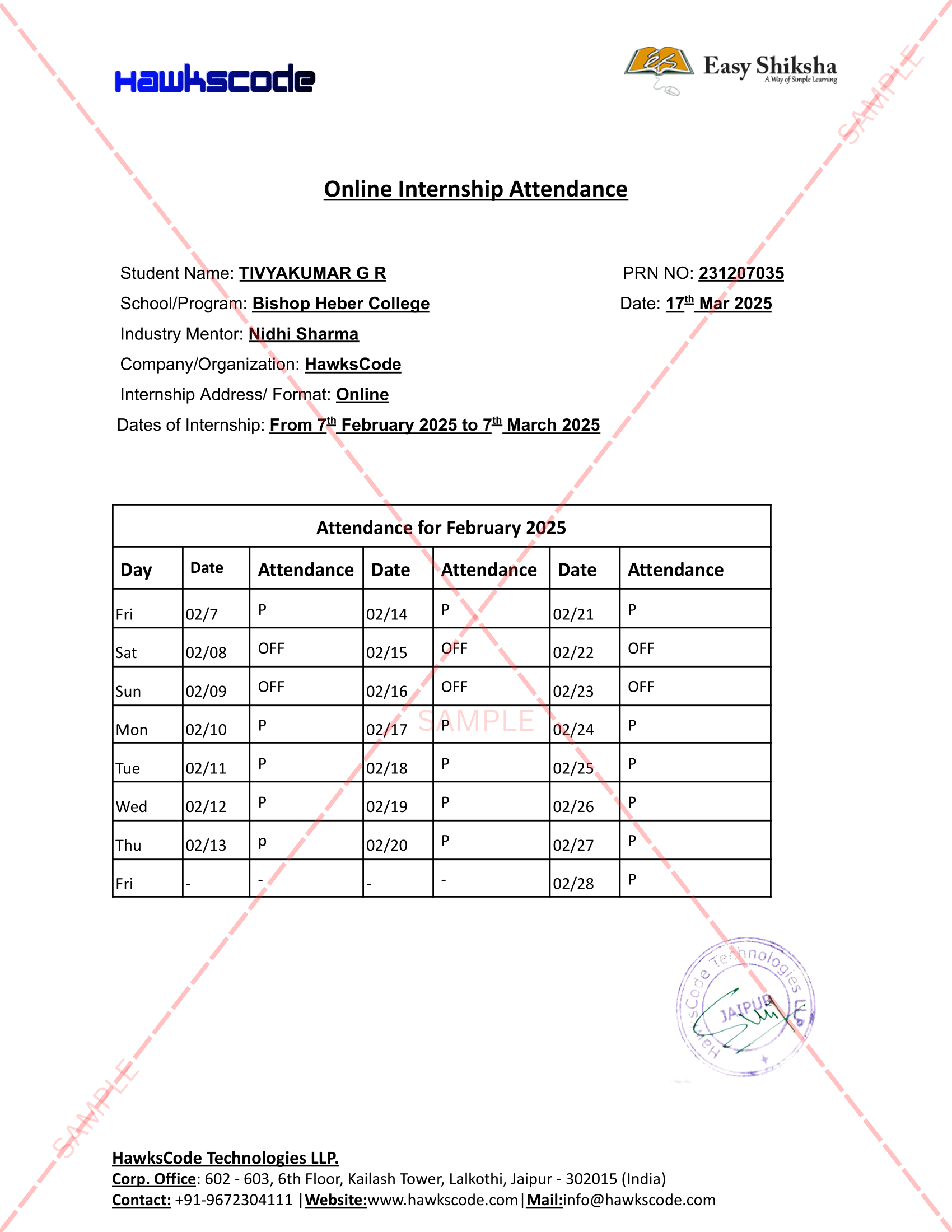
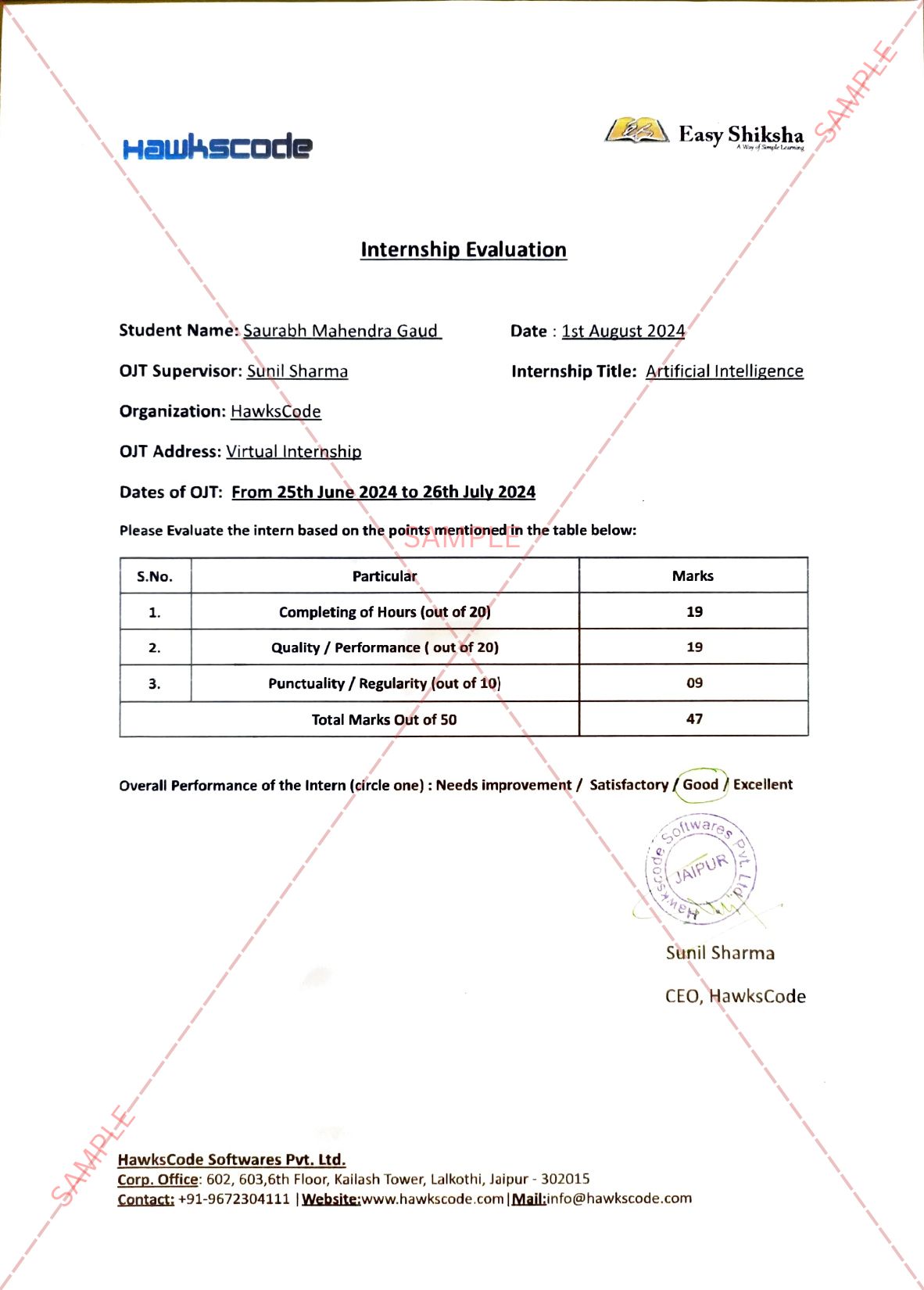
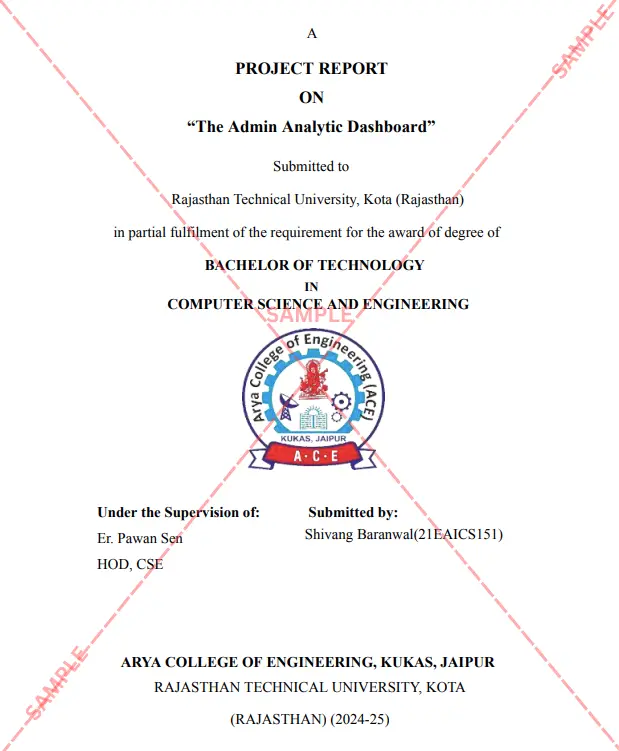
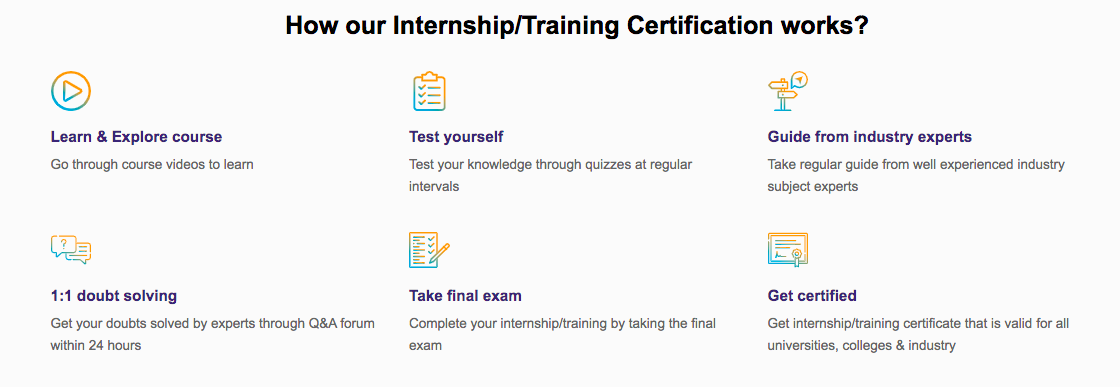
How EasyShiksha Internship/Training Program Works
Internships as Real-World Missions
If a course is one level of the learning journey, an internship can become a real-world mission. It gives students an opportunity to move beyond simulated learning and experience how knowledge is used in practical situations.
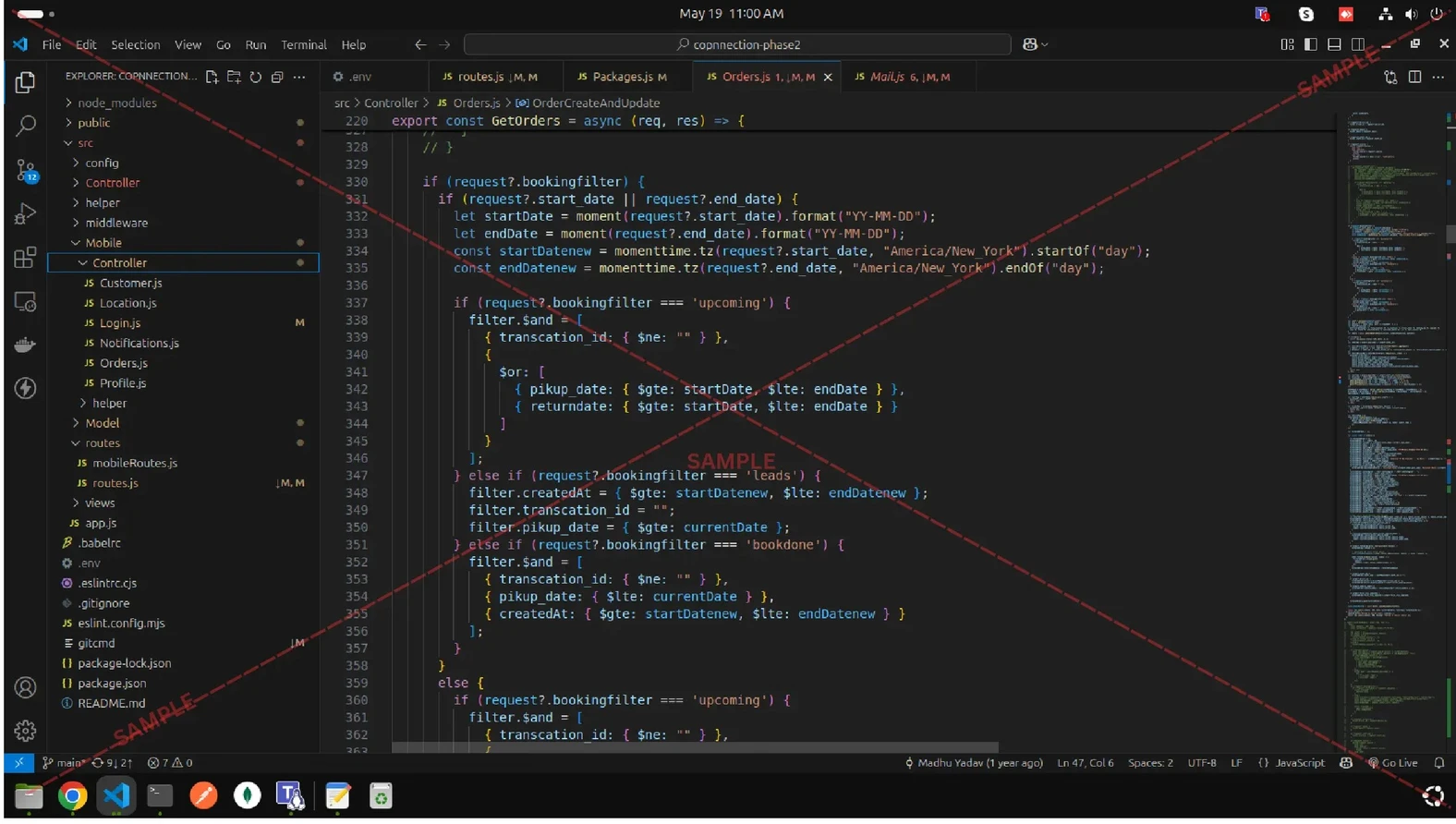
A student learning digital marketing may understand keywords and content strategies through a course, but an internship can introduce the realities of working on an actual assignment. A student studying programming may learn syntax and concepts online, but practical work can reveal the importance of debugging, documentation, collaboration and deadlines.
This is why internships are valuable within a game-like educational model. They create situations where knowledge has consequences. Students must apply what they have learned, solve problems and adapt to real requirements.
EasyShiksha's combination of learning and internship opportunities reflects this connection between knowledge and practical experience. The objective is not simply to complete educational content but to move from learning to application.
Skill Trees: Building Your Future One Skill at a Time
Many games allow players to develop different abilities through skill trees. Education can use a similar mental model. Instead of assuming that every student needs exactly the same skills, learners can build their own combination based on their interests and career goals.
A student interested in technology might develop programming, data analysis, artificial intelligence and cybersecurity skills. Another student interested in business might focus on finance, digital marketing, communication and management. A creative learner might combine graphic design, photography, content creation and communication.
The important idea is that skills can complement one another. A student does not need to choose between technical and soft skills. In many careers, the strongest combination includes both. A programmer who can communicate clearly can work more effectively with teams. A marketing professional who understands analytics can make better decisions. A designer who understands basic technology can collaborate more effectively with developers.
Learning therefore becomes a process of building a personal skill portfolio rather than simply completing a fixed academic checklist.
Why Game-Based Learning Can Help Modern Students
Today's students are surrounded by interactive digital experiences. They communicate through apps, watch short videos, play games, use digital tools and interact with online communities. Education does not necessarily need to imitate entertainment, but it can learn from the principles that make digital experiences engaging.
Clear goals, short challenges, immediate feedback, visible progress and meaningful rewards can make learning easier to navigate. These principles can also support students who struggle with concentration because they provide a clearer structure.
However, gamification should never become an excuse for reducing academic depth. A colourful interface cannot replace good teaching. Badges cannot replace understanding. Points cannot replace practical competence. The value of gamified learning comes from combining engagement with meaningful educational outcomes.
The best educational game is therefore not necessarily the one with the most animations or rewards. It is the one that encourages students to think, practise, solve problems and continue learning.
Making Everyday Study Feel More Like Progress
Students do not need a sophisticated gaming system to experience the benefits of game-like learning. The mindset can begin with everyday study habits. A large goal can be divided into smaller challenges. A difficult chapter can become a series of learning missions. A quiz can become a checkpoint. A project can become a practical challenge.
For example, instead of setting the goal “I will learn Python,” a student might decide to understand variables first, practise basic conditions next, explore loops after that and eventually create a small project. Each stage becomes evidence of progress.
This approach also makes revision more purposeful. Rather than rereading everything, students can identify the concepts they struggled with and treat them as challenges that need another attempt. Over time, difficult areas become opportunities for improvement instead of permanent weaknesses.
The 30-Minute Learning Mission
Game-like learning can also work with short study sessions. Students often believe that meaningful progress requires several uninterrupted hours, but focused sessions can be productive when they have a clear purpose.
A student might spend 30 minutes learning one concept, solving a few quiz questions and reviewing mistakes. Another session could focus entirely on practical application. The key is that each session has a defined mission.
This makes studying feel more achievable. Instead of looking at an enormous syllabus and feeling overwhelmed, the student asks a simpler question: “What can I complete in this session?” Completing that mission creates momentum for the next one.
Platforms such as EasyShiksha can support this approach because online courses and quizzes allow students to learn in smaller stages while continuing toward broader goals.
From Marks to Mastery
The ultimate purpose of gamified learning should not be higher scores alone. The deeper goal should be mastery. A student should eventually be able to use knowledge independently rather than simply reproduce information in an examination.
This is where practical learning becomes important. A student who completes a quiz on digital marketing has demonstrated basic understanding. A student who creates a campaign plan has demonstrated application. A student who works on marketing activities during an internship gains exposure to real-world expectations. Each stage moves the learner closer to competence.
The progression can therefore be understood as knowledge, practice, application and experience. When these elements work together, learning becomes more meaningful.
Building a Culture of Curiosity
Perhaps the most important lesson games can teach education is curiosity. Players continue playing because they want to know what happens next. They want to discover new environments, unlock abilities and solve problems. Education can encourage the same desire to discover.
A curious student does not stop learning when an examination ends. They may explore a new technology, experiment with a tool, take an online course or build a personal project simply because they want to understand something better.
This kind of curiosity is increasingly valuable in a world where technologies, careers and industries continue to evolve. Students cannot rely entirely on what they learn during one stage of education. They need the confidence to continue learning throughout their careers.
EasyShiksha and the Future of Game-Like Learning
The future of education is likely to involve more personalised, interactive and skill-oriented learning experiences. Platforms such as EasyShiksha can contribute to this shift by connecting online courses with quizzes, practical learning, internships and career development.
The important opportunity is to create a learning journey in which students can see their progress. A course introduces knowledge. A quiz checks understanding. A project encourages application. An internship provides practical exposure. A certificate recognises completion. A learning profile brings these experiences together.
This creates something more valuable than a collection of disconnected activities. It creates a story of development.
For students, that story can become increasingly important. When applying for internships, jobs or further education, they can demonstrate not only what they studied but also what they practised and experienced.
Empower your team. Lead the industry
Get a subscription to a library of online courses and digital learning tools for your organization with
EasyShiksha
The biggest lesson is not that education should become a game. It is that education can become more engaging by understanding why games motivate people. Games provide clear goals, manageable challenges, feedback, progress and opportunities to try again. These principles can be adapted to learning while maintaining academic seriousness.
Students should not have to choose between enjoyment and meaningful education. Learning can be challenging while still being engaging. A difficult programming problem can be exciting when students have the opportunity to solve it. A quiz can be motivating when it shows progress. An internship can become an exciting challenge when students are trusted with meaningful responsibilities.
The purpose is to make students active participants in their education rather than passive recipients of information.
Conclusion: Maybe Learning Needs More Levels, Not More Pressure
What if studying felt like playing a game? It could mean that students begin seeing difficult subjects as challenges rather than threats, mistakes as feedback rather than failure, and progress as something they can build every day. It could mean that a large career goal becomes a sequence of smaller achievements: learn a concept, complete a quiz, practise a skill, build a project, gain internship experience and add another achievement to a growing learning profile.
This does not mean education should become entertainment. Students still need discipline, concentration, deep thinking and perseverance. Gamified learning is valuable when it uses the motivational principles of games to strengthen these qualities rather than replace them.
EasyShiksha represents the potential of this broader learning model by connecting courses, quizzes, skills, practical experiences and internships within a career-oriented learning journey. The result is an approach where students can gradually move from curiosity to knowledge, from knowledge to practice and from practice to real-world experience.
Perhaps the future of studying is not about asking students to study harder for longer hours. Perhaps it is about designing learning so that students can clearly see where they are going, understand what they need to accomplish next and feel motivated to take the next step. When every lesson becomes a challenge, every quiz becomes a checkpoint, every skill becomes an achievement and every project becomes a new mission, education can become a journey that students actively want to continue.
Anshika Jain is an Engineer, Developer, and Educational Content Author known for her dedication to technology and knowledge sharing. With a strong analytical mindset and a passion for innovation, she has consistently contributed to creating meaningful digital solutions and insightful educational articles.
Her ability to simplify complex technical concepts into engaging and easy-to-understand content makes her work valuable for students and learners across various platforms. Along with her technical expertise, Anshika is admired for her creativity, professionalism, and commitment to continuous learning.
She represents a perfect blend of technical excellence and impactful communication, inspiring others through both her development work and educational contributions.