For generations, education has relied on familiar signals of achievement. Marks, grades, degrees and certificates have provided students with ways to demonstrate that they have completed a particular stage of learning. These signals remain important, but the transition from education to employment is creating a growing demand for another form of evidence: what can a student actually demonstrate?
A student may have an impressive academic record and several certificates, yet employers and internship providers may still need to understand how that individual approaches practical problems. Knowing a programming language is different from building an application with it. Studying digital marketing is different from designing and analysing a campaign. Learning data science concepts is different from working with a dataset and communicating useful findings. Understanding business theory is different from developing a business solution under realistic constraints.
This is where the idea of the project economy of education becomes important.
The project economy describes a learning environment in which practical projects become an increasingly visible part of how students develop, demonstrate and communicate their capabilities. Projects are not simply assignments placed at the end of a course. They can become evidence of applied learning, building blocks of portfolios, inputs into career profiles and preparation for internships and professional environments.
For an education ecosystem such as EasyShiksha, this creates an opportunity to connect online courses, quizzes, projects, internships, certificates, career guidance, university programs, games and job-oriented learning into a continuous pathway. A student does not simply collect learning credentials. The student gradually builds evidence of what they have learned and how they have applied it.
The idea is not that projects will replace degrees, certificates or academic achievement. Rather, projects can complement these traditional signals by making practical capability more visible.
The Difference Between Learning and Demonstrating
One of the fundamental challenges in education is the difference between acquiring knowledge and demonstrating capability.
A student can understand a concept theoretically without being able to use it independently. An examination can determine whether the student remembers information or can solve structured problems, but professional environments often introduce situations that are less predictable.
Workplace problems rarely arrive with a perfectly defined question, four answer choices and a known correct response. A professional may need to interpret a vague requirement, identify the actual problem, research possible solutions, select appropriate tools, complete the work, communicate the outcome and respond to feedback.
Projects provide a controlled environment in which students can begin practising this process.
When a student builds something, analyses something or solves a defined problem, the resulting work provides evidence that the learner has moved beyond passive exposure. The evidence may not prove complete professional readiness, but it demonstrates an attempt to apply knowledge.
This distinction becomes particularly important for students entering the workforce for the first time.
Why Student Projects Are Becoming More Important
The modern employment environment increasingly values demonstrable skills alongside educational qualifications. This does not mean that degrees are becoming irrelevant. Formal education continues to provide foundational knowledge, discipline-specific understanding and recognised credentials.
However, the digital nature of many professions makes practical work easier to create and demonstrate.
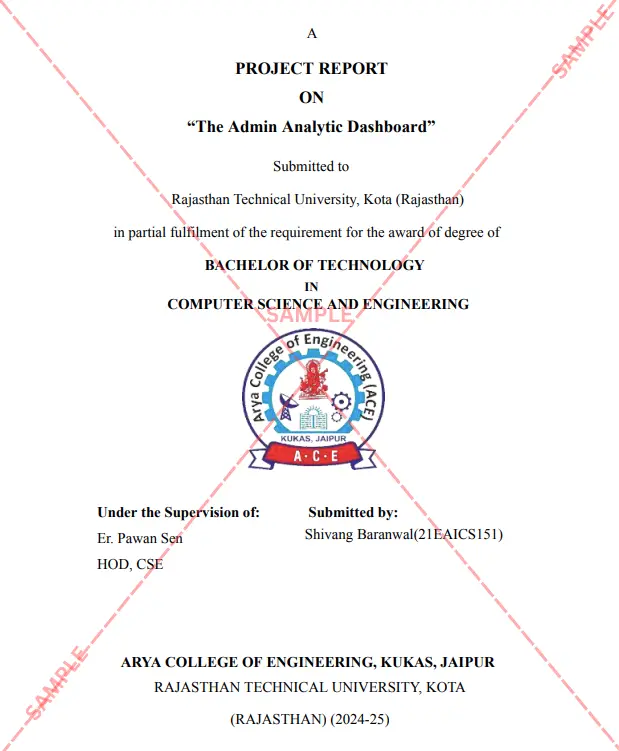
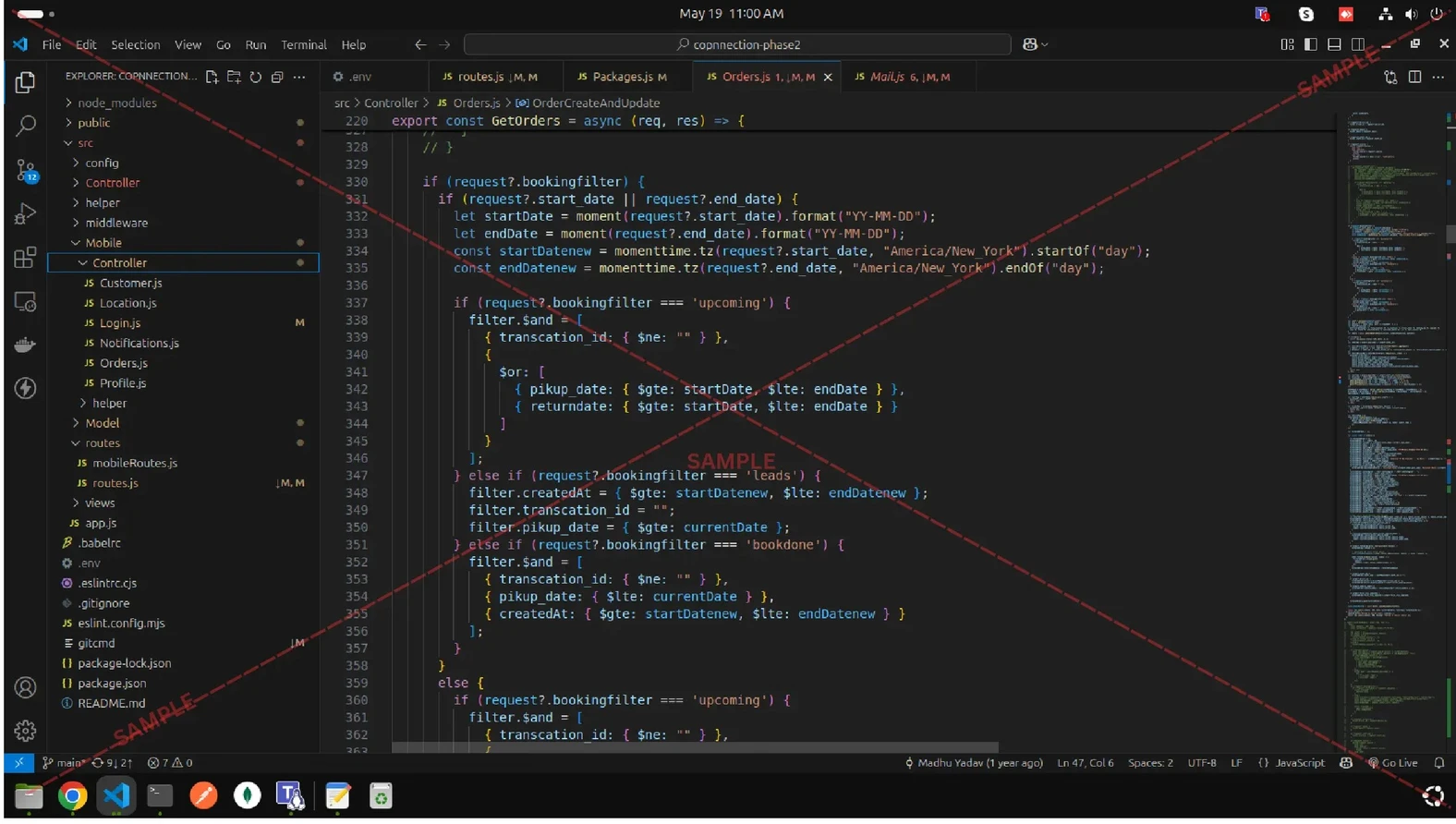
A programming student can build a website or application. A design student can create a portfolio. A digital marketing learner can develop a campaign strategy. A data student can analyse a dataset and visualise the findings. A finance student can create a financial analysis model. A cybersecurity learner can work through controlled security scenarios.
These outputs provide something that a certificate alone cannot provide: an example of applied work.
The value of a project lies partly in the fact that it can be examined. Someone can ask what problem the student solved, which tools were used, what decisions were made, what challenges occurred and how the final outcome was improved.
This creates a richer conversation about capability.
From Certificate Collection to Evidence Collection
The digital education ecosystem has made it relatively easy for students to collect certificates. Completing courses and earning credentials can provide motivation and documentation of learning. Yet certificate accumulation can create a problem when students have difficulty explaining how those credentials relate to actual capability.
The project economy introduces another form of educational accumulation: evidence.
Instead of asking only how many courses a student has completed, the learner can begin asking how many meaningful problems they have attempted to solve.
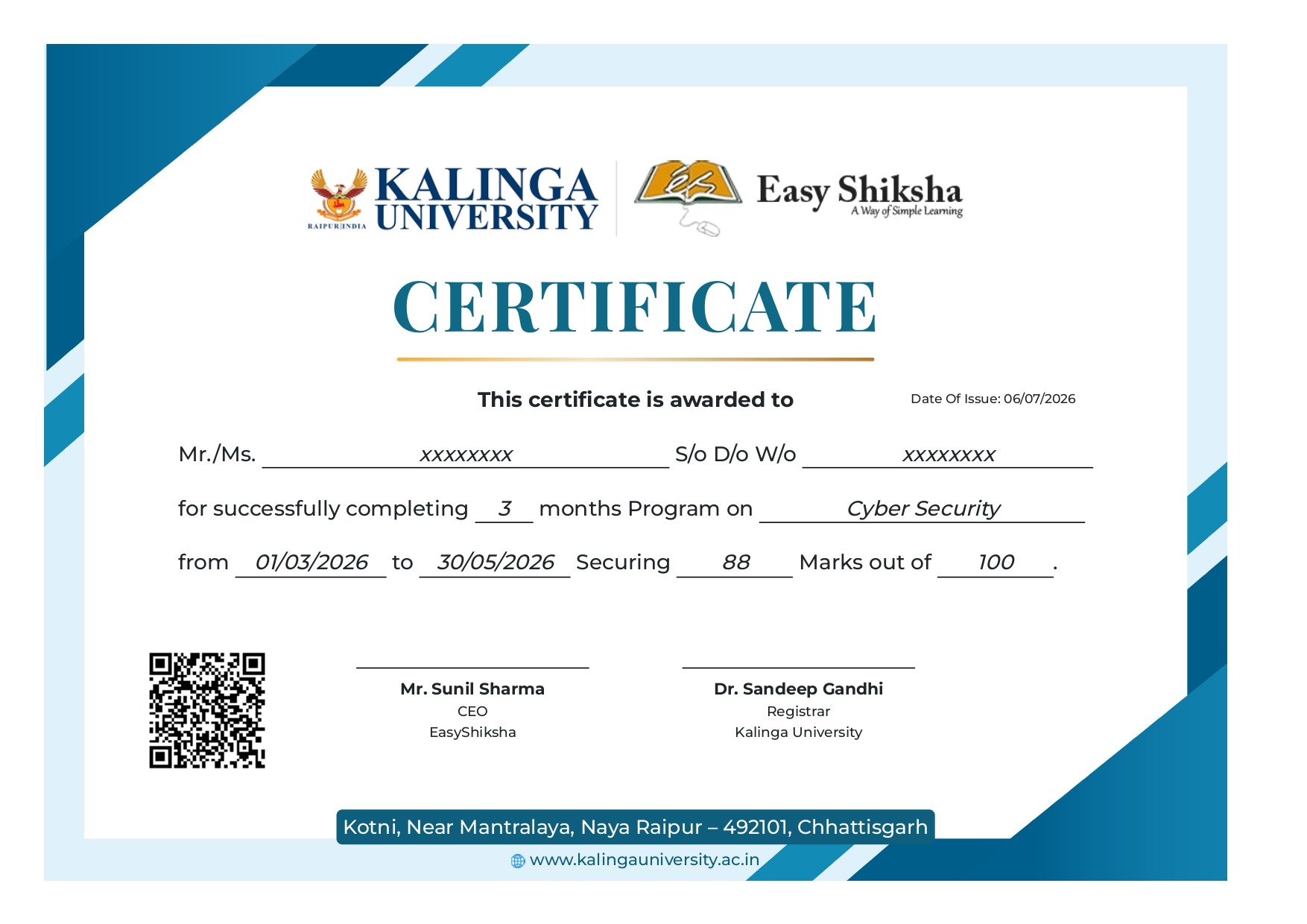
A certificate might show that a student completed a course in Python. A project could show how Python was used to build a particular solution. A second project might demonstrate more advanced application. An internship could then introduce professional context.
The three experiences communicate different kinds of information.
This does not make certificates less valuable. It gives them context.
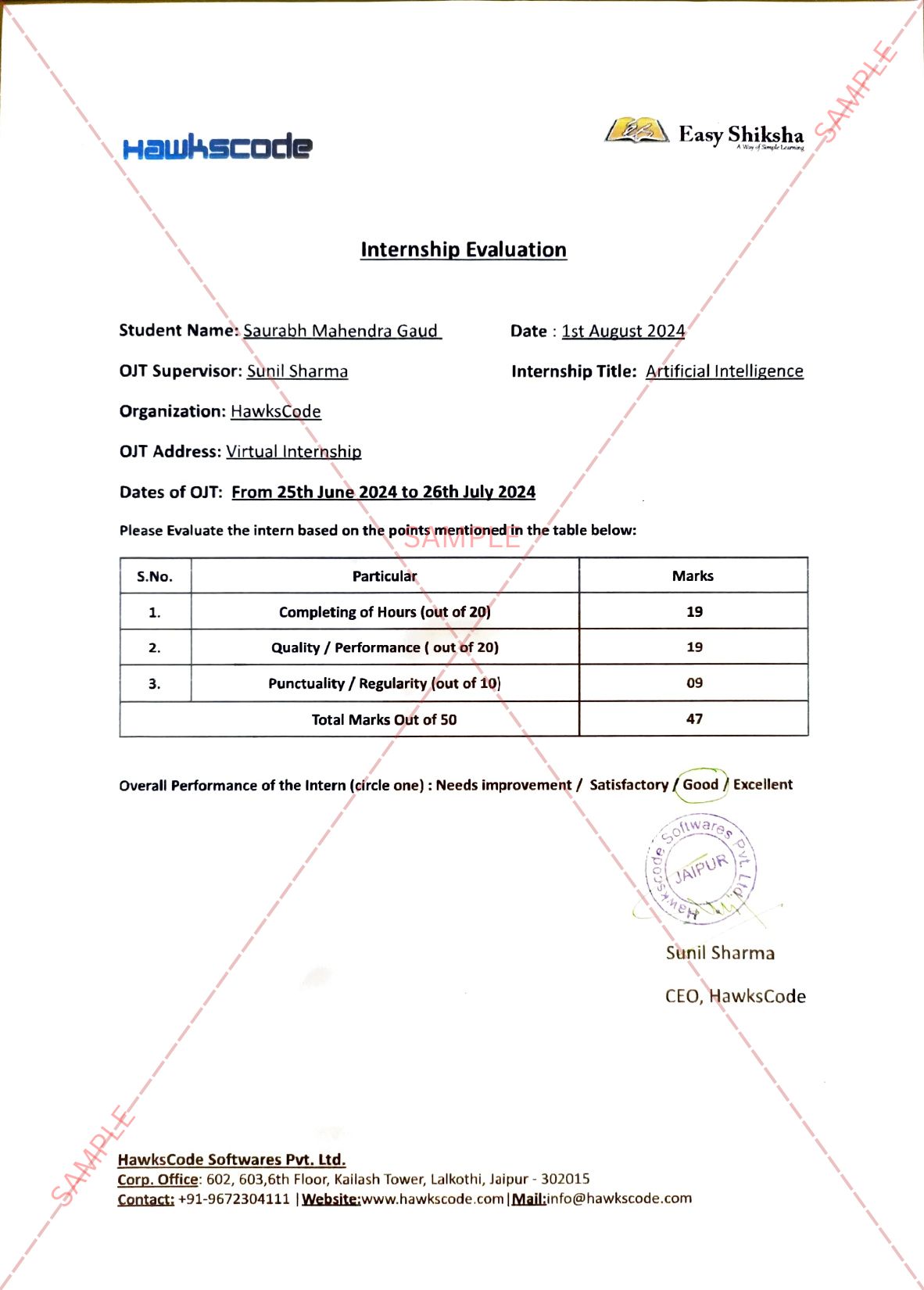
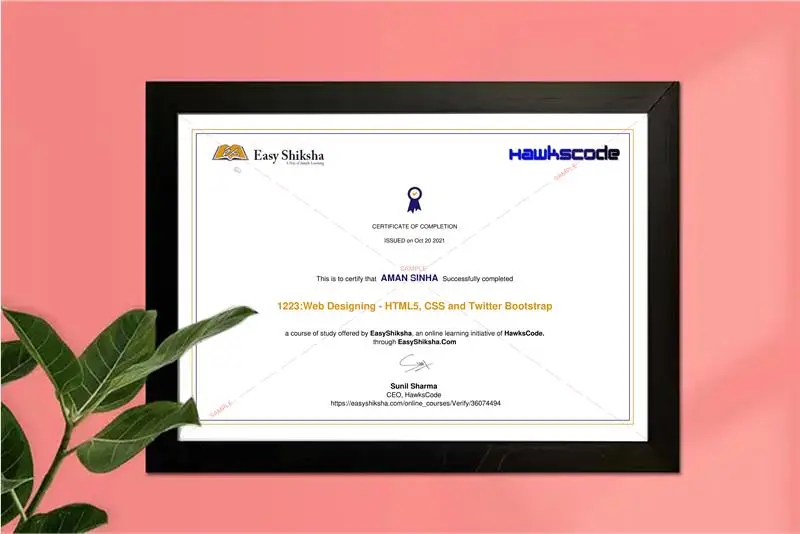
The certificate documents learning. The project demonstrates application. The internship provides exposure to a professional environment.
Together, they create a more complete picture.
Projects as the Application Layer of Online Learning
Online courses have transformed access to education, but digital learning can sometimes become heavily focused on content consumption. Students watch lectures, read materials, complete quizzes and move to the next lesson.
Projects introduce an application layer.
They force learners to make decisions about how knowledge should be used. A project can require students to choose tools, organise information, identify an approach and produce an outcome.
This makes projects especially important for platforms such as EasyShiksha, where online courses can be connected with quizzes, internships, certificates and career-focused learning.
The course becomes the knowledge layer. The quiz becomes the assessment layer. The project becomes the application layer. The internship becomes the experience layer. Career guidance becomes the navigation layer.
When these elements are connected, online education can move closer to a continuous learning-to-career journey.
The Project Portfolio as a Career Asset
A project portfolio can become an important career asset for students and freshers.
Traditional resumes often describe skills using short phrases. A student might write "Python," "SEO," "data analysis" or "digital marketing." These statements provide limited information about proficiency.
A project creates an opportunity to add context.
Instead of merely claiming to know data analysis, a student can describe an analysis project, explain the dataset used, discuss the analytical approach and demonstrate the resulting visualisations. Instead of simply listing web development, a learner can present a website or application and explain the technical decisions involved.
The portfolio therefore changes the conversation from claims to evidence.
It also gives students material for interviews. Employers can ask questions about a project, and the student can explain the problem, process, challenges and outcome.
For a fresher without extensive employment history, this can be especially useful.
The Project as a Story of Capability
Projects do more than demonstrate final outcomes. They can tell the story of how a student thinks.
A strong project discussion can reveal how a learner approaches uncertainty, chooses between alternatives, responds to failure and improves an initial solution.
This is important because professional capability includes more than technical knowledge.
A project may reveal communication skills, research ability, planning, creativity, problem-solving and persistence. Collaborative projects can also introduce teamwork and responsibility.
Therefore, the project economy should not be understood as simply producing more technical assignments. It is about creating opportunities for students to demonstrate different dimensions of capability.
EasyShiksha and the Connected Project Journey
EasyShiksha's broader ecosystem creates a natural environment for project-based learning to become part of a connected student journey.
A learner can begin with an online course to understand a subject. Quizzes can test conceptual understanding and identify areas requiring additional practice. A project can then provide an opportunity to apply those concepts. An internship can introduce a more realistic professional environment. Certificates can document learning achievements, while career guidance can help students understand how their experiences relate to potential career paths.
The important factor is connection.
A student should not have to treat each activity as a separate achievement. A project can build on course content. Quiz results can inform project readiness. Internship preparation can draw upon previous projects. Career guidance can help students select projects relevant to their intended direction.
This creates a learning ecosystem rather than a collection of disconnected features.
Projects as Career Experiments
One of the most overlooked benefits of projects is that they can help students discover what they actually enjoy.
Students frequently choose career paths based on incomplete information. A field may sound attractive when described theoretically but feel very different when experienced through practical work.
A project provides a small-scale experiment.
A student interested in artificial intelligence can build a basic machine learning application and discover whether the technical process is enjoyable. Someone considering digital marketing can develop a campaign strategy and analyse performance scenarios. A learner exploring cybersecurity can work through security challenges and determine whether the problem-solving process matches their interests.
This makes projects useful not only for career preparation but also for career exploration.
The project becomes a low-risk way of asking, "Do I actually want to do this kind of work?"
From Guided Projects to Independent Projects
Not every student is ready for an open-ended project immediately.
Beginners may need highly structured activities with clear instructions. As their knowledge develops, they can move toward projects that provide a problem but leave more decisions to the learner.
This progression is important because professional work often requires independence.
A beginner may be told exactly what to build. An experienced professional may receive only a business objective and be expected to determine the approach.
The project economy can reproduce part of this progression.
Early projects establish confidence and familiarity. Intermediate projects require integration of multiple skills. Advanced projects introduce ambiguity, constraints and independent decision-making.
Over time, the student moves from following instructions to defining solutions.
Projects and the Development of Problem-Solving Skills
One of the strongest arguments for project-based learning is that projects expose students to problems that cannot always be solved through memorisation.
A project may fail because the chosen approach does not work. The learner may need to research an alternative, debug a technical issue or reconsider an assumption.
This process creates opportunities for problem-solving.
Students learn that professional work is often iterative. The first attempt is rarely perfect. Solutions are tested, revised and improved.
This is an important shift from examination-oriented learning, where students may be trained to produce the correct answer within a limited period.
The project economy creates space for experimentation.
AI and the Evolution of Student Projects
Artificial intelligence is changing the way students create projects, and this creates both opportunities and challenges.
AI tools can help learners generate ideas, explain difficult concepts, identify possible approaches and accelerate certain aspects of implementation. Students can therefore attempt projects that may previously have required significantly more time.
However, AI also makes it increasingly important to distinguish between producing an output and understanding it.
If a student uses AI to generate an application but cannot explain how the system works, the project provides limited evidence of individual capability.
The future of project-based education may therefore place greater emphasis on process, explanation and demonstration. Students may need to explain design choices, discuss limitations, modify AI-generated work and demonstrate understanding through practical questioning.
For EasyShiksha, AI-enabled learning can potentially support project development while assessment mechanisms help determine whether students understand what they have created.
The Project Economy and AI-Powered Learning
An AI Learning Architect could potentially connect student performance across courses, quizzes and projects to recommend increasingly relevant practical challenges.
A learner who demonstrates mastery of foundational concepts could receive a more advanced project. Someone struggling with a prerequisite skill could receive targeted practice before being asked to complete the project.
This creates a personalised project pathway.
The system can also potentially identify which capabilities a project exercises. A single project may involve research, communication, technical execution, analytical reasoning and presentation. These skills can become part of a broader learner profile.
Over time, the student's project history can contribute to a digital representation of capability.
Projects as Building Blocks of a Digital Career Identity
A digital career identity can extend beyond a resume.
It can include courses, assessments, projects, internships, credentials and demonstrated skills. Projects provide some of the most tangible components of this identity because they can often be examined directly.
For students, this creates a way to communicate development over time.
A learner may begin with a basic project and gradually move toward more complex work. The progression demonstrates growth.
This is particularly useful for freshers because career identity cannot always be built around years of employment. Projects provide another source of professional narrative.
The student can say, in effect, "This is what I studied, this is what I practised, this is what I created and this is how my capabilities developed."
Project-Backed Certificates
The relationship between projects and certificates can also evolve.
A certificate can become more meaningful when associated with a project or practical demonstration. Instead of simply confirming course completion, an education ecosystem could connect the credential with evidence of application.
This idea aligns with the broader movement toward project-backed credentials.
For EasyShiksha, a project-backed certificate could potentially communicate that the student did more than complete instructional content. It could indicate participation in a practical learning experience associated with the course.
Such credentials would still need clear standards and transparency. A project should not automatically be treated as equivalent to professional experience.
The purpose is to make learning evidence more informative.
Projects and Internship Preparation
Projects can serve as preparation for internships because they introduce students to several aspects of professional work.
Students learn to interpret requirements, manage tasks, meet deadlines, produce outputs and respond to feedback. These behaviours are relevant across many professional environments.
An internship then introduces greater complexity.
The student may work with a real team, existing systems, external stakeholders and business constraints. Project experience does not replace this exposure, but it can make the transition less abrupt.
This creates a natural sequence: learn, practise, demonstrate, experience and continue learning.
From Student Projects to Digital Apprenticeship
The project economy can eventually connect with the idea of digital apprenticeship.
Traditional apprenticeships provide practical experience under supervision. Digital learning environments can reproduce some elements of this model through increasingly complex projects, feedback and simulations.
A learner may begin with guided tasks and gradually take greater responsibility.
The platform can potentially introduce scenarios in which students receive a problem, develop a solution, submit the work, receive feedback and revise it.
This does not become identical to employment, but it can create a structured practice environment.
The concept of digital apprenticeship therefore extends the project economy beyond isolated assignments toward sustained capability development.
The Importance of Authenticity
If projects are going to become an important form of career evidence, authenticity becomes essential.
Students should be able to explain their work. Projects should have meaningful learning objectives. Where AI tools are used, students should understand and disclose their role when appropriate. Simulated projects should be clearly identified as simulations.
Without transparency, the value of project evidence can diminish.
The objective is not to create an impressive-looking portfolio. It is to create a truthful representation of learning and capability.
This distinction becomes increasingly important as generative AI makes it easier to produce polished outputs.
The Role of Feedback in the Project Economy
Projects become more educational when students can improve them.
A student who submits a project and immediately moves to the next course may miss one of the most valuable aspects of practical learning: iteration.
Feedback can identify technical weaknesses, unclear communication, poor structure or opportunities for improvement. Students can then revise their work.
This mirrors professional environments, where drafts are reviewed, code is tested, campaigns are optimised and reports are revised.
EasyShiksha can potentially incorporate this feedback loop into project-based learning, allowing students to move through cycles of creation, evaluation and improvement.
The final project is therefore not necessarily the most important part. The process of improving the project can be equally valuable.
Measuring Capability Through Projects
If projects become more central to education, assessment methods may also need to evolve.
Traditional marks can measure performance on standardised assessments, but project evaluation requires consideration of multiple dimensions.
The quality of the final output matters, but so do the process, reasoning, technical implementation, communication and ability to respond to feedback.
This creates an opportunity for capability-based assessment.
Instead of asking only whether a student scored 80 percent, educators can also ask which capabilities the student has demonstrated and at what level.
An Intelligent Assessment Engine can potentially support this process by connecting quiz performance with project outcomes and identifying areas requiring additional practice.
The Project Portfolio as a Learning Timeline
A project portfolio can also become a visual timeline of learning.
Early work can show foundational skills. Later projects can demonstrate integration. Advanced projects can show greater independence and complexity.
This creates a narrative of development.
For students, the timeline can provide motivation because progress becomes visible. For mentors and educators, it can provide a richer picture of growth. For employers, it can offer context about the candidate's practical development.
The portfolio becomes more than a showcase. It becomes a record of learning.
Projects Across Different Career Domains
The project economy is not limited to technology.
In digital marketing, students can develop campaign strategies, content plans and analytics reports. In finance, they can create financial models and analysis exercises. In business, they can develop market research or business planning projects. In design, they can build portfolios and user-experience prototypes. In communication, they can create presentations, content and media projects.
The underlying principle remains the same: students demonstrate how knowledge can be applied to a meaningful problem.
This makes project-based learning relevant across diverse EasyShiksha course categories.
The Project Economy and the Future of Recruitment
As project portfolios become more common, recruitment processes may increasingly include practical demonstrations.
Employers may ask candidates to complete assessments, present portfolios or discuss previous projects.
This does not eliminate interviews, qualifications or professional experience. Instead, it adds another layer of evidence.
For students, this means that learning activities can have long-term value when they are intentionally documented.
A project completed during a course may later become a portfolio item. A project completed during an internship may become evidence of professional exposure. A series of related projects may demonstrate progression within a particular skill area.
The project economy therefore connects education with career storytelling.
Avoiding the Trap of Project Quantity
More projects do not automatically mean better preparation.
A student who completes twenty superficial projects may develop less capability than someone who completes five meaningful projects involving research, problem-solving, iteration and reflection.
Quality matters more than raw quantity.
Projects should be relevant to learning objectives and appropriately challenging. They should encourage students to think rather than simply follow instructions.
For EasyShiksha, this means project-based education should focus on meaningful application rather than turning every course into an assignment factory.
The goal is not to produce more files. It is to produce stronger evidence of learning.
The Future: From Education Credentials to Capability Ecosystems
The project economy points toward a broader transformation in digital education.
Students may increasingly maintain learning profiles that combine credentials with demonstrated skills. Courses may become connected to projects. Projects may connect to internships. Internships may influence career recommendations. Career experiences may reveal new learning needs.
This creates a continuous cycle.
A student learns something, applies it, receives feedback, develops stronger capability, explores a professional opportunity and then returns to learning.
EasyShiksha can occupy an important role within such an ecosystem by connecting its learning experiences rather than treating each one as an isolated destination.
The platform's courses, quizzes, internships, certificates, games, university programs, career guidance and job-oriented features can contribute to a larger journey in which students progressively build knowledge and evidence.
Conclusion: Could Projects Become a New Currency of Career Readiness?
The phrase "new currency" should not be interpreted literally. Projects are unlikely to replace degrees, qualifications, professional experience or other established forms of career evidence. Their importance lies in the additional information they can provide.
A degree communicates formal educational achievement. A certificate documents a learning experience. An assessment measures performance under particular conditions. A project demonstrates an attempt to apply knowledge. An internship provides professional exposure.
When these signals are connected, they create a much richer picture of a student's development.
The Project Economy of Education therefore represents a shift from education based primarily on completion toward education that increasingly values demonstration. Students are not only learning concepts; they are building things, solving problems, testing ideas, receiving feedback and creating evidence.
For EasyShiksha, this vision fits naturally with a connected education ecosystem. Online courses can provide the foundation. Quizzes can test understanding. Projects can create practical evidence. Internships can introduce professional environments. Certificates can document learning. Career guidance can help students interpret their capabilities and explore possible directions.
The most important change is that the student's work becomes visible.
Instead of leaving education with only a list of completed courses, students can gradually build a record of what they have attempted and what they can demonstrate. Their project history can become a learning timeline, a portfolio and a foundation for career conversations.
The future of career readiness may therefore depend not only on how many qualifications students possess, but also on how effectively they can demonstrate what those qualifications have enabled them to do.
Anshika Jain is an Engineer, Developer, and Educational Content Author known for her dedication to technology and knowledge sharing. With a strong analytical mindset and a passion for innovation, she has consistently contributed to creating meaningful digital solutions and insightful educational articles.
Her ability to simplify complex technical concepts into engaging and easy-to-understand content makes her work valuable for students and learners across various platforms. Along with her technical expertise, Anshika is admired for her creativity, professionalism, and commitment to continuous learning.
She represents a perfect blend of technical excellence and impactful communication, inspiring others through both her development work and educational contributions.