For generations, earning a college degree has been considered one of the most important milestones in a student’s life. Students spend years attending lectures, completing assignments, preparing for examinations, submitting projects and eventually receiving a certificate that represents their academic journey. A degree can provide valuable knowledge, demonstrate commitment and open doors to higher education and employment. Yet the world students enter after graduation is changing rapidly. Employers increasingly look beyond academic qualifications and want to understand what candidates can actually do with what they have learned. This creates an important question for every student: if a degree is one chapter of your career story, what are you building alongside it?
The question is not about reducing the importance of formal education. A degree continues to provide a structured academic foundation and can be essential for many professions. The bigger idea is that a degree does not have to be the entire learning journey. Students can use their college years to build practical skills, complete online courses, participate in internships, create projects, take quizzes, develop portfolios, explore career options and document their progress. These experiences can transform the college journey from simply earning a qualification into building evidence of capability.
This is where modern learning platforms such as EasyShiksha can become part of a student’s broader development journey. Instead of viewing an online course, quiz or internship as something separate from college, students can use these experiences to complement their academic education. The degree can provide the chapter, while skills, projects, practical experiences and achievements help students write the rest of the story.
The Degree Still Matters, But the World Around It Has Changed
A university degree represents years of structured learning. It introduces students to concepts, theories, disciplines and academic methods that can provide a strong foundation for future growth. For students pursuing fields such as engineering, commerce, computer science, management, science or the humanities, academic education can help develop subject knowledge and intellectual understanding. The problem arises when students assume that completing the prescribed curriculum automatically means they are completely prepared for the workplace.
Modern careers often require students to combine academic knowledge with practical ability. A computer science student may understand programming concepts but still need experience building applications. A commerce student may understand accounting principles but benefit from practical exposure to financial software. A marketing student may study consumer behaviour but become more employable after creating campaigns and understanding digital marketing tools. An engineering student may learn theoretical principles but gain additional confidence by working on practical projects.
The gap between knowing something and being able to apply it is one of the most important reasons students should consider building alongside their degree. Education becomes more valuable when students can connect classroom concepts with real situations. The objective is not to collect as many certificates as possible. It is to develop meaningful evidence that learning has translated into skills.
What Does It Mean to Build Alongside a Degree?
Building alongside a degree does not necessarily mean starting a company, developing a major application or creating something that becomes famous. The word “build” can have a much broader meaning. It can mean building a skill, a project, a portfolio, a professional identity, practical experience or confidence.
For one student, building might mean learning web development alongside a computer science degree and creating a personal website. For another, it could mean completing a digital marketing course and managing a small campaign for a college club. A commerce student might learn accounting software and create sample financial reports. A communication student might develop public-speaking skills by participating in presentations, online activities and practical assignments.
The important shift is to stop seeing learning as something that ends when a lecture ends. Students can continuously create opportunities to apply what they learn. Every completed project can become evidence of practice. Every internship can become evidence of workplace exposure. Every completed course can represent an additional area of knowledge. Every quiz can reveal a concept that needs more revision.
In this sense, building is a continuous process. Students do not need to know exactly what their final career will look like before they begin. They can explore, experiment, make mistakes and gradually discover where their interests and abilities intersect.
The first chapter of the student’s professional story is often the degree itself. It provides structure and establishes a foundation. Students learn terminology, theories, methods and principles related to their chosen field. This academic foundation should not be ignored while pursuing additional experiences.
The most effective approach is to connect additional learning with academic education whenever possible. Instead of randomly selecting courses simply because they are popular, students can identify areas that strengthen their existing studies or introduce them to related career possibilities. A student studying business could explore digital marketing, data analytics, financial technology or entrepreneurship. A computer science student could explore artificial intelligence, cybersecurity, cloud computing, data science or full-stack development.
This approach creates a bridge between academic knowledge and practical skills. Rather than treating college and online learning as two unrelated activities, students can allow each to strengthen the other.
Chapter Two: Build Skills That Your Curriculum May Not Fully Cover
Every academic curriculum has limitations. Universities must design courses that cover foundational knowledge within a defined period, but industries evolve continuously. New technologies, tools and working methods can emerge faster than formal curricula can change.
This is one reason students should develop a habit of continuous learning. Online courses can provide a flexible way to explore skills beyond the classroom. Students can choose learning areas based on their interests, career goals and current level of knowledge. The advantage of this approach is that learning can become more personalized.
A student does not necessarily have to wait until the final year to begin career preparation. Even during the early semesters, students can experiment with introductory courses and gradually move toward more practical learning. The goal is not to overload the student with additional academic pressure but to create a manageable learning routine.
Platforms such as EasyShiksha can support this approach by giving students access to online learning opportunities that complement their formal education. When courses are combined with practice, quizzes and practical experiences, students can move beyond simply consuming information and begin testing their understanding.
Chapter Three: Build Something Instead of Only Learning About It
One of the biggest differences between passive learning and active learning is the opportunity to create something. Watching a course can introduce a concept, but building a project forces the learner to make decisions, solve problems and deal with unexpected situations.
Consider a student learning web development. Watching lessons about HTML, CSS and JavaScript may provide theoretical understanding. Building an actual website requires the student to decide how information should be organised, how pages should interact, how the design should respond to different devices and how errors should be fixed. The project therefore becomes a practical test of understanding.
Projects do not have to be complicated. A beginner could create a personal portfolio website, a simple calculator, a quiz application, a student timetable, a basic business webpage or a small data analysis project. The value comes from the process of applying knowledge.
For students, projects can also create a bridge between learning and employability. During interviews, saying “I studied JavaScript” provides one type of information. Saying “I learned JavaScript and used it to build a quiz application” demonstrates a different level of practical engagement.
Chapter Four: Build a Portfolio That Tells Your Story
A resume traditionally focuses on qualifications, marks, internships and employment history. However, students who are still in college may not have extensive professional experience. This is where a portfolio can become valuable.
A portfolio gives students a place to demonstrate what they have learned and created. It can contain projects, practical assignments, writing samples, designs, coding work, presentations, research activities or other evidence of skills. Instead of asking an employer to believe that a student has a particular ability, the portfolio can provide something tangible to explore.
The portfolio should also evolve over time. A first-year student may have only a few beginner projects. By the final year, those projects can be replaced or supplemented with more advanced work. The portfolio becomes a visual record of development.
This idea connects strongly with the concept of a learning profile. A learning profile can represent more than academic performance. It can show the broader journey of courses completed, skills developed, quizzes attempted, projects created, internships experienced and achievements earned. For a student, this creates a more complete representation of who they are as a learner.
Chapter Five: Build Real-World Experience Through Internships
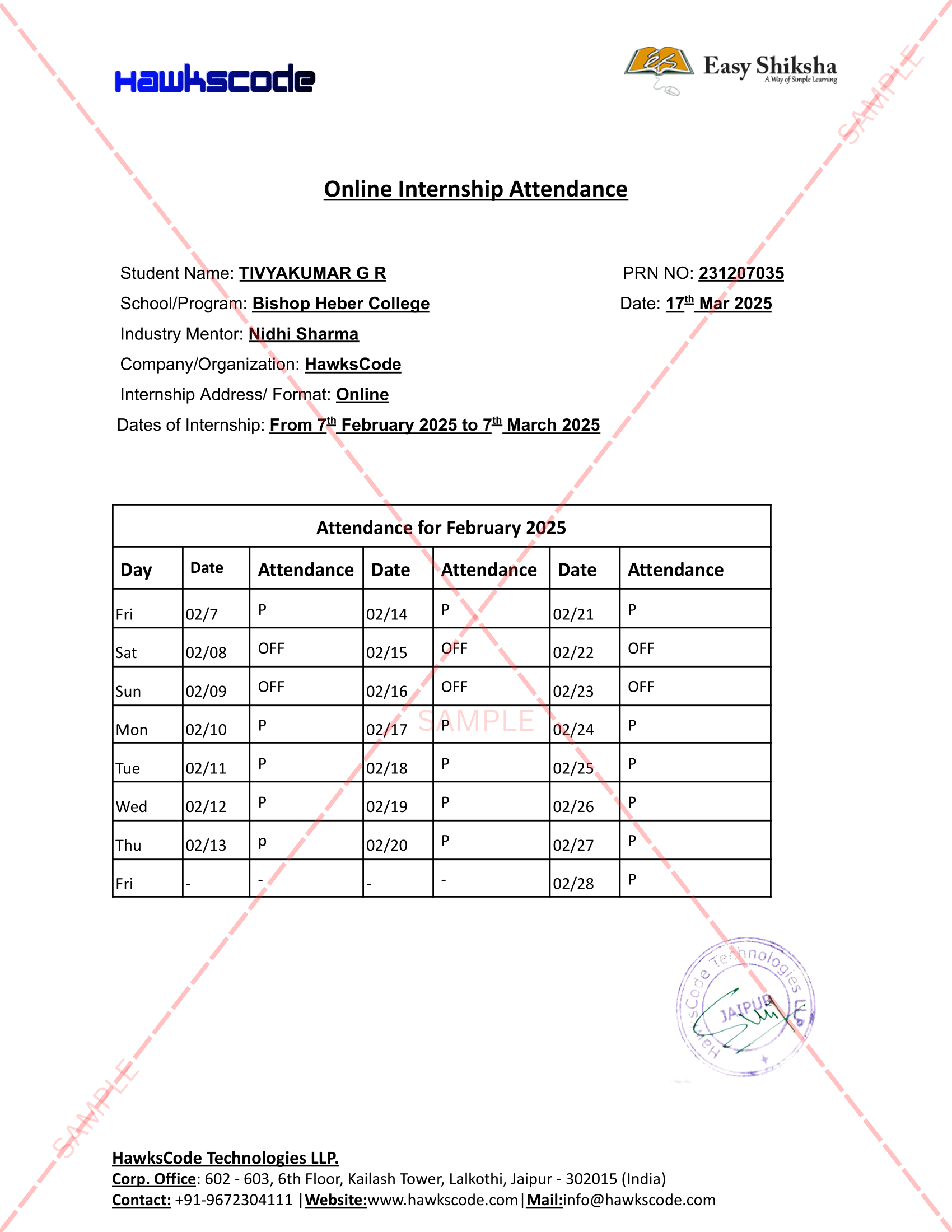
Internships can provide an important connection between education and professional life. Students often understand a workplace differently after experiencing it directly. They begin to see how teams communicate, how tasks are assigned, how deadlines work and how theoretical knowledge is applied.
An internship does not have to be the final stage of learning. It can be part of an ongoing development cycle. Students can first learn a concept through a course, practise it through exercises or quizzes, apply it through a project and then experience a professional environment through an internship.
This creates a powerful progression: learn, practise, apply and experience.
EasyShiksha’s emphasis on courses and internships fits naturally into this broader approach to student development. An internship can help students understand whether a particular career path actually interests them. It can also expose them to areas they may not have encountered through their academic syllabus.
For students without previous professional experience, even structured internship exposure can help reduce the psychological distance between college and the workplace. Instead of graduating and suddenly asking, “What happens next?”, students can begin answering that question while they are still studying.
Your Degree Can Become More Valuable When You Add Context
Imagine two students who graduate with the same degree and similar academic scores. One has only the qualification listed on a resume. The other has completed relevant courses, developed practical skills, created several projects and gained internship exposure. Their degrees are identical, but the stories surrounding those degrees are different.
This does not mean that the second student will automatically get a better job. Employment depends on many factors, including performance, communication, experience, opportunity and market conditions. However, practical evidence can give a student more material to discuss during applications and interviews.
This is why students should think about context. A degree tells employers what a student studied. A project can show what the student built. An internship can show where the student applied knowledge. A portfolio can show what the student can demonstrate. A learning profile can show how the student has developed over time.
Together, these elements create a richer professional identity.
Quizzes Can Help Turn Learning Into Measurable Practice
Quizzes are often associated with examinations, but they can serve a broader educational purpose. A well-designed quiz can encourage students to recall information, identify weak areas and check whether they genuinely understand a topic.
This becomes especially useful when students are learning independently. After completing a lesson or course module, a short quiz can provide immediate feedback. Instead of assuming that the information has been understood, students can test themselves.
For example, a student studying digital marketing might complete a lesson about search engine optimisation and then attempt a quiz. If several questions are answered incorrectly, the student has an immediate signal that the topic requires another review. The quiz therefore becomes part of the learning process rather than simply an assessment at the end.
Daily or regular quizzes can also help students develop consistency. A short practice session may appear insignificant on one day, but repeated practice over several months can create a substantial learning habit.
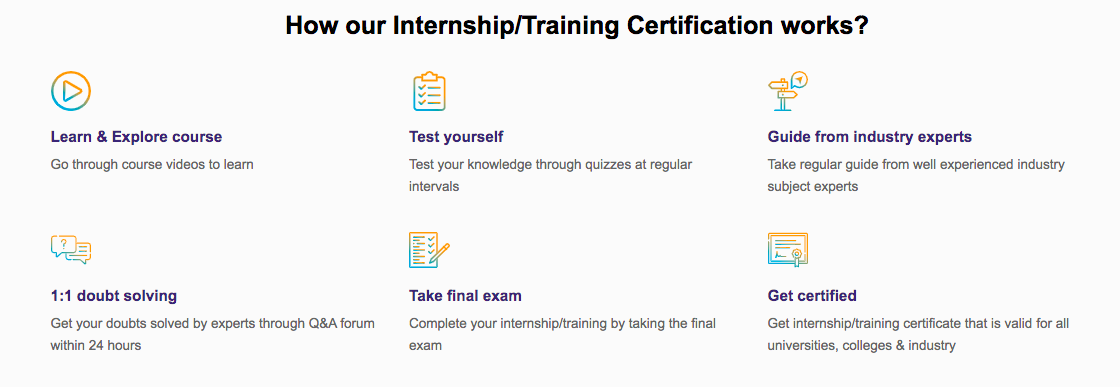
How EasyShiksha Internship/Training Program Works
Build a Skill Stack, Not Just a Single Skill
Modern careers often involve combinations of abilities. A student may not need to become an expert in every field, but developing complementary skills can create a stronger professional profile.
Consider a student who wants to work in digital marketing. Marketing knowledge is important, but communication, analytics, content creation, social media, basic design and AI tools may also contribute to the student’s effectiveness. Similarly, a software developer may benefit from technical skills combined with communication, teamwork, problem-solving and project management.
This combination is sometimes described as a skill stack. Instead of asking, “What single skill should I learn?”, students can ask, “What combination of skills could help me solve real problems?”
Online courses can make this exploration easier because students can gradually add relevant capabilities alongside their primary degree.
Build Communication Alongside Technical Knowledge
One common mistake students make is focusing exclusively on technical abilities. A strong technical foundation is valuable, but professionals rarely work in isolation. They need to explain ideas, collaborate with colleagues, communicate with clients and present their work.
A student who builds technical skills alongside communication skills can become better prepared for professional environments. Presentation practice, public speaking, writing, teamwork and interview preparation can all contribute to career readiness.
This is another reason the idea of building alongside a degree should be broader than simply collecting technical certificates. The objective is to develop a complete professional identity.
Build Confidence Through Small Wins
Students sometimes avoid starting projects or internships because they believe they are not ready. They may think they need advanced knowledge before they can create anything meaningful. This mindset can delay practical learning.
Small projects can help overcome this barrier. A beginner does not need to build a complex application on the first attempt. Completing a small project creates evidence that the student can move from an idea to an outcome.
The same principle applies to courses and quizzes. Completing one module, passing one quiz, improving one weak area or finishing one project can create momentum. Over time, these small achievements can change the way students see their own abilities.
Confidence is therefore not simply something students wait to receive. It can be developed through repeated experiences of learning, attempting, correcting and completing.
Build a Career Direction Through Experimentation
Many students feel pressure to identify their perfect career before graduation. In reality, career direction often develops through exploration. Students may begin with one idea and discover through courses, projects or internships that another field suits them better.
This is why experimentation can be valuable. A student interested in technology could explore cybersecurity, data analytics, artificial intelligence and cloud computing before deciding which area deserves deeper attention. A business student might experiment with finance, marketing, entrepreneurship and analytics.
Online learning makes this experimentation more accessible because students can explore different subjects without immediately committing to another full academic degree.
The goal is not to try everything. It is to make informed decisions based on actual exposure rather than assumptions.
Build a Professional Identity Before Graduation
A professional identity is not created on the day a student receives a degree. It develops gradually through choices, experiences and achievements.
Students can begin thinking about how they want to be perceived professionally while they are still in college. Are they interested in technology? Education? Finance? Design? Marketing? Entrepreneurship? Data? Once students identify possible directions, they can begin selecting courses, projects and experiences that support those interests.
This does not mean students should permanently lock themselves into one identity. Career paths can change. A professional identity can evolve as students learn more about themselves and the industries they explore.
The important thing is to move from being a passive participant in education to becoming an active designer of one’s learning journey.
The Learning Profile: A Record of More Than Marks
Academic marks provide useful information, but they are only one part of a student’s development. A student’s learning profile can become more meaningful when it captures multiple dimensions of growth.
Imagine a profile that gradually records completed courses, quiz performance, practical projects, internship experiences, certificates, skills and achievements. Such a profile can help students see their development as a journey rather than a collection of examination results.
For EasyShiksha, this broader concept is particularly relevant because courses, quizzes, internships and skill-building experiences can contribute to a student’s overall learning journey. Instead of asking students to wait until graduation to demonstrate their development, a learning profile can help them document progress while they are still learning.
It can also encourage students to think beyond marks. A lower score in one semester does not define the entire professional story if the student continues to build meaningful skills and experiences.
From Certificate Collection to Capability Building
There is an important distinction between collecting certificates and developing capabilities. A student may complete numerous online courses but struggle to explain or apply the knowledge. Another student may complete fewer courses but build projects, practise concepts and use the knowledge in real situations.
The second approach can often create deeper learning.
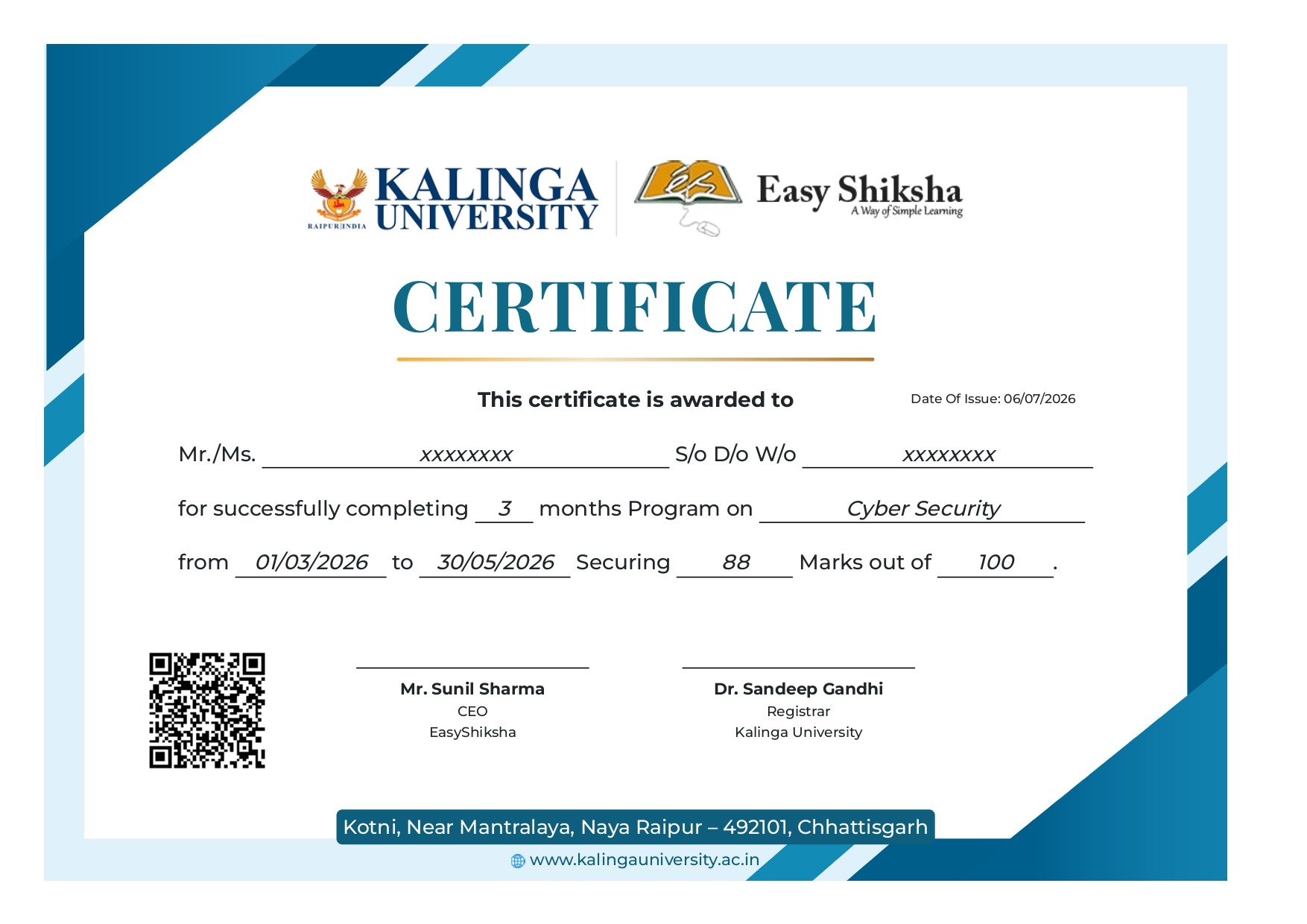
Certificates can still be useful as evidence of completed learning, but they should represent something meaningful. Students should ask themselves what they can actually do after completing a course. Can they create something? Can they solve a problem? Can they explain the concept? Can they demonstrate the skill?
EasyShiksha can fit into this capability-focused approach when students use its learning resources as part of a broader cycle of learning, practice and application.
What Students Can Build in Different Years of College
The building process can change as students progress through college. In the early years, exploration and foundation-building may be the priority. Students can experiment with introductory courses, discover interests and develop basic digital, communication and problem-solving skills.
As students become more confident, they can move toward practical projects. They can choose projects connected to their academic subjects or emerging career interests. The middle stage of college can also be a useful period for internships and deeper skill development.
By the final year, students can focus more heavily on portfolios, advanced projects, interview preparation, internships and career-specific learning. They can review their accumulated experiences and identify gaps that need attention before graduation.
This creates a gradual progression rather than a last-minute rush during the final semester.
The 30-Minute Building Habit
Building alongside a degree does not require students to spend several additional hours every day. In fact, consistency may be more sustainable than occasional intense study sessions.
A student might dedicate thirty minutes to a practical skill after completing regular academic work. One day could be used for a course lesson, another for a quiz, another for project development and another for portfolio improvement. Over several months, these small sessions can accumulate into meaningful progress.
The objective is not to turn college life into an endless schedule of studying. Students also need rest, social experiences, extracurricular activities and personal time. The purpose of a small daily learning habit is to make professional development manageable rather than overwhelming.
Build Evidence, Not Just Claims
One of the most useful questions students can ask themselves is simple: “What evidence do I have?”
If a student says they understand data analytics, what can they show? If they say they know web development, what have they built? If they claim strong communication skills, where have they demonstrated them?
This evidence-based mindset can improve the quality of learning. It encourages students to move from statements to demonstrations.
A project, portfolio, internship, practical assignment or documented achievement can provide stronger context than a skill listed without evidence. Students should therefore treat every meaningful learning experience as an opportunity to create something they can demonstrate.
EasyShiksha and the Idea of Building Beyond the Degree
EasyShiksha can be viewed as part of the larger ecosystem that surrounds a student’s formal education. Its courses can support additional learning, quizzes can encourage practice, internships can provide exposure, certificates can document completed learning and practical experiences can contribute to career readiness.
The larger idea is not that an online platform should replace university education. Instead, online learning can complement formal education by helping students explore subjects, develop additional skills and gain experiences that may not fit entirely within their academic curriculum.
This approach reflects a changing understanding of education. Students increasingly have opportunities to learn from multiple sources, practise independently and build evidence of their abilities before entering the professional world.
For a student, the question should therefore not simply be, “Which degree should I pursue?” It should also be, “What will I build while pursuing it?”
Empower your team. Lead the industry
Get a subscription to a library of online courses and digital learning tools for your organization with
EasyShiksha
A useful way to think about college is to imagine that the degree provides the foundation of a building. The foundation matters because everything else depends on it. But a foundation alone is not a finished structure.
Skills can become the floors. Projects can become the rooms where knowledge is applied. Internships can become real-world connections. Communication can become the infrastructure that allows ideas to move between people. A portfolio can become the visible exterior that shows others what has been built.
Students are effectively constructing their professional identity throughout their education. Some will build quickly, some slowly and some will redesign their plans several times. That is completely normal.
The important thing is to keep building.
What Will Your Second Chapter Look Like?
The question “What will you do after graduation?” is often asked too late. Students can begin answering it during college by experimenting with different possibilities.
Perhaps the answer will be a project. Perhaps it will be an internship. Perhaps it will be a collection of online courses that leads to a new skill. Perhaps it will be a portfolio that demonstrates creativity. Perhaps it will be a combination of technology, communication and business knowledge that creates a unique career direction.
There is no single correct answer because every student’s path is different.
What matters is that the student does not allow the degree to become the end of the learning story. Graduation should represent a transition, not a conclusion.
Conclusion: Your Degree Is the Chapter, Your Skills Are the Story
A degree can open an important chapter in a student’s life, but it does not have to contain the entire story. The years spent in college can become a period of exploration, experimentation and construction. Students can learn beyond their syllabus, practise through quizzes, build projects, gain internship experience, develop communication skills, create portfolios and document their progress through a broader learning profile.
The strongest approach is not to choose between a degree and practical learning. It is to combine them. Academic education can provide depth and structure, while courses, projects, quizzes and internships can help students apply, extend and demonstrate what they know.
This is the larger opportunity presented by platforms such as EasyShiksha. Learning does not have to stop with a lecture, examination or degree. It can continue through practice, experimentation and real-world application.
Students do not need to build everything at once. They only need to start. One course can become one skill. One skill can become one project. One project can become one portfolio entry. One internship can provide one new professional experience. One quiz can reveal one weakness that can be improved.
Anshika Jain is an Engineer, Developer, and Educational Content Author known for her dedication to technology and knowledge sharing. With a strong analytical mindset and a passion for innovation, she has consistently contributed to creating meaningful digital solutions and insightful educational articles.
Her ability to simplify complex technical concepts into engaging and easy-to-understand content makes her work valuable for students and learners across various platforms. Along with her technical expertise, Anshika is admired for her creativity, professionalism, and commitment to continuous learning.
She represents a perfect blend of technical excellence and impactful communication, inspiring others through both her development work and educational contributions.