For decades, the traditional student journey followed a relatively predictable pattern. Students completed school, entered college, focused primarily on their academic subjects, earned a degree, and then began thinking seriously about employment. Career preparation was often treated as something that happened during the final year of college, when students started preparing resumes, attending placement sessions, searching for internships, or applying for their first jobs. Today, that approach is changing rapidly. A growing number of students are beginning to think about employability, practical skills, internships, projects, certifications, and professional experiences much earlier in their academic journey.
This shift can be described as the rise of the “career-ready by graduation” movement. The idea is simple but powerful: students should not wait until graduation to become prepared for the professional world. Instead, they can use their college years to gradually build the knowledge, skills, experience, confidence, and evidence of ability that employers increasingly look for. Graduation then becomes a milestone that confirms years of preparation rather than the moment when preparation finally begins.
This does not mean that students should turn college into a race for employment or spend every semester worrying about their future. Education continues to have value beyond immediate job outcomes. However, students are increasingly recognizing that academic knowledge becomes more useful when it is supported by practical exposure. A degree may demonstrate that a student has completed a formal course of study, but skills, projects, internships, certifications, communication abilities, problem-solving experience, and a portfolio can demonstrate what that student can actually do.
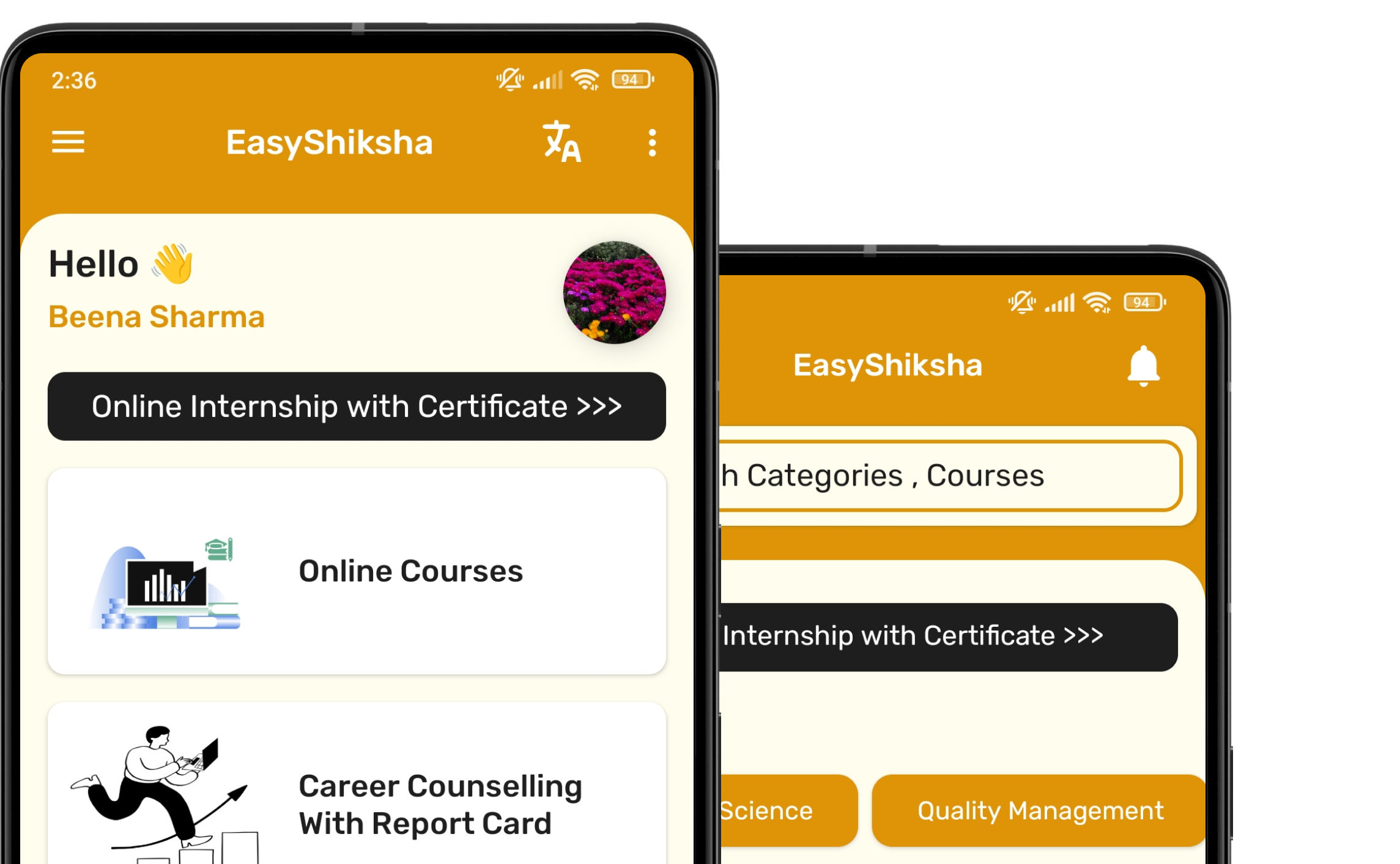
This is where platforms such as EasyShiksha can become part of a modern student's learning journey. Online courses, quizzes, practical learning, internships, projects, and certificates can give students opportunities to build capabilities alongside their formal education. Instead of treating career preparation as a final-year emergency, students can make it a gradual process that develops throughout college.
Why Students Are Starting Career Preparation Earlier
One of the biggest reasons students are starting earlier is the changing nature of the job market. Employers across industries are looking for candidates who can move beyond theoretical understanding and contribute to practical tasks. A student applying for a digital marketing role may need more than a degree in commerce or management. A computer science graduate may be expected to demonstrate coding ability through projects. A finance student may benefit from experience with spreadsheets, accounting software, data analysis, or financial tools. A communication-focused role may require strong writing, presentation, collaboration, and digital communication skills.
As a result, students are beginning to understand that academic qualifications and employability are connected but not identical. A degree can provide an important foundation, but students may need additional experiences to translate that foundation into workplace readiness. Starting earlier gives them more time to experiment, make mistakes, learn new tools, complete projects, and discover which career directions actually interest them.
There is also a practical advantage to beginning early: career readiness becomes less stressful when it is developed gradually. A student who begins building skills in the first year does not have to suddenly create an impressive resume, portfolio, and internship record during the final semester. Instead, each semester can contribute another layer to the student's professional profile. One year might focus on foundational courses, another on practical projects, another on internships, and another on refining communication, specialization, and interview skills.
The result is a different understanding of college itself. Rather than seeing college only as a place to complete subjects and pass examinations, students can view it as a period of experimentation and construction. Every course, project, quiz, internship, certification, competition, and practical assignment can potentially contribute to a larger career story.
From “Get a Degree” to “Build a Career Profile”
The traditional model often encouraged students to think in terms of qualifications. The modern approach increasingly encourages them to think in terms of a career profile. A career profile is not simply a resume. It represents the combination of academic knowledge, technical skills, soft skills, practical experiences, achievements, projects, interests, certifications, and professional direction that a student develops over time.
This distinction is important because two students with the same degree can graduate with very different levels of career readiness. One student may have completed only the required academic curriculum. Another may have completed additional online courses, worked on practical projects, participated in internships, practiced through quizzes, developed communication skills, and created a portfolio demonstrating their work. Their degrees may look similar on paper, but their overall profiles can be significantly different.
The goal should not be to collect as many certificates as possible. Instead, students should focus on building meaningful evidence of learning. A certificate can indicate that a course was completed, but a project can show how knowledge was applied. An internship can demonstrate exposure to workplace environments. A quiz can help students test whether they actually understand concepts. A portfolio can bring these experiences together and communicate them to potential employers.
This is why the idea of a learning profile becomes increasingly valuable. Instead of reducing a student's development to marks and grades, a broader profile can capture how that student has grown across multiple dimensions. EasyShiksha's ecosystem of courses, quizzes, internships, and practical learning can support this broader approach by helping students turn learning activities into measurable experiences.
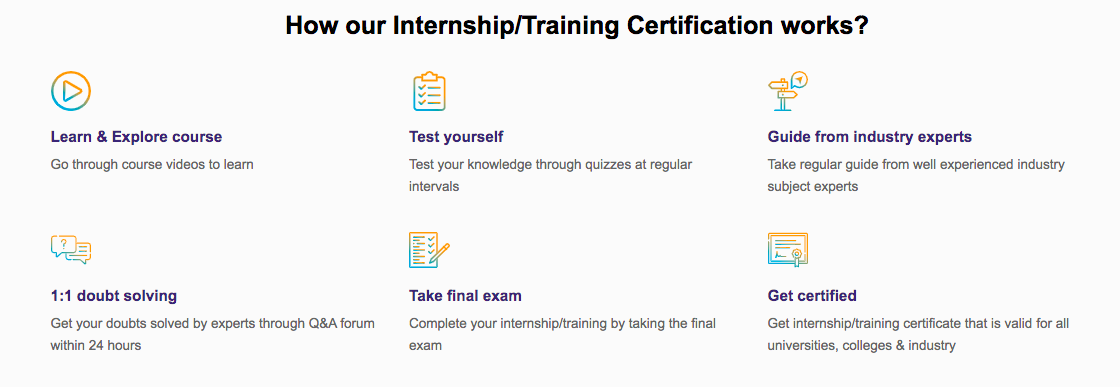
How EasyShiksha Internship/Training Program Works
The First Year: Explore Before You Specialize
Starting early does not mean that a first-year student needs to know exactly what career they want at age eighteen. In fact, one of the most valuable reasons to begin early is that students have enough time to explore.
The first year of college can be viewed as an exploration phase. Students can experiment with different areas, learn introductory concepts, participate in online courses, take quizzes, explore technology, understand different industries, and discover which subjects genuinely interest them. A student studying engineering might explore coding, data science, electronics, robotics, cybersecurity, or artificial intelligence before deciding which direction deserves deeper attention. A commerce student might explore finance, digital marketing, accounting, entrepreneurship, or business analytics.
Online learning makes this exploration easier because students are not restricted entirely to the subjects offered in their formal curriculum. They can use additional learning platforms to experiment with topics at their own pace. Short courses and quizzes can serve as low-risk ways to discover whether a subject is interesting before making a larger commitment.
This is particularly useful because career decisions made without exploration can sometimes be based on assumptions. Students may choose a field because it is popular, because friends selected it, or because they believe it offers good salaries. Early exposure allows them to replace assumptions with experience. Even discovering that a particular field is not suitable can be valuable because it prevents students from spending years pursuing the wrong direction.
The Second Year: Turn Knowledge Into Skills
Once students have explored different areas, the next step is to move from awareness to capability. This is where the difference between knowing something and being able to use it becomes important.
A student may understand the basic principles of programming but still struggle to build a working application. Someone may study digital marketing concepts but have never planned an actual campaign. A finance student may understand financial terminology but lack experience working with real datasets or financial tools. The transition from theoretical knowledge to practical capability happens through application.
Online courses can play an important role in this stage when they are designed around practical learning. Students can use structured lessons to understand concepts and then reinforce them through quizzes, exercises, projects, or practical assignments. The process becomes more effective when students repeatedly move between learning and application.
This is also where consistent practice matters. A student does not need to master an entire professional skill in a few weeks. Learning can happen progressively. Thirty minutes of focused practice several times a week can eventually produce meaningful progress when sustained over months. By starting in the second year rather than waiting for the final year, students gain the advantage of time.
The Third Year: Build Projects and Gain Experience
The third year can become an important bridge between academic learning and professional experience. By this point, students often have enough foundational knowledge to start building more meaningful projects and looking for internships.
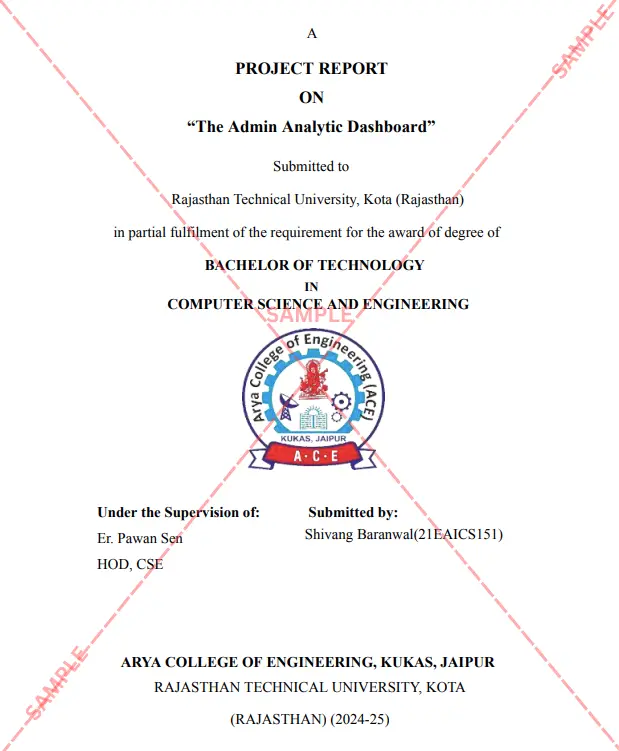
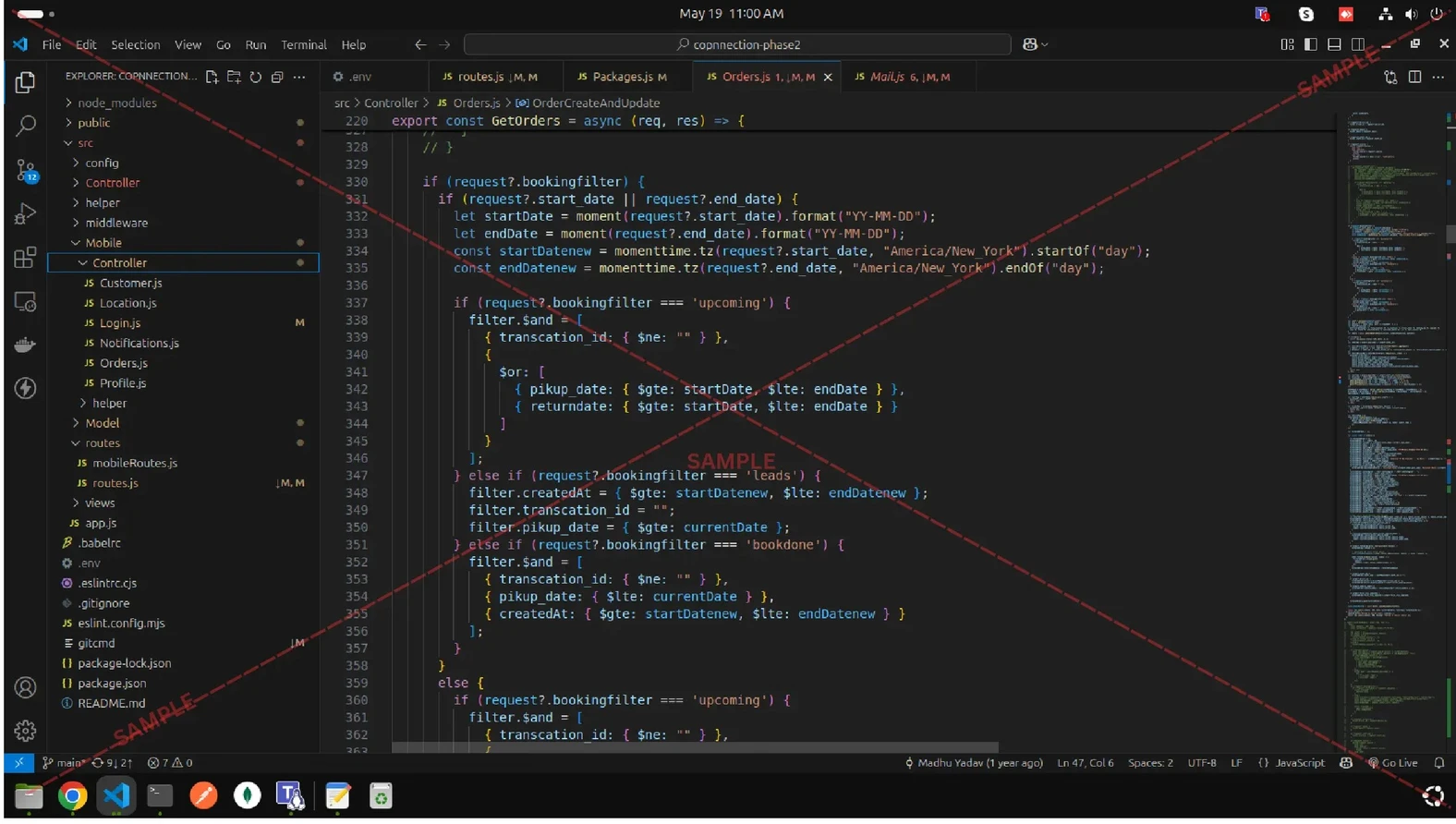
Projects are particularly valuable because they force students to combine multiple skills. Building a website may require coding, design, problem-solving, research, testing, and communication. A data analytics project may involve data collection, cleaning, analysis, visualization, and interpretation. A digital marketing project may involve content creation, audience research, search optimization, campaign planning, and performance analysis.
Projects also give students something concrete to discuss during interviews. Instead of saying, “I know Python,” a student can explain what they built using Python, what problem they solved, what challenges they encountered, and what they learned from the process. Instead of simply listing “digital marketing” on a resume, a student can describe a campaign or content project and discuss the reasoning behind it.
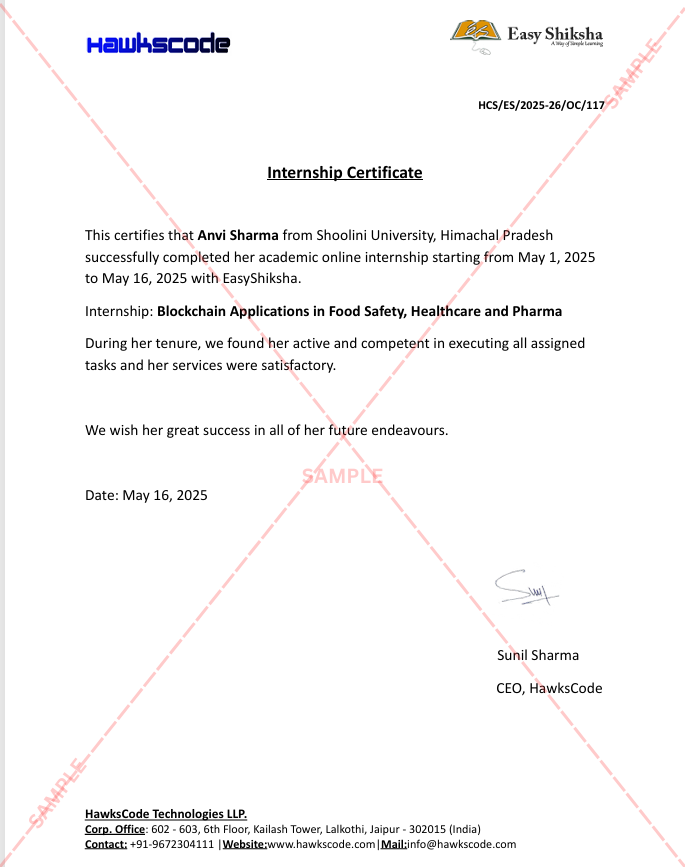
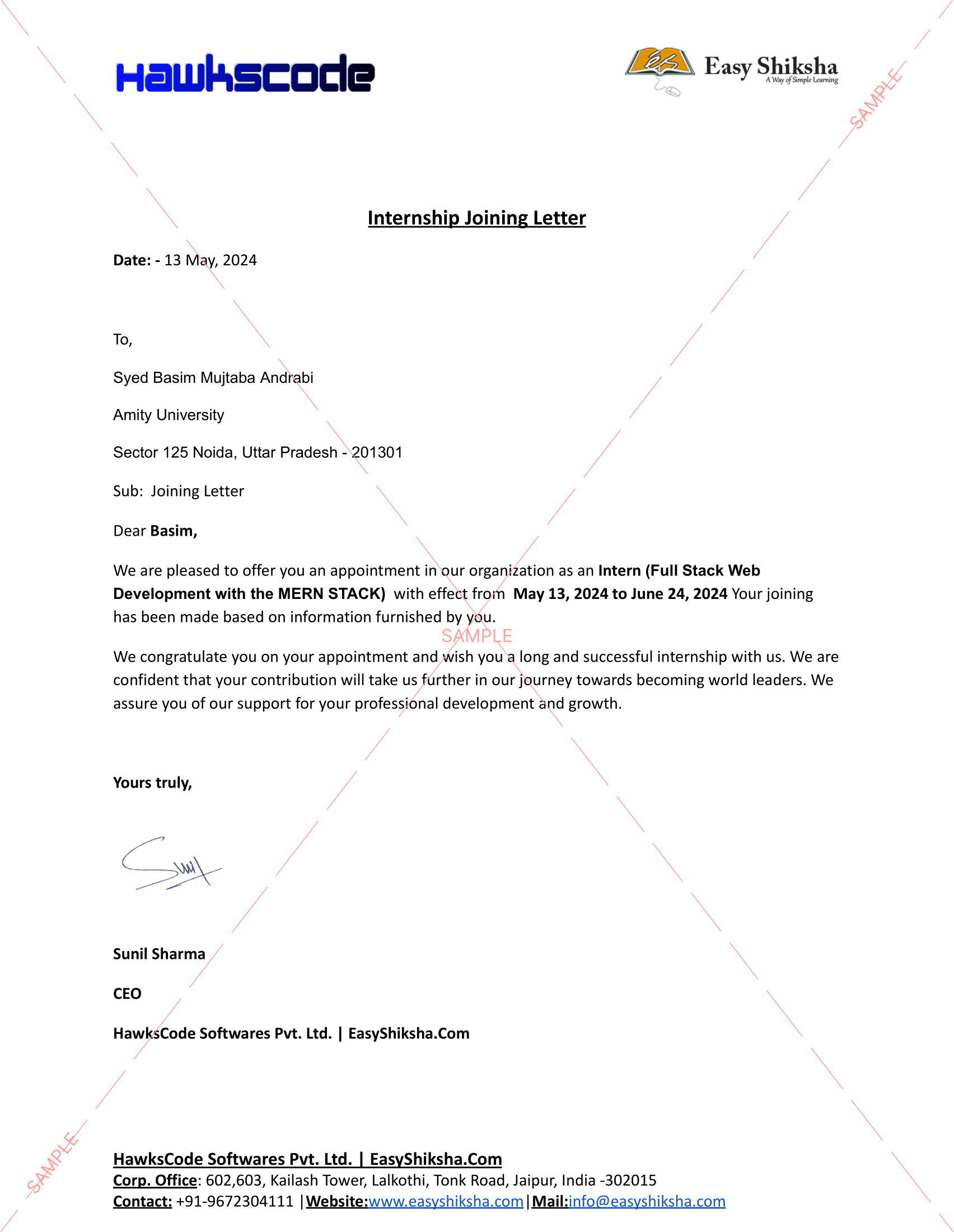
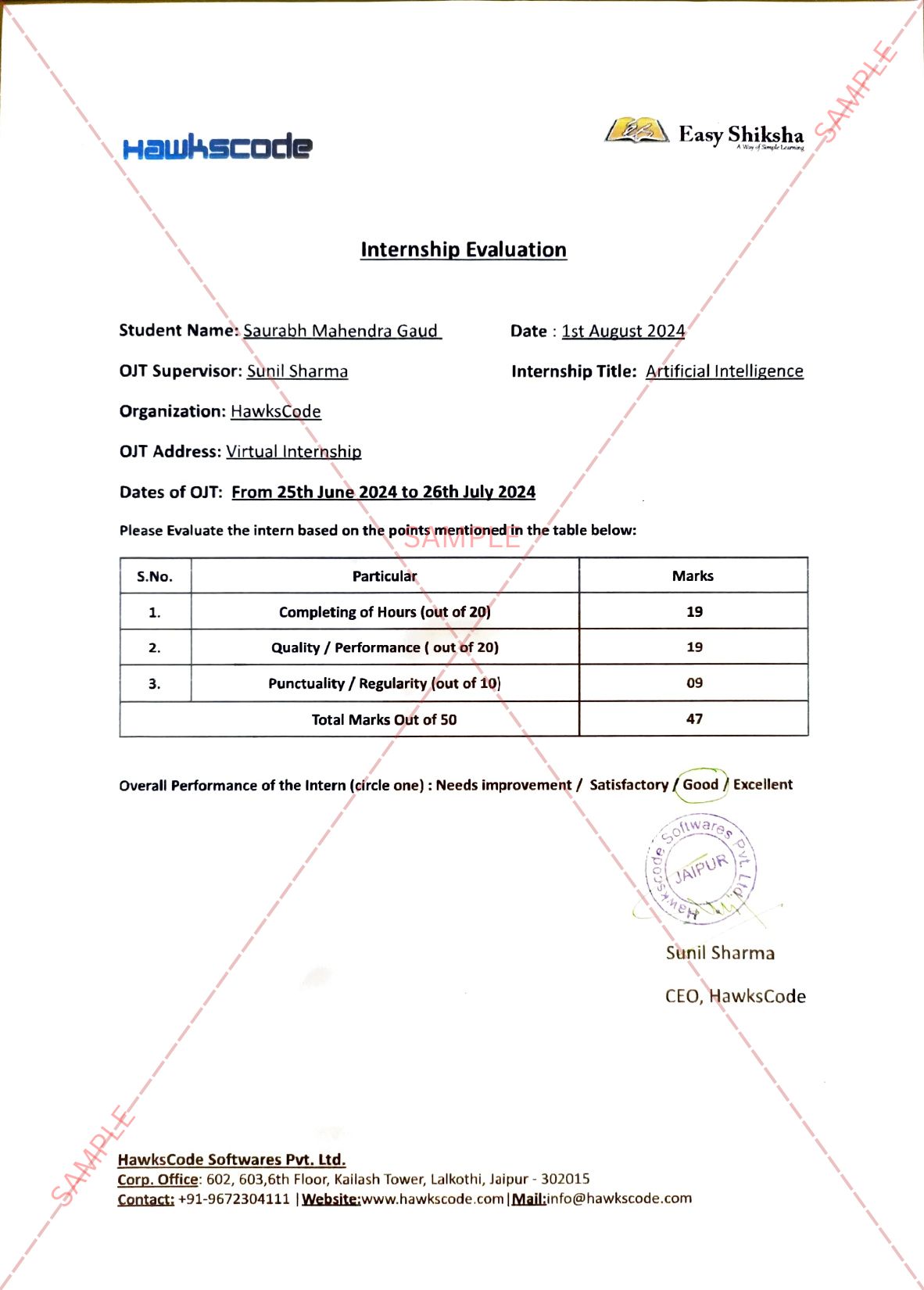
Internships add another dimension. They introduce students to professional expectations, deadlines, teamwork, communication, workplace tools, and real-world problems. Even when an internship does not lead directly to a job offer, the experience can help students understand how organizations operate and what skills they still need to develop.
EasyShiksha's focus on the combination of learning and internships fits naturally into this stage. The idea of Learn + Practice + Intern reflects a broader change in education: students increasingly want opportunities to connect what they study with what they may eventually do professionally.
The Final Year: Refine Rather Than Begin
The final year should ideally be about refinement, not the beginning of career preparation. Students can use this period to strengthen their existing skills, complete stronger projects, improve their resumes, organize their portfolios, prepare for interviews, and identify suitable opportunities.
This changes the emotional experience of the final year. Instead of realizing suddenly that there is very little practical experience to discuss, students can enter placement and recruitment processes with a history of development. They can explain what they learned, which skills they developed, what projects they completed, where they interned, and what kind of work they want to pursue.
Career preparation becomes more focused because students have already learned something about themselves. They may have discovered that they enjoy technical problem-solving more than management, prefer content and communication over coding, or are interested in combining two fields. Early preparation therefore supports not only employability but also career clarity.
A student who reaches the final year with a clear understanding of their strengths is in a different position from someone who is still asking, “What should I do after graduation?” Both may have the same degree, but one has already started constructing an answer through experience.
Quizzes may appear simple compared with internships and projects, but they can play an important role in the career-ready journey. Their value lies in helping students test whether learning has actually been understood.
Reading or watching a lesson can create a feeling of familiarity, but answering questions requires the learner to retrieve information. Regular quizzes can therefore turn passive learning into active practice. They can also reveal weak areas that may otherwise remain hidden.
For students using online courses, quizzes can create a learning cycle in which they study a concept, test their understanding, identify mistakes, revisit the topic, and try again. Over time, this can improve both knowledge retention and confidence.
EasyShiksha can fit into this process by connecting online learning with quiz-based practice. A student does not have to wait for a university examination to discover what they do not understand. Smaller assessments can provide feedback throughout the learning journey.
This matters for career readiness because professional competence is also built through feedback. Employees rarely become better at their work simply by performing the same task repeatedly without evaluation. They improve by identifying mistakes, understanding what went wrong, adjusting their approach, and trying again. Regular quizzes can help students develop that mindset early.
Certificates Are Useful, But Capability Matters More
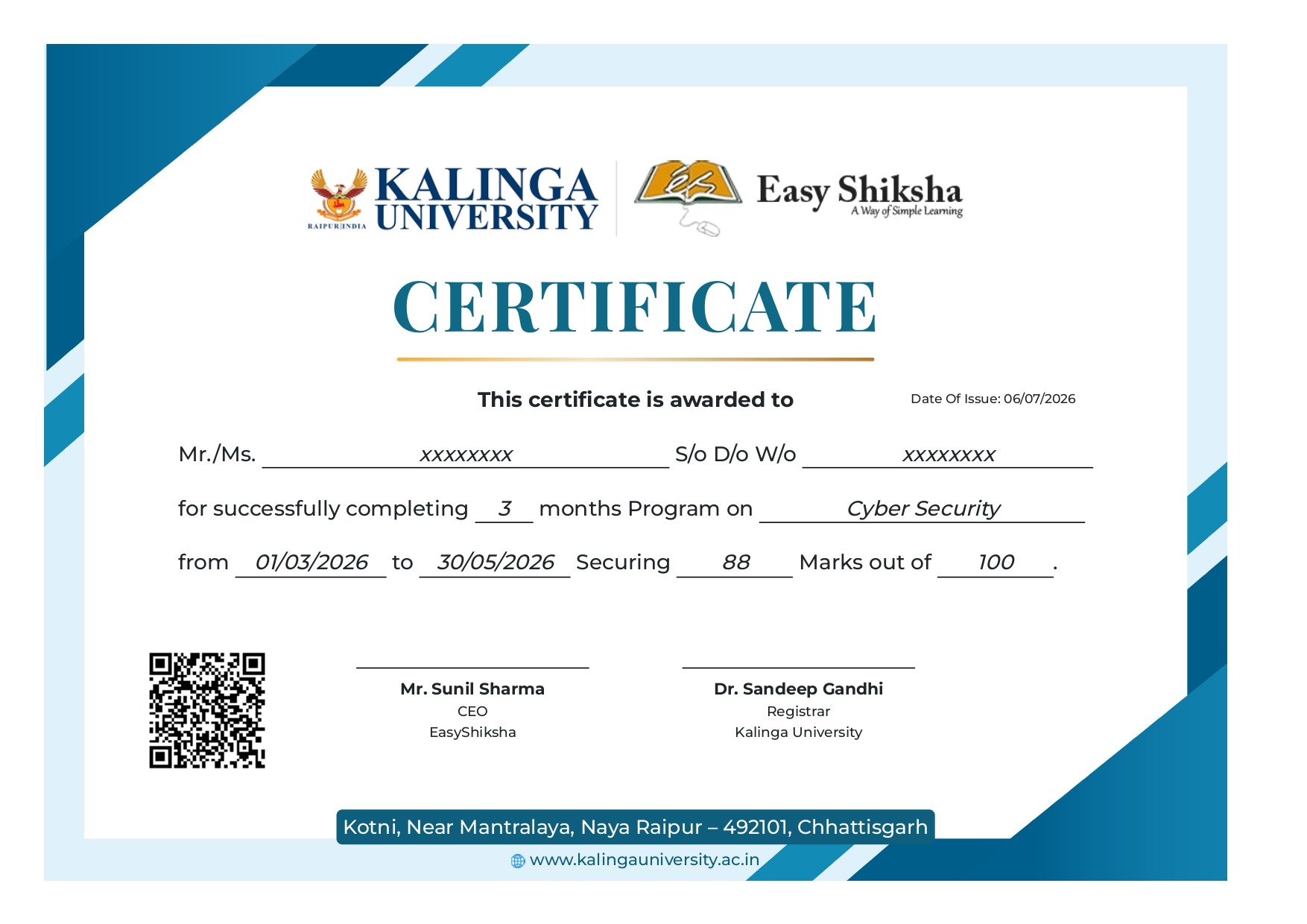
Certificates have become an important part of online learning, but students need to understand what makes a certificate valuable. Simply collecting certificates without developing practical ability can produce a crowded resume without meaningful evidence of competence.
The stronger approach is to connect certificates with learning outcomes and application. If a student completes an online course in a particular technology, they should ideally use that knowledge in a project or practical task. If they complete a digital marketing course, they might apply the concepts to a campaign or content strategy. If they study data analytics, they can work with datasets and demonstrate their analytical process.
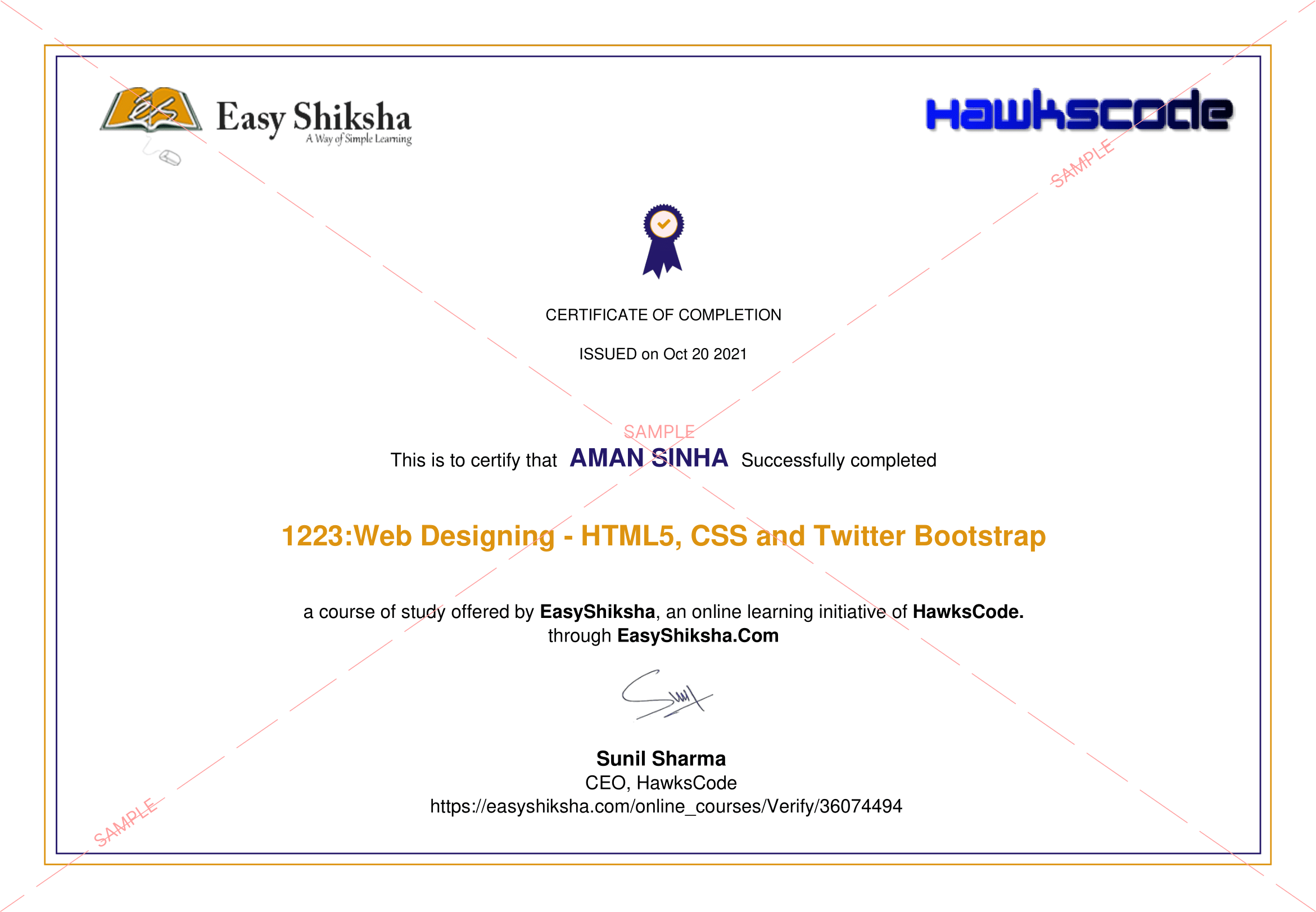
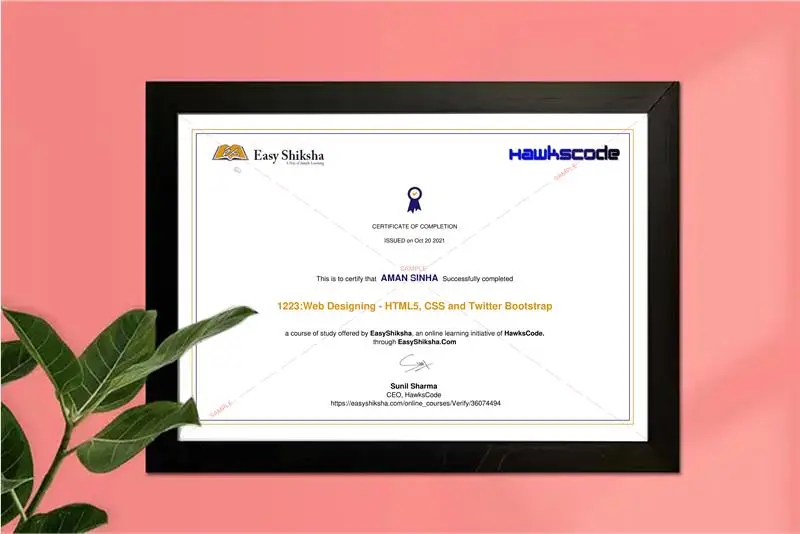
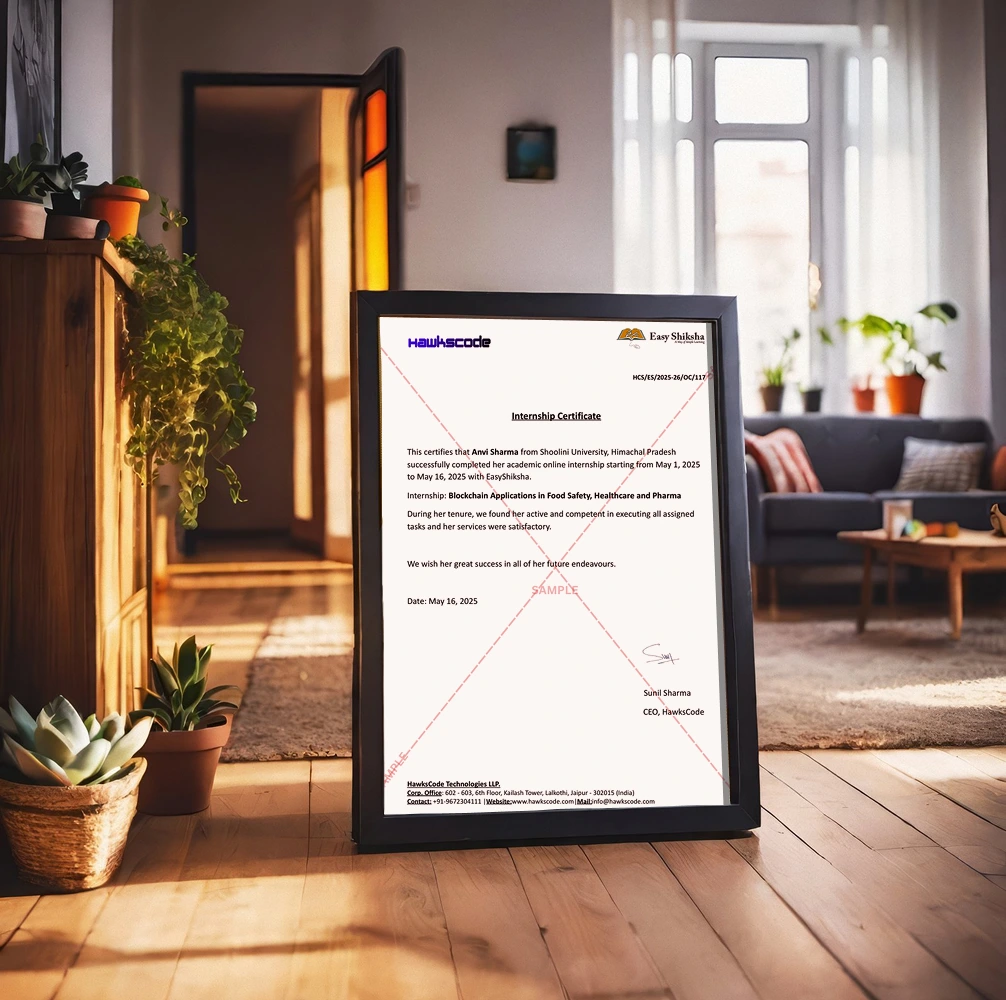
In this context, a certificate becomes part of a larger story rather than the entire story. It confirms that a learning experience was completed, while projects and internships demonstrate how that learning was used.
This is especially relevant to the career-ready-by-graduation movement because students are increasingly shifting from certificate collection to capability building. The question is no longer simply, “How many courses have you completed?” It is becoming, “What can you actually do because you completed those courses?”
Building a Portfolio Before Graduation
A portfolio can become one of the most powerful outcomes of starting early. Instead of waiting until graduation to create one, students can gradually document their work throughout college.
A portfolio might contain academic projects, personal experiments, coding work, design work, writing samples, marketing campaigns, research projects, presentations, or other evidence of practical ability. The exact format depends on the student's field, but the underlying principle remains the same: show evidence rather than relying entirely on claims.
Students can begin with small projects. A first-year project does not need to be extraordinary. Its purpose is to demonstrate curiosity and willingness to learn. As students gain experience, their projects can become more sophisticated.
Over three or four years, this creates a visible record of growth. The portfolio can show not only what the student knows but how their ability has evolved. That progression itself can become a powerful career narrative.
Communication Skills Must Grow Alongside Technical Skills
Career readiness cannot be reduced to technical knowledge. Students may have excellent subject knowledge and still struggle in interviews, presentations, teamwork, professional writing, or workplace communication.
Starting early gives students time to improve these skills without treating them as last-minute interview preparation. Communication can be developed through presentations, group projects, discussions, writing exercises, public speaking, online collaboration, and practical assignments.
The modern workplace frequently requires people to explain complex ideas clearly to different audiences. A software developer may need to explain a technical issue to a non-technical manager. A finance professional may need to present analysis to a business team. A marketer may need to communicate campaign ideas to clients. Technical knowledge becomes more useful when it can be communicated effectively.
For this reason, the ideal career-ready student is not simply someone who has accumulated technical certificates. It is someone who can learn, apply, communicate, collaborate, adapt, and solve problems.
The Skill Stack: Why One Skill Is Rarely Enough
Another important feature of early career preparation is the development of a skill stack. Modern careers increasingly combine multiple abilities rather than depending on one isolated skill.
A student interested in digital marketing, for example, may benefit from combining content writing, search optimization, analytics, social media knowledge, communication, and basic design. A student interested in technology might combine programming with data analysis, communication, project management, or domain knowledge.
This does not mean students should attempt to master everything. Instead, they can develop one strong core skill and gradually add complementary capabilities. Over several years, these combinations can create a distinctive professional identity.
Online courses provide an accessible way to experiment with these complementary skills. Quizzes can reinforce foundational understanding, while projects and internships can help students determine how different skills work together in real situations.
Starting Early Does Not Mean Starting Under Pressure
There is an important difference between starting early and starting under pressure. The career-ready movement should not encourage students to believe that they must have their entire professional life planned during their first year of college.
Starting early should mean giving yourself permission to explore, learn, experiment, and gradually improve. Students should be able to change their direction when they discover new interests. A first-year student who explores cybersecurity and later becomes interested in data science has not wasted time. The earlier exploration helped create clarity.
The same principle applies to failure. A project that does not work, a course that feels difficult, or an internship that does not match expectations can still provide useful information. Early experimentation makes these experiences less risky because students still have time to learn from them.
The purpose of starting early is therefore not to eliminate uncertainty. It is to give students more time to navigate uncertainty intelligently.
From Marks to Evidence of Learning
Marks remain important, but students increasingly understand that marks are only one form of evidence. Academic performance can demonstrate discipline, subject understanding, and the ability to meet educational requirements. However, practical experiences can provide additional evidence.
A strong student profile might therefore combine academic achievements with courses, quizzes, projects, internships, communication abilities, technical skills, and other experiences. This creates a richer picture of the learner.
This broader approach aligns with the idea of a learning profile. Instead of asking only, “What marks did this student receive?” a learning profile can encourage questions such as, “What has this student learned? What can they do? What have they built? Where have they practiced? Which skills are developing? What areas interest them?”
EasyShiksha's educational approach can contribute to this shift by giving learners opportunities to continue learning outside traditional classrooms and build a record of additional experiences.
Why the Career-Ready Movement Fits the Digital Learning Era
The growth of digital education has made early preparation more accessible. Students no longer have to depend entirely on physical classrooms or formal academic timetables to learn additional skills. Online platforms can provide flexible opportunities to study whenever time is available.
This flexibility matters because college schedules are different for every student. Some may have long commutes, some may have part-time responsibilities, and others may participate in college activities or family responsibilities. Online learning allows students to fit skill development into their existing routines.
The combination of short lessons, quizzes, practical learning, and internships can make career development feel less like a separate activity and more like an extension of education. A student might complete a lesson during free time, take a quiz to check understanding, work on a project during the weekend, and eventually apply for an internship.
Over months and years, these small activities can become significant professional preparation.
EasyShiksha and the “Career-Ready by Graduation” Idea
The central philosophy behind the career-ready movement is that students should graduate with more than a degree. They should ideally graduate with a stronger understanding of their abilities, practical exposure, relevant skills, evidence of work, and greater confidence about their next step.
EasyShiksha can support this journey through an ecosystem that brings together online courses, quizzes, internships, certificates, practical learning, and career-oriented development. Instead of treating these as isolated activities, students can use them as connected parts of a larger learning journey.
A student can begin by exploring an online course, strengthen understanding through quizzes, apply concepts through a project, gain practical exposure through an internship, and document the experience as part of a learning profile or portfolio. The process does not have to happen overnight. It can develop gradually throughout college.
This approach also reflects a broader change in the meaning of education. Learning is no longer limited to the classroom timetable. Students can build knowledge through formal education while developing additional skills through digital learning platforms. They can learn from courses, test themselves through quizzes, practice through projects, and gain real-world exposure through internships.
The ultimate objective is not simply to make students employable as quickly as possible. It is to help them become more capable, confident, adaptable, and aware of their own strengths by the time they graduate.
The Four-Year Career Building Journey
The most effective way to understand this movement is to think of college as a gradual career-building journey. The first stage is exploration, where students discover interests and understand different possibilities. The next stage is skill development, where they begin building capabilities beyond their academic curriculum. The following stage is application, where projects and internships allow them to use what they have learned. The final stage is refinement, where students strengthen their profiles, prepare for opportunities, and make more informed career decisions.
This progression reduces the pressure associated with final-year preparation. Instead of attempting to create an entire professional identity in a few months, students allow that identity to develop naturally.
It also creates a culture of continuous improvement. Students can look back each semester and ask what they have learned, what they have built, what they can now do that they could not do previously, and what they want to explore next.
That mindset is more valuable than simply chasing a predetermined checklist.
Empower your team. Lead the industry
Get a subscription to a library of online courses and digital learning tools for your organization with
EasyShiksha
The strongest benefit of starting early may not be the number of certificates or internships a student accumulates. It may be the development of a lifelong learning mindset.
Technology, industries, and job roles continue to change. A student who learns only what is required for a degree may eventually find that some of that knowledge needs to be updated. A student who learns how to learn, practice, evaluate, adapt, and build can continue developing long after graduation.
This is why career readiness should not be understood as a finish line. Being “career-ready by graduation” does not mean that a student knows everything. It means they have developed enough foundation and self-awareness to enter the professional world with confidence and continue learning.
The ability to adapt may become one of the most important professional skills of all. Students who begin building this habit during college are better positioned to respond when technologies change, industries evolve, or new opportunities appear.
Conclusion: Start Before You Need to Be Ready
The “career-ready by graduation” movement reflects a fundamental change in how students are approaching higher education. Instead of waiting until the final semester to think about careers, many students are beginning earlier because they understand that meaningful professional preparation takes time.
A degree remains an important academic foundation, but the modern student can build much more alongside it. Skills, projects, quizzes, internships, certifications, communication abilities, portfolios, and practical experiences can gradually transform academic learning into a broader career profile.
The most important part of starting early is not pressure. It is opportunity. Students have more time to explore different fields, discover their strengths, learn new skills, make mistakes, complete projects, gain experience, and change direction when necessary.
Platforms such as EasyShiksha can become part of this process by helping students connect structured online learning with regular practice, practical development, internships, and career-oriented experiences. The objective is not to replace the degree but to strengthen what students build around it.
Graduation should not be the moment when a student finally asks, “Am I ready for the real world?” Ideally, it should be the moment when they can look back at several years of learning and say, “I have been preparing for this all along.”
The future of education may therefore be less about choosing between a degree and skills and more about understanding how the two can work together. A degree can provide the foundation. Online learning can expand knowledge. Quizzes can strengthen understanding. Projects can turn concepts into practice. Internships can introduce real-world experience. Certificates can document learning. Portfolios can demonstrate capability. And consistent effort can connect all of these experiences into a meaningful career journey.
Anshika Jain is an Engineer, Developer, and Educational Content Author known for her dedication to technology and knowledge sharing. With a strong analytical mindset and a passion for innovation, she has consistently contributed to creating meaningful digital solutions and insightful educational articles.
Her ability to simplify complex technical concepts into engaging and easy-to-understand content makes her work valuable for students and learners across various platforms. Along with her technical expertise, Anshika is admired for her creativity, professionalism, and commitment to continuous learning.
She represents a perfect blend of technical excellence and impactful communication, inspiring others through both her development work and educational contributions.