Education has the power to transform lives, but access to knowledge is not always equal for every learner. While the internet has made educational resources more accessible than ever, language can still determine how comfortably and confidently a student learns. Many students have the ability, curiosity, and determination to understand complex concepts, but they struggle when learning materials are available only in a language they are not familiar with.
For some learners, changing the language of education can become a turning point. A subject that once seemed difficult may become easier to understand. A lesson that felt disconnected may suddenly become meaningful. A student who previously avoided asking questions may begin participating actively. In this way, language is not simply a medium of communication. It can influence confidence, comprehension, participation, and long-term academic growth.
Consider the story of a student who was interested in technology but found most of her study materials difficult to understand because they were written in English. She could recognise important terms but struggled to follow complete explanations. She watched tutorials repeatedly, memorised definitions, and often depended on others to explain basic concepts. Although she was interested in learning, she began to believe that technical subjects were not meant for her.
One day, she decided to change the language in which she studied. She began with learning resources that explained difficult concepts in a language she understood more comfortably. Gradually, she started connecting ideas, asking questions, completing quizzes, and practising what she learned. The subject itself had not changed, but her relationship with learning had changed significantly.
Her experience reflects an important development in modern education: students need learning environments that support understanding, not merely content delivery. Platforms such as EasyShiksha, with their focus on online courses, certificates, quizzes, and internship-oriented learning opportunities, can contribute to a more flexible learning journey in which students explore knowledge at their own pace and build practical confidence.
The Student Who Understood the Subject but Struggled With the Language
Meera was a college student with a strong interest in computers and digital technology. She wanted to learn programming because she believed technical skills could improve her career opportunities. However, her first experience with online learning was frustrating. Most of the courses she discovered used advanced English, fast explanations, and unfamiliar technical terminology.
Meera could read English to a certain extent, but understanding a complete technical explanation required additional effort. She often paused videos to translate words, searched for definitions, and rewrote lessons in her preferred language. By the time she understood the meaning of one paragraph, the instructor had already moved to another concept.
This experience affected her confidence. She began to compare herself with classmates who appeared to understand lessons more quickly. Instead of focusing on the subject, she spent much of her time worrying about whether she was capable of learning it. Her difficulty was not necessarily a lack of intelligence or interest. It was partly a problem of accessibility.
Many students experience similar challenges. India has learners from diverse linguistic backgrounds, and students may receive their school education, communicate at home, and consume digital content in different languages. A student may be comfortable learning in Hindi, Marathi, Bengali, Tamil, Telugu, Gujarati, or another regional language while also needing to understand English terminology for higher education and professional work.
This creates a complex learning situation. Students need access to explanations in languages they understand, but they may also need to develop familiarity with English and other languages used in academic and professional environments. A supportive learning system should not force students to choose between comprehension and future career readiness. Instead, it should help them gradually develop both.
Language and the Psychology of Learning
Language plays a central role in how students process information. When learners understand the language used in an explanation, they can focus more of their mental energy on the actual concept. They can compare ideas, identify relationships, remember examples, and apply knowledge to practical situations.
When the language is unfamiliar, the learning process can become more demanding. Students may need to interpret vocabulary before they can understand the meaning of the lesson. This can create confusion, particularly in subjects such as mathematics, computer science, finance, healthcare, and engineering, where concepts are often interconnected.
For example, a student learning digital marketing may understand the general idea of advertising but struggle with terms such as conversion rate, audience segmentation, engagement, and search intent. If these concepts are explained using complicated language without practical examples, the learner may memorise definitions without developing a clear understanding.
Learning in a familiar language can provide an important foundation. It allows students to understand the central idea first and then gradually become familiar with subject-specific terminology. Once the concept is clear, learning the equivalent technical terms in English or another professional language becomes easier.
This approach can also improve confidence. When students answer a question correctly, complete a quiz, or solve a practical problem, they receive evidence that they are capable of learning. Repeated positive experiences can encourage them to explore more advanced subjects.
Language accessibility, therefore, should not be viewed as lowering educational standards. It can be a way to help learners reach the standards more effectively by reducing unnecessary barriers to understanding.
Meera initially believed that she needed to become fluent in English before she could learn programming. This assumption made her postpone her learning goals. She felt that she had to solve her language difficulty first and only then begin studying technology.
Eventually, she changed her approach. Instead of waiting until her language skills became perfect, she began learning programming through explanations that were easier for her to understand. She used regional-language explanations for foundational concepts and referred to English resources whenever she encountered technical terms or documentation.
This small adjustment made learning more manageable. She could understand what a variable meant before worrying about memorising the English definition. She could learn the purpose of a loop through an example before reading more complex programming documentation. She began connecting explanations with practice instead of treating learning as an exercise in translation.
She also started writing down important technical words in both languages. For instance, she would learn the meaning of a concept in her preferred language and then note the English term used in programming environments. This helped her build conceptual understanding while developing the vocabulary needed for future projects and interviews.
Over time, Meera realised that language learning and subject learning could happen together. She did not need to understand every English sentence immediately to become a capable learner. She needed a structured approach that allowed her to understand, practise, revise, and gradually expand her language skills.
This change transformed her learning experience. She began spending less time feeling confused and more time experimenting with code.
The Importance of Multilingual Learning in India
India’s educational environment is linguistically diverse. Students from different states and communities often have different first languages and educational experiences. Although English is widely used in higher education, technology, business, and professional communication, many learners understand concepts more naturally when they are introduced in their regional or preferred language.
Multilingual learning can help bridge this gap. It can provide students with initial explanations in a familiar language while introducing the terminology required for academic and professional growth. This is particularly valuable for first-generation learners, students from rural areas, and individuals who may not have consistent access to English-speaking academic support.
A multilingual approach does not mean that students should avoid learning English. Instead, it can help them build confidence before moving toward more advanced language requirements. Students can first understand the idea, then learn how the idea is described in English, and finally practise using the concept in a professional context.
For example, a student studying accounting may first understand the difference between income and expenses through a familiar-language explanation. After developing that foundation, the student can learn terms such as revenue, expenditure, assets, liabilities, and financial statements. This two-stage process can make the subject less intimidating.
Similarly, a student interested in artificial intelligence can begin with simple explanations of data, algorithms, and machine learning. Once the basic concepts are clear, the student can gradually explore English-language research articles, technical documentation, and programming resources.
The objective is not to replace one language with another permanently. It is to create a learning pathway in which language supports progress rather than preventing it.
From Passive Watching to Active Understanding
Before changing her learning language, Meera mostly watched tutorials without actively testing her understanding. She believed that watching a lesson several times would eventually make the topic clear. However, repeated exposure alone did not always translate into practical knowledge.
After changing her learning approach, she began combining explanations with active learning. She watched a lesson, wrote a short summary, attempted a quiz, and tried to apply the concept through a small activity. This helped her identify which topics she understood and which required further revision.
Active learning is important because students can sometimes feel that they understand a lesson simply because it sounds familiar. Real understanding becomes clearer when learners attempt to answer questions, explain an idea, solve a problem, or complete a project independently.
Online learning platforms can support this process through structured lessons, assessments, quizzes, and practical activities. EasyShiksha’s learning ecosystem, which includes online courses, quizzes, certificates, and internship-related opportunities, aligns with the broader need to connect knowledge with practice. Students can use learning resources to build foundational understanding and then strengthen it through repeated application.
For a student learning in a second language, active learning is particularly useful. It provides opportunities to identify misunderstandings early instead of allowing confusion to continue across multiple lessons. A quiz can reveal whether a student understands a concept. A project can show whether the student can apply it. A certificate can document course completion, while practical evidence can demonstrate what the learner can actually do.
Meera’s progress accelerated when she stopped measuring success by the number of videos she watched and began measuring it by the concepts she could explain and apply.
How Quizzes Can Support Language-Friendly Learning
Quizzes can be useful for learners who are adjusting to a new learning language because they provide a structured way to check comprehension. A well-designed quiz can help students understand whether they have learned the central concept rather than simply recognised the vocabulary.
For example, a beginner learning computer fundamentals may encounter the term “operating system.” A language-friendly lesson can explain the meaning through a familiar example, such as the software that helps a user interact with a computer. A short quiz can then ask the student to identify the role of an operating system.
This process reinforces understanding through recall. It also allows students to practise technical terms in a low-pressure environment. When a student answers incorrectly, the result can guide revision instead of becoming a reason to abandon the subject.
EasyShiksha’s quiz-based learning opportunities can be positioned as part of a broader practice-oriented approach. Students can use quizzes to revise course concepts, identify weak areas, and build confidence before attempting more complex tasks.
However, quizzes should be designed carefully. Questions should use clear language, avoid unnecessary complexity, and test the intended concept rather than the student’s ability to interpret confusing sentences. When the purpose is to evaluate subject knowledge, language should not create an unrelated barrier.
A balanced quiz system can also introduce bilingual terminology. A question may explain a concept in a familiar language while including the English technical term in parentheses. This helps students connect understanding with the vocabulary they may later encounter in workplaces, interviews, and professional documentation.
The Role of Technology in Personalised Learning
Digital learning has created new possibilities for adapting educational experiences to individual needs. Students can select courses, revisit lessons, pause videos, practise through quizzes, and explore topics based on their interests. These options are especially valuable for learners who need additional time to understand a particular language or concept.
Personalised learning does not necessarily mean that every student receives a completely different curriculum. It can also mean that students have flexibility in how they access and practise the same learning objectives. One student may prefer video explanations, another may benefit from reading, and a third may need practical demonstrations.
Language is an important part of this flexibility. A learner may understand a concept more effectively through a regional-language explanation, visual example, translated summary, or simplified English lesson. Providing different forms of support can make education more inclusive.
Technology can also assist learners in moving between languages. Translation tools, captions, glossaries, speech-to-text systems, and AI-powered explanations may help students understand unfamiliar words and phrases. However, these tools should support learning rather than encourage students to accept every generated explanation without checking its accuracy.
Students should be encouraged to compare explanations, consult reliable educational resources, and practise concepts independently. AI can help simplify language, but it cannot replace the need for critical thinking, subject knowledge, and human guidance.
For platforms such as EasyShiksha, the wider opportunity lies in combining accessible explanations with structured learning activities. A student should not only understand a lesson but also have a way to revise it, test it, and connect it to practical career development.
Document
#AbIndiaSikhegaGharSe
Online Internships for Students
EasyShiksha offers comprehensive online virtual internship programs tailored for students, graduates, freshers, and working professionals seeking academic advancement and upskilling certifications.
Get Job-Ready with Our Online Summer Internship 2025 Opportunities
Explore our wide selection of online job-ready internships featuring globally recognized certificates accepted by universities, colleges, and companies worldwide.
Obtain two authorized certificates recognized by universities & corporates.
Access our 100% online internships at genuine price.
Choose from flexible internship durations ranging from 2 weeks to 6 months.
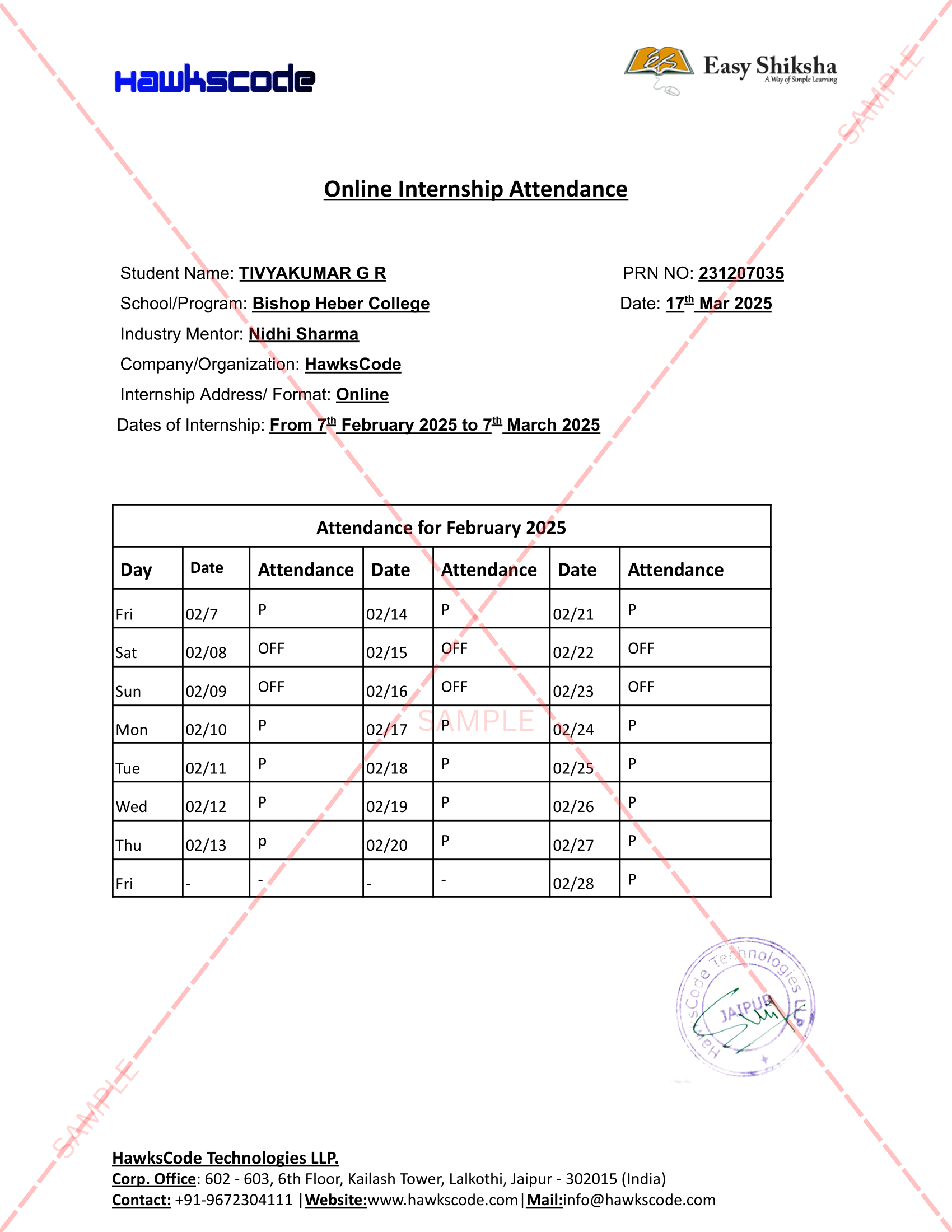
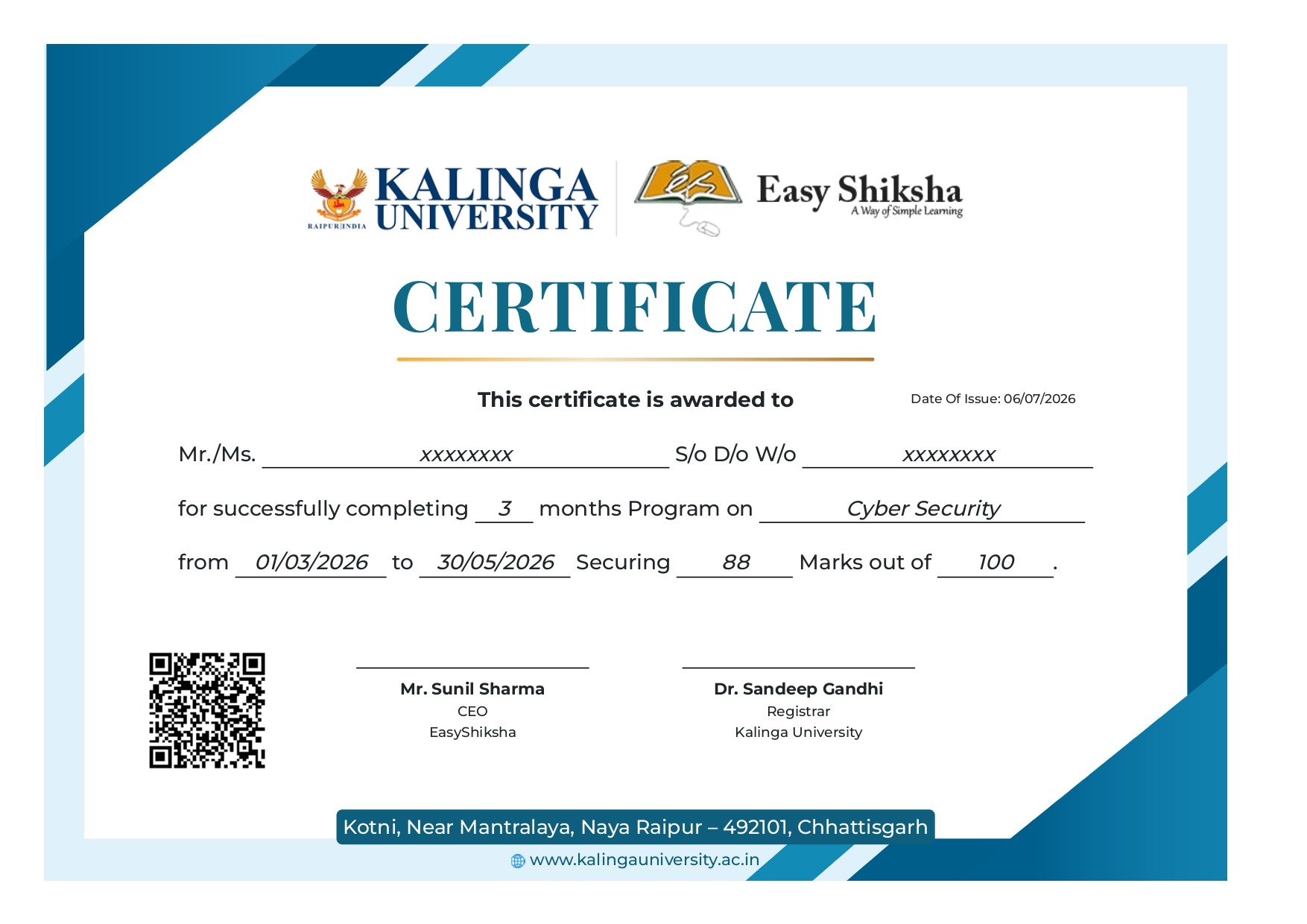
Upon completion, you will receive two certificates: an Internship Certificate and a Course Completion Certificate
Learn conveniently anytime, anywhere.
Access learning materials seamlessly via web or mobile. (Download App)
Learning in a Familiar Language and Building Professional Skills
Some students worry that learning in their preferred language may limit their future career opportunities. This concern often comes from the reality that many professional environments use English for communication, documentation, presentations, and interviews.
The solution is not to discourage familiar-language learning. Instead, students can use it as a foundation for developing professional communication skills. Understanding a concept clearly is the first step. Learning how to describe that concept in a professional language is a separate skill that can be developed through practice.
Meera followed this approach. She studied programming concepts through explanations she understood comfortably, but she also maintained a notebook of common English technical terms. When she completed a project, she practised describing its purpose, tools, and results in English. Gradually, she became more comfortable discussing her work.
This approach helped her develop two forms of competence. The first was conceptual competence: she understood programming principles. The second was communication competence: she learned how to explain those principles in a professional context.
Students can apply the same approach across different fields. A finance learner can understand accounting concepts in a familiar language and practise writing financial summaries in English. A digital marketing student can learn campaign fundamentals through accessible explanations and then develop English-language reports. A healthcare student can understand foundational topics and gradually learn the terminology used in clinical and professional settings.
The objective is to build a bridge between comprehension and communication. Students should not be forced to sacrifice one for the other.
From Learning Confidence to Career Confidence
Meera’s language change eventually influenced how she viewed her career. Earlier, she had considered programming too difficult and believed that students from English-medium backgrounds had an advantage that she could not overcome. As her understanding improved, she began to see technical learning as a skill that could be developed through consistent practice.
This change in confidence did not happen instantly. It developed through small achievements. She completed a beginner course, answered quiz questions, created a simple program, and explained her project to a friend. Each activity gave her practical evidence of progress.
This is why career preparation should begin before graduation. Students who wait until their final semester to explore skills may feel pressure to learn concepts quickly. Starting earlier allows them to experiment, identify interests, and develop a stronger foundation.
Online courses and internships can play a role in this journey. Courses can introduce concepts in a structured way, while practical projects and internships can help students understand how knowledge is applied in real situations. Certificates can record participation and completion, but students should also focus on building demonstrable skills.
EasyShiksha’s emphasis on learning, quizzes, certificates, and internship-oriented opportunities can support students who want to move from theoretical understanding toward practical exposure. For learners facing language barriers, this pathway can be especially useful when the learning experience encourages gradual progress rather than immediate perfection.
Career confidence grows when students can say, “I have learned this concept, practised it, and used it in a task.” Language support can help them reach that stage with greater clarity.
The Connection Between Language, Inclusion, and Equal Opportunity
Educational inclusion involves more than providing access to a digital platform. It also requires attention to whether learners can understand and use the available content. A course may be affordable and accessible through a smartphone, but students may still struggle if the explanations are difficult to follow.
Language-sensitive education can help address this challenge. It can support students who are capable of learning but require explanations that match their existing knowledge and linguistic background. It can also encourage learners who might otherwise avoid certain subjects because they associate them with language-related difficulty.
This is particularly relevant as online education expands beyond major cities. Students from smaller towns and rural communities increasingly explore digital courses, competitive exam preparation, professional skills, and remote internship opportunities. Providing clear and accessible content can help reduce the distance between educational aspiration and practical participation.
Inclusion does not mean assuming that every student from a particular region has the same language preference. Individual learners have different experiences, levels of fluency, and learning needs. A flexible platform should allow students to choose resources that work for them whenever possible.
Students should also be encouraged to develop digital literacy. They need to know how to search for trustworthy information, compare sources, use translation tools responsibly, and recognise when a generated explanation may be inaccurate. Language accessibility and digital literacy can work together to make online learning more effective.
Challenges in Multilingual Digital Education
Although multilingual education offers many benefits, it also involves challenges. Creating high-quality learning content in several languages requires careful translation, subject expertise, and cultural awareness. Direct word-for-word translation may not always communicate the meaning of a technical concept accurately.
Technical terminology can be another challenge. Certain words may be commonly used in English even when the rest of the explanation is delivered in a regional language. Educators need to decide when to translate a term, when to retain the original word, and how to explain its meaning clearly.
Consistency is also important. If a concept is translated differently in different lessons, students may become confused. A reliable glossary and clear explanations can help maintain continuity throughout a course.
There is also a risk of oversimplification. Making content accessible should not mean removing important details or presenting inaccurate information. Learners need explanations that are easy to understand but still academically and professionally meaningful.
Technology-based translation and AI tools can support content development, but human review remains important. Subject experts and language specialists can help ensure that explanations are accurate, natural, and suitable for the intended learners.
Platforms developing multilingual learning experiences should focus on quality, clarity, accessibility, and continuous feedback. Students can contribute by sharing which explanations they find useful and which concepts remain difficult to understand.
How Students Can Build Their Own Multilingual Learning Strategy
Students do not need to wait for a perfect learning platform to begin developing a multilingual learning strategy. They can make small changes to their existing study habits.
The first step is to identify the language in which they understand complex concepts most comfortably. This may be their first language, a regional language, Hindi, English, or a combination of languages. The goal is to recognise which language helps them understand rather than simply which language they use most often.
The next step is to learn the basic concept before focusing heavily on terminology. Students can use familiar-language explanations, visual examples, and beginner-friendly lessons to develop a strong foundation. After understanding the idea, they can learn the English or professional terms associated with it.
Maintaining a personal glossary can be helpful. Students can record important terms, simple meanings, examples, and related vocabulary. Revising the glossary regularly can improve both subject understanding and professional communication.
Students should also practise explaining what they learn. They can describe a concept to a friend, write a short summary, answer quiz questions, or create a small project. Explaining a topic in more than one language can strengthen understanding and reveal gaps in knowledge.
Finally, learners should gradually increase their exposure to professional resources. Once they understand the basics, they can explore English documentation, articles, tutorials, and project instructions. This gradual progression can make the transition less stressful and more purposeful.
How EasyShiksha Can Support a Broader Learning Journey
EasyShiksha operates within a learning environment where students increasingly need flexible access to courses, certificates, quizzes, and practical career-oriented opportunities. A student like Meera can benefit from a learning pathway that allows her to explore concepts, practise knowledge, and gradually prepare for professional expectations.
Online courses can help students begin learning a subject without depending entirely on classroom schedules. Quizzes can support revision and self-assessment. Certificates can provide a record of course participation and completion. Internship-oriented opportunities can introduce learners to practical exposure and help them understand workplace expectations.
For multilingual learners, these resources can become more effective when paired with clear explanations and supportive learning practices. A student may first study a concept through accessible content, use quizzes to check comprehension, and then attempt a project or internship-related task that requires applying the concept.
The value of a learning platform should not be measured only by the number of courses available. It should also be considered in terms of how effectively students can understand content, practise skills, and connect learning with their goals.
EasyShiksha’s broader learning ecosystem can be presented as part of this progression: students can learn foundational concepts, test their understanding, explore different subjects, and work toward career readiness. Language flexibility can strengthen this journey by helping learners engage with educational content more confidently.
However, students should choose resources based on their individual needs, course quality, learning objectives, and practical relevance. A platform can provide opportunities, but consistent practice and personal effort remain essential.
The New World Meera Discovered
After several months of consistent learning, Meera noticed that her interests had expanded. Earlier, she had limited herself to beginner programming videos because she was afraid of not understanding advanced content. Now, she began exploring web development, databases, and basic automation.
Changing her learning language had not magically removed every difficulty. She still encountered unfamiliar terms and complicated lessons. The difference was that she no longer interpreted every difficulty as evidence that she was incapable. She had developed strategies for understanding challenging material.
She could search for an alternative explanation, refer to a glossary, revise a concept, and practise through a small task. She had also become more comfortable asking questions. Instead of remaining silent because she feared making a language mistake, she focused on communicating her doubt clearly.
Her world of knowledge expanded because she became more willing to explore. She discovered that learning was not limited to one classroom, one language, or one type of educational resource. She could combine languages, formats, tools, and practical experiences to create a learning process that suited her needs.
This is an important lesson for students everywhere. Sometimes, progress does not require changing the goal. It requires changing the method used to reach that goal.
Welcome to Career Helper
A Career Concern of EasyShiksha
Career Helper suggests occupations that correspond to your interests, values, aspirations, and personality.
Career Helper consists of:
IQ Test
Basic Test
Advance Test
Psychometric Test
Know your talents, skills, strengths, and weaknesses.
Choose the profession that suits you best.
Get best career guidance by Experts.
Explore various career options in India with EasyShiksha.
Why the Future of Education Must Be More Language-Friendly
The future of education will likely involve greater use of digital platforms, AI-supported tools, online courses, interactive assessments, and practical learning opportunities. As educational resources become more widely available, language accessibility will remain an important consideration.
Students should be able to explore knowledge without feeling that language alone determines their potential. At the same time, education should prepare learners to communicate across languages and professional environments. This requires a balanced approach that supports both conceptual understanding and language development.
Language-friendly education can encourage more students to participate in technology, entrepreneurship, healthcare, finance, design, and other fields. It can help learners recognise that professional knowledge is not reserved for people who already possess advanced language skills.
Educational platforms, teachers, families, and students all have a role to play. Teachers can use clear explanations and examples. Platforms can explore multilingual content and accessible design. Students can develop active learning habits and gradually strengthen their professional vocabulary. Families and communities can encourage learners to experiment without fear of making mistakes.
The most effective approach is likely to be one that treats language as a bridge rather than a barrier. Students should be supported in learning through the language that helps them understand while also developing the communication skills they need for future opportunities.
Conclusion: A Different Language, A Wider Learning Possibility
Meera’s story demonstrates how a small change in learning approach can influence a student’s confidence, understanding, and career ambitions. When she changed the language through which she accessed knowledge, she did not simply make lessons easier. She created space for curiosity, practice, and independent exploration.
Her experience highlights the importance of education that recognises different learning backgrounds and linguistic needs. Students should have opportunities to understand concepts clearly, revise them through quizzes, apply them through projects, and gradually develop the professional language required for future careers.
In the modern digital learning environment, platforms such as EasyShiksha can contribute to this journey by bringing together online courses, certificates, quizzes, and internship-oriented opportunities. When these resources are approached with consistency and practical intent, they can help students move from basic understanding toward stronger skills and career preparation.
Changing the language of learning can sometimes change the learner’s relationship with knowledge itself. It can help students realise that difficulty does not always mean inability. Sometimes, they simply need an explanation, learning format, or support system that allows their potential to become visible.
For every student who feels excluded by complicated language, the message is clear: learning can begin with understanding, grow through practice, and expand through continuous exploration. A different learning language may open the door, but curiosity, effort, and application are what help students discover the world beyond it.
Anshika Jain is an Engineer, Developer, and Educational Content Author known for her dedication to technology and knowledge sharing. With a strong analytical mindset and a passion for innovation, she has consistently contributed to creating meaningful digital solutions and insightful educational articles.
Her ability to simplify complex technical concepts into engaging and easy-to-understand content makes her work valuable for students and learners across various platforms. Along with her technical expertise, Anshika is admired for her creativity, professionalism, and commitment to continuous learning.
She represents a perfect blend of technical excellence and impactful communication, inspiring others through both her development work and educational contributions.