


















What Is B.Com?
Bachelor of Commerce (B.Com) is an undergraduate degree programme focused on commerce, accounting, finance, business and related areas of economic activity. It provides students with foundational knowledge of how businesses and financial systems operate while developing skills in accounting, financial analysis, taxation, business communication and management. Depending on the university, B.Com programmes may be general or structured around a particular specialisation.
B.Com courses can cover areas such as Accounting, Finance, Banking, Taxation, Economics, Business Law, Auditing, Marketing, Financial Management, Business Analytics and related commerce disciplines. Some universities may also offer specialised B.Com programmes aligned with banking, finance, taxation, international business or other professional domains. The availability of B.Com specialisations varies by institution.
B.Com eligibility is determined by the university and programme. Many institutions accept students who have completed Class 12 or an equivalent qualification, while some may specify minimum marks, preferred subjects or other admission conditions. B.Com duration also depends on the university and academic structure.
B.Com programmes may be offered through regular, online, hybrid, distance or other approved learning modes, depending on the institution. Students should verify the officially available mode and academic requirements before admission.
After completing B.Com, graduates can explore opportunities in accounting, finance, banking, taxation, business operations and related areas or pursue postgraduate and professional qualifications. At EasyShiksha, students can explore and compare B.Com programmes by university, specialisation, eligibility, duration, learning mode, curriculum and career relevance.
A program that pairs recognition with real skills
UGC-Recognised Degree
Same institutional recognition as a conventional Bachelor's degree.
Industry-Aligned Curriculum
Built with Sector Skill Councils, not just academic departments.
Direct Employability
Hands-on skill components designed for job-readiness, not just theory.
Clear Progression to M.Com
A natural postgraduate path for further specialisation later.
Universities offering these programs
Compare accreditation and programme count before choosing where to apply.
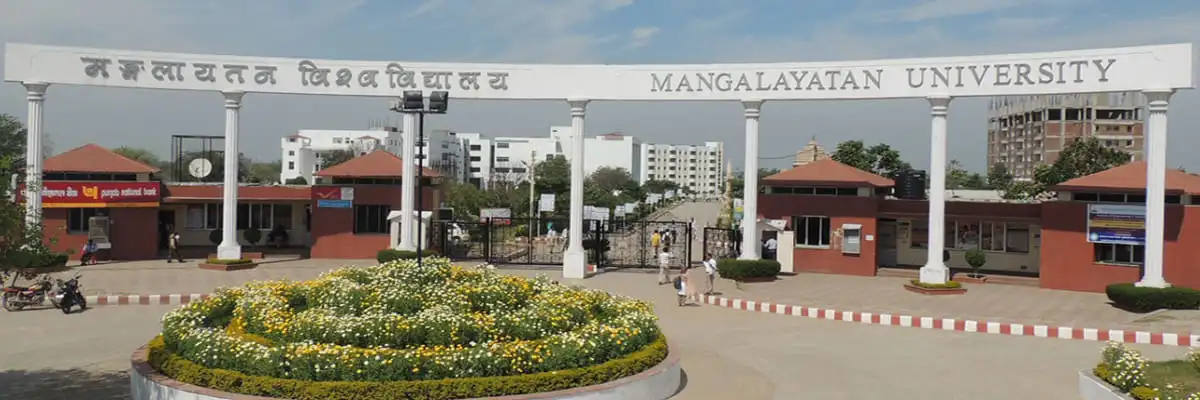
 Mangalayatan University
Mangalayatan University

 Mata Tripura Sundari Open University
Mata Tripura Sundari Open University
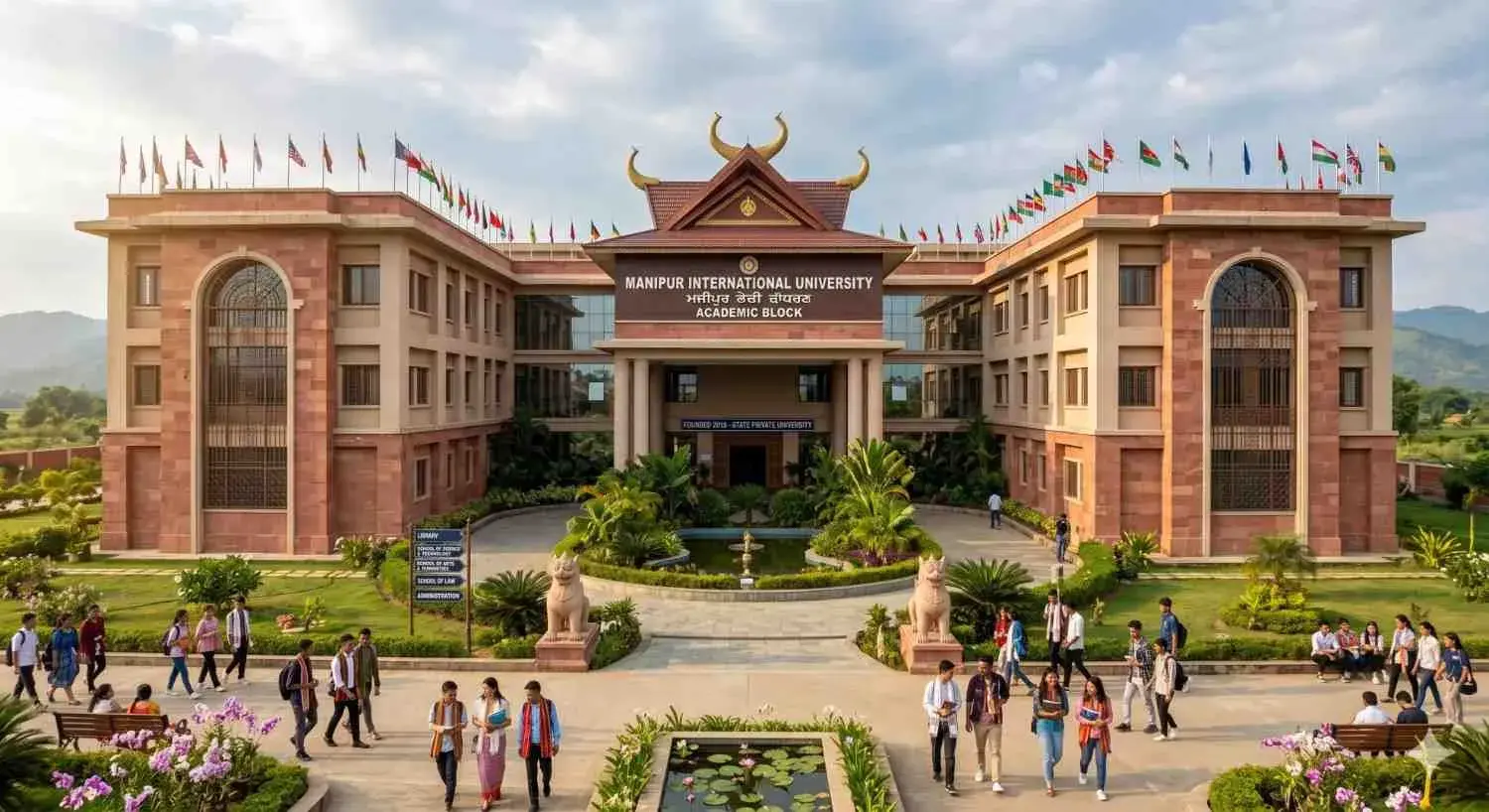
 Manipur International University
Manipur International University
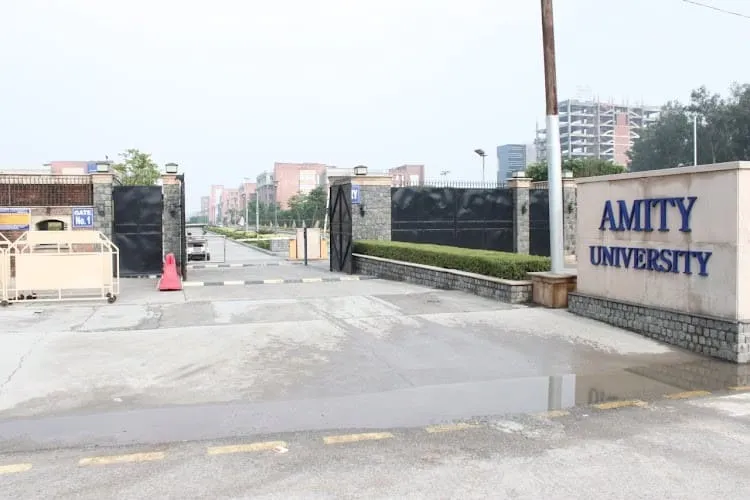
 Amity University
Amity University
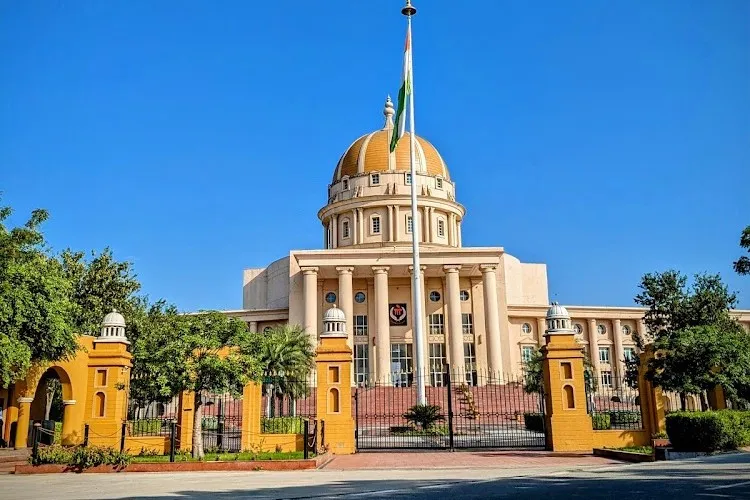
 Manipal University Jaipur
Manipal University Jaipur
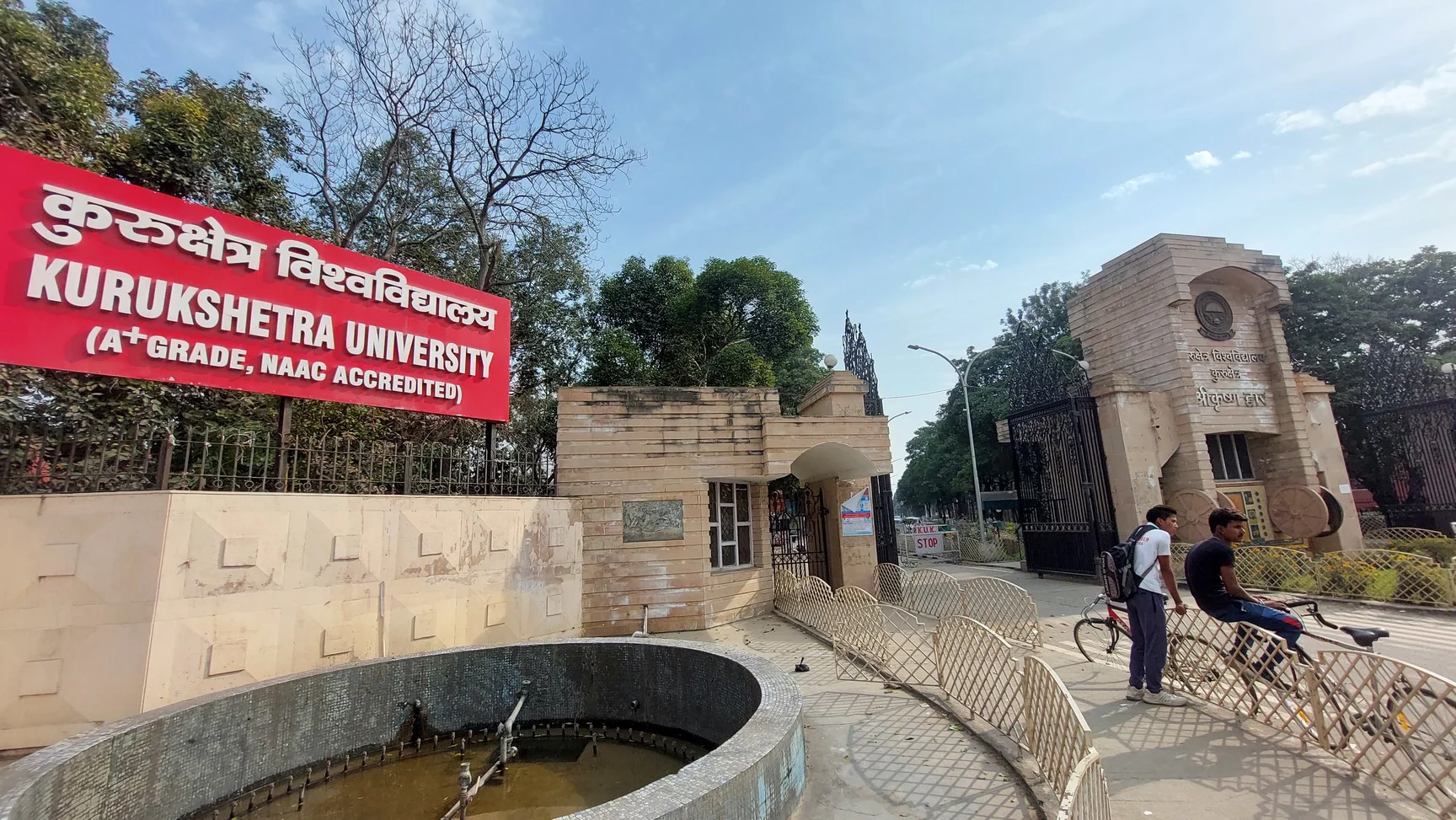
 Kurukshetra University
Kurukshetra University

 GLA University
GLA University

 Sikkim Manipal University
Sikkim Manipal University

 Shoolini University
Shoolini University
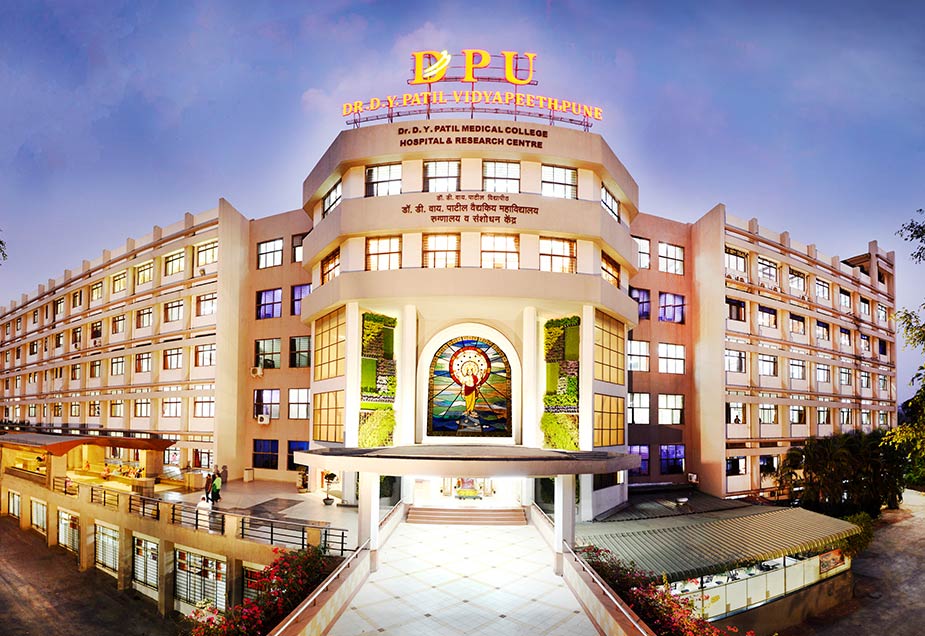
 Dr. D. Y. Patil Vidyapeeth Pune
Dr. D. Y. Patil Vidyapeeth Pune

 Amrita Vishwa Vidyapeetham
Amrita Vishwa Vidyapeetham
 SVKM's Narsee Monjee Institute of Management Studies (NMIMS)
SVKM's Narsee Monjee Institute of Management Studies (NMIMS)
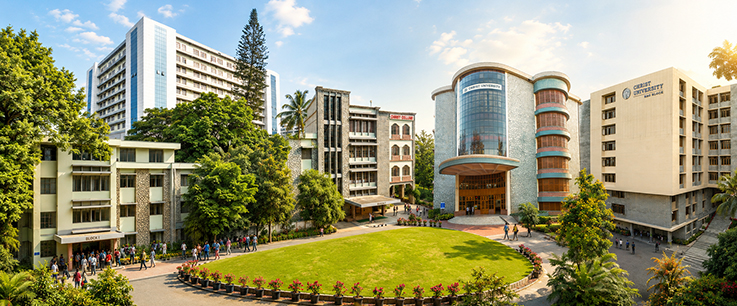
 Christ University
Christ University
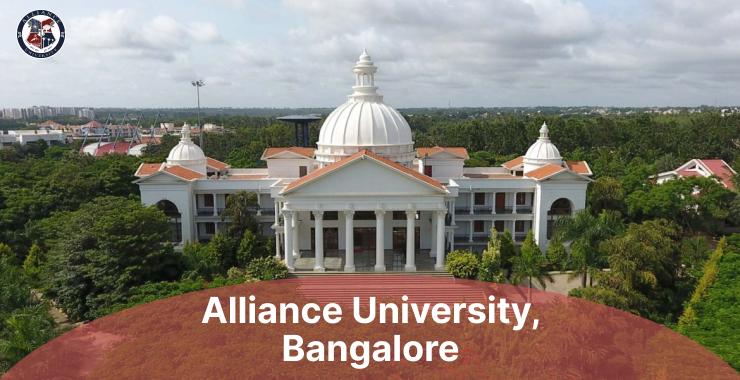
 Alliance University
Alliance University

 MK University Patan
MK University Patan

 Duke International University
Duke International University

 Sikkim Global Technical University
Sikkim Global Technical University

 Atal Bihari Vajpayee Skill University
Atal Bihari Vajpayee Skill University

 Swami Vivekanand Subharti University
Swami Vivekanand Subharti University
What learners say
"The program gave me a good balance of management concepts and practical business knowledge. The structure was easy to follow."
"I was looking for something that would help me understand digital marketing beyond just social media. The specialization covered a lot of useful areas."
"The curriculum starts with the fundamentals and gradually moves into more advanced topics, which worked really well for me as a beginner."
Frequently asked questions
What is a B.Com programme? +
B.Com stands for Bachelor of Commerce and is an undergraduate degree focused on commerce, accounting, finance and business-related subjects. Depending on the university, students may study accounting, economics, taxation, auditing, business law, financial management and other areas. The curriculum and specialisations vary across institutions.
What is the full form of B.Com? +
The full form of B.Com is Bachelor of Commerce. It is an undergraduate programme designed to provide knowledge of commerce, finance, accounting and business. Universities may offer general or specialised B.Com courses, with differences in curriculum, eligibility, duration, learning mode and admission requirements.
Is B.Com an undergraduate degree? +
Yes, B.Com is generally an undergraduate degree programme. It is commonly pursued after completing Class 12 or an equivalent qualification, subject to university-specific eligibility requirements. Students can choose general or specialised commerce programmes depending on their academic interests and the options offered by the selected university.
What is the duration of a B.Com programme? +
B.Com duration varies depending on the university, programme structure and applicable academic regulations. Different institutions may follow different semester arrangements or curriculum structures. Students should refer to the official programme information for the exact duration, number of semesters and any additional academic requirements before applying.
What is the eligibility for B.Com? +
B.Com eligibility varies by university and programme. Many institutions accept students who have completed Class 12 or an equivalent qualification, while some may specify minimum marks or particular subjects. Students should review the official admission requirements of the selected B.Com programme because eligibility criteria are not identical across universities.
What specialisations are available in B.Com? +
B.Com specialisations can include Accounting, Finance, Banking, Taxation, Economics, Auditing, Financial Management, Business Law, Marketing and Business Analytics. The exact options differ between universities. Some institutions may offer general B.Com programmes with elective subjects instead of formal specialisations, so students should review the specific curriculum.
Can I pursue B.Com online? +
Yes, some universities may offer B.Com through online, distance or other flexible learning modes. Availability and programme structure depend on the institution. Students should verify the officially available learning mode, examination process, curriculum, academic support and applicable recognition or regulatory requirements before enrolling in an online B.Com programme.
What is the difference between B.Com and BBA? +
B.Com generally places greater emphasis on commerce, accounting, finance, taxation and related subjects, while BBA focuses more broadly on business administration and management. However, there can be considerable subject overlap. Students should compare specific programmes based on curriculum, specialisation, career interests and future study plans rather than relying only on the degree title.
What can I do after completing a B.Com? +
After B.Com, graduates can explore areas such as accounting, finance, banking, taxation, auditing, business operations and related commerce fields, depending on their skills and qualifications. They may also pursue M.Com, MBA, professional certifications or other postgraduate programmes where eligible. Career opportunities depend on specialisation, practical skills, experience and industry requirements.
How can I choose the right B.Com programme or university? +
What is B.Com?
Bachelor of Commerce (B.Com) is an undergraduate programme designed to provide academic knowledge in commerce, accounting, finance and business-related subjects. It introduces students to concepts that support understanding of financial transactions, business operations and commercial activities. Depending on the curriculum, students may study accounting, economics, taxation, auditing, business law, finance, management and other related subjects.
Why Choose a B.Com?
A B.Com can be suitable for students interested in accounting, finance, banking, taxation, business and commerce. The programme can help learners develop numerical, analytical, financial and business communication skills. It can also provide a foundation for professional qualifications and postgraduate education. Students should select a B.Com programme based on their preferred subject areas and long-term academic or career objectives.
B.Com Specialisations / Domains
B.Com specialisations vary among universities. Depending on the institution, students may find programmes or electives related to Accounting, Finance, Banking, Taxation, Economics, Auditing, Financial Management, Business Law, Marketing and Business Analytics. Some universities may offer industry-focused commerce programmes. Students should compare the exact curriculum, electives and specialisation structure before choosing a course.
B.Com Eligibility and Duration
B.Com eligibility varies by university and programme. Many institutions accept candidates who have completed Class 12 or an equivalent qualification, while some may specify minimum marks, subject requirements or other admission conditions. B.Com duration depends on the programme structure and applicable academic regulations. Students should check the official university information for exact eligibility and duration.
B.Com Learning Modes
B.Com programmes may be offered through regular, online, hybrid, distance or other approved learning formats, depending on the university. Requirements for classes, assignments, examinations, projects and academic interaction may differ by mode. Students should verify the officially available learning mode, assessment process and applicable recognition or regulatory requirements before enrolling.
Career and Higher Education Opportunities
A B.Com can provide a foundation for opportunities in accounting, finance, banking, taxation, auditing, business operations, sales and other commerce-related areas. Career pathways depend on the student's specialisation, practical skills and experience. Graduates may also pursue postgraduate education such as M.Com, MBA or other relevant programmes, as well as professional qualifications where eligible.
Explore B.Com Programmes on EasyShiksha
At EasyShiksha, students can explore and compare B.Com programmes offered by universities across commerce, accounting, finance and business-related domains. Learners can evaluate universities, specialisations, eligibility, duration, learning mode, curriculum, admission requirements and career relevance. Comparing these factors can help students identify a B.Com programme aligned with their academic interests and future professional or higher-study plans.
Ready to apply?
Browse all programmes above and start your application in minutes.
View B.Com Programmes


















