






B.Sc - Bachelor of Science
Explore B.Sc courses and degree programmes on EasyShiksha. Compare universities, specialisations, eligibility, duration and learning modes to find the right B.Sc programme.
What Is B.Sc?
Bachelor of Science (B.Sc) is an undergraduate degree programme focused on scientific knowledge, analytical thinking and subject-specific study. It is designed for students who want to develop a strong academic foundation in science and related disciplines through theoretical learning, practical work and, depending on the programme, laboratory or project-based study. The exact curriculum, eligibility, duration and specialisations vary by university.
B.Sc courses are available across a wide range of scientific and applied fields. Common B.Sc specialisations include Physics, Chemistry, Mathematics, Biology, Biotechnology, Computer Science, Information Technology, Environmental Science, Microbiology, Zoology, Botany, Statistics and other specialised areas. Universities may also offer interdisciplinary and industry-oriented B.Sc programmes.
B.Sc eligibility depends on the university and chosen specialisation. Many programmes require completion of Class 12 or an equivalent qualification, with specific subjects or minimum marks where applicable. However, admission requirements can vary significantly between programmes. B.Sc duration also depends on the university and academic structure.
B.Sc programmes may be offered through regular, online, hybrid, distance or other approved modes where applicable. Science programmes involving laboratory or practical components may have specific participation requirements.
After completing a B.Sc, graduates can explore opportunities related to their specialisation or pursue postgraduate education, professional certifications, research and other advanced learning pathways. At EasyShiksha, students can explore and compare B.Sc programmes by university, specialisation, eligibility, duration, curriculum, learning mode and career relevance.
A program that pairs recognition with real skills
UGC-Recognised Degree
Same institutional recognition as a conventional Bachelor's degree.
Industry-Aligned Curriculum
Built with Sector Skill Councils, not just academic departments.
Direct Employability
Hands-on skill components designed for job-readiness, not just theory.
Clear Progression to M.Sc
A natural postgraduate path for further specialisation later.
Universities offering these programs
Compare accreditation and programme count before choosing where to apply.
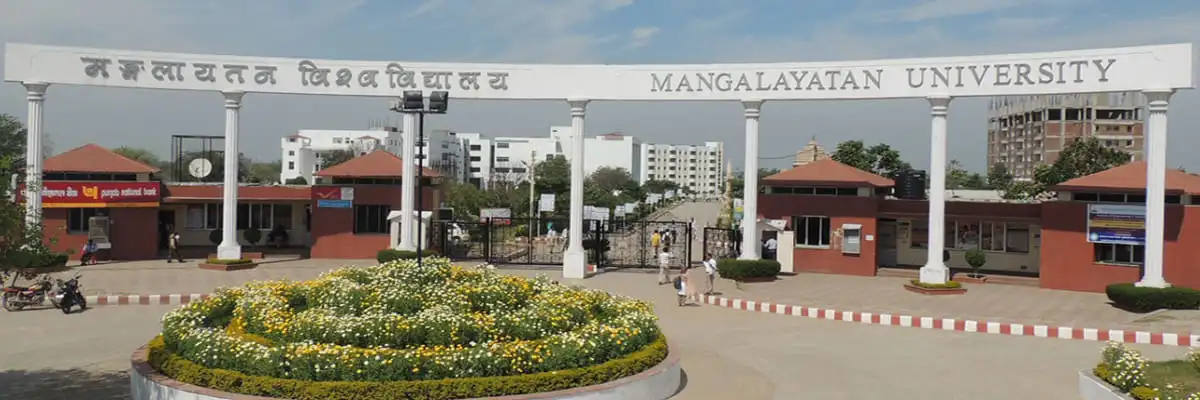
 Mangalayatan University
Mangalayatan University
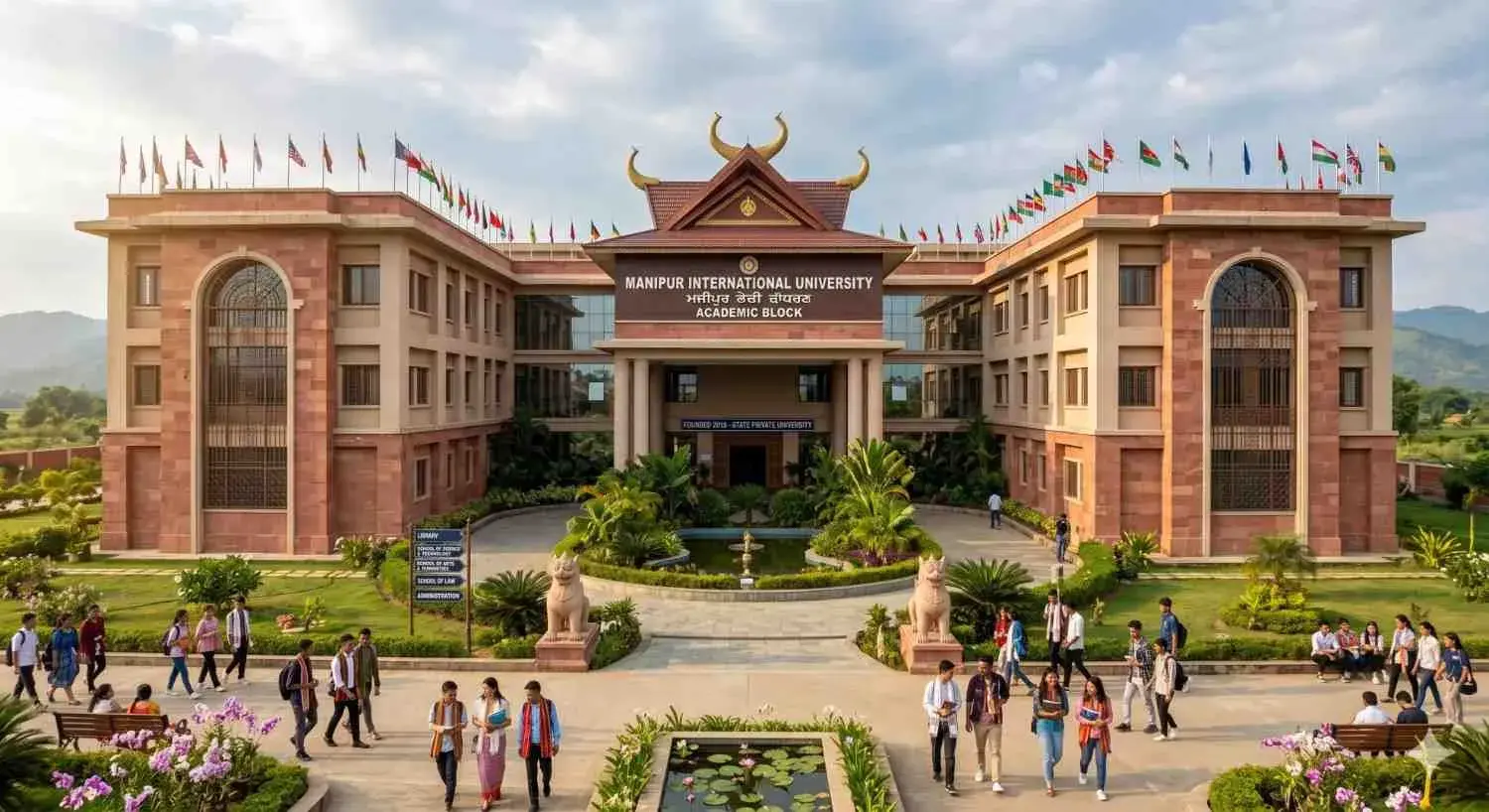
 Manipur International University
Manipur International University

 MK University Patan
MK University Patan

 Duke International University
Duke International University

 Atal Bihari Vajpayee Skill University
Atal Bihari Vajpayee Skill University

 Sikkim Global Technical University
Sikkim Global Technical University
What learners say
"I wanted a program focused on skills I could actually use. The web development content gave me a much clearer understanding of how websites are built."
"The course helped me understand project planning, timelines and team coordination in a much more structured way. It has been useful alongside my work."
"I enjoyed the creative side of the program, but I also liked that it introduced the practical thinking needed to design for real projects and audiences."
Frequently asked questions
What is a B.Sc programme? +
B.Sc stands for Bachelor of Science and is an undergraduate degree programme focused on scientific and related disciplines. It combines theoretical learning with practical or laboratory-based education where applicable. Students can specialise in areas such as Physics, Chemistry, Mathematics, Biology, Computer Science and other fields depending on the university.
What is the full form of B.Sc? +
The full form of B.Sc is Bachelor of Science. It is an undergraduate academic programme covering scientific, mathematical, technological and related disciplines. B.Sc courses may be general or specialised, with the available subjects, curriculum, eligibility and learning format varying according to the university.
Is B.Sc an undergraduate degree? +
Yes, B.Sc is generally an undergraduate degree. It is commonly pursued after completing higher secondary education or an equivalent qualification, subject to university-specific admission requirements. The programme provides specialised education in a selected scientific or applied discipline and can also serve as a foundation for postgraduate study.
What is the duration of a B.Sc programme? +
B.Sc duration varies according to the university, specialisation, programme structure and applicable academic regulations. Different institutions may follow different semester or curriculum structures. Students should check the official programme information for the exact duration, number of semesters and any practical or project requirements associated with the selected B.Sc course.
What is the eligibility for B.Sc? +
B.Sc eligibility varies by university and specialisation. Many programmes require Class 12 or an equivalent qualification, while science-related courses may specify subjects such as Physics, Chemistry, Mathematics or Biology. Some institutions may also prescribe minimum marks or entrance requirements. Students should check the official eligibility criteria before applying.
What specialisations are available in B.Sc? +
B.Sc specialisations can include Physics, Chemistry, Mathematics, Biology, Biotechnology, Computer Science, Information Technology, Environmental Science, Microbiology, Zoology, Botany and Statistics. Universities may also offer specialised interdisciplinary programmes. The availability of B.Sc specialisations differs between institutions, so students should compare the curriculum and subject requirements of individual courses.
Can I pursue B.Sc online? +
Some B.Sc programmes may be available through online or other flexible learning modes, depending on the university and programme. However, science courses involving laboratories, practical sessions or fieldwork may have specific requirements. Students should verify the officially approved learning mode, practical components, examination process and other requirements before enrolling in an online B.Sc programme.
What is the difference between B.Sc and B.Tech? +
B.Sc generally focuses on scientific knowledge and subject-based academic study, while B.Tech is primarily oriented towards engineering and technology applications. There can be overlap in areas such as computer science and data-related fields. Students should compare the curriculum, practical components, specialisation, eligibility and intended career or higher-study pathway of specific programmes.
What can I do after completing a B.Sc? +
After B.Sc, graduates can explore opportunities related to their specialisation or pursue further education such as M.Sc and other postgraduate programmes. Depending on the field, they may also consider research, laboratory, technology, education, data or environmental pathways. Career options depend on the chosen specialisation, skills, experience and requirements of the relevant sector.
How can I choose the right B.Sc programme or university? +
What is B.Sc?
Bachelor of Science (B.Sc) is an undergraduate degree that provides structured education in science and related disciplines. Students generally study foundational concepts before progressing to specialised subjects. Depending on the programme, learning can include lectures, laboratory sessions, practical exercises, projects, assignments and research-oriented activities. The exact academic structure varies according to the university and selected specialisation.
Why Choose a B.Sc?
A B.Sc can be suitable for students interested in scientific subjects, analytical problem-solving and specialised knowledge. The programme allows learners to build a foundation in a chosen discipline while developing observation, analytical and research-oriented skills. It can also provide a pathway towards postgraduate study and further specialisation. Students should select a B.Sc programme based on their interests and long-term academic or professional goals.
B.Sc Specialisations / Domains
B.Sc specialisations cover numerous scientific and applied fields. Depending on the university, students may find programmes in Physics, Chemistry, Mathematics, Biology, Biotechnology, Computer Science, Information Technology, Environmental Science, Microbiology, Zoology, Botany and Statistics. Some universities may also offer specialised or interdisciplinary B.Sc courses. Availability, curriculum and subject combinations differ across institutions.
B.Sc Eligibility and Duration
B.Sc eligibility varies by university and specialisation. Many programmes require completion of Class 12 or an equivalent qualification, while science-based courses may specify subjects such as Physics, Chemistry, Mathematics or Biology. Minimum marks and admission procedures can also vary. B.Sc duration depends on the programme structure and applicable academic regulations, so students should verify the official details.
B.Sc Learning Modes
B.Sc programmes may be available through regular, online, hybrid, distance or other approved learning formats, depending on the university and programme. However, science courses with laboratory, fieldwork or practical requirements may have specific learning and attendance conditions. Students should confirm the officially offered mode, practical requirements, examination format and other academic conditions before admission.
Career and Higher Education Opportunities
A B.Sc can provide a foundation for further study and professional development in the chosen scientific or applied field. Depending on their specialisation, graduates may explore opportunities in laboratories, technology, research support, education, data-related work, environmental fields and other sectors. Many students also pursue M.Sc, professional certifications, research programmes or other postgraduate qualifications. Career outcomes depend on specialisation, skills, experience and industry requirements.
Explore B.Sc Programmes on EasyShiksha
At EasyShiksha, students can explore and compare B.Sc programmes offered by universities across different scientific and applied disciplines. Learners can evaluate universities, B.Sc specialisations, eligibility, duration, curriculum, learning mode, practical components and career relevance. Comparing these factors can help students identify a B.Sc course that matches their academic interests and supports their intended higher-study or professional pathway.
Ready to apply?
Browse all programmes above and start your application in minutes.
View B.Sc Programmes