Traditional internship programmes often focus on assigning students new projects, asking them to develop applications, create prototypes, conduct research, or complete specific technical tasks within a limited period. Although these activities provide valuable practical experience, they do not always reflect the responsibilities professionals encounter in actual organisations. In many workplaces, employees rarely begin every project from the beginning. Instead, they inherit existing systems, understand decisions made by previous teams, investigate unresolved problems, maintain established workflows, and introduce improvements without disrupting ongoing operations. This creates an important learning opportunity for internship programmes: students can develop professional capabilities by maintaining projects that were designed, implemented, and partially completed by previous learners.
Operational continuity challenges emerge when a student receives responsibility for a project that another intern, student group, or previous learning cohort has already developed. The incoming learner must understand the project's purpose, examine its existing structure, identify incomplete work, investigate technical limitations, and ensure that essential functions continue working. The challenge becomes more complex when documentation is incomplete, original contributors are unavailable, technical decisions are unclear, or the project depends on tools and processes that the new learner has never used. Rather than simply completing assigned tasks, students must preserve existing value while gradually improving the system.
For EasyShiksha, this approach creates an opportunity to connect online learning with long-term practical experience. Courses can introduce the technical concepts required to understand and maintain projects, while internships can place students in structured project environments where continuity, documentation, troubleshooting, collaboration, and responsible development become essential responsibilities. This model can help students understand that professional competence involves more than creating something new. It also requires the ability to protect, maintain, evaluate, and improve work that already exists.
Understanding Operational Continuity in Student Internships
Operational continuity refers to an organisation's ability to keep important activities, systems, services, or projects functioning despite changes in personnel, responsibilities, technology, or working conditions. In a professional environment, projects often continue across multiple employee transitions, departmental changes, and development cycles. A software application may be maintained by several development teams over many years, while a research initiative may pass through different groups of students before reaching its final stage. The success of such projects depends on whether incoming contributors can understand the existing work and continue it without losing essential knowledge.
When applied to internships, operational continuity means designing learning experiences in which students inherit projects rather than always receiving completely new assignments. The previous learner may have developed the initial version of a website, created a database structure, prepared a research dataset, designed a marketing automation workflow, or built an early-stage product prototype. The incoming intern must first examine the existing project before deciding what should happen next. This creates a more realistic professional situation because the learner is required to work within established technical and operational conditions.
The distinction between project creation and project continuity is particularly important. Creating a new application allows developers to choose technologies, structures, naming conventions, and development methods according to their preferences. Maintaining an inherited application requires understanding decisions that may already have been made for reasons that are not immediately visible. A student cannot simply replace an existing framework, redesign the database, or rewrite an entire component without considering the consequences for users and other connected systems. The learner must evaluate the existing environment before introducing changes.
This approach also changes how internship performance can be assessed. Traditional programmes may measure success through completed tasks, submitted reports, or final project demonstrations. Continuity-based internships can additionally evaluate whether students preserved existing functionality, understood previous decisions, maintained reliable records, and improved the project without introducing unnecessary disruption. Such assessment provides a broader understanding of professional readiness.
Why Projects Should Continue Across Multiple Learning Cohorts
Many educational projects lose their practical value when an internship or academic term ends. Students may create useful applications, research resources, digital platforms, or prototypes, but the work often remains inactive after the original contributors complete their programmes. In some cases, the next group begins an entirely different project even when an earlier initiative could have been expanded or improved. This creates repeated development effort and prevents students from experiencing the long-term responsibilities associated with maintaining a working system.
Continuing projects across learning cohorts can reduce this disconnect. Instead of treating every internship as an isolated activity, educational platforms and institutions can establish project lifecycles that extend beyond individual student participation. One cohort can develop the initial structure, another can test its functionality, and a later group can improve performance, accessibility, security, or usability. Each group contributes to a shared outcome while learning from the decisions and mistakes of previous contributors.
For example, a group of students enrolled in a web development internship might create an online course discovery portal. Their work could include user registration, course listings, category filters, and a basic administrative dashboard. When their internship ends, another group could inherit the application and evaluate its code quality, identify interface problems, improve search functionality, and resolve technical issues. A subsequent cohort could introduce analytics, accessibility improvements, or additional integration features. The project becomes a continuing learning environment rather than a temporary submission.
This structure also creates opportunities for progressive skill development. Beginners can work on documentation, testing, interface improvements, and basic maintenance, while more experienced students can handle architecture reviews, performance optimisation, database migration, or security assessments. The project can therefore support different competency levels without requiring every participant to perform the same work.
For EasyShiksha, such continuity can connect courses and internships through a shared practical framework. A learner may first complete a JavaScript or React course, then join an internship involving an existing application developed by earlier participants. After gaining experience, the learner may become responsible for reviewing documentation or mentoring the next cohort. This progression can make learning more connected to real project responsibilities.
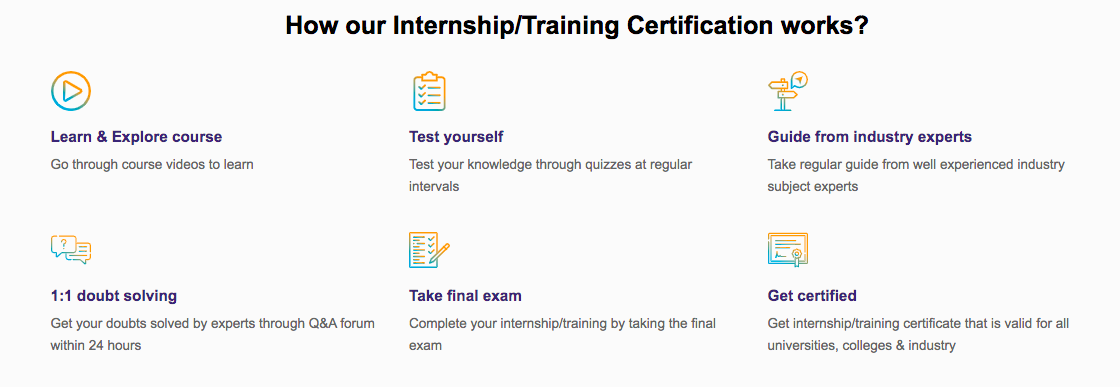
How EasyShiksha Internship/Training Program Works
The First Challenge: Understanding an Inherited Project
The first responsibility of a student entering an inherited project is not necessarily to begin development. It is to understand what already exists. This process can be difficult because the incoming learner does not have direct access to every decision made by the previous team. The student must reconstruct the project's purpose, technical structure, current condition, and outstanding requirements using available documentation, source files, project records, and testing results.
In software development, understanding an inherited project may involve examining its folder structure, programming languages, frameworks, dependencies, database relationships, application routes, and deployment configuration. A website created with WordPress may contain customised themes, page templates, plugins, and database dependencies that are not immediately obvious. A React application may include reusable components, state-management logic, API connections, and environment-specific settings. Before modifying anything, the student needs to understand how these elements interact.
The challenge is not limited to technology. Students maintaining a research project may need to understand the original research question, sampling methodology, data collection procedures, analytical assumptions, and limitations. A digital marketing project may require examining the previous team's campaign objectives, audience segments, content calendar, performance metrics, and conversion tracking arrangements. Every project type contains a history that influences its future direction.
An effective internship programme should therefore include an initial project familiarisation phase. During this period, the learner reviews the available material, explores the working environment, observes the existing system, and prepares a clear understanding of its current condition. The student should be encouraged to distinguish between confirmed information, assumptions, and unresolved questions. This reduces the likelihood of making changes based on incomplete understanding.
The ability to investigate unfamiliar work is an important professional skill. In many organisations, employees are expected to join projects that were developed by people with different experience levels, working styles, and technical preferences. Students who practise this process during internships can develop greater confidence when entering established professional environments.
Documentation Gaps and the Loss of Institutional Knowledge
One of the most significant problems in project continuity is incomplete documentation. Previous learners may have understood the project perfectly because they created its original components, but their knowledge may never have been transferred into written records. When they leave, important information can disappear with them. The incoming student may discover that the application works but cannot determine why a particular dependency was selected, how a database field is used, or which features should not be modified.
This problem is often described as knowledge loss, and it can affect projects of every size. A developer might have implemented a workaround for an unusual API response without explaining the reason. A research student might have excluded certain records during data cleaning without documenting the criteria. A marketing intern might have created an automated campaign sequence that depends on specific audience conditions. If these decisions are not recorded, future contributors may repeat previous mistakes or unintentionally remove essential functionality.
Documentation should therefore become an operational responsibility rather than an optional final task. Students should maintain project overviews, technical instructions, configuration records, testing procedures, known limitations, and change histories. The documentation should explain not only what the project contains but also how its major components work together. Where appropriate, it should record why significant decisions were made and identify areas requiring further investigation.
A useful continuity practice is to maintain a project handover document at the end of every internship cycle. This document should describe the current project status, completed improvements, unresolved defects, known risks, available resources, and recommended next steps. It should also identify which parts of the project have been tested and which remain unverified. Such information gives incoming students a reliable starting point.
EasyShiksha can integrate documentation exercises into relevant online courses and internship programmes. Students learning web development, data analytics, cybersecurity, or digital marketing can practise creating professional documentation alongside technical assignments. This helps them understand that professional work is not complete simply because a feature functions correctly. It must also be understandable and maintainable by others.
Managing Technical Debt in Projects Built by Previous Learners
Technical debt develops when a project accumulates design compromises, outdated dependencies, inefficient code, incomplete testing, or temporary solutions that eventually become difficult to maintain. These issues can appear in projects created by professional teams as well as student groups. An earlier learner may have selected a quick implementation because of limited time, insufficient experience, or changing requirements. Although the decision may have been reasonable at that moment, the resulting structure can create additional work for future contributors.
Students inheriting such projects must learn to recognise the difference between a genuine defect and a design choice that simply differs from their personal preferences. Not every unfamiliar coding style requires immediate replacement, and not every older component needs to be rewritten. Large-scale modifications can introduce new errors, consume internship time, and disrupt functionality that users already depend on. The incoming student should first assess the actual impact of the problem.
For instance, an inherited website may contain repeated CSS rules, inconsistent component structures, and outdated JavaScript functions. A beginner might be tempted to redesign the entire frontend. However, a more responsible approach would be to identify which problems affect usability, performance, accessibility, or maintainability. The student can then prioritise improvements according to their risk and importance.
Technical debt assessment can also introduce learners to professional engineering practices. Students can examine dependency versions, identify unsupported libraries, review error logs, test important workflows, and inspect areas of duplicated logic. They can prepare a maintenance plan that separates urgent corrections from improvements that can be scheduled for later stages. This encourages decision-making based on evidence rather than personal preference.
For EasyShiksha, online courses can introduce students to clean coding practices, version control, software testing, dependency management, and application maintenance before they enter continuity-based internships. Practical assignments can then require learners to identify technical debt in an existing project and recommend proportionate improvements. Such experiences connect theoretical knowledge with the realities of maintaining software over time.
Maintaining Functionality Without Disrupting Existing Users
A project that has already been used by people carries responsibilities that are different from those associated with an experimental classroom assignment. Even a student-developed application may contain user accounts, submitted forms, stored records, research information, or connected services. Changes that appear small to the developer can affect the experience of users or the operation of other components.
For this reason, continuity-based internships should introduce students to the principle of controlled modification. Before making changes, learners should understand which features are essential, which components depend on one another, and what could happen if a modification fails. They should use appropriate development or testing environments rather than experimenting directly on live systems without supervision.
Consider an inherited course registration platform. A student may be assigned to improve the registration form by adding new fields or changing validation rules. However, those fields may connect to database tables, administrative reports, email notifications, or external systems. If the student changes the form without understanding these dependencies, existing records may become inconsistent or registration notifications may stop working. A seemingly simple interface update can therefore create a wider operational problem.
Students should learn to test modifications before they are released. This may involve checking core user journeys, comparing expected and actual outputs, testing different input conditions, and reviewing error messages. Where source control is available, changes should be recorded through meaningful commits and reviewed before integration. A rollback procedure should also be understood so that a failed change can be reversed without losing important work.
These practices are relevant beyond software development. A learner maintaining a research database should preserve the original dataset and document transformations. A student continuing a marketing campaign should verify audience rules before changing automation settings. A learner managing an educational content platform should review existing links, access permissions, and publishing schedules before making structural changes.
Operational continuity teaches students that improvements must be introduced responsibly. The objective is not simply to make a project different, but to make it better while preserving the functions and information that still provide value.
Version Control as a Foundation for Learning Continuity
Version control provides a structured way to record changes made to project files over time. It allows contributors to understand what changed, when the change occurred, and which development activity introduced it. In projects involving multiple learning cohorts, this capability becomes particularly valuable because incoming students can examine the development history instead of relying entirely on verbal explanations.
Tools such as Git allow students to create branches, record commits, review differences, and combine changes through controlled workflows. An incoming learner can examine the previous cohort's contributions and identify which features were added or modified. If a new change causes an error, the development history can help locate the source of the problem and support recovery.
However, version control should not be treated merely as a tool for uploading code. Students need to understand how to create meaningful commit messages, organise branches, review changes, resolve conflicts, and protect important project versions. These practices make the development process more transparent and reduce confusion when multiple contributors work on the same system.
Version history also creates an opportunity to recognise individual contributions. When several students work on a shared project, it may be difficult to distinguish personal achievements from collective results. Recorded changes, reviewed tasks, testing reports, and documentation updates can provide evidence of each learner's involvement. This can support more credible internship assessment and create a clearer record of practical experience.
EasyShiksha can include version-control exercises in programming courses and use them in internship assessments. Students could be evaluated on the quality of their contributions, their ability to review previous changes, and their understanding of how their work affects the larger project. This would help learners develop habits that are widely applicable in collaborative technical environments.
The Role of Structured Handover Between Student Cohorts
A successful handover connects the work of outgoing learners with the responsibilities of incoming participants. Without a structured process, the next cohort may spend much of its internship trying to understand the project, repeating completed tasks, or correcting problems that could have been explained in advance. A handover process reduces this uncertainty by transferring relevant knowledge in a consistent and accessible manner.
The outgoing group should explain the project's current condition, demonstrate important workflows, identify incomplete assignments, and clarify known limitations. Incoming students should have an opportunity to ask questions and independently verify the information. A handover should not depend exclusively on a presentation or meeting because important details may be forgotten. Written records, project repositories, testing instructions, and demonstrations should work together to provide a more reliable transfer of knowledge.
A useful approach is to introduce a transition period in which outgoing and incoming cohorts overlap. During this period, previous contributors can explain the system while incoming learners perform supervised tasks. The new group can then demonstrate its understanding by explaining the architecture, reproducing important workflows, or completing a small maintenance activity. This creates an opportunity to identify misunderstandings before full responsibility is transferred.
Where overlap is not possible, recorded demonstrations and carefully maintained documentation can provide continuity. Project mentors should also remain available for questions about decisions that cannot be understood from technical files alone. However, the objective should be to reduce dependence on individual contributors over time by making essential knowledge accessible through the project itself.
For EasyShiksha internships, a standardised handover structure could make long-running student projects easier to manage. Each cohort could complete its internship by preparing a project status report, updating documentation, recording outstanding issues, and explaining the next stage of development. The incoming cohort could begin with a structured review rather than an entirely unfamiliar assignment.
Developing Problem-Solving Skills Through Unexpected Project Conditions
Inherited projects rarely match the expectations of incoming learners perfectly. Students may encounter missing files, broken integrations, outdated instructions, unexpected errors, or features that behave differently from their documentation. These situations can create frustration, particularly when learners expect internships to provide clearly defined tasks and immediate guidance. However, they also create valuable opportunities to develop practical problem-solving abilities.
In a conventional classroom exercise, students often receive all the information required to reach a solution. An inherited project may provide only partial information. The learner must investigate the problem, collect evidence, compare possible explanations, and decide which action is most appropriate. This reflects the uncertainty found in professional environments, where employees frequently work with incomplete records and unfamiliar systems.
For example, a student maintaining an existing application might discover that a dashboard displays incorrect information. The problem could originate in the frontend, API response, database query, or data-processing logic. Changing the visible component without investigating the source may hide the symptom while leaving the actual problem unresolved. A more effective approach involves reproducing the issue, checking the available evidence, tracing the relevant workflow, and testing possible explanations.
The same reasoning applies to non-technical projects. A student continuing a research initiative may find that new data does not match the original assumptions. Rather than forcing the new information into the previous model, the learner must examine the methodology and determine whether the research design requires adjustment. A marketing intern may discover that a campaign's performance has changed because the audience, platform, or market conditions have evolved.
Continuity-based internships can therefore assess the quality of a student's investigation rather than measuring only the speed of task completion. Learners should be encouraged to explain what they observed, why they selected a particular solution, what alternatives they considered, and how they verified the outcome. This develops analytical thinking and professional judgement.
Collaboration Across Different Skill Levels and Working Styles
Projects maintained by multiple student cohorts naturally involve contributors with different levels of experience. An incoming beginner may inherit a system developed by an advanced student, while a later participant may have stronger knowledge of a tool that the original team did not use. These differences can create challenges, but they can also support collaborative learning when responsibilities are organised carefully.
Students must learn to understand work produced by people with different coding styles, communication habits, and technical approaches. They may need to review an unfamiliar implementation, ask precise questions, explain a defect clearly, or coordinate changes with another contributor. These interactions develop communication skills that are difficult to acquire through isolated assignments.
A continuity-based internship can also create opportunities for peer mentoring. Previous learners who have completed a project stage may provide guidance to incoming students through documented explanations, recorded demonstrations, or supervised review sessions. More experienced learners can help beginners understand the project without completing their work for them. This creates a learning environment in which knowledge moves between participants rather than remaining concentrated in a single individual.
However, shared responsibility must not lead to unclear accountability. Each student should have identifiable responsibilities, measurable tasks, and evidence of individual contribution. One learner may maintain documentation, another may investigate a performance issue, and another may test a new feature. These responsibilities can be coordinated around the project's common objectives while preserving individual ownership of assigned work.
For EasyShiksha, this model can connect internship participation with collaboration-oriented online courses. Students can practise code reviews, project communication, task tracking, technical reporting, and peer feedback before applying these skills in shared project environments. This makes internships more than individual work placements; they become structured experiences in collaborative project maintenance.
Cybersecurity, Privacy, and Responsible Access to Inherited Systems
Maintaining an existing project may expose students to information that requires careful protection. A project could contain personal data, authentication systems, internal documents, API credentials, research records, or confidential organisational information. Students must understand that receiving responsibility for maintenance does not automatically grant permission to access every part of a system.
Internship programmes should establish clear access boundaries before students begin working. Learners should receive only the permissions necessary for their assigned responsibilities, and sensitive information should be protected through appropriate controls. Live credentials, private keys, and personal data should never be shared casually through project documents or unsecured communication channels.
Students should also learn to examine inherited security practices. Previous contributors may have used outdated dependencies, exposed configuration details, created weak access rules, or left test accounts active. The incoming learner should be able to identify potential risks and report them through the approved process rather than attempting unauthorised changes. Security reviews should take place within a supervised environment and follow the project's established permissions.
Privacy is equally important when projects involve research or educational information. A learner maintaining a student analytics dashboard, for example, should understand which records can be viewed, modified, exported, or shared. Data should not be copied into personal devices or external services without authorisation. Where practical, anonymised or synthetic datasets can be used for training and experimentation.
EasyShiksha can support this responsibility through courses in cybersecurity fundamentals, data privacy, secure coding, and responsible technology use. Internship programmes can then apply these concepts through controlled maintenance assignments. Students learn that operational continuity includes protecting information and preserving trust, not merely keeping a technical system available.
Measuring Student Performance in Continuity-Based Internships
Traditional internship assessment often focuses on whether students complete assigned work within a specified period. While task completion remains important, it does not fully measure the abilities required to maintain an inherited project. A learner might complete several small changes without understanding the larger system, while another might identify a critical risk and prevent a potentially damaging modification. Assessment should recognise these different forms of contribution.
A continuity-based evaluation model can examine how effectively students understand existing project structures, identify risks, preserve important functionality, document changes, and communicate their decisions. It can also consider the quality of testing, the accuracy of handover records, and the ability to work with unfamiliar technical or operational conditions. These measures provide a broader picture of professional capability.
Assessment should distinguish between individual performance and team-level outcomes. A shared project may succeed because of contributions made by several students, but each learner should still receive recognition for their own responsibilities. Version-control records, assigned tasks, review comments, testing evidence, and documentation history can help establish this distinction. Mentors should also evaluate the reasoning behind important decisions rather than relying entirely on the number of completed tasks.
Another useful consideration is the condition of the project when the student receives it. A learner who inherits an unstable application may spend most of the internship restoring essential functionality, while another may inherit a well-documented system that requires only minor improvements. Comparing these learners through identical output targets would be unfair. Assessment should consider the starting condition, the complexity of assigned responsibilities, and the quality of the resulting improvements.
EasyShiksha can use structured evaluation criteria to connect course completion with demonstrated project capabilities. Certificates could represent not only participation but also verified learning outcomes, such as successful testing, documentation, maintenance, and project handover. This would make practical achievements easier to explain in portfolios and professional applications.
How Artificial Intelligence Can Support Project Continuity
Artificial intelligence can assist students in understanding and maintaining projects developed by previous learners. AI-supported tools can summarise code structures, explain unfamiliar functions, identify possible dependency issues, generate documentation drafts, and help interpret error messages. These capabilities may reduce the time required to become familiar with an inherited project, particularly when the original documentation is incomplete.
For example, a student working on a React application may use an AI coding assistant to understand how components exchange data or to interpret an unfamiliar function. A learner maintaining a database-driven application may use AI support to understand a query or identify potential performance concerns. In a research project, AI tools may help summarise methodology documents or organise information about previous analytical steps.
However, AI-generated explanations should not be treated as verified project knowledge. The tool may misunderstand custom logic, overlook external dependencies, or suggest changes that are inappropriate for the existing environment. Students must compare AI-generated suggestions with actual project behaviour, documentation, test results, and mentor guidance. Any modification should be reviewed and tested before implementation.
AI can also support continuity documentation. Students may use it to organise technical notes, draft handover summaries, or convert informal project records into clearer explanations. Sensitive information must not be entered into unapproved tools, and AI-generated documentation should be checked for accuracy. The learner remains responsible for the final work.
For EasyShiksha, AI-assisted project maintenance can become an advanced learning area within programming, data analytics, and digital technology courses. Students can learn how to use AI for investigation while developing the judgement required to verify its outputs. This combination encourages responsible use of emerging tools rather than dependence on automated suggestions.
Designing a Continuity-Based Internship Framework for EasyShiksha
EasyShiksha can introduce operational continuity as a structured internship model in which selected projects remain active across multiple learning cycles. The programme could begin by identifying suitable projects with clear educational objectives, manageable technical complexity, and appropriate access controls. These projects might include websites, learning dashboards, educational games, data analysis systems, research repositories, or digital marketing workflows.
Each project should have a defined purpose and a record of its current condition. Before students are assigned, mentors should establish which components are operational, which tasks remain incomplete, and which areas require special supervision. The project should also have a documented scope so that learners understand what they are authorised to maintain or modify. This creates a controlled environment in which students can contribute meaningfully without assuming responsibilities beyond their experience.
Students can then enter the programme through a preparation stage supported by relevant EasyShiksha courses. A learner joining a frontend maintenance internship, for example, could complete learning modules covering HTML, CSS, JavaScript, React, Git, browser debugging, and basic testing. The learner would then apply these concepts to an existing project rather than working exclusively on disconnected exercises.
The internship itself could progress through project familiarisation, condition assessment, task planning, supervised maintenance, testing, documentation, and handover. These stages should not be treated as rigid steps that every project must follow identically. A research project may require a different process from a software application, but both should include clear responsibilities and evidence of work.
Mentors would play an important role in reviewing student decisions and ensuring that project continuity does not become an excuse for unsupervised maintenance. They could approve high-impact changes, evaluate technical reports, help resolve unfamiliar problems, and confirm that important functionality remains stable. Students should also have access to a clear escalation process when they discover security concerns, data inconsistencies, or failures that exceed their assigned responsibilities.
By combining online courses, guided practical work, project documentation, and verified internship outcomes, EasyShiksha can create a connected learning experience. Students would not simply receive certificates for completing isolated modules. They would have opportunities to demonstrate how their knowledge can be applied to work that continues beyond their individual participation.
Challenges in Implementing Long-Term Student Projects
Although continuity-based internships offer significant educational value, their implementation requires careful planning. The first challenge is project suitability. Not every project should be transferred between inexperienced learners, particularly when it involves critical business operations, confidential information, financial transactions, or systems that require specialist expertise. Educational projects should be selected according to their risk level and the supervision available.
The second challenge is inconsistent contributor quality. Different cohorts may have different levels of technical knowledge, and some may leave behind incomplete or poorly documented work. A continuity model must therefore include quality reviews and clear minimum documentation standards. Before a project is transferred, mentors should verify that its current condition is understood and that unresolved issues have been recorded.
Another challenge is maintaining motivation. Students may prefer developing new features because such work appears more visible and exciting than correcting existing problems. Maintenance tasks can sometimes involve repeated testing, documentation, and investigation without producing an immediately noticeable result. Internship programmes should explain the professional value of these responsibilities and recognise contributions that improve reliability, security, and maintainability.
Project ownership can also become complicated when several student groups contribute over time. The programme must define who is responsible for reviewing changes, approving releases, maintaining documentation, and resolving conflicts. Students should receive recognition for their individual contributions while understanding that the project itself is a shared learning asset governed by clear rules.
Finally, continuity should not mean that a project must remain active indefinitely. Some projects may become outdated, technically unsuitable, or irrelevant to current learning objectives. A responsible programme should periodically review whether each project should continue, be redesigned, archived, or replaced. Preserving useful knowledge is important, but maintaining an obsolete system without a clear purpose creates unnecessary work.
Frequently Asked Questions
Q. How can I apply for an internship with EasyShiksha?
You can apply by visiting our website, browsing available internships, and following the application instructions provided.
Q. What types of internships are available through EasyShiksha?
EasyShiksha offers a wide range of internships across technology, business, marketing, healthcare, and more.
Q. Will I receive a certificate upon completing an internship?
Yes, upon successful completion, you will receive a certificate recognizing your participation and achievements.
Q. Are EasyShiksha's certificates recognized?
Yes, the certificates are recognized by universities, colleges, and employers worldwide.
Q. When can I start the course?
You can choose any course and start immediately without delay.
Q. What are the course and session timings?
These are fully online courses. You can learn at any time and pace that fits your schedule.
Q. What will happen when my course is over?
After completion, you will have lifetime access to the course for future reference.
Q. Can I download the notes and study material?
Yes, you can access and download course materials and have lifetime access for future reference.
Q. What software/tools would be needed?
All necessary software/tools will be shared during the training as needed.
Q. I’m unable to make a payment. What should I do?
Try using a different card. If the problem persists, email us at info@easyshiksha.com.
Q. Do I get the certificate in hard copy?
No, only a soft copy is provided, which can be downloaded and printed if required.
Q. The payment got deducted but shows “failed”?
The deducted amount will be returned to your account in 7-10 working days automatically.
Q. Payment successful but dashboard shows ‘Buy Now’?
Reflection may take 30 mins. If longer, email info@easyshiksha.com with your screenshot.
Q. What is the refund policy?
Refunds are available for technical issues. No refunds once a certificate is generated.
Q. Can I enroll in a single course?
Yes, select any course, complete the details, and start learning immediately.
Q. Need further help?
Contact us at info@easyshiksha.com for any other questions.
Building a Long-Term Learning Record Through Project Continuity
A project that continues across several internship cycles can generate a valuable record of learning and development. Each student contributes a specific set of improvements, investigations, tests, or documentation updates. When these activities are recorded consistently, the project history becomes evidence of how different learners have applied their knowledge to a shared outcome.
For students, this can support stronger professional portfolios. Instead of presenting only a newly created demonstration project, a learner can explain how they inherited an existing system, understood its structure, identified a problem, implemented a controlled improvement, and verified the result. This demonstrates an ability to work with established systems, which is relevant to many entry-level professional roles.
The learning record can also show progression over time. A student who initially performs basic testing may later develop the skills required to investigate technical debt, review architecture, or guide new contributors. Such progression demonstrates that practical learning can extend beyond a single course or internship. It also creates a more meaningful relationship between educational achievement and professional capability.
For employers, evidence of continuity-based project work can provide useful information about a candidate's approach to responsibility. The ability to maintain someone else's work demonstrates adaptability, communication, patience, analytical thinking, and respect for established processes. These qualities are valuable in software development, IT operations, data management, research, digital marketing, and many other professional fields.
EasyShiksha can strengthen this experience by connecting internship records with course achievements, project contributions, and verified certificates. A learner's profile could reflect the technologies studied, responsibilities completed, project improvements delivered, and practical competencies demonstrated. Such a record would help students communicate their experience more clearly during recruitment and career development.
The Future of Internship Programmes Built Around Operational Continuity
As educational institutions and digital learning platforms increasingly emphasise practical experience, internships may move beyond short-term assignments toward longer-running project environments. In this model, the value of an internship would not depend exclusively on what a student creates during a fixed period. It would also depend on how effectively the student contributes to a project that existed before their arrival and will continue after their departure.
This shift could make internships more closely connected to professional working conditions. Students would learn to manage inherited systems, evaluate incomplete information, maintain documentation, coordinate with previous contributors, and introduce improvements within established constraints. These experiences can help reduce the gap between classroom learning and the responsibilities expected in professional teams.
Future internship platforms may also use project histories, competency records, automated testing, and AI-supported documentation to make continuity easier to manage. Incoming learners could receive structured information about project status and previous contributions, while mentors could monitor progress and identify areas requiring additional support. However, human review, clear accountability, and appropriate access controls would remain essential.
The most important change is conceptual: educational projects should not always be treated as temporary activities that end when a student receives a certificate. With suitable planning, selected projects can become long-term learning environments in which each cohort contributes to a shared body of work. Students learn not only how to build something but also how to preserve its value, understand its history, and prepare it for future development.
For EasyShiksha, operational continuity offers an opportunity to connect online courses, practical assignments, internships, project portfolios, and career development through a more integrated learning model. Students can gain foundational knowledge through courses, apply it to inherited projects, demonstrate their capabilities through measurable contributions, and transfer their understanding to the next group of learners. This approach can make internships more realistic, collaborative, and valuable.
Conclusion
Operational continuity introduces a practical dimension to internships by asking students to maintain and improve projects created by previous learners. Instead of treating every internship as an independent development exercise, this model recognises that professional work frequently involves inherited responsibilities, established systems, incomplete documentation, technical limitations, and ongoing user requirements. Students must understand existing work before modifying it, protect essential functionality, investigate problems, document decisions, and communicate effectively with other contributors.
These responsibilities develop capabilities that extend beyond technical knowledge. Learners gain experience in problem-solving, version control, testing, documentation, collaboration, cybersecurity awareness, and responsible decision-making. They also begin to understand that maintaining an existing system can require as much professional judgement as creating a new one.
EasyShiksha can make this approach part of a connected learning ecosystem by combining relevant online courses with supervised internships and long-term student projects. Each learning cohort can build upon the work of previous participants while leaving behind reliable documentation and verified contributions for the next group. Through this model, internships can become more than temporary opportunities to complete assignments. They can become continuing professional learning environments that teach students how to create value, preserve it, and improve it responsibly.
Anshika Jain is an Engineer, Developer, and Educational Content Author known for her dedication to technology and knowledge sharing. With a strong analytical mindset and a passion for innovation, she has consistently contributed to creating meaningful digital solutions and insightful educational articles.
Her ability to simplify complex technical concepts into engaging and easy-to-understand content makes her work valuable for students and learners across various platforms. Along with her technical expertise, Anshika is admired for her creativity, professionalism, and commitment to continuous learning.
She represents a perfect blend of technical excellence and impactful communication, inspiring others through both her development work and educational contributions.