


















Degree
Explore Degree courses and university programs on EasyShiksha. Discover relevant degree programs in India and find options to enroll and advance your studies.
What Is Degree?
A Degree is a formal academic qualification awarded by a recognised higher education institution after the successful completion of a structured programme of study. Degree programmes provide learners with systematic knowledge and understanding of a particular discipline and may combine theoretical learning, practical education, projects, research or other academic components depending on the programme.
Degree programmes are available at different academic stages, including Undergraduate (UG) degrees, Postgraduate (PG) degrees and Doctoral degrees. They cover a wide range of disciplines such as arts, science, commerce, management, technology, computer applications, education and other specialised fields.
The eligibility, duration, curriculum, admission requirements and learning mode vary according to the specific degree and university. Students should therefore evaluate the individual programme rather than assuming that all degrees have the same structure. At EasyShiksha, learners can explore and compare Degree programmes based on programme type, specialisation, eligibility, duration, learning mode, curriculum and other academic details.
A program that pairs recognition with real skills
UGC-Recognised Degree
Same institutional recognition as a conventional Bachelor's degree.
Industry-Aligned Curriculum
Built with Sector Skill Councils, not just academic departments.
Direct Employability
Hands-on skill components designed for job-readiness, not just theory.
Universities offering these programs
Compare accreditation and programme count before choosing where to apply.
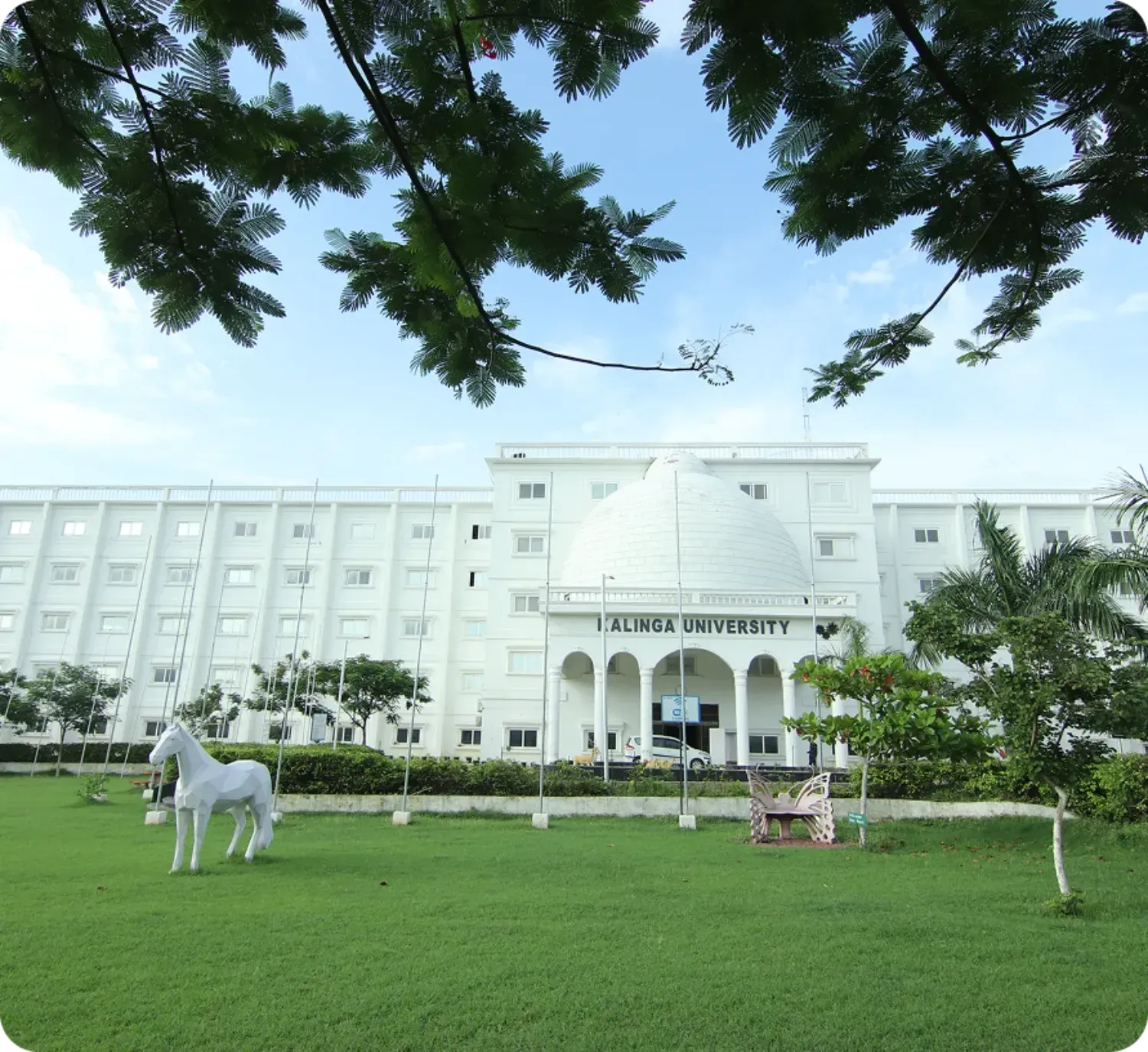
 Kalinga University
Kalinga University
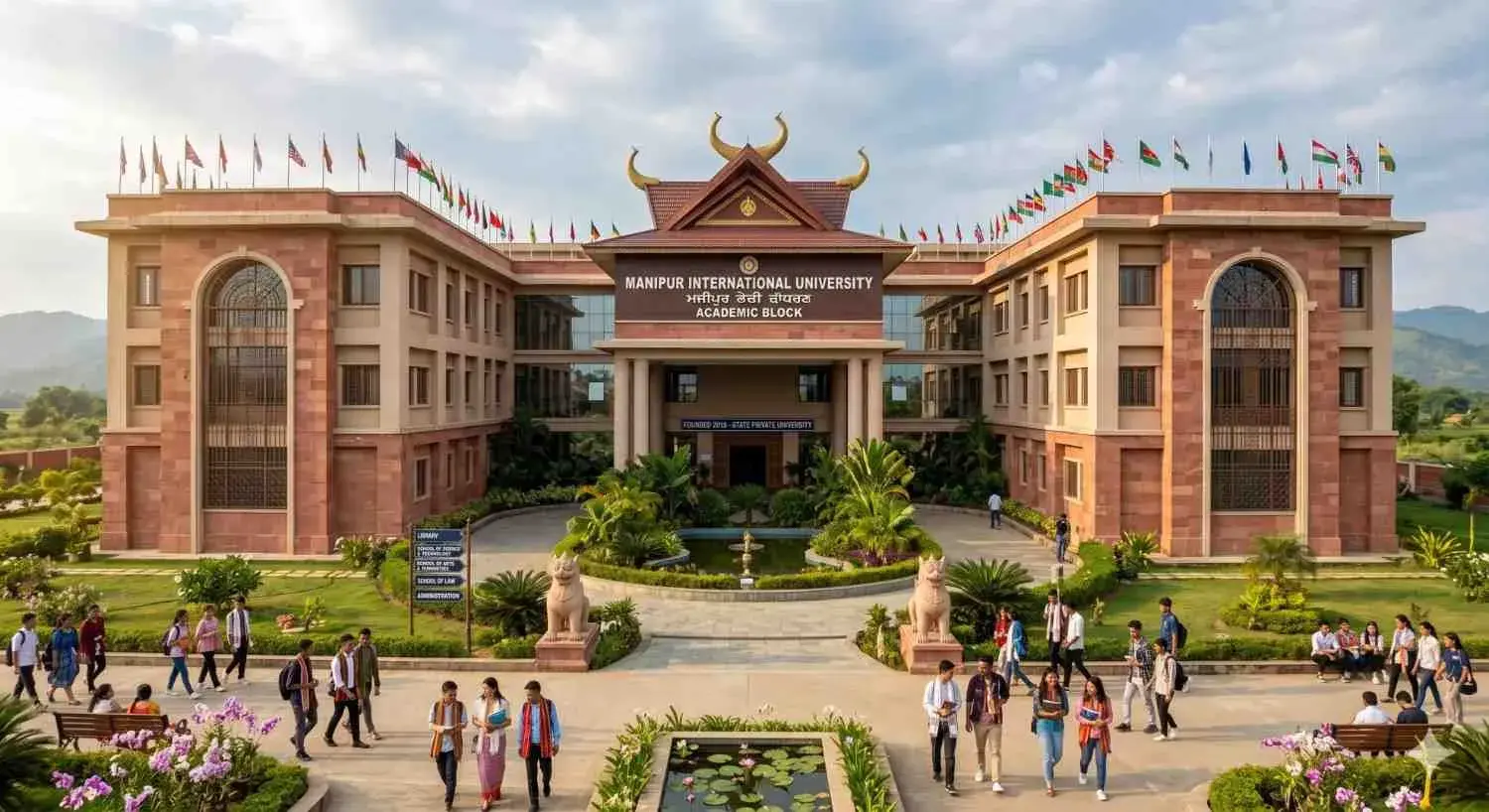
 Manipur International University
Manipur International University
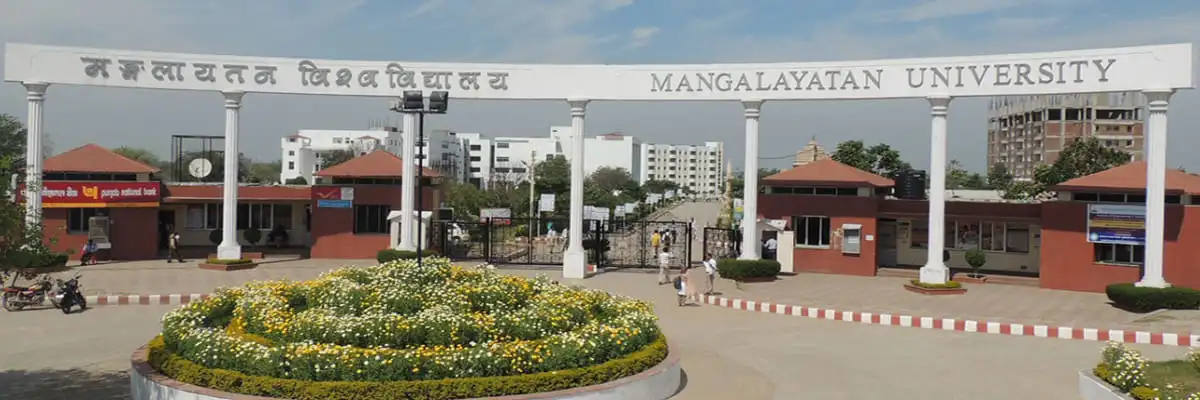
 Mangalayatan University
Mangalayatan University
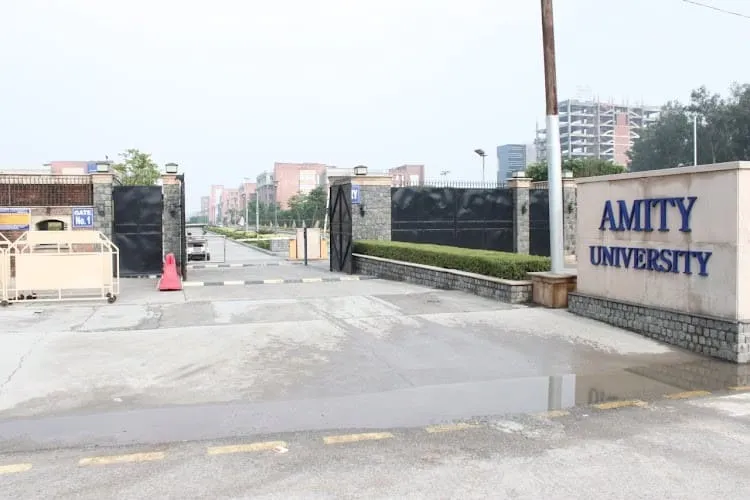
 Amity University
Amity University

 Dr. D. Y. Patil Vidyapeeth Mumbai
Dr. D. Y. Patil Vidyapeeth Mumbai
 Galgotias University
Galgotias University
 Bennett University
Bennett University
 Vellore Institute of Technology
Vellore Institute of Technology
What learners say
"I wanted a program focused on skills I could actually use. The web development content gave me a much clearer understanding of how websites are built."
"The course helped me understand project planning, timelines and team coordination in a much more structured way. It has been useful alongside my work."
"I enjoyed the creative side of the program, but I also liked that it introduced the practical thinking needed to design for real projects and audiences."
Frequently asked questions
What is a Degree programme? +
A Degree programme is a structured higher education programme that leads to a formal academic degree after successful completion of the required study and academic requirements. Degrees can be offered at undergraduate, postgraduate and doctoral levels across numerous disciplines and specialisations.
What are the different types of Degree programmes? +
Degree programmes can be offered at different academic levels, including Undergraduate, Postgraduate and Doctoral levels. Examples include B.A., B.Sc., B.Com., BBA, BCA, B.Tech, M.A., M.Sc., M.Com., MBA, MCA and M.Tech. The exact programmes available depend on the university.
Who can pursue a Degree programme? +
Eligibility depends on the degree level and programme. Undergraduate degrees generally require an appropriate school-level qualification, postgraduate degrees usually require an appropriate undergraduate qualification, and doctoral programmes generally require relevant postgraduate-level qualifications. Exact requirements vary by programme and university.
What is the eligibility for Degree programmes? +
There is no single eligibility requirement for all degree programmes. Requirements depend on the academic level, discipline and university. Applicants may need Class 12, an undergraduate degree, a postgraduate qualification or another specified academic background. Some programmes may also have subject, marks or entrance requirements.
How long does a Degree programme take to complete? +
Degree duration varies according to the academic level, programme type, discipline and university. Undergraduate, postgraduate and doctoral degrees can have different durations and semester structures. Students should check the specific programme details for its exact duration and academic requirements.
What subjects can I study through a Degree programme? +
Degree programmes are available in numerous fields, including arts, science, commerce, management, technology, computer applications, education and other specialised disciplines. The subjects and specialisations depend on the specific degree and university. Learners should review the curriculum before selecting a programme.
Can Degree programmes be pursued online? +
Some degree programmes may be available through online learning, while others may be offered through regular, hybrid or Distance/ODL modes where applicable. Availability depends on the programme and university. Students should verify the learning mode and applicable requirements of the specific degree before enrolling.
What is the difference between a Degree and a Diploma? +
A Degree and a Diploma are different types of academic qualifications. A degree generally represents a structured higher education programme at a defined academic level, while a diploma is typically a more focused qualification or programme. Their duration, curriculum, eligibility and progression opportunities vary according to the specific programmes and institutions.
Can I pursue higher education after completing a Degree? +
Yes, depending on the degree level and eligibility requirements of the next programme. An undergraduate degree can generally provide a pathway towards appropriate postgraduate study, while a postgraduate degree may provide eligibility for doctoral study where the relevant requirements are met. Students should check the specific admission criteria of the next programme.
How can I choose the right Degree programme? +
Consider your current educational qualification, academic interests, preferred specialisation and long-term career or education goals. Then compare programmes based on university, degree type, eligibility, duration, curriculum, learning mode and progression opportunities. EasyShiksha can help learners explore and compare Degree programmes across universities before making an enrolment decision.
What is a Degree?
A Degree is a formal academic qualification awarded after successfully completing a recognised programme of higher education. Degree programmes generally provide structured and comprehensive study in a particular discipline and may prepare learners for further education, professional development or career-related pathways.
Degrees can be offered at different academic levels. Depending on the programme, a degree may be awarded at the undergraduate, postgraduate or doctoral level. The academic structure, duration, curriculum and admission requirements depend on the specific degree programme and institution.
Programmes Available at Degree Level
Degree programmes are available across a wide range of academic and professional disciplines. Depending on university offerings, learners may find degrees such as B.A., B.Sc., B.Com., BBA, BCA, B.Tech, M.A., M.Sc., M.Com., MBA, MCA, M.Tech and doctoral degrees, among others.
Degree programmes can also offer different specialisations within a broader discipline. Students should review the individual programme title, curriculum and specialisation to understand the area of study and academic pathway it provides.
Eligibility for Degree
Degree eligibility depends on the academic level and specific programme. Undergraduate degree programmes generally have different entry requirements from postgraduate or doctoral degrees.
Depending on the programme, applicants may need to complete Class 12, hold an undergraduate degree, possess a relevant postgraduate qualification or meet other subject-specific requirements. Some programmes may also have minimum marks, entrance examinations or additional admission conditions. Students should check the exact eligibility criteria of their chosen degree programme before applying.
Duration of Degree Programmes
The duration of a degree varies according to its academic level, discipline, curriculum and university. Undergraduate, postgraduate and doctoral degrees can have different academic structures and completion periods.
There is therefore no single duration applicable to every degree programme. Learners should check the individual programme information for its exact duration, number of semesters or terms and other completion requirements.
Learning Modes
Degree programmes may be offered through different learning modes depending on the programme and university. These can include Regular, Online, Hybrid and Distance/ODL formats where applicable.
The availability of a particular mode varies by programme and institution. Students should verify the approved learning mode, academic schedule, attendance requirements and other programme-specific conditions before enrolling.
Academic and Career Progression
A degree can provide learners with structured academic knowledge and may serve as a foundation for further education or professional development. The opportunities available after completing a degree depend on the academic level, discipline, skills, experience and individual career objectives.
For example, an undergraduate degree may provide a foundation for postgraduate study, while a postgraduate degree may support further specialised or doctoral-level education where the relevant eligibility requirements are met. Career pathways vary significantly across disciplines and should be evaluated based on the specific degree.
Who Should Choose a Degree?
Degree programmes may be suitable for learners seeking formal higher education in a particular academic or professional field. The appropriate degree depends on the learner's current educational level, interests, career objectives and intended future academic pathway.
Students should consider the discipline, specialisation, eligibility, duration, curriculum, learning mode and progression opportunities before choosing a degree. Understanding these factors can help learners select a programme that aligns with their academic and professional goals.
Explore Degree Programmes on EasyShiksha
At EasyShiksha, learners can explore Degree programmes offered by different universities and compare available options according to their academic requirements and career objectives.
Students can consider factors such as university, degree type, specialisation, eligibility, duration, learning mode, curriculum and academic progression when comparing programmes. Reviewing these details can help learners make a more informed decision about the degree they want to pursue.
Ready to apply?
Browse all programmes above and start your application in minutes.
View Degree Programmes


















