








B.Voc in Hospitality & Tourism Management
Program Overview
The B.Voc in Hospitality & Tourism Management at Mangalayatan University is a three-year vocational undergraduate program designed around the operational, managerial and professional aspects of the hospitality and tourism sector. The curriculum begins with foundational subjects covering tourism and hospitality, information technology, communication, marketing, accounting and English, alongside core hotel operations such as Food & Beverage Service, Food Production, Housekeeping and Front Office Operations.
As students progress, the program moves from basic operations to management-oriented learning. The curriculum covers Introduction to Management, Hospitality Marketing & Accounting II, IT & Communication Skills II, Food & Beverage Service Management, Food Production Management, Housekeeping Management, Front Office Management, Customer Relationship Management, tourism in India and global tourism. French language courses are also included, with French I and French II focused on hospitality-related communication and professional etiquette.
The later semesters expand into travel and tourism management, advertising and personal selling, intellectual property rights, business communication, research methodology, economics, statistics, entrepreneurship, franchising, supervisory skills, human resource management, events and crisis management, and revenue management. The curriculum also provides industry-oriented components through Industrial Exposure Training, On Job Training – I and Industrial Training, giving the program a strong practical and vocational orientation.
Overall, the program develops knowledge and skills related to hospitality operations, tourism planning, guest service, food production and service, housekeeping, front office management, communication, marketing, business analysis, supervision, entrepreneurship, events and revenue management. The syllabus specifically incorporates practical sessions, simulations, case studies, field visits, industry exposure and training activities across different subjects.
Eligibility Criteria
The minimum eligibility for admission in B.Voc is 10+2 (in any stream) or equivalent or a two-year ITI Diploma after Class 10th or a three-year Polytechnic Diploma after Class 10th.
Approval Details
MHRD, Government of India and UGC
Curriculum
Semester I introduces students to the tourism and hospitality industry while establishing foundational knowledge in IT, communication, English, marketing and accounting. It also provides initial operational exposure to Food & Beverage Service, Food Production, Housekeeping and Front Office functions. The semester carries 26 credits.
1. Introduction to Tourism and Hospitality Industry
This subject introduces the meaning, evolution and structure of tourism and hospitality and explains how transportation, accommodation, attractions and ancillary services contribute to the tourism system.
Key Topics:
- Types and forms of tourism
- Tourism supply and demand
- Tourism organizations and policies
- Hospitality establishments and accommodation
- Travel agencies, tour operators and transportation
- Tourism products, destinations and emerging trends
2. IT & Communication Skills I
This subject develops basic computer literacy and workplace communication skills relevant to hospitality and tourism environments.
Key Topics:
- Computer hardware, software and operating systems
- MS Word, MS Excel and MS PowerPoint
- Internet, email and digital communication
- Cyber security and digital ethics
- Verbal, non-verbal and written communication
- Customer handling, teamwork and professional grooming
3. Hospitality – Marketing & Accounting
Students learn fundamental hospitality marketing concepts together with accounting principles used in hospitality businesses.
Key Topics:
- Hospitality marketing and service marketing
- 7 Ps of hospitality marketing
- Consumer behaviour and market segmentation
- Basic accounting principles and accounting equation
- Journal, ledger, trial balance and financial statements
- Budgeting, cost control and break-even analysis
4. English Language
This subject develops English language proficiency for academic and hospitality workplace communication.
Key Topics:
- Grammar and sentence structure
- Vocabulary development
- Reading comprehension
- Letter, email and report writing
- Listening and speaking skills
- Guest interaction and professional etiquette
5. F & B Service Operations I
This subject introduces the organization and basic operations of the Food & Beverage Service department.
Key Topics:
- Food & Beverage Service fundamentals
- Restaurant organization and staff hierarchy
- Restaurant equipment and service tools
- Table, buffet, counter and room service
- Menu knowledge and order taking
- Guest handling and service etiquette
6. Food Production Operations I
Students are introduced to kitchen organization, equipment, food safety and basic cooking methods.
Key Topics:
- Food production department and kitchen organization
- Kitchen brigade and layouts
- Kitchen equipment and knife handling
- Hygiene, sanitation and food safety
- Moist, dry and combination cooking methods
- Food commodities and ingredients
7. Housekeeping Operations I
This subject covers the basic functions and organization of hotel housekeeping operations.
Key Topics:
- Housekeeping organization and staffing
- Cleaning equipment and supplies
- Guest room and public-area cleaning
- Linen and laundry operations
- Safety, hygiene and sanitation
- Guest interaction and complaint handling
8. Front Office Operations I
Students learn the fundamentals of front office operations, reservations, registration, guest services and basic front office accounting.
Key Topics:
- Front office organization and functions
- Front office equipment and terminology
- Reservations and registration
- Check-in and guest documentation
- Guest services and communication
- Check-out, billing and night audit basics
Download Syllabus
Semester II builds on the first semester by introducing management concepts, advanced IT and communication, marketing and accounting, English, and higher-level Food & Beverage, Food Production, Housekeeping and Front Office Operations. The semester carries 26 credits.
1. Introduction to Management
This subject introduces management principles and their application in hospitality and tourism organizations.
Key Topics:
- Nature and importance of management
- Classical and human relations approaches
- Planning and organizing
- Staffing, directing and leadership
- Controlling and coordination
- Managerial skills and decision-making
2. IT & Communication Skills II
This subject advances students' computer application, digital communication and professional presentation skills.
Key Topics:
- Advanced MS Word, Excel and PowerPoint
- Property Management Systems and hospitality IT
- Online booking systems and travel portals
- Cloud tools and cyber security
- Business emails, reports and notices
- Presentation, interview and workplace communication
3. Hospitality Marketing & Accounting II
Students move from introductory concepts to advanced marketing and managerial accounting applications in hospitality.
Key Topics:
- Services marketing and marketing research
- CRM, branding and positioning
- Sales and distribution channels
- SWOT analysis and marketing planning
- Financial statements, budgeting and forecasting
- Break-even, variance and revenue management concepts
4. English Language II
This subject strengthens professional English through advanced grammar, reading, writing, listening and speaking activities.
Key Topics:
- Advanced grammar
- Hospitality vocabulary and professional expression
- Reading and analytical comprehension
- Business emails, reports and proposals
- Workplace speaking and presentations
- Guest interaction and cross-cultural communication
5. F & B Service Operations II
This subject develops advanced Food & Beverage Service knowledge, including specialized service styles and service operations management.
Key Topics:
- Service standards, SOPs and mise-en-place
- Gueridon, Silver, Buffet and Banquet service
- Beverage service
- Menu planning, costing and food knowledge
- VIP service and guest relations
- Service supervision, quality control and safety
6. FP Operations II
This subject advances students' knowledge of professional kitchen operations and cooking techniques.
Key Topics:
- Kitchen brigade and workflow optimization
- Advanced cooking methods
- Continental, Oriental and regional Indian cuisines
- Menu planning and production
- Food presentation and garnishing
- Inventory, wastage and quality control
7. HK Operations II
This subject develops advanced housekeeping operational knowledge and supervisory capabilities.
Key Topics:
- Housekeeping SOPs and quality control
- Specialized cleaning techniques
- Linen and laundry management
- Guest room and facility maintenance
- Inventory and cost control
- Supervisory skills and department management
8. FO Operations II
This subject focuses on advanced front office procedures and guest service operations.
Key Topics:
- Front office SOPs and service quality
- Advanced reservations and PMS
- Group check-ins and VIP arrivals
- Concierge and guest communication
- Billing, settlement and night audit
- Front office supervision and quality assurance
Semester III shifts toward management-level hospitality learning and tourism in India. It introduces Communicative English, French, Food & Beverage Service Management and Food Production Management, along with Industrial Exposure Training. The semester carries 20 credits.
1. Introduction to Tourism Industry in India
This subject examines India's tourism industry, its organizations, destinations, heritage, adventure tourism and tourism services.
Key Topics:
- Development and importance of tourism in India
- Tourism organizations and policies
- Major Indian tourist destinations
- Cultural, heritage and religious tourism
- Adventure, eco and wildlife tourism
- Accommodation, transportation and travel services
2. Communicative English for Hospitality Industry
Students develop communication skills specifically for hospitality workplace situations.
Key Topics:
- Fundamentals and barriers of communication
- Hospitality grammar and vocabulary
- Guest service conversations
- Telephone and inquiry handling
- Written communication and documentation
- Cross-cultural communication and complaint handling
3. F & B Service Management
This subject introduces managerial responsibilities in Food & Beverage Service operations.
Key Topics:
- F & B organizational structure and management
- Planning and organizing service operations
- Specialized service and beverage management
- Quality control and customer satisfaction
- Budgeting, cost and inventory control
- Supervision, leadership and staff development
4. Food Production Management I
This subject develops management-level understanding of kitchen operations and food production.
Key Topics:
- Food production management and kitchen organization
- Work scheduling and kitchen workflow
- Advanced cooking techniques
- Food costing and budgeting
- Hygiene, safety and HACCP
- Kitchen supervision and leadership
5. French I
French I introduces basic French language and communication for hospitality contexts.
Key Topics:
- French pronunciation and basic expressions
- Grammar fundamentals
- Hotel and restaurant dialogues
- Hospitality vocabulary
- Reading, writing and basic forms
- French customs and professional etiquette
Semester IV expands the curriculum into global tourism, Customer Relationship Management and advanced management of food production, housekeeping and front office operations. It also includes Industrial Exposure Training (Practical) and carries 26 credits.
1. French II
French II develops more advanced language and hospitality communication skills based on French I.
Key Topics:
- French grammar and sentence structure
- Hospitality conversations and role plays
- Reservations, check-in and check-out dialogues
- Expanded tourism and hospitality vocabulary
- Reading, writing and documentation
- Cross-cultural communication and professional etiquette
2. Introduction to Tourism Industry - Globally
This subject introduces global tourism structures, international destinations, tourism organizations and worldwide tourism trends.
Key Topics:
- Global tourism development
- UNWTO, WTTC and IATA
- Major global tourist destinations
- Cultural and heritage tourism
- Global adventure, eco and wildlife tourism
- International transport, accommodation and event tourism
3. Customer Relationship Management
Students learn how CRM supports customer satisfaction, engagement, retention and service improvement in hospitality and tourism.
Key Topics:
- CRM concepts and objectives
- Customer service and complaint handling
- Customer databases and CRM technology
- Guest engagement and personalization
- Customer retention and loyalty
- CRM applications in hotels, restaurants and travel agencies
4. Food Production Management II
This subject develops advanced kitchen management, specialized cooking and food quality skills.
Key Topics:
- Advanced kitchen organization
- Sous-vide and molecular gastronomy basics
- Baking, confectionery and desserts
- Continental, Oriental and regional Indian cuisines
- Menu planning, costing and inventory
- HACCP, quality control and kitchen supervision
5. Housekeeping Management
This subject focuses on planning, resource management, guest services and supervision within housekeeping operations.
Key Topics:
- Housekeeping management structure
- Scheduling and operational planning
- Advanced cleaning and sustainable practices
- Inventory and resource management
- Guest services and communication
- Supervisory and leadership skills
6. Front Office Management
This subject develops management-level knowledge of front office operations, guest services, reservations and financial control.
Key Topics:
- Front office management and organization
- Planning and coordinating operations
- Reservations, check-in and guest services
- Room allocation and PMS/OTA coordination
- Billing, night audit and financial control
- Supervision and leadership
7. Industrial Exposure Training (Practical)
IET-451 Industrial Exposure Training (Practical) is included in Semester IV and carries 6 credits in the official course structure.
Semester V moves toward travel and tourism management, advertising, personal selling, intellectual property rights, business communication, research methodology, economics and statistics. It also includes On Job Training – I (Practical) and carries 20 credits.
1. Travel & Tourism Management I
This subject develops knowledge of tourism management, tourism products, planning, marketing and emerging tourism trends.
Key Topics:
- Travel and tourism management concepts
- Tourism organizations and policies
- Tourism products and services
- Tourism planning and destination management
- Tourism marketing and promotion
- Adventure, eco, wellness and event tourism
2. Advertising, Personal Selling & Intellectual Property Rights (IPR)
This subject covers promotional communication, selling techniques and the fundamentals and application of intellectual property rights in business and tourism.
Key Topics:
- Advertising concepts, media and channels
- Advertising planning and campaign strategies
- Personal selling and sales processes
- Customer engagement and negotiation
- Patents, trademarks, copyrights and trade secrets
- IPR protection, commercialization and infringement prevention
3. Business Communication & Research Methodology
Students develop professional communication and foundational research skills relevant to business and hospitality contexts.
Key Topics:
- Business communication processes
- Business letters, emails, reports and proposals
- Presentations, meetings and negotiation
- Qualitative, quantitative and mixed-method research
- Data collection, sampling and analysis
- Research reporting, referencing and presentation
4. Business Economics & Statistics
This subject introduces economic and statistical concepts used in business and hospitality decision-making.
Key Topics:
- Business economics and opportunity cost
- Demand, supply and forecasting
- Production, cost and break-even analysis
- Market structures and business environment
- Statistical data and measures of central tendency
- Correlation, regression, probability and time series
5. On Job Training – I (Practical)
The curriculum includes OJT-501 On Job Training – I (Practical) in Semester V as a practical, workplace-oriented component.
Semester VI is the final semester and integrates advanced travel and tourism management with entrepreneurship, economics and statistics, HR and supervision, events and crisis management, revenue management and Industrial Training. It carries 26 credits.
1. Travel & Tourism Management II
This subject develops advanced knowledge of travel planning, tour operations, destination marketing and professional tourism skills.
Key Topics:
- Tourism lifecycle and destination development
- Travel documentation and itinerary planning
- Tour packaging and transportation management
- Destination marketing and branding
- Tour operations and pricing
- Tourism entrepreneurship and professional skills
2. Entrepreneurial Business Development & Franchising
This subject introduces entrepreneurship and business development within tourism and hospitality, including franchising models.
Key Topics:
- Entrepreneurial concepts and mindset
- Opportunity identification and feasibility analysis
- Business planning, funding and risk management
- Franchising concepts and agreements
- Startup marketing and operations management
- Business registration, IPR, taxation and compliance
3. Business Economics & Statistics II
This subject advances economic and statistical analysis for hospitality and tourism applications.
Key Topics:
- National income, inflation and business cycles
- Monetary and fiscal policies
- Advanced market structures and pricing
- Probability distributions and hypothesis testing
- ANOVA, regression, time series and index numbers
- Statistical decision-making and tourism data analysis
4. Supervisory Skills & Human Resource Management
This subject develops supervisory, interpersonal and human resource management capabilities relevant to hospitality and tourism organizations.
Key Topics:
- Supervisory roles and responsibilities
- Communication, feedback and conflict resolution
- Recruitment, selection and training
- Performance appraisal and employee development
- Team leadership and employee retention
- Decision-making and coordination
5. Events & Crisis Management
This subject covers event planning and execution along with risk, crisis, safety and post-event management.
Key Topics:
- Event planning, lifecycle and budgeting
- Event concept, venue and vendor coordination
- Event operations, logistics and guest management
- Risk assessment and crisis management
- Safety, security, evacuation and emergency procedures
- Post-event evaluation and reporting
6. Revenue Management
This subject introduces revenue optimization concepts and tools used in hotels and tourism businesses.
Key Topics:
- Revenue management principles and KPIs
- Pricing strategies and dynamic pricing
- Demand forecasting
- Room inventory and distribution channels
- RevPAR, ADR, occupancy and yield management
- PMS, CRS, revenue software and data-driven decisions
7. Industrial Training (Practical)
OJT-601 Industrial Training is included as a practical component in Semester VI and carries 8 credits in the official course structure.
Fee Structure
Admission Process
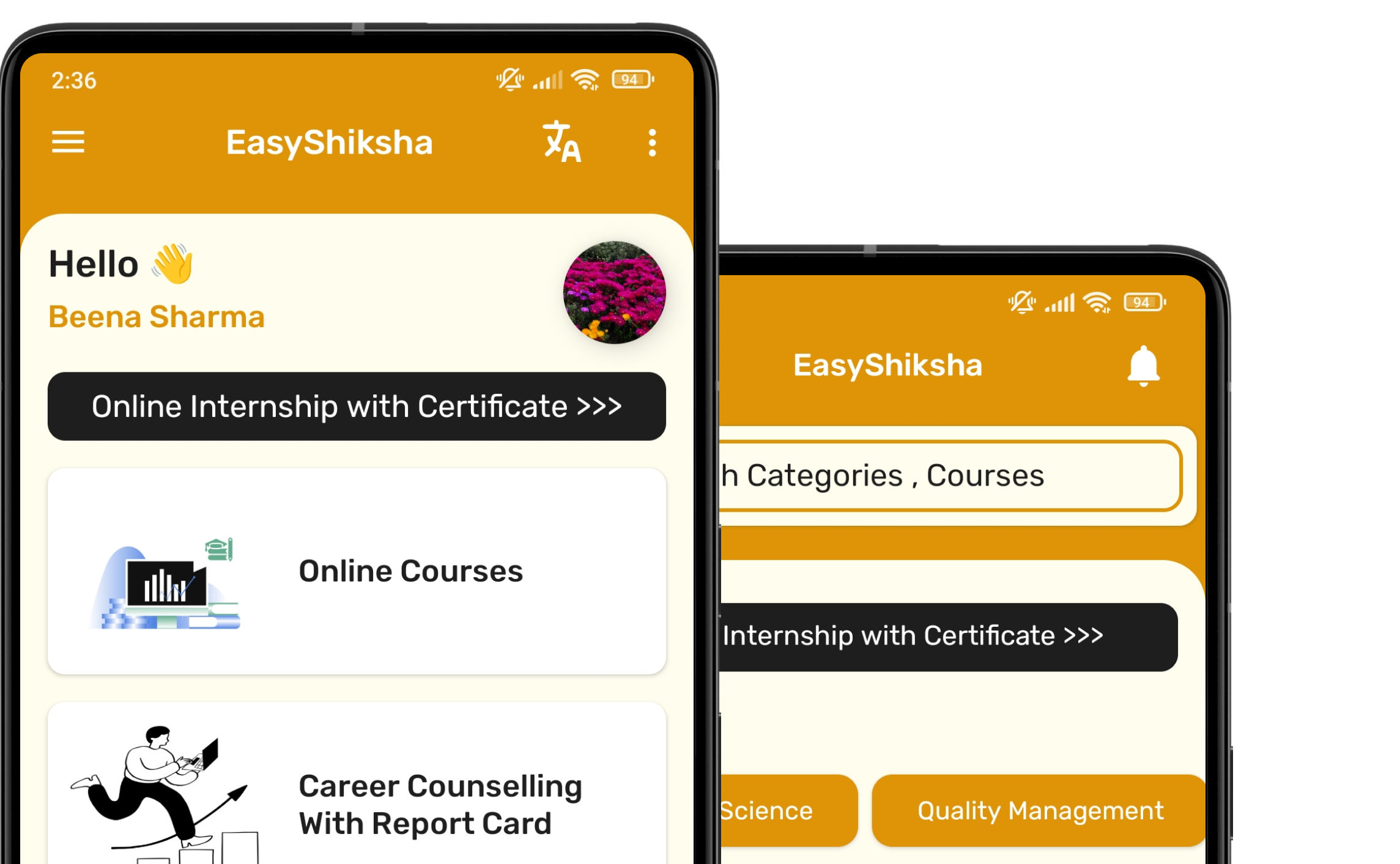
Students can apply for the B.Voc Hospitality & Tourism Management programme through EasyShiksha. The complete application process is designed to make admission simple and convenient for eligible students.
Step 1: Click on Apply Now
Click the Apply Now button on the B.Voc Hospitality & Tourism Management programme page and begin your application through EasyShiksha.
Step 2: Complete Personal Information
Fill in the required personal, contact and academic details accurately in the application form.
Step 3: Upload Required Documents
Upload the required documents for eligibility and admission verification as specified during the application process.
Step 4: Pay Application Fee
Pay the applicable application fee through the available online payment options to submit your application and initiate the admission process.
Step 5: Application Review
The EasyShiksha team reviews your application and submitted documents to verify your eligibility and ensure that the required information and documents have been provided.
Step 6: University Enrollment
Once the application is successfully reviewed and the student is found eligible, EasyShiksha facilitates the enrollment process with Mangalyatan University.
Step 7: LMS Access
After successful enrollment, the student is provided access to the Learning Management System (LMS) to begin their academic journey and access the available learning resources.
Start Your Application
Ready to begin your journey in Software Development? Click Apply Now to submit your application through EasyShiksha.
Career & Placements
The B.Voc in Hospitality & Tourism Management curriculum combines hotel operations, tourism management, business, communication, customer service, supervision, entrepreneurship and industry training. Based on the areas covered in the syllabus, graduates can explore opportunities across hospitality operations, travel and tourism, food and beverage, front office, housekeeping, events, revenue management and related business functions. The curriculum itself identifies career opportunities and professional competencies within tourism and hospitality.
Hospitality Operations
- Food & Beverage Service Professional – Work in service operations involving restaurant service, banquet operations, guest handling and service quality.
- Food Production Professional – Explore roles related to kitchen operations, food preparation, menu planning, costing and quality control.
- Housekeeping Professional – Work in housekeeping operations involving cleaning, linen management, inventory, guest services and supervision.
- Front Office Professional – Explore reservation, registration, guest services, billing and front office operations.
Tourism and Travel
- Travel and Tourism Executive – Work in areas related to tourism products, destination management, travel planning and tourism promotion.
- Tour Operations Professional – Explore activities involving tour planning, reservations, pricing, customer service and tour evaluation.
- Travel Agency Professional – Work with travel services, transportation coordination, booking and customer interaction.
- Destination and Tourism Services Professional – Explore roles associated with destination promotion, tourism development and visitor services.
Management and Supervisory Roles
- Hospitality Supervisor – Apply knowledge of staff scheduling, coordination, service standards and performance monitoring.
- Food & Beverage Supervisor – Work with service planning, staff supervision, cost control and quality management.
- Front Office Supervisor – Explore supervision of reservations, guest services, billing and front office workflows.
- Housekeeping Supervisor – Work in scheduling, staff coordination, inventory and housekeeping quality control.
Events and Customer Experience
- Events Professional – Explore event planning, venue coordination, logistics, guest management and event evaluation.
- Customer Relationship Executive – Apply CRM concepts, customer engagement, feedback management and retention strategies.
- Guest Relations Professional – Work in guest communication, complaint resolution, personalization and service interaction.
Revenue, Marketing and Business
- Revenue Management Professional – Explore hotel and tourism revenue functions involving pricing, forecasting, inventory and performance analysis.
- Hospitality Marketing Professional – Apply hospitality marketing, customer segmentation, promotion, branding and digital marketing concepts.
- Sales and Business Development Professional – Use personal selling, customer engagement, negotiation and business development skills.
- Hospitality Entrepreneur – The curriculum includes entrepreneurship, business planning, franchising, startup marketing, operations and compliance, supporting students interested in developing hospitality or tourism ventures.
Events, Training and Industry-Oriented Areas
The curriculum's inclusion of Industrial Exposure Training, On Job Training – I and Industrial Training provides industry-oriented components alongside classroom learning. Students can therefore explore career areas corresponding to the operational and managerial domains covered throughout the program.
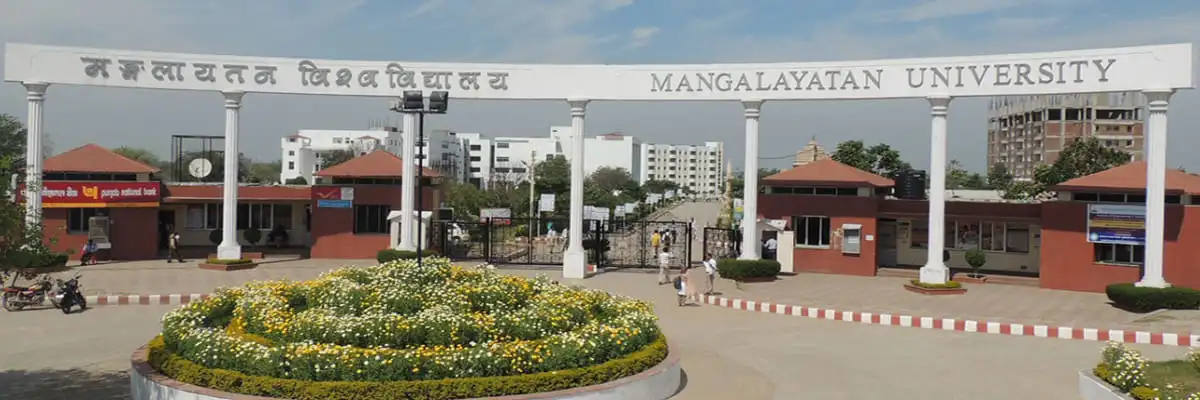
Mangalayatan University, Aligarh
Mangalayatan University is a UGC-recognized private university located in Aligarh, Uttar Pradesh, India. Known for its strong industry connections, cutting-edge curriculum, and commitment to technology-driven education, Mangalayatan University has established itself as one of central India's premier higher education institutions.
The university's vision is to foster academic excellence, industry readiness, and global competitiveness among its graduates — making it an ideal partner for EasyShiksha's mission of accessible, quality online education.
EasyShiksha has signed an MoU with Mangalayatan University to facilitate applications for various university programs and jointly offer B.Voc programs. All degrees and certifications under these programs will be awarded by Mangalayatan University. The EasyShiksha team will provide complete assistance and support throughout the admission and program process.
Mangalayatan University, Uttar Pradesh
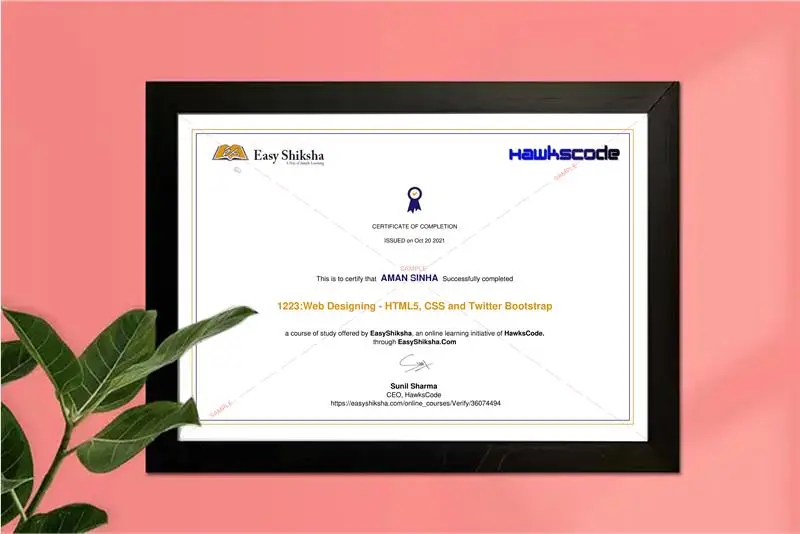
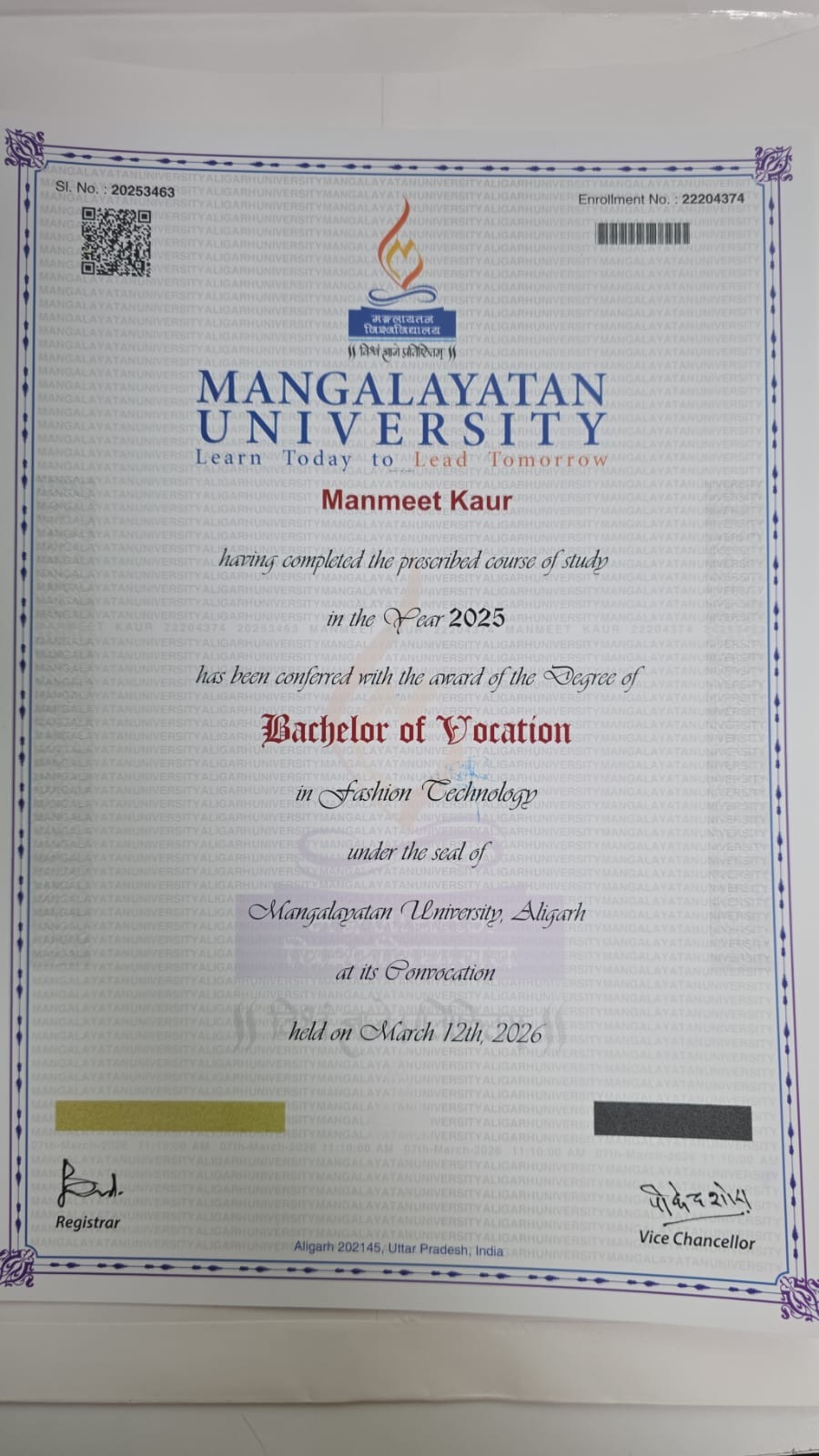
Sample Degree
Documents
Media Gallery
Frequently Asked Questions
Mangalayatan University is located at 33rd Milestone, Aligarh-Mathura Highway, Beswan, Aligarh, Uttar Pradesh, India. The campus is situated in close proximity to the Yamuna Expressway and the cities of Aligarh and Mathura.
Mangalayatan University was established in 2006 under the Mangalayatan University, Uttar Pradesh Act, 2006. The University states that it has the right to confer degrees under Sections 2(f) and 22(1) of the UGC Act.
Yes. Mangalayatan University states that it is recognized by the University Grants Commission (UGC) and was established through an Act of the Uttar Pradesh State Legislature. The University also lists NAAC A+ accreditation among its recognitions.
Yes. The University states that it is recognized by UGC-DEB for Open and Distance Learning (ODL) and is entitled by the UGC to offer online degree programmes. It also states that its online programmes are approved by AICTE.
Mangalayatan University offers programmes across multiple academic levels, including UG, PG, Diploma, PG Diploma and PhD. Its programme portfolio covers areas such as Engineering & Technology, Computer Applications, Management, Agriculture, Biotechnology, Pharmacy, Physiotherapy, Nursing, Journalism & Mass Communication and other disciplines.
Depending on the programme, applicants may be required to provide Class 10 and Class 12 certificates and marksheets, graduation/post-graduation marksheets where applicable, competitive examination rank card where applicable, migration/transfer certificate and recent passport-size photographs. Original documents may be required for verification.
Yes. The University states that students can apply for an education loan through banks, subject to the bank's eligibility criteria.
Mangalayatan University has a 70+ acre campus in Aligarh, Uttar Pradesh.
Mangalayatan University holds an A+ accreditation grade from the National Assessment and Accreditation Council (NAAC).
Yes. Mangalayatan University carries AICTE approval for its technical programmes.
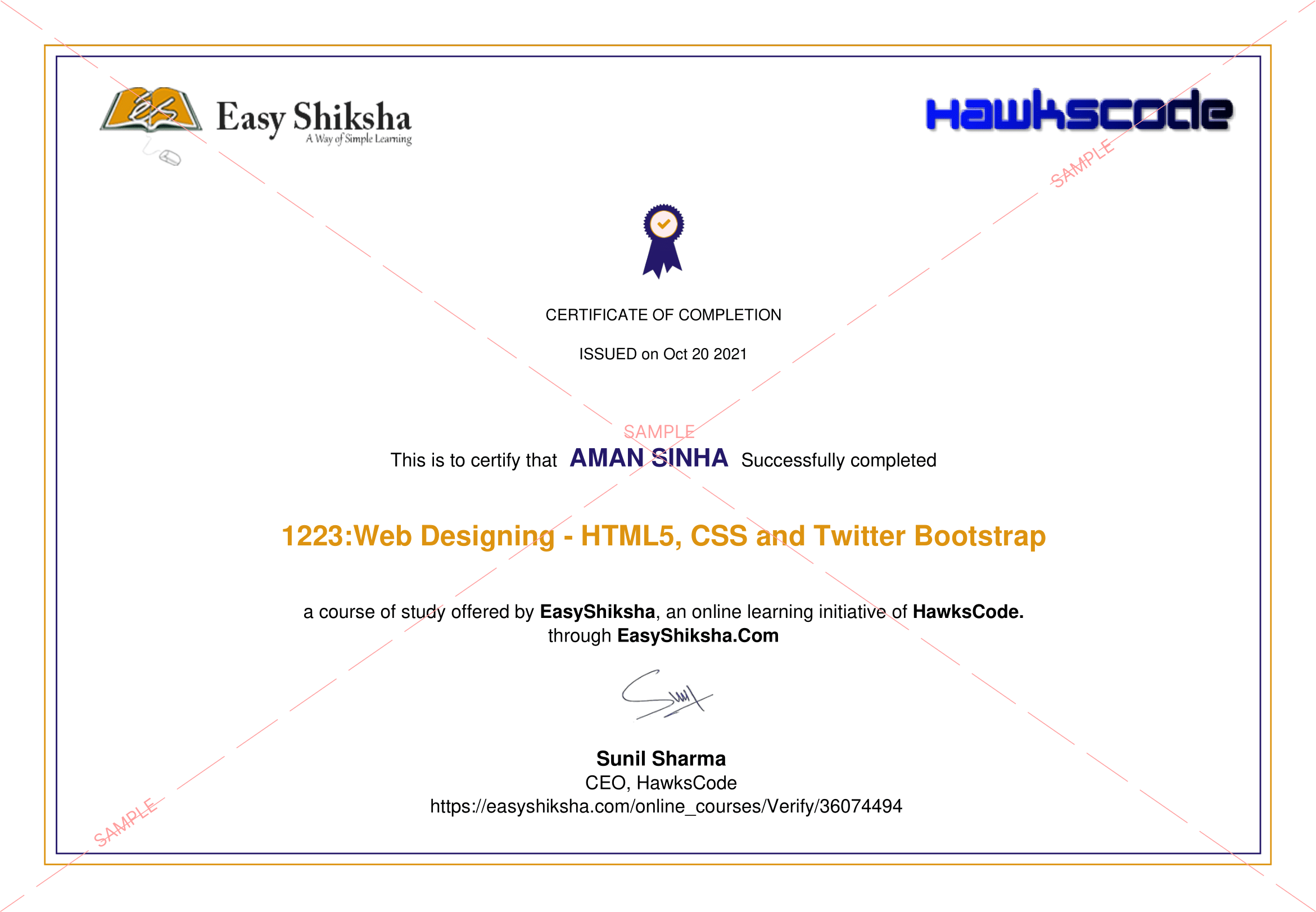
The degree certificate is issued and signed directly by Mangalayatan University, rather than by EasyShiksha or another third-party platform.
The degree certificate is personalised with the student's name, programme, and completion date and carries the university's official signature and seal.
Yes. The university's campus hosts optional immersion sessions associated with select Executive and Hybrid-mode programmes.
Students can select a Mangalayatan University programme, submit their personal details and required documents, pay the application fee, and proceed through the university's application review process.
Yes. Applications submitted through EasyShiksha can be monitored through the dashboard, where applicants can view status updates such as Under Review and Accepted along with their reference ID.
The B.Voc in Hospitality & Tourism Management is a three-year vocational undergraduate program at Mangalayatan University covering tourism, hospitality operations, food and beverage service, food production, housekeeping, front office, travel and tourism management, business, communication, entrepreneurship, events and revenue management. The curriculum is spread across six semesters and carries 144 credits.
The curriculum includes subjects such as Introduction to Tourism and Hospitality Industry, F & B Service Operations, Food Production Operations, Housekeeping Operations, Front Office Operations, Hospitality Marketing & Accounting, Introduction to Management, Food & Beverage Service Management, Food Production Management, French, Customer Relationship Management, Travel & Tourism Management, Business Economics & Statistics, Entrepreneurship, Human Resource Management, Events & Crisis Management and Revenue Management.
Yes. The syllabus includes practical sessions within several subjects and specifically lists IET-351 Industrial Exposure Training (Practical), IET-451 Industrial Exposure Training (Practical), OJT-501 On Job Training – I (Practical), and OJT-601 Industrial Training (Practical). The curriculum also mentions practical exercises, case studies, simulations, field visits, projects and industry exposure in relevant subjects.
The curriculum supports skills in hospitality operations, guest service, communication, food production and service, housekeeping, front office operations, tourism planning, marketing, customer relationship management, business communication, research, supervision, HR, entrepreneurship, event management and revenue management. Practical and industry-oriented components further complement the academic subjects.
Graduates can explore career areas across hotels, food and beverage operations, housekeeping, front office, travel agencies, tour operations, tourism services, customer relationship management, events, hospitality marketing, revenue management, supervision and hospitality or tourism entrepreneurship. These areas correspond to the operational and managerial domains covered in the curriculum.