



program icon
Explore

Medical

Explore Medical university programs, degree, diploma, UG and PG courses in India and discover relevant programs for enrollment through EasyShiksha.

76 Programmes
7 University Partners
4.8โ˜… Avg. Rating
UGC-Recognised Degree
Industry-Aligned Curriculum
UGC-DEB Approved Online/ODL
Flexible Learning Options
Understanding Medical

What Is Medical?

Medical is a broad academic and professional domain focused on the study of human health, diseases, diagnosis, treatment, prevention and patient care. It encompasses areas related to medicine, clinical sciences, healthcare and allied health disciplines. The field combines scientific knowledge with practical and clinical learning to understand the human body, health conditions and healthcare practices.

University programmes related to the Medical domain may be offered through qualifications such as MBBS, BDS, BAMS, BHMS, BUMS, BSMS, BPT, B.Sc. and other relevant undergraduate, postgraduate, diploma, PG diploma and certification programmes, depending on the institution and specific field. Students can also explore specialised areas such as Clinical Research, Medical Laboratory Science, Radiology, Medical Imaging, Emergency Care and other healthcare disciplines.

Medical education can suit students interested in human biology, healthcare, scientific learning and patient-centred work. Depending on the programme and qualification, it can provide pathways into clinical practice, healthcare services, medical research, diagnostics, rehabilitation and other health-related fields. At EasyShiksha, students can explore and compare university programmes related to Medical studies based on their academic interests and career goals.

UGC Degree-Level Recognition
What You Get

A program that pairs recognition with real skills

UGC-Recognised Degree

Same institutional recognition as a conventional Bachelor's degree.

Industry-Aligned Curriculum

Built with Sector Skill Councils, not just academic departments.

Direct Employability

Hands-on skill components designed for job-readiness, not just theory.

Student Voices

What learners say

โ˜…โ˜…โ˜…โ˜…โ˜…

"I wanted a program focused on skills I could actually use. The web development content gave me a much clearer understanding of how websites are built."

D
Deepika Joshi Web Development
โ˜…โ˜…โ˜…โ˜…

"The course helped me understand project planning, timelines and team coordination in a much more structured way. It has been useful alongside my work."

A
Aman Bansal Project Management
โ˜…โ˜…โ˜…โ˜…โ˜…

"I enjoyed the creative side of the program, but I also liked that it introduced the practical thinking needed to design for real projects and audiences."

T
Tanvi Agarwal Graphic Design
Career Opportunities

Explore career opportunities

Medical Doctor

Medical Doctors diagnose and manage health conditions and provide patient care within the scope of their qualifications and professional registration. Medical education for clinical practice generally involves extensive theoretical and practical training. The specific scope of practice depends on the qualification, specialisation and applicable professional requirements.

Dentist

Dentists focus on oral health, including the examination, prevention and management of conditions affecting the teeth, gums and related structures. Dental education includes scientific and clinical learning relevant to oral healthcare. Professional requirements depend on the applicable qualification and regulations.

Medical Laboratory Professional

Medical Laboratory Professionals perform laboratory investigations involving clinical samples and support the diagnostic process. Their work can involve laboratory procedures, testing, analysis and documentation. Relevant Medical or Medical Laboratory Science programmes can provide foundations in laboratory techniques and clinical sciences.

Clinical Research Professional

Clinical Research Professionals support research involving healthcare interventions, medical treatments or health-related questions. Depending on the role, responsibilities can include research documentation, data management, study coordination and adherence to research procedures. Relevant education in Clinical Research, Life Sciences or healthcare disciplines can provide useful foundations.

Radiology and Medical Imaging Professional

Professionals in radiology and medical imaging work with diagnostic imaging procedures and technologies used in healthcare. Relevant programmes can provide knowledge of imaging techniques, anatomy, equipment and associated safety practices. Specific responsibilities depend on professional qualification and applicable requirements.

Physiotherapy Professional

Physiotherapy professionals support individuals through assessment and rehabilitation approaches designed to address movement and functional needs. Physiotherapy programmes combine scientific knowledge with practical learning and supervised training. Professional eligibility depends on the applicable qualification and regulations.

Medical Researcher

Medical Researchers investigate health, disease, treatments, biological processes or healthcare-related questions. Their work may involve laboratory research, data analysis, clinical research or interdisciplinary investigation. Advanced qualifications and specialised research training may be relevant for research-oriented positions.

Healthcare Professional

Medical and healthcare education can provide pathways into a range of healthcare-support and professional roles depending on the qualification. Opportunities may exist across hospitals, diagnostic centres, research organisations, healthcare institutions and other health-related settings.

Career Development

Career opportunities in the Medical domain depend heavily on the specific qualification, professional registration or licensing requirements, specialisation, practical training and employer requirements. Students pursuing clinical professions should verify the applicable regulatory and professional requirements for their chosen programme. Postgraduate education, specialised training, research experience and continuing professional development can support further career progression.


Common Questions

Frequently asked questions

What is the Medical domain? +

The Medical domain focuses on human health, diseases, diagnosis, treatment, prevention and patient care. It includes medicine and a wide range of healthcare and allied health disciplines. Depending on the programme, students may study anatomy, physiology, pathology, pharmacology, microbiology, clinical sciences and healthcare practices.

What subjects are studied in Medical programmes? +

Medical programmes may include Anatomy, Physiology, Biochemistry, Pathology, Pharmacology, Microbiology and clinical subjects. Other programmes may focus on areas such as medical laboratory science, clinical research, medical imaging, rehabilitation or healthcare practices. The exact subjects depend on the qualification and university.

What programmes are available in the Medical domain? +

Programmes may include MBBS, BDS, BAMS, BHMS, BUMS, BSMS, BPT, B.Sc. and other relevant undergraduate, postgraduate, diploma, PG diploma and certification programmes. The available options depend on the institution and specific healthcare discipline. Eligibility and professional requirements vary by programme.

What are the major specialisations in Medical? +

Medical studies can include areas such as General Medicine, Surgery, Paediatrics, Obstetrics and Gynaecology, Pathology, Pharmacology, Microbiology, Radiology, Medical Laboratory Science, Clinical Research, Rehabilitation and Public Health. Specific specialisations depend on the qualification and university.

Who should study Medical? +

Medical studies may suit students interested in human biology, healthcare, scientific learning and patient care. Students considering clinical programmes should also be prepared for substantial academic and practical or clinical training. Eligibility requirements should be checked for the specific programme before applying.

What skills are useful for a career in Medical? +

Useful skills can include scientific reasoning, observation, communication, attention to detail, analytical thinking and problem-solving. Depending on the career, practical, clinical, laboratory, research or patient-care skills may also be important. Professional roles can have specific qualification, registration or licensing requirements.

What are the career opportunities in Medical? +

Career pathways can include Medical Doctor, Dentist, Medical Laboratory Professional, Clinical Research Professional, Radiology and Medical Imaging Professional, Physiotherapy Professional and Medical Researcher, depending on the qualification. Healthcare-related roles can also be available across hospitals, laboratories, research organisations and other healthcare settings.

Can I study Medical programmes online? +

Some Medical and healthcare programmes or theoretical components may be available through online or blended learning. However, many programmes require practical, laboratory, clinical or supervised training that cannot necessarily be completed entirely online. Students should check the specific programme's learning mode and practical requirements.

Is Medical the same as Medicine? +

Not necessarily. Medicine generally refers more specifically to the medical profession and the study and practice of diagnosing and managing human health conditions. Medical can be used more broadly to describe programmes and disciplines connected with medicine, healthcare, diagnostics, clinical research and allied health. Students should check the exact qualification and professional pathway of each programme.

How do I choose the right Medical programme? +

Compare programmes based on the university, qualification, specialisation, eligibility, duration, curriculum, practical or clinical training, learning mode and career pathway. If the programme leads to a regulated healthcare profession, also check the relevant professional recognition, registration or licensing requirements before enrolling.

What is Medical?

The Medical domain focuses on the scientific study of human health and the prevention, diagnosis and management of diseases and health conditions. It brings together knowledge from anatomy, physiology, pathology, pharmacology, microbiology and other health sciences.

Medical education can involve both theoretical and practical learning. Depending on the programme, students may study the human body, disease processes, diagnostic methods, therapeutic approaches, healthcare practices and patient care. Programmes leading to clinical professions generally include structured practical or clinical training as part of their curriculum.

What Do You Study in Medical?

Medical programmes may cover subjects such as Anatomy, Physiology, Biochemistry, Pathology, Pharmacology, Microbiology and related clinical subjects. Depending on the specific programme, students may also study Medical Ethics, Community Medicine, Diagnostic Techniques, Clinical Research and healthcare management concepts.

The curriculum varies significantly according to the qualification and discipline. Clinical programmes may include supervised practical or clinical learning, while other Medical and healthcare programmes may place greater emphasis on laboratory work, diagnostics, rehabilitation or research.

Programmes Available in Medical

Medical and healthcare-related education may include MBBS, BDS, BAMS, BHMS, BUMS, BSMS, BPT, B.Sc. and other undergraduate programmes, as well as postgraduate programmes, diplomas, PG diplomas and certifications. The appropriate programme depends on the chosen discipline, university and professional pathway.

Eligibility, duration, admission requirements, curriculum, practical training and professional recognition can differ substantially between programmes and institutions. Students should verify these details for the specific programme they are considering.

Specialisations in Medical

The Medical domain can include areas such as General Medicine, Surgery, Paediatrics, Obstetrics and Gynaecology, Pathology, Pharmacology, Microbiology, Radiology, Medical Laboratory Science, Clinical Research, Rehabilitation and Public Health. Specific specialisations and their availability depend on the programme and university.

Why Choose Medical?

Medical education can provide students with knowledge of human health, biological systems, diseases and healthcare practices. Depending on the chosen programme, students may develop clinical, laboratory, diagnostic, research or patient-care skills. The domain also offers opportunities for further specialisation and professional development across different healthcare fields.

Who Should Choose Medical?

Medical studies may suit students who are interested in human biology, healthcare, scientific learning and helping address health-related needs. Students considering clinical programmes should also be prepared for structured academic study and practical or clinical training. The appropriate programme should be selected according to the student's interests, eligibility and intended professional pathway.

Explore Medical Programmes on EasyShiksha

At EasyShiksha, students can explore university programmes across different academic domains and specialisations. When comparing Medical programmes, students can consider the university, programme type, qualification level, specialisation, eligibility, duration, learning mode, curriculum, practical or clinical training requirements and career relevance to identify options aligned with their academic interests and future plans.

Ready to apply?

Browse all programmes above and start your application in minutes.

View Medical Programmes
Whatsapp Email Support

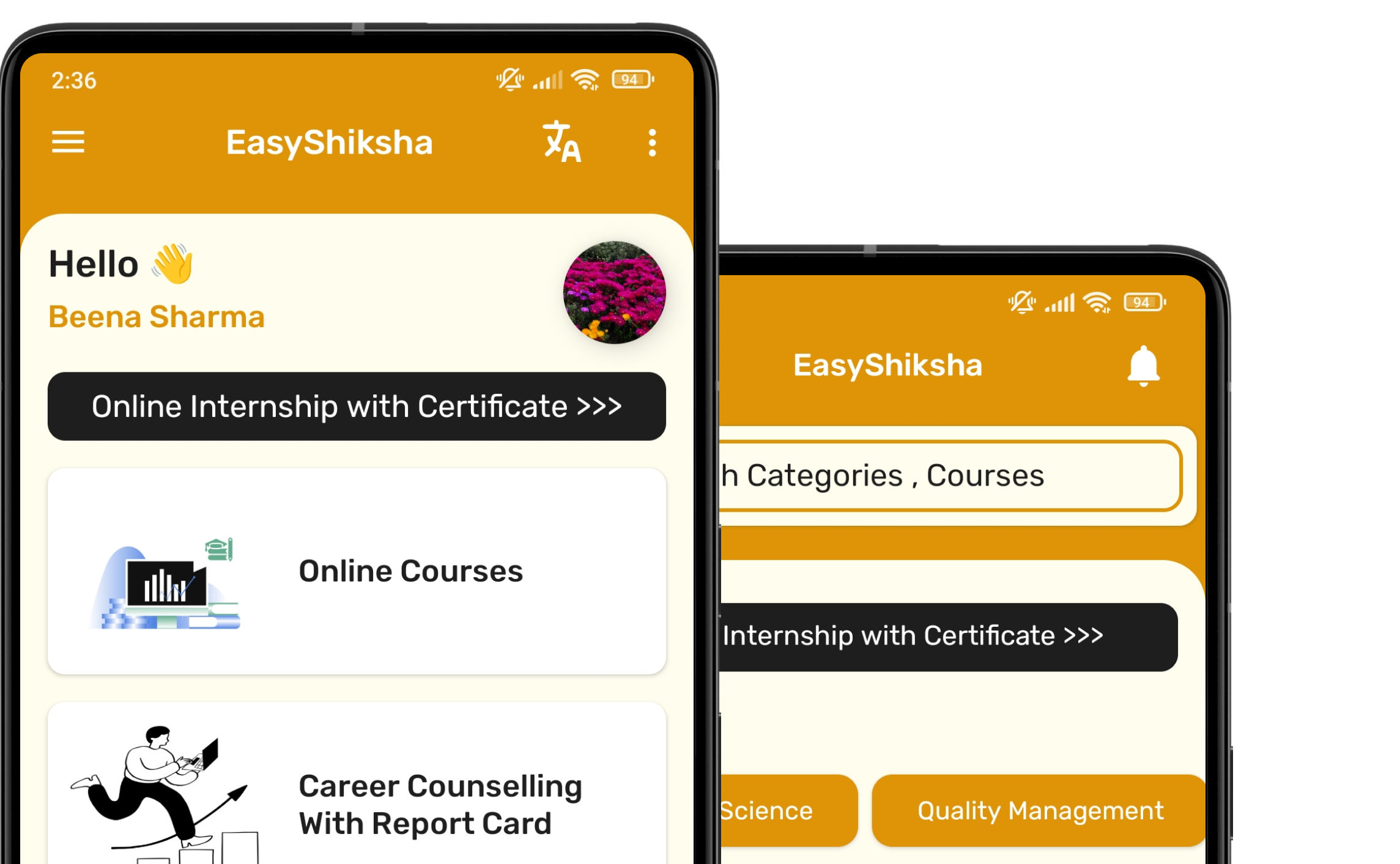
Experience the Speed: Now Available on Mobile!

Download EasyShiksha Mobile Apps from Android Play Store, Apple App Store, Amazon App Store, and Jio STB.

Curious to learn more about EasyShiksha's services or need assistance?

Our team is always here to collaborate and address all your doubts.

Message should be at least 50 characters long.