







Online
Explore Online university courses and programs in India, including degrees, diplomas, B.Voc, UG, PG and professional programs. Discover and enroll via EasyShiksha.
What Is Online?
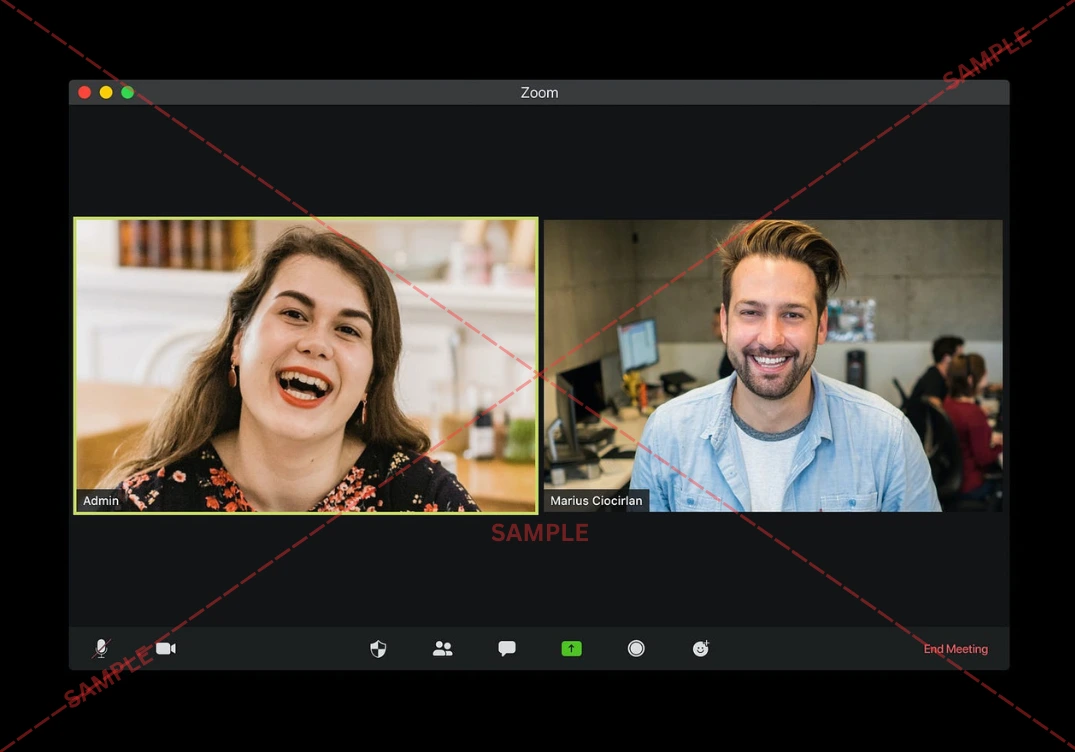
Online learning is a programme delivery mode in which students access their education primarily through internet-based platforms and digital resources rather than attending conventional classes at a physical campus on a regular basis. Depending on the university and programme, students may access lectures, course materials, assignments, discussions, academic announcements and assessments through online systems.
Online university programmes can provide learners with greater location flexibility, allowing them to study from home or another suitable location with the required internet-enabled device. The exact balance of live sessions, recorded content, faculty interaction, practical work and examinations varies by programme.
This mode can suit students who prefer digital learning, learners managing work or personal commitments, and those seeking education without relocating for regular campus attendance. Before choosing an online programme, students should check its schedule, academic support, assessment structure, eligibility and institutional requirements.
At EasyShiksha, students can explore and compare university programmes across different learning modes.
A program that pairs recognition with real skills
UGC-Recognised Degree
Same institutional recognition as a conventional Bachelor's degree.
Industry-Aligned Curriculum
Built with Sector Skill Councils, not just academic departments.
Direct Employability
Hands-on skill components designed for job-readiness, not just theory.
Universities offering these programs
Compare accreditation and programme count before choosing where to apply.

 Kalinga University
Kalinga University

 Manipur International University
Manipur International University
 Mangalayatan University
Mangalayatan University

 GLA University
GLA University
 Vivekananda Global University
Vivekananda Global University

 Galgotias University
Galgotias University

 Alliance University
Alliance University

 Lovely Professional University
Lovely Professional University

 Dr. D. Y. Patil Vidyapeeth Pune
Dr. D. Y. Patil Vidyapeeth Pune

 Uttaranchal University
Uttaranchal University

 Shoolini University
Shoolini University

 Sharda University
Sharda University

 Parul University
Parul University
 Amity University
Amity University

 Chandigarh University
Chandigarh University

 Sikkim Manipal University
Sikkim Manipal University

 Manipal University Jaipur
Manipal University Jaipur

 University of Petroleum and Energy Studies
University of Petroleum and Energy Studies

 Assam down town University
Assam down town University

 Christ University
Christ University

 Mata Tripura Sundari Open University
Mata Tripura Sundari Open University

 Amrita Vishwa Vidyapeetham
Amrita Vishwa Vidyapeetham
 Kurukshetra University
Kurukshetra University

 Andhra University
Andhra University

 Dr. D. Y. Patil Vidyapeeth Mumbai
Dr. D. Y. Patil Vidyapeeth Mumbai

 Vellore Institute of Technology
Vellore Institute of Technology

 Bennett University
Bennett University
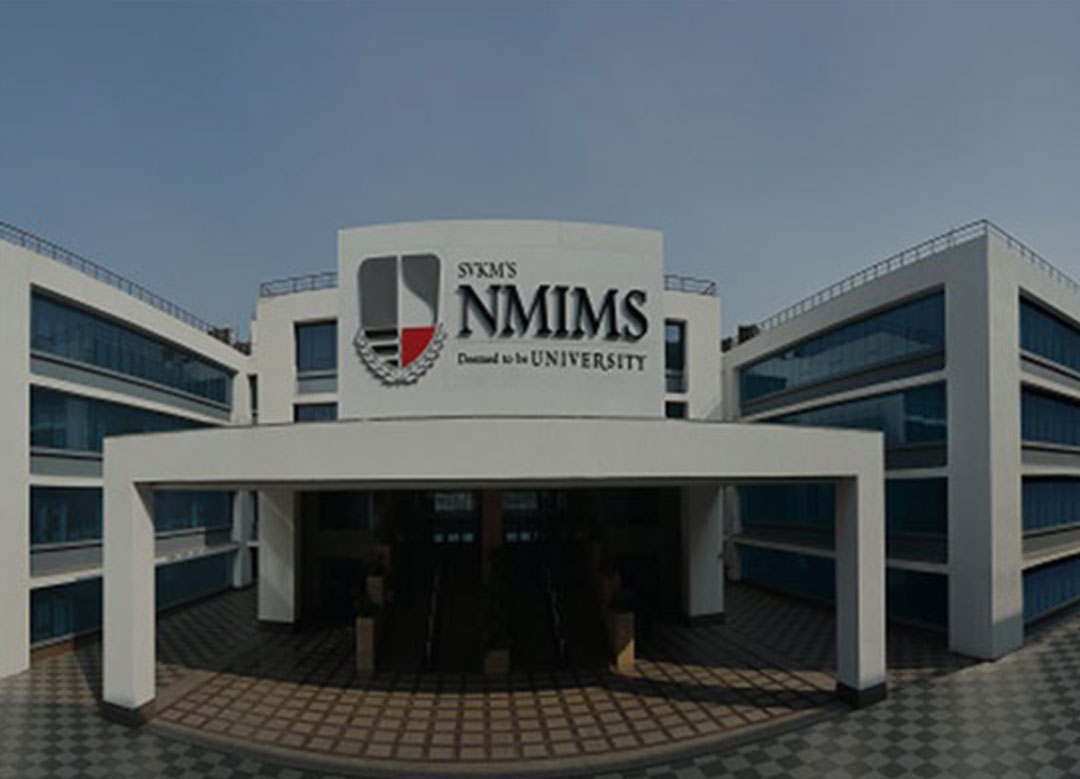
 SVKM's Narsee Monjee Institute of Management Studies (NMIMS)
SVKM's Narsee Monjee Institute of Management Studies (NMIMS)

 MK University Patan
MK University Patan

 Swami Vivekanand Subharti University
Swami Vivekanand Subharti University
What learners say
"I chose this program because I wanted to continue studying literature at a higher level. The variety of topics made the learning experience interesting."
"The AI specialization was exactly what I was looking for. It gave me a clear path from programming fundamentals to machine learning concepts."
"The HR modules cover much more than recruitment. I found the sections on employee management and organisational behaviour particularly useful."
Frequently asked questions
What is online learning? +
Online learning is a programme delivery mode in which education is primarily accessed through internet-based platforms and digital resources. Depending on the university and programme, students may us
How do online university programmes work? +
Online university programmes typically provide academic content and learning activities through digital platforms. Depending on the programme, students may participate in live sessions, access recorde
Who can choose an online programme? +
Online programmes may suit students, working learners and other individuals who prefer to study remotely. They can be particularly useful for learners who value location flexibility or have difficulty attending a physical campus regularly. Eligibility, however, depends on the specific programme and university.
Are online programmes flexible? +
Online programmes can offer greater location and schedule flexibility than programmes requiring regular physical attendance, but the level of flexibility varies. Some programmes may have scheduled classes, deadlines or participation requirements. Students should check the programme's academic calendar, class structure and assessment requirements before choosing it.
Do online programmes have live classes? +
Some online programmes include scheduled live virtual classes, while others may use different combinations of digital learning resources. Live classes should not be assumed to be a standard feature of every online programme. Students should check the individual university's programme information to understand how teaching is delivered.
Are online courses the same as distance learning? +
Online and distance learning can both allow students to study without regular conventional classroom attendance, but they are not automatically identical. Online programmes primarily use internet-based delivery, while distance programmes may use a different combination of study materials and support mechanisms. The exact structure depends on the institution and programme.
Can I pursue a degree through online mode? +
Yes, universities may offer certain degree programmes through online mode, subject to applicable institutional and regulatory requirements. The availability of a particular degree depends on the university and programme. Students should verify the specific programme's eligibility, delivery format, assessment structure and other requirements before applying.
What do I need for online learning? +
Students generally need a suitable internet-enabled device and reliable internet access to participate in online learning. Depending on the programme, additional software, digital tools or technical requirements may apply. Students should review the university's technical and academic requirements before enrolling.
What should I check before choosing an online programme? +
Review the university, programme curriculum, eligibility, duration, fees, learning platform, faculty support, assessment structure and schedule. Also check whether classes are live or otherwise delivered, whether practical components are included, and whether any attendance or physical participation requirements apply.
How can I find online programmes on EasyShiksha? +
Students can use EasyShiksha to explore university programmes according to learning mode and other programme attributes. You can compare factors such as university, programme level, programme type, domain, specialisation, eligibility, duration and curriculum to identify online programmes that fit your academic requirements and preferred learning format.
What is Online Learning?
Online learning is an education delivery format in which students primarily access their programme through internet-connected digital platforms. Instead of depending on regular physical classroom attendance, learners can engage with academic content remotely using computers, tablets or other supported devices.
Online university programmes may provide access to digital study resources, faculty communication, assignments, academic notices and learning activities through an online platform. Depending on the university and programme, students may also participate in live virtual classes, access recorded material or complete certain activities remotely. These features should not be assumed to be identical across all online programmes.
Online learning is different from simply studying independently. A university programme delivered online can still have a structured curriculum, academic schedule, faculty support and assessment requirements.
How Does Online Learning Work?
The learning experience depends on the university, programme and course structure. Students may use a learning management system or another digital platform to access course resources and academic activities.
Depending on the programme, online learning may include digital lectures, reading materials, assignments, projects, discussion activities, virtual interactions and assessments. Some programmes may include scheduled live sessions, while others may provide greater flexibility around when students engage with learning resources.
Students generally need an appropriate device, reliable internet access and the ability to use relevant digital platforms. Practical or specialised programmes may have additional requirements, so students should review the programme structure before enrolling.
Who Should Choose Online Learning?
Online programmes can be suitable for learners who value location flexibility and digital access to education. They may appeal to students who cannot regularly attend a physical campus, working learners balancing education with professional responsibilities, and individuals who prefer studying remotely.
Online learning can also be useful for students who are comfortable using digital tools and managing their study schedules independently. However, learners should consider whether the programme's interaction style, schedule and practical requirements match their preferred way of learning.
Benefits of Online Learning
A major advantage of online education is location flexibility. Students can access their programme remotely rather than depending entirely on physical campus attendance. This can make education more convenient for learners with geographical, professional or personal constraints.
Online programmes can also provide access to digital learning resources and communication channels. Depending on the programme, learners may be able to participate in scheduled virtual sessions or review available digital materials according to the programme's structure.
Another benefit is the ability to choose from programmes offered by institutions beyond the learner's immediate location. However, flexibility, academic support and digital resources vary, so students should compare individual programmes rather than assuming every online course provides the same experience.
Things to Consider Before Choosing Online Learning
Students should evaluate more than the convenience of studying online. Check the university and programme details, eligibility criteria, curriculum, duration, fees, academic support and assessment structure before making a decision.
It is also important to understand whether classes are live, recorded, scheduled or a combination of approaches. Students should check practical requirements, examination arrangements, attendance or participation expectations and any activities that may require physical presence.
Reliable internet access and suitable digital devices may be important for online study. Learners should also consider their ability to manage time, complete assignments and remain engaged in a remote learning environment.
Online vs Other Learning Modes
Online learning is primarily delivered through digital platforms, whereas Regular or Classroom programmes generally involve structured physical learning environments. Distance learning also supports learners who are not regularly attending conventional classrooms, but its delivery structure can differ from online education.
Live Online learning is more specifically centred on scheduled real-time virtual sessions, while general Online programmes may use a combination of delivery methods depending on the university. Self Paced learning gives greater emphasis to learner-controlled progress, although an online programme may or may not be self-paced.
Explore Online Programmes on EasyShiksha
At EasyShiksha, students can explore university programmes available across different learning modes. Learners can compare relevant programme information such as university, programme type, programme level, domain, specialisation, learning mode, eligibility, duration and curriculum.
Exploring these factors together can help students identify online university programmes that align with their academic goals, preferred learning format and schedule. Students should review the specific university and programme information before making an enrolment decision.
Ready to apply?
Browse all programmes above and start your application in minutes.
View Online Programmes