








B.Voc in Hospital Management
Program Overview
The B.Voc in Hospital Management at Mangalayatan University is a vocational undergraduate program focused on the management, administration, operational, financial, technological, quality and support functions involved in healthcare and hospital environments. The curriculum combines management concepts with hospital-specific subjects such as Hospital Information System, Hospital Administration, Quality Management, Purchase & Inventory Control for Hospitals, Hospital Architecture, Planning & Maintenance, Biomedical Waste and Medical Terminology.
The program begins with foundational subjects including Human Anatomy & Physiology, Management & Its Principle, Accounting For Managers, Business Communication, Hospital Information System and Medical Ethics. Students also undertake Vocational Practical I in the first semester, providing a practical component alongside classroom learning.
As students progress, the curriculum introduces areas such as Resource Management & Organizational Behavior, Strategic Management, Purchase & Inventory Control for Hospitals, Hospital Architecture, Planning & Maintenance, Computer Fundamentals and Environmental Science. The third semester further develops knowledge of Quality Management, Hospital Administration, Managerial Economics, Biomedical Waste and Medical Terminology, together with vocational practical training.
The later semesters move toward advanced hospital-management applications. These include Hospital Management Project & Viva Voce, Purchase & Inventory Control for Hospitals II, Hospital Architecture, Planning & Maintenance II, Business Environment & Law, Quality Management II, Hospital Administration II, Biomedical Waste II, Training Project Work and Vocational Practical VI. The curriculum therefore develops knowledge relevant to hospital operations, resource management, quality improvement, patient safety, legal and ethical considerations, healthcare administration and hospital support systems.
Eligibility Criteria
The minimum eligibility for admission in B.Voc is 10+2 (in any stream) or equivalent or a two-year ITI Diploma after Class 10th or a three-year Polytechnic Diploma after Class 10th.
Approval Details
MHRD, Government of India and UGC
Curriculum
Semester I establishes the basic academic and professional foundation for hospital management. Students study human anatomy and physiology, management principles, accounting, business communication, hospital information systems and medical ethics, along with Vocational Practical I. The semester carries 22 credits.
1. Human Anatomy & Physiology
This subject introduces students to the structure and functioning of the human body. The curriculum covers anatomical organization, tissues, bones, joints, muscles, cardiovascular, respiratory, digestive, urinary, reproductive, endocrine and nervous systems, as well as general physiology and pathology.
Key Topics:
- Anatomy and anatomical terminology
- Tissues, bones, joints and muscular system
- Cardiovascular and lymphatic systems
- Gastro-intestinal and urinary systems
- Respiratory and reproductive systems
- Endocrine and nervous systems
- Blood, immunity and haemostasis
- Nerve-muscle physiology
- Respiratory and cardiovascular physiology
- Renal, digestive and endocrine physiology
- Reproductive physiology and central nervous system
- Special senses and sensory pathways
The detailed curriculum also includes embryology, pathology, body-fluid regulation and physiological mechanisms.
2. Management & Its Principle
This subject introduces the principles and functions of management and develops an understanding of managerial roles, leadership, planning, organizational culture and decision-making.
Key Topics:
- Principles of management
- Managers and managerial roles
- Leadership and entrepreneurship
- Planning, organizing, leading and controlling
- Personality, attitudes and work behavior
- Values-based leadership
- Mission, vision and organizational values
- Goals and objectives
- Organizational structure and change
- Organizational culture
- Social networks in management
- Decision making
- Groups and teams
- Employee motivation
The curriculum also addresses contemporary management approaches and development of leadership, teamwork and decision-making skills.
3. Accounting For Managers
This subject introduces accounting concepts and their application in managerial contexts. Students learn how business transactions and financial information are recorded, organized and interpreted.
Key Topics:
- Accounting concepts and principles
- Accounting steps
- Journal and ledger
- Subsidiary books
- Trial balance
- Bank reconciliation
- Depreciation
- Final accounts
- Adjustments to final accounts
- Capital and revenue expenditure
- Financial statements
- Internal auditing
Practical work includes recording transactions, preparing trial balances, reconciling bank statements and interpreting financial statements.
4. Business Communication
Business Communication develops written, verbal and non-verbal communication skills required in professional environments.
Key Topics:
- Principles and process of communication
- Verbal and non-verbal communication
- Listening and feedback
- Presentation and public-speaking skills
- Written communication
- Business messages
- Report writing
- Notices, circulars, memos, agendas and minutes
- Resume/CV preparation
- Business letters
- Business information handling
- Press releases and reports
Practical activities include presentations, writing exercises, role-plays and case studies.
5. Hospital Information System
This subject introduces the role of information systems and information management within hospitals and healthcare organizations.
Key Topics:
- Information processing in hospitals
- Information and communication technology
- Systematic information management
- Data, information and knowledge
- Information systems and their components
- Hospital Information Systems
- Health Information Systems
- Hospital functions and information models
- Hospital information system architecture
- Information processing tools
- Quality of information systems
- Strategic management of hospital information systems
- Strategic, tactical and operational information management
Practical learning includes case studies, simulations, information-processing tools, healthcare data activities and strategic planning exercises related to hospital information systems.
6. Medical Ethics
Medical Ethics introduces ethical and legal considerations relevant to healthcare professionals and medical practice.
Key Topics:
- Medical law
- Ethics and bioethics
- Medical practice management
- Legal guidelines for health professionals
- Professional liability
- Employment practices
- Allocation of scarce medical resources
- Life and death
- Professional codes of ethics
Practical activities use simulated ethical scenarios, discussions and role-plays to develop ethical decision-making and professional judgment.
7. Vocational Practical I
Vocational Practical I forms the practical component of Semester I and carries 4 credits.
Download Syllabus
Semester II expands the curriculum into resource management, organizational behavior, strategic management, hospital purchasing, facility planning, computer fundamentals and environmental science. The semester carries 24 credits and includes Vocational Practical II.
1. Resource Management & Organizational Behavior
This subject covers human resource management and organizational behavior, with emphasis on how people, teams and organizational systems function.
Key Topics:
- Human resource management
- HRM systems and models
- Role of the HR function
- HR policies and organizational performance
- HR practitioners and professionalism
- Front-line management
- Individual differences and work behavior
- Motivation and job satisfaction
- Organizational commitment and engagement
- Organizational structure and processes
- Organizational culture
- Organization design
- Job design and role development
- Organizational development and change
- Recruitment and selection
- Induction and performance management
- Health and safety
- Employee welfare
- Reward management
- Job evaluation
- Grade and pay structures
- Employee and industrial relations
Practical work includes HR role-plays, case studies, HR software, interviews, performance appraisal and conflict-resolution activities.
2. Strategic Management
Strategic Management introduces the development, implementation and evaluation of organizational strategies.
Key Topics:
- Strategic management and business policy
- Corporate governance
- Social responsibility and ethics
- Environmental scanning
- Industry analysis
- Organizational analysis
- Situation analysis
- Business strategy
- Corporate strategy
- Functional strategy
- Strategic choice
- Strategy implementation
- Staffing and directing
- Strategy evaluation and control
- Case analysis
Practical activities include case studies, industry analysis, SWOT exercises, strategic planning and management simulations.
3. Purchase & Inventory Control for Hospitals I
This subject introduces purchasing and supply-management processes within hospital environments.
Key Topics:
- Purchasing and supply management
- Supply strategy
- Supply organization
- Supply processes and technology
- Make-or-buy decisions
- Insourcing and outsourcing
- Need identification and specification
- Quality and quantity management
- Inventory management
- Delivery and pricing
- Cost management
- Supplier selection
- Supplier evaluation
- Supplier relationships
Practical activities include hospital purchasing case studies, inventory-management tools and supplier evaluation exercises.
4. Hospital Architecture, Planning & Maintenance I
This subject introduces principles of hospital planning and healthcare-facility design, including patient-centric and sustainable approaches.
Key Topics:
- Hospital concepts and planning
- Innovative and lean design
- Evidence-based design
- Patient-centric healthcare facilities
- Green hospitals
- Sustainable healthcare solutions
- Safe healthcare environments
- Virtual hospitals
- Smart healthcare environments
- Inclusive healthcare systems
- Hospital contamination and security hazards
Practical activities include case studies, site visits, design workshops, simulations and virtual hospital models.
5. Computer Fundamentals
Computer Fundamentals develops basic computer literacy and practical skills relevant to professional environments.
Key Topics:
- Computer history and generations
- Computer characteristics and classification
- Hardware and software
- Data, information and storage
- Number systems
- Operating systems
- DOS and Linux basics
- Word processing
- Document formatting
- Tables and mail merge
- Internet and computer networks
- Email and web browsing
- Spreadsheets and formulas
- Charts and data handling
- Pivot tables and data validation
- Presentation software
Practical work covers MS Word, Excel, PowerPoint, MS Access and Internet applications.
6. Environmental Science
Environmental Science provides an understanding of environmental systems and sustainability, including areas relevant to environmental management.
Key Topics:
- Fundamentals of environmental sciences
- Environmental geosciences
- Energy and environment
- Environmental pollution and control
- Solid and hazardous waste management
- Environmental assessment
- Environmental management and legislation
- Statistical approaches and modelling
- Contemporary environmental issues
7. Vocational Practical II
Vocational Practical II is included as the practical component of Semester II and carries 6 credits.
Semester III moves further into specialized hospital-management areas, including business law, quality management, hospital administration, managerial economics, biomedical waste and medical terminology. It carries 24 credits and includes Vocational Practical III.
1. Business Communication Environment & Law
This subject introduces legal concepts relevant to business and healthcare-related organizational environments.
Key Topics:
- Business law
- Information technology
- Competition law
- Right to information
- Contracts
- Sale of goods
- Consumer protection
- Indian patent laws
- Foreign exchange management
- Prevention of money laundering
- Indian companies
- Women and human rights at workplace
- Environment protection
Practical activities include legal case studies, legal research, mock contract negotiations, drafting and compliance exercises.
2. Quality Management I
Quality Management I focuses on the principles and processes used to improve quality and patient safety in healthcare.
Key Topics:
- Focus on quality
- Quality management building blocks
- Performance measurement
- Performance evaluation
- Continuous improvement
- Performance improvement tools
- Improvement project teams
- Patient safety
- Healthcare resource utilization
- Organization for quality
Practical activities include quality-improvement case studies, Six Sigma, Lean, PDCA, patient-safety initiatives and multidisciplinary projects.
3. Hospital Administration I
This subject introduces hospital administration and the management of various hospital services.
Key Topics:
- Role of hospitals in healthcare
- Hospital planning and design
- Outpatient services
- Nursing units
- Intensive Care Unit
- Nursing services
- Medical records
- Hospital infection
- Hospital utilization statistics
- Materials management
- Marketing of health services
- Evaluation of hospital services
- Hospital administration and planning
- Hospital linen and laundry services
- Hospital waste disposal
- Public relations
- Ethical and legal aspects
- Disaster management
Practical activities include hospital site visits, case studies, medical-record management, infection-control exercises, disaster preparedness and public-relations simulations.
4. Managerial Economics
Managerial Economics develops an understanding of economic decision-making within organizational and business environments.
Key Topics:
- Economic decision-making
- Decisions within firms
- Marginal analysis
- Demand analysis
- Optimal pricing
- Demand estimation and forecasting
- Production
- Cost analysis
- Market competition
- Perfect competition
- Monopoly
- Oligopoly
- Game theory
- Competitive strategy
- Regulation
- Public goods
- Benefit-cost analysis
Practical activities include economic case studies, pricing and demand exercises, forecasting and competitive-strategy discussions.
5. Biomedical Waste I
Biomedical Waste I introduces the nature, hazards, regulation and management of biomedical waste.
Key Topics:
- Definition and categories of biomedical waste
- Sources and composition
- Infectious, chemical and radioactive hazards
- Regulatory framework
- Waste segregation
- Collection and transportation
- Storage and safety measures
- Treatment and disposal methods
- Autoclaving
- Incineration
- Chemical treatment
- Landfilling
- Environmental impact
- Sustainability
- Occupational safety and PPE
- Training and education
6. Medical Terminology
Medical Terminology develops familiarity with the language used in healthcare and medical documentation.
Key Topics:
- Medical word roots
- Prefixes and suffixes
- Combining forms
- Formation of medical terms
- Plurals and terminology conventions
- Medical abbreviations and symbols
- Diagnostic terms
- Surgical and procedural terminology
- Terminology related to body systems
- Interpretation of medical orders and reports
Practical activities include pronunciation exercises and electronic flashcards and puzzles.
7. Vocational Practical III
Vocational Practical III is included in Semester III and carries 4 credits.
Semester IV contains applied/practical-oriented versions of several core areas. The semester carries 24 credits and includes Vocational Practical IV for 6 credits.
1. Human Anatomy & Physiology
The Semester IV curriculum revisits Human Anatomy & Physiology through an applied structure covering body organization, cells and tissues, skeletal and muscular systems, cardiovascular and respiratory systems, digestive, nervous and excretory systems.
Key Topics:
- Human anatomy and organization of the body
- Homeostasis and feedback mechanisms
- Anatomical positions, planes and directions
- Cells and cell organelles
- Mitosis and meiosis
- Tissue types and repair
- Skeletal and muscular systems
- Cardiovascular and respiratory systems
- Digestive system
- Nervous system
- Urinary system
- Common disorders
2. Management & Its Principle
This applied version develops management knowledge with particular relevance to healthcare and hospital environments.
Key Topics:
- Nature and scope of management
- Management in hospitals
- Planning, organizing, staffing, directing and controlling
- Levels of management
- Managerial roles and skills
- Management thought
- Planning and decision making
- Strategic, tactical and operational planning
- Management by Objectives
- Organization structure
- Delegation and decentralization
- Recruitment and selection
- HR management in hospitals
- Leadership and motivation
- Communication and coordination
- Quality control
- TQM and Six Sigma basics
- Ethics and social responsibility
3. Accounting For Managers
This applied accounting component develops knowledge of financial statements, cost accounting, budgeting and managerial decision-making.
Key Topics:
- Accounting concepts and principles
- Accounting cycle
- Financial statements
- Trading and Profit & Loss Accounts
- Balance Sheet
- Financial statement analysis
- Ratio analysis
- Cash flow
- Cost accounting
- Fixed, variable and semi-variable costs
- Costing methods
- Break-even analysis
- Budgeting
- Budgetary control
- Variance analysis
- Financial planning for hospitals
- Working capital management
- Marginal costing
- Capital budgeting
- Management accounting
4. Business Communication
The Semester IV Business Communication curriculum focuses on professional communication in hospital-management settings.
Key Topics:
- Communication in hospital management
- Verbal and non-verbal communication
- Public speaking
- Meetings and presentations
- Listening skills
- Interpersonal communication
- Business letters and emails
- Report writing
- Notices, memos and circulars
- Organizational communication
- Team communication
- Conflict resolution
- Negotiation
- Communication with patients and attendants
- Cross-cultural communication
- Digital communication
- Interview and group discussion skills
- Professional etiquette
5. Hospital Imaging System
Hospital Imaging System introduces medical imaging technologies and their role in hospital diagnosis and information systems.
Key Topics:
- Medical imaging principles
- X-ray
- Ultrasound
- CT
- MRI
- Imaging safety
- Radiography and X-ray systems
- Digital radiography
- Radiation protection
- Imaging quality control
- Advanced imaging techniques
- Nuclear medicine imaging
- Patient preparation and care
- Imaging equipment maintenance
- Quality assurance
- PACS
- RIS
- Digital image storage and retrieval
- Integration with HIS
- Data security and patient confidentiality
6. Medical Ethics
This applied Medical Ethics curriculum covers ethical principles, patient rights, legal responsibilities and ethical issues in modern healthcare.
Key Topics:
- Principles of medical ethics
- Autonomy, beneficence, non-maleficence and justice
- Healthcare decision-making
- Patient rights
- Informed consent
- Privacy and confidentiality
- Doctor-patient relationship
- Medical negligence
- Consumer protection
- Medical records
- Organ transplantation
- End-of-life care
- Reproductive health ethics
- Clinical research ethics
- Technology and patient data
- Ethics committees
- Professional conduct
- Ethical conflicts in hospital administration
7. Vocational Practical IV
Vocational Practical IV is included in Semester IV and carries 6 credits.
Semester V focuses on advanced purchasing and inventory control, hospital architecture, planning and maintenance. It also includes Hospital Management Project & Viva Voce and an 8-credit Vocational Practical V. The semester carries 22 credits.
1. Purchase & Inventory Control for Hospitals II
This subject develops advanced knowledge of hospital purchasing, inventory and materials management.
Key Topics:
- Advanced hospital purchasing
- Scientific purchasing
- Vendor selection and evaluation
- Tendering
- Contract management
- Centralized and decentralized purchasing
- Ethical procurement
- Hospital inventory
- ABC, VED and HML analysis
- Economic Order Quantity
- Reorder level and safety stock
- Hospital stores management
- Receiving and inspection
- Stock records
- Materials distribution
- Cost reduction
- Standardization and codification
- ERP in hospital supply chains
- Just-In-Time inventory
- Supply-chain risk management
- Green purchasing
2. Hospital Architecture, Planning & Maintenance II
This subject advances the study of hospital facility planning, infrastructure, engineering services, maintenance and regulatory considerations.
Key Topics:
- Hospital planning and design
- Functional planning of departments
- Space utilization
- Workflow optimization
- Hospital zoning
- Expansion and flexibility
- OPD, IPD, ICU and emergency layouts
- Operation theatre planning
- Ventilation, lighting and sanitation
- Accessibility and barrier-free design
- Fire safety
- Disaster-resistant structures
- Green building concepts
- Electrical systems and power backup
- Water supply and plumbing
- HVAC
- Medical gas pipelines
- Hospital utilities
- Preventive, corrective and predictive maintenance
- Equipment maintenance and calibration
- Safety audits
- Quality and regulatory compliance
3. Hospital Management Project & Viva Voce
Hospital Management Project & Viva Voce carries 6 credits and is explicitly included in Semester V.
The uploaded curriculum provides the project title and credit allocation but does not provide a separate detailed project-unit description. Therefore, no additional project topic or methodology is assumed here.
4. Vocational Practical V
Vocational Practical V is included in Semester V and carries 8 credits.
The final semester brings together advanced hospital administration, business environment and law, quality management, biomedical waste management, training project work and vocational practical learning. Semester VI carries the highest semester credit load of 26 credits.
1. Business Environment & Law
This subject examines the business, economic, regulatory, legal and ethical environment affecting hospitals and healthcare organizations.
Key Topics:
- Business environment
- Internal and external environment
- Micro and macro environment
- Economic, social, political and technological factors
- Healthcare-sector environment
- Environmental scanning
- Indian economic system
- Government regulation
- Healthcare economic policies
- Liberalization, privatization and globalization
- Public and private healthcare systems
- Healthcare regulatory bodies
- Indian Contract Act
- Consumer Protection Act
- Legal aspects of healthcare services
- Companies Act
- Labour laws
- Employee rights
- Industrial relations
- Health and safety regulations
- Corporate governance
- CSR
- Environmental laws
- Intellectual property rights
- Cyber laws and data protection
2. Quality Management II
Quality Management II advances the study of healthcare quality, accreditation, quality tools, patient safety and continuous improvement.
Key Topics:
- Healthcare quality
- Total Quality Management
- Dimensions of healthcare quality
- Continuous Quality Improvement
- Leadership in quality management
- Quality assurance
- Hospital accreditation
- NABH and ISO basics
- Quality policies and procedures
- Standard Operating Procedures
- Internal and external audits
- Flowcharts and checklists
- Histograms
- Fishbone diagrams
- Pareto analysis
- Control charts
- Six Sigma and DMAIC
- Benchmarking
- Patient safety
- Risk management
- Incident reporting
- Infection control
- KPIs
- Patient satisfaction
- PDCA
- Lean management
3. Hospital Administration II
This advanced subject covers the administration of hospital organizations, human resources, finance, operations, patient services and regulatory responsibilities.
Key Topics:
- Hospital administration
- Roles of hospital administrators
- Hospital organizational structures
- Strategic planning
- Policy formulation
- Interdepartmental coordination
- Manpower planning
- Recruitment and selection
- Training and development
- Performance appraisal
- Staff motivation and retention
- Industrial relations
- Grievance handling
- Financial planning and budgeting
- Cost control and revenue management
- Billing and insurance processes
- Operational efficiency
- Workflow management
- Inventory and supply-chain coordination
- Management Information Systems
- OPD, IPD and emergency services
- Nursing services administration
- Housekeeping, laundry, dietary and security
- Patient satisfaction and complaints
- Legal and ethical responsibilities
- Quality assurance and patient safety
4. Biomedical Waste II
Biomedical Waste II provides advanced knowledge of biomedical waste management, safety, treatment, monitoring and sustainability.
Key Topics:
- Biomedical waste categories and sources
- Risks of improper waste handling
- Waste minimization
- Biomedical Waste Management Rules
- Roles of healthcare personnel
- Source segregation
- Color coding and labeling
- Waste collection and storage
- Internal and external transportation
- Safety precautions
- Incineration
- Autoclaving
- Microwaving
- Chemical disinfection
- Sharps management
- Liquid waste treatment
- Deep burial
- Infection control
- PPE
- Needle-stick injury prevention
- Occupational safety
- Waste monitoring and record keeping
- Waste audits
- Pollution control
- Training and awareness
- Environmental sustainability
5. Training Project Work
Training Project Work carries 6 credits in Semester VI.
The curriculum identifies this component but does not provide further details regarding its duration, host organization, project format or specific activities. Accordingly, those details have not been assumed.
6. Vocational Practical VI
Vocational Practical VI is included in the final semester and carries 6 credits.
Fee Structure
Admission Process
Students can apply for the B.Voc Hospital Management programme through EasyShiksha. The complete application process is designed to make admission simple and convenient for eligible students.
Step 1: Click on Apply Now
Click the Apply Now button on the B.Voc Hospital Management programme page and begin your application through EasyShiksha.
Step 2: Complete Personal Information
Fill in the required personal, contact and academic details accurately in the application form.
Step 3: Upload Required Documents
Upload the required documents for eligibility and admission verification as specified during the application process.
Step 4: Pay Application Fee
Pay the applicable application fee through the available online payment options to submit your application and initiate the admission process.
Step 5: Application Review
The EasyShiksha team reviews your application and submitted documents to verify your eligibility and ensure that the required information and documents have been provided.
Step 6: University Enrollment
Once the application is successfully reviewed and the student is found eligible, EasyShiksha facilitates the enrollment process with Mangalyatan University.
Step 7: LMS Access
After successful enrollment, the student is provided access to the Learning Management System (LMS) to begin their academic journey and access the available learning resources.
Start Your Application
Ready to begin your journey in Software Development? Click Apply Now to submit your application through EasyShiksha.
Career & Placements
The B.Voc in Hospital Management curriculum combines hospital administration, healthcare operations, quality management, resource management, information systems, accounting, purchasing, facility planning, biomedical waste management and professional communication. Based on these curriculum areas, graduates can explore career opportunities across hospital and healthcare-management functions.
Hospital Administration & Operations
- Hospital Administration Executive – Supports administrative activities and coordination across hospital departments.
- Hospital Operations Executive – Can work in operational coordination and workflow-related functions.
- Hospital Administration Assistant – Supports administrative processes, documentation and departmental coordination.
- Healthcare Operations Coordinator – Can contribute to coordination between clinical and non-clinical services.
These areas are supported by subjects such as Hospital Administration I, Hospital Administration II, Management & Its Principle and Resource Management & Organizational Behavior.
Hospital Quality & Patient Safety
- Quality Management Executive – Can support healthcare quality-improvement activities.
- Quality Assurance Assistant – Can assist with quality documentation, audits and procedures.
- Patient Safety Coordinator – Can work in areas related to patient-safety initiatives and risk management.
- Healthcare Quality Executive – Can contribute to continuous quality-improvement processes.
The curriculum specifically covers healthcare quality, CQI, patient safety, audits, Six Sigma, Lean, PDCA, accreditation and quality tools.
Purchase, Inventory & Supply Chain
- Hospital Purchase Executive – Can support hospital purchasing activities and vendor coordination.
- Inventory Control Executive – Can work with hospital inventory monitoring and stock control.
- Stores/Materials Management Executive – Can contribute to receiving, storage, issue and documentation processes.
- Healthcare Supply Chain Assistant – Can support supply-chain and materials-management activities.
These career areas align with the curriculum's coverage of hospital purchasing, inventory classification, stores management, ERP, JIT and supply-chain risk management.
Hospital Information & Healthcare Systems
- Hospital Information System Executive – Can support hospital information-management functions.
- Healthcare Information Management Assistant – Can work with healthcare information and data-related processes.
- Hospital IT/Information Support Executive – Can contribute to information-system operations within healthcare organizations.
The curriculum covers Hospital Information Systems, Health Information Systems, information architecture, information processing and strategic information management.
Hospital Facility & Maintenance Management
- Hospital Facility Management Executive – Can contribute to healthcare-facility planning and management.
- Hospital Planning Assistant – Can support hospital space planning and departmental planning.
- Maintenance Management Executive – Can work in areas related to maintenance planning, documentation and coordination.
The relevant curriculum includes hospital planning, infrastructure, utilities, HVAC, medical gas systems, maintenance, equipment calibration, safety audits and regulatory compliance.
Biomedical Waste & Environmental Management
- Biomedical Waste Management Executive – Can support biomedical-waste segregation, collection, treatment and monitoring.
- Healthcare Waste Management Coordinator – Can contribute to waste-handling procedures, training and documentation.
- Environmental Management Assistant in Healthcare – Can work on sustainability and environmental-management activities within healthcare settings.
Biomedical Waste I and II cover waste classification, segregation, transportation, treatment, occupational safety, audits and sustainability.
Healthcare Finance & Accounts
- Hospital Accounts Executive – Can support accounting and financial-record activities in healthcare organizations.
- Healthcare Finance Assistant – Can contribute to budgeting, financial planning and cost-control functions.
- Hospital Billing/Financial Operations Assistant – Can work in financial and billing-related administrative areas.
The curriculum includes accounting, financial statements, cost accounting, budgeting, financial planning, billing and revenue management.
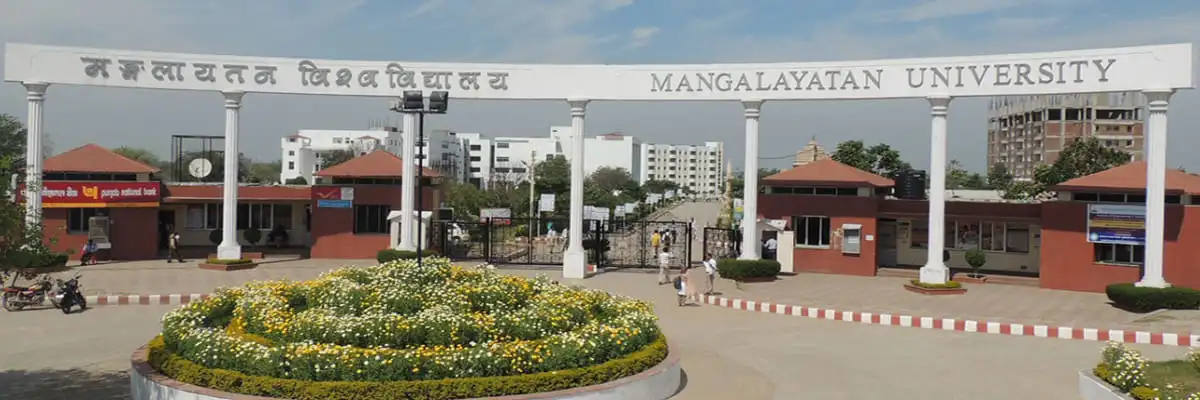
Mangalayatan University, Aligarh
Mangalayatan University is a UGC-recognized private university located in Aligarh, Uttar Pradesh, India. Known for its strong industry connections, cutting-edge curriculum, and commitment to technology-driven education, Mangalayatan University has established itself as one of central India's premier higher education institutions.
The university's vision is to foster academic excellence, industry readiness, and global competitiveness among its graduates — making it an ideal partner for EasyShiksha's mission of accessible, quality online education.
EasyShiksha has signed an MoU with Mangalayatan University to facilitate applications for various university programs and jointly offer B.Voc programs. All degrees and certifications under these programs will be awarded by Mangalayatan University. The EasyShiksha team will provide complete assistance and support throughout the admission and program process.
Mangalayatan University, Uttar Pradesh
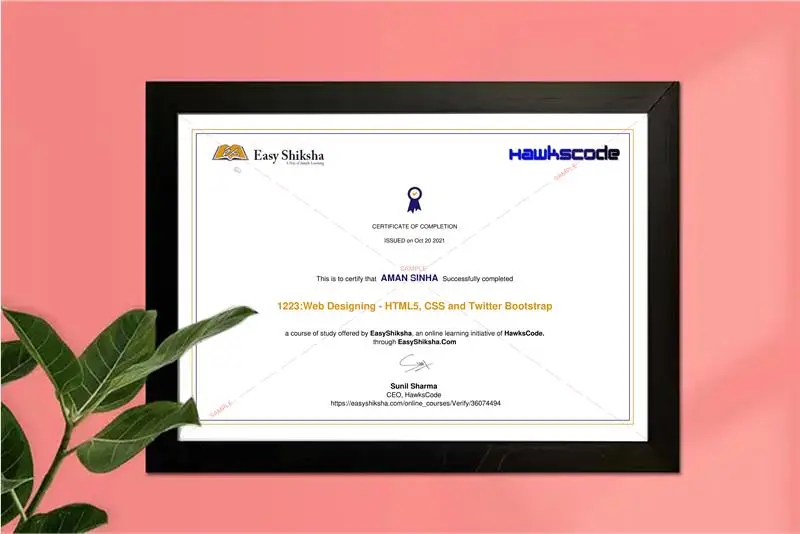
Sample Degree
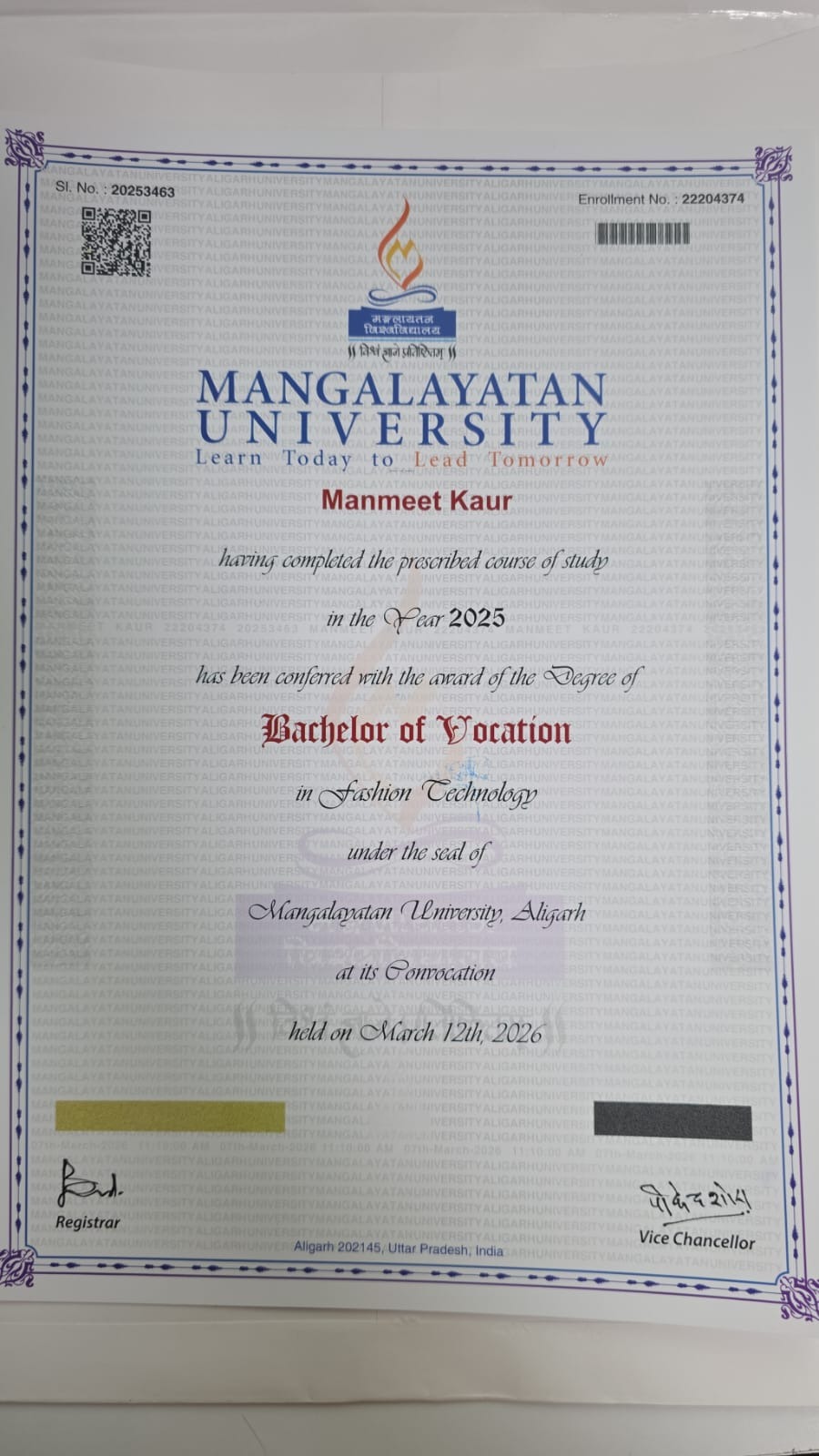
Documents
Media Gallery
Frequently Asked Questions
Mangalayatan University is located at 33rd Milestone, Aligarh-Mathura Highway, Beswan, Aligarh, Uttar Pradesh, India. The campus is situated in close proximity to the Yamuna Expressway and the cities of Aligarh and Mathura.
Mangalayatan University was established in 2006 under the Mangalayatan University, Uttar Pradesh Act, 2006. The University states that it has the right to confer degrees under Sections 2(f) and 22(1) of the UGC Act.
Yes. Mangalayatan University states that it is recognized by the University Grants Commission (UGC) and was established through an Act of the Uttar Pradesh State Legislature. The University also lists NAAC A+ accreditation among its recognitions.
Yes. The University states that it is recognized by UGC-DEB for Open and Distance Learning (ODL) and is entitled by the UGC to offer online degree programmes. It also states that its online programmes are approved by AICTE.
Mangalayatan University offers programmes across multiple academic levels, including UG, PG, Diploma, PG Diploma and PhD. Its programme portfolio covers areas such as Engineering & Technology, Computer Applications, Management, Agriculture, Biotechnology, Pharmacy, Physiotherapy, Nursing, Journalism & Mass Communication and other disciplines.
Depending on the programme, applicants may be required to provide Class 10 and Class 12 certificates and marksheets, graduation/post-graduation marksheets where applicable, competitive examination rank card where applicable, migration/transfer certificate and recent passport-size photographs. Original documents may be required for verification.
Yes. The University states that students can apply for an education loan through banks, subject to the bank's eligibility criteria.
Mangalayatan University has a 70+ acre campus in Aligarh, Uttar Pradesh.
Mangalayatan University holds an A+ accreditation grade from the National Assessment and Accreditation Council (NAAC).
Yes. Mangalayatan University carries AICTE approval for its technical programmes.
The degree certificate is issued and signed directly by Mangalayatan University, rather than by EasyShiksha or another third-party platform.
The degree certificate is personalised with the student's name, programme, and completion date and carries the university's official signature and seal.
Yes. The university's campus hosts optional immersion sessions associated with select Executive and Hybrid-mode programmes.
Students can select a Mangalayatan University programme, submit their personal details and required documents, pay the application fee, and proceed through the university's application review process.
Yes. Applications submitted through EasyShiksha can be monitored through the dashboard, where applicants can view status updates such as Under Review and Accepted along with their reference ID.
The B.Voc in Hospital Management is a vocational undergraduate program at Mangalayatan University that focuses on hospital administration, healthcare operations, management, quality, information systems, purchasing, inventory, hospital infrastructure, biomedical waste and related professional areas. The curriculum is spread across six semesters and carries 142 total credits.
The curriculum includes subjects such as Human Anatomy & Physiology, Management & Its Principle, Accounting For Managers, Business Communication, Hospital Information System, Medical Ethics, Resource Management & Organizational Behavior, Strategic Management, Purchase & Inventory Control for Hospitals, Hospital Architecture, Planning & Maintenance, Computer Fundamentals, Quality Management, Hospital Administration, Managerial Economics, Biomedical Waste, Medical Terminology, Hospital Imaging System and Business Environment & Law.
Yes. The curriculum includes Vocational Practical I to VI, with practical components across all six semesters. It also includes Hospital Management Project & Viva Voce in Semester V and Training Project Work in Semester VI. The curriculum does not specifically identify an internship by that name, so an internship has not been assumed.
The curriculum supports skills in hospital administration, healthcare operations, resource and inventory management, accounting, business communication, hospital information systems, quality management, patient safety, biomedical-waste management, facility planning, ethical decision-making and healthcare-related legal and regulatory understanding.
Graduates can explore career areas related to hospital administration, healthcare operations, quality management, hospital purchasing and inventory, hospital information systems, facility management, biomedical waste management and healthcare accounts and finance. Actual opportunities may vary according to the employer, role requirements and individual skills.