For many students, graduation represents the completion of years of academic effort. It marks the end of examinations, assignments, lectures, projects and formal education milestones. Yet for a large number of graduates, the transition from college to employment introduces a new and difficult question: how can they demonstrate practical experience when most of their educational journey has focused primarily on academic learning?
This challenge can be described as the internship gap. It refers to the distance between what students learn through formal education and the practical experience they are expected to discuss when applying for internships or entry-level opportunities. Graduates may possess theoretical knowledge, understand important concepts and have successfully completed their degrees, but they may still struggle to show how they have applied that knowledge in real tasks, projects, collaborative environments or professional settings.
The internship gap does not mean that graduates lack intelligence, potential or willingness to work. In many cases, it reflects limited access to structured practical opportunities during the education journey. Students may not know where to find internships, may postpone career preparation until the final year or may focus heavily on examinations because those are the primary measures of academic success. By the time they begin applying for opportunities, they may discover that employers and organizations often want examples of practical work, problem-solving, communication and familiarity with professional expectations.
This is where the role of digital learning platforms such as EasyShiksha becomes increasingly relevant. By connecting online courses with quizzes, practical learning, projects, certificates and internship opportunities, students can begin building experience before graduation. The objective is not to replace formal education but to strengthen it by creating more opportunities for students to learn, practice and gain exposure.
Understanding the internship gap is therefore important because it highlights a broader question about modern education: if students are expected to demonstrate skills after graduation, when and where should they have the opportunity to practice them?
The Difference Between Knowing and Doing
Academic education provides an essential foundation. Students learn theories, principles, formulas, frameworks and methods that help them understand their chosen subjects. This knowledge remains valuable because practical work without foundational understanding can become limited.
However, knowing a concept and applying it are not always the same experience.
A student may understand programming logic but struggle when asked to build an application from the beginning. A marketing student may know the principles of branding but feel uncertain about planning a real campaign. A finance student may understand accounting concepts but have limited experience using professional software or analyzing practical data. A communication student may know theoretical principles but need practice writing professional content or presenting ideas to an audience.
The difference between knowing and doing becomes particularly visible during internship applications and early professional experiences. Students may have learned the relevant subject but may not have enough examples to demonstrate how they approached a real task.
This does not suggest that theoretical education is inadequate. Instead, it highlights the importance of connecting theory with application. Students benefit when they have opportunities to test concepts, make mistakes, receive feedback and improve through practical work.
Why Many Students Reach Graduation Without Practical Experience
There are several reasons why students may complete their degrees with limited internship exposure. One of the most important is timing. Career preparation is often postponed because students believe they should first complete their education and then begin thinking about employment.
This traditional sequence can create pressure during the final year. Students suddenly need to prepare a resume, identify career interests, develop skills and apply for internships or jobs at the same time. If they have not explored practical opportunities earlier, they may feel unprepared.
Academic pressure is another factor. Many students focus on examinations because marks remain important for admissions, scholarships and academic progression. When the schedule is already demanding, internships and additional skill development may appear optional.
Access can also be a challenge. Students may not know which opportunities are suitable for beginners. They may believe that internships are only available to students with advanced skills or prior experience. Some may hesitate to apply because they fear rejection.
This creates a cycle. Students believe they need experience before applying for an internship, but internships are one of the ways students are expected to gain experience.
Digital learning and structured internship platforms can help reduce this barrier by providing clearer pathways for beginners. A student can first develop foundational knowledge, practice through projects and then explore opportunities that match their level.
When graduates begin applying for entry-level opportunities, many face the challenge of writing a resume with limited professional experience. The document may contain education, marks and personal details but very few examples of practical work.
Students may then search for ways to “fill” the resume rather than focusing on the more useful question of building meaningful experiences.
The strongest solution to this problem is usually experience building rather than resume decoration. Courses, projects, practical assignments, volunteer activities and internships can provide substance that students can genuinely discuss.
For example, a student who has completed a digital marketing course can strengthen their profile by creating a sample content strategy or analyzing a website. A programming student can work on applications or websites. A data learner can complete analysis projects. These experiences provide examples that can be explained during interviews.
EasyShiksha's learning and internship ecosystem can support this process by helping students move from learning toward application. Instead of waiting until graduation to ask what should be added to a resume, students can begin developing experiences throughout their academic journey.
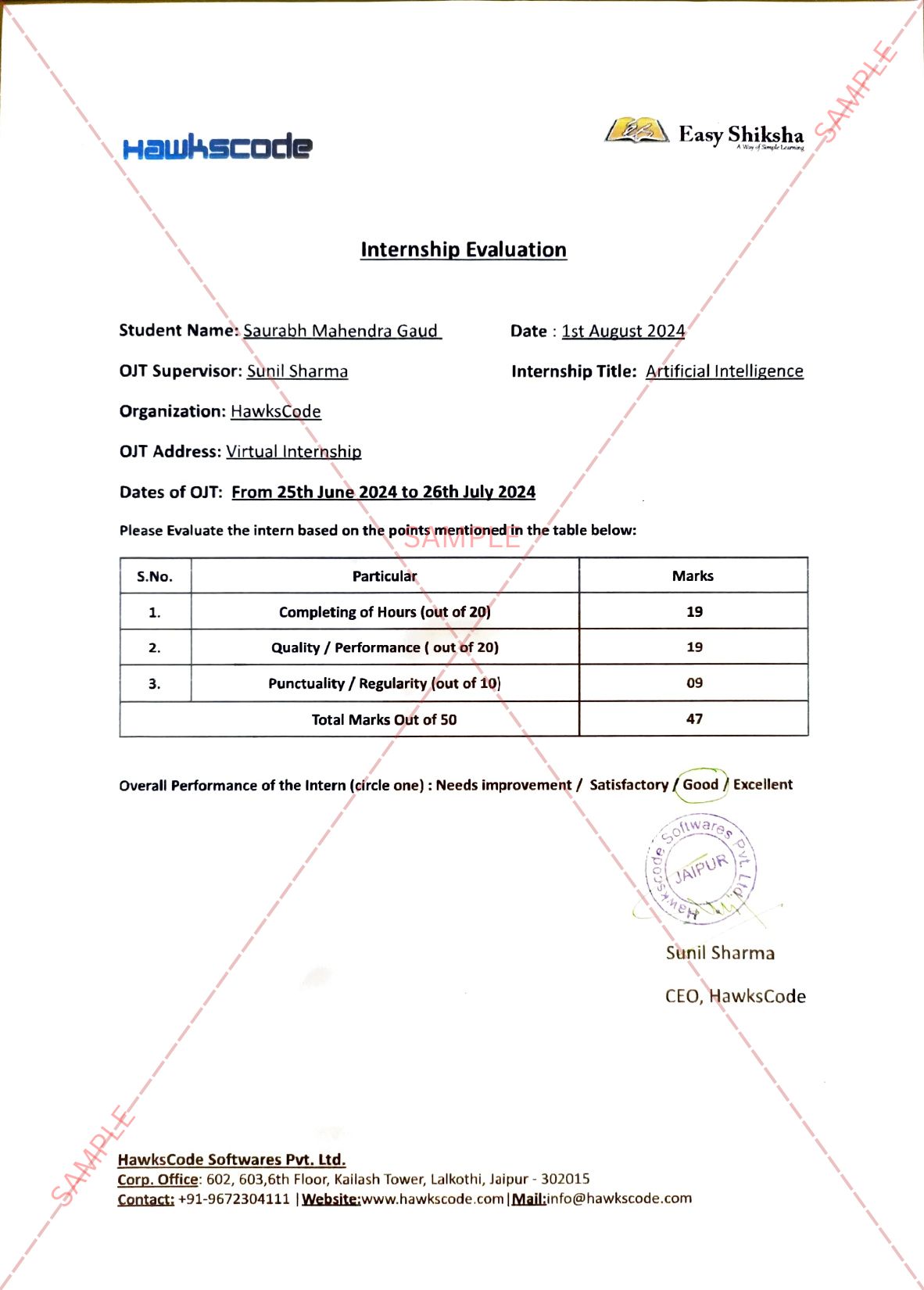
Internships Provide More Than a Resume Line
Students sometimes view internships primarily as achievements that need to appear on a resume. However, their deeper value lies in the exposure they provide.
An internship can introduce students to professional communication, deadlines, teamwork, feedback and practical responsibilities. It can help them understand how work is organized and how knowledge is used in real situations.
A student may discover that professional environments require skills that are rarely emphasized through examinations alone. They may need to communicate progress, ask questions, manage time, understand instructions and revise their work based on feedback.
These experiences can be difficult to develop without practical exposure.
An internship can also help students test their career assumptions. Someone who believes they want to work in a particular field may discover through experience that another role is more interesting. This information can help students make better career decisions before committing to a long-term path.
Why Students Should Not Wait Until the Final Year
Waiting until the final year to begin career preparation can make the internship gap more difficult to close. Students may have limited time to explore different fields, build skills and gain practical experience.
Starting earlier creates more opportunities for experimentation. A student can complete an introductory online course during the first year, build a small project in the second year and explore internships as their confidence develops.
Early preparation does not require students to know their entire career plan. The objective is to create exposure.
A student who starts exploring early can also learn from unsuccessful attempts. A rejected internship application can reveal which skills need improvement. A difficult project can show where additional practice is needed. By beginning earlier, students have time to use these experiences constructively.
EasyShiksha can support this gradual approach by providing students with opportunities to learn and explore internships as part of a connected journey.
Online Courses Can Reduce the Skills Gap
One way students can begin preparing for practical opportunities is through online learning. Courses can introduce specialized skills that may not be covered extensively in a traditional curriculum.
A computer science student can explore additional programming tools. A business student can learn digital marketing or data analytics. A commerce student can explore financial technology or accounting software. Students from different backgrounds can develop communication, design or technology-related skills.
The value of online courses increases when students actively use what they learn.
EasyShiksha can provide students with access to courses that support skill exploration. Students can choose areas related to their interests and gradually build knowledge before attempting more practical activities.
This can make the first step toward career preparation less intimidating.
Quizzes Can Support Self-Assessment
Students need to understand whether they have genuinely learned a concept before attempting to apply it professionally. Quizzes can support this process.
A quiz provides an opportunity to recall information and identify gaps. Students who consistently struggle with a particular topic can return to the learning material and practice further.
Regular self-assessment can also make students more aware of their own development. Instead of assuming they are ready or unready, they can use learning activities to identify their current level.
For digital learning platforms, quizzes can therefore become part of the preparation process between studying and applying knowledge.
Projects Create Practical Evidence
Projects are one of the most useful ways for students to reduce the gap between theoretical knowledge and practical experience.
A project requires students to make decisions, solve problems and produce an outcome. Even beginner-level projects can demonstrate initiative and application.
A student does not need to wait for an employer to assign the first practical task. They can begin with self-directed projects based on what they are learning.
For example, a web development student can build a personal website. A digital marketing learner can create a campaign plan. A finance student can analyze a sample dataset. A design student can create a portfolio.
These projects can later become talking points during internship interviews. Students can explain what they built, why they made certain decisions and what they learned from challenges.
This provides something that marks alone may not fully communicate: evidence of application.
The Learn, Practice and Intern Model
A useful way to understand practical career preparation is through a connected progression of learning, practice and internship exposure.
The first stage is learning. Students need foundational knowledge before they can approach many tasks confidently. Online courses and educational resources can provide this foundation.
The second stage is practice. Students test their understanding through quizzes, assignments and projects. Practice allows them to make mistakes in a learning environment.
The third stage is internship exposure. Students use their developing abilities in situations that introduce professional expectations.
This progression can help students avoid feeling overwhelmed. They do not have to move directly from a classroom to a highly demanding professional role. Instead, they can develop gradually.
EasyShiksha's broader ecosystem can support this type of connected journey by bringing learning and internship opportunities closer together.
Building Practical Experience Does Not Always Require a Full-Time Office
Practical experience can take different forms. Traditional office-based internships remain valuable, but digital work has expanded the range of possible experiences.
Students may participate in remote internships, collaborative online projects, virtual assignments or digital learning activities. The important element is meaningful engagement with tasks that require students to apply knowledge.
Remote opportunities can be particularly useful for students who may not live near major business centers or who need flexible schedules while continuing their education.
Digital platforms can therefore help make practical exposure more accessible, although students should still evaluate opportunities carefully and understand the expectations involved.
The Confidence Gap Behind the Internship Gap
The internship gap is not only about missing skills or opportunities. It can also involve confidence.
Students who have never participated in a professional environment may feel uncertain about whether they are ready. They may hesitate to apply because they believe they need to know everything before beginning.
This belief can prevent valuable learning.
Internships are often designed as developmental experiences. Students are expected to have areas where they need guidance. The important qualities can include willingness to learn, responsibility, communication and the ability to respond to feedback.
Confidence can grow through preparation. Completing courses, practicing skills and working on projects can help students approach opportunities with a stronger sense of readiness.
The goal should not be perfect confidence before applying. Confidence often develops through taking action.
Insights from Internship Students: Testimonials
×
Practical Experience Helps Students Understand Their Skill Gaps
One advantage of internships is that they can reveal what students still need to learn.
A student may complete a course and feel confident until they encounter a practical task requiring additional skills. This can initially feel disappointing, but it is useful information.
Practical work can reveal the difference between understanding a concept and using it under realistic conditions. A student may realize they need better communication, stronger technical knowledge, improved time management or more familiarity with a particular tool.
This discovery can guide the next stage of learning.
Instead of viewing skill gaps as failures, students can treat them as learning priorities.
The Role of Feedback in Practical Development
Feedback is another important element that students may experience more frequently during internships.
In academic environments, feedback may focus primarily on marks. In professional settings, feedback can focus on the quality, usefulness and clarity of work.
Students may need to revise assignments, correct mistakes and adapt to new instructions.
Learning how to respond to feedback is itself a valuable skill. A student who can listen, understand expectations and improve their work becomes more prepared for future professional environments.
Digital learning can begin this process through assessments and project reviews, while internships provide additional real-world context.
Why Employers Value Examples of Application
When organizations review candidates for internships or entry-level roles, academic qualifications can provide useful information, but examples of practical application can add context.
A student who can discuss a project may be able to explain how they approached a problem, what tools they used and what they learned. An internship experience may allow them to discuss communication, responsibilities and professional tasks.
These examples help move conversations beyond general claims such as “hardworking” or “good communication skills.”
The internship gap becomes visible when students struggle to provide such examples, not necessarily because they lack potential, but because they have had limited opportunities to create them.
This is why students benefit from building experiences throughout their education rather than trying to create an entire professional profile in the final semester.
Learning Profiles Can Organize Practical Development
As students complete courses, projects and internships, a learning profile can help connect these experiences.
Rather than treating each certificate or project as an isolated achievement, students can develop a broader record of how their interests and skills have evolved.
A learning profile can include courses explored, skills practiced, projects completed and internship experiences. Over time, this can become a useful reflection of development.
For students using EasyShiksha, the idea of a connected learning journey is particularly relevant. Learning does not have to end with course completion. Students can continue toward practice and practical exposure.
This creates a more complete educational identity.
The Role of Colleges and Digital Platforms
Colleges and universities continue to play an essential role in providing academic foundations. However, the growing importance of practical experience suggests that education institutions and digital learning platforms can complement each other.
Academic institutions can provide depth, theoretical understanding and structured curricula. Digital platforms can provide additional flexibility, specialized learning and opportunities for practice.
Internship-focused ecosystems can then help students connect skills with practical exposure.
The objective should not be to replace one form of education with another. The strongest student development journey may combine academic learning with digital skill development and practical experience.
Making Internships More Accessible to Beginners
One challenge for students is finding opportunities appropriate to their current level.
Some internship descriptions may appear to require multiple skills, making beginners believe they are not ready. Students may also be uncertain about what type of work an internship involves.
Clearer learning pathways can help.
A student who completes foundational learning can identify related beginner projects. After developing basic confidence, they can explore internship opportunities aligned with their skills.
Platforms such as EasyShiksha can potentially make this journey more structured by bringing learning and internship opportunities into the same ecosystem.
The objective is to reduce the uncertainty between learning something and finding an opportunity to use it.
From Certificate Collection to Experience Building
The popularity of online certificates has created opportunities for students to document learning, but it has also created a risk of focusing only on completion.
Students may collect multiple certificates without spending enough time applying the knowledge.
A stronger approach is to combine selective learning with practice. After completing a course, students can ask what they can build, analyze, design or solve using the concepts they learned.
This creates a more meaningful learning process.
Certificates can still be useful, but their context becomes stronger when students can connect them with projects and practical experiences.
Closing the Gap Before Graduation
The internship gap does not need to be addressed after graduation. In many cases, students can begin reducing it while they are still studying.
The process can begin with awareness. Students can identify fields they are curious about and explore introductory learning. They can then practice through quizzes and small projects.
As confidence develops, they can explore internships and practical opportunities.
This gradual process gives students time to make mistakes and improve. It also reduces the pressure of trying to become career-ready immediately before graduation.
EasyShiksha's combination of courses and internships aligns with this approach by encouraging students to develop both knowledge and practical exposure.
Document
#AbIndiaSikhegaGharSe
Online Internships for Students
EasyShiksha offers comprehensive online virtual internship programs tailored for students, graduates, freshers, and working professionals seeking academic advancement and upskilling certifications.
Get Job-Ready with Our Online Summer Internship 2025 Opportunities
Explore our wide selection of online job-ready internships featuring globally recognized certificates accepted by universities, colleges, and companies worldwide.
Obtain two authorized certificates recognized by universities & corporates.
Access our 100% online internships at genuine price.
Choose from flexible internship durations ranging from 2 weeks to 6 months.
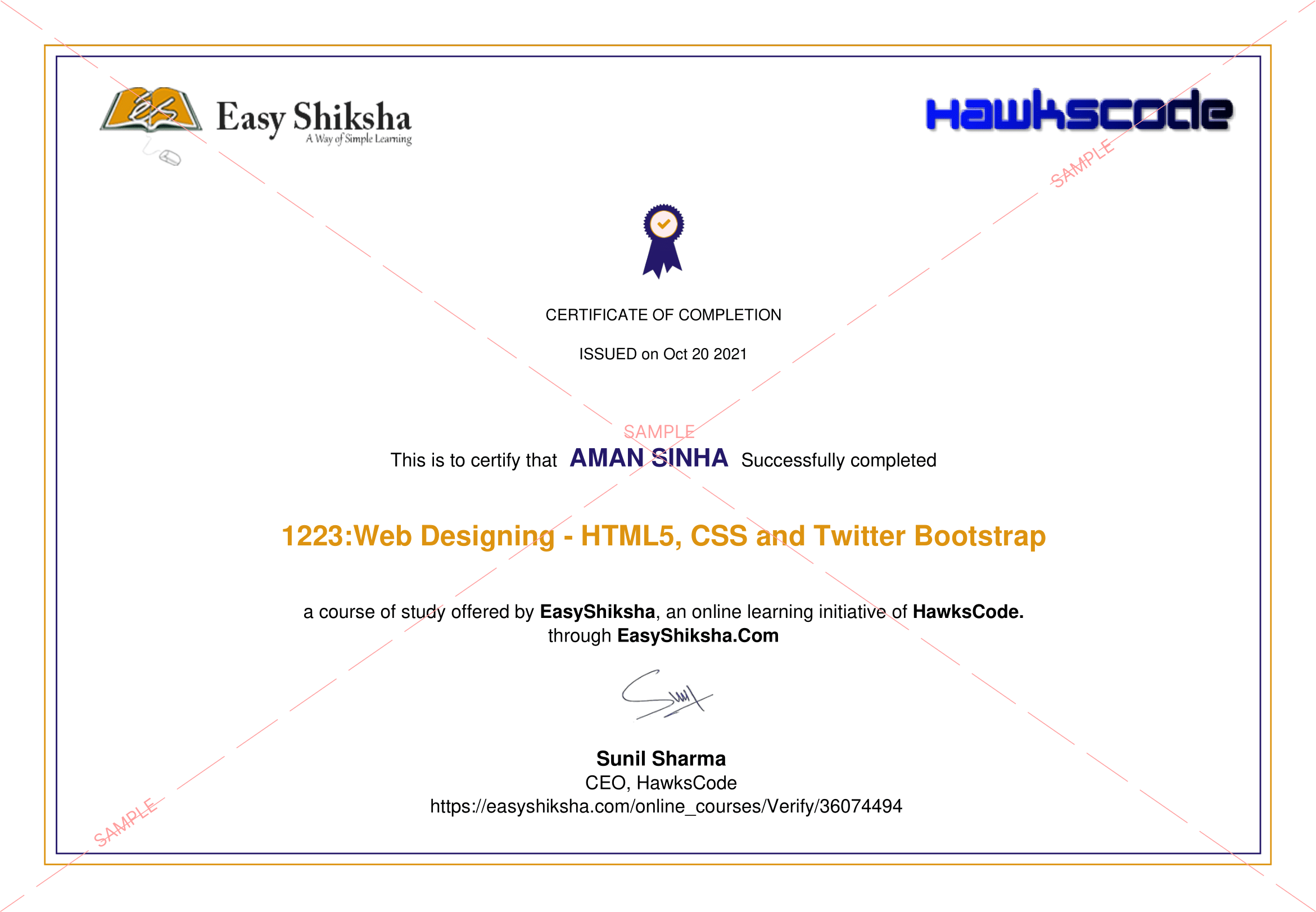
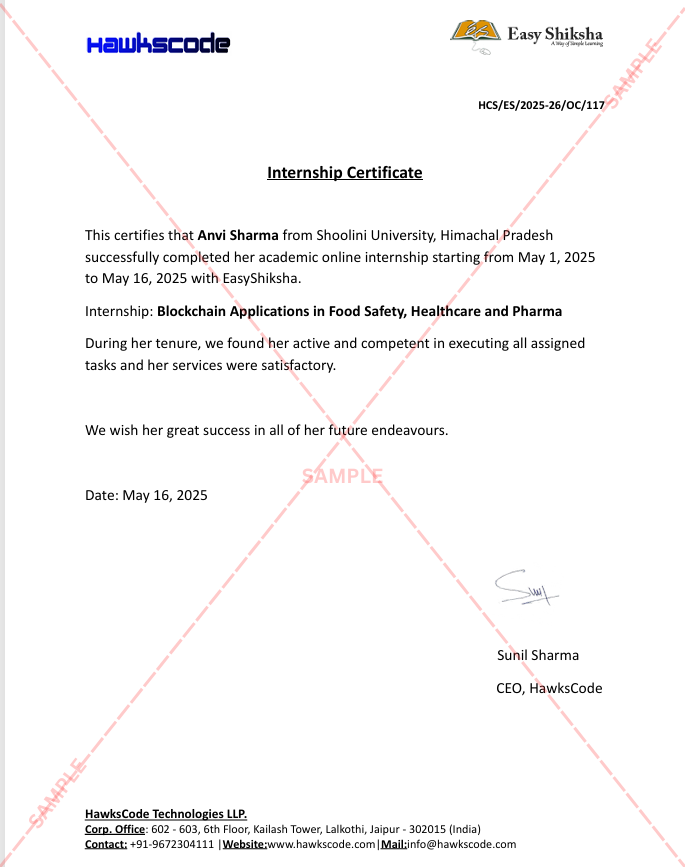
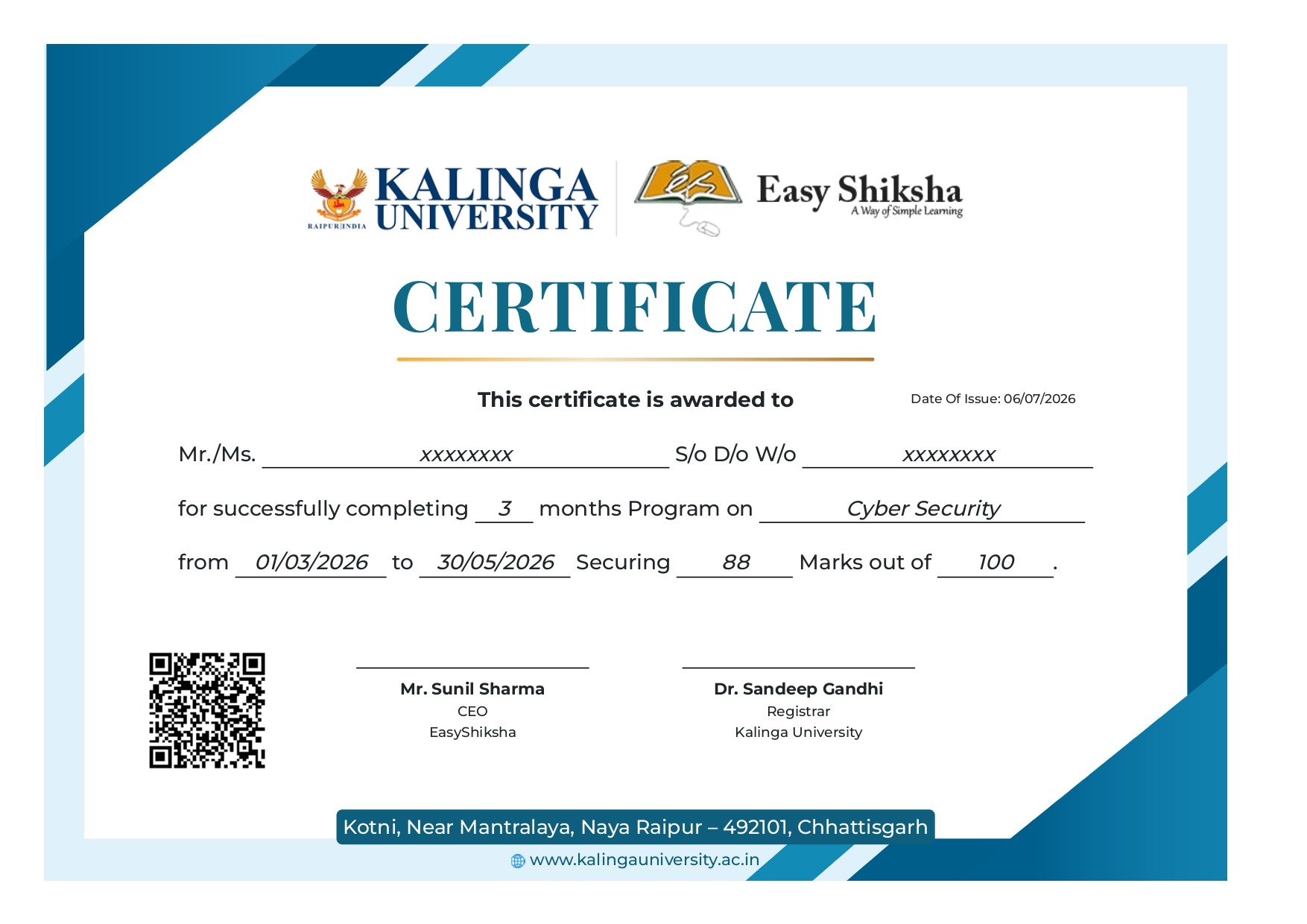
Upon completion, you will receive two certificates: an Internship Certificate and a Course Completion Certificate
Learn conveniently anytime, anywhere.
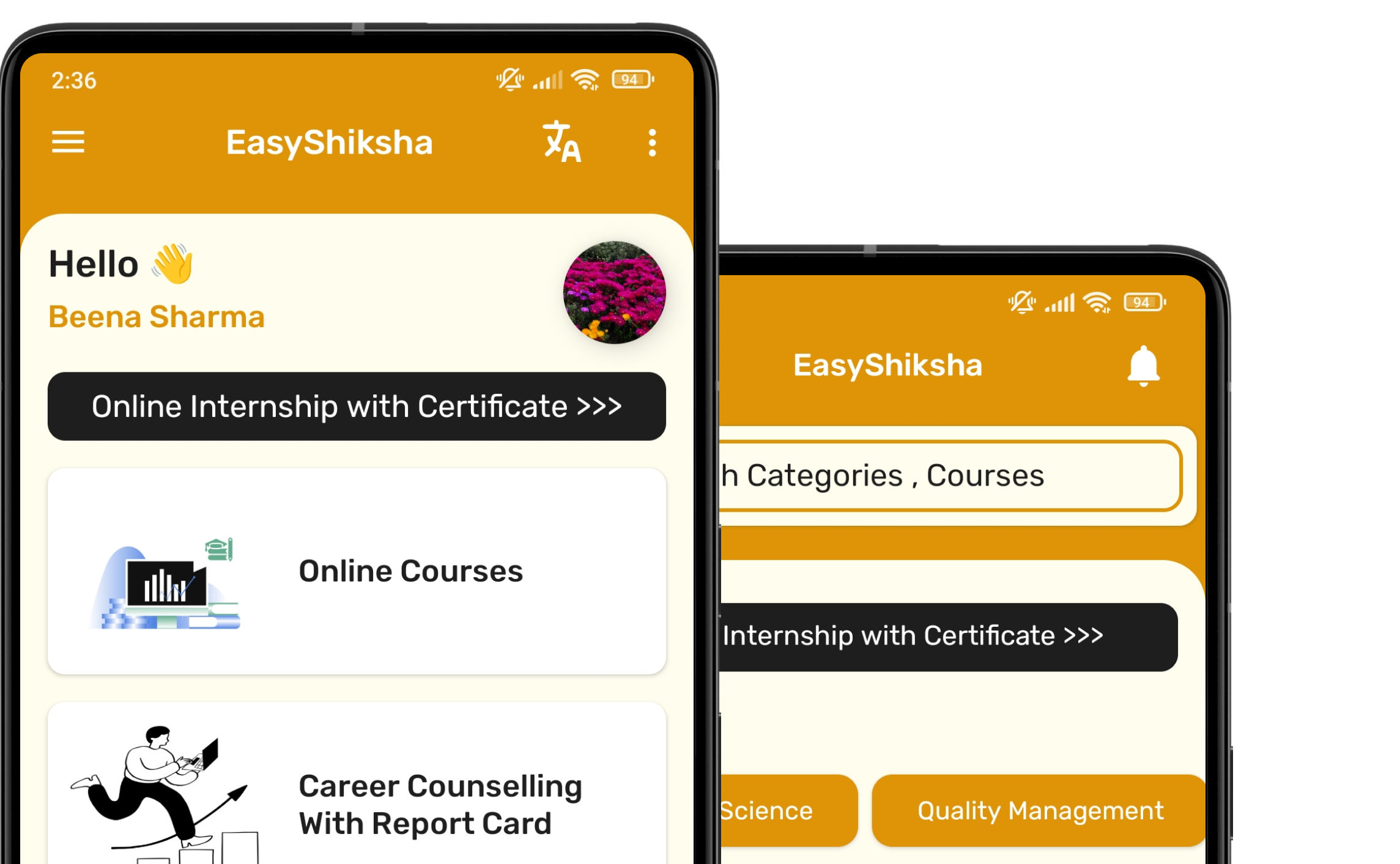
Access learning materials seamlessly via web or mobile. (Download App)
Career readiness should not be understood as a point students suddenly reach after collecting enough qualifications. It is better understood as an ongoing process.
Students learn, practice, apply, receive feedback and continue learning.
This cycle can continue throughout a career.
The habits students develop while closing the internship gap may therefore remain valuable long after graduation. A willingness to identify skill gaps, seek learning opportunities and apply knowledge can support continuous professional development.
The Future of Practical Student Learning
Technology is likely to continue changing how students gain experience.
Online projects, remote internships, digital collaboration and AI-supported learning may create additional opportunities for students to practice skills.
However, access to technology alone will not close the internship gap. Students still need structured opportunities, meaningful tasks and guidance.
The most effective future learning models may be those that connect education, practice and professional exposure rather than treating them as separate stages.
Conclusion: Practical Experience Should Be Part of the Learning Journey
The internship gap highlights an important challenge facing many graduates. Students can spend years developing academic knowledge and still feel uncertain when asked to demonstrate practical experience.
This gap does not indicate a lack of potential. It often reflects a lack of opportunities to apply knowledge before graduation.
The solution begins by treating practical development as part of education rather than something students should begin only after completing their degrees.
Online courses can provide new knowledge. Quizzes can support self-assessment. Projects can create evidence of application. Internships can introduce students to professional expectations.
EasyShiksha can support this connected journey by bringing learning and practical opportunities closer together. The platform's focus on online courses, skill development, quizzes, projects, certificates and internships can help students move beyond passive learning toward practical exploration.
Students do not need to become experts before their first internship. They need opportunities to learn, practice and gradually gain confidence.
The most effective time to start closing the internship gap is therefore before it becomes a graduation challenge. When students begin exploring skills early, apply knowledge through projects and seek practical exposure throughout their education, graduation becomes less of a sudden transition into the unknown.
Anshika Jain is an Engineer, Developer, and Educational Content Author known for her dedication to technology and knowledge sharing. With a strong analytical mindset and a passion for innovation, she has consistently contributed to creating meaningful digital solutions and insightful educational articles.
Her ability to simplify complex technical concepts into engaging and easy-to-understand content makes her work valuable for students and learners across various platforms. Along with her technical expertise, Anshika is admired for her creativity, professionalism, and commitment to continuous learning.
She represents a perfect blend of technical excellence and impactful communication, inspiring others through both her development work and educational contributions.