A student sitting in a college canteen opens a smartphone to revise a difficult topic before an examination. Instead of searching through multiple websites, watching unrelated videos, or waiting for the next classroom session, the student asks an artificial intelligence learning assistant to explain the concept in simple language. The assistant provides an explanation, offers practice questions, identifies areas of confusion, and suggests what the student could learn next.
This experience represents an emerging possibility in education: personalised learning supported by artificial intelligence. Traditional education often follows a common schedule in which students study the same subjects, complete similar assignments, and prepare for assessments according to a fixed timetable. Although this structure can provide consistency, it may not fully address differences in learning speed, interests, academic background, and career goals.
AI-powered learning tools could help create a more flexible learning experience. They may provide explanations according to a learner’s level, recommend relevant content, support revision, and offer immediate feedback. When used responsibly, these tools can help students understand their strengths, recognise learning gaps, and develop more independent study habits.
However, personalised learning is not simply about placing an AI chatbot inside a mobile application. Meaningful personalisation requires thoughtful course design, reliable information, learner participation, privacy protection, and opportunities for practical application. Students need more than instant answers. They need to understand concepts, practise skills, solve problems, and connect learning with future opportunities.
Platforms such as EasyShiksha, with their focus on online courses, certificates, quizzes, and internship-oriented opportunities, can be part of this evolving learning environment. By combining structured education with technology-supported guidance, students may be able to create learning journeys that are more relevant to their individual needs.
The future of personalised learning will depend not only on what AI can generate but also on how effectively students, educators, and learning platforms use it to support genuine understanding and career development.
Understanding Personalised Learning in the Digital Age
Personalised learning refers to an educational approach that adapts aspects of the learning experience to the needs, interests, abilities, and goals of individual learners. It does not necessarily mean that every student receives an entirely different curriculum. Instead, it may involve adjustments in learning pace, content difficulty, explanations, assessment methods, and practice activities.
In a traditional classroom, a teacher may need to explain the same topic to a large group of students within a limited period. Some learners may understand the concept quickly, while others may need additional examples or revision. Students who already understand the subject may feel that the lesson is moving slowly, whereas students who need more support may struggle to keep up.
Personalised learning tools can offer additional flexibility outside the classroom. A learner can revisit a lesson, request another explanation, attempt practice questions, or explore examples based on their current level. This does not replace the role of teachers, but it can provide supplementary support between formal learning sessions.
AI can contribute to this process by analysing learner interactions, recognising patterns in responses, and generating recommendations. For example, if a student repeatedly answers questions incorrectly about a particular concept, an AI system may suggest revision material or provide a simpler explanation.
The quality of personalisation depends on the information available and the design of the learning system. A tool that merely recommends more content without understanding the learner’s actual needs may increase confusion rather than improve learning. Effective personalisation should help students focus on the right learning activity at the right time.
Why Every Student Does Not Learn in the Same Way
Students differ in their educational backgrounds, confidence levels, interests, language preferences, and learning habits. Two learners enrolled in the same course may have completely different experiences with the material.
A student studying computer science may already understand programming fundamentals because of previous practice, while another student may be encountering coding for the first time. A finance learner may be comfortable with numerical calculations but struggle with technical terminology. A student from a regional-language background may understand a concept more easily when it is explained through familiar examples and simpler language.
A single teaching method may not meet all these needs equally. Students may require different amounts of revision, different examples, and different types of practice. Personalised learning aims to address some of these differences by offering more adaptable learning experiences.
AI assistants can potentially support this adaptation by allowing students to ask questions in their own words. A learner can request a beginner-level explanation, ask for a practical example, or explore the same concept from another perspective. This flexibility can be particularly useful when students hesitate to ask questions in a classroom.
However, learning preferences should not be treated as fixed labels. A student who prefers videos for one topic may benefit from written explanations for another. Personalisation should remain flexible and should respond to actual learning needs rather than placing students into permanent categories.
The AI Learning Assistant as a Personal Study Companion
An AI learning assistant can be understood as a digital companion that supports specific parts of a student’s learning process. It may answer questions, explain concepts, generate practice exercises, help organise revision, or suggest additional resources.
Imagine a student preparing for an introductory data science course. The student encounters the term “data visualisation” but does not understand its purpose. Instead of searching through several resources, the student asks the AI assistant for an explanation. The assistant may explain the concept in simple language and provide an example involving a chart of monthly expenses.
The student can then ask a follow-up question about the difference between a bar chart and a line chart. After receiving an explanation, the learner can attempt a short quiz or practise creating a chart using sample data. In this situation, the AI assistant supports a sequence of activities rather than providing only a single answer.
An AI assistant may also help students prepare study plans. A learner with limited time could request a revision schedule based on upcoming assessments and available study hours. The assistant might suggest dividing the subject into smaller topics and including regular practice sessions.
Such assistance should be treated as guidance rather than an unquestionable authority. AI-generated explanations can contain errors, omissions, or misleading statements. Students should verify important information through reliable educational sources and seek guidance from qualified teachers or experts when necessary.
Personalised Explanations for Different Learning Levels
One potential benefit of AI in education is its ability to adjust explanations according to a learner’s level. Beginners often need simple definitions and familiar examples, while advanced students may want technical detail, practical applications, or challenging questions.
For example, the concept of artificial intelligence can be explained differently to different learners. A beginner may need an introduction to how computers identify patterns in data. A more advanced student may want to explore machine learning models, training data, evaluation methods, and limitations.
An AI learning assistant can respond to requests such as “Explain this like I am a beginner” or “Give me an advanced example.” This makes the learning process more interactive and allows students to request support when they need it.
Language accessibility is another important consideration. Students may understand complex concepts more easily when explanations use clear language, familiar examples, or a combination of English and a preferred Indian language. AI tools may help provide alternative explanations, although the accuracy and quality of translations should be checked.
Personalised explanations can be useful when students are revising independently. Instead of repeatedly reading the same paragraph, they can ask for an analogy, a practical example, or a comparison with a familiar concept.
Nevertheless, simpler explanations should not remove important details. Students must gradually develop the ability to understand subject-specific terminology and more complex material. Personalisation should support progression rather than keep learners at an overly simplified level.
AI-Powered Quizzes and Continuous Self-Testing
Assessment is an important part of learning because it helps students determine whether they understand a concept. Traditional assessments often occur at the end of a unit or semester. AI-supported learning systems could make self-testing more frequent and responsive.
An AI learning assistant may generate questions based on a student’s recently completed lesson. If the learner answers several questions correctly, the system could introduce more challenging problems. If the student struggles, the assistant might recommend revision before presenting another assessment.
For example, a student learning digital marketing could complete a lesson on search engine optimisation. The assistant may ask questions about keywords, search intent, content quality, and on-page optimisation. After the quiz, the student could review incorrect answers and revisit the relevant concepts.
This approach may encourage active recall. Instead of simply rereading notes or watching another video, students attempt to retrieve information from memory. The process can help reveal gaps in understanding and provide opportunities for correction.
EasyShiksha’s focus on quizzes can complement this kind of learning approach. Students can use assessments not only to complete a course requirement but also to identify topics that require additional practice. If AI-based recommendations are integrated into a learning journey, they should guide students toward meaningful revision rather than encourage them to chase scores alone.
A quiz result is only one indicator of progress. A student may answer factual questions correctly but still struggle to apply the knowledge in a project. Therefore, quizzes should be combined with practical tasks, reflection, and feedback.
Learning Recommendations Based on Student Progress
In a large digital learning environment, students may find it difficult to decide what to study next. Thousands of courses, videos, and resources can create choice overload. Personalised recommendation systems may help learners identify relevant learning activities.
An AI system could consider information such as completed courses, quiz performance, stated interests, and learning goals. For instance, a student who completes an introductory course in web development may receive recommendations for HTML practice, CSS fundamentals, JavaScript basics, or beginner-level projects.
A student interested in digital marketing might be guided from content writing to search engine optimisation, analytics, social media strategy, and campaign planning. The recommendation should depend on the learner’s current knowledge and intended direction.
However, recommendation systems must be designed carefully. A student should not be restricted to a narrow set of subjects based only on previous activity. Personalisation can sometimes create a digital learning bubble in which learners see similar content repeatedly and miss opportunities to explore new fields.
Students should retain control over their learning choices. AI recommendations can provide suggestions, but learners should be able to reject them, explore alternatives, and select subjects that match their evolving interests.
A useful learning platform can combine algorithmic suggestions with transparent explanations. Students should understand why a course or activity is being recommended and how it relates to their learning goals.
From Personalised Learning to Career-Oriented Development
Education becomes more meaningful when students understand how their learning connects to future opportunities. AI-supported personalisation may help learners explore career pathways based on interests and developing skills.
A student interested in technology may begin with foundational programming, explore web development, and later consider data science or cybersecurity. Another learner interested in business may study accounting, marketing, communication, and entrepreneurship. AI tools can help students compare learning requirements and identify introductory resources.
Career guidance should not be reduced to automated predictions. An AI assistant cannot fully understand a student’s personal circumstances, motivation, financial situation, or long-term preferences through limited digital interactions. Its suggestions should therefore be treated as exploratory information rather than definitive career decisions.
Students can use AI to ask questions about the skills associated with a particular role, common beginner projects, and possible learning pathways. They should also consult educators, professionals, career counsellors, and reliable industry sources.
EasyShiksha’s learning ecosystem can support this process by helping students explore online courses and practical opportunities. A learner may use a course to build foundational knowledge, complete quizzes to assess understanding, and pursue project or internship-oriented experiences to gain exposure to real tasks.
The ultimate purpose is not to create a perfect automated career plan. It is to help students make informed choices while developing the skills and confidence needed to adapt as their interests change.
The Importance of Practical Learning in an AI-Enabled World
AI can explain concepts quickly, but explanation alone does not guarantee competence. Students still need to practise, make mistakes, solve problems, and create original work.
Consider a student learning graphic design. An AI assistant can explain design principles, suggest exercises, and provide feedback on a draft. However, the student must still use design tools, make layout decisions, experiment with typography, and create a complete visual composition.
Similarly, an AI assistant can explain programming concepts, but students need to write and debug code themselves. A finance learner may receive an explanation of financial statements but must practise interpreting data. A communication student can ask for presentation tips but needs to speak, record, review, and improve.
Practical learning develops abilities that cannot be demonstrated through passive content consumption alone. It also helps students discover where they need additional support.
A personalised learning system should therefore recommend appropriate practice activities. These might include case studies, simulations, projects, writing exercises, coding tasks, quizzes, or collaborative assignments. The activity should match the student’s level and learning objective.
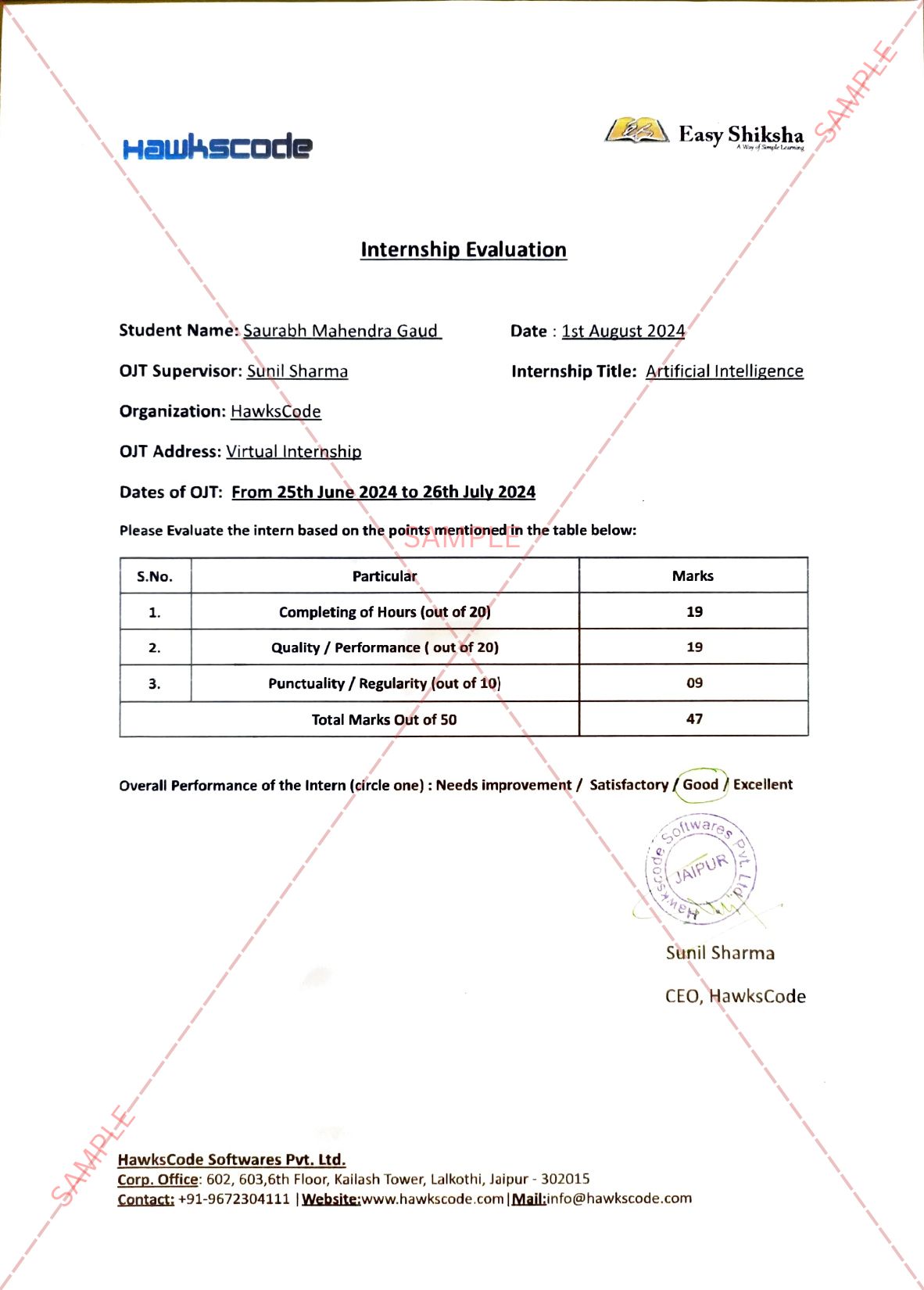
Internships can provide another layer of practical exposure. Students may learn how workplace tasks are assigned, how deadlines are managed, and how communication and teamwork affect outcomes. Online courses and certificates can provide a foundation, while practical work helps learners apply that foundation in realistic contexts.
AI as a Support Tool, Not a Replacement for Thinking
One of the major concerns surrounding AI-assisted education is the possibility that students may become dependent on generated answers. If learners use AI to complete every assignment without understanding the material, they may achieve short-term convenience but lose opportunities for independent development.
Learning requires mental effort. Students should attempt to solve problems before asking AI for assistance. When they receive an answer, they should examine the reasoning, check the accuracy, and try to explain the concept in their own words.
For example, a student working on a programming problem could first identify the requirements and develop a solution independently. The AI assistant could then help review the code, explain an error, or suggest alternative approaches. This use supports learning more effectively than copying an entire solution without understanding it.
AI can also be used for reflection. Students may ask the assistant to identify weaknesses in an explanation they have written or generate questions that test their understanding. However, they should not rely entirely on automated feedback, particularly in subjects requiring expert judgement.
Teachers remain important because they provide context, mentorship, emotional support, ethical guidance, and an understanding of individual circumstances. AI tools can assist educators and students, but they cannot replace the full human relationship involved in education.
Motivation often changes throughout a student’s educational journey. Learners may feel enthusiastic when beginning a new course but lose interest when the material becomes difficult or progress appears slow.
Personalised learning may support motivation by making activities more relevant and manageable. When students can connect lessons to their interests, they may better understand why the topic matters. When tasks are adjusted to an appropriate level, learners may experience progress without feeling overwhelmed.
Small milestones can also support motivation. Completing a module, improving quiz performance, finishing a project, or applying a skill in a practical task can help students recognise development.
However, motivation should not depend entirely on digital rewards. Points, badges, and progress indicators can make learning engaging, but they should support genuine educational outcomes. Students should not be encouraged to complete lessons quickly merely to increase their scores.
A strong learning experience helps students develop internal motivation. They begin to recognise the value of knowledge, enjoy solving problems, and understand how consistent effort contributes to long-term goals.
EasyShiksha’s combination of learning activities, quizzes, certificates, and internship-oriented opportunities can be positioned within this broader journey. Students can use visible milestones to track progress while continuing to focus on practical understanding and personal development.
Supporting Students Who Learn Outside Traditional Classrooms
Many students study beyond the boundaries of a traditional classroom. They may learn while commuting, at home, during breaks, or alongside employment and family responsibilities. Mobile-friendly learning can make educational resources more accessible in these situations.
An AI learning assistant in a student’s pocket could provide support when a teacher or mentor is not immediately available. A learner might revise a topic during a short break, ask a question while working on an assignment, or practise through a quiz before an examination.
This flexibility can be especially useful for students who need to revisit lessons at their own pace. They can pause, repeat, and review material without feeling that they are delaying the progress of an entire classroom.
However, access to a smartphone does not automatically guarantee equal learning opportunities. Students may face challenges involving internet connectivity, device quality, digital literacy, language accessibility, and financial constraints. Educational platforms should consider these barriers when designing mobile learning experiences.
Learning content should be accessible, clearly organised, and suitable for different device conditions. Students should also have opportunities to download relevant resources where appropriate and access support when technical difficulties occur.
Personalisation should aim to reduce unnecessary barriers rather than create additional complexity.
Data Privacy and Responsible Use of Student Information
AI-supported personalisation often depends on learner data. Information such as course progress, quiz results, learning preferences, and interaction history may be used to recommend content or identify areas for improvement.
This creates important privacy responsibilities. Students should understand what information is collected, why it is collected, how it is stored, and who can access it. Educational platforms should communicate their data practices clearly and avoid collecting unnecessary information.
Sensitive student data should be protected through appropriate security measures. Learners should be cautious about sharing personal details, academic records, passwords, financial information, or other private content with AI tools.
Transparency is also important when automated systems make recommendations or assessments. Students should be able to question results and seek human review when they believe an outcome is inaccurate or unfair.
AI systems can make mistakes because of incomplete data, biased training material, or incorrect assumptions. A student should not be permanently labelled as weak in a subject based on a small number of incorrect answers. Learning systems should allow students to improve and demonstrate progress over time.
Responsible AI in education requires a balance between personalisation and learner autonomy. Technology should help students, not create invisible restrictions around their educational choices.
The Role of Educators in AI-Supported Learning
The development of AI learning assistants does not eliminate the need for teachers. Instead, it may change how educators spend their time and how students receive support.
If AI tools can answer basic questions and provide practice exercises, teachers may be able to focus more on complex explanations, individual mentoring, project feedback, and classroom discussions. Educators can also help students evaluate AI-generated information and develop responsible technology habits.
Teachers bring knowledge of student behaviour and context that automated systems may not possess. They can notice when a learner is confused, discouraged, distracted, or struggling with a personal challenge. They can also encourage collaboration and create learning experiences that involve social interaction.
AI-generated content should be reviewed before being used in formal education. Teachers and institutions need to assess accuracy, relevance, inclusivity, and age appropriateness.
The most effective model may involve collaboration between human educators and AI systems. Technology can provide additional support and efficiency, while teachers continue to guide students through deeper learning and personal development.
How EasyShiksha Can Fit Into the Personalised Learning Journey
EasyShiksha’s focus on online courses, certificates, quizzes, and internship-oriented opportunities can support students who want to organise their learning around practical career goals. Personalised learning technologies could potentially make such journeys more adaptive by helping learners identify relevant courses, revise difficult concepts, and monitor progress.
A student may begin by selecting an introductory course based on a personal interest. After completing lessons, the learner can use quizzes to evaluate understanding and identify topics that need revision. The student may then practise through assignments or projects and explore internship-oriented opportunities for practical exposure.
An AI learning assistant could complement this process by explaining difficult concepts, helping students prepare revision plans, or suggesting learning activities. Its recommendations should remain connected to the learner’s goals and current level.
For example, a beginner interested in data analytics might first study spreadsheet fundamentals, complete basic assessments, and practise organising sample data. After gaining confidence, the student could explore visualisation tools and create a small project. The learning journey can gradually become more advanced as the learner develops foundational skills.
The value of a platform depends on how students engage with its resources. Course completion should be accompanied by practice, reflection, and application. Certificates can document learning milestones, but students should also work toward developing evidence of what they can do.
EasyShiksha can be part of a broader ecosystem in which learners move from learning concepts to testing knowledge, practising skills, and exploring professional exposure.
Challenges in Implementing Personalised Learning
Although AI-powered personalisation offers potential benefits, it also presents challenges. The first is accuracy. An AI assistant may provide an incorrect explanation or recommend content that does not match the student’s needs. Students and educators must therefore verify important information.
The second challenge is overdependence. Learners may use AI to avoid difficult thinking or complete assignments without understanding them. Educational systems should encourage independent problem-solving and transparent use of AI assistance.
Another challenge involves digital inequality. Not all students have reliable internet access, modern devices, or the same level of technical familiarity. Personalised learning should not increase the gap between students who have extensive digital resources and those who do not.
There is also the issue of motivation and attention. A learning platform with too many recommendations, notifications, or rewards may distract students rather than support them. Personalisation should simplify the learning journey and help learners focus on meaningful activities.
Finally, privacy and ethical considerations must remain central. Students need control over their information and should be able to understand how automated systems influence their learning experience.
These challenges do not mean that AI has no place in education. They demonstrate why technology must be implemented thoughtfully, with clear learning objectives, human oversight, and student protection.
Frequently Asked Questions
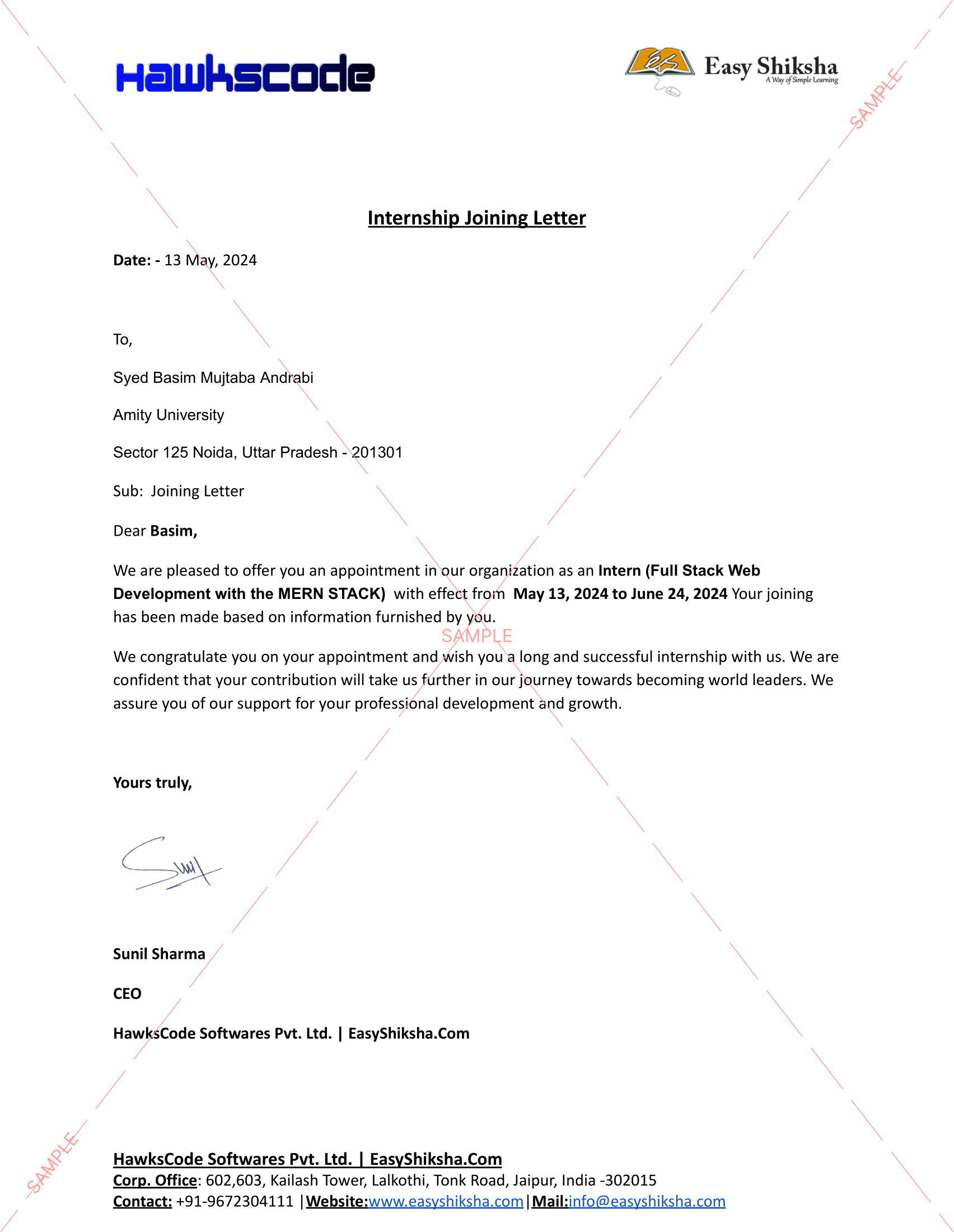
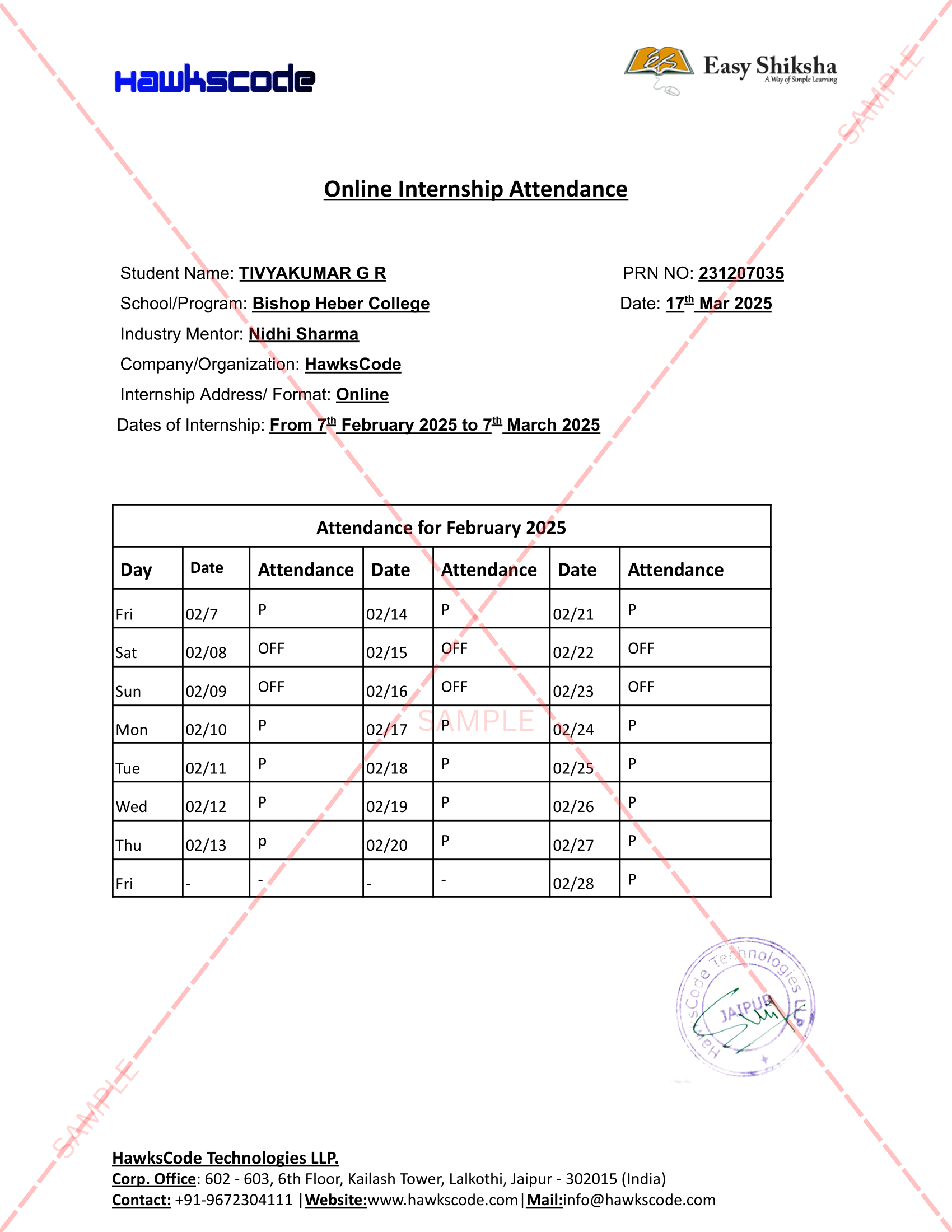
Q. How can I apply for an internship with EasyShiksha?
You can apply by visiting our website, browsing available internships, and following the application instructions provided.
Q. What types of internships are available through EasyShiksha?
EasyShiksha offers a wide range of internships across technology, business, marketing, healthcare, and more.
Q. Will I receive a certificate upon completing an internship?
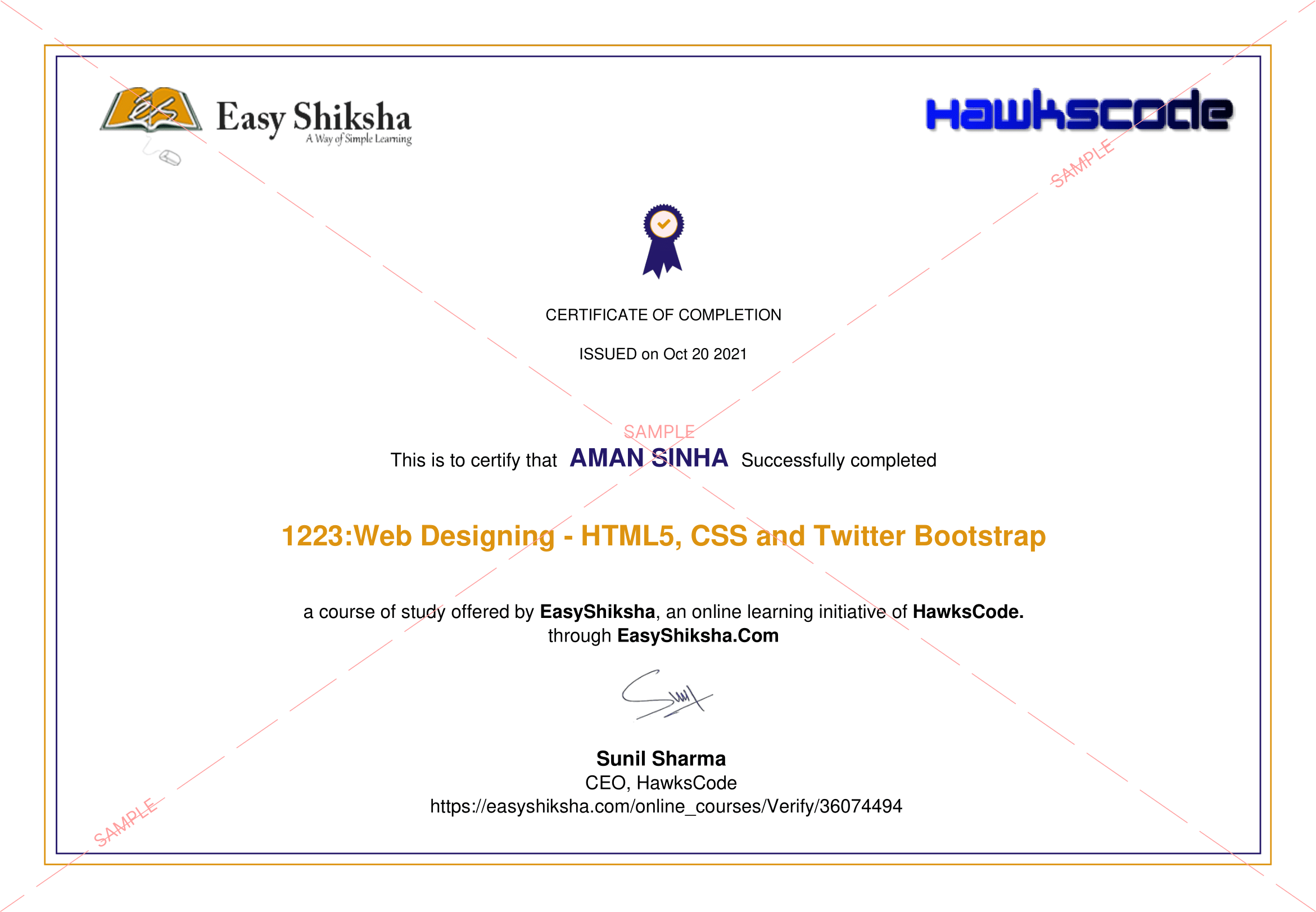
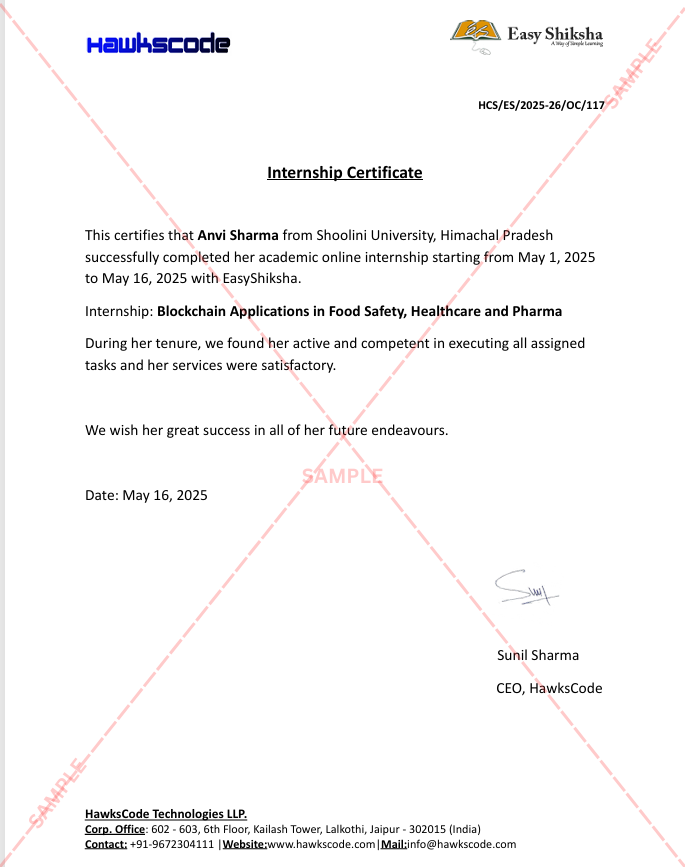
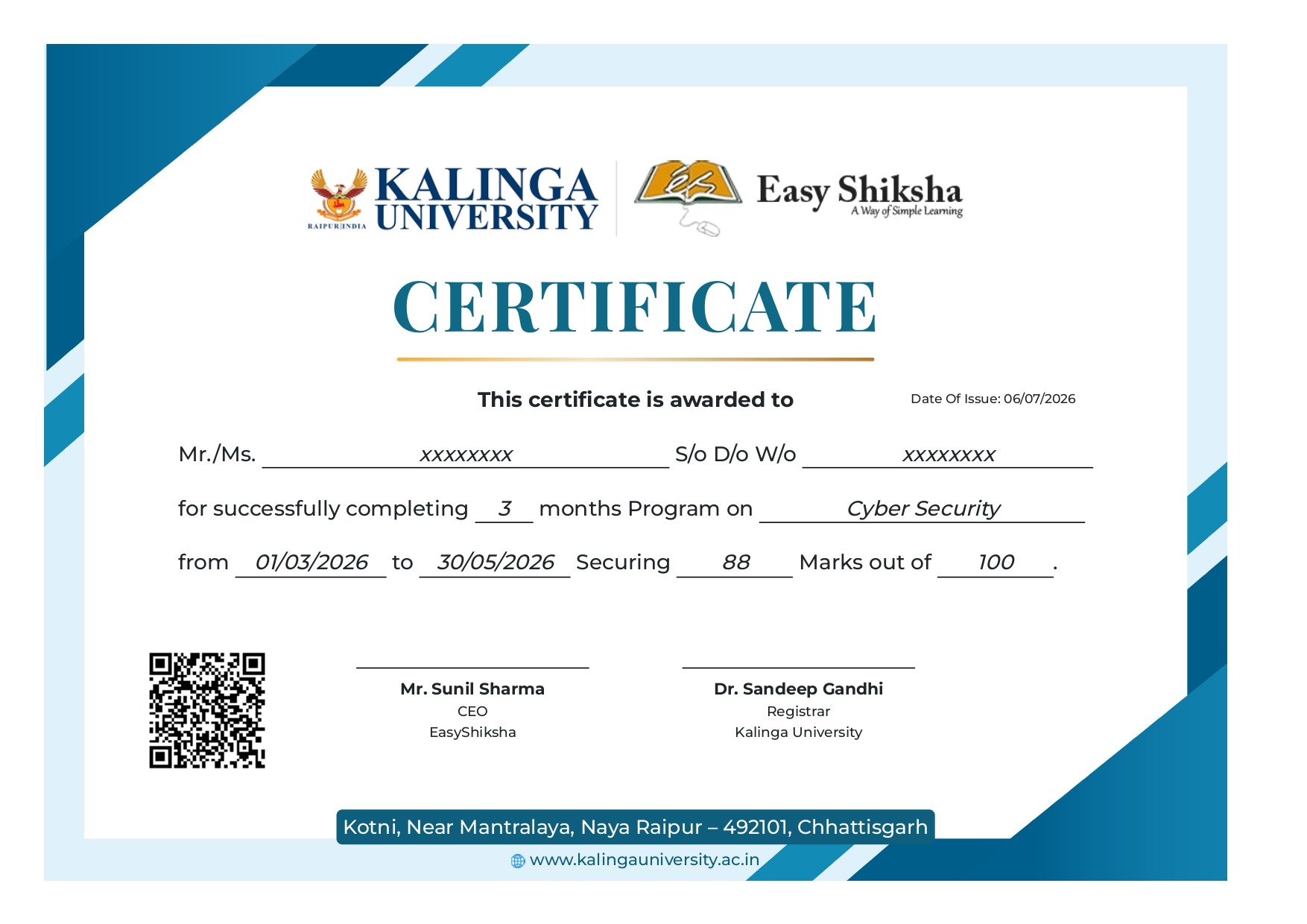
Yes, upon successful completion, you will receive a certificate recognizing your participation and achievements.
Q. Are EasyShiksha's certificates recognized?
Yes, the certificates are recognized by universities, colleges, and employers worldwide.
Q. When can I start the course?
You can choose any course and start immediately without delay.
Q. What are the course and session timings?
These are fully online courses. You can learn at any time and pace that fits your schedule.
Q. What will happen when my course is over?
After completion, you will have lifetime access to the course for future reference.
Q. Can I download the notes and study material?
Yes, you can access and download course materials and have lifetime access for future reference.
Q. What software/tools would be needed?
All necessary software/tools will be shared during the training as needed.
Q. I’m unable to make a payment. What should I do?
Try using a different card. If the problem persists, email us at info@easyshiksha.com.
Q. Do I get the certificate in hard copy?
No, only a soft copy is provided, which can be downloaded and printed if required.
Q. The payment got deducted but shows “failed”?
The deducted amount will be returned to your account in 7-10 working days automatically.
Q. Payment successful but dashboard shows ‘Buy Now’?
Reflection may take 30 mins. If longer, email info@easyshiksha.com with your screenshot.
Q. What is the refund policy?
Refunds are available for technical issues. No refunds once a certificate is generated.
Q. Can I enroll in a single course?
Yes, select any course, complete the details, and start learning immediately.
Q. Need further help?
Contact us at info@easyshiksha.com for any other questions.
Preparing Students for an AI-Influenced Career Environment
Students entering the workforce will likely encounter AI tools in many professional settings. Their future responsibilities may include using AI-assisted software, evaluating automated outputs, interpreting data, and collaborating with technology systems.
Education should therefore help students develop both technical and human skills. They need to understand how to use digital tools while also developing communication, critical thinking, creativity, adaptability, and ethical judgement.
An AI learning assistant can help students become familiar with responsible technology use. Learners can practise asking clear questions, checking information, comparing outputs, and improving their own work. These activities may prepare them for professional environments in which AI is used as a support tool.
However, students should avoid assuming that AI knowledge alone guarantees employment. Employers may also value the ability to solve unfamiliar problems, communicate effectively, work in teams, and apply knowledge in real situations.
Internships, projects, and practical assignments can help students connect digital learning with workplace expectations. A student who learns to use AI for research should also understand how to verify sources and present original conclusions. A learner using AI for coding should be able to read, test, and debug the resulting code.
Career readiness in an AI-influenced world will require more than knowing how to generate content. It will require the ability to understand, evaluate, adapt, and apply information responsibly.
The Future of the Student’s Pocket Learning Assistant
The AI learning assistant of the future may become more integrated into everyday education. It could help students create personalised study schedules, explain concepts in multiple ways, recommend practice activities, track learning milestones, and connect educational goals with practical opportunities.
A student might begin the day by reviewing a short lesson, complete a quiz during a break, and receive a recommendation for a project based on recent progress. The assistant could help organise these activities while allowing the learner to control the pace and direction.
Future systems may also become more multimodal. Students could ask questions through text, voice, images, or interactive exercises. A learner might upload a diagram for explanation, practise speaking through a conversation exercise, or receive guidance while working on a visual project.
These possibilities must be developed alongside strong safeguards. AI systems should protect privacy, communicate uncertainty, provide accurate information, and ensure that learners can access human support when needed.
The future of personalised learning should not be defined only by convenience. Its success should be measured by whether students develop deeper understanding, stronger skills, greater independence, and improved access to meaningful opportunities.
Conclusion: Personalisation Should Strengthen the Learner
The idea of an AI learning assistant in a student’s pocket reflects a significant change in how education may be experienced. Instead of relying exclusively on fixed schedules and standardised explanations, students may gain access to learning support that responds to their questions, interests, pace, and goals.
AI can help explain difficult concepts, generate quizzes, recommend learning resources, support revision, and encourage students to explore new subjects. These capabilities can make digital education more flexible and accessible. However, technology alone cannot guarantee meaningful learning.
Students must continue to think independently, practise skills, verify information, and apply knowledge through projects and real-world experiences. Teachers and mentors remain essential for guidance, context, encouragement, and deeper learning. Educational platforms must also prioritise privacy, fairness, accessibility, and responsible design.
EasyShiksha’s focus on online courses, certificates, quizzes, and internship-oriented opportunities can support learners who want to move from basic knowledge toward practical career preparation. When combined with thoughtful AI assistance, such resources may help students create a more structured and personalised learning journey.
Anshika Jain is an Engineer, Developer, and Educational Content Author known for her dedication to technology and knowledge sharing. With a strong analytical mindset and a passion for innovation, she has consistently contributed to creating meaningful digital solutions and insightful educational articles.
Her ability to simplify complex technical concepts into engaging and easy-to-understand content makes her work valuable for students and learners across various platforms. Along with her technical expertise, Anshika is admired for her creativity, professionalism, and commitment to continuous learning.
She represents a perfect blend of technical excellence and impactful communication, inspiring others through both her development work and educational contributions.