A student opens Instagram to take a short break after attending college classes. The intention is simple: watch a few videos, respond to messages, and spend a few minutes relaxing. However, one short video becomes another, and another turns into an endless stream of content. Before the student realises it, nearly an hour has passed. The student closes the application but is left wondering what was achieved during that time.
This situation has become increasingly familiar in the digital age. Smartphones and social media platforms are now a regular part of student life. Students use their devices for entertainment, communication, education, networking, and career exploration. The same screen that displays entertainment content can also provide access to online courses, skill-building resources, quizzes, internships, and professional communities.
The question is no longer whether students should use smartphones. The more important question is how they can use their screen time with greater purpose. Can a student move from endlessly scrolling through content to developing skills that support future career goals? Can social media consumption become a starting point for learning, practice, and professional development?
The answer depends on awareness, planning, digital discipline, and access to structured learning opportunities. Social media itself is not necessarily the problem. Unplanned and excessive consumption can become a challenge when it replaces meaningful activities. On the other hand, intentional digital engagement can help students discover interests, develop knowledge, practise skills, and prepare for professional opportunities.
Platforms such as EasyShiksha, which focus on online courses, certificates, quizzes, and internship-oriented learning, can support students who want to transform passive screen time into active career preparation. The journey begins when students stop viewing their smartphones only as entertainment devices and start recognising them as tools for personal and professional growth.
The Growing Role of Screens in Student Life
Digital screens have become deeply connected with education and everyday routines. Students use smartphones to attend online classes, search for information, watch tutorials, communicate with classmates, complete assignments, and explore career opportunities. At the same time, entertainment applications compete for their attention through short videos, notifications, recommendations, and continuously refreshed content.
This combination creates both opportunities and challenges. A student may watch a tutorial about graphic design in the morning, spend several hours scrolling through unrelated videos in the afternoon, and search for internship opportunities at night. The device remains the same, but the purpose of its use changes significantly.
Screen time is therefore not a completely negative or positive category. Its value depends on what the user is doing, how long the activity continues, and whether it supports personal goals. Time spent practising coding, learning communication skills, completing a course, or researching career options has a different purpose from time spent consuming entertainment without a clear stopping point.
Students do not need to eliminate entertainment from their lives. Rest and recreation are important for maintaining balance. However, when entertainment becomes the default activity during every free moment, students may lose opportunities to develop skills that require consistent attention and practice.
The goal should not be to turn every minute of free time into study time. Instead, students can learn to create a healthier balance in which some screen time is dedicated to relaxation and another portion is used intentionally for learning and career development.
Passive Scrolling and Active Learning
One of the most important differences in digital behaviour is the difference between passive consumption and active participation. Passive scrolling usually involves moving from one piece of content to another without a defined objective. A student may watch videos, read comments, and follow trends without remembering much of what was viewed.
Active learning, in contrast, requires attention and involvement. Students may watch a tutorial and take notes, complete a quiz, practise a new skill, create a project, or explain a concept in their own words. These activities demand more effort but can produce stronger learning outcomes because the student participates in the process.
For example, watching several videos about digital marketing may create the feeling of learning. However, the student may not understand how to design a campaign, identify a target audience, analyse engagement, or write effective content. Learning becomes more meaningful when the student applies the information through an exercise or project.
The same principle applies to coding, finance, graphic design, communication, data analysis, and other career-related areas. Watching content can introduce a concept, but practice helps students understand how that concept works in real situations.
EasyShiksha’s learning-oriented approach can be relevant in this context because students can combine online course content with quizzes, certificates, and practical or internship-oriented opportunities. This kind of structured journey can help transform scattered digital consumption into a more organised learning experience.
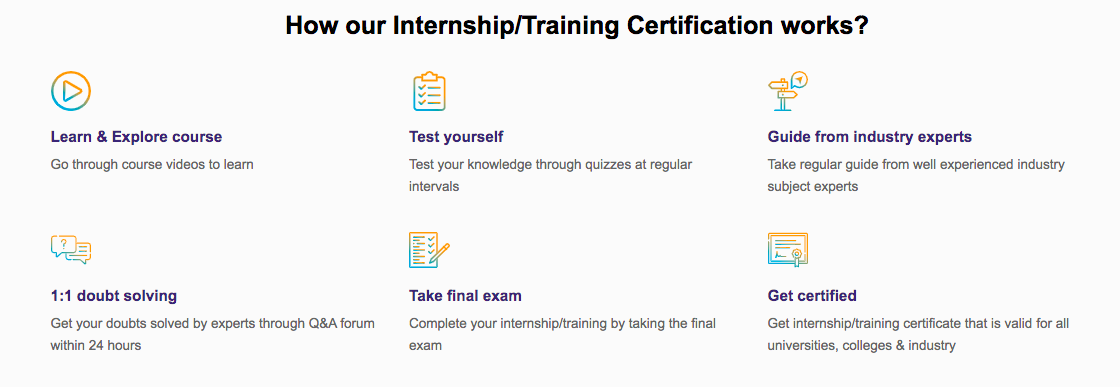
How EasyShiksha Internship/Training Program Works
Why Students Get Trapped in Endless Scrolling
Social media platforms are designed to keep users engaged. Personalised recommendations, short-form videos, notifications, and social interactions make it easy to continue consuming content. Students may begin scrolling without a specific intention and continue because the next piece of content appears immediately.
Another factor is mental fatigue. After attending classes, completing assignments, or managing personal responsibilities, students may choose scrolling because it requires less effort than studying. Entertainment can provide a quick sense of relaxation, while learning a new skill may require concentration and patience.
The absence of clear goals can also contribute to excessive screen use. When students do not have a daily learning plan, they may automatically turn to entertainment whenever they have free time. Over time, this can reduce the consistency required to build skills.
Social comparison is another challenge. Students may see posts about internships, high salaries, coding achievements, or successful careers and feel pressured without knowing how to begin their own journey. Instead of using digital content as inspiration, they may continue consuming more content without taking practical steps.
The solution is not simply to blame students or demand complete avoidance of social media. Students need realistic strategies that recognise their routines, responsibilities, interests, and digital habits. Building awareness of how screen time is used is a practical first step.
From Screen-Time Awareness to Digital Discipline
Digital discipline does not mean refusing to use technology. It means using technology according to clearly defined priorities. A student who understands how much time is spent on entertainment, education, communication, and professional development can make better decisions about daily activities.
The first step is to observe existing habits without immediately judging them. Students can examine their device usage reports and identify when scrolling usually occurs. Some may spend excessive time on social media late at night, while others may lose focus during study breaks or while travelling.
Once the pattern becomes visible, students can introduce small changes. They might decide to complete a twenty-minute learning activity before opening entertainment applications, switch off unnecessary notifications, or establish a fixed time for social media use. These actions do not require a complete lifestyle transformation.
Digital discipline also involves reducing distractions during learning. Keeping the phone away from the study area, using focus settings, and opening only the resources needed for a task can make it easier to concentrate. Students should also avoid treating multitasking as a learning strategy. Moving between videos, messages, and course content can reduce attention and make learning less effective.
Consistency matters more than intensity. A student who spends twenty focused minutes learning every day may gradually build stronger habits than someone who studies for several hours only once a month. Small but repeated actions can create a reliable foundation for skill development.
Turning Social Media Interests Into Learning Opportunities
Social media can become a source of career discovery when students learn to examine their interests carefully. The content a student repeatedly watches may offer clues about subjects they want to explore. Someone interested in technology videos may want to learn programming. A student who follows fashion content may explore design, branding, or digital marketing. Someone who watches financial education videos may become interested in accounting, investment fundamentals, or business analysis.
Interest alone, however, does not establish professional ability. Students need to move from consuming content to exploring the underlying skills. If a student enjoys watching graphic design reels, the next step could be learning design principles, practising with a design tool, and creating original visual content. If a student follows coding creators, they can begin with programming fundamentals and build a small application.
This process requires critical thinking. Social media trends often present careers in simplified ways. A short video may suggest that a person can become an expert within a few days, but meaningful competence generally requires practice, feedback, and continuous learning. Students should distinguish between promotional content, personal opinions, and reliable educational resources.
A useful approach is to treat social media as a discovery channel rather than a complete learning system. It can introduce students to new fields, professionals, tools, and ideas. Structured courses, practice activities, projects, and mentorship can then provide the depth needed to develop those interests.
Creating a Personal Skill Goal
Screen time becomes more purposeful when students connect it to a specific goal. A broad intention such as “I want to learn something useful” may not be sufficient to guide daily action. A clear goal provides direction and makes progress easier to recognise.
For example, a student interested in web development might decide to learn HTML and CSS, create a basic webpage, and practise for thirty minutes each day. A student interested in communication may set a goal to improve public speaking, record short presentations, and complete a communication-focused course. Someone interested in digital marketing might learn content writing, practise keyword research, and develop a sample campaign.
A skill goal should be realistic for the student’s current level and available time. Beginners may become discouraged when they choose objectives that are too broad or difficult. Breaking a larger ambition into smaller learning outcomes can make the process more manageable.
Students can also connect learning goals with a time frame. Instead of saying, “I will learn coding someday,” they could decide to complete an introductory course within a month and create a small project afterwards. The purpose is not to impose unnecessary pressure but to provide a practical structure.
EasyShiksha can fit into this process by helping learners explore online courses and learning activities that align with their interests. Students can use course completion, quizzes, certificates, and practical exposure as milestones within a broader skill-building plan.
The Importance of Learning Through Practice
Career preparation cannot depend only on watching lessons or collecting course completion certificates. Students need opportunities to apply what they learn. Practice helps them identify gaps in understanding, develop confidence, and produce evidence of their abilities.
Consider a student who completes a beginner course in Python. The student may understand basic syntax, variables, loops, and functions. However, the ability to write a small program independently requires practice. Creating a calculator, a quiz application, or a simple data-processing project can help connect theoretical concepts with practical use.
The same principle applies outside technology. A marketing student can write sample social media posts and create a campaign plan. A finance learner can practise preparing spreadsheets and analysing sample data. A communication student can deliver presentations and review recordings to improve clarity and confidence.
Quizzes can also support active learning by encouraging students to recall information instead of simply recognising it while watching a lesson. Regular self-testing helps learners identify which concepts they understand and which topics require revision.
When online learning includes practice and assessment, students can move through a more complete learning cycle. They learn a concept, test their understanding, apply it in a task, receive feedback, and improve their performance. This process is more closely connected to career readiness than passive content consumption alone.
Using Short Learning Sessions Effectively
Many students believe that learning requires several uninterrupted hours. This assumption can prevent them from beginning, especially when their schedules are filled with college classes, assignments, commuting, family responsibilities, or part-time work.
Short learning sessions can provide a practical alternative. A student may use fifteen to thirty minutes to revise a concept, complete a quiz, practise a tool, or watch a focused lesson. The key is to define the task before beginning and avoid switching to unrelated applications.
A short session should have a clear purpose. For example, a student may decide to learn five spreadsheet functions, revise one programming concept, write a short paragraph, or complete one module of an online course. Such tasks are easier to begin and evaluate than an undefined intention to study.
Short sessions can also reduce the psychological difficulty of starting. When students tell themselves that they must study for three hours, the task may appear overwhelming. A manageable learning block feels more achievable and can sometimes lead to longer engagement when interest increases.
However, short sessions should not become an excuse for avoiding deeper practice. Some skills require extended concentration, project work, and repeated application. Students can begin with smaller sessions and gradually increase their learning time as their confidence and routine develop.
Building a Learn, Quiz, Practise, and Intern Routine
A career-oriented learning journey becomes stronger when students combine different forms of development. Learning introduces concepts, quizzes test understanding, practice builds ability, and internships or project-based experiences help learners understand real work environments.
This sequence can be adapted to different subjects. A student interested in cybersecurity may begin with foundational concepts, complete quizzes, practise through safe learning environments, and later explore internship opportunities. A digital marketing learner may study content strategy, test knowledge through assessments, create sample campaigns, and seek practical exposure.
Internships can help students understand professional expectations such as communication, deadlines, teamwork, documentation, and problem-solving. They also allow learners to recognise the difference between knowing a concept and applying it in a workplace context.
Students should approach internships with realistic expectations. An internship is not simply a certificate-generating activity. It should ideally provide opportunities to learn, contribute, receive feedback, and understand professional responsibilities. Even when an internship is remote, students can develop work habits through assignments, meetings, reporting, and collaboration.
EasyShiksha’s emphasis on courses, certificates, quizzes, and internship-oriented opportunities can support learners who want to connect education with practical exposure. Students should still evaluate each opportunity carefully and focus on the actual skills and experience they can gain.
How Students Can Use Social Media for Career Development
Social media can be used intentionally for professional learning when students follow reliable educators, institutions, industry professionals, and organisations related to their interests. Instead of consuming content randomly, students can create a more focused digital environment.
For example, an aspiring designer may follow design educators and study how professionals explain layout, typography, colour, and user experience. A student interested in technology may follow programming communities and explore discussions about tools, projects, and beginner challenges. Someone preparing for competitive examinations may use educational content for revision but should combine it with structured study materials and self-testing.
Students should also learn to verify information. A creator’s popularity does not automatically guarantee that every claim is accurate. Learners can compare information with trusted educational sources, official documentation, recognised institutions, and subject experts.
Professional networking is another potential benefit. Students can gradually develop a digital presence by sharing projects, writing about learning experiences, participating in relevant discussions, and connecting respectfully with professionals. They do not need to present themselves as experts. Sharing genuine progress can demonstrate curiosity and commitment.
At the same time, students should protect their privacy and online safety. They should avoid sharing sensitive personal information, verify internship offers, and be cautious about unrealistic job promises or requests for payment. Career development online requires both opportunity awareness and responsible digital behaviour.
Moving From Content Consumption to Evidence of Skills
One of the major challenges students face is the gap between consuming educational content and demonstrating what they can do. A student may have watched hundreds of tutorials but still struggle to explain their skills during an interview. This happens when learning remains disconnected from application.
Evidence can take different forms depending on the subject. It may include a project, written sample, presentation, design portfolio, coding repository, research summary, spreadsheet model, or documented internship task. The purpose is to show how the student applied knowledge to a practical situation.
Students should begin creating evidence early rather than waiting until graduation. A beginner project does not need to be highly complex. A simple project completed thoughtfully can demonstrate planning, effort, problem-solving, and willingness to learn.
A learning profile can help students organise their progress. It may include completed courses, certificates, quiz performance, projects, skills, and internship experiences. Such a profile should remain accurate and updated. Students should not claim expertise based only on course completion.
EasyShiksha-related learning activities can become more valuable when students record what they learned and how they applied it. A certificate may document participation or completion, but a project or practical experience can provide additional context about the learner’s capabilities.
The Role of Quizzes in Reducing Passive Learning
Quizzes are often treated as a final assessment, but they can also become a regular learning tool. When students answer questions without looking at their notes, they practise retrieving information from memory. This can help reveal areas where understanding is incomplete.
A short quiz after a lesson can encourage students to reflect on the main concepts. If they answer incorrectly, they can revisit the topic and identify the reason for the mistake. This creates a feedback loop that is more useful than simply moving from one video to another.
Quizzes can also make learning more engaging. Students may feel motivated when they can track progress, identify improvement, and work toward completing a learning goal. However, quiz scores should not become the only measure of learning. Students also need to apply knowledge in tasks and projects.
For students preparing for competitive examinations, quizzes can support regular revision and self-testing. For career-oriented learners, they can reinforce concepts related to technical tools, communication, marketing, finance, or other subjects.
A structured platform that combines course content with quizzes can help students organise their learning more effectively than unplanned browsing. The value comes from how learners use the results to improve, not merely from achieving a high score.
Overcoming the Fear of Starting
Some students spend considerable time researching careers without taking the first practical step. They watch videos about different professions, compare courses, and read success stories, but remain uncertain about which direction to choose. This can create a cycle of information consumption without action.
The fear of making the wrong choice often contributes to this behaviour. Students may believe that selecting a course means committing to a career permanently. In reality, early learning can be exploratory. A beginner course can help students understand whether a subject interests them before they invest significant time and resources.
Starting with basic learning activities can reduce uncertainty. A student can explore a subject through an introductory course, complete a few quizzes, and attempt a small project. The experience may confirm an interest or reveal that another field is more suitable.
Students should also avoid comparing their first steps with someone else’s advanced progress. Social media frequently displays achievements without showing the time, support, mistakes, and effort behind them. Career development is not a competition based on visible online milestones.
The objective is to develop a habit of taking informed action. Instead of watching another motivational video about success, a student can spend twenty minutes completing a lesson or practising a relevant skill.
Creating a Balanced Digital Routine
A sustainable digital routine should include learning, entertainment, physical movement, social interaction, and rest. Students who attempt to remove all entertainment may find the routine difficult to maintain. Balance is more realistic than extreme restrictions.
A student could reserve a specific period for online learning, use breaks for movement, and choose a separate time for social media. The exact schedule will differ according to college timings, work responsibilities, personal preferences, and energy levels.
Sleep should also remain a priority. Late-night scrolling can interfere with regular sleep routines and may affect concentration the following day. Students can establish a screen-free period before bedtime, reduce unnecessary notifications, and avoid using entertainment applications as an automatic response to tiredness.
Physical activity is equally important. Learning on a screen for long periods without breaks can contribute to sedentary behaviour and discomfort. Short movement breaks, walking, stretching, and outdoor activities can support a healthier routine.
Digital balance is not about measuring every minute with strict rules. It is about ensuring that technology supports rather than controls everyday life. Students should regularly review whether their digital habits are helping them achieve their academic and career goals.
How Educational Platforms Can Support Purposeful Screen Time
Students often struggle to convert their intentions into action because online resources are scattered across multiple platforms. One application may provide videos, another may offer quizzes, and a third may list internships. Without structure, learners can spend more time searching for resources than actually using them.
Educational platforms can help by bringing learning activities into a more organised environment. Courses provide a sequence of topics, assessments help test understanding, and certificates can document completion. Practical assignments or internship opportunities may help students connect learning with real-world exposure.
The effectiveness of a platform depends on the quality of its content, clarity of learning outcomes, accessibility, learner support, and opportunities for practice. Students should choose courses based on their current level and career interests rather than selecting them only because they are popular.
EasyShiksha can be presented as part of this broader learning ecosystem. Its focus on online courses, certificates, quizzes, and internship-oriented opportunities can help students explore a structured path from learning to practical development. Learners should use these resources actively by taking notes, completing assessments, practising skills, and reflecting on their progress.
A platform cannot replace personal effort. Even the best course requires consistent participation. Students benefit most when they use digital learning resources with clear goals and a willingness to practise.
From Digital Habits to Career Confidence
Career confidence develops through repeated experiences of learning and application. Students may initially feel uncertain about their abilities, especially when they compare themselves with experienced professionals. Completing manageable tasks can gradually strengthen their confidence.
For example, a student who has never created a website may begin by learning basic HTML. After completing a simple webpage, the student may explore CSS and improve the design. Later, the student can create a small personal portfolio. Each step provides practical evidence of progress.
Confidence should not be confused with believing that no further learning is necessary. A healthy learning mindset combines self-belief with openness to feedback. Students should be willing to identify mistakes, ask questions, revise their work, and learn from others.
Career confidence also grows when students understand their strengths and areas for improvement. A learning profile, project record, or internship reflection can help them recognise progress over time. This makes career preparation more concrete and less dependent on vague feelings of readiness.
Instead of asking whether they are already fully prepared for a career, students can ask what they can learn, practise, or improve next. This shift encourages continuous development.
Empower your team. Lead the industry
Get a subscription to a library of online courses and digital learning tools for your organization with
EasyShiksha
The relationship between students and digital technology is likely to continue evolving. Artificial intelligence, interactive learning platforms, digital assessments, simulations, and personalised recommendations may create new ways for students to study and practise. These tools can make learning more accessible, but their value will depend on responsible use.
AI-enabled tools, for example, can help explain concepts, generate practice questions, provide writing feedback, or support brainstorming. However, students still need to verify information, develop independent thinking, and complete work themselves. Technology should strengthen learning rather than replace it.
The future of education may involve greater integration between learning content, skills, projects, assessments, and professional opportunities. Students could maintain digital records of their learning journey, showing not only the courses they completed but also the work they produced and the skills they developed.
In this environment, the ability to manage attention will become increasingly important. Students who can distinguish useful information from distractions may be better positioned to use digital opportunities effectively. Digital literacy will involve more than knowing how to operate applications; it will also include evaluating information, protecting privacy, managing time, and using technology purposefully.
A Practical Mindset for Students
Turning screen time into career time does not require students to abandon social media or study continuously. It requires a change in the way they approach digital activities. Instead of opening an application automatically, students can pause and ask what they want to achieve. Instead of watching endless tutorials, they can select one topic and practise it. Instead of collecting certificates without application, they can build projects and reflect on what they learned.
Students can begin with one skill, one course, one quiz, or one practical task. They can gradually expand their learning routine as they develop greater clarity and confidence. The process should remain realistic and adaptable.
It is also important to accept that not every day will be equally productive. Students may experience academic pressure, personal challenges, or periods of low motivation. A sustainable routine allows them to restart without treating a temporary break as permanent failure.
The most valuable change is the development of intentional habits. When students learn to direct their attention, choose relevant resources, and practise consistently, their smartphones can become more than sources of entertainment. They can become tools for exploration, creativity, learning, and professional preparation.
Conclusion: The Screen Is a Tool, Not the Destination
From Instagram scrolls to skill goals, the journey begins with a simple realisation: screen time is not automatically valuable or wasteful. Its impact depends on how it is used. Social media can provide relaxation, inspiration, and career discovery, but students must take deliberate steps to convert interest into meaningful learning.
A student who watches a video about coding can begin a programming course. Someone interested in design can practise using a creative tool. A learner exploring business can study marketing fundamentals and develop a sample project. Quizzes can strengthen understanding, while internships and practical activities can introduce students to professional expectations.
EasyShiksha’s combination of online learning, certificates, quizzes, and internship-oriented opportunities can support students who want to create a more structured learning journey. However, the real transformation occurs when learners move beyond watching and begin practising, reflecting, and applying their knowledge.
The objective is not to make every moment productive or eliminate entertainment from student life. It is to create a balance in which digital technology serves meaningful goals. A few focused minutes each day can become a habit. A habit can become a skill. A skill can contribute to a project, an internship, and eventually a career opportunity.
Anshika Jain is an Engineer, Developer, and Educational Content Author known for her dedication to technology and knowledge sharing. With a strong analytical mindset and a passion for innovation, she has consistently contributed to creating meaningful digital solutions and insightful educational articles.
Her ability to simplify complex technical concepts into engaging and easy-to-understand content makes her work valuable for students and learners across various platforms. Along with her technical expertise, Anshika is admired for her creativity, professionalism, and commitment to continuous learning.
She represents a perfect blend of technical excellence and impactful communication, inspiring others through both her development work and educational contributions.