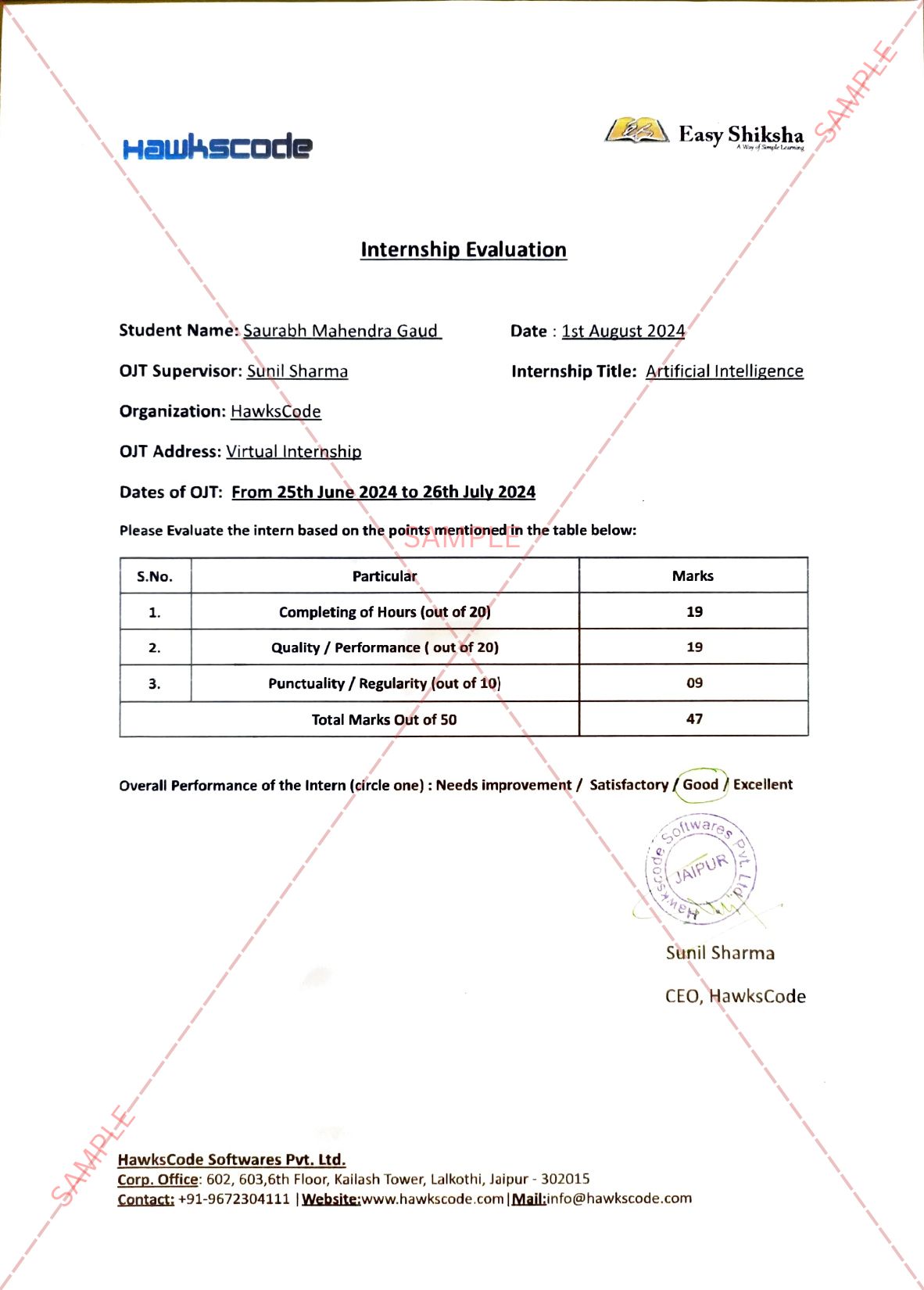
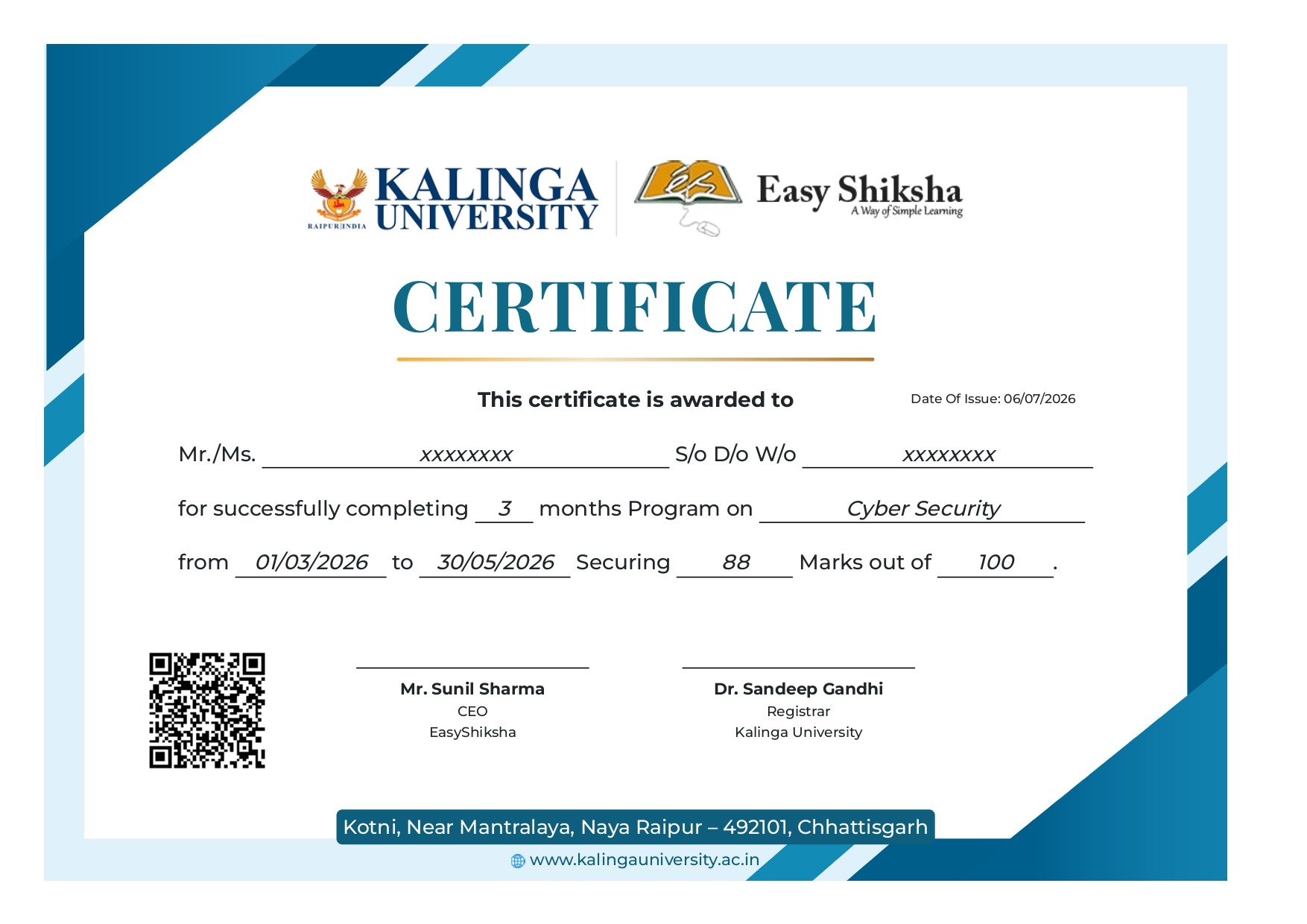
At the beginning, you start with a basic character. You have some natural strengths, a few skills you learned at school or college, and plenty of abilities you have not discovered yet. Every course you complete gives you experience. Every project teaches you something new. Every internship introduces you to a different level of professional responsibility. Every mistake gives you an opportunity to improve. Every successful presentation, interview, certification, or challenging assignment adds experience points to your career.
Now imagine that above your professional profile there was an XP bar.
It might begin at zero when you enter college. As you learn, the bar slowly fills. Completing a project gives you XP. Learning a new software tool adds more. Participating in an internship increases your practical experience. Improving your communication skills makes you more effective. Building a portfolio unlocks new opportunities. Receiving constructive feedback helps you identify the next area that needs development.
But there is one interesting question.
If your career had an XP bar today, which skill would you upgrade next?
Would you improve communication? Learn artificial intelligence? Become better at problem-solving? Develop leadership abilities? Build stronger technical skills? Improve your digital literacy? Learn how to manage your time? Become better at interviews? Perhaps the skill you need most is not the one you have been spending the most time on.
For students and fresh graduates, thinking about career development in this way can make the process more practical. Instead of viewing career preparation as one enormous task, students can treat it as a series of upgrades.
You do not need to master everything at once.
You need to identify the next skill that can make you more capable than you were before.
Your Career Is a Character That Keeps Evolving
In a game, a character does not begin with every ability unlocked. Progress happens gradually.
The same is true for a career.
A first-year student may have academic knowledge but little professional experience. A final-year student may have technical knowledge, projects, and some internship exposure but still need stronger communication and interview skills. A fresh graduate may secure a first job and then discover that workplace collaboration, time management, client communication, or leadership require a completely different set of abilities.
There is no point at which a person can reasonably say, “I have unlocked every career skill.”
Professional growth is continuous.
The world of work changes, technologies evolve, organizations introduce new tools, and job responsibilities develop. A skill that is valuable today may need to be supplemented by another skill tomorrow.
This is why students should not think of career development as a race toward a final destination. It is better understood as an ongoing process of upgrading capabilities.
Understanding the XP Bar of Your Career
An XP bar is useful as a metaphor because it changes how students think about progress.
Instead of asking, “Am I successful yet?” students can ask, “What experience have I gained?”
Instead of saying, “I am not good at this,” they can ask, “What can I practice to improve?”
Instead of comparing themselves with someone who seems much further ahead, they can focus on their own next upgrade.
Every experience can contribute to professional development.
A college assignment may teach research and organization. A group project may improve teamwork. A presentation may strengthen public speaking. An internship may teach workplace communication. An online course may develop technical knowledge. A failed interview may reveal weaknesses that need attention.
Not every experience gives the same amount of XP, but almost every meaningful experience can teach something.
The important part is learning to recognize the lesson.
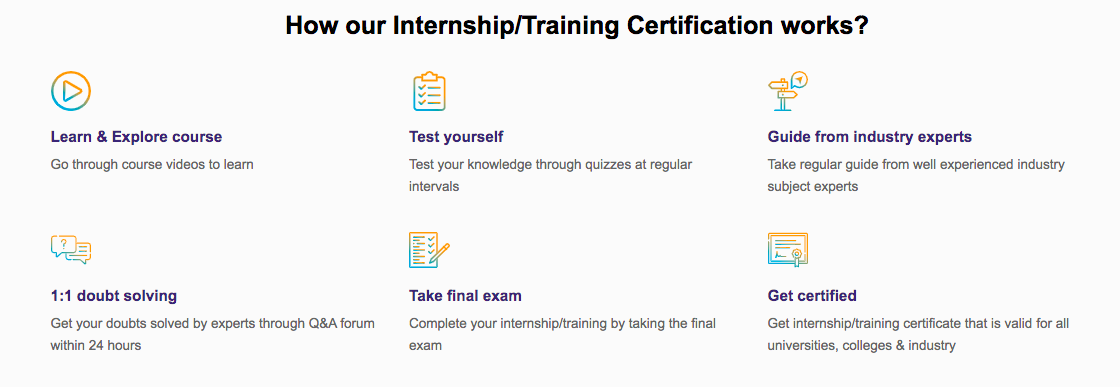
How EasyShiksha Internship/Training Program Works
The First Upgrade: Communication
If there is one career skill that can benefit students across almost every industry, it is communication.
A person may have excellent technical knowledge, but if they cannot explain their ideas, ask questions, listen to others, or communicate professionally, their effectiveness can be limited.
Communication is not simply about speaking fluent English.
It includes listening, writing, presenting, explaining, questioning, summarizing, and adapting a message to the audience.
A developer needs to explain technical issues to teammates. A designer needs to understand client requirements. A marketing professional needs to communicate ideas to customers. A finance professional may need to present findings to management. A healthcare professional needs to communicate clearly with patients and colleagues.
This makes communication a high-value career upgrade.
Students can develop it through presentations, discussions, interviews, professional writing, group projects, and regular practice.
The goal is not to sound impressive.
The goal is to be understood.
The Second Upgrade: Digital Literacy
Technology is no longer confined to technology companies.
Almost every professional environment uses digital tools in some form. Students therefore need more than basic familiarity with smartphones and social media. They need practical digital literacy.
This includes understanding productivity tools, online collaboration platforms, digital communication, data handling, cybersecurity awareness, cloud-based applications, and the technology relevant to their chosen career.
Students should also understand how to use digital tools responsibly.
For example, artificial intelligence can help with research, brainstorming, learning, and productivity, but students should still verify information, understand what they submit, and develop their own reasoning abilities.
Digital literacy is not about using the largest number of applications.
It is about knowing which tools can solve which problems.
The AI Upgrade: Learning to Work With Intelligent Tools
Artificial intelligence has become one of the most important developments influencing education and employment.
For students, the important question is not whether AI will affect their careers. It is how they will adapt to a professional environment in which AI-assisted tools are increasingly common.
AI literacy can become a valuable career upgrade.
Students should understand what AI systems can do, where they can be useful, where they can make mistakes, and how to evaluate their outputs.
Different professions may use AI in different ways. Writers may use it for brainstorming and research assistance. Developers may use coding assistants. Marketers may use AI for content analysis and campaign ideation. Analysts may use intelligent tools to work with information. Designers may work with AI-assisted creative software.
The competitive advantage will not necessarily belong to people who simply use AI.
It may belong to people who understand how to combine AI tools with human judgment, creativity, domain knowledge, and critical thinking.
That is a much more powerful upgrade.
The Problem-Solving Upgrade
Employers do not hire people only because they can remember information. They hire people because they can contribute to solving problems.
Problem-solving is therefore one of the most valuable abilities a student can develop.
Imagine two candidates applying for the same role.
The first candidate can describe many concepts they studied in college. The second candidate can explain how they identified a problem, researched possible solutions, tested an approach, encountered an obstacle, and improved their result.
The second candidate is demonstrating application.
Students can practice problem-solving through projects, case studies, competitions, coding challenges, research assignments, simulations, and real-world tasks.
The important habit is to stop immediately searching for the answer and start understanding the problem first.
What exactly needs to be solved?
What information is available?
What information is missing?
What constraints exist?
What possible solutions can be considered?
How will success be measured?
These questions can transform the way students approach challenges.
The Critical Thinking Upgrade
Critical thinking is closely connected to problem-solving, but it focuses more strongly on evaluating information and assumptions.
Students encounter enormous amounts of information every day. Social media posts, videos, advertisements, news articles, AI-generated content, online discussions, and educational resources can all contain useful or misleading information.
A strong professional must know how to evaluate what they encounter.
Critical thinking involves asking whether a claim is supported by evidence, whether the source is credible, whether assumptions are being made, whether alternative explanations exist, and whether the conclusion actually follows from the information available.
This skill is valuable in almost every career.
A marketer evaluates audience data. A researcher evaluates evidence. A manager evaluates business proposals. A developer evaluates technical approaches. A student evaluates information before using it in an assignment.
The ability to think carefully before accepting information is a career XP multiplier.
The Teamwork Upgrade
Students often discover that professional teamwork is different from college group projects. At college, a group may divide an assignment into sections and combine the results at the end. In professional environments, teamwork can be much more interconnected.
One person's work may depend on another person's progress. Communication problems can create delays. Different people may disagree about priorities. Responsibilities may change during a project.
Effective teamwork therefore requires communication, reliability, empathy, accountability, and adaptability. Students can develop this skill through collaborative projects and activities where responsibilities are shared.
The most important lesson is that being a team player does not mean agreeing with everyone. It means working toward a shared objective while communicating respectfully and handling differences constructively.
The Time Management Upgrade
Time is one of the few resources that every student and professional receives in exactly the same quantity each day. The difference is how it is used.
Students often have to balance classes, assignments, exams, projects, internships, skill development, applications, and personal responsibilities. Without effective time management, even highly motivated students can become overwhelmed.
Time management is not about filling every minute with work. It is about knowing what deserves attention first.
A useful career habit is learning to distinguish between urgent tasks and important tasks. Another is estimating how long a task will actually take rather than assuming everything can be completed quickly.
Students can begin practicing this during college. When they learn to meet deadlines consistently, they are not simply becoming better students. They are developing a professional habit.
The Leadership Upgrade
Leadership is often misunderstood as managing other people. In reality, leadership can begin long before someone receives a managerial title.
A student demonstrates leadership when they take responsibility for a project, organize a team, solve a conflict, help others understand a difficult concept, or take initiative without waiting to be instructed. Leadership involves responsibility.
It requires decision-making, communication, accountability, and the ability to think beyond one's individual task. Students can develop leadership through college organizations, project teams, volunteering, competitions, events, internships, and collaborative activities.
They do not need to become the loudest person in the room. Sometimes the strongest leader is the person who listens carefully, understands the situation, and takes thoughtful action.
The Creativity Upgrade
Creativity is often associated with artists and designers, but it has value across professional fields. Creativity means being able to generate new ideas, approach problems differently, connect concepts, and imagine possibilities.
A business professional may develop a new customer strategy. A developer may find a simpler technical solution. A teacher may design an engaging learning activity. A scientist may approach a research problem from a new angle.
Creativity becomes particularly valuable when routine solutions stop working.
Students can develop it by experimenting, creating projects, exploring different subjects, writing, designing, building, and challenging themselves to find multiple solutions to the same problem.
The objective is not to produce something artistic every day. It is to become comfortable thinking beyond the obvious.
The Emotional Intelligence Upgrade
Career success is not purely intellectual. People work with people. Students eventually encounter managers, colleagues, customers, clients, mentors, partners, and teams with different personalities and expectations.
Emotional intelligence can help them navigate these relationships. It includes self-awareness, empathy, emotional regulation, active listening, and understanding how one's behavior affects others.
Imagine receiving critical feedback on a project. One reaction is to become defensive and blame someone else.
Another is to listen, understand the criticism, determine what is valid, and use it to improve.
The second response demonstrates professional maturity. Students can develop emotional intelligence through reflection, communication, teamwork, feedback, and learning to understand perspectives different from their own.
The Networking Upgrade
Networking is another skill students often postpone until graduation. That can be a mistake. Professional relationships are easier to build when there is no immediate request attached to them.
Students can connect with professors, alumni, internship mentors, professionals, workshop speakers, classmates, and communities related to their interests. Networking does not mean collecting hundreds of contacts.
It means developing genuine professional relationships. A student can begin by asking thoughtful questions, attending professional events, participating in communities, and staying in touch with people who have provided useful guidance.
Over time, these relationships can lead to mentorship, collaboration, opportunities, and insights into careers that students may not discover through job portals alone.
The Personal Branding Upgrade
In a competitive job market, students need to make their skills visible.
This is where personal branding becomes relevant.
Personal branding does not mean pretending to be an expert or constantly promoting oneself online.
It means creating a clear professional identity.
What are you interested in?
What skills are you developing?
What projects have you completed?
What problems can you solve?
What kind of work do you want to pursue?
Students can communicate these answers through a professional resume, portfolio, online profile, project repository, or other appropriate platforms.
The strongest personal brands are supported by evidence.
Instead of saying, “I am passionate about digital marketing,” a student can demonstrate that passion through projects, campaigns, articles, analysis, or practical work.
The Portfolio Upgrade
A portfolio can become one of the most powerful career XP indicators for students.
It gives employers something tangible to evaluate.
A portfolio does not have to be limited to creative careers. Developers can showcase applications. Designers can present their work. Writers can display published articles. Data students can demonstrate analyses. Marketing students can showcase campaigns. Business students can present research and strategic projects.
The portfolio should answer one important question:
What can you actually do?
Students who begin building portfolios early can gradually improve them instead of trying to create everything immediately before graduation.
Every meaningful project can become another piece of evidence.
The Internship Upgrade
Internships are valuable because they connect learning with professional reality.
A student may understand workplace concepts theoretically, but an internship can reveal what those concepts look like in practice.
Students learn how teams operate, how tasks are assigned, how deadlines are managed, how meetings work, and how professional communication differs from classroom communication.
An internship also helps students test career assumptions.
A student may believe they want to work in a particular field until they experience it firsthand. Another may discover a role they had never considered.
This is useful information.
Career exploration is not wasted time.
Knowing what you do not want can be just as valuable as discovering what you do want.
The Interview Upgrade
Many students focus heavily on building skills but neglect their ability to communicate those skills during interviews.
An interview is not simply an examination.
It is an opportunity to explain experiences, demonstrate reasoning, communicate motivation, and show how one might contribute to an organization.
Students should become comfortable discussing their projects, internships, academic experiences, challenges, achievements, strengths, areas for improvement, and career interests.
They should also practice answering questions without memorizing scripts.
A rehearsed answer can sound artificial. Understanding one's experiences deeply allows for more natural conversations.
Mock interviews can help students identify nervous habits, unclear explanations, and knowledge gaps.
The Financial Literacy Upgrade
Career development should not focus exclusively on getting hired.
Students should also understand basic financial concepts that will affect their professional lives.
Financial literacy includes understanding income, budgeting, savings, taxes, expenses, credit, investments, and financial planning at an appropriate level.
The first salary can feel exciting, but earning money and managing money are different skills.
Students who develop financial awareness early can make more informed decisions as they begin working.
This is another form of career XP because financial stability can influence career choices, professional flexibility, and long-term planning.
The Adaptability Upgrade
Perhaps one of the most important career skills is adaptability.
The job you eventually enter may not look exactly the way you expected.
Tools will change. Responsibilities may change. Teams may change. Technologies will evolve. Companies may restructure. New opportunities may emerge.
A rigid approach can make these changes difficult.
An adaptable professional can learn, adjust, and continue moving forward.
Students can develop adaptability by intentionally stepping outside familiar environments.
Try a new tool.
Work with different people.
Learn a subject outside your main field.
Take on an unfamiliar project.
Ask for feedback.
Explore new approaches.
Each unfamiliar experience can make future change less intimidating.
The Learning-to-Learn Upgrade
If your career truly had an XP bar, the ability to learn new skills would probably be one of the most important upgrades available.
Why?
Because no single skill remains sufficient forever. Students need to become independent learners.
That means knowing how to find reliable information, understand unfamiliar concepts, practice effectively, evaluate progress, and seek help when necessary. Learning to learn also means recognizing that difficulty is not always evidence of inability.
Sometimes difficulty simply means the brain is encountering something new. A student who becomes comfortable with the learning process gains a long-term advantage.
How to Decide Which Skill to Upgrade Next
The biggest challenge is often not learning a skill but choosing the right one. Students may see hundreds of courses and thousands of career recommendations online. Trying to learn everything can create confusion.
A better approach is to identify the gap between where you are and where you want to go.
Start by thinking about your target career.
What skills are repeatedly mentioned in relevant job descriptions?
Which of those skills do you already have?
Which ones are weak?
Which missing skill would make the biggest difference?
Which skill can you realistically improve over the next few months?
These questions can help identify the next upgrade.
The best next skill is not necessarily the most fashionable one. It is the one that is relevant, achievable, and valuable for your goals.
Your Skill Tree Should Match Your Career Direction
In games, different characters develop different skill trees. Careers work similarly.
A student pursuing software development will need a different combination of abilities from someone pursuing graphic design, healthcare, finance, marketing, teaching, engineering, or entrepreneurship.
There will be common foundational skills, such as communication, problem-solving, teamwork, and digital literacy. But specialized skills will differ. This is why students should avoid blindly copying another person's learning path.
Someone else's career XP bar is not yours. Your skill tree should reflect your interests, strengths, target roles, and opportunities.
Empower your team. Lead the industry
Get a subscription to a library of online courses and digital learning tools for your organization with
EasyShiksha
Students sometimes believe career development requires dramatic transformation. It does not. Small improvements can accumulate. Improving communication by practicing presentations every week can create confidence over time.
Learning a software tool through regular practice can eventually lead to portfolio projects. Reading about an industry for a few minutes each day can gradually build professional awareness.
Participating in one project can lead to another. Connecting with one professional can lead to valuable mentorship. The XP metaphor works because progress is cumulative. One experience point may not seem important. Hundreds of small improvements can completely change a person's capabilities.
Do Not Confuse Certificates With XP
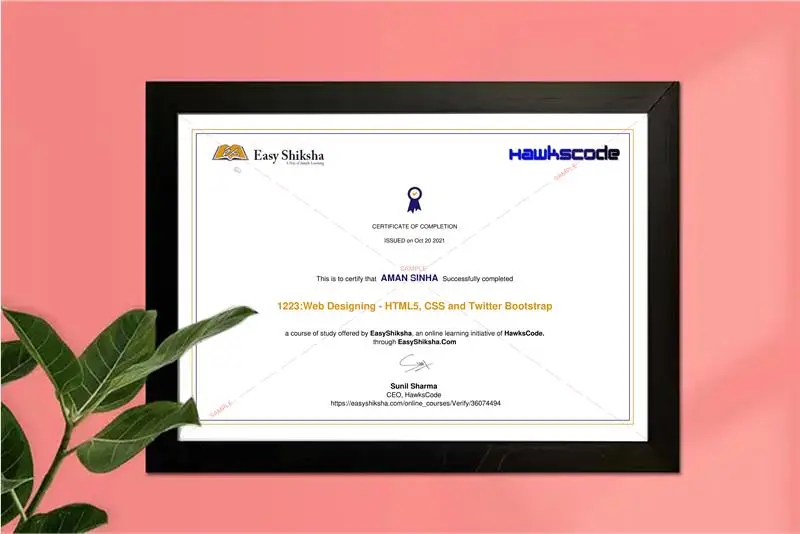
Certificates can demonstrate learning, but they should not be treated as the entire career XP system. A certificate without practical application may represent limited experience.
Consider two students. One has completed fifteen short courses but cannot demonstrate a project using the skills learned. The other has completed five relevant courses and built several practical projects.
The second student may have stronger evidence of capability. This does not mean certifications are useless. They can provide structured learning and demonstrate commitment. But students should connect learning with application whenever possible.
Learn.
Practice.
Build.
Reflect.
Repeat.
That is much closer to genuine XP.
The Importance of Feedback
In games, players receive feedback about their performance.
Careers work better when students create similar feedback loops.
Ask professors for feedback on projects.
Ask mentors what could be improved.
Review your interview performance.
Analyze why an application failed.
Compare your portfolio with professional standards.
Look at job descriptions and identify missing skills.
Feedback turns experience into learning.
Without reflection, students can repeat the same mistakes. With reflection, every experience can become useful.
Do Not Compare Your XP Bar With Everyone Else's
One of the biggest problems students face today is constant comparison.
Social media can make it appear as though everyone else is progressing faster.
Someone has secured an internship.
Someone else has launched a startup.
Another student has completed numerous certifications.
Another appears to have a perfect portfolio.
But you rarely see the complete story behind someone else's progress.
Career development is not a multiplayer scoreboard.
People begin with different resources, opportunities, interests, responsibilities, and circumstances.
The healthiest comparison is often between your current abilities and your previous abilities. Ask yourself whether you have improved. If you have, your XP bar is moving.
The Most Valuable Upgrade May Be Confidence
Skills matter, but students also need the confidence to use those skills. Confidence should not be confused with arrogance.
Professional confidence means being willing to attempt difficult tasks, ask questions, communicate ideas, acknowledge mistakes, and learn from others.
Confidence grows from evidence. When students complete projects, solve problems, participate in internships, practice communication, and receive constructive feedback, they gradually build proof that they can handle challenges.
You do not have to feel confident before taking action. Often, confidence comes because you took action.
EasyShiksha as Part of Your Career XP Journey
The idea of a career XP bar fits naturally with continuous learning.
Students can use educational platforms such as EasyShiksha to explore courses, develop new knowledge, practice through interactive learning, participate in quizzes and games, and gain exposure to career-oriented opportunities.
The important thing is to approach these resources strategically.
Do not simply ask, “What course should I complete next?”
Ask, “What ability do I want to improve?”
That question changes everything.
If your communication needs improvement, choose learning experiences that encourage communication.
If you need technical skills, identify courses that align with your target role.
If you need practical exposure, explore opportunities that allow you to apply your knowledge.
If you want to test your understanding, use quizzes.
If you want to make learning more engaging, explore educational games and interactive activities.
Learning becomes more powerful when every activity has a purpose.
Build Your Own Career XP System
You can create a simple mental model for tracking professional growth.
Perhaps you have never attended an interview, and your next goal is to complete several mock interviews.
The objective is to make progress visible.
Instead of saying, “I need to improve my career,” define a specific upgrade.
Instead of saying, “I need better technical skills,” identify the technology.
Instead of saying, “I need experience,” identify the type of project or internship.
Specific goals make progress easier to measure.
Career Development Is Not a Race to the Maximum Level
There is no final career level.
Even experienced professionals continue learning.
Someone who becomes a manager may need leadership development. A technical expert may need communication skills. An entrepreneur may need financial knowledge. A senior professional may need to learn new technologies.
The XP bar keeps moving because professional life keeps changing.
This is good news.
It means that students do not have to feel pressured to become complete professionals before graduation.
They simply need to build a strong foundation and develop the habit of continuous improvement.
Conclusion: What Will You Upgrade Next?
If your career had an XP bar, where would you be right now?
Maybe your technical skills are strong but communication needs improvement.
Maybe you communicate confidently but need practical experience.
Maybe you have completed several courses but need to build a portfolio.
Maybe you know what career you want but lack interview confidence.
The important thing is to identify your next upgrade.
Your career will not be built through one giant achievement. It will be built through hundreds of smaller experiences: the first course, the first project, the first presentation, the first internship, the first difficult problem, the first interview, the first rejection, the first professional connection, and the first time you realize that you are capable of doing something you once found difficult.
Anshika Jain is an Engineer, Developer, and Educational Content Author known for her dedication to technology and knowledge sharing. With a strong analytical mindset and a passion for innovation, she has consistently contributed to creating meaningful digital solutions and insightful educational articles.
Her ability to simplify complex technical concepts into engaging and easy-to-understand content makes her work valuable for students and learners across various platforms. Along with her technical expertise, Anshika is admired for her creativity, professionalism, and commitment to continuous learning.
She represents a perfect blend of technical excellence and impactful communication, inspiring others through both her development work and educational contributions.