A resume has traditionally been a static document that describes a person's education, skills, work experience, achievements, and professional qualifications. Students usually create their first resume when applying for internships or entry-level jobs, while professionals update theirs when changing positions, acquiring a new qualification, or pursuing a different career opportunity. Although this approach has served as a standard method of presenting professional experience, it does not always reflect how quickly people learn and develop new capabilities in the digital education era.
Consider a student who begins the year with basic knowledge of programming and no professional experience. Over the following months, the student completes an online Python course, passes technical quizzes, builds a small application, earns a certificate, and participates in an internship. Each achievement adds something valuable to the student's professional profile. However, if the student does not manually update their resume, these developments remain invisible to potential employers. Even when the resume is updated, the student must decide which achievements to include, how to describe them, and what evidence can support each claim.
Now imagine a different approach. What if a student's resume could update automatically whenever they completed verified learning activities? What if a newly earned certificate, assessed project, or verified internship could contribute relevant information to a professional profile without requiring the learner to rewrite the entire document? What if the resume could adapt its presentation according to the opportunity being pursued while maintaining a clear distinction between completed courses, demonstrated skills, and professional experience?
This is the idea behind a Dynamic Resume, a digital professional profile that evolves alongside a person's verified learning and practical achievements. Rather than remaining frozen at the moment it was last edited, it would draw on connected educational records to keep relevant information current. Artificial intelligence could help organise these achievements, identify skills related to specific opportunities, and recommend improvements while allowing the individual to review and approve what employers see.
For EasyShiksha, this concept presents an opportunity to connect online courses, quizzes, internships, projects, certificates, degrees, and career guidance through a continuously developing professional profile. Students could move from learning a new skill to documenting evidence of that skill within a connected education-to-employment journey. The objective would not simply be to create a resume that changes automatically, but to make professional achievements easier to verify, understand, and present.
Understanding the Dynamic Resume
From a Static Document to a Continuously Updated Profile
A traditional resume depends heavily on manual maintenance. Students must remember to add new certificates, update project descriptions, revise their skills, and remove outdated information. These tasks can become difficult when achievements are spread across multiple learning platforms, educational institutions, internship providers, and personal projects.
A Dynamic Resume would use connected records to reduce this administrative burden. When a learner completes an eligible course or earns a credential through EasyShiksha, the relevant achievement could become available for inclusion in their professional profile. When a project is assessed, the profile could record the demonstrated capabilities associated with it. When an internship is completed and verified by the relevant organisation, the experience could be added to the student's career history.
The system would not necessarily rewrite every section of the resume whenever new information appears. Instead, it would update the underlying professional profile and use those records to generate appropriate resume versions. A learner applying for a software development internship might emphasise programming courses, coding projects, and relevant technical skills. The same learner applying for a digital marketing opportunity might highlight communication, analytical thinking, content projects, and marketing-related learning.
This approach would make the resume more responsive to the learner's development while preserving consistency in the underlying information. Students would spend less time maintaining repetitive documents and more time developing capabilities that strengthen their professional prospects.
What Makes a Dynamic Resume Different From an Ordinary Digital Resume?
A digital resume is not automatically dynamic. A document stored online may be easy to edit, but it still depends on someone entering new information manually. A Dynamic Resume goes further by connecting professional claims to learning records, assessments, projects, and other sources of evidence.
For example, a student might list Python programming as a skill on a conventional resume after completing an introductory course. A Dynamic Resume could distinguish that course completion from a later programming assessment and a project in which the student built a working application. The profile would therefore communicate not only that the learner studied Python, but also what kinds of evidence support the claim.
The distinction matters because educational participation and demonstrated ability are not identical. Completing a course can represent meaningful progress, but it does not automatically establish professional proficiency. A reliable dynamic system should preserve this difference rather than turning every completed learning activity into an exaggerated resume claim.
For EasyShiksha, the value would lie in connecting educational achievement with credible evidence. The platform could help students build professional profiles that evolve as they learn, while providing employers with clearer context about the nature of each achievement.
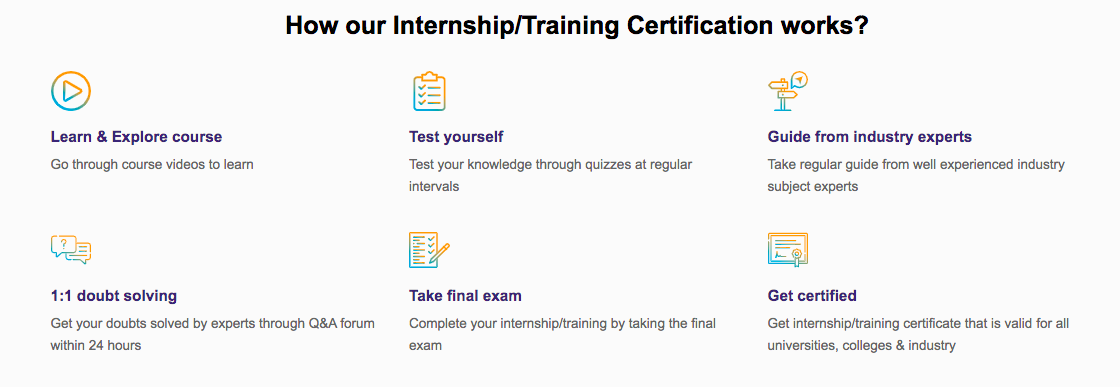
How EasyShiksha Internship/Training Program Works
Why Students Need Resumes That Keep Pace With Learning
The Problem of Invisible Skill Development
Many students develop valuable skills before they have formal work experience. They may complete online courses, practise through educational projects, participate in simulations, and explore professional tools independently. However, these activities do not always appear clearly on a resume, especially when students are unsure how to describe their relevance to an employer.
This creates a gap between what a learner has developed and what a recruiter can easily understand. A student may have gained practical experience in spreadsheet analysis, web development, content writing, or digital marketing but continue submitting an outdated resume that lists only their degree and basic qualifications.
A Dynamic Resume could help reduce this gap by connecting learning activities to relevant profile sections. When the student completes an assessed project, the system could identify the skills associated with that project and suggest an appropriate description. The learner could review the wording and decide whether to include it.
EasyShiksha could use this approach to help students recognise that professional development begins before their first full-time job. Online courses, practical assignments, quizzes, and internships can contribute to a growing record of learning when their outcomes are documented accurately.
The Challenge of Remembering Every Achievement
Students often complete multiple courses and projects over several months. They may forget the details of an assignment, the tools used in a project, or the specific responsibilities they handled during an internship. When they later prepare a resume, reconstructing this information can be time-consuming.
A connected profile could maintain a record of eligible achievements as they occur. A completed course might contribute its title, completion date, and learning outcomes. A project could retain a description of the work, the tools involved, and the assessment evidence available. An internship could record the verified role, dates, and approved responsibilities.
This would provide students with a more organised foundation for resume preparation. Rather than trying to remember everything when a job opportunity appears, they could review an existing record of their development and select the most relevant evidence.
Such a system would also support reflection. Students could see how their skills have developed over time, identify areas where they have gained practical experience, and recognise which capabilities need further work before applying for a particular role.
The Difficulty of Matching a Resume to Different Opportunities
A resume that works well for one opportunity may not communicate the right strengths for another. A student applying for a software development internship may need to highlight programming, debugging, and application-building experience. The same student applying for a project coordination role may benefit from emphasising communication, planning, teamwork, and organisation.
Manually creating separate versions can be difficult, especially for learners who have limited experience with professional applications. Some may send the same generic resume to every employer, while others may overemphasise keywords without providing meaningful evidence.
A Dynamic Resume could help learners create role-specific versions from a verified underlying profile. AI could compare a job description with the student's documented achievements, identify relevant skills, and suggest which projects or learning experiences deserve greater emphasis.
EasyShiksha could connect this feature with its career guidance and employment resources. Students would receive help presenting their existing capabilities more effectively without needing to invent experience or claim skills they have not demonstrated.
How Verified Learning Could Update a Dynamic Resume
Course Completion as the First Layer of Evidence
Online courses can provide foundational knowledge in subjects ranging from programming and finance to communication, cybersecurity, artificial intelligence, and digital marketing. When a learner completes a course, the resulting record can establish that the student has participated in a structured learning experience and met its completion requirements.
Within a Dynamic Resume, this information could be added to the education or professional development section. The profile could record the course title, provider, completion date, and relevant learning outcomes, provided these details are available and verified.
However, the system should not automatically convert every course into a claim of advanced skill. An introductory course in data analytics may establish familiarity with foundational concepts, but it does not necessarily prove that the learner can independently analyse complex datasets. The resume should communicate the achievement accurately.
EasyShiksha could make this distinction visible by separating completed learning from independently assessed capabilities. This would allow students to demonstrate their commitment to learning while helping employers understand what a particular credential does and does not establish.
Quizzes and Assessments as Evidence of Understanding
Quizzes can provide additional information about a student's understanding of specific concepts. When designed appropriately, assessments can show whether a learner has retained important knowledge and can answer questions related to the course material.
A Dynamic Resume could connect selected assessment results to the relevant learning record. For instance, a student who completes a cybersecurity course and passes an assessment on authentication, access control, and security principles could have that achievement reflected in their learning profile.
Nevertheless, assessment results should be interpreted in context. A quiz may test conceptual understanding without measuring practical execution, collaboration, or problem-solving in a real workplace. The system should describe the nature of the assessment rather than treating every passing score as proof of complete professional competence.
EasyShiksha could use quizzes to help learners strengthen their profiles progressively. Students might move from introductory knowledge assessments to practical tasks and projects, building a richer collection of evidence as their capabilities develop.
Projects as Proof of Practical Application
Projects can make a Dynamic Resume significantly more informative because they demonstrate how students apply knowledge to a particular task. A learner who completes a website, analyses a dataset, creates a marketing campaign, or develops a financial model can provide concrete evidence of work rather than relying entirely on course titles.
When a project is completed, the platform could record its description, the student's role, the tools used, and the skills demonstrated. If the project has been assessed against clear criteria, the profile could also reference the evaluation or supporting work sample.
For example, a student who has completed a Python course might initially have a learning record showing introductory programming knowledge. After creating and demonstrating a working application, the student's profile could include a project that provides more specific evidence of implementation and problem-solving.
EasyShiksha could encourage students to progress from learning concepts to applying them through structured projects. The Dynamic Resume would then reflect this progression without presenting the original course completion and the practical project as equivalent achievements.
Internships as Verified Professional Experience
Internships provide an opportunity to apply skills in a workplace or structured professional environment. They may involve communication, teamwork, task management, research, technical work, and other responsibilities that are difficult to demonstrate through coursework alone.
A Dynamic Resume could incorporate internship details after the relevant organisation or authorised provider verifies the experience. The record could include the role, dates, approved responsibilities, and documented outcomes where available.
The system should avoid exaggerating the significance of an internship. Observing a task is different from completing it independently, and assisting with a project is different from leading it. Clear descriptions of responsibilities would help students represent their experience accurately.
For EasyShiksha, connecting internship records with courses and projects could demonstrate how learning translates into practical exposure. A student might show that they studied digital marketing, completed a campaign project, and subsequently contributed to marketing activities during an internship. Together, these records would provide a clearer picture of the learner's development than a certificate list alone.
The Role of AI in Building an Intelligent Dynamic Resume
Automatically Identifying Relevant Skills
One of the most useful applications of AI would be identifying the skills associated with completed learning activities. Course descriptions, project reports, assessment criteria, and internship responsibilities may contain information that can be organised into a structured skills profile.
For example, a project involving customer data, spreadsheet formulas, and dashboard creation may provide evidence related to data organisation, numerical analysis, and information visualisation. AI could suggest these connections and ask the student to review them before they appear on the resume.
The system should not infer skills solely from keywords. A project description that mentions Python does not prove that the student used Python effectively, and a course covering communication does not establish that the learner has mastered professional communication. Relevant evidence should support every meaningful claim.
EasyShiksha could combine AI suggestions with assessment results, project demonstrations, and verified records to improve the accuracy of skill identification. This would make the resume more informative while keeping the learner involved in reviewing how their achievements are represented.
Matching Resume Content With Job Descriptions
Job descriptions often contain a combination of technical requirements, preferred qualifications, responsibilities, and general expectations. Students may struggle to determine which parts of their experience are most relevant to a particular opening.
An AI-enabled Dynamic Resume could compare the requirements of a role with the student's existing profile. It could identify matching skills, highlight relevant projects, and show where the student has supporting evidence. If the role requires a capability that the learner has not demonstrated, the system could identify that gap rather than silently adding the skill to the resume.
Suppose an internship requires basic Python, data cleaning, spreadsheet analysis, and clear reporting. A student may already have evidence of Python learning and spreadsheet work but lack a project demonstrating data cleaning. The platform could suggest a relevant project and explain how completing it might strengthen the application.
This feature would help students make better use of their existing achievements and plan further development. It should not guarantee that an application will succeed, because recruitment decisions also depend on competition, employer priorities, communication, and other factors beyond the resume.
Generating Multiple Resume Versions From One Profile
A Dynamic Resume could maintain a comprehensive professional profile and generate different resume versions for different opportunities. The underlying achievements would remain consistent, but their order, emphasis, and wording could change according to the role.
For a software development internship, the system might prioritise programming courses, application projects, and technical assessments. For a business analyst position, it could emphasise data interpretation, spreadsheet work, research, and communication. For a marketing role, campaign projects, writing samples, and analytical work might receive greater prominence.
AI could help select relevant information and produce concise descriptions based on verified records. However, students should be able to inspect and edit the generated resume before using it. They should also be able to remove irrelevant details and correct inaccurate interpretations.
This model would reduce repetitive resume editing while preserving accuracy. It would also teach students that effective resumes are not simply collections of achievements; they are structured presentations of relevant evidence for a particular opportunity.
EasyShiksha as a Connected Learning-to-Career Platform
Connecting Learning, Verification, and Professional Identity
EasyShiksha already brings together educational opportunities such as online courses, quizzes, internships, certificates, degree programmes, career guidance, and employment-related resources. A Dynamic Resume could connect these elements through a single professional profile that evolves as the learner progresses.
A student could begin by exploring a career area and enrolling in a relevant course. After completing the course, they could test their understanding through quizzes and apply the concepts in a project. They could then pursue an internship that provides additional practical exposure. Each verified achievement could contribute to the student's professional record, creating a clearer connection between education and career preparation.
This approach would reduce the distance between learning and presenting one's capabilities. Students would not need to wait until they begin applying for jobs to discover that their achievements are scattered across different platforms or difficult to explain.
The platform could also help learners recognise which experiences provide the strongest evidence for their goals. If a student has completed several introductory courses but has no practical work to show, EasyShiksha could recommend a project. If the student has projects but limited exposure to professional collaboration, the next step might involve an internship or a team-based activity.
Building a Career Development Timeline
A Dynamic Resume could include a timeline that shows how a student's capabilities have developed over time. Rather than displaying achievements as unrelated events, the timeline could connect foundational learning with later projects, assessments, and internship experiences.
For example, a learner's progression in data analytics might begin with spreadsheet fundamentals, continue through statistics and data visualisation, and lead to a project analysing a sample business dataset. A subsequent internship could demonstrate how the learner applied analytical skills in a professional setting.
This timeline would help students explain their development during interviews. They could describe not only what they studied, but also how their knowledge progressed into practical application and professional experience.
For EasyShiksha, the timeline could become a useful career guidance tool. It might reveal areas where a learner has developed strong evidence and others where additional experience could improve readiness for a chosen role. Students could use this information to plan their next course, project, or internship.
Supporting Students Before Their First Job
Students without formal employment experience often face the challenge of demonstrating their abilities when applying for their first internship or entry-level role. They may have relevant academic knowledge but limited experience describing their work in professional terms.
A Dynamic Resume could help them present verified learning, practical projects, educational achievements, and internship preparation in a structured way. Instead of leaving the experience section empty, a student could include meaningful project work and clearly labelled learning achievements.
This does not mean presenting coursework as employment or implying that a student has professional experience they do not possess. The resume should distinguish projects, training, internships, and paid work accurately. Its value lies in making genuine evidence more visible, not in disguising a lack of experience.
EasyShiksha could help learners develop a stronger profile before they apply for their first opportunity. As they progress, their resume could evolve from a learning-focused document into a more comprehensive professional record.
The Difference Between a Dynamic Resume and a Credential Graph
A Dynamic Resume and a Credential Graph are related concepts, but they serve different purposes. A Credential Graph focuses on the relationships between certificates, skills, learning outcomes, projects, and professional requirements. It helps explain how different achievements connect and which capabilities they collectively support.
A Dynamic Resume uses relevant information from these records to present a professional profile. It selects and organises achievements according to the opportunity being pursued, making the learner's qualifications and evidence easier to review.
For example, a Credential Graph might connect Python programming, data cleaning, statistics, and visualisation to a broader data analytics capability. A Dynamic Resume could use these connections to generate a role-specific resume that highlights the learner's relevant courses, projects, and assessments when applying for a data analyst internship.
The graph provides the underlying relationships, while the resume presents a practical summary for a particular audience. Together, they could create a more coherent system for documenting learning and communicating professional readiness.
For EasyShiksha, this relationship could support a broader education-to-employment framework in which learning records are not isolated documents. Instead, they would contribute to a structured profile that helps students understand their development and present relevant evidence to employers.
Challenges in Implementing a Dynamic Resume
Ensuring That Every Claim Is Accurate
Automatic updates create convenience, but they also introduce the risk of publishing inaccurate or misleading information. A system might incorrectly interpret a course outcome, associate a project with a skill that was not demonstrated, or generate a description that overstates the learner's responsibilities.
EasyShiksha would need clear rules for which achievements can be added automatically and which require student approval or external verification. Course completion could be recorded from a trusted platform record, while project-based skill claims might require assessment or supporting evidence. Internship responsibilities should be confirmed through appropriate documentation or authorised feedback.
Students should be able to review changes, correct mistakes, and decide which achievements appear on a shared resume. An automatic update should never mean that the learner loses control over their professional identity.
Accuracy would be particularly important when employers rely on the profile to assess candidates. A Dynamic Resume should make evidence easier to understand without presenting unverified claims as established facts.
Handling Different Credential Providers
Students often learn through multiple institutions and online platforms. Their certificates may use different formats, terminology, verification methods, and descriptions of learning outcomes. Bringing these records together can be challenging.
A practical Dynamic Resume system would need a reliable way to import or record credentials from supported sources while preserving information about the issuer and verification status. It should distinguish between records verified directly by a provider, documents reviewed by the student, and achievements that have not been independently confirmed.
EasyShiksha could begin by connecting achievements generated within its own learning ecosystem, where course completion and assessment records may be easier to associate. Additional integrations could be introduced as compatible verification methods become available.
The platform should not claim to verify credentials from every external provider unless it actually has a reliable process for doing so. Clear verification labels would help students and employers understand the strength and origin of each record.
Protecting Privacy and Giving Students Control
A continuously updated professional profile may contain educational history, assessment results, project information, internship details, and career interests. This information can be valuable, but it should not be shared indiscriminately.
Students should control when their Dynamic Resume is shared, which sections are visible, and whether particular achievements are included in a job application. The system should explain how information is collected and used, especially when AI processes personal learning records.
An employer should not automatically gain access to a student's complete learning history simply because the student submits a resume generated by the platform. A targeted resume should reveal the information necessary for the application, with additional records shared only when appropriate and authorised.
Privacy protection is essential to making the system trustworthy. The purpose of a Dynamic Resume is to give learners more control over how their professional development is presented, not to make every educational activity permanently visible to every potential employer.
Measuring the Success of a Dynamic Resume
The success of a Dynamic Resume should be measured by more than the number of profiles created or certificates added. Its value depends on whether students can represent their capabilities more accurately, maintain current information, and prepare stronger applications for relevant opportunities.
EasyShiksha could examine whether learners spend less time manually updating resumes, whether more completed projects are documented properly, and whether students can identify the evidence supporting their skill claims. The platform could also assess whether students find it easier to create role-specific resumes from a single professional profile.
Another important measure would be the quality of student decisions about further learning. If the system identifies that a learner has theoretical knowledge but limited practical evidence, it should help the student select a suitable project or internship. If a job description requires a skill the student has not yet developed, the platform should make that gap clear and suggest a realistic next step.
Recruitment outcomes could also provide useful feedback, but they should be interpreted carefully. Getting an interview or receiving an offer depends on many factors, including the job market, qualifications, experience, and employer requirements. A Dynamic Resume can improve how evidence is organised and communicated, but it cannot guarantee employment.
Ultimately, the system should help students become more informed about their professional development and more confident in presenting genuine achievements.
Empower your team. Lead the industry
Get a subscription to a library of online courses and digital learning tools for your organization with
EasyShiksha
The Future of Professional Identity: A Resume That Grows With You
The idea of a Dynamic Resume reflects a broader change in how professional identity could be documented in the future. People increasingly develop skills through a combination of formal education, online learning, practical projects, internships, workplace experience, and independent study. A resume designed around occasional manual updates may struggle to capture this continuous development.
A dynamic approach could make professional profiles more responsive to learning while preserving the importance of accurate evidence. Students could begin with foundational courses, develop skills through projects, gain workplace exposure, and see their profiles evolve as they acquire new capabilities. Professionals could use the same model to document career transitions, continuing education, and specialised training.
For EasyShiksha, this could create a connected experience in which the journey from learning to employment becomes easier to understand. The platform could help students identify relevant courses, assess their progress, document practical work, and present their achievements according to their career goals.
Such a system could also encourage a healthier approach to professional development. Instead of focusing exclusively on collecting certificates, students would be encouraged to build capabilities, demonstrate their application, and maintain evidence of progress. Their resumes would become records of meaningful development rather than static summaries that quickly become outdated.
However, a Dynamic Resume should remain a tool for communication rather than a complete definition of a person's worth or potential. Not every valuable quality can be represented by a credential, and not every skill needs to be documented through a digital record. Human judgement, personal experience, and the context of an individual's journey will continue to matter.
Conclusion: Turning Continuous Learning Into Visible Career Progress
A Dynamic Resume offers a new way to connect education with professional opportunity. By updating a learner's profile with verified courses, assessments, projects, internships, and other achievements, it could reduce the gap between developing a skill and communicating that skill to an employer.
For EasyShiksha, the concept could connect online learning, quizzes, certificates, internships, projects, and career guidance through a professional profile that grows alongside the student. AI could help organise achievements, identify relevant evidence, and generate role-specific resume versions, while verification processes and student approval would protect accuracy and control.
The most important principle is that automation should improve the representation of genuine achievements rather than manufacture qualifications. Completing a course should be recorded as learning, passing an assessment should be described according to what it measures, and a project should demonstrate only the capabilities supported by its evidence. This distinction would make the Dynamic Resume more useful for both students and employers.
As education becomes increasingly continuous and digital, professional profiles will need to reflect more than degrees and previous employment. They will need to show how people develop, apply, and strengthen their capabilities over time. A well-designed Dynamic Resume could help make that progress visible, relevant, and easier to communicate.
The future of resumes may therefore be less about repeatedly rewriting a document and more about maintaining a trusted record of professional growth. Through this approach, EasyShiksha could help students turn every meaningful learning achievement into a clearer picture of their developing capabilities and career potential.
Anshika Jain is an Engineer, Developer, and Educational Content Author known for her dedication to technology and knowledge sharing. With a strong analytical mindset and a passion for innovation, she has consistently contributed to creating meaningful digital solutions and insightful educational articles.
Her ability to simplify complex technical concepts into engaging and easy-to-understand content makes her work valuable for students and learners across various platforms. Along with her technical expertise, Anshika is admired for her creativity, professionalism, and commitment to continuous learning.
She represents a perfect blend of technical excellence and impactful communication, inspiring others through both her development work and educational contributions.