









M.Sc in Environmental Science

Program Overview
The M.Sc. in Environmental Science programme at Sikkim Global Technical University focuses on the scientific study of the environment, ecosystems, natural resources, pollution, biodiversity, and environmental processes.
The programme covers areas such as ecology, environmental chemistry, environmental pollution, biodiversity and conservation, climate and environmental change, natural resource management, environmental monitoring, waste management, and environmental research. Students can develop skills in environmental assessment, field studies, laboratory practices, data analysis, research methods, resource management, and scientific communication.
Eligibility Criteria
- Graduation with respective subjects
Approval Details
- MHRD, Government of India and UGC
Fee Structure
Admission Process
Students can apply for the M.Sc. in Environmental Science programme through EasyShiksha. The admission process generally involves application submission, document verification, eligibility confirmation, and enrollment.
Step 1: Apply Online
Click the Apply Now button on the M.Sc. in Environmental Science programme page and complete the online application form through EasyShiksha.
Step 2: Submit Your Details
Enter the required personal, contact, and academic information accurately in the application form.
Step 3: Upload Documents
Upload the required documents, such as academic records and identity documents, as requested during the application process.
Step 4: Pay Application Fee
Pay the applicable application fee using the available online payment options to submit your application.
Step 5: Application Review
The EasyShiksha team reviews the submitted application and documents to check that the required information has been provided and the applicant meets the applicable eligibility requirements.
Step 6: University Enrollment
After successful review and eligibility confirmation, EasyShiksha facilitates the enrollment process with Sikkim Global Technical University.
Step 7: Begin Your Studies
After successful enrollment, students receive access to the Learning Management System (LMS) and can begin their academic journey using the available learning resources.
Start Your Application
Ready to begin your journey in M.Sc. in Environmental Science? Click Apply Now to submit your application through EasyShiksha.
Career & Placements
- Environmental Research Assistant
- Environmental Scientist
- Environmental Analyst
- Environmental Consultant
- Research Associate
- Environmental Laboratory Analyst
- Conservation Research Assistant
- Environmental Data Analyst
- Sustainability Research Assistant

Sikkim Global Technical University, Namchi
Sikkim Global Technical University is a UGC-recognized private university located in Namchi, Sikkim, India. Known for its strong industry connections, cutting-edge curriculum, and commitment to technology-driven education, Sikkim Global Technical University has established itself as one of central India's premier higher education institutions.
The university's vision is to foster academic excellence, industry readiness, and global competitiveness among its graduates — making it an ideal partner for EasyShiksha's mission of accessible, quality online education.
EasyShiksha has signed an MoU with Sikkim Global Technical University to facilitate applications for various university programs and jointly offer B.Voc programs. All degrees and certifications under these programs will be awarded by Sikkim Global Technical University. The EasyShiksha team will provide complete assistance and support throughout the admission and program process.
Sikkim Global Technical University, Sikkim
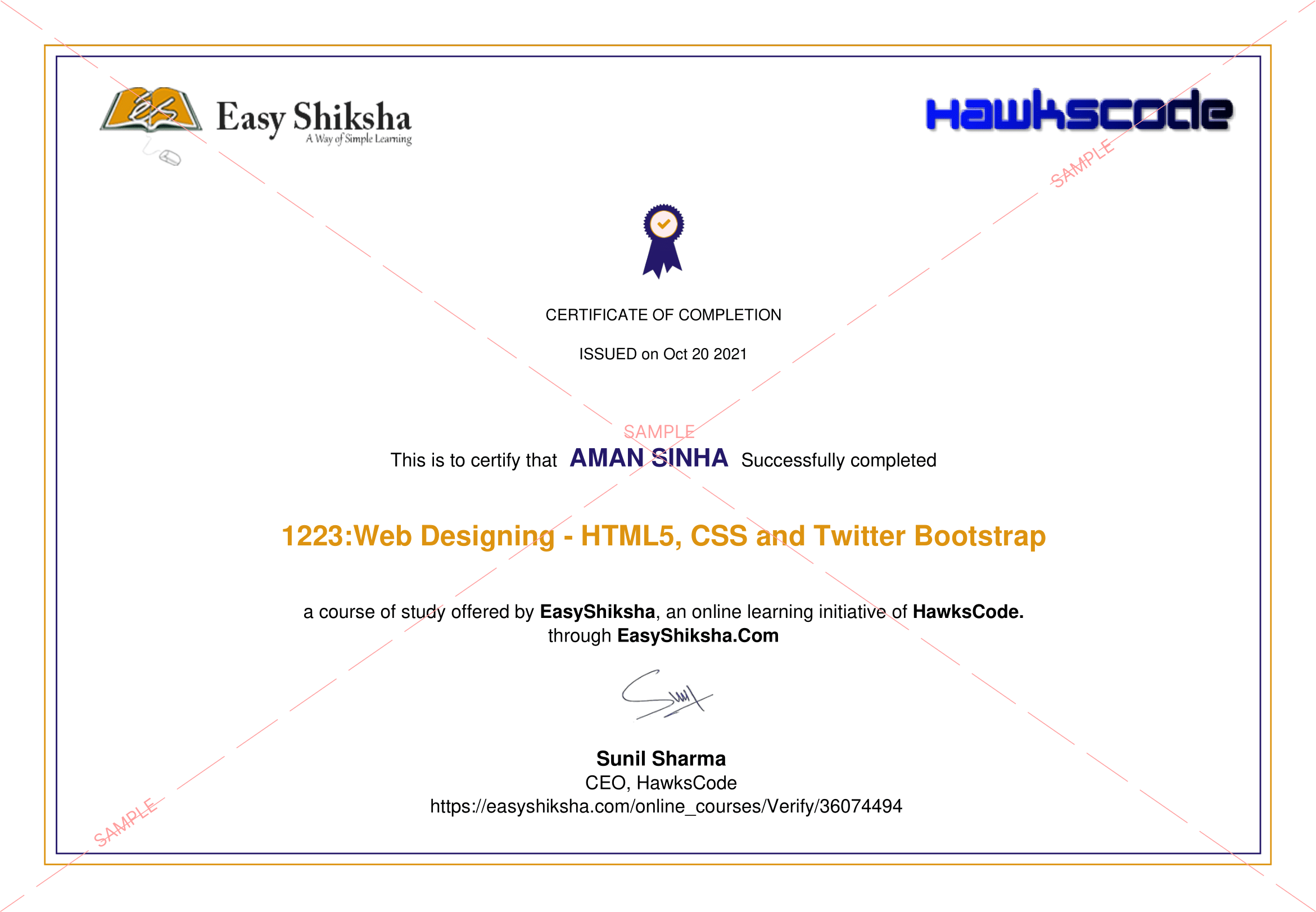
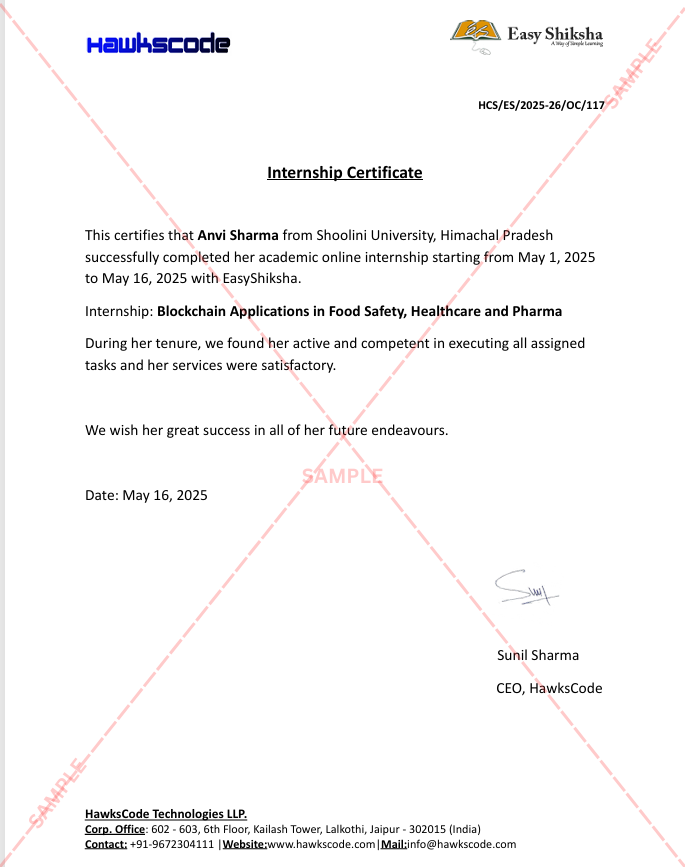
Sample Degree

Documents
Media Gallery
Frequently Asked Questions
Sikkim Global Technical University follows an education approach that goes beyond traditional boundaries, focusing on preparing students for future professional and societal challenges.
The university aims to develop future-ready leaders who can drive innovation, inspire change, and contribute meaningfully to society.
SGTU encourages students to develop skills and perspectives that help them drive innovation and address real-world challenges.
The university focuses on excellence, community, compassion, responsibility, and values that help students contribute positively to society.
SGTU equips students with skills designed to help them thrive in an ever-evolving world and prepares them to respond to real-world challenges.
No. Along with core professional skills, SGTU also emphasises values and personal development to help students become compassionate and responsible individuals.
Advanced technology is incorporated into the university's blended curriculum to support students' learning and development.
Yes. SGTU's blended curriculum combines advanced technology with India's rich cultural heritage.
SGTU aims to shape compassionate and responsible individuals who are prepared to address real-world challenges.
The university focuses on developing students' professional skills, values, and sense of responsibility so they can make meaningful contributions to society.
Future-ready education at SGTU focuses on equipping students with skills and values that can help them adapt and thrive in an ever-evolving world.
SGTU balances these areas through a blended curriculum that brings together advanced technology and India's rich cultural heritage.
Yes. The university fosters a sense of community as part of its approach to student development.
SGTU aims to empower students to make a lasting global impact through innovation, responsible action, and meaningful contributions to society.
SGTU combines professional skill development, advanced technology, values, and cultural learning to prepare students to address real-world challenges.
M.Sc. in Environmental Science is a postgraduate programme focused on environmental systems, natural resources, pollution, sustainability, and ecological issues.
The programme may cover ecology, environmental chemistry, biodiversity, pollution control, climate studies, environmental management, and conservation.
Students develop environmental research, data analysis, fieldwork, problem-solving, scientific observation, and sustainability-related skills.
Graduates can explore opportunities in environmental research, conservation, sustainability, environmental consulting, laboratories, NGOs, and related organisations.
Students can pursue research, specialised environmental studies, teaching, professional environmental training, or doctoral programmes in related fields.