






















program icon
Explore

Science

Explore Science university programs, degree, diploma, UG and PG courses in India and discover relevant programs for enrollment through EasyShiksha.

332 Programmes
14 University Partners
4.8โ˜… Avg. Rating
UGC-Recognised Degree
Industry-Aligned Curriculum
UGC-DEB Approved Online/ODL
Flexible Learning Options
Understanding Science

What Is Science?

Science is a broad academic domain focused on understanding the natural world through observation, experimentation, measurement, analysis and evidence-based reasoning. It covers the study of matter, energy, living organisms, Earth, the environment and the laws and processes that shape the physical and biological world. Major areas include Physics, Chemistry, Biology, Mathematics, Statistics, Environmental Science, Biotechnology, Microbiology and related interdisciplinary fields.

University programmes related to Science may be offered through qualifications such as B.Sc., M.Sc. and other relevant postgraduate, diploma, PG diploma and certification programmes, depending on the university and subject area. Students can also explore specialised fields such as Biochemistry, Genetics, Molecular Biology, Applied Physics, Analytical Chemistry and Environmental Studies.

Science can suit students who enjoy observation, experimentation, mathematics, research and problem-solving. It can provide foundations for careers in research, laboratories, education, healthcare-related scientific fields, technology and environmental work. At EasyShiksha, students can explore and compare university programmes related to Science based on their interests and career goals.

UGC Degree-Level Recognition
What You Get

A program that pairs recognition with real skills

UGC-Recognised Degree

Same institutional recognition as a conventional Bachelor's degree.

Industry-Aligned Curriculum

Built with Sector Skill Councils, not just academic departments.

Direct Employability

Hands-on skill components designed for job-readiness, not just theory.

Offered By

Universities offering these programs

Compare accreditation and programme count before choosing where to apply.

Kalinga University campus
Kalinga University

Kalinga University

Raipur, Chhattisgarh ยท Est. 2013
UGCSec. 12B
NAAC B+Accredited
AICTEApproved
View University
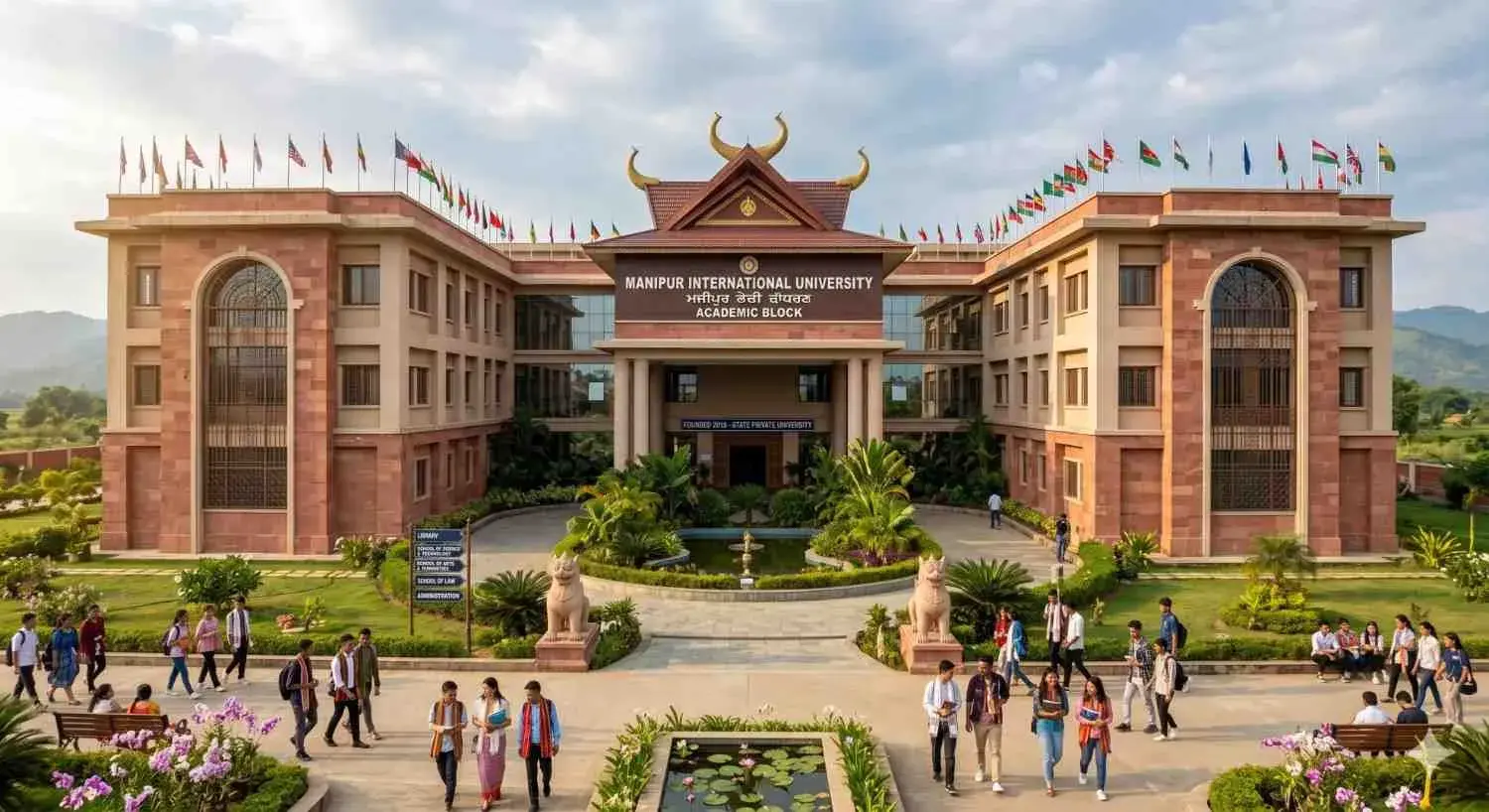
Manipur International University campus
Manipur International University

Manipur International University

Imphal, Manipur ยท Est. 2019
UGCSec. 12B
AICTEApproved
View University
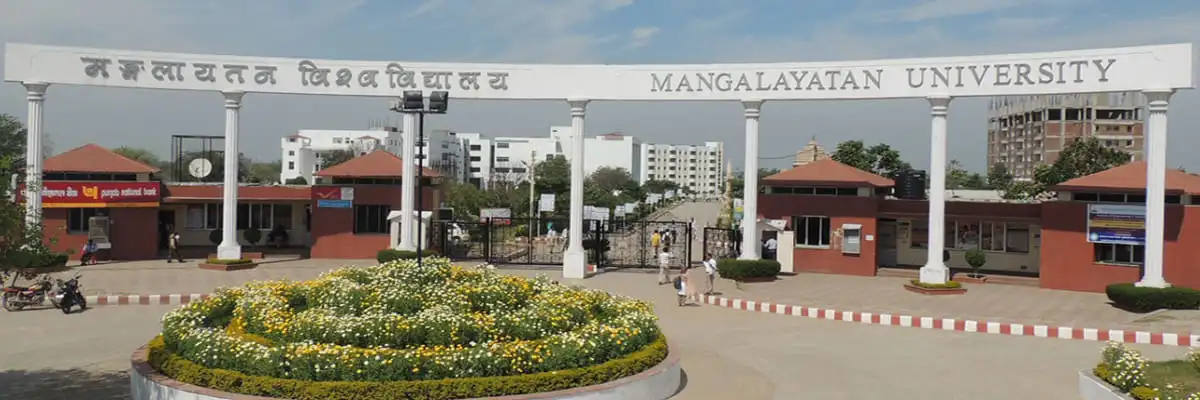
Mangalayatan University campus
Mangalayatan University

Mangalayatan University

Aligarh, Uttar Pradesh ยท Est. 2006
UGCSec. 12B
NAAC A+Accredited
AICTEApproved
View University
Manipal University Jaipur campus
Manipal University Jaipur

Manipal University Jaipur

Jaipur, Rajasthan ยท Est. 2011
UGCSec. 12B
NAAC A+Accredited
AICTEApproved
View University
Lovely Professional University campus
Lovely Professional University

Lovely Professional University

Phagwara, Punjab ยท Est. 2005
UGCSec. 12B
NAAC A++Accredited
AICTEApproved
View University
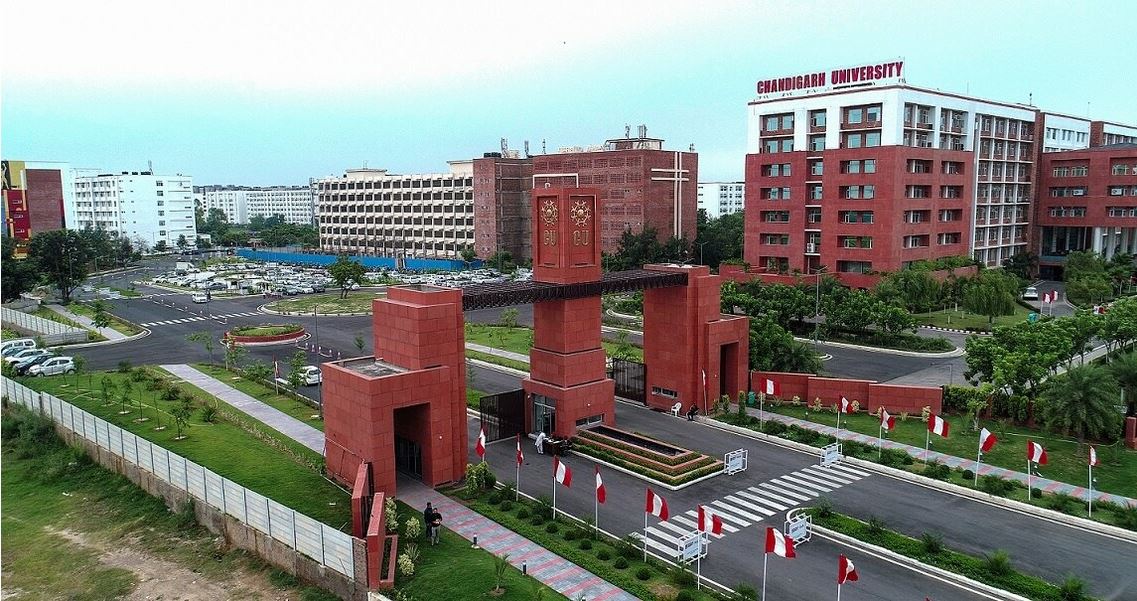
Chandigarh University campus
Chandigarh University

Chandigarh University

Mohali, Punjab ยท Est. 2012
UGCSec. 12B
NAAC A+Accredited
AICTEApproved
View University
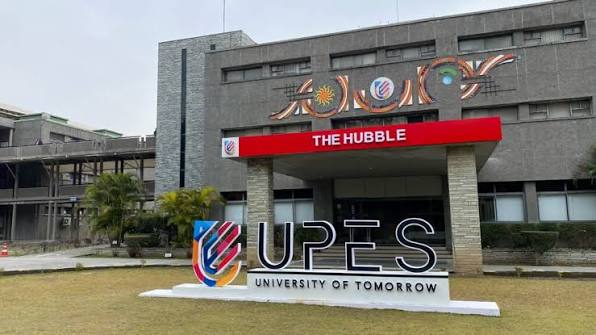
University of Petroleum and Energy Studies campus
University of Petroleum and Energy Studies

University of Petroleum and Energy Studies

Dehradun, Uttarakhand ยท Est. 2003
UGCSec. 12B
NAAC AAccredited
AICTEApproved
View University
Andhra University campus
Andhra University

Andhra University

Visakhapatnam, Andhra Pradesh ยท Est. 1926
UGCSec. 12B
NAAC A++Accredited
AICTEApproved
View University
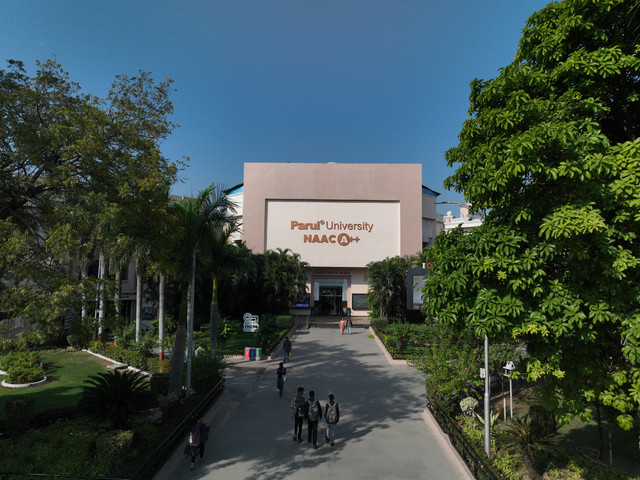
Parul University campus
Parul University

Parul University

Vadodara, Gujarat ยท Est. 2015
UGCSec. 12B
NAAC A++Accredited
AICTEApproved
View University
MK University Patan campus
MK University Patan

MK University Patan

Patan, Gujarat ยท Est. 2022
UGCSec. 12B
AICTEApproved
View University
Duke International University campus
Duke International University

Duke International University

Namchi, Sikkim ยท Est. 2024
UGCSec. 12B
AICTEApproved
View University
Atal Bihari Vajpayee Skill University campus
Atal Bihari Vajpayee Skill University

Atal Bihari Vajpayee Skill University

Gangtok, Sikkim ยท Est. 2025
UGCSec. 12B
AICTEApproved
View University
Sikkim Global Technical University campus
Sikkim Global Technical University

Sikkim Global Technical University

Namchi, Sikkim ยท Est. 2023
UGCSec. 12B
AICTEApproved
View University
Swami Vivekanand Subharti University campus
Swami Vivekanand Subharti University

Swami Vivekanand Subharti University

Meerut, Uttar Pradesh ยท Est. 2008
UGCSec. 12B
NAAC AAccredited
AICTEApproved
View University
Student Voices

What learners say

โ˜…โ˜…โ˜…โ˜…

"A solid choice for anyone who wants to build a foundation in commerce before deciding on a more specific career direction."

R
Rahul Chauhan Commerce
โ˜…โ˜…โ˜…โ˜…โ˜…

"I wanted a program focused on skills I could actually use. The web development content gave me a much clearer understanding of how websites are built."

D
Deepika Joshi Web Development
โ˜…โ˜…โ˜…โ˜…

"The course helped me understand project planning, timelines and team coordination in a much more structured way. It has been useful alongside my work."

A
Aman Bansal Project Management
Career Opportunities

Explore career opportunities

Research Scientist

Research Scientists conduct systematic investigations to develop knowledge or examine scientific questions. Their work can involve designing experiments, collecting data, analysing results and documenting findings. Science education can provide foundations in scientific methodology, subject-specific concepts, experimentation and analytical reasoning relevant to research-oriented roles.

Laboratory Professional

Laboratory professionals may work with scientific samples, experiments, measurements and laboratory procedures depending on their specialisation. Their responsibilities can vary across scientific fields. A Science programme with appropriate laboratory components can help students develop practical techniques, observation skills and knowledge of scientific procedures.

Scientific Data Analyst

Scientific Data Analysts work with experimental or research data to identify patterns, interpret results and support scientific investigations. Students with backgrounds in Statistics, Mathematics or quantitative Science disciplines may develop relevant analytical foundations, particularly when combined with data-analysis and computing skills.

Environmental Scientist

Environmental Scientists study environmental systems and issues involving ecosystems, natural resources, pollution and sustainability. Their work may involve field studies, laboratory analysis, environmental monitoring or data interpretation. Relevant Science education can provide knowledge of ecology, environmental processes and scientific research methods.

Biotechnologist

Biotechnologists apply biological knowledge and laboratory techniques to areas involving living organisms, cells, biological processes or biotechnology applications. Students specialising in Biotechnology or related biological sciences can develop foundations in molecular biology, genetics, microbiology and laboratory methods.

Microbiologist

Microbiologists study microorganisms such as bacteria, fungi and other microscopic organisms. Their work can involve laboratory investigation, identification, analysis and research. A relevant Science programme can provide knowledge of microbiology, biology, laboratory techniques and scientific experimentation.

Scientific Research Assistant

Research Assistants support scientific investigations by helping with activities such as literature review, sample preparation, data collection, laboratory work and documentation. Science education can provide subject knowledge and research skills that form a foundation for entry-level research-oriented opportunities.

Science Educator

Science graduates may explore educational roles where their subject knowledge can be applied to teaching and academic support. Depending on the position and institution, additional education or teaching qualifications may be required. Strong subject knowledge, communication skills and the ability to explain scientific concepts clearly can be valuable.

Career Development

Career opportunities in Science depend on the chosen discipline, academic qualification, specialisation, practical experience, research skills and employer requirements. Students interested in specialised scientific careers may consider postgraduate education, research training, laboratory experience, professional certifications or advanced subject specialisations. Developing quantitative, technical, communication and problem-solving skills can also broaden potential career pathways.


Common Questions

Frequently asked questions

What is Science? +

Science is a broad academic domain that studies the natural world through observation, experimentation, measurement and evidence-based analysis. It includes disciplines such as Physics, Chemistry, Biology, Mathematics, Statistics and Environmental Science. Students can choose specific scientific subjects or interdisciplinary programmes depending on their academic interests and career goals.

What subjects are included in Science? +

Science can include subjects such as Physics, Chemistry, Biology, Mathematics, Statistics, Environmental Science, Biotechnology and Microbiology. The subjects available to students depend on the specific programme and university. Specialised programmes may focus on one discipline or combine concepts from multiple scientific fields.

What programmes are available in Science? +

Science-related education may be available through B.Sc. and M.Sc. programmes, along with relevant postgraduate programmes, diplomas, PG diplomas and certifications. The appropriate programme type depends on the scientific discipline and academic level. Eligibility, duration and curriculum vary across universities and individual programmes.

What are the major specialisations in Science? +

Science offers many specialisation areas, including Physics, Chemistry, Biology, Mathematics, Statistics, Biotechnology, Microbiology, Environmental Science, Biochemistry, Genetics, Zoology, Botany and Geology. Universities may offer different combinations and specialised programmes, so students should check individual curricula before selecting a course.

Who should study Science? +

Science may be suitable for students who are curious about the natural world and enjoy scientific subjects, experiments, mathematics, research or analytical problem-solving. It can be relevant to learners interested in scientific research, laboratories, education, environmental studies and technology-related applications.

What skills are useful for a career in Science? +

Useful skills include analytical thinking, observation, problem-solving, research ability, quantitative reasoning and attention to detail. Depending on the discipline, laboratory techniques, statistical analysis, scientific computing and data interpretation may also be valuable. Communication skills are important for presenting research findings and explaining scientific concepts.

What are the career opportunities in Science? +

Science can lead to potential career paths such as Research Scientist, Laboratory Professional, Scientific Data Analyst, Environmental Scientist, Biotechnologist, Microbiologist, Scientific Research Assistant and Science Educator. Career opportunities depend on the student's scientific discipline, qualification, specialisation, skills, experience and employer requirements.

Can I study Science online? +

Some Science-related programmes or learning components may be available through online or blended modes, although practical and laboratory requirements can differ by discipline and programme. Students should check the specific university's learning mode, curriculum, practical requirements, eligibility and programme structure before enrolling.

Is Science a good choice after 12th? +

Science can be considered by students interested in scientific subjects and related academic or professional pathways. The suitable programme depends on the subjects studied at school, university eligibility requirements and the student's interests. Students should compare available programmes and their curricula before deciding on a particular discipline.

How do I choose the right Science programme? +

Start by identifying the scientific subjects you enjoy, such as Physics, Chemistry, Biology, Mathematics or Environmental Science. Then compare universities, programme type and level, specialisation, eligibility, duration, learning mode, curriculum, practical components and career relevance. Reviewing future study options can also help you select a programme aligned with your goals.

What is Science?

Science is a broad academic domain concerned with systematically studying the natural world and developing knowledge through observation, experimentation, measurement and evidence-based analysis. It includes multiple disciplines that examine different aspects of nature, from physical matter and energy to living organisms and environmental systems.

Science plays an important role in research, technological development, healthcare, environmental understanding and innovation. Depending on the chosen discipline, students can develop theoretical knowledge, laboratory skills, quantitative abilities, research methods and scientific reasoning.

What Do You Study in Science?

Science education can cover subjects such as Physics, Chemistry, Biology, Mathematics, Statistics and Environmental Science. Depending on the chosen programme, students may study areas including mechanics, electromagnetism, organic and inorganic chemistry, genetics, microbiology, ecology, mathematical modelling and statistical analysis.

Specialised programmes may also introduce laboratory techniques, scientific computing, research methodology, data interpretation and experimental design. The subjects studied depend on the specific discipline, programme level and university curriculum.

Programmes Available in Science

Science-related programmes may include B.Sc. and M.Sc. degrees, along with relevant postgraduate programmes, diplomas, PG diplomas and certifications. Specific programme types vary according to the scientific discipline and institution. Eligibility, duration, curriculum and admission requirements also vary by university and programme.

Specialisations in Science

Science includes diverse areas such as Physics, Chemistry, Biology, Mathematics, Statistics, Biotechnology, Microbiology, Environmental Science, Biochemistry, Genetics, Zoology, Botany and Geology. The availability of specific specialisations varies across universities and academic programmes.

Why Choose Science?

Science can help students develop systematic thinking, research abilities, analytical reasoning and problem-solving skills. It provides opportunities to explore fundamental scientific concepts and apply them through experiments, data analysis and research. The domain also offers pathways for further study and specialised education in different scientific disciplines.

Who Should Choose Science?

Science may suit students who are curious about how the natural world works and enjoy subjects such as Physics, Chemistry, Biology, Mathematics or related disciplines. It can be relevant for learners interested in research, laboratories, education, environmental studies, scientific analysis or technology-related applications.

Explore Science Programmes on EasyShiksha

At EasyShiksha, students can explore university programmes across different academic domains and specialisations. When comparing Science programmes, students can consider the university, programme type, programme level, subject or specialisation, eligibility, duration, learning mode, curriculum and career relevance to identify options that match their academic interests and future plans.

Ready to apply?

Browse all programmes above and start your application in minutes.

View Science Programmes
Whatsapp Email Support

Experience the Speed: Now Available on Mobile!

Download EasyShiksha Mobile Apps from Android Play Store, Apple App Store, Amazon App Store, and Jio STB.

Curious to learn more about EasyShiksha's services or need assistance?

Our team is always here to collaborate and address all your doubts.

Message should be at least 50 characters long.










