


















Certificate
Explore certificate courses and university certificate programs on EasyShiksha. Discover relevant programs in India and find options to enroll.
What Is Certificate?
A Certificate is a focused education and skill-development level designed to help learners build knowledge or practical capabilities in a specific subject, profession, technology or area of interest. Certificate programmes are generally more specialised and targeted than broad academic qualifications, making them useful for learners who want to develop a particular competency without necessarily pursuing a full degree programme.
Certificate courses may be considered by students, graduates, working professionals and individuals seeking additional skills or knowledge. Depending on the programme and university, certificates can cover areas such as technology, business, management, communication, creative fields, professional skills and other specialised subjects. Eligibility, duration, curriculum and recognition can vary significantly by programme and institution.
Certificate programmes may support academic preparation, professional upskilling or focused skill development, depending on their structure and purpose. At EasyShiksha, students can explore certificate programmes across universities and compare options based on eligibility, duration, specialisation, learning mode and curriculum to identify programmes aligned with their learning and career goals.
A program that pairs recognition with real skills
UGC-Recognised Degree
Same institutional recognition as a conventional Bachelor's degree.
Industry-Aligned Curriculum
Built with Sector Skill Councils, not just academic departments.
Direct Employability
Hands-on skill components designed for job-readiness, not just theory.
Universities offering these programs
Compare accreditation and programme count before choosing where to apply.
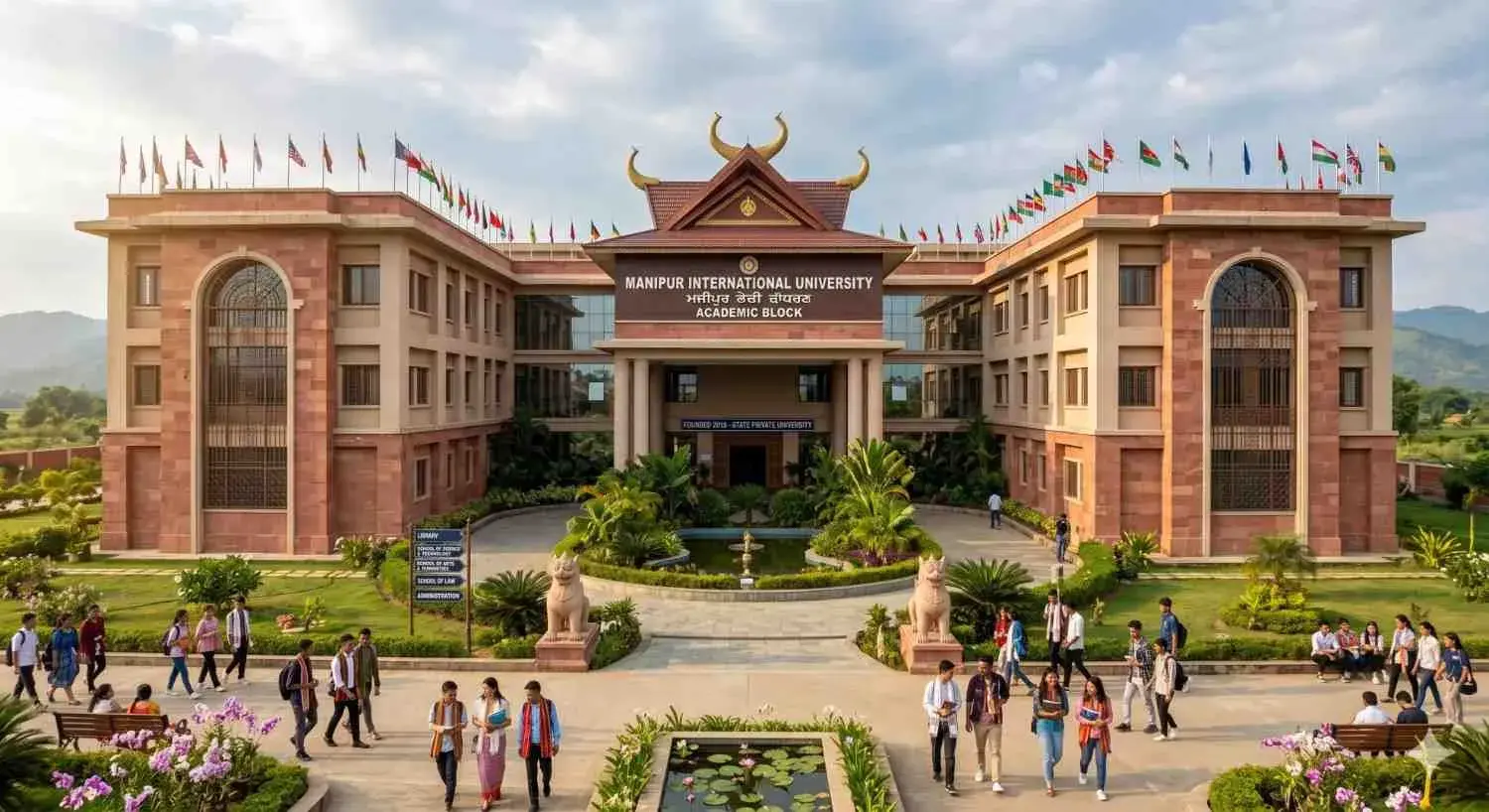
 Manipur International University
Manipur International University
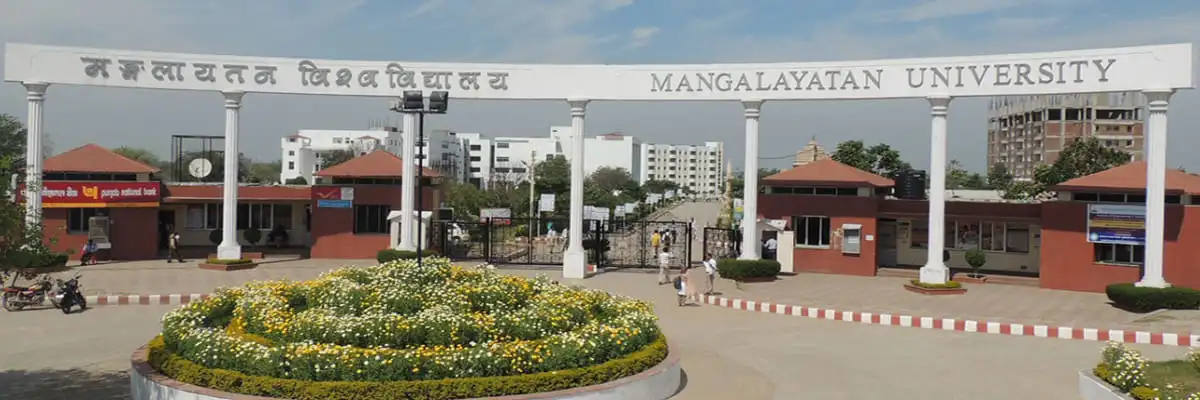
 Mangalayatan University
Mangalayatan University

 Lovely Professional University
Lovely Professional University

 Dr. D. Y. Patil Vidyapeeth Pune
Dr. D. Y. Patil Vidyapeeth Pune
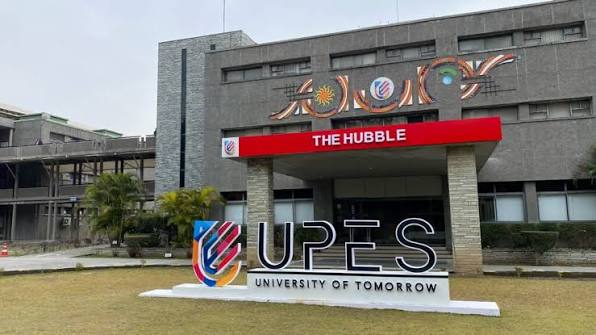
 University of Petroleum and Energy Studies
University of Petroleum and Energy Studies

 Mata Tripura Sundari Open University
Mata Tripura Sundari Open University
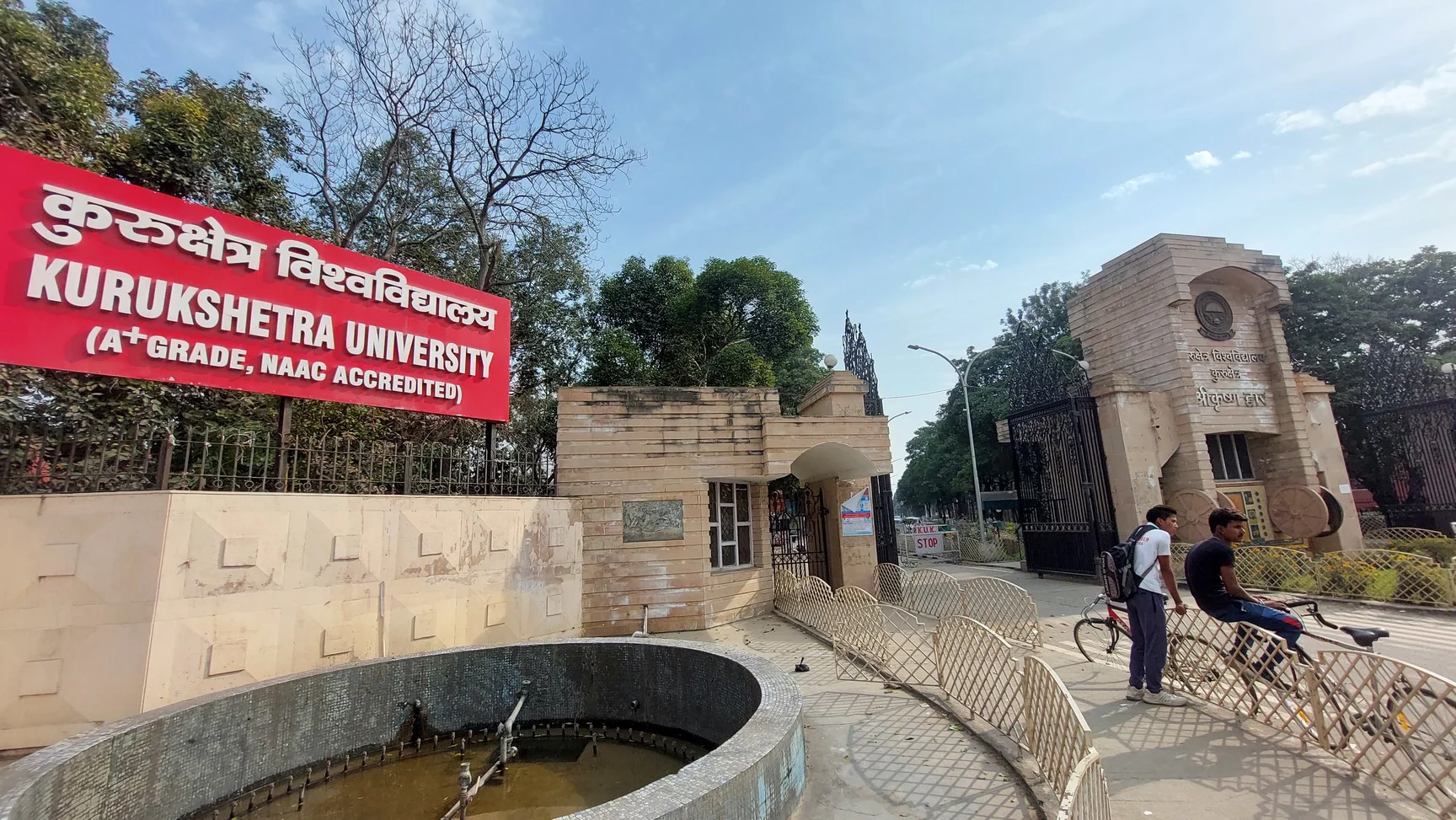
 Kurukshetra University
Kurukshetra University

 MK University Patan
MK University Patan

 Duke International University
Duke International University

 Atal Bihari Vajpayee Skill University
Atal Bihari Vajpayee Skill University

 Sikkim Global Technical University
Sikkim Global Technical University
What learners say
"The hands-on component was the whole point for me — I didn't want three years of pure theory with no practical skills."
"I liked how the course connects statistics and programming with actual data problems. It made the concepts much easier to understand."
"The program gave me a good balance of management concepts and practical business knowledge. The structure was easy to follow."
Frequently asked questions
What is a Certificate programme? +
A Certificate programme is a focused course designed to provide knowledge or skills in a particular subject, field or professional area. It generally concentrates on a defined topic rather than covering a broad academic curriculum. The purpose, structure and academic value of a certificate can vary depending on the programme and university offering it.
What is the purpose of Certificate courses? +
Certificate courses can be used for focused learning, skill development, subject exploration or professional upskilling. Their purpose depends on the programme. Some certificates may introduce learners to a new field, while others may develop specialised knowledge that complements an existing qualification or professional background.
Who can pursue a Certificate course? +
The intended learners vary by programme. Certificate courses may be suitable for students, graduates, working professionals or individuals seeking specific skills. Eligibility is not universal, so applicants should check the educational qualifications, experience or other requirements specified for their chosen certificate programme and university.
What is the eligibility for Certificate programmes? +
Certificate eligibility varies significantly by programme and university. Some courses may have relatively accessible entry requirements, while others may expect prior education, subject knowledge or professional experience. Students should always review the specific eligibility criteria of the certificate programme before applying.
How long does a Certificate course take? +
There is no universal duration for Certificate programmes. Duration depends on the subject, curriculum, university, programme structure and learning mode. Some certificates may be short and focused, while others may require a longer period of study. Students should check the individual programme details for the exact duration.
Can I pursue Certificate courses online? +
Yes, some Certificate programmes may be available online, depending on the university and programme. Online certificate courses can provide a flexible way to develop focused knowledge or skills. However, not every certificate is offered online, so students should verify the available learning mode before enrolling.
What subjects are covered in Certificate programmes? +
Certificate programmes can cover a wide variety of subjects, including technology, business, management, communication, creative fields, digital skills and professional development. The available subjects depend on the universities and programmes listed. Students should review the curriculum of each course to understand exactly what it teaches.
Are Certificate programmes the same as degree programmes? +
No. A Certificate programme and a degree programme are different qualification types. Degree programmes generally involve broader and more structured academic study, while certificates usually focus on a specific subject or skill area. Their duration, eligibility, curriculum and progression opportunities can also differ depending on the programme and institution.
Can a Certificate course help with career development? +
A relevant certificate can support skill development or add specialised knowledge to an existing academic or professional background. Its career relevance depends on the subject, curriculum, institution, learner's existing qualifications and intended career path. Students should evaluate how the specific certificate aligns with their professional objectives.
How can I choose the right Certificate programme? +
What is Certificate?
A Certificate is a focused programme level intended to provide learners with knowledge or skills in a particular subject or area. Unlike a broad degree programme, a certificate course generally concentrates on a defined topic, skill set or professional area.
Certificate programmes can serve different purposes depending on their academic structure and the institution offering them. Some may introduce learners to a new subject, while others may help existing students or professionals strengthen their knowledge in a particular area. Therefore, the exact purpose and academic value of a certificate should be assessed according to the individual programme and university.
Programmes Available at Certificate
Certificate programmes can be offered across a wide range of disciplines. Depending on university and programme availability, students may find certificate courses related to areas such as information technology, business, management, communication, design, digital skills, finance, hospitality, healthcare-related fields, creative disciplines and professional development.
Some certificates may be designed for beginners, while others can focus on specialised or advanced skills. The programme title, curriculum and intended learner profile should be reviewed carefully because certificate programmes can differ considerably between institutions.
Eligibility for Certificate
There is no single eligibility requirement applicable to every certificate programme. Certificate eligibility varies depending on the programme, university, subject area and intended learner group.
Some certificate courses may accept learners with basic educational qualifications, while others may require prior academic study, relevant knowledge, professional experience or another qualification. Students should check the specific eligibility criteria before applying rather than assuming that one requirement applies to all certificate courses.
Duration of Certificate Programmes
Certificate programme duration can vary significantly. Since certificates cover different subjects and levels of specialisation, some programmes may be relatively short and focused, while others may involve a more extensive curriculum.
Duration can depend on the programme structure, university and learning mode. Students should review the individual programme details for information about its duration, course structure and completion requirements.
Learning Modes
Certificate programmes may be available through different learning modes depending on the institution and programme. These can include Regular, Online, Hybrid and Distance/ODL formats where applicable.
Online certificate courses can be particularly relevant for learners who want to develop specific skills while managing other academic or professional responsibilities. However, availability of a particular learning mode is programme-specific, so students should verify the mode offered by the university.
Academic and Career Progression
Certificate programmes can support different types of learning and professional progression. Students may use them to gain introductory knowledge, develop a specialised skill or supplement an existing academic qualification. Working professionals may also consider relevant certificate courses for focused upskilling or professional development.
A certificate may complement a degree or other qualification, but its academic progression and professional relevance depend on the programme and institution. Students considering further education should check whether their chosen certificate meets the entry requirements of the next programme they intend to pursue.
Who Should Choose Certificate?
Certificate programmes may suit learners who want focused education in a particular subject without committing to a broader qualification. They can be considered by students exploring a new field, graduates looking to add specialised knowledge, professionals seeking skill development and learners pursuing personal or career-oriented education.
The right certificate depends on the learner's existing qualifications, interests, career objectives, available time and preferred learning mode. Reviewing the curriculum and programme requirements is important before selecting a course.
Explore Certificate Programmes on EasyShiksha
At EasyShiksha, students can explore certificate programmes offered by different universities and compare options according to their individual requirements. Instead of selecting a course based only on its title, learners can review important factors such as university, programme type, specialisation, eligibility, duration, learning mode, curriculum and career relevance.
Exploring these details can help students identify certificate courses that align with their current knowledge, skill-development objectives and future academic or professional plans.
Ready to apply?
Browse all programmes above and start your application in minutes.
View Certificate Programmes


















