







B.Voc in Computer Hardware and Networking
Program Overview
B.Voc in Hardware and Networking at Mangalayatan University, Aligarh is a three-year undergraduate vocational degree programme designed to develop practical and technical skills in computer hardware, networking, operating systems, server administration, cloud computing and cybersecurity. The programme comprises 6 semesters and 142 total credits.
The curriculum follows a progressive, hands-on approach. Students begin with PC fundamentals, hardware troubleshooting, desktop operating systems and computer networks, and gradually advance into server administration, advanced networking, cloud technologies, programming, enterprise security and emerging technologies.
Eligibility Criteria
The minimum eligibility for admission in B.Voc is 10+2 (in any stream) or equivalent or a two-year ITI Diploma after Class 10th or a three-year Polytechnic Diploma after Class 10th.
Approval Details
MHRD, Government of India and UGC
Curriculum
Semester 1 establishes the foundation in computer hardware, operating systems, networking and technical communication.
- Functional English: Communication fundamentals, professional English, grammar, reading, technical writing, presentations, interviews and IT-specific communication.
- PC Fundamentals and Support: Computer fundamentals, PC hardware, processors, memory, storage, operating systems, PC assembly, maintenance, troubleshooting and customer support.
- Troubleshooting Hardware Devices and Components: Hardware troubleshooting methodology, motherboard, processor, memory, storage, power supply, peripherals, networking devices and preventive maintenance.
- Introduction to Desktop Operating Systems: Windows and Linux fundamentals, installation, configuration, file systems, data management and operating system troubleshooting.
- Computer Networks: Network types, topologies, transmission media, network devices, OSI/TCP-IP models, protocols, IP addressing, network configuration and troubleshooting.
- Computer Networks and Internet Lab: Practical networking, cable preparation, LAN setup, IP configuration, client-server networking, Internet configuration and network troubleshooting.
Download Syllabus
Semester 2 advances students into server management, advanced networking, cloud computing, security and IT customer support.
- Professional Communication: Business and technical writing, reports, proposals, presentations, interviews, workplace communication and communication for IT/networking professionals.
- Server Operating System Administration-I: Windows Server installation and configuration, user and group management, file and resource management, Active Directory, security, backup and server maintenance.
- Advanced Computer Networking: VLANs, trunking, NAT/PAT, VPNs, routing protocols, switching, WAN technologies, network security, monitoring, IPv6, SDN and network virtualization.
- Introduction to Cloud Computing: Cloud models, IaaS/PaaS/SaaS, deployment models, virtualization, cloud architecture, storage, databases, cloud providers, cloud security and emerging cloud technologies.
- Desktop and Network Security: Information security, desktop security, firewalls, IDS/IPS, VPNs, cryptography, security tools, vulnerability assessment and emerging security challenges.
- Customer Service Essentials: Customer communication, technical support, helpdesk operations, ticketing, SLAs, troubleshooting, conflict resolution and professional customer service.
- Minor Project: Practical project work covering areas such as hardware troubleshooting, operating systems, networking, cloud/security or customer support.
Semester 3 introduces programming, AWS and Azure cloud administration, advanced cloud technologies and server operating systems.
- Introduction to Computer Programming: Programming fundamentals, algorithms, flowcharts, C programming, control structures, functions, arrays, pointers, structures and file handling.
- Programming in C/C++ Lab: Practical programming in C and C++, including functions, arrays, pointers, file handling, classes, objects, inheritance, polymorphism and mini projects.
- Advanced Cloud Computing-I: Advanced cloud concepts, virtualization, containers, IaaS/PaaS/SaaS, AWS, Azure, Google Cloud, cloud security, cloud-native applications and CI/CD.
- AWS Administration Lab: AWS IAM, EC2, VPC, load balancing, auto scaling, S3, EBS, RDS, DynamoDB, CloudWatch, CloudTrail, security, automation and application deployment.
- Advanced Cloud Computing-II: Docker, Kubernetes, serverless computing, hybrid and multi-cloud architecture, Terraform, Ansible, advanced cloud security, FinOps and emerging cloud technologies.
- Azure Administration Lab: Azure Portal and CLI, virtual machines, VNets, storage, Azure SQL, Cosmos DB, Azure Active Directory, monitoring, App Services and Azure DevOps.
- Server Operating Systems-II: Advanced server administration, storage management, DHCP, DNS, VPN, server hardening, virtualization, high availability, web servers and PowerShell automation.
Semester 4 expands into object-oriented programming, Java, Python, shell scripting and enterprise security, with a major project.
- Object-Oriented Programming: OOP concepts, classes, objects, constructors, inheritance, polymorphism, encapsulation, abstraction, exception handling, templates and file handling.
- Java Programming Lab: Java fundamentals, classes and objects, inheritance, polymorphism, interfaces, exception handling, collections, file handling, GUI development and mini projects.
- Computer Programming-II: Advanced C/C++ programming, arrays, pointers, recursion, OOP concepts, file handling, algorithms, searching and sorting.
- Python Programming Lab: Python programming, data structures, OOP, file handling, modules, exceptions, GUI applications and basic data visualization.
- Shell Programming: Unix/Linux shell fundamentals, commands, scripting, variables, control structures, functions, arrays, file processing, process management and automation.
- Shell Programming on Kali Lab: Practical shell scripting on Kali Linux, file management, automation, text processing, process management and security/administration scripts.
- Enterprise Security: Enterprise security architecture, network security, authentication, access control, endpoint security, application security, cloud security, compliance, SIEM and incident response.
- Major Project: Industry-relevant project integrating multiple disciplines such as cloud computing, security, networking, server administration, Python or shell scripting.
Semester 5 introduces emerging technologies and focuses on cybersecurity, IoT, artificial intelligence, AI-based system administration, data science and blockchain.
- Cyber Security: Cyber threats, network security, operating system and application security, cryptography, ethical hacking, cyber laws, incident response, cloud security, mobile security and IoT security.
- Environmental Studies: Environmental systems, natural resources, biodiversity, pollution, climate change, sustainability and environmental management.
- Internet of Things (IoT): IoT architecture, sensors, actuators, Arduino, Raspberry Pi, communication protocols, IoT platforms, data analytics, security and applications.
- Introduction to Artificial Intelligence: AI fundamentals, intelligent agents, search algorithms, knowledge representation, machine learning, AI programming tools, NLP, computer vision and AI applications.
- AI Tools for System Administration Lab: System monitoring, log analysis, predictive resource analysis, anomaly detection, network monitoring, automated administration and AI-based system maintenance.
- Data Science and Blockchain: Data collection and analysis, visualization, machine learning, blockchain architecture, consensus mechanisms, cryptography, smart contracts, DApps and integration of AI, IoT and blockchain.
Semester 6 focuses on career readiness, entrepreneurship, finance, IT law and industry-based learning, culminating in capstone and industrial projects.
- Finishing School Program: Professional communication, workplace etiquette, soft skills, leadership, interview preparation, time management, personal branding and industry readiness.
- Entrepreneurship: Business idea generation, opportunity assessment, business planning, marketing, finance, legal requirements, funding, innovation and technology-driven entrepreneurship.
- Introduction to Finance and Accounting: Financial management, accounting principles, financial statements, ratio analysis, budgeting, investment and financing decisions, taxation and digital accounting.
- Capstone Project: Industry-relevant project integrating multiple disciplines from the programme, including planning, implementation, system integration, testing, documentation and presentation.
- IT Act: Information Technology Act, electronic records, digital signatures, cyber crimes, legal compliance, intellectual property, e-commerce laws and emerging IT regulations.
- Industrial Training: Minimum 4–6 weeks of practical training in an IT, networking, cloud or cybersecurity organisation, covering hardware, networking, cloud, AI and cybersecurity activities.
- Industrial Project Report: Documentation of the industrial training project, including organisation profile, technology background, methodology, implementation, results, challenges, solutions and recommendations.
Fee Structure
Admission Process
Students can apply for the B.Voc Computer Hardware & Networking programme through EasyShiksha. The complete application process is designed to make admission simple and convenient for eligible students.
Step 1: Click on Apply Now
Click the Apply Now button on the B.Voc Computer Hardware & Networking programme page and begin your application through EasyShiksha.
Step 2: Complete Personal Information
Fill in the required personal, contact and academic details accurately in the application form.
Step 3: Upload Required Documents
Upload the required documents for eligibility and admission verification as specified during the application process.
Step 4: Pay Application Fee
Pay the applicable application fee through the available online payment options to submit your application and initiate the admission process.
Step 5: Application Review
The EasyShiksha team reviews your application and submitted documents to verify your eligibility and ensure that the required information and documents have been provided.
Step 6: University Enrollment
Once the application is successfully reviewed and the student is found eligible, EasyShiksha facilitates the enrollment process with Mangalyatan University.
Step 7: LMS Access
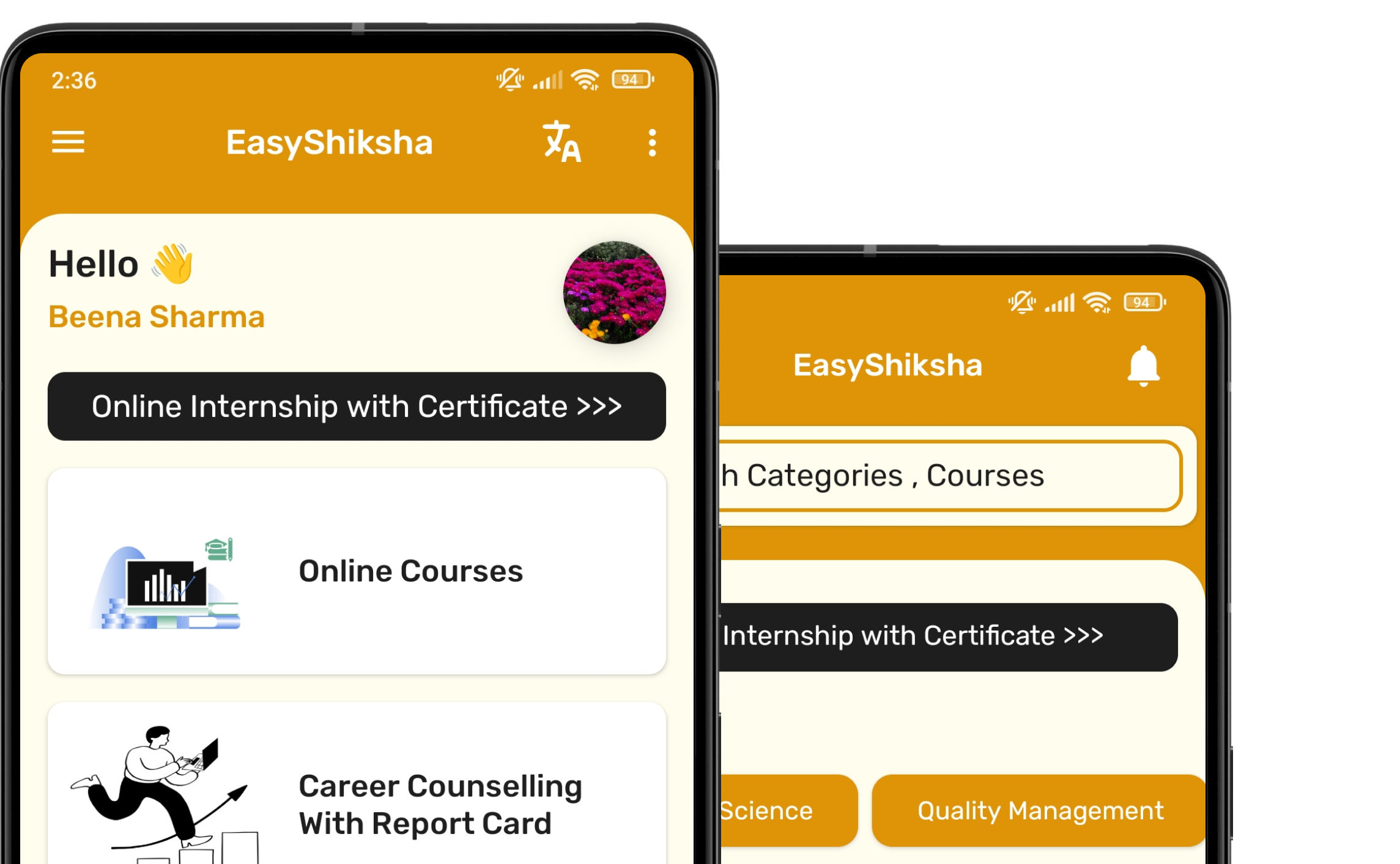
After successful enrollment, the student is provided access to the Learning Management System (LMS) to begin their academic journey and access the available learning resources.
Start Your Application
Ready to begin your journey in Software Development? Click Apply Now to submit your application through EasyShiksha.
Career & Placements
The programme can prepare students for technical roles across IT infrastructure, hardware support, networking, cloud computing, system administration and cybersecurity. Depending on their skills and specialisation, graduates can pursue opportunities such as:
- Hardware & Network Support Technician
- Desktop Support Executive
- Network Administrator
- System Administrator
- Server Administrator
- Cloud Support Associate
- Cloud Administrator
- IT Support Specialist
- Network Security Associate
- Cybersecurity Professional
- Technical Support Engineer
- IT Infrastructure Associate
Mangalayatan University, Aligarh
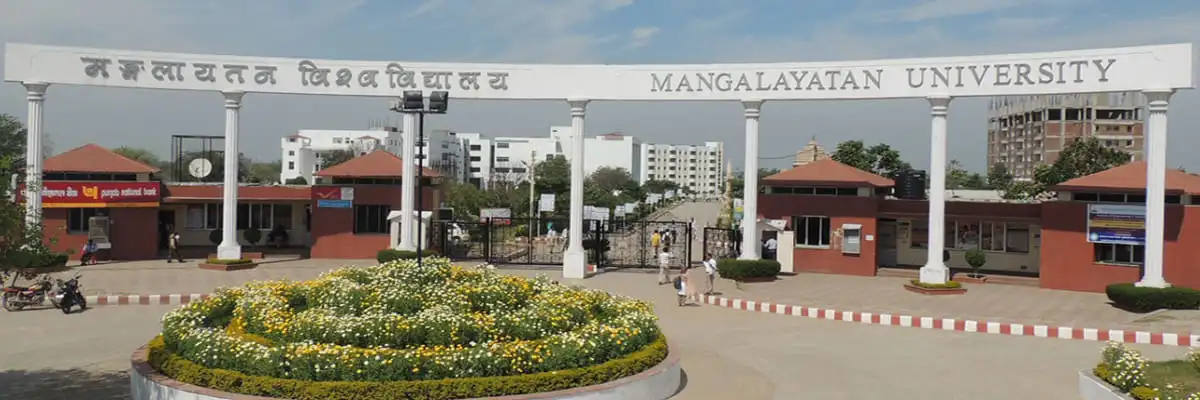
Mangalayatan University is a UGC-recognized private university located in Aligarh, Uttar Pradesh, India. Known for its strong industry connections, cutting-edge curriculum, and commitment to technology-driven education, Mangalayatan University has established itself as one of central India's premier higher education institutions.
The university's vision is to foster academic excellence, industry readiness, and global competitiveness among its graduates — making it an ideal partner for EasyShiksha's mission of accessible, quality online education.
EasyShiksha has signed an MoU with Mangalayatan University to facilitate applications for various university programs and jointly offer B.Voc programs. All degrees and certifications under these programs will be awarded by Mangalayatan University. The EasyShiksha team will provide complete assistance and support throughout the admission and program process.
Mangalayatan University, Uttar Pradesh
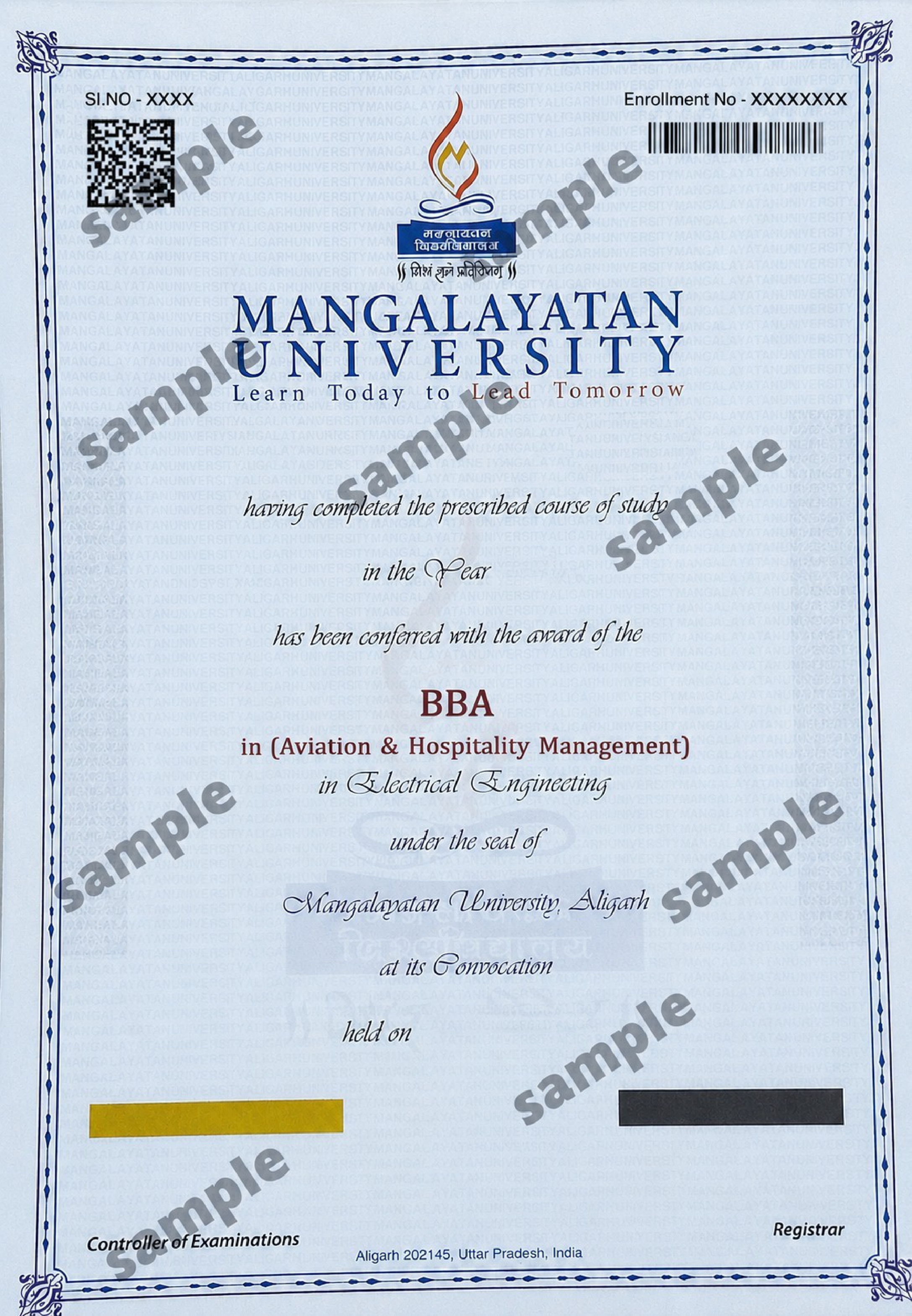
Sample Degree
Documents
Media Gallery
Frequently Asked Questions
Mangalayatan University is located at 33rd Milestone, Aligarh-Mathura Highway, Beswan, Aligarh, Uttar Pradesh, India. The campus is situated in close proximity to the Yamuna Expressway and the cities of Aligarh and Mathura.
Mangalayatan University was established in 2006 under the Mangalayatan University, Uttar Pradesh Act, 2006. The University states that it has the right to confer degrees under Sections 2(f) and 22(1) of the UGC Act.
Yes. Mangalayatan University states that it is recognized by the University Grants Commission (UGC) and was established through an Act of the Uttar Pradesh State Legislature. The University also lists NAAC A+ accreditation among its recognitions.
Yes. The University states that it is recognized by UGC-DEB for Open and Distance Learning (ODL) and is entitled by the UGC to offer online degree programmes. It also states that its online programmes are approved by AICTE.
Mangalayatan University offers programmes across multiple academic levels, including UG, PG, Diploma, PG Diploma and PhD. Its programme portfolio covers areas such as Engineering & Technology, Computer Applications, Management, Agriculture, Biotechnology, Pharmacy, Physiotherapy, Nursing, Journalism & Mass Communication and other disciplines.
Depending on the programme, applicants may be required to provide Class 10 and Class 12 certificates and marksheets, graduation/post-graduation marksheets where applicable, competitive examination rank card where applicable, migration/transfer certificate and recent passport-size photographs. Original documents may be required for verification.
Yes. The University states that students can apply for an education loan through banks, subject to the bank's eligibility criteria.
Mangalayatan University has a 70+ acre campus in Aligarh, Uttar Pradesh.
Mangalayatan University holds an A+ accreditation grade from the National Assessment and Accreditation Council (NAAC).
Yes. Mangalayatan University carries AICTE approval for its technical programmes.
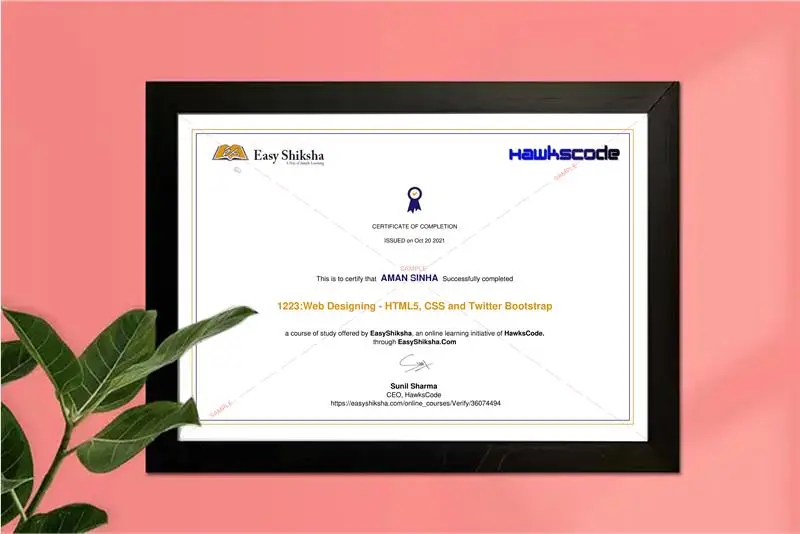
The degree certificate is issued and signed directly by Mangalayatan University, rather than by EasyShiksha or another third-party platform.
The degree certificate is personalised with the student's name, programme, and completion date and carries the university's official signature and seal.
Yes. The university's campus hosts optional immersion sessions associated with select Executive and Hybrid-mode programmes.
Students can select a Mangalayatan University programme, submit their personal details and required documents, pay the application fee, and proceed through the university's application review process.
Yes. Applications submitted through EasyShiksha can be monitored through the dashboard, where applicants can view status updates such as Under Review and Accepted along with their reference ID.
B.Voc in Hardware and Networking is a vocational undergraduate programme focused on computer hardware, operating systems, networking, server administration, cloud computing, cybersecurity and emerging technologies. The programme combines theoretical learning with practical labs, projects and industry-oriented training.
Students progressively learn PC hardware and troubleshooting, Windows and Linux operating systems, computer networks, server administration, cloud computing, AWS and Azure administration, programming, shell scripting, enterprise security, cybersecurity, IoT, artificial intelligence, data science and blockchain. The curriculum also includes practical projects and industrial training
The programme is designed as a 3-year undergraduate programme divided into 6 semesters. The curriculum progresses from foundational hardware and networking skills to advanced cloud, programming, cybersecurity and industry-oriented learning.
Graduates can pursue opportunities across IT hardware support, technical support, network administration, server administration, cloud administration, cybersecurity, system administration and IT infrastructure. The programme also develops skills in AWS, Azure, programming, AI and IoT, supporting progression into emerging technology roles.