








B.Voc in BBA (Event Management & PR)
Program Overview
The BBA (Event Management & Public Relations) at Mangalayatan University is a three-year undergraduate management program designed around business administration, event planning, event production, marketing, public relations and specialized event management. The curriculum combines core management subjects such as Business Economics, Basic Accounting, Principles of Management, Business Finance, Marketing Theory and Practices and Management and Cost Accounting with specialized event-focused subjects.
The program introduces students to different dimensions of event management from the first year itself. Special Events – Wedding Planning, Event Production and Logistics, Event Planning and Catering, Special Events – Corporate Events, Special Events – Celebrity Management and Special Events – Sports Events provide subject-specific exposure to wedding, corporate, celebrity and sports events. The curriculum also covers venue management, event logistics, event design, catering, vendor coordination and event-related marketing.
Alongside event specialization, students study areas such as Organisational Behaviour, Human Resource Management, Business Environment, Business Statics, Consumer Behaviour, Entrepreneurship and Small Business Management, Training and Development and Legal Aspects of Event Management. The curriculum also addresses event-specific safety and compliance through Event Safety & Risk Management, including risk identification, crowd control, emergency procedures and outdoor-event safety.
The later semesters strengthen communication, hospitality and digital capabilities through Public Relations, Hospitality Management, Experiential Marketing, Soft Skills & Interpersonal Communication and Digital & Social Media Marketing. The final semester focuses on Special Events – Sports Events, Event Concepts and Designing, Business Policy, Goods and Service Tax, Business Ethics and Governance and Sales and Marketing, giving the program a broad management and event-industry orientation.
Eligibility Criteria
The minimum eligibility for admission in B.Voc is 10+2 (in any stream) or equivalent or a two-year ITI Diploma after Class 10th or a three-year Polytechnic Diploma after Class 10th.
Approval Details
MHRD, Government of India and UGC
Curriculum
Semester I establishes the foundation of business administration while introducing students to computer applications, business communication and specialized wedding-event planning. All six courses are listed as Core Courses.
1. Business Economics
This subject introduces economic concepts and their application to business decision-making, including microeconomics, macroeconomics, market analysis and business strategy.
Key Topics:
- Nature and scope of business economics
- Microeconomics and macroeconomics
- Opportunity cost
- Risk and uncertainty
- Supply and demand
- Market structures
- Consumer behaviour
- Production and cost analysis
- Pricing strategies
- GDP and inflation
- Business forecasting
- Risk analysis and decision theory
2. Basic Accounting
Basic Accounting develops an understanding of accounting fundamentals, financial records and preparation of accounting statements.
Key Topics:
- Accounting terminology
- Accounting equation
- Rules of debit and credit
- Journal and cash book
- Ledger
- Trial balance
- Stock valuation
- Depreciation
- Final accounts
- Shares and debentures
- Profit and loss statement
- Break-even point
- Cash flow analysis
- Bank reconciliation
- Bills of exchange
3. Principles of Management
This course introduces the principles and functions of management and develops an understanding of organizational planning, decision-making, leadership and coordination.
Key Topics:
- Introduction to management
- Evolution of management thought
- Planning
- Strategic management
- Forecasting
- Decision-making
- Management by Objectives
- Organizational structures
- Delegation
- Centralization and decentralization
- Staffing
- Coordination
- Leadership
- Organizational communication
- Change management
4. Computer Applications
Computer Applications introduces fundamental computer concepts and commonly used office and networking applications.
Key Topics:
- Computer characteristics
- Hardware and software
- Computer generations
- Types of computers
- Number systems
- Input and output devices
- Computer memory
- Operating systems
- Databases
- MS Word
- MS Excel
- MS PowerPoint
- Computer networks
- Internet and World Wide Web
- HTTP and FTP
5. Business Communication
This subject develops business communication skills for professional and organizational contexts.
Key Topics:
- Meaning and objectives of business communication
- Forms of communication
- Communication models
- Effective communication
- Corporate communication
- Formal and informal communication
- Communication barriers
- Group discussions
- Mock interviews
- Seminars
- Presentations
- Business letters
- Oral and non-verbal communication
- Resume writing
- Interviewing skills
- International communication
6. Special Events – Wedding Planning
This specialized course introduces the planning and management of weddings and other social events.
Key Topics:
- Wedding planning
- Types of special events
- Social and life-cycle events
- Wedding history
- Wedding concepts
- Venue selection
- Event budgeting
- Destination weddings
- Inter-city weddings
- Cruise weddings
- Wedding themes
- Wedding rituals
- Banquet management
- Client management
- Vendor management
- Catering
- Photography
- Entertainment
- Wedding transportation and invitations
Download Syllabus
Semester II moves into business finance and marketing while introducing the operational side of event production, logistics and catering.
1. Advertising Management
Advertising Management focuses on planning, developing, executing and evaluating advertising campaigns.
Key Topics:
- Advertising as a marketing communication tool
- Advertising planning
- Target audiences
- Message development
- Consumer behaviour
- Media planning
- Media buying
- Creative development
- Copywriting
- Visual design
- Campaign execution
- Campaign evaluation
- Integrated Marketing Communications
- Global advertising
- Emerging advertising technologies
2. Business Finance
This course introduces financial planning and decision-making for business organizations.
Key Topics:
- Financial analysis
- Financial statements
- Financial planning
- Financial forecasting
- Capital budgeting
- Investment decisions
- Risk management
- Financial markets
- Financial instruments
- Cost of capital
- Financial decision-making
3. Marketing Theory and Practices
Marketing Theory and Practices introduces marketing strategy, market research, consumer behaviour, branding and digital marketing.
Key Topics:
- Marketing concepts
- Market research
- Consumer behaviour
- Marketing strategy
- Market segmentation
- Target markets
- Brand management
- Digital marketing
- Advertising and promotion
- Marketing ethics
- Global marketing
- Marketing performance measurement
4. Management and Cost Accounting
This subject develops knowledge of cost and management accounting with specific relevance to event budgeting and cost control.
Key Topics:
- Cost accounting
- Cost concepts and classification
- Costing methods
- Cost behaviour
- Event budgeting
- Cost control
- Costing of event services
- Management accounting
- Planning and control
5. Event Production and Logistics
This course develops knowledge of event production and logistics, including venue preparation, technical arrangements, manpower, transportation and event resources.
Key Topics:
- Event production
- Event concepts and themes
- Support staff and manpower
- Stage setup
- Set designing
- Fabrication
- Lighting
- Sound and LED setups
- Backstage management
- Vendor handling
- Onsite management
- Event logistics
- Accommodation
- Transportation
- Venue design
- Audio-visual production
- Budgeting and negotiation
- Event equipment
- Conference facilities
- Event merchandise
6. Event Planning and Catering
This subject covers the planning, catering and onsite coordination required for events such as weddings, parties and corporate functions.
Key Topics:
- Client consultation
- Venue selection
- Budgeting
- Logistics management
- Event promotion
- Onsite coordination
- Menu planning
- Food preparation
- Food presentation
- Staffing
- Food safety and hygiene
- Event-planning trends
- Technology integration
- Sustainability
- Crisis management
- Vendor coordination
- Client communication
Semester III combines organizational and human-resource knowledge with specialized corporate-event planning, marketing communication, business environment and business statistics.
1. Organisational Behaviour
This course examines individual and group behaviour within organizations and develops understanding of motivation, leadership, communication, teamwork and organizational change.
Key Topics:
- Organizational behaviour concepts
- Individual behaviour
- Group behaviour
- Motivation
- Leadership
- Teamwork
- Communication
- Organizational culture
- Conflict
- Decision-making
- Organizational change
- Workplace relationships
2. Human Resource Management
Human Resource Management introduces recruitment, selection, training, development, compensation and performance management.
Key Topics:
- Recruitment
- Selection
- Placement and induction
- Training and development
- Compensation management
- Performance appraisal
- Job evaluation
- Career development
- International HRM
- Green HRM
- E-HRM
- HRIS
- Employee engagement
3. Special Events – Corporate Events
This course focuses on meetings, conferences, seminars, exhibitions, conventions and other corporate events.
Key Topics:
- Corporate event planning
- Event-industry overview
- Event planner skills
- Event types
- Concept development
- Goal setting
- Target audience
- Event branding
- Guest experience
- Budget management
- MICE
- Meeting planning
- Conference planning
- Event proposals
- Venue and resource management
- Corporate-event décor
- Visual branding
- CSR events
- Event evaluation
4. Marketing Communication
Marketing Communication develops knowledge of communicating brand and marketing messages through different promotional and communication channels.
Key Topics:
- Marketing communication
- Communication strategy
- Advertising
- Public Relations
- Sales promotion
- Media communication
- Promotional strategies
- Brand communication
- Customer communication
- Digital communication
5. Business Environment
This subject examines the economic, political, legal, socio-cultural, international and technological environments affecting business.
Key Topics:
- Business environment
- Environmental scanning
- Economic environment
- Economic systems
- Government policies
- Fiscal and monetary policies
- Political and legal environment
- Consumer protection
- Socio-cultural environment
- WTO
- World Bank
- IMF
- Foreign trade policies
- Technology environment
- Intellectual Property Rights
6. Business Statics
The course applies statistical concepts and analytical techniques to business situations.
Key Topics:
- Descriptive statistics
- Measures of central tendency
- Measures of dispersion
- Probability
- Sampling
- Estimation
- Hypothesis testing
- Chi-square tests
- t-tests
- ANOVA
- Regression analysis
- Time-series analysis
- Decision analysis
- Data visualization
- Quality control
Semester IV develops specialized knowledge in consumer behaviour, entrepreneurship, event law, employee development, event safety and public relations.
1. Consumer Behaviour
Consumer Behaviour examines the psychological, social and cultural factors influencing purchasing decisions and consumer responses.
Key Topics:
- Consumer behaviour concepts
- Consumer decision-making
- Perception
- Motivation
- Personality
- Consumer learning
- Demographic segmentation
- Psychographic segmentation
- Lifestyle
- Reference groups
- Consumer culture
- Family decision-making
2. Entrepreneurship and Small Business Management
This course introduces entrepreneurial development, business ideas, financing, operations and strategies for small-business growth.
Key Topics:
- Entrepreneurship concepts
- Entrepreneurial traits
- Types of entrepreneurs
- Women and rural entrepreneurship
- Business idea generation
- Project identification
- Project formulation
- Business finance
- Budgeting
- Financial risk
- Hiring and recruitment
- Operations management
- Supply-chain management
- Growth strategies
- Strategic partnerships
3. Legal Aspects of Event Management
This course provides an understanding of legal requirements and compliance associated with event management in India.
Key Topics:
- Event contracts and agreements
- MOU/MOA
- Vendor contracts
- Venue and property law
- Environmental regulations
- Noise regulations
- Electricity and building regulations
- Fire precautions
- GST
- Entertainment tax
- Company and business law
- Copyright
- Patent rights
- Event licenses
- IPR
- PPL and IPRS licenses
- Excise and performance licenses
- NOCs and permissions
4. Training and Development
Training and Development examines how organizations identify training requirements and develop employee knowledge and skills.
Key Topics:
- Training needs assessment
- Training priorities
- Training methods
- Training evaluation
- Technology in training
- Learning Management Systems
- Virtual learning
- Compliance training
- Career development
- Organizational learning
5. Event Safety & Risk Management
This course develops an understanding of identifying, assessing and mitigating risks associated with different types of events.
Key Topics:
- Event risk management
- Risk identification
- Risk assessment
- Risk mitigation
- Crowd control
- Fire safety
- Emergency medical services
- Food and water safety
- Human threats
- Theft and bombing risks
- Equipment safety
- Alcohol and crowd management
- Emergency procedures
- Event risk drills
- Stage safety
- Pyrotechnics
- Parade safety
- Traffic corridors
- Outdoor-event safety
6. Public Relations
Public Relations develops skills related to reputation management, stakeholder communication, media relations, content creation and online PR.
Key Topics:
- History of Public Relations
- Digital communication
- Reputation management
- Internal and external PR
- Stakeholder relations
- Customer and supplier communication
- Government relations
- Press releases
- Feature writing
- Broadcast media
- Blogs
- SEO content
- Social media content
- Media relations
- Press kits
- PR campaigns
- Online PR
- Email campaigns
- Content marketing
Semester V expands the program into hospitality management, business law, experiential marketing, celebrity management, professional communication and digital/social media marketing.
1. Hospitality Management
Hospitality Management examines the relationship between hospitality, tourism and events and introduces accommodation, food and beverage, housekeeping and hotel operations.
Key Topics:
- Nature of hospitality
- Hospitality services
- Accommodation industry
- Yield management
- Hotel operations
- Front Office
- Reservations
- Housekeeping
- Food and beverage services
- Restaurant operations
- Room service
- Guest amenities
- Housekeeping supervision
- Guest complaints
- Hospitality management in special events
2. Business Law
Business Law introduces legal principles governing business organizations and commercial relationships.
Key Topics:
- Contract law
- Corporate law
- Corporate governance
- Shareholder rights
- Mergers and acquisitions
- Intellectual Property Law
- Employment law
- Bankruptcy law
- Consumer protection
- International business law
3. Experiential Marketing
This course focuses on creating meaningful consumer experiences through events, brand activations, storytelling and interactive marketing.
Key Topics:
- Experiential marketing
- Consumer behaviour
- Emotional connections
- Event marketing
- Experiential retail
- Pop-up stores
- Brand activations
- Immersive experiences
- Guerrilla marketing
- Influencer collaboration
- Social media integration
- Storytelling
- Interactive technology
- KPIs
- ROI assessment
4. Special Events – Celebrity Management
This subject introduces the management of celebrities and influencers across entertainment, sports and digital media.
Key Topics:
- Celebrity management
- Celebrity culture
- Talent acquisition
- Talent scouting
- Talent evaluation
- Brand partnerships
- Endorsements
- Contract negotiations
- Celebrity event management
- Logistics
- Security
- Hospitality
- Media coverage
- Audience engagement
- Ethical considerations
5. Soft Skills & Interpersonal Communication
This course develops communication, leadership, interpersonal and professional skills required in workplace environments.
Key Topics:
- Soft skills
- Goal setting
- Positive thinking
- Listening and speaking
- Reading and writing
- Public speaking
- Group discussion
- Letter writing
- Email writing
- Report writing
- Leadership
- Team building
- Conflict management
- Problem-solving
- Lateral thinking
- Self-awareness
- Decision-making
6. Digital & Social Media Marketing
This subject introduces digital marketing strategies, social media, search advertising and online promotional tools.
Key Topics:
- Digital marketing
- Internet marketing
- Digital marketing strategy
- POEM framework
- Digital marketing plan
- Social media platforms
- Digital marketing mix
- Search engine advertising
- Search Engine Optimization
- Google Ads
- Ad placement
- Campaign creation
- Digital marketing tools
Semester VI is the final semester and brings together specialized sports-event planning and event design with strategic business, taxation, ethics and sales and marketing.
1. Special Events – Sports Events
This course focuses on the planning and management of sports-related events and their operational requirements.
Key Topics:
- Sports-event planning
- Event concepts
- Venue planning
- Audience management
- Event logistics
- Event coordination
- Promotion
- Sponsorship
- Safety considerations
- Event execution
- Post-event evaluation
2. Event Concepts and Designing
This subject develops knowledge of event conceptualization and design for different social, commercial and entertainment events.
Key Topics:
- Event concept development
- Creative ideas
- Event design
- Target audience
- Event media
- Pre-event planning
- Permissions
- Security
- Event budgeting
- Sponsorship
- Brand integration
- Event execution
- Destination wedding design
- Artist nights
- DJ nights
- Music concerts
- Fairs and carnivals
- Religious festivals
3. Business Policy
Business Policy introduces strategic management, corporate governance, competitive advantage and strategic decision-making.
Key Topics:
- Business policy
- Strategic management
- Strategic planning
- Environmental scanning
- Strategy formulation
- Strategy implementation
- SWOT analysis
- Porter's Five Forces
- Corporate governance
- Competitive advantage
- Business-level strategy
- Corporate-level strategy
- Strategic analysis
- Risk management
- Organizational structure
- Performance control
- Case studies
4. Goods and Service Tax
This subject introduces the GST framework and its application to business transactions and compliance.
Key Topics:
- GST concepts
- GST framework
- Levy and collection
- CGST, SGST, IGST and UTGST
- GST registration
- Composition scheme
- Input Tax Credit
- GST invoices
- Record keeping
- Assessment
- Audit
- GST offences
- Penalties
- Refunds
- Advance ruling
- GST Council
- GST administration
5. Business Ethics and Governance
This course develops an understanding of ethical theories, responsible business practices, corporate governance and ethical decision-making.
Key Topics:
- Ethics
- Ethical theories
- Ethical decision-making
- Business ethics
- Corporate Social Responsibility
- Stakeholder theory
- Corporate governance
- Organizational culture
- Ethical issues in marketing
- Ethical issues in finance
- HR ethics
- Supply-chain ethics
- Compliance
- Global business ethics
- Emerging ethical challenges
6. Sales and Marketing
Sales and Marketing develops knowledge of business organization, marketing, sales, customer relationships, research and digital marketing.
Key Topics:
- Business organization
- Advertising
- Public Relations
- Salesmanship
- Customer expectations
- Buyer behaviour
- International marketing
- Media relations
- Principles of marketing
- Research methodology
- E-Commerce
- B2B marketing
- Customer Relationship Management
- Integrated Marketing Communication
- Rural marketing
- Sales and distribution
- Digital marketing
- Business sustainability
- Corporate governance
Fee Structure
Admission Process
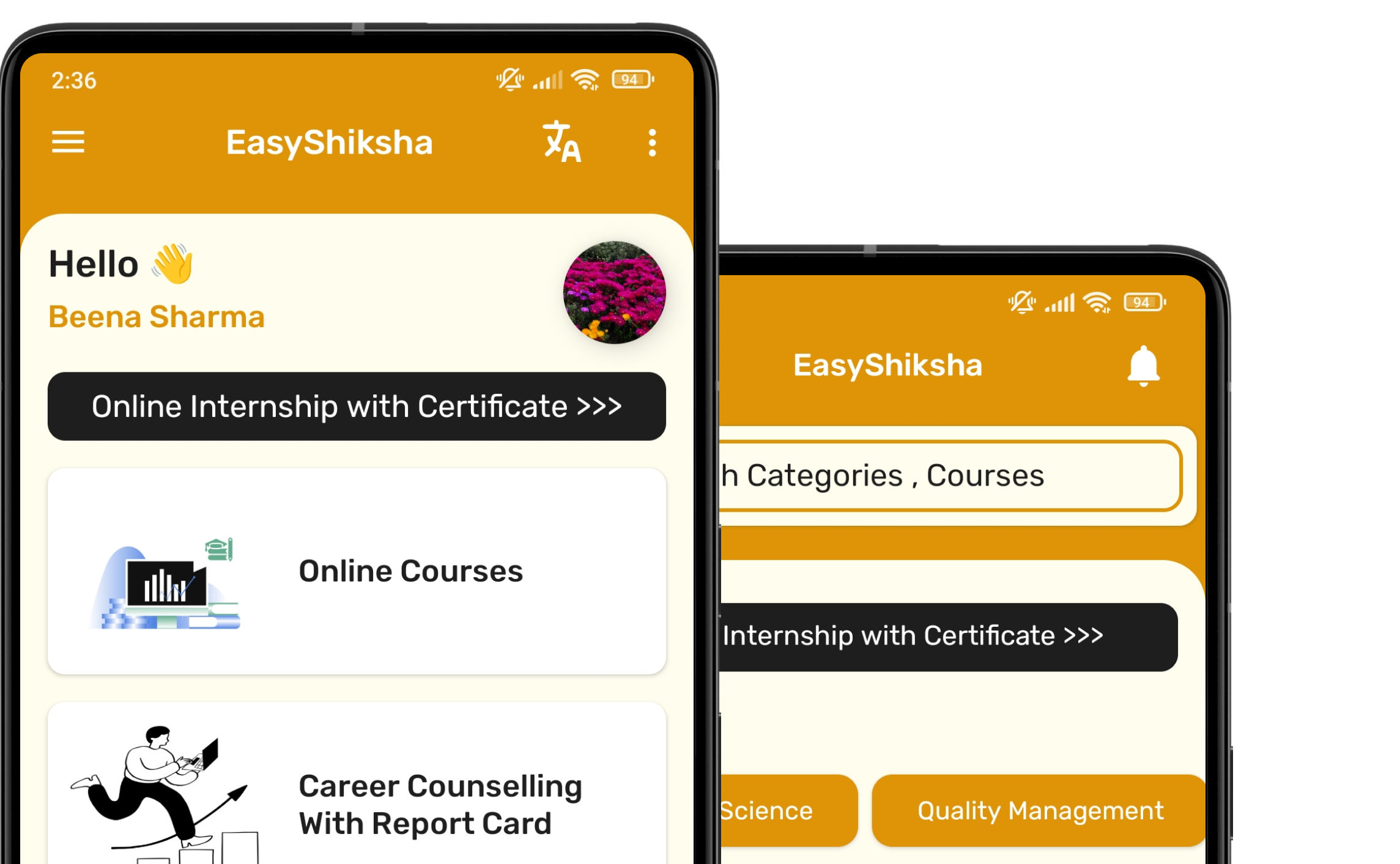
Students can apply for the BBA (Event Management & PR) programme through EasyShiksha. The complete application process is designed to make admission simple and convenient for eligible students.
Step 1: Click on Apply Now
Click the Apply Now button on the BBA (Event Management & PR) programme page and begin your application through EasyShiksha.
Step 2: Complete Personal Information
Fill in the required personal, contact and academic details accurately in the application form.
Step 3: Upload Required Documents
Upload the required documents for eligibility and admission verification as specified during the application process.
Step 4: Pay Application Fee
Pay the applicable application fee through the available online payment options to submit your application and initiate the admission process.
Step 5: Application Review
The EasyShiksha team reviews your application and submitted documents to verify your eligibility and ensure that the required information and documents have been provided.
Step 6: University Enrollment
Once the application is successfully reviewed and the student is found eligible, EasyShiksha facilitates the enrollment process with Mangalyatan University.
Step 7: LMS Access
After successful enrollment, the student is provided access to the Learning Management System (LMS) to begin their academic journey and access the available learning resources.
Start Your Application
Ready to begin your journey in Software Development? Click Apply Now to submit your application through EasyShiksha.
Career & Placements
The BBA (Event Management & PR) curriculum combines business management with specialized knowledge of event planning, production, logistics, catering, corporate events, celebrity management, sports events, public relations, hospitality and digital marketing. Based on these curriculum areas, graduates can explore career opportunities in event management and related business functions.
Event Management Roles
- Event Planner – Plan and coordinate events according to client requirements, budgets and event objectives.
- Event Coordinator – Support event planning, vendor coordination, schedules and onsite execution.
- Event Manager – Coordinate different operational aspects of events from planning through execution.
- Event Production Executive – Work with stage setup, lighting, sound, LED systems, backstage operations and production teams.
- Event Logistics Executive – Coordinate transportation, accommodation, equipment, venues and other event resources.
- Event Designer – Develop event concepts, layouts, themes and visual elements.
- Event Operations Executive – Support the execution and coordination of events at venues.
Wedding and Social Events
- Wedding Planner – Work on wedding concepts, venue selection, budgeting, vendors, hospitality and event coordination.
- Wedding Coordinator – Assist with wedding schedules, suppliers, guests, hospitality and onsite coordination.
- Wedding Event Executive – Support destination, inter-city, themed and other special wedding events.
- Social Event Coordinator – Work with social and life-cycle events and related planning activities.
Corporate and MICE Events
- Corporate Event Executive – Support meetings, conferences, seminars, exhibitions and conventions.
- Conference Coordinator – Assist with conference planning, venue management, delegates, documentation and event schedules.
- MICE Event Executive – Explore opportunities related to Meetings, Incentives, Conferences and Events.
- Corporate Event Planner – Work on event concepts, branding, guest experience, budgeting and corporate-event execution.
Celebrity and Sports Events
- Celebrity Management Executive – Support talent coordination, brand partnerships, event appearances and celebrity-related activities.
- Talent Management Coordinator – Work with talent scouting, evaluation, partnerships and event coordination.
- Sports Event Coordinator – Explore event planning and operational roles associated with sports events.
- Special Events Executive – Work across celebrity, sports, social and corporate event formats.
Public Relations and Communication
- Public Relations Executive – Work on stakeholder communication, media relations, PR campaigns and reputation management.
- PR Coordinator – Assist with press releases, media communication, PR campaigns and online communication.
- Media Relations Executive – Support journalist relationships, press kits and media campaigns.
- Content and Communication Executive – Apply content-writing, social-media and digital communication skills.
- Corporate Communications Executive – Support internal and external organizational communication.
Marketing and Digital Roles
- Marketing Executive – Apply marketing theory, consumer behaviour and promotional strategies.
- Digital Marketing Executive – Work with digital marketing campaigns, search advertising and social platforms.
- Social Media Marketing Executive – Support social-media campaigns, promotions and digital communication.
- Experiential Marketing Executive – Work on brand experiences, activations, event marketing and consumer engagement.
- Sales and Marketing Executive – Apply sales, customer relationship and marketing concepts.
Hospitality Roles
- Hospitality Operations Executive – Apply knowledge of accommodation, food and beverage, housekeeping and event hospitality.
- Front Office Executive – Explore hotel front-office and guest-service functions.
- Housekeeping Executive – Work with housekeeping operations and guest amenities.
- Food & Beverage Operations Executive – Explore restaurant and food-service operations.
Entrepreneurship
The program also includes Entrepreneurship and Small Business Management, covering business ideas, project formulation, financing, operations, growth strategies and small-business management. This supports students interested in exploring entrepreneurship in event management or related service businesses.
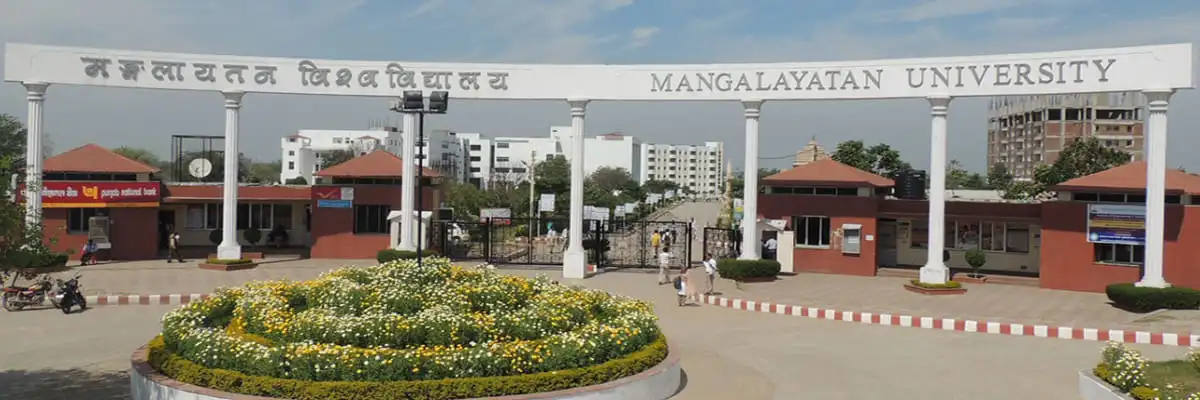
Mangalayatan University, Aligarh
Mangalayatan University is a UGC-recognized private university located in Aligarh, Uttar Pradesh, India. Known for its strong industry connections, cutting-edge curriculum, and commitment to technology-driven education, Mangalayatan University has established itself as one of central India's premier higher education institutions.
The university's vision is to foster academic excellence, industry readiness, and global competitiveness among its graduates — making it an ideal partner for EasyShiksha's mission of accessible, quality online education.
EasyShiksha has signed an MoU with Mangalayatan University to facilitate applications for various university programs and jointly offer B.Voc programs. All degrees and certifications under these programs will be awarded by Mangalayatan University. The EasyShiksha team will provide complete assistance and support throughout the admission and program process.
Mangalayatan University, Uttar Pradesh
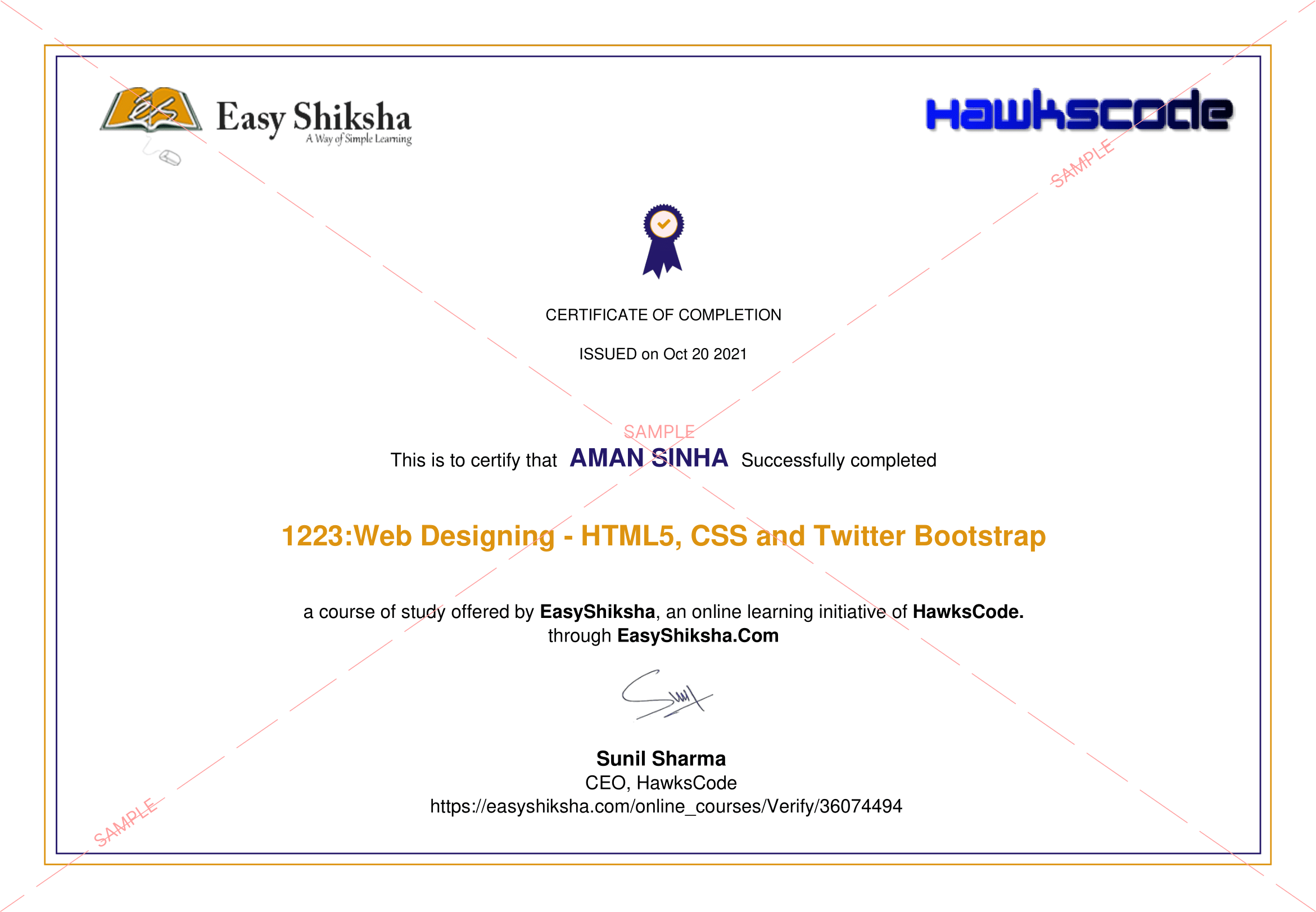
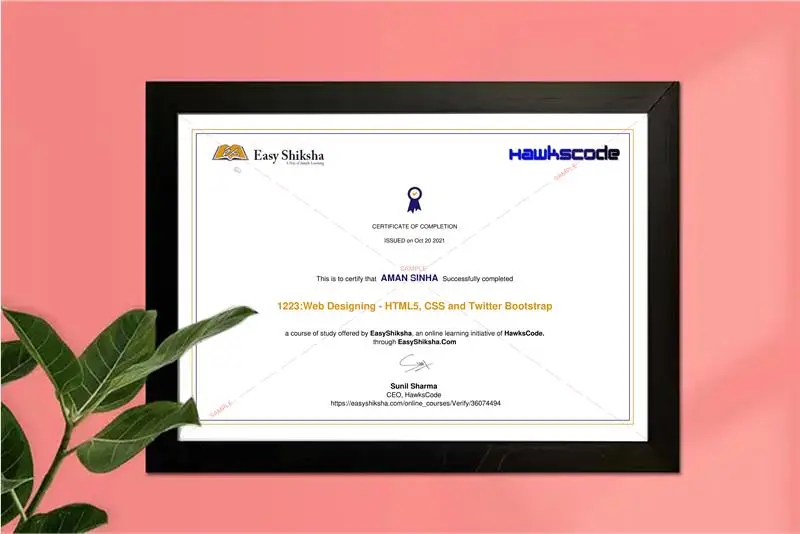
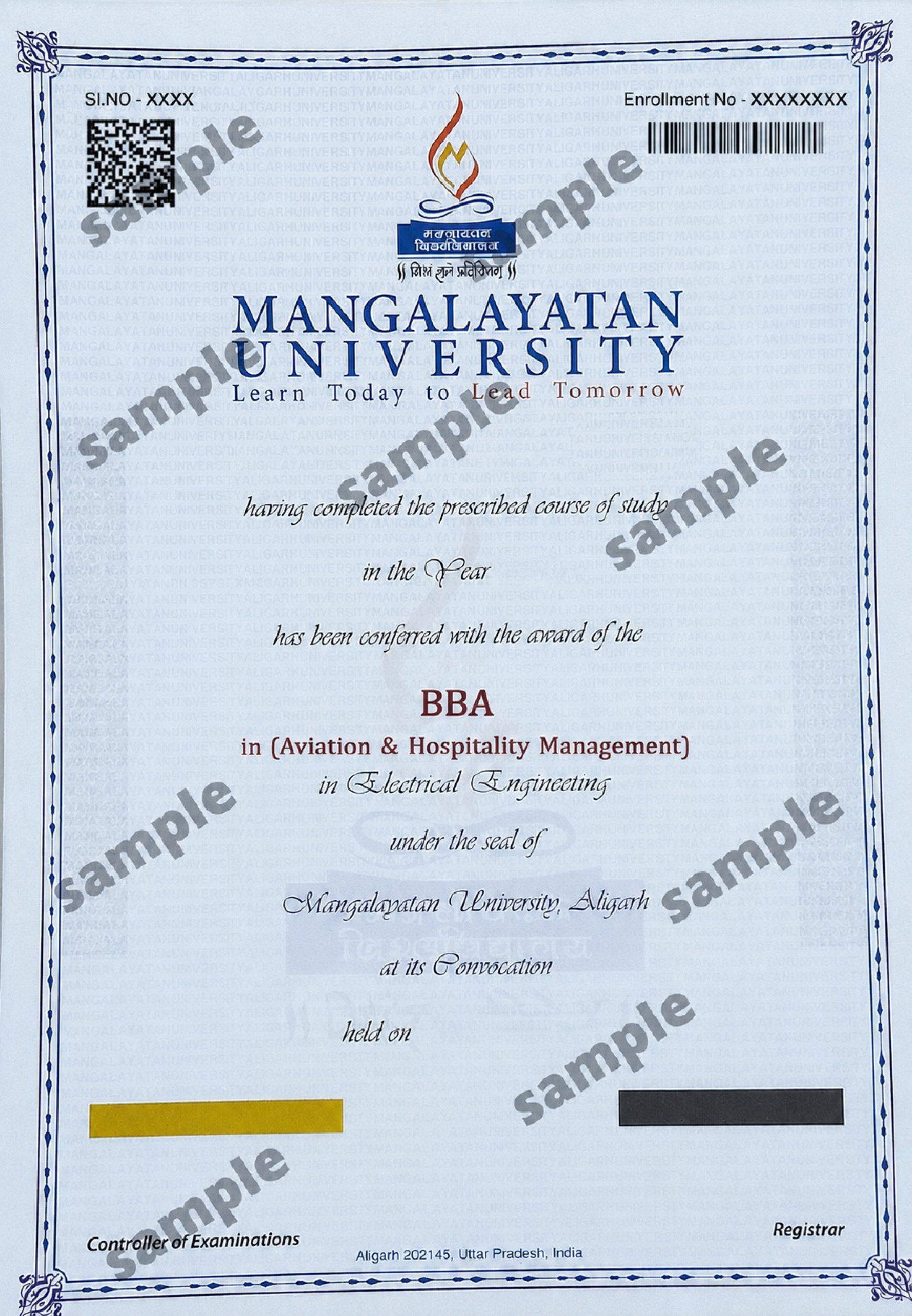
Sample Degree
Documents
Media Gallery
Frequently Asked Questions
Mangalayatan University is located at 33rd Milestone, Aligarh-Mathura Highway, Beswan, Aligarh, Uttar Pradesh, India. The campus is situated in close proximity to the Yamuna Expressway and the cities of Aligarh and Mathura.
Mangalayatan University was established in 2006 under the Mangalayatan University, Uttar Pradesh Act, 2006. The University states that it has the right to confer degrees under Sections 2(f) and 22(1) of the UGC Act.
Yes. Mangalayatan University states that it is recognized by the University Grants Commission (UGC) and was established through an Act of the Uttar Pradesh State Legislature. The University also lists NAAC A+ accreditation among its recognitions.
Yes. The University states that it is recognized by UGC-DEB for Open and Distance Learning (ODL) and is entitled by the UGC to offer online degree programmes. It also states that its online programmes are approved by AICTE.
Mangalayatan University offers programmes across multiple academic levels, including UG, PG, Diploma, PG Diploma and PhD. Its programme portfolio covers areas such as Engineering & Technology, Computer Applications, Management, Agriculture, Biotechnology, Pharmacy, Physiotherapy, Nursing, Journalism & Mass Communication and other disciplines.
Depending on the programme, applicants may be required to provide Class 10 and Class 12 certificates and marksheets, graduation/post-graduation marksheets where applicable, competitive examination rank card where applicable, migration/transfer certificate and recent passport-size photographs. Original documents may be required for verification.
Yes. The University states that students can apply for an education loan through banks, subject to the bank's eligibility criteria.
Mangalayatan University has a 70+ acre campus in Aligarh, Uttar Pradesh.
Mangalayatan University holds an A+ accreditation grade from the National Assessment and Accreditation Council (NAAC).
Yes. Mangalayatan University carries AICTE approval for its technical programmes.
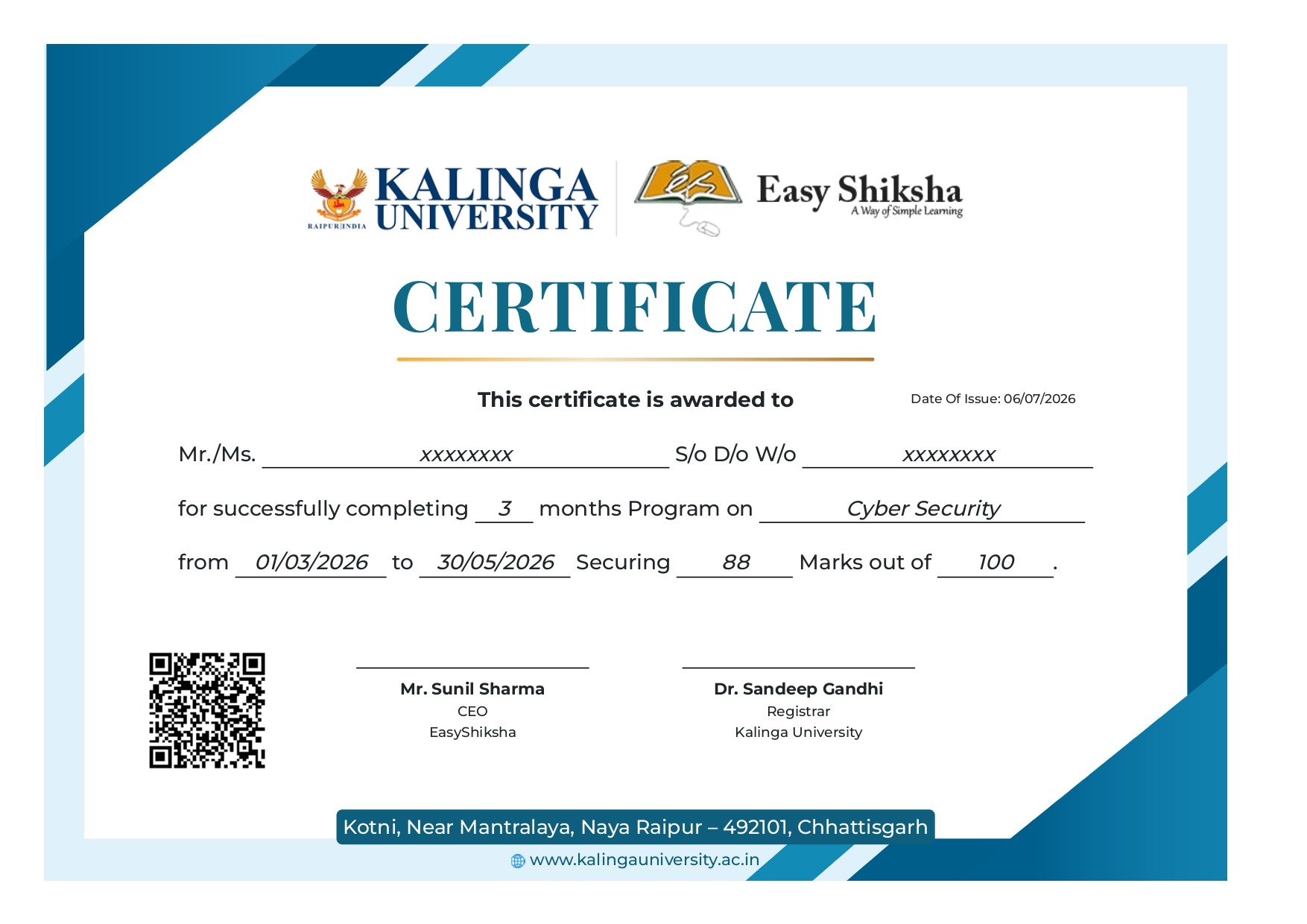
The degree certificate is issued and signed directly by Mangalayatan University, rather than by EasyShiksha or another third-party platform.
The degree certificate is personalised with the student's name, programme, and completion date and carries the university's official signature and seal.
Yes. The university's campus hosts optional immersion sessions associated with select Executive and Hybrid-mode programmes.
Students can select a Mangalayatan University programme, submit their personal details and required documents, pay the application fee, and proceed through the university's application review process.
Yes. Applications submitted through EasyShiksha can be monitored through the dashboard, where applicants can view status updates such as Under Review and Accepted along with their reference ID.
The BBA (Event Management & Public Relations) is a three-year, six-semester Bachelor of Business Administration program that combines business-management education with specialized learning in event planning, event production, public relations, marketing, hospitality and different types of special events.
The program covers subjects such as Business Economics, Basic Accounting, Principles of Management, Computer Applications, Business Communication, Special Events – Wedding Planning, Advertising Management, Business Finance, Event Production and Logistics, Event Planning and Catering, Special Events – Corporate Events, Public Relations, Hospitality Management, Special Events – Celebrity Management, Digital & Social Media Marketing, Special Events – Sports Events and Event Concepts and Designing, along with several management and business subjects.
The syllabus contains several applied and industry-oriented subjects, including Event Production and Logistics, Event Planning and Catering, Special Events – Corporate Events, Event Safety & Risk Management, Special Events – Celebrity Management, Special Events – Sports Events and Event Concepts and Designing. These subjects cover planning, venue management, logistics, vendor coordination, event execution, risk management and event design.
Students can develop skills related to event planning, event production, logistics, budgeting, vendor coordination, event design, catering, public relations, communication, marketing, digital marketing, hospitality, risk management, leadership, teamwork and business decision-making.
Graduates can explore career areas in event planning, event coordination, event production, wedding planning, corporate events, MICE, celebrity management, sports events, public relations, marketing, digital marketing, hospitality and entrepreneurship. Career opportunities depend on individual skills, experience and the organization or sector in which a graduate seeks employment.