













program icon
Explore

Operations Management

Explore Operations Management university courses and programs on EasyShiksha, including degree, diploma, UG, PG and professional options for enrollment.

105 Programmes
14 University Partners
4.8โ˜… Avg. Rating
UGC-Recognised Degree
Industry-Aligned Curriculum
UGC-DEB Approved Online/ODL
Flexible Learning Options
Understanding Operations Management

What Is Operations Management?

Operations Management is a business and management specialisation focused on planning, organising and improving the processes through which organisations produce goods or deliver services. It involves managing resources, workflows, quality, capacity and operational activities to help organisations function efficiently while meeting customer and business requirements.

Common areas of study may include operations planning, supply chain management, production management, inventory management, quality management, logistics, procurement and process improvement. Depending on the programme, students may also explore project management, operations research, forecasting, lean management, process optimisation and business analytics. The specific curriculum can vary according to the university and programme.

Operations Management may interest students who enjoy problem-solving, planning, analytical thinking and understanding how businesses operate. The specialisation can be relevant across manufacturing, retail, e-commerce, logistics, healthcare, hospitality, technology, financial services and other sectors where effective processes and resource management are important.

At EasyShiksha, students can explore university programmes related to Operations Management and compare universities, programme types, programme levels, learning modes, eligibility, duration, curriculum and specialisation options. This can help learners identify programmes that align with their academic interests and professional goals.

UGC Degree-Level Recognition
What You Get

A program that pairs recognition with real skills

UGC-Recognised Degree

Same institutional recognition as a conventional Bachelor's degree.

Industry-Aligned Curriculum

Built with Sector Skill Councils, not just academic departments.

Direct Employability

Hands-on skill components designed for job-readiness, not just theory.

Offered By

Universities offering these programs

Compare accreditation and programme count before choosing where to apply.

Kalinga University campus
Kalinga University

Kalinga University

Raipur, Chhattisgarh ยท Est. 2013
UGCSec. 12B
NAAC B+Accredited
AICTEApproved
View University
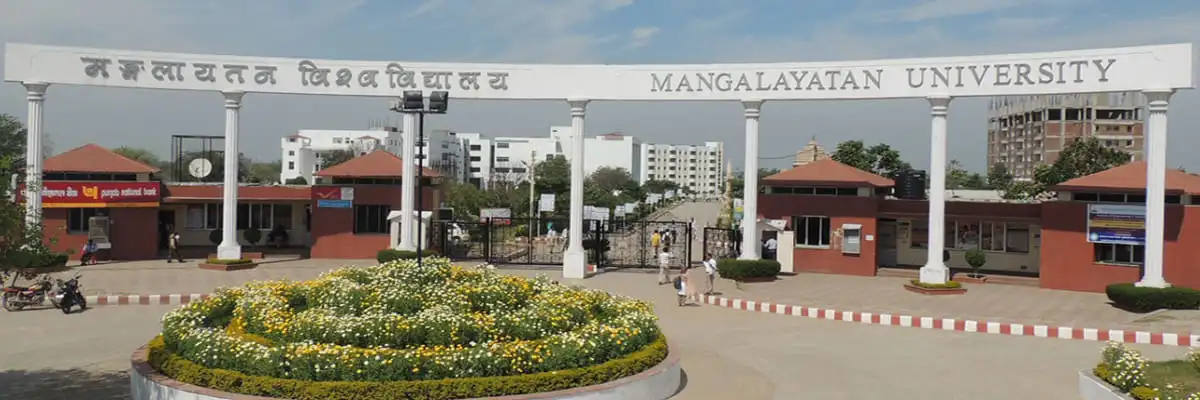
Mangalayatan University campus
Mangalayatan University

Mangalayatan University

Aligarh, Uttar Pradesh ยท Est. 2006
UGCSec. 12B
NAAC A+Accredited
AICTEApproved
View University
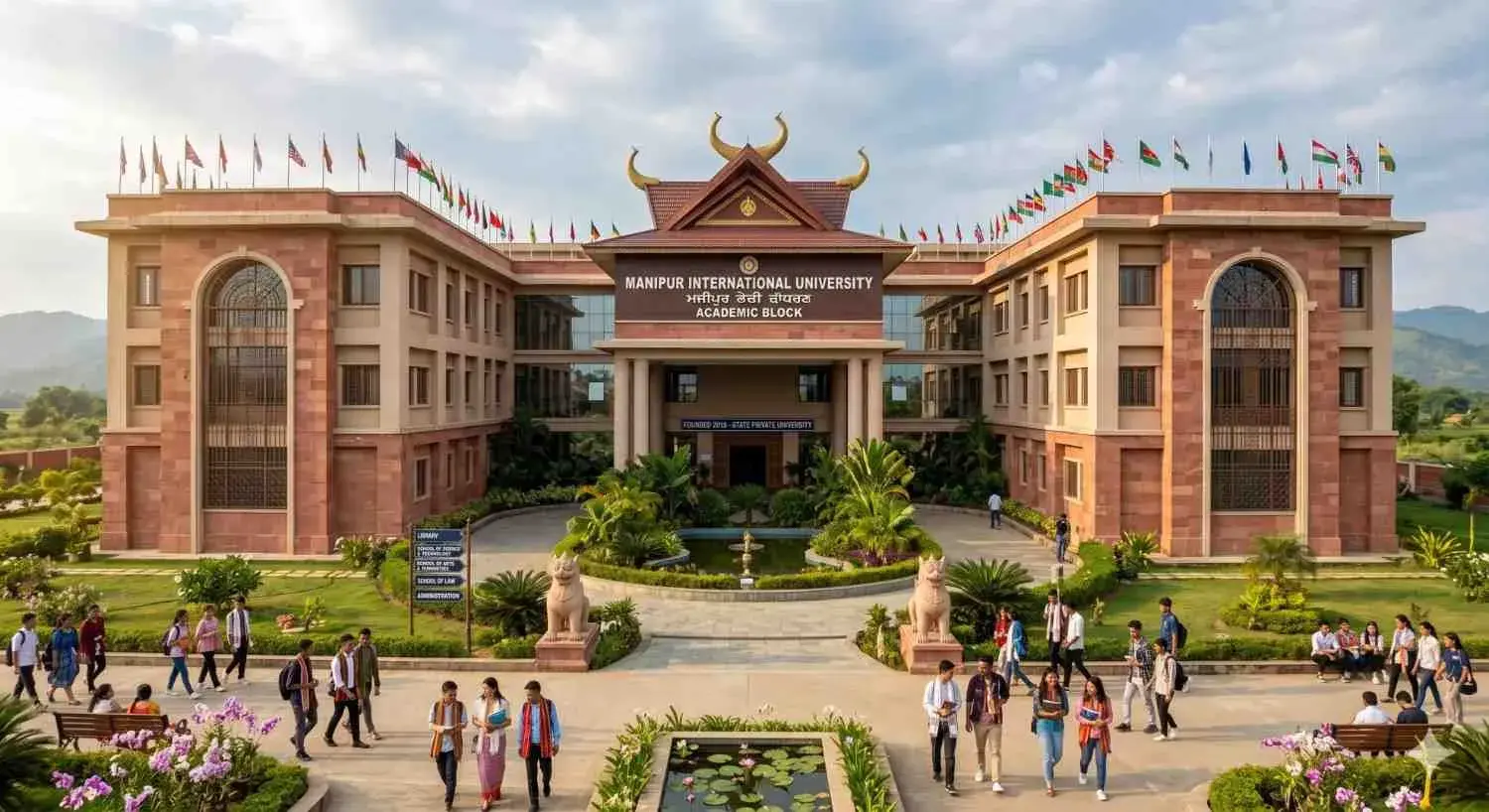
Manipur International University campus
Manipur International University

Manipur International University

Imphal, Manipur ยท Est. 2019
UGCSec. 12B
AICTEApproved
View University
University of Petroleum and Energy Studies campus
University of Petroleum and Energy Studies

University of Petroleum and Energy Studies

Dehradun, Uttarakhand ยท Est. 2003
UGCSec. 12B
NAAC AAccredited
AICTEApproved
View University
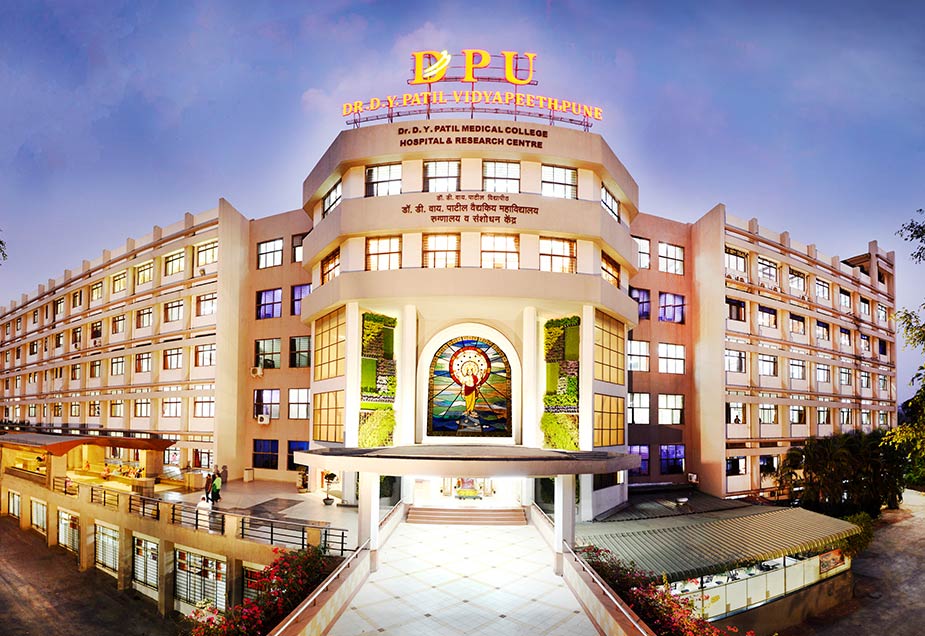
Dr. D. Y. Patil Vidyapeeth Pune campus
Dr. D. Y. Patil Vidyapeeth Pune

Dr. D. Y. Patil Vidyapeeth Pune

Pune, Maharashtra ยท Est. 2003
UGCSec. 12B
NAAC A++Accredited
AICTEApproved
View University
Amrita Vishwa Vidyapeetham campus
Amrita Vishwa Vidyapeetham

Amrita Vishwa Vidyapeetham

Coimbatore, Tamil Nadu ยท Est. 2003
UGCSec. 12B
NAAC A++Accredited
AICTEApproved
View University
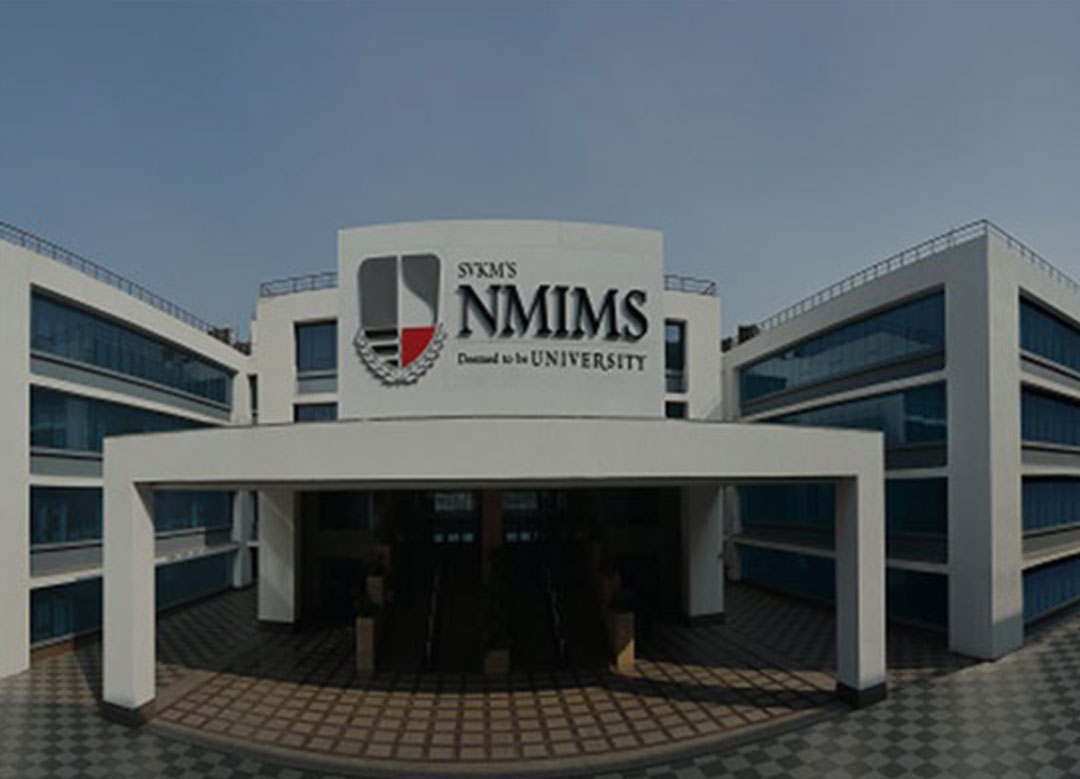
SVKM's Narsee Monjee Institute of Management Studies (NMIMS) campus
SVKM's Narsee Monjee Institute of Management Studies (NMIMS)

SVKM's Narsee Monjee Institute of Management Studies (NMIMS)

Mumbai, Maharashtra ยท Est. 1981
UGCSec. 12B
NAAC A+Accredited
AICTEApproved
View University
Parul University campus
Parul University

Parul University

Vadodara, Gujarat ยท Est. 2015
UGCSec. 12B
NAAC A++Accredited
AICTEApproved
View University
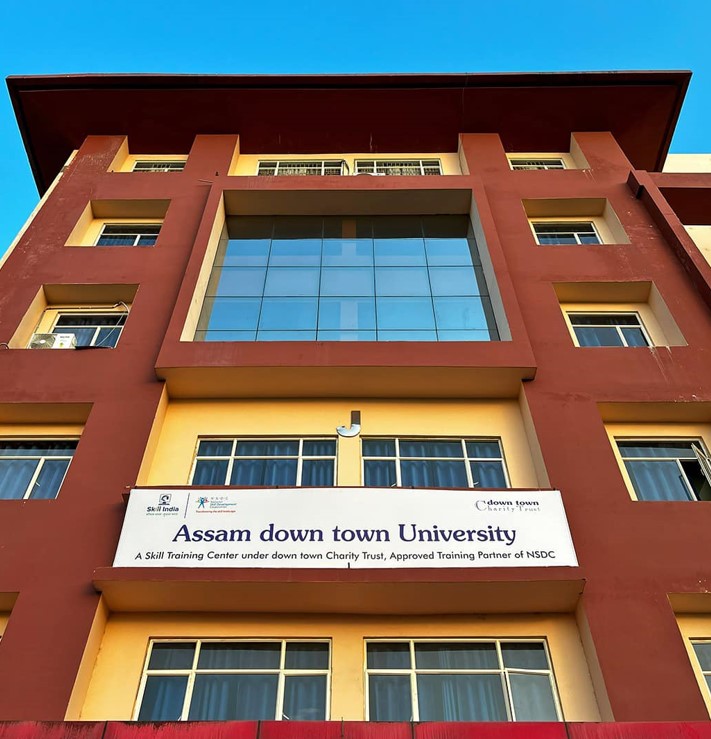
Assam down town University campus
Assam down town University

Assam down town University

Guwahati, Assam ยท Est. 2010
UGCSec. 12B
NAAC A+Accredited
AICTEApproved
View University
MK University Patan campus
MK University Patan

MK University Patan

Patan, Gujarat ยท Est. 2022
UGCSec. 12B
AICTEApproved
View University
Duke International University campus
Duke International University

Duke International University

Namchi, Sikkim ยท Est. 2024
UGCSec. 12B
AICTEApproved
View University
Sikkim Global Technical University campus
Sikkim Global Technical University

Sikkim Global Technical University

Namchi, Sikkim ยท Est. 2023
UGCSec. 12B
AICTEApproved
View University
Atal Bihari Vajpayee Skill University campus
Atal Bihari Vajpayee Skill University

Atal Bihari Vajpayee Skill University

Gangtok, Sikkim ยท Est. 2025
UGCSec. 12B
AICTEApproved
View University
Swami Vivekanand Subharti University campus
Swami Vivekanand Subharti University

Swami Vivekanand Subharti University

Meerut, Uttar Pradesh ยท Est. 2008
UGCSec. 12B
NAAC AAccredited
AICTEApproved
View University
Student Voices

What learners say

โ˜…โ˜…โ˜…โ˜…โ˜…

"The finance modules were practical and relevant to the kind of work I want to do. I especially liked the focus on applying concepts to real situations."

S
Saurabh Jain Finance
โ˜…โ˜…โ˜…โ˜…

"I chose this program because I wanted to continue studying literature at a higher level. The variety of topics made the learning experience interesting."

M
Muskan Yadav English Literature
โ˜…โ˜…โ˜…โ˜…โ˜…

"The AI specialization was exactly what I was looking for. It gave me a clear path from programming fundamentals to machine learning concepts."

K
Kunal Sharma Artificial Intelligence
Career Opportunities

Explore career opportunities

Operations Manager

Operations Managers oversee day-to-day operational activities and help coordinate resources, processes and teams. Depending on the organisation, they may work on productivity, quality, scheduling, process improvement and operational performance.

Supply Chain Professional

Supply Chain Professionals help coordinate the movement of materials, products, information and related resources across supply networks. Their responsibilities can involve planning, supplier coordination, inventory, logistics and monitoring supply chain performance.

Logistics Manager

Logistics Managers coordinate activities related to the movement, storage and distribution of goods. Their work may include transportation planning, warehouse coordination, inventory movement and improving logistics processes.

Production Manager

Production Managers oversee manufacturing or production activities and coordinate resources to support planned output and quality requirements. Their responsibilities may include production scheduling, resource allocation, workflow management and monitoring operational performance.

Procurement Professional

Procurement Professionals support organisations in sourcing goods and services from suppliers. Their work can involve supplier evaluation, purchasing processes, negotiations, cost analysis and maintaining effective supplier relationships.

Quality Management Professional

Quality Management Professionals help organisations establish and monitor processes designed to maintain consistent quality. Depending on the organisation, they may work with quality standards, process monitoring, documentation, audits and continuous improvement activities.

Operations Analyst

Operations Analysts use data and analytical methods to evaluate business processes and operational performance. They may identify inefficiencies, examine operational metrics and provide insights that support planning and process improvement.

Inventory Management Professional

Inventory Management Professionals help organisations monitor and manage stock levels and inventory-related processes. Their work can involve demand planning, stock monitoring, inventory analysis and coordination with procurement, production or logistics teams.

Process Improvement Professional

Process Improvement Professionals examine existing workflows and identify opportunities to improve efficiency, quality or resource utilisation. They may use structured improvement methods and data analysis to evaluate processes and support operational changes.

Career opportunities in Operations Management depend on factors such as qualification, practical experience, analytical and communication skills, projects, certifications, specialisation and employer requirements. Students can also consider postgraduate study or professional development in areas such as supply chain management, logistics, operations analytics, quality management, project management or process improvement.


Common Questions

Frequently asked questions

What is Operations Management? +

Operations Management is the study and management of processes, resources and activities involved in producing goods or delivering services. It covers areas such as production, supply chains, inventory, logistics, quality and process improvement. The field can be applied across manufacturing and service industries.

What does Operations Management cover? +

Operations Management covers planning and improving organisational processes and resources. Common areas include production planning, supply chain management, logistics, procurement, inventory, quality management and process optimisation. Depending on the programme, students may also study forecasting, operations research, project management and business analytics.

What subjects are studied in Operations Management? +

Common subjects may include operations management, production management, supply chain management, inventory management, logistics, procurement and quality management. Depending on the programme, students may also study operations research, forecasting, project management, lean management, process improvement and business analytics. The exact curriculum varies by university.

Is Operations Management a good choice for a career in supply chain and logistics? +

Operations Management can be relevant to supply chain and logistics careers because it develops knowledge of resource planning, inventory, procurement, transportation, processes and operational performance. Students interested in these areas may find the specialisation useful. Career opportunities depend on qualifications, practical skills, experience and employer requirements.

What skills are required for Operations Management? +

Useful skills include analytical thinking, problem-solving, planning, decision-making, communication and organisation. Quantitative reasoning and data-analysis skills can also be valuable for roles involving forecasting, operational reporting or process improvement. Familiarity with business and operations software may be beneficial for certain professional pathways.

What are the career options after studying Operations Management? +

Career options can include Operations Manager, Supply Chain Professional, Logistics Manager, Production Manager, Procurement Professional, Quality Management Professional, Operations Analyst, Inventory Management Professional and Process Improvement Professional. The specific roles available depend on qualification, experience, skills, specialisation and employer requirements.

Can I specialise further after studying Operations Management? +

Yes. Students can pursue further study or professional development in areas such as supply chain management, logistics, operations analytics, quality management, project management, procurement or process improvement. The available options depend on the university and programme. Relevant professional certifications may also support certain career pathways.

Can I pursue Operations Management online? +

Operations Management programmes may be available through online learning, depending on the university and programme. Online programmes can cover areas such as operations planning, supply chains, quality management and business analytics. Students should check the specific learning mode, curriculum, assessment structure, eligibility and any practical requirements before enrolling.

What is the eligibility for studying Operations Management? +

Eligibility varies by university, programme type and programme level. Undergraduate, postgraduate, diploma and certificate programmes may have different academic prerequisites and admission requirements. There is no single eligibility criterion applicable to every Operations Management programme, so students should check the requirements of the specific university and programme.

How do I choose the right Operations Management programme? +

Compare programmes based on curriculum, university, programme level, learning mode, duration, eligibility and available specialisation options. Consider whether the programme matches your interests in areas such as supply chain, logistics, production, procurement, quality or analytics. EasyShiksha can help students explore and compare relevant university programmes before making an informed decision.

What is Operations Management?

Operations Management is the study and management of the processes, resources and activities used by organisations to create products or deliver services. It focuses on coordinating people, materials, technology, information and processes to support effective organisational operations.

The field can cover both manufacturing and service environments. Operations professionals may be involved in planning, scheduling, quality, capacity, inventory, procurement, logistics and process improvement. Operations Management also connects with broader areas such as supply chain management, project management and business strategy.

What Do You Study in Operations Management?

Common areas of study may include production and operations management, supply chain management, inventory management, logistics, procurement, quality management and operations planning. Depending on the university and programme, students may also study forecasting, operations research, project management, lean management, process optimisation and business analytics.

Students can develop skills in process analysis, resource planning, problem-solving, decision-making and performance evaluation. Quantitative methods and data analysis may also be relevant when examining operational performance and planning resources.

The curriculum can vary by university, programme type and programme level, so students should review the specific syllabus before selecting a programme.

Why Choose Operations Management?

Operations Management can be valuable for students interested in understanding how organisations transform resources into products and services. It develops knowledge of planning, processes, resource utilisation, quality and operational decision-making.

The specialisation can also provide exposure to different functional areas, including supply chains, procurement, logistics, production and service operations. Students may further develop expertise in areas such as supply chain analytics, quality management, project management or process improvement based on their interests and career objectives.

Operations Management and Emerging Technologies

Technology is increasingly influencing how organisations plan and manage operations. Depending on the programme, students may encounter automation, enterprise resource planning (ERP) systems, business analytics, artificial intelligence applications, Internet of Things (IoT) technologies and data-driven process optimisation.

Digital tools can support areas such as inventory monitoring, demand forecasting, production planning, logistics and operational reporting. Students interested in technology-enabled operations may benefit from developing analytical skills and familiarity with relevant business and operations software.

Who Should Choose Operations Management?

Operations Management may appeal to students who enjoy planning, analytical thinking, problem-solving and understanding business processes. An interest in how products and services are produced, delivered and improved can be particularly useful.

Students considering careers in operations, supply chain management, logistics, procurement, production, quality management or process improvement may find this specialisation relevant. Organisation, communication, quantitative reasoning and decision-making skills can support academic and professional development.

Explore Operations Management Programmes on EasyShiksha

At EasyShiksha, students can explore university programmes related to Operations Management and compare options according to their academic and career interests. Learners can review universities, programme types, programme levels, learning modes, eligibility, duration, curriculum and available specialisation options.

Because programme structures and admission requirements can differ between institutions, students should check the details of each individual programme before applying.

Ready to apply?

Browse all programmes above and start your application in minutes.

View Operations Management Programmes
Whatsapp Email Support

Experience the Speed: Now Available on Mobile!

Download EasyShiksha Mobile Apps from Android Play Store, Apple App Store, Amazon App Store, and Jio STB.

Curious to learn more about EasyShiksha's services or need assistance?

Our team is always here to collaborate and address all your doubts.

Message should be at least 50 characters long.