Education is no longer limited to a particular stage of life. In the traditional model, learning was often viewed as a structured process that began in school, continued through college or university, and gradually transitioned into professional employment. Once individuals entered the workforce, formal education was frequently considered complete, with additional learning taking place only when a new qualification or specialized skill became necessary. However, the rapid development of digital technologies, changing career expectations, and the growing importance of practical skills have transformed this understanding of education. Today, learning increasingly extends across every stage of life, from a child's first curiosity about the world to a professional's decision to acquire new skills or transition into a different career.
This evolving approach can be understood through the concept of the Digital Education Continuum. It describes a connected learning journey in which curiosity, foundational education, academic qualifications, skill development, practical experience, career exploration, and professional reskilling become interconnected stages of continuous growth. Instead of treating education as a series of isolated activities, the continuum recognizes that knowledge develops over time and that each learning experience can contribute to future opportunities.
Digital platforms are playing an important role in making this continuous model more accessible. Online courses, digital degrees, interactive quizzes, educational games, virtual learning resources, internships, and career guidance allow learners to explore subjects, develop competencies, and adapt their educational pathways according to their changing needs. Students can discover new interests before selecting a degree, graduates can strengthen their practical skills through internships, and working professionals can learn new technologies without necessarily leaving their existing careers.
For EasyShiksha, the Digital Education Continuum represents an opportunity to connect different stages of learning within a unified educational ecosystem. Through online education, courses, degrees, quizzes, internships, educational discovery, career counselling, and interactive learning opportunities, the platform can support learners as they move from initial curiosity toward academic development, professional preparation, and lifelong reskilling. The central idea is that education should not end when a course is completed or a degree is awarded. Instead, it should remain an ongoing process that evolves alongside a person's interests, abilities, and professional ambitions.
Understanding the Digital Education Continuum
The Digital Education Continuum is a learning framework in which education develops through connected experiences rather than disconnected academic stages. It recognizes that students do not acquire knowledge through a single institution, qualification, or course. Their understanding grows through a combination of formal education, independent exploration, practical activities, professional experience, and continuous skill development.
In this model, learning begins with curiosity. A child may develop an interest in science, technology, art, mathematics, or communication through observation, play, or interactive educational resources. As the learner progresses, that curiosity may lead to structured lessons, school education, academic subjects, and further exploration of specialized fields. Later, the student may pursue a degree, participate in online courses, complete projects, or gain experience through internships. Once employed, the individual may continue learning to adapt to new technologies, workplace responsibilities, and changing career goals.
The continuum does not require every learner to follow the same sequence. Some students may discover their interests through school subjects, while others may develop them through practical experimentation, online learning, or professional exposure. Similarly, a working professional may return to foundational learning when entering a new field. The defining feature of the continuum is not a fixed order of activities but the continuity between learning experiences.
Digital education makes this model increasingly practical by providing access to resources that can be used at different stages of life. A student can explore an unfamiliar subject through an introductory course, practice concepts through quizzes, and develop practical skills through projects. A professional can revisit foundational concepts, learn a new tool, and apply that knowledge to workplace challenges. When these experiences are connected, education becomes more adaptable to individual needs and changing circumstances.
Stage One: Curiosity as the Beginning of Lifelong Learning
The Importance of Early Exploration
Curiosity is often the starting point of meaningful learning. Before students develop clear academic interests or professional ambitions, they begin by asking questions about the world around them. They may wonder how machines work, why certain natural phenomena occur, how digital applications are created, or how businesses operate. These questions can become the foundation of future educational interests when learners receive opportunities to explore them.
Digital educational resources can support this early stage by making knowledge accessible through engaging and age-appropriate experiences. Interactive lessons, educational games, visual explanations, and introductory activities can help children explore unfamiliar subjects without immediately facing the pressure of formal examinations or career decisions. A child interested in space, for example, might begin by exploring the solar system through visual learning resources before developing a deeper interest in physics or astronomy.
The purpose of early digital learning should be to encourage exploration and understanding rather than accelerate academic pressure. Children need opportunities to experiment, ask questions, make mistakes, and develop their interests at an appropriate pace. A healthy educational continuum begins by allowing curiosity to grow into a lasting motivation for learning.
Educational Games and Interactive Discovery
Educational games can make early learning more engaging by combining exploration with structured challenges. Games involving mathematics, language, logical reasoning, science, and problem-solving can encourage children to experiment with concepts and receive immediate feedback. When thoughtfully designed, these experiences can help learners build foundational knowledge while developing confidence in their ability to solve problems.
Interactive learning can also introduce children to subjects they might not encounter deeply in their regular classroom activities. A child who enjoys a logic-based game may discover an interest in mathematics or programming, while a learner who enjoys creative challenges may become interested in design, storytelling, or digital media.
Within an educational ecosystem such as EasyShiksha, games and interactive resources can contribute to the earliest stages of the learning continuum by helping students discover interests that may later guide their educational choices. These experiences should complement broader learning opportunities and encourage curiosity rather than turn every activity into a performance-based assessment.
Stage Two: Foundational Education and the Development of Learning Habits
Building Strong Academic Foundations
As learners progress from curiosity toward structured education, foundational knowledge becomes essential. Reading, writing, mathematics, scientific reasoning, communication, and digital literacy provide the building blocks for more advanced learning. These competencies support students across subjects and help them understand increasingly complex ideas.
Digital education can strengthen foundational learning by offering additional explanations, practice opportunities, and revision resources. Students who find a particular concept difficult may revisit it through a different teaching method, explore interactive examples, or complete exercises that reinforce understanding. This flexibility can be especially useful when learners require different amounts of time to master a subject.
However, digital resources should not replace the importance of strong teaching, meaningful classroom experiences, or human interaction. A connected educational continuum combines different learning environments according to the needs of the student. Digital tools can supplement formal education by providing additional opportunities for practice, exploration, and personalized learning.
Developing Independent Learning Habits
Foundational education is not only about acquiring subject knowledge. It is also about developing the ability to learn independently. Students gradually learn how to ask questions, search for reliable information, organize their study time, evaluate their understanding, and identify areas where they need additional support.
Digital platforms can support these habits by giving learners opportunities to revisit lessons, practice concepts, and monitor their progress. Online quizzes, revision activities, and educational resources can help students recognize what they understand and what requires further attention.
The development of independent learning habits is particularly important in a lifelong education model. As students move beyond school and university, they increasingly need to identify their own learning needs and seek appropriate resources. The ability to learn independently becomes a transferable skill that supports academic progress, professional development, and personal growth throughout life.
Stage Three: Academic Discovery and Choosing the Right Educational Pathway
Moving From Interests to Academic Choices
As students approach important educational decisions, curiosity gradually develops into more specific academic interests. A learner who enjoys mathematics may explore engineering, economics, computer science, or statistics. Someone interested in communication may consider journalism, marketing, public relations, or language studies. However, identifying an interest does not automatically reveal which academic pathway will be suitable.
Students need access to reliable information about schools, colleges, universities, degree programs, eligibility requirements, learning structures, and possible career directions. Without sufficient guidance, they may find it difficult to compare educational opportunities or understand the differences between similar programs.
Digital education platforms can help students explore these choices by connecting educational discovery with relevant information about courses, degrees, and learning opportunities. Instead of focusing only on the name of a qualification, learners can examine the subjects involved, the skills they may develop, and the practical experiences associated with different pathways.
EasyShiksha's educational discovery and career guidance features can contribute to this stage by helping students explore academic options and understand how educational choices relate to their interests. The objective is to support informed decision-making while allowing learners to retain control over their educational direction.
Understanding That Career Paths Can Change
Educational decisions are often made during periods of uncertainty. Students may select a degree based on their interests at the time, only to discover new preferences as they gain knowledge and experience. A student who begins studying general computer science may later develop an interest in artificial intelligence, cybersecurity, cloud computing, or business analytics.
The Digital Education Continuum recognizes that these changes are a normal part of learning. Students should be able to explore new subjects, strengthen transferable skills, and adjust their educational plans without treating every change as a complete restart.
A flexible educational ecosystem can help learners identify connections between previous studies and new interests. For example, foundational programming and mathematics may remain useful when a student moves from general software development toward data science. By making these connections visible, digital learning platforms can help students build on their existing knowledge while exploring new opportunities.
Stage Four: Online Courses and Specialized Skill Development
The Growing Role of Short-Term Learning
Online courses have become an important part of modern education because they allow students to develop specific knowledge and skills beyond the boundaries of a traditional academic program. A university student may take a course in digital marketing, data analysis, graphic design, artificial intelligence, or financial modelling to explore a new subject or strengthen an existing area of study.
Short-term learning can also help students test their interest in a field before making a larger educational commitment. Someone considering a career in data science, for instance, may begin with introductory courses in Python, statistics, and data visualization. These experiences can help the learner understand the subject's requirements and determine whether further study is appropriate.
Within the Digital Education Continuum, online courses serve as flexible learning opportunities that connect foundational education with specialization. They allow students to expand their knowledge, explore emerging fields, and respond to changing academic or professional goals.
Connecting Courses With Long-Term Educational Goals
The value of an online course depends partly on how it contributes to a learner's broader development. Completing a course may introduce important concepts, but students often need additional practice and application to develop confidence in using those concepts independently.
A connected educational platform could help learners understand how individual courses relate to larger learning pathways. A student studying web development might begin with HTML and CSS, continue with JavaScript, and later explore frameworks such as React. The sequence becomes more meaningful when each course builds on previous knowledge and prepares the student for practical work.
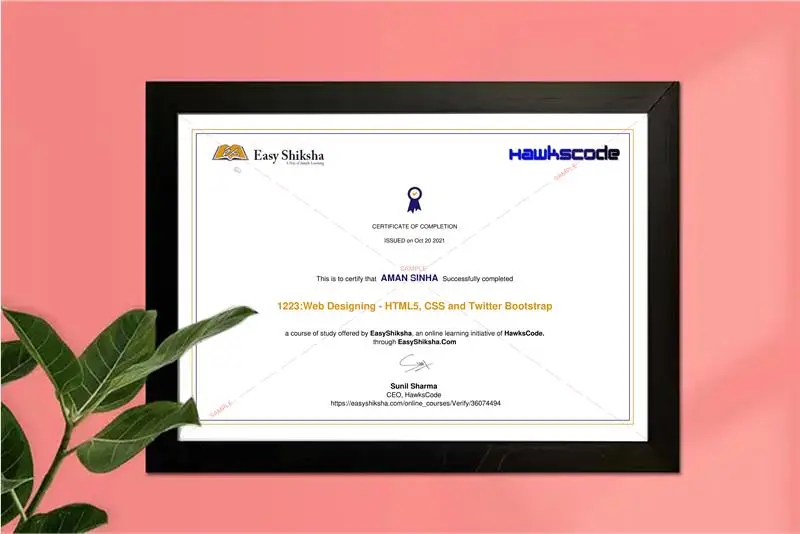
EasyShiksha's online learning ecosystem can support this broader approach by connecting courses with educational goals, quizzes, certificates, and practical opportunities. The focus should remain on meaningful skill development rather than simply increasing the number of courses completed.
Stage Five: Quizzes, Assessments, and Continuous Knowledge Reinforcement
Turning Learning Into Measurable Understanding
Assessment is an important part of the educational continuum because it helps learners determine whether they have understood the concepts they studied. Traditional examinations often provide a snapshot of academic performance at a particular moment, while digital assessments can offer additional opportunities for practice and feedback throughout the learning process.
Online quizzes can help students revisit important concepts, identify misunderstandings, and strengthen their knowledge through repeated practice. A learner studying computer science, for example, may use quizzes to review programming fundamentals, data structures, database concepts, and software development principles.
When quizzes are connected to courses and learning objectives, they can become part of a continuous feedback process. Students can use assessment results to identify topics that require revision and decide when they are ready to move toward more advanced material.
Learning From Mistakes and Strengthening Retention
Mistakes are a natural part of learning, and assessments can help students understand where their reasoning needs improvement. A wrong answer may reveal a misunderstanding of a concept, confusion between related ideas, or a need for additional practice.
Digital learning platforms can support this process by providing explanations, revision materials, and opportunities to attempt similar questions. Students can revisit difficult concepts and observe how their understanding improves over time.
The purpose of assessment should not be to create a permanent label of ability. Instead, quizzes should help learners understand their progress and identify practical next steps. Within a connected educational ecosystem, assessment can link learning, revision, and application into a continuous cycle of development.
Stage Six: Practical Learning Through Projects and Skill Application
Bridging the Gap Between Theory and Practice
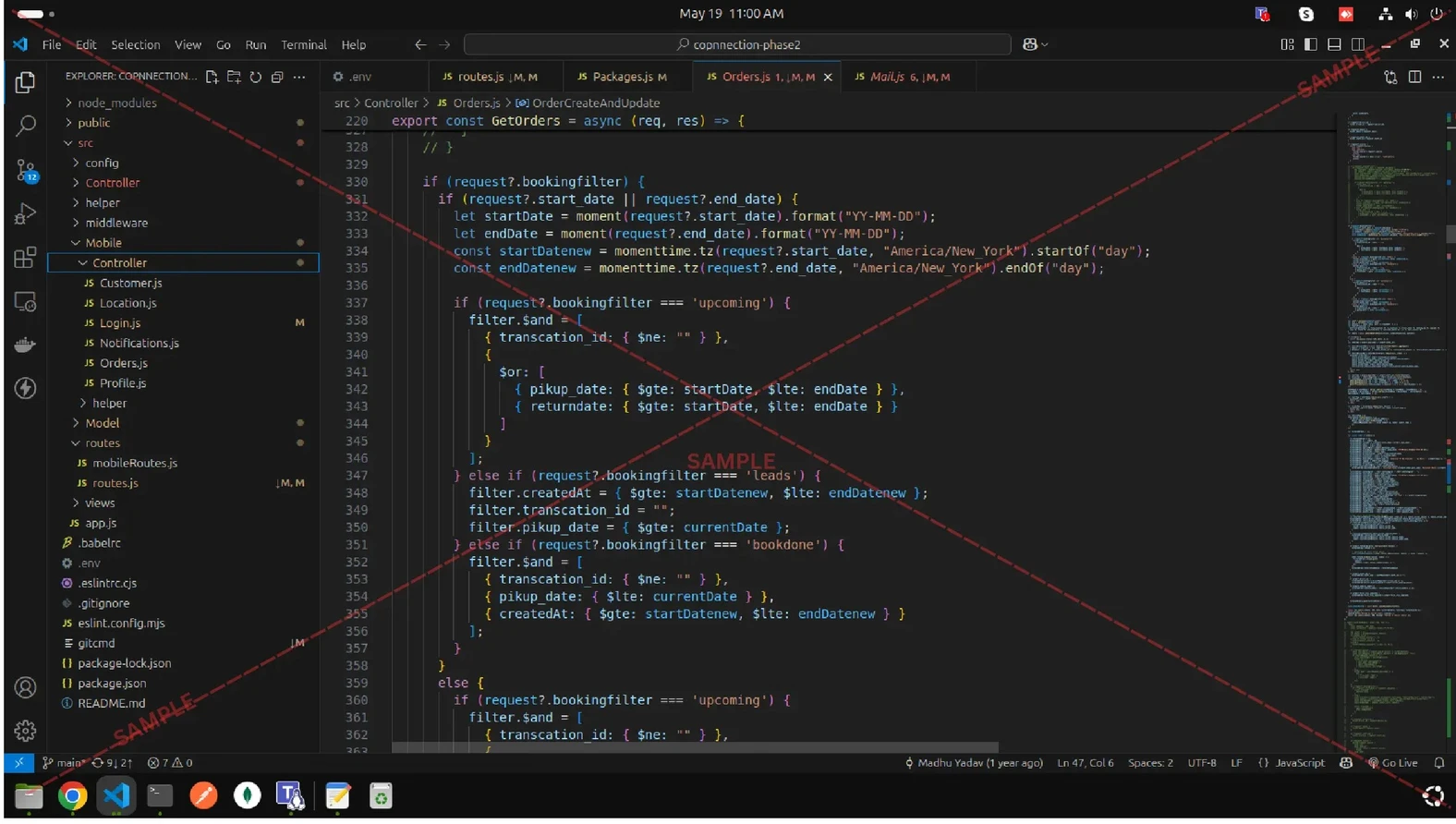
The transition from theoretical knowledge to practical application is a critical stage in the Digital Education Continuum. Students may understand concepts through courses and assessments but still need opportunities to use them in realistic situations. Practical projects help bridge this gap by requiring learners to apply knowledge, solve problems, and make decisions.
A programming student might build a website, a marketing student might develop a campaign plan, and a finance student might prepare a financial analysis using sample data. These projects allow learners to explore how academic concepts work in practice and identify areas where their understanding needs improvement.
Project-based learning also encourages problem-solving, creativity, planning, and communication. Students must often make decisions, test possible solutions, respond to challenges, and explain their work. These experiences can contribute to a broader set of competencies that extend beyond the subject knowledge acquired through a course.
Building Evidence of Skills Through Practical Work
Students increasingly need ways to demonstrate what they can do, not merely what they have studied. Certificates and academic qualifications can provide important evidence of learning, but practical projects can show how students apply knowledge in specific situations.
A connected digital education platform could help learners preserve project summaries, examples of completed work, and reflections on the skills developed during each experience. A student who completes a data analysis project, for instance, could document the problem, tools used, analytical approach, and conclusions reached.
These records can support future learning by helping students revisit previous work and recognize how their capabilities have developed. They may also contribute to a portfolio that students can selectively share with educational institutions, internship providers, or employers.
Document
#AbIndiaSikhegaGharSe
Online Internships for Students
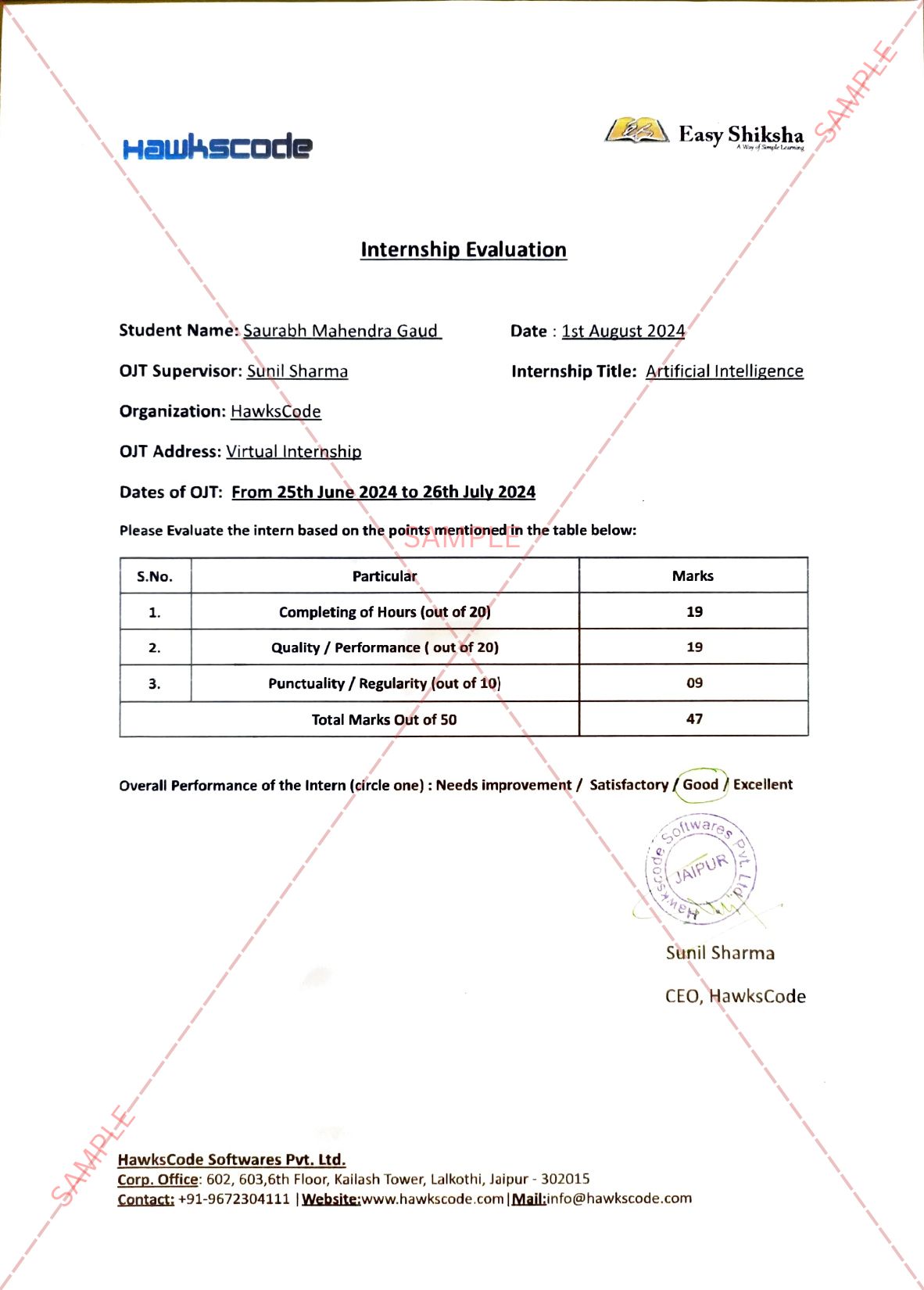
EasyShiksha offers comprehensive online virtual internship programs tailored for students, graduates, freshers, and working professionals seeking academic advancement and upskilling certifications.
Get Job-Ready with Our Online Summer Internship 2025 Opportunities
Explore our wide selection of online job-ready internships featuring globally recognized certificates accepted by universities, colleges, and companies worldwide.
Obtain two authorized certificates recognized by universities & corporates.
Access our 100% online internships at genuine price.
Choose from flexible internship durations ranging from 2 weeks to 6 months.
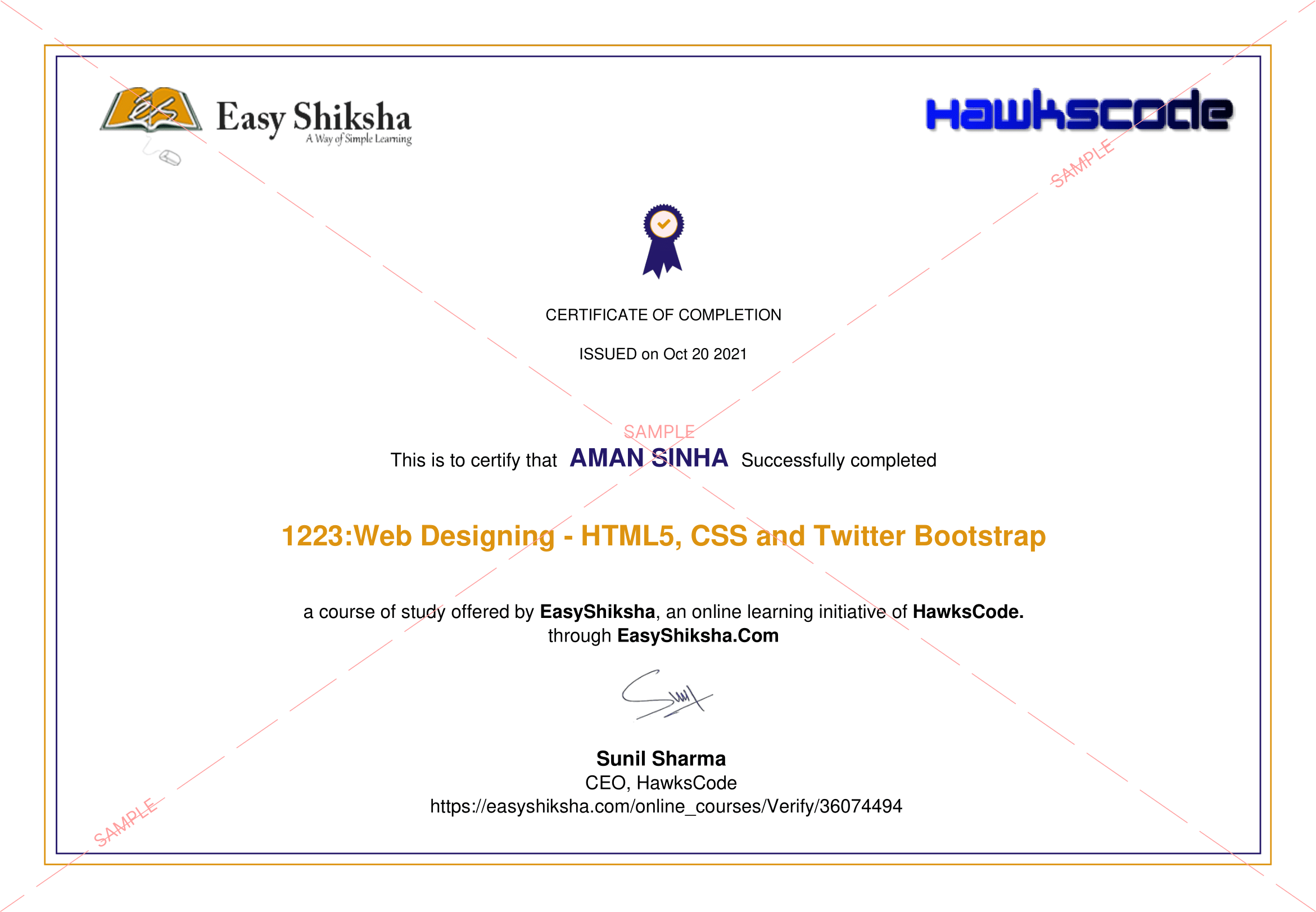
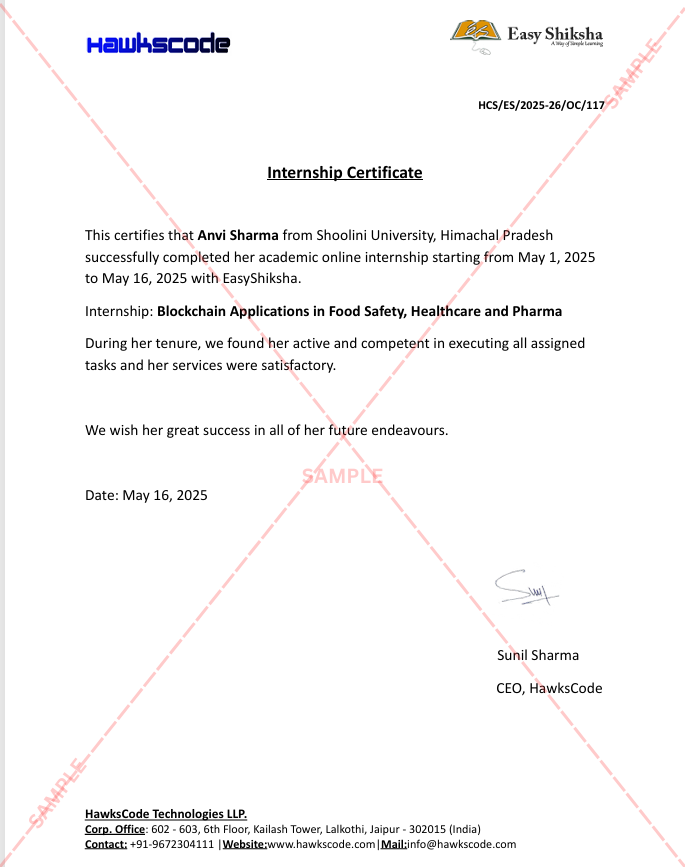
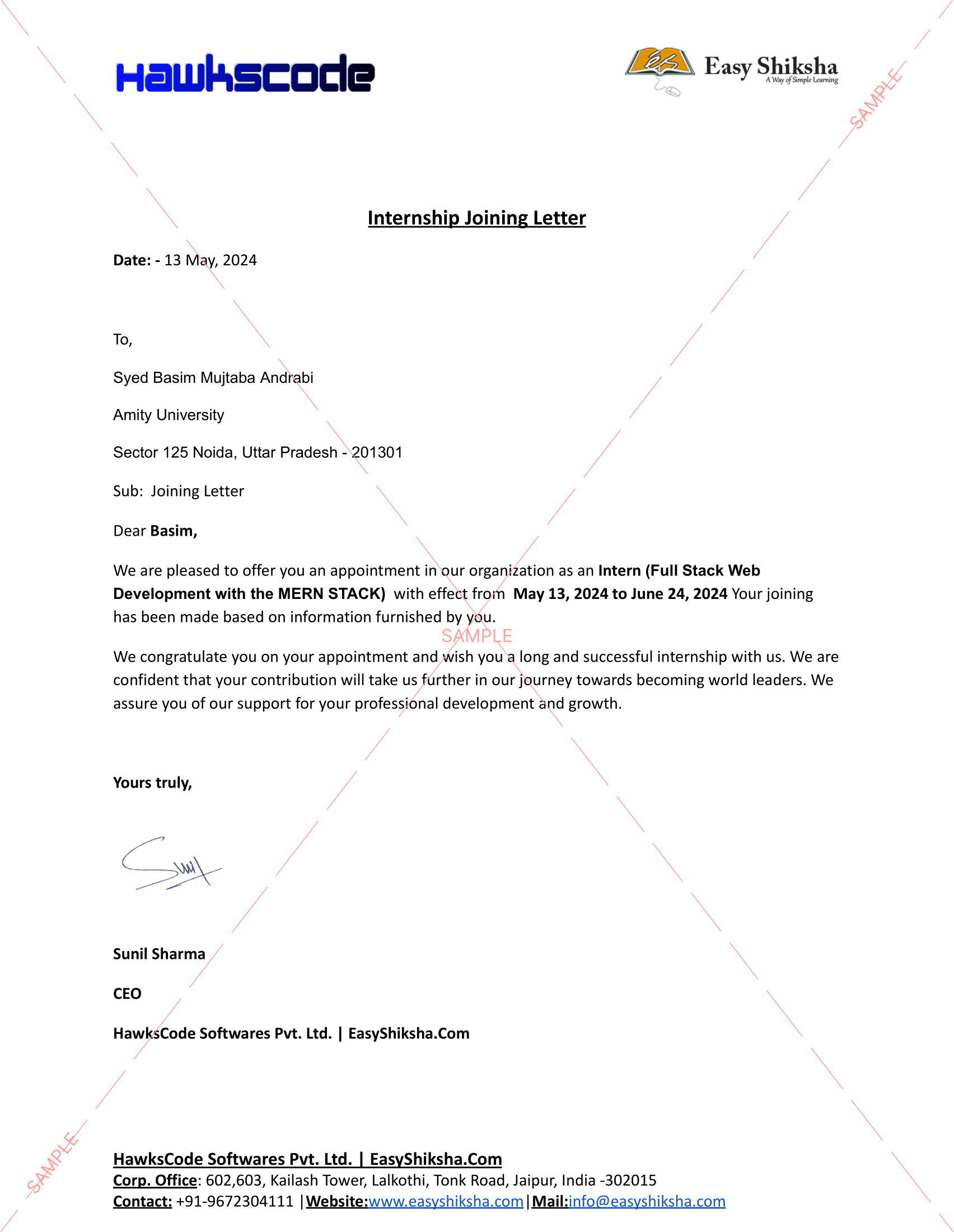
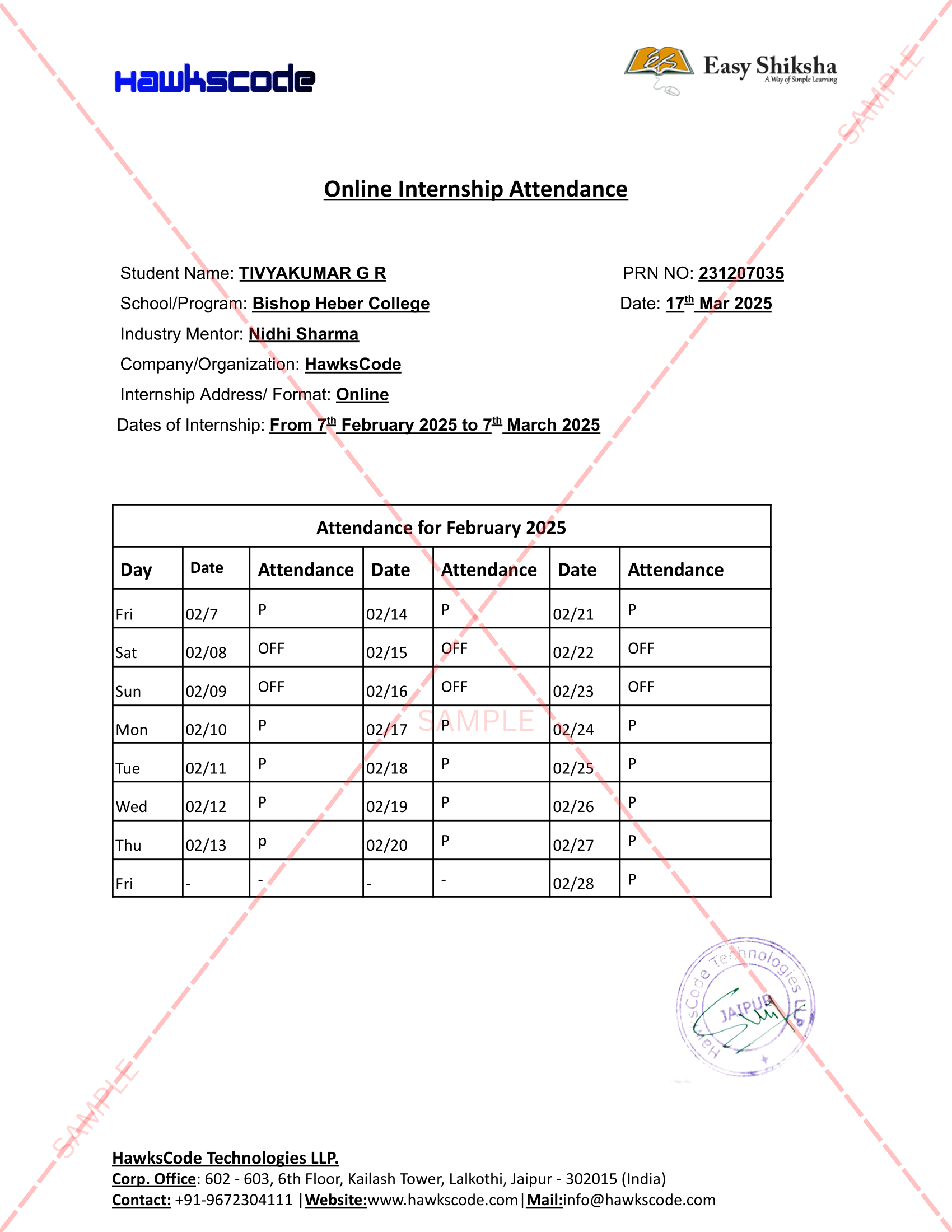
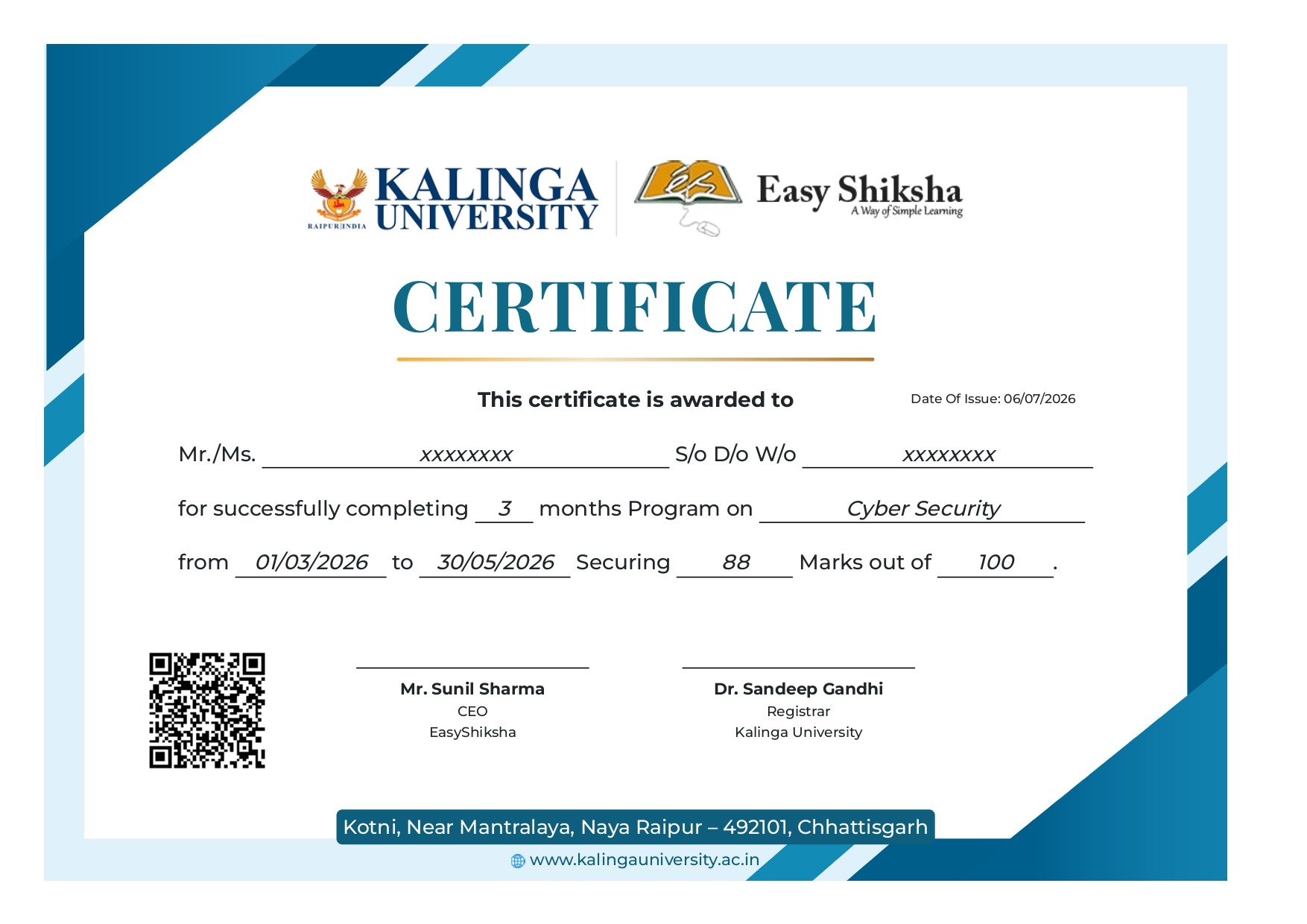
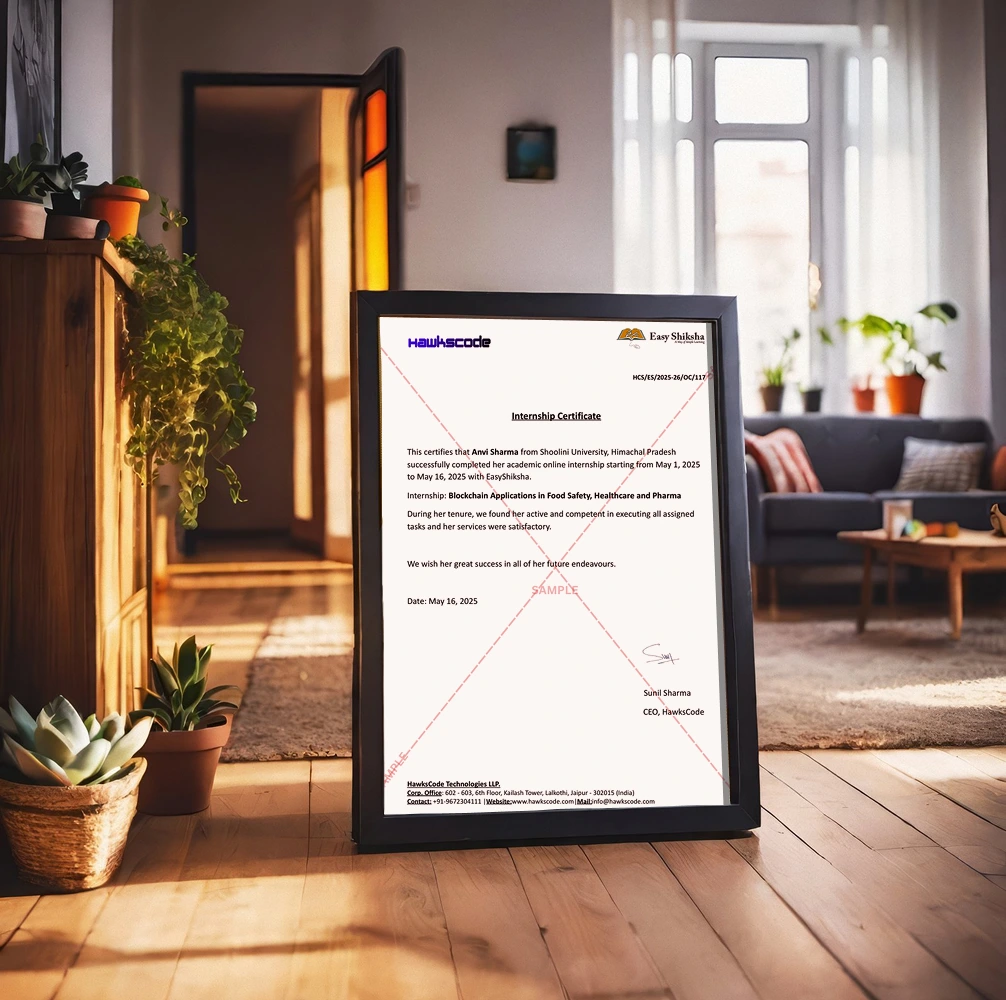
Upon completion, you will receive two certificates: an Internship Certificate and a Course Completion Certificate
Learn conveniently anytime, anywhere.
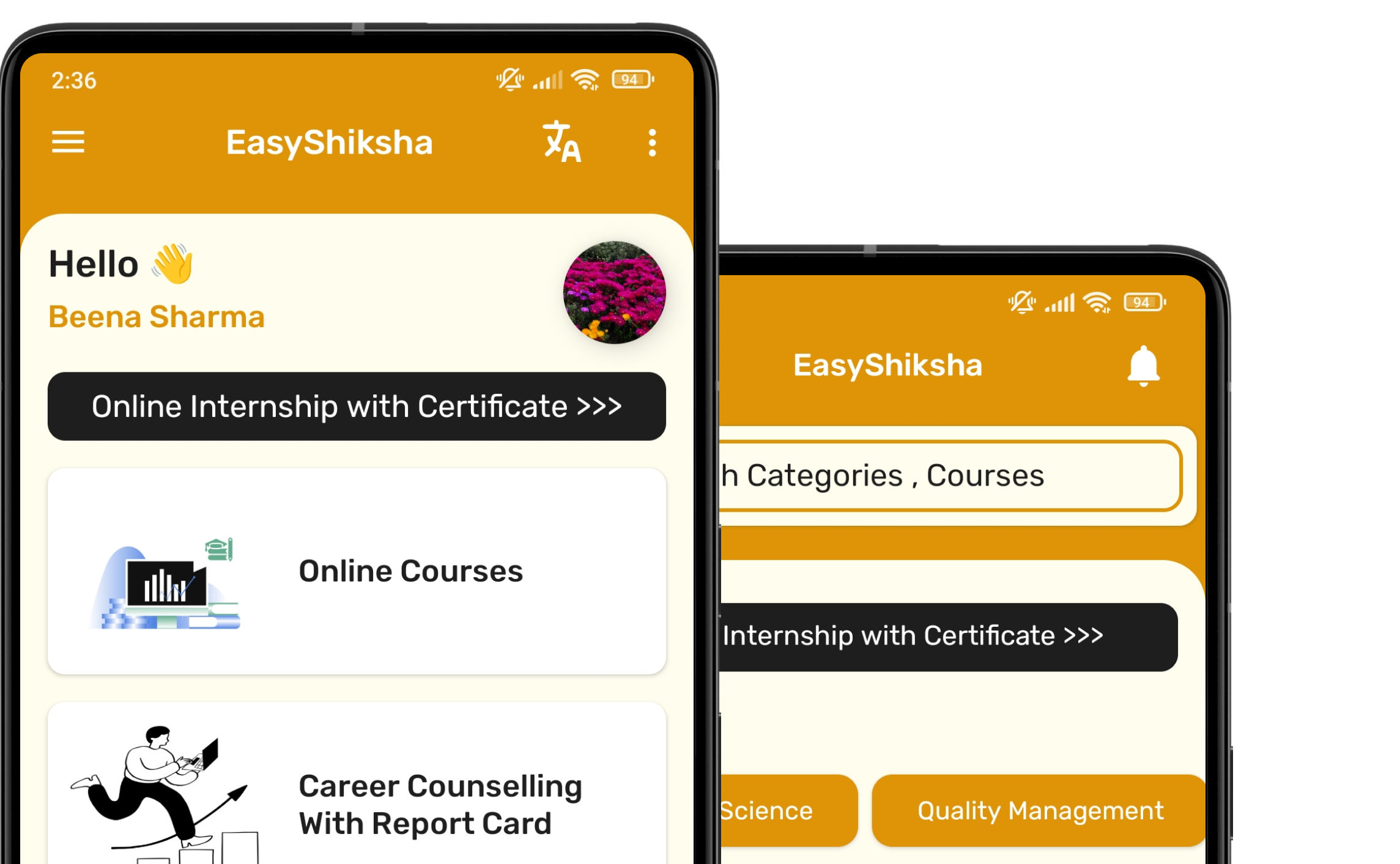
Access learning materials seamlessly via web or mobile. (Download App)
Stage Seven: Internships and Professional Exposure
Moving From Learning Environments to Workplace Experience
Internships provide opportunities for students to apply knowledge in professional environments and gain exposure to workplace expectations. They can help learners understand how teams collaborate, how projects are managed, and how theoretical concepts are used to solve practical problems.
For many students, internships also provide an opportunity to explore whether a particular career direction matches their interests. A student studying business may discover a preference for marketing, finance, operations, or human resources through practical exposure. Similarly, a technology student may develop an interest in software development, testing, data analysis, or cybersecurity after working on relevant tasks.
Within the Digital Education Continuum, internships connect academic learning with professional experience. They provide opportunities to apply previously acquired knowledge, identify skill gaps, and develop a clearer understanding of workplace responsibilities.
Preparing Students Before Their First Internship
Students may benefit from preparation before entering a professional environment. Depending on the internship, this preparation may involve foundational subject knowledge, practical projects, communication skills, familiarity with relevant tools, and an understanding of workplace expectations.
A connected educational ecosystem could help students identify appropriate preparation opportunities by linking courses and quizzes with practical projects and internship discovery. A learner interested in a digital marketing internship, for example, might first study marketing fundamentals, practice analytical skills, complete a sample campaign project, and then explore suitable internship opportunities.
This approach would not guarantee selection or professional success, but it could help students make more informed decisions about their preparation and identify learning activities relevant to their intended field.
EasyShiksha's combination of online courses, internships, quizzes, and career guidance provides a foundation for exploring these connections within a broader educational journey.
Stage Eight: Entering the Workforce and Continuing to Learn
Education Does Not End With Graduation
Graduation is often treated as the point at which formal education transitions into professional life. However, the beginning of employment frequently introduces new learning requirements. Graduates must adapt to workplace systems, understand professional expectations, collaborate with colleagues, and apply academic knowledge to real responsibilities.
The skills required for a job may also extend beyond those emphasized in a degree program. Professionals may need to develop communication abilities, project management skills, technical competencies, or familiarity with specialized tools. Learning continues as individuals encounter new responsibilities and challenges.
The Digital Education Continuum recognizes that the transition into employment is not the end of education but another stage in which learning becomes increasingly connected to practical goals. Digital courses, professional development resources, and structured training can help individuals strengthen existing skills and prepare for changing responsibilities.
Building a Habit of Continuous Professional Development
Continuous professional development involves regularly identifying learning needs and taking steps to address them. Professionals may pursue short courses, attend workshops, participate in industry training, or complete practical projects to remain effective in their roles.
Digital education can make this process more flexible by allowing individuals to learn alongside work and personal responsibilities. A professional can explore a new tool, revise foundational concepts, or develop specialized knowledge without necessarily returning to full-time formal education.
A connected learning ecosystem could help professionals understand how previous education relates to new learning goals. It could also support the identification of transferable skills that remain useful across different roles and industries.
The objective is to make professional learning a manageable and ongoing part of working life rather than an activity reserved for occasional career transitions.
Stage Nine: Professional Reskilling and Career Transformation
Why Reskilling Is Becoming an Important Part of Modern Careers
Professional reskilling involves developing new capabilities to prepare for different responsibilities, technologies, or career directions. As industries adopt new tools and business models, workers may need to learn unfamiliar systems or develop competencies that were not central to their original education.
For example, a professional working in administration may decide to learn data analysis, while a marketing specialist may explore automation tools or digital analytics. A teacher may develop skills in educational technology, and a software developer may study cloud computing or cybersecurity to expand professional opportunities.
Reskilling is not limited to responding to technological change. Individuals may also pursue new skills because their interests evolve, their responsibilities change, or they decide to explore a different career pathway.
The Digital Education Continuum provides a useful framework for understanding these transitions because it treats earlier education as a foundation for future development. Professionals can revisit foundational concepts, identify transferable knowledge, and pursue targeted learning opportunities that support their new goals.
Connecting Existing Skills With New Career Goals
Career transitions can be challenging when individuals assume that moving into a new field requires starting from the beginning. In reality, many skills can transfer across industries and professional roles. Communication, analytical reasoning, project management, problem-solving, and digital literacy may remain useful even when the subject area changes.
A connected learning platform could help professionals identify these transferable capabilities and explore how they relate to new career interests. Someone moving from general business operations into data analytics, for instance, may already possess experience in reporting, process analysis, and decision-making that can support further technical learning.
Career guidance, online courses, practical projects, and assessments could help learners understand which additional competencies may be necessary and how to develop them gradually.
A flexible reskilling pathway should recognize existing knowledge while making room for new learning. It should also allow individuals to explore multiple options rather than assuming that every professional must follow the same career progression.
EasyShiksha and the Connected Lifelong Learning Journey
EasyShiksha's educational ecosystem includes online education, degrees, courses, quizzes, internships, certificates, educational discovery, career counselling, and games. These services can be understood as interconnected components of a lifelong learning journey that begins with exploration and continues through academic development, practical experience, and professional reskilling.
At the earliest stage, educational resources and games can help learners discover interests and explore unfamiliar subjects. As students progress, educational discovery can support the search for schools, colleges, universities, and degree programs. Online courses can help learners develop specialized knowledge, while quizzes can provide opportunities to reinforce concepts and assess understanding.
Practical projects and internships can then help students apply their knowledge and gain experience. Career counselling can support decisions about academic pathways, professional interests, and future learning opportunities. After entering the workforce, learners can continue using digital education to strengthen existing skills, explore new subjects, and prepare for changing professional responsibilities.
The value of this ecosystem lies in the possibility of connecting these services through a continuous learning experience. A student's interests can inform educational exploration, course learning can lead to practical application, and professional experience can reveal new areas for development.
This connected approach could help students view education as an evolving journey rather than a series of unrelated activities. It also reflects the broader purpose of digital education: making learning accessible, flexible, and relevant across different stages of life.
The Role of Artificial Intelligence in the Digital Education Continuum
Artificial intelligence may contribute to the Digital Education Continuum by helping educational platforms understand learning patterns, organize educational resources, and suggest relevant learning opportunities. AI-assisted systems can potentially support personalized revision, identify relationships between concepts, and help students navigate large collections of courses and resources.
For example, a student exploring data science could receive suggestions for foundational mathematics, programming lessons, and introductory analytical projects. A professional transitioning into a new field might use AI-assisted tools to identify relevant learning resources and organize a structured study plan.
AI may also help connect learning activities across different stages of life. A learner's earlier projects, course records, and practical experiences could provide useful context when exploring new educational goals, provided the information is accurate and used with appropriate consent.
However, AI recommendations should remain supportive rather than authoritative. Automated systems may misunderstand a student's interests, overlook important educational requirements, or recommend unsuitable learning opportunities. Students should be able to review recommendations, compare alternatives, and make their own decisions.
Privacy and transparency are equally important. Educational data should be handled responsibly, and learners should understand how their information is collected and used. AI should strengthen the student's ability to learn independently rather than create unnecessary dependence on automated guidance.
Building a Personal Learning Identity Across Different Life Stages
A lifelong learning journey can involve many institutions, platforms, courses, projects, and professional experiences. As students move between these environments, their educational records may become fragmented, making it difficult to understand their overall development.
A personal learning identity could help connect meaningful educational experiences across time. It might include records of completed courses, qualifications, practical projects, assessments, and selected professional experiences. Such a record could help learners understand how their knowledge and capabilities have evolved.
For example, a student who begins with introductory programming, completes a degree in computer science, participates in a software development internship, and later studies cloud computing could use a connected learning record to understand the progression of their technical knowledge.
A personal learning identity should not become a permanent judgment of a person's abilities or potential. It should remain a flexible record that learners can review, update, and control. Students should also be able to decide which information they want to share and which experiences should remain private.
For EasyShiksha, the concept of a connected learning identity aligns with the broader goal of helping students navigate education across different stages of life. By connecting learning activities and practical experiences, a digital platform could make it easier for individuals to understand their educational journey and plan future development.
Challenges in Creating a Continuous Digital Education System
Ensuring Equal Access to Digital Learning
Although digital education creates new opportunities, access to technology and reliable internet connectivity remains uneven. Some students may have access to computers, high-speed internet, and supportive learning environments, while others rely on shared devices or limited connectivity.
A digital education continuum must account for these differences by supporting accessible learning experiences, flexible schedules, and appropriate technological requirements. Educational resources should be designed to work across different devices and levels of connectivity wherever possible.
Digital learning should also remain accessible to students with disabilities and learners who require different forms of educational support. A continuous learning model can only achieve its broader purpose when students from diverse backgrounds have meaningful opportunities to participate.
Maintaining Educational Quality and Credibility
A connected ecosystem may include educational resources from different institutions and providers. Students need reliable information about course content, qualifications, learning outcomes, and practical opportunities to make informed decisions.
Platforms should distinguish between formal degrees, professional courses, participation certificates, and informal learning experiences. Clear descriptions of eligibility requirements, assessment methods, and credential recognition can help students understand what each opportunity provides.
Maintaining educational quality also requires attention to the relevance and accuracy of learning materials. A connected platform should help students find appropriate resources without suggesting that every course or credential has equivalent academic or professional value.
Avoiding Overwhelming Learning Pathways
A continuous education model can create a risk of excessive planning if students are presented with too many possible courses, assessments, and career pathways. Learners may feel pressure to pursue every available opportunity rather than focus on the knowledge and skills that matter most to them.
A well-designed platform should help students prioritize learning goals while preserving the freedom to explore. Recommendations should be relevant, understandable, and flexible enough to accommodate changing interests.
The purpose of a digital education continuum is to make lifelong learning more manageable, not to create an endless list of activities that students feel obligated to complete.
Empower your team. Lead the industry
Get a subscription to a library of online courses and digital learning tools for your organization with
EasyShiksha
Measuring Progress Across the Digital Education Continuum
Traditional educational systems often measure progress through examinations, grades, credits, and qualifications. These measures remain important, but a lifelong learning model requires a broader understanding of development because knowledge and skills can grow through formal education, independent learning, projects, internships, and professional experience.
A connected educational platform could help learners review their progress through course completion, assessment results, practical projects, and selected learning milestones. These records could help students recognize what they have studied, identify areas that need further development, and understand how their educational experiences relate to their goals.
However, progress should not be reduced to a single score or universal ranking. Different learners have different interests, responsibilities, and career ambitions. A student preparing for university admission may have different priorities from a working professional learning a new technical skill.
Meaningful progress measurement should therefore focus on individual learning objectives, demonstrated understanding, practical application, and the ability to continue developing knowledge over time. The purpose is to support reflection and informed decision-making rather than compare every learner against the same standard.
The Future of Education: From Fixed Stages to Continuous Development
The future of education may involve a gradual transition from fixed academic stages toward more flexible and connected learning experiences. Students may increasingly combine formal qualifications with online courses, practical projects, internships, and professional development throughout their lives.
Digital platforms can support this transformation by connecting educational discovery, learning resources, assessments, practical experience, and career guidance within a more coherent environment. Students could explore new interests, strengthen foundational knowledge, develop specialized skills, and adapt their learning pathways as their circumstances change.
The Digital Education Continuum provides a framework for understanding this future because it recognizes that learning begins with curiosity and continues through every stage of academic and professional development. A child exploring a subject, a university student developing practical skills, a graduate preparing for employment, and a professional learning a new technology are all participating in different stages of the same lifelong process.
For EasyShiksha, this vision offers an opportunity to support learners through a connected ecosystem that brings together online education, degrees, courses, quizzes, internships, certificates, educational discovery, career counselling, and interactive learning opportunities.
The long-term value of such an approach will depend on how effectively it supports meaningful learning, protects student autonomy, and helps individuals make informed decisions about their educational futures.
Conclusion: Education as a Continuous Journey From Curiosity to Reskilling
The Digital Education Continuum represents a shift in how education can be understood, moving beyond the idea that learning belongs to a limited period of life. From a child's first curiosity to a student's academic development, from practical projects and internships to professional reskilling, education continues to evolve as individuals encounter new interests, responsibilities, and opportunities.
Digital learning platforms can help connect these experiences by providing access to educational discovery, online courses, degrees, quizzes, practical projects, internships, and career guidance. When these opportunities work together, students can develop a clearer understanding of their learning journey and recognize how each experience contributes to future growth.
For EasyShiksha, the concept reinforces the importance of creating a connected educational ecosystem that supports learners across different stages of life. The platform's educational services can contribute to a learning journey in which curiosity leads to exploration, exploration leads to structured learning, learning develops into practical experience, and professional experience creates opportunities for further growth.
Ultimately, education should not be viewed as a destination reached after completing a degree or receiving a certificate. It is a continuous process of discovery, development, application, and adaptation. The Digital Education Continuum reflects a future in which learning remains accessible and relevant throughout life, helping individuals transform curiosity into knowledge, knowledge into skills, and skills into opportunities for continued personal and professional development.
Anshika Jain is an Engineer, Developer, and Educational Content Author known for her dedication to technology and knowledge sharing. With a strong analytical mindset and a passion for innovation, she has consistently contributed to creating meaningful digital solutions and insightful educational articles.
Her ability to simplify complex technical concepts into engaging and easy-to-understand content makes her work valuable for students and learners across various platforms. Along with her technical expertise, Anshika is admired for her creativity, professionalism, and commitment to continuous learning.
She represents a perfect blend of technical excellence and impactful communication, inspiring others through both her development work and educational contributions.