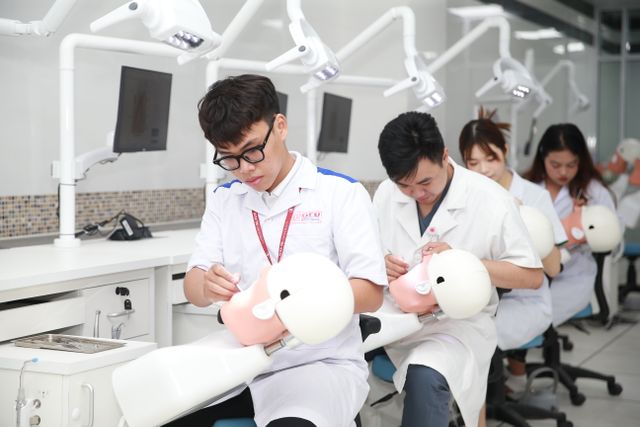
Internships have become one of the most important components of modern education and career development. In an increasingly competitive job market, employers seek candidates who possess more than academic knowledge. They value practical experience, workplace readiness, professional skills, and the ability to apply learning in real-world situations. As a result, internship programs have evolved into essential learning experiences that bridge the gap between classroom education and professional employment.
However, completing an internship alone is not enough. The true value of an internship lies in the learning outcomes it produces. Students, educational institutions, employers, and training platforms must understand whether internships are genuinely contributing to skill development, professional growth, and career readiness. This is where measuring learning outcomes becomes critically important.
Learning outcomes refer to the knowledge, skills, attitudes, behaviors, and competencies that participants acquire during an internship experience. These outcomes help determine whether the internship has successfully achieved its educational and professional objectives. By measuring learning outcomes, students can identify areas of growth, employers can evaluate program effectiveness, and educational platforms can continuously improve learning experiences.
In today's digital learning environment, online internship programs have expanded opportunities for students across geographical boundaries. Platforms such as EasyShiksha have made internships more accessible by integrating practical learning with flexible online education. Through industry-oriented projects, certifications, mentorship opportunities, and skill-based training, EasyShiksha helps students gain meaningful internship experiences while building competencies that align with modern workforce requirements.
Understanding how to measure internship learning outcomes is essential for maximizing the benefits of experiential education. Effective measurement enables learners to recognize progress, demonstrate achievements to employers, and make informed decisions about future career development.
This article explores the importance of measuring learning outcomes from internship programs, examines key indicators of success, discusses methods of evaluation, and highlights how EasyShiksha supports students in transforming internship experiences into measurable professional growth.
Understanding Learning Outcomes in Internship Programs
Learning outcomes represent the specific knowledge, abilities, and competencies students are expected to develop during an internship.
Unlike traditional classroom assessments that focus primarily on academic performance, internship outcomes emphasize practical application. They measure how effectively students transfer theoretical knowledge into professional environments and develop workplace-related capabilities.
Learning outcomes may include technical skills, communication abilities, problem-solving competencies, leadership qualities, teamwork effectiveness, professional behavior, and industry awareness.
EasyShiksha designs internship experiences that focus on meaningful learning outcomes aligned with both educational objectives and employer expectations.
Why Measuring Internship Outcomes Matters
Many students view internships as resume-building activities. While internships certainly strengthen professional profiles, their true purpose extends far beyond obtaining experience certificates.
Measuring outcomes helps determine whether students are actually learning and growing through the internship process. Without evaluation, it becomes difficult to understand the effectiveness of the experience.
Outcome measurement provides valuable insights into skill acquisition, confidence development, workplace readiness, and career preparedness. It allows students to quantify their progress and communicate their achievements more effectively during future job applications and interviews.
EasyShiksha encourages outcome-oriented learning that focuses on measurable professional development rather than participation alone.
Insights from Internship Students: Testimonials
The Evolution of Internship Programs
Internships have evolved significantly over the years.
Traditional internships often focused on observation and exposure. Students spent time learning about workplace environments without necessarily participating in meaningful projects. Modern internships, however, emphasize active engagement, practical contributions, and measurable skill development.
Organizations now expect interns to contribute to projects, collaborate with teams, solve problems, and deliver results. Consequently, evaluating learning outcomes has become increasingly important.
EasyShiksha reflects this modern approach by offering internships that prioritize experiential learning and practical skill development.
Defining Success in Internship Learning
Success in an internship should not be measured solely by completion.
A truly successful internship results in meaningful growth. Students should emerge with enhanced competencies, deeper industry understanding, stronger professional confidence, and improved career readiness.
Success can vary depending on individual goals and internship objectives. For one student, success may involve developing technical expertise. For another, it may involve improving communication skills or gaining leadership experience.
EasyShiksha helps students define and pursue personalized learning objectives that support long-term career development.
Technical Skill Development as a Learning Outcome
One of the most important internship outcomes is technical skill enhancement.
Internships often provide opportunities to apply specialized knowledge in practical contexts. Students may learn software tools, programming languages, digital marketing strategies, design techniques, analytical methods, or industry-specific technologies.
Measuring technical growth involves evaluating proficiency before and after the internship experience.
EasyShiksha internships focus on developing practical technical competencies that align with current industry requirements.
Assessing Communication Skills
Communication is consistently recognized as one of the most valuable workplace skills.
Internships provide opportunities to interact with supervisors, colleagues, clients, and stakeholders. Through these interactions, students improve written communication, verbal expression, presentation abilities, and professional correspondence.
Assessing communication growth helps determine whether interns are becoming more effective collaborators and professionals.
EasyShiksha encourages communication development through project-based learning and workplace simulations.
Evaluating Problem-Solving Abilities
Problem-solving is central to professional success.
Interns frequently encounter challenges that require analysis, critical thinking, and decision-making. Measuring improvements in problem-solving abilities provides valuable insights into a student's professional development.
Evaluation may involve assessing how effectively students identify issues, analyze information, develop solutions, and implement recommendations.
EasyShiksha promotes problem-solving through practical assignments that mirror real-world workplace challenges.
Measuring Adaptability and Flexibility
Modern workplaces are dynamic and constantly evolving.
Internships expose students to changing priorities, new technologies, and unfamiliar environments. Adaptability becomes an important learning outcome because it reflects a student's ability to navigate uncertainty and embrace change.
Students who become more adaptable during internships are often better prepared for long-term career success.
EasyShiksha helps learners develop adaptability through diverse projects and continuous learning opportunities.
Professional Confidence as a Key Indicator
Confidence is often one of the most transformative outcomes of an internship experience.
Many students begin internships with limited workplace exposure and uncertainty about their abilities. As they complete tasks, receive feedback, and achieve results, confidence grows significantly.
Measuring confidence involves evaluating self-perception, willingness to take initiative, and comfort in professional settings.
EasyShiksha supports confidence-building by providing structured learning environments where students can achieve measurable successes.
Workplace Readiness and Professional Behavior
Internships help students understand workplace expectations.
Professional behavior includes punctuality, accountability, ethical conduct, teamwork, communication etiquette, and responsibility. These qualities contribute significantly to employability.
Evaluating workplace readiness helps determine whether students are prepared to transition into professional roles.
EasyShiksha internships emphasize workplace professionalism alongside technical and practical learning.
The Importance of Goal-Based Evaluation
Effective outcome measurement begins with clearly defined goals.
Students should establish learning objectives before starting an internship. These goals provide benchmarks against which progress can be measured.
Goal-based evaluation creates clarity and ensures that internship experiences remain focused on meaningful development.
EasyShiksha encourages learners to identify specific objectives that align with career aspirations and skill-development needs.
Measuring Knowledge Application
Academic knowledge becomes valuable when it can be applied effectively.
Internships provide opportunities to translate classroom concepts into practical solutions. Evaluating knowledge application helps determine whether students can connect theory with practice.
This outcome is particularly important because employers value candidates who can contribute immediately and effectively.
EasyShiksha bridges the gap between education and industry by emphasizing practical application throughout internship experiences.
Feedback as a Measurement Tool
Feedback is one of the most effective methods for evaluating learning outcomes.
Supervisors, mentors, and project managers can provide valuable insights into performance, strengths, and areas requiring improvement. Constructive feedback supports both assessment and growth.
Students who actively seek feedback often experience greater professional development.
EasyShiksha encourages continuous feedback throughout internship programs to maximize learning outcomes.
Self-Assessment and Reflection
Self-assessment plays an important role in measuring internship success.
Reflection allows students to evaluate their experiences, identify lessons learned, recognize achievements, and understand areas for future improvement.
Reflective practices promote deeper learning because they encourage students to think critically about their development.
EasyShiksha supports reflective learning by encouraging learners to document progress and evaluate personal growth.
Portfolio Development as Evidence of Learning
Portfolios provide tangible proof of internship outcomes.
Projects, reports, presentations, case studies, creative work, and documented achievements demonstrate what students have accomplished during internships. Portfolios make learning visible and measurable.
Employers often find portfolios more persuasive than simple statements of experience.
EasyShiksha encourages students to build professional portfolios that showcase practical accomplishments and skill development.
Tracking Productivity and Performance
Performance metrics offer valuable indicators of internship effectiveness.
Students can measure productivity through project completion, quality of work, adherence to deadlines, and contribution to organizational objectives. These metrics provide objective evidence of growth and capability.
Tracking performance helps learners understand how their efforts translate into results.
EasyShiksha promotes accountability and achievement through structured internship assignments.
Measuring Collaboration and Teamwork
Collaboration is essential in most professional environments.
Internships often require students to work with teams, participate in group projects, and contribute to shared objectives. Evaluating teamwork skills helps determine whether students can collaborate effectively.
Successful teamwork reflects communication, cooperation, adaptability, and interpersonal effectiveness.
EasyShiksha fosters collaborative learning experiences that strengthen workplace relationships and team performance.
Leadership Development Through Internships
Leadership skills can emerge even during entry-level internship experiences.
Students may demonstrate initiative, responsibility, decision-making, and the ability to influence outcomes positively. Measuring leadership growth provides insights into future professional potential.
Leadership outcomes are particularly valuable because employers often seek individuals capable of assuming greater responsibilities over time.
EasyShiksha encourages leadership development through project ownership and practical learning opportunities.
Industry Awareness as a Learning Outcome
Internships expose students to industry practices, trends, challenges, and opportunities.
Industry awareness helps learners understand professional environments more comprehensively and make informed career decisions. Measuring this awareness involves evaluating knowledge of industry dynamics and workplace expectations.
EasyShiksha helps students gain relevant industry insights through practical exposure and career-focused education.
Assessing Career Clarity
Many students begin internships uncertain about career goals.
Exposure to real-world work environments often helps learners identify interests, strengths, and professional preferences. Career clarity is therefore an important internship outcome.
Students who gain greater understanding of their desired career paths are better positioned to make strategic educational and professional decisions.
EasyShiksha internships help learners explore career possibilities while developing valuable skills.
Digital Competencies and Modern Employability
As workplaces become increasingly digital, internships often contribute to technological skill development.
Students may learn collaboration tools, project management software, communication platforms, analytics systems, and specialized technologies. Measuring digital competency growth is essential for understanding employability improvements.
EasyShiksha internships support digital literacy and technology adoption across various fields.
Measuring Return on Learning Investment
Students invest significant time and effort into internship programs.
Evaluating learning outcomes helps determine whether this investment generates meaningful returns. These returns may include improved skills, enhanced employability, stronger confidence, professional connections, and career opportunities.
Measuring outcomes ensures that internship experiences provide genuine value.
EasyShiksha focuses on maximizing educational returns through career-oriented internship design.
Data-Driven Evaluation of Internship Success
Modern educational approaches increasingly emphasize data-driven assessment.
Students and organizations can use surveys, performance reviews, skill assessments, project outcomes, certification achievements, and feedback reports to measure internship effectiveness objectively.
Data-driven evaluation supports continuous improvement and informed decision-making.
EasyShiksha utilizes structured learning frameworks that facilitate measurable growth and development.
Long-Term Impact of Internship Learning Outcomes
The benefits of internship learning often extend far beyond the internship period itself.
Skills acquired during internships influence future academic performance, job applications, workplace effectiveness, and career progression. Measuring long-term outcomes helps demonstrate the lasting value of experiential learning.
Students who track ongoing professional growth gain a clearer understanding of how internships contribute to career success.
EasyShiksha supports long-term development by integrating internships with broader educational pathways.
Challenges in Measuring Internship Outcomes
While outcome measurement is valuable, it can be complex.
Some learning outcomes, such as confidence, adaptability, and leadership, are difficult to quantify precisely. Additionally, different internship experiences may produce different types of growth.
Effective evaluation therefore requires a combination of quantitative and qualitative assessment methods.
EasyShiksha addresses these challenges through comprehensive learning frameworks that recognize multiple dimensions of student development.
How EasyShiksha Supports Outcome-Oriented Internship Learning
EasyShiksha recognizes that successful internships should produce measurable educational and professional outcomes. Rather than focusing solely on participation, the platform emphasizes meaningful skill development, practical application, and career readiness.
Through structured internship programs, students gain opportunities to work on real-world projects, develop industry-relevant competencies, and build professional portfolios. EasyShiksha also provides certifications that validate acquired skills and demonstrate achievement to future employers.
The platform's integration of learning, assessment, mentorship, and practical experience enables students to monitor progress and evaluate growth effectively. By aligning internships with modern workforce expectations, EasyShiksha ensures that learners derive maximum value from their experiences.
Whether pursuing technical expertise, communication skills, leadership abilities, or industry exposure, students can use EasyShiksha internships as powerful tools for measurable professional development.
The Future of Internship Outcome Assessment
As education and employment continue to evolve, internship outcome measurement will become increasingly important.
Organizations, educational institutions, and learners will rely more heavily on evidence-based approaches to evaluate learning effectiveness. Advanced assessment methods, digital portfolios, competency-based evaluation systems, and performance analytics will likely play larger roles in future internship programs.
Students who understand the importance of measuring outcomes will be better positioned to demonstrate their capabilities and communicate their value to employers.
EasyShiksha remains committed to supporting outcome-focused learning that prepares students for future professional success.
Conclusion
Internships are among the most valuable educational experiences available to students, but their true value lies not in participation alone but in the learning outcomes they produce. Measuring these outcomes enables students to understand their growth, identify strengths, address weaknesses, and communicate achievements effectively.
Technical skills, communication abilities, problem-solving competencies, adaptability, confidence, workplace readiness, leadership potential, and industry awareness are all important indicators of internship success. By evaluating these factors systematically, learners can maximize the benefits of experiential education and strengthen their professional profiles.
Outcome measurement also helps organizations and educational platforms improve internship design and ensure that learning experiences remain relevant and impactful. In an increasingly competitive job market, evidence of skill development and practical competence can significantly enhance employability.
EasyShiksha plays a vital role in this process by offering internship programs that emphasize measurable growth, practical learning, and career readiness. Through structured projects, certifications, mentorship opportunities, and outcome-oriented education, the platform helps students transform internship experiences into meaningful professional achievements.
Ultimately, the success of an internship should not be measured by the number of weeks completed but by the knowledge gained, skills developed, confidence built, and opportunities created. Students who focus on learning outcomes rather than participation alone will be better prepared to succeed in their careers and thrive in the evolving professional landscape.