Research papers are among the most important academic assignments that students encounter during their educational journey. Whether in school, college, or university, research papers help students develop critical thinking skills, analytical abilities, problem-solving capabilities, and academic writing proficiency. Unlike regular essays, research papers require a systematic approach to gathering information, evaluating evidence, and presenting findings in a structured and credible manner.
Writing a research paper can initially seem overwhelming, especially for students who are new to academic research. The process involves selecting a topic, conducting thorough research, organizing information, developing arguments, citing sources correctly, and presenting conclusions based on evidence. However, when approached methodically, research paper writing becomes an enriching learning experience that enhances both subject knowledge and academic skills.
In today's digital learning environment, students have access to a wide range of educational resources that simplify the research process. Online learning platforms such as EasyShiksha provide learners with access to courses, study materials, skill development programs, and academic guidance that help strengthen research and writing capabilities. These resources enable students to develop the competencies needed to produce high-quality research papers and succeed in their academic pursuits.
Understanding how to write an effective research paper is essential because research skills extend beyond educational institutions. Professionals across industries rely on research to solve problems, make informed decisions, evaluate opportunities, and generate innovative ideas. Therefore, mastering research paper writing contributes not only to academic achievement but also to future career success.
This article provides a comprehensive guide to writing a research paper, covering every stage of the process from topic selection to final editing while highlighting the role of continuous learning through platforms like EasyShiksha.
Understanding the Purpose of a Research Paper
Before beginning the writing process, students must understand the purpose of a research paper. A research paper is an academic document that presents an investigation of a specific topic based on evidence gathered from reliable sources. Its objective is to analyze information, evaluate existing knowledge, and contribute meaningful insights or interpretations.
Research papers are not simply collections of facts. They require students to engage critically with information, identify patterns, compare viewpoints, and develop reasoned arguments supported by evidence.
The research process encourages independent thinking and helps students gain a deeper understanding of their chosen subjects.
By conducting research and presenting findings effectively, students demonstrate their ability to investigate complex issues and communicate ideas professionally.
Choosing the Right Research Topic
The foundation of a successful research paper is a well-chosen topic. Selecting an appropriate topic significantly influences the quality and effectiveness of the final paper.
Students should choose topics that are interesting, relevant, and manageable within the scope of the assignment. A topic that is too broad may result in unfocused research, while one that is too narrow may limit the availability of information.
An ideal topic should allow sufficient opportunities for analysis, discussion, and evidence-based conclusions.
Personal interest in the subject often enhances motivation and makes the research process more engaging and enjoyable.
Investing time in topic selection can save considerable effort during later stages of the research process.
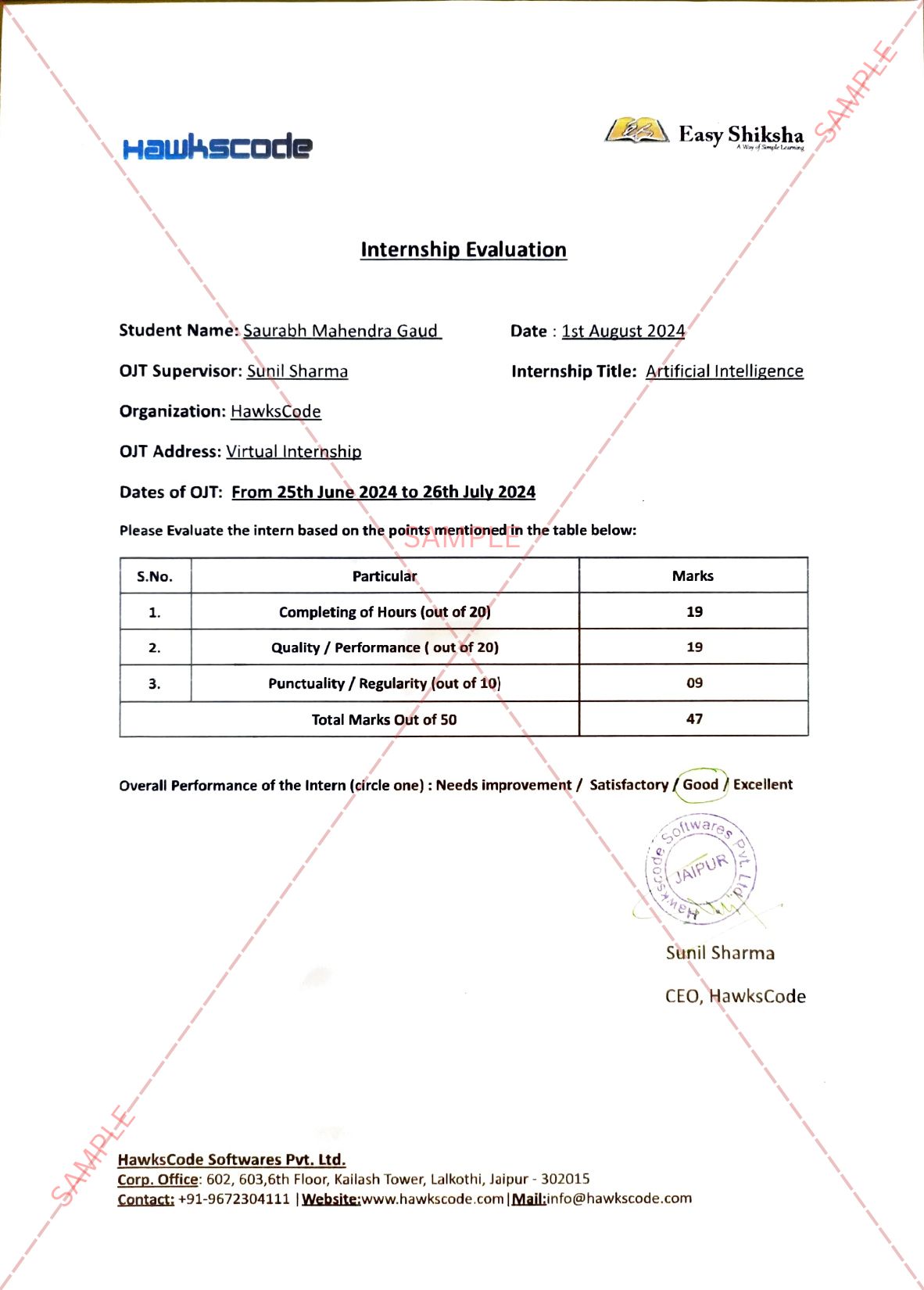
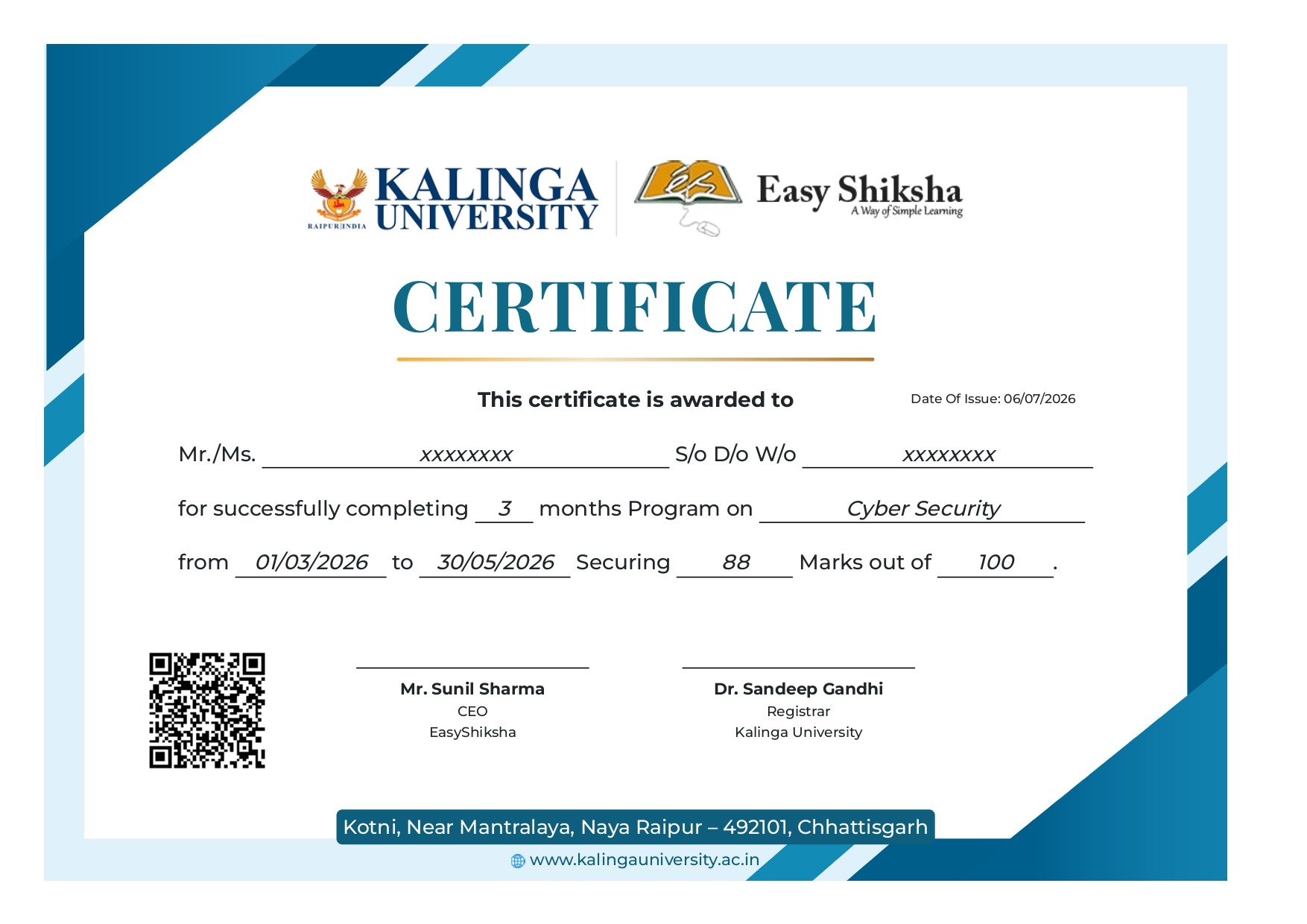
Internship/Training with universally recognized certificates accepted by all Universities and Industries
Join over 1,00,000 students from 300+ universities who have already completed internships with EasyShiksha and are now employed at leading MNCs.
Once a topic has been selected, students should begin preliminary research to gain a general understanding of the subject.
Preliminary research helps identify key concepts, existing debates, important sources, and potential research questions. It also allows students to determine whether sufficient information is available to support a comprehensive study.
This stage often involves reading textbooks, academic articles, journals, reports, and reputable online resources.
The information gathered during preliminary research helps refine the topic and establish a clear direction for the paper.
A strong foundation of background knowledge contributes to more effective analysis and writing.
Developing a Research Question
A research question serves as the central focus of a research paper. It defines the specific issue or problem that the paper seeks to investigate.
An effective research question should be clear, focused, and researchable. It should encourage analysis rather than simple description.
The research question guides the entire investigation by determining what information needs to be collected and analyzed.
Developing a strong question helps maintain focus and ensures that the paper remains organized and coherent.
Students should invest adequate time in refining their research questions before proceeding to more detailed research activities.
Gathering Reliable Sources
The credibility of a research paper depends heavily on the quality of its sources. Students should prioritize reliable and authoritative references when collecting information.
Academic journals, scholarly books, government publications, research reports, and reputable educational websites are generally considered trustworthy sources.
Evaluating source credibility involves examining the author's qualifications, publication date, evidence presented, and overall reputation of the publication.
Using credible sources enhances the accuracy and validity of research findings.
Students should avoid relying solely on unverified online content or opinion-based materials that lack academic credibility.
Organizing Research Materials
As information accumulates, organization becomes increasingly important. Students should develop systems for recording notes, categorizing sources, and tracking important findings.
Organized research materials simplify the writing process and reduce the risk of overlooking valuable information.
Maintaining detailed records of sources is particularly important for citation purposes and academic integrity.
Effective organization allows researchers to identify patterns, compare perspectives, and develop coherent arguments.
Well-organized notes save time and contribute to a more efficient research experience.
Creating a Research Paper Outline
An outline serves as a roadmap for the research paper. It provides structure and helps organize ideas logically before writing begins.
A typical research paper outline includes an introduction, literature review, methodology, analysis, discussion, conclusion, and references.
Outlining helps students arrange information in a logical sequence and identify areas that require additional research.
A clear structure improves readability and ensures that arguments develop coherently throughout the paper.
Creating an outline before writing often results in stronger organization and more effective communication.
Writing an Effective Introduction
The introduction establishes the context for the research paper and captures the reader's attention.
A strong introduction provides background information, explains the significance of the topic, presents the research question, and outlines the purpose of the study.
The introduction should clearly communicate what the paper aims to achieve and why the topic is important.
Readers should gain a clear understanding of the paper's focus and direction from the introductory section.
An engaging introduction encourages continued interest in the research findings.
Conducting a Literature Review
The literature review examines existing research related to the chosen topic. Its purpose is to summarize current knowledge, identify gaps, and establish the context for the study.
Rather than simply listing sources, students should analyze and compare findings from different researchers.
The literature review demonstrates familiarity with the subject and provides a foundation for the paper's arguments and conclusions.
A thorough review helps position the research within the broader academic conversation.
This section also highlights how the current study contributes to existing knowledge.
Presenting Methodology
The methodology section explains how the research was conducted. Depending on the assignment, methodology may involve surveys, interviews, experiments, observations, case studies, or secondary data analysis.
The objective of this section is to provide transparency and allow readers to understand the research process.
A clearly described methodology enhances the credibility and reliability of the study.
Students should explain why specific methods were chosen and how they support the research objectives.
Accurate documentation of methodology is essential for academic rigor.
Analyzing Research Findings
Analysis is one of the most important components of a research paper. In this section, students interpret data, evaluate evidence, and connect findings to the research question.
Effective analysis goes beyond description by explaining the significance of the results and identifying relationships or patterns.
Students should support their interpretations with evidence and maintain logical reasoning throughout the discussion.
Analytical thinking demonstrates a deeper understanding of the subject and contributes to the overall quality of the paper.
Strong analysis distinguishes excellent research papers from merely informative reports.
Developing Logical Arguments
Research papers often require students to develop arguments supported by evidence. Logical arguments involve presenting claims, providing supporting data, and explaining how the evidence supports the conclusions.
Arguments should be clear, coherent, and free from unsupported assumptions.
Students should anticipate alternative perspectives and address potential counterarguments when appropriate.
Well-developed arguments strengthen the persuasiveness and credibility of the paper.
Critical thinking and analytical reasoning are essential for constructing compelling academic arguments.
Document
#AbIndiaSikhegaGharSe
Online Internships for Students
EasyShiksha offers comprehensive online virtual internship programs tailored for students, graduates, freshers, and working professionals seeking academic advancement and upskilling certifications.
Get Job-Ready with Our Online Summer Internship 2025 Opportunities
Explore our wide selection of online job-ready internships featuring globally recognized certificates accepted by universities, colleges, and companies worldwide.
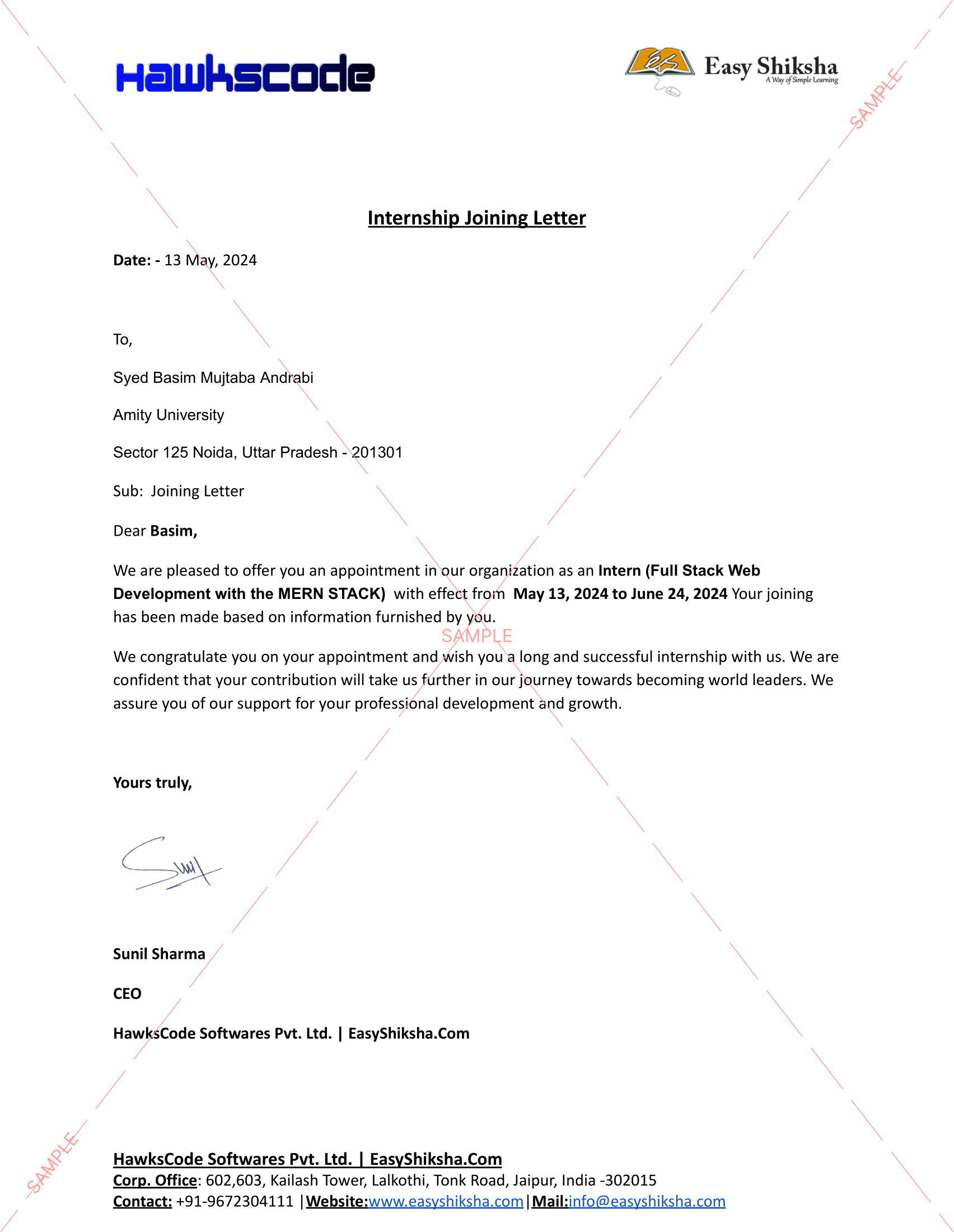
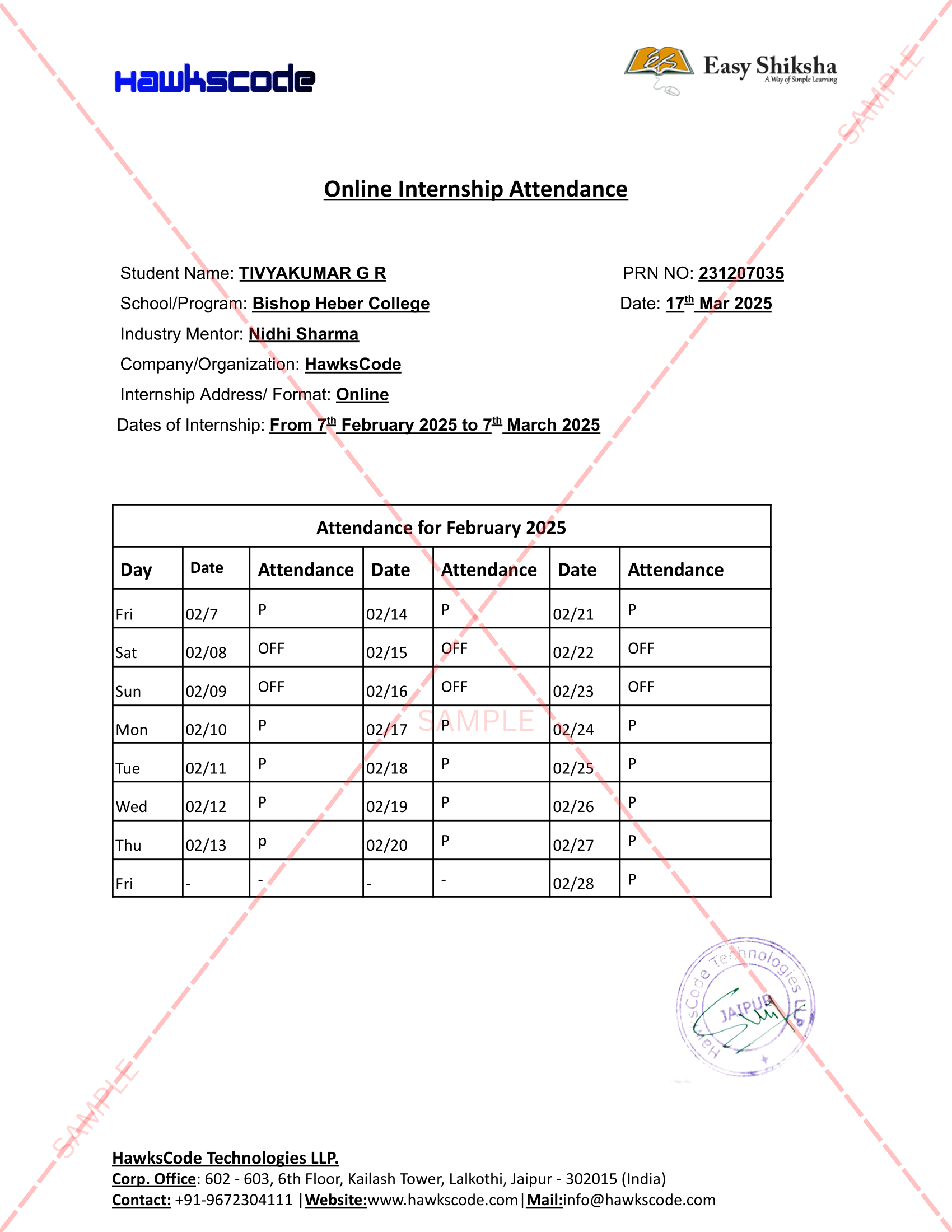
Obtain two authorized certificates recognized by universities & corporates.
Access our 100% online internships at genuine price.
Choose from flexible internship durations ranging from 2 weeks to 6 months.
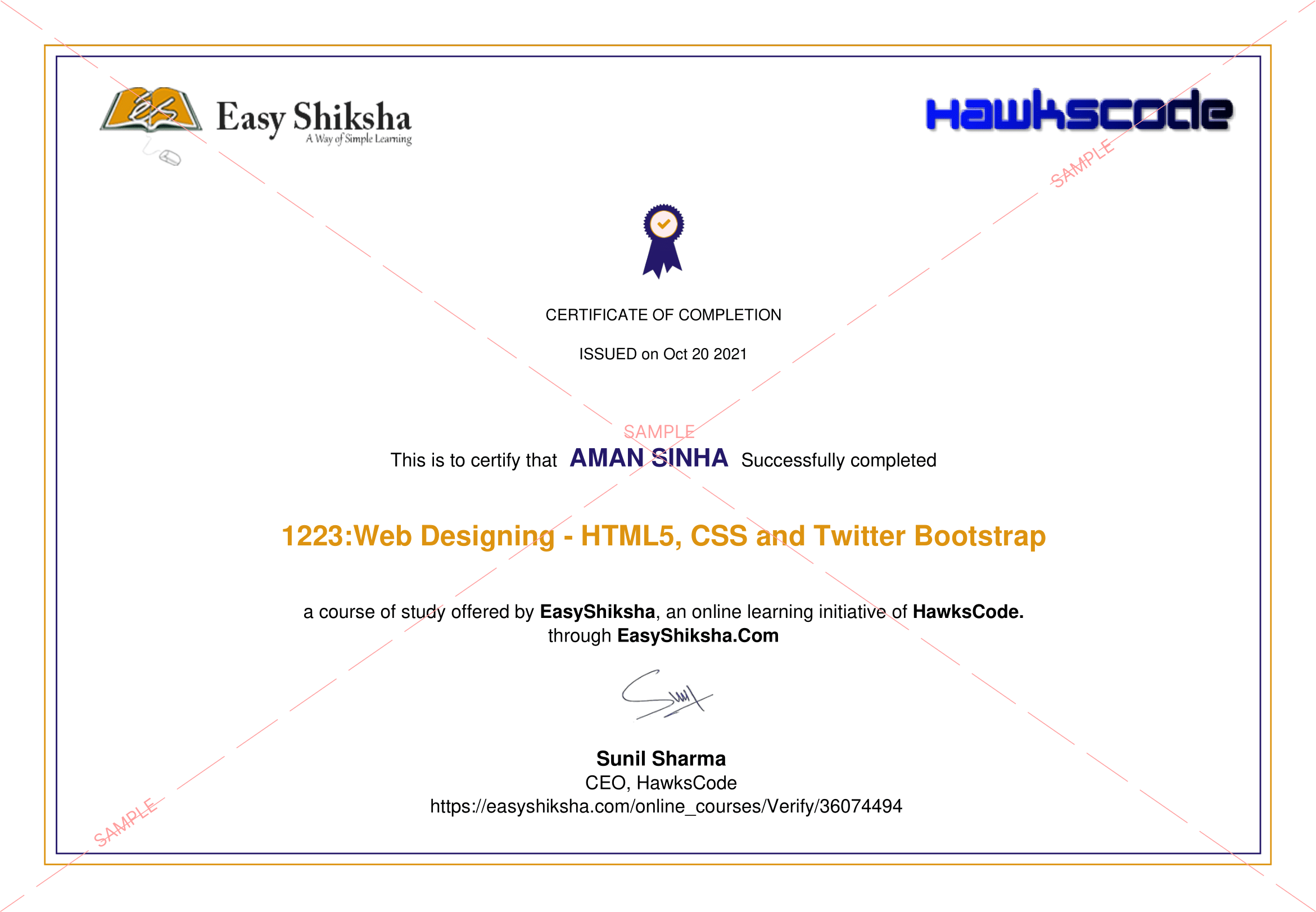
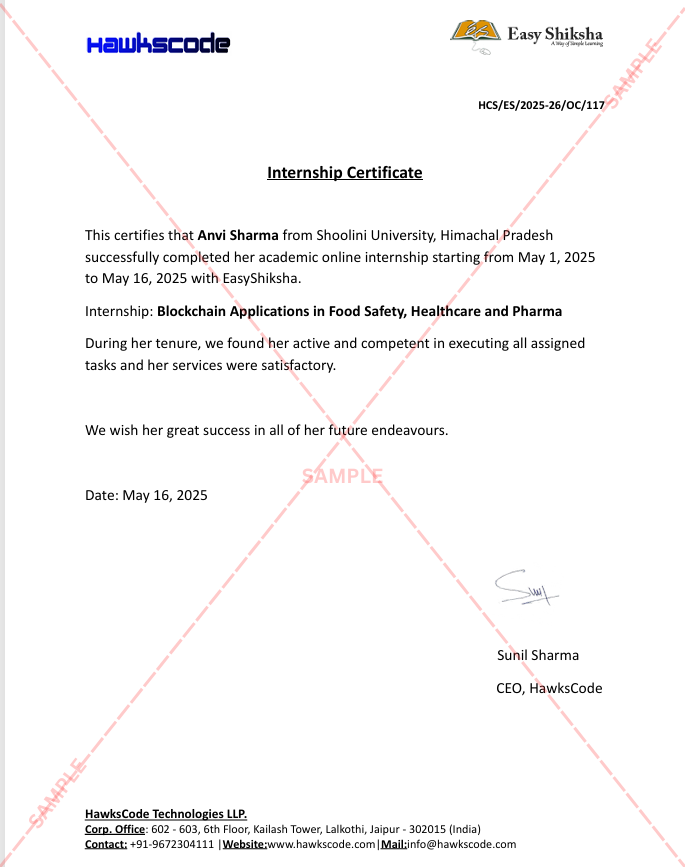
Upon completion, you will receive two certificates: an Internship Certificate and a Course Completion Certificate
Learn conveniently anytime, anywhere.
Access learning materials seamlessly via web or mobile. (Download App)
The conclusion brings the research paper to a meaningful close by summarizing key findings and discussing their implications.
A strong conclusion reinforces the significance of the research and answers the central research question.
Rather than introducing new information, the conclusion synthesizes the main points and highlights their broader relevance.
The final section should leave readers with a clear understanding of the study's contributions and potential areas for future research.
An effective conclusion enhances the overall impact of the paper.
The Importance of Proper Citation
Academic integrity is a fundamental principle of research writing. Proper citation acknowledges the contributions of other researchers and prevents plagiarism.
Students must follow the citation style specified by their institution, such as APA, MLA, Chicago, or Harvard formats.
Accurate citations demonstrate professionalism and enhance the credibility of the paper.
Maintaining detailed source records throughout the research process simplifies citation management.
Understanding citation practices is an essential academic skill that supports ethical research conduct.
Revising and Editing the Paper
Writing a research paper does not end with the first draft. Revision and editing are critical steps that improve clarity, coherence, and accuracy.
During revision, students should evaluate the organization of ideas, strength of arguments, and overall flow of the paper.
Editing focuses on grammar, punctuation, formatting, spelling, and sentence structure.
Careful review helps identify inconsistencies, errors, and areas requiring clarification.
High-quality research papers result from multiple rounds of refinement and improvement.
Leveraging Technology for Research and Writing
Technology has transformed academic research by providing access to digital libraries, databases, citation tools, and writing software.
Students can use technology to streamline information gathering, organize sources, and improve writing efficiency.
Online learning platforms also offer valuable resources for developing research and academic writing skills.
Digital tools should complement critical thinking rather than replace independent analysis and judgment.
When used effectively, technology enhances both the quality and efficiency of research projects.
How EasyShiksha Supports Research and Academic Writing Skills
EasyShiksha provides students with valuable educational resources that support research paper writing and academic development. Through online courses, skill-building programs, and learning materials, students can strengthen their research, writing, communication, and analytical abilities.
The platform's flexible learning environment allows students to explore subjects independently and acquire skills that enhance academic performance.
Courses related to communication, critical thinking, information analysis, and professional development contribute directly to effective research practices.
EasyShiksha empowers learners to become more confident researchers and writers by providing accessible educational opportunities that support continuous growth.
By promoting self-paced learning and skill development, the platform helps students prepare for academic success and future professional challenges.
Common Mistakes to Avoid
Many students encounter difficulties during the research paper writing process due to common mistakes. Poor topic selection, inadequate research, weak organization, unsupported arguments, and improper citations can negatively impact the quality of a paper.
Rushing through the writing process often leads to errors and missed opportunities for deeper analysis.
Students should allocate sufficient time for research, planning, writing, and revision.
Attention to detail and commitment to academic standards significantly improve research outcomes.
Learning from mistakes is an important part of becoming a more effective researcher and writer.
Conclusion
Writing a research paper is a valuable academic exercise that develops critical thinking, analytical reasoning, communication skills, and subject expertise. Although the process may appear challenging initially, a structured approach makes it manageable and rewarding.
From selecting a meaningful topic and conducting thorough research to organizing information, developing arguments, and presenting evidence-based conclusions, every stage contributes to the overall quality of the final paper. Effective research writing requires patience, discipline, curiosity, and attention to detail.
In today's digital learning environment, platforms such as EasyShiksha provide students with valuable resources that support academic success and skill development. Through accessible courses and educational tools, EasyShiksha helps learners strengthen the competencies necessary for effective research and professional communication.
Ultimately, mastering the art of research paper writing is not only beneficial for academic achievement but also for lifelong learning and career advancement. By approaching research with curiosity, integrity, and determination, students can produce meaningful work that contributes to knowledge, personal growth, and future success.
Anshika Jain is an Engineer, Developer, and Educational Content Author known for her dedication to technology and knowledge sharing. With a strong analytical mindset and a passion for innovation, she has consistently contributed to creating meaningful digital solutions and insightful educational articles.
Her ability to simplify complex technical concepts into engaging and easy-to-understand content makes her work valuable for students and learners across various platforms. Along with her technical expertise, Anshika is admired for her creativity, professionalism, and commitment to continuous learning.
She represents a perfect blend of technical excellence and impactful communication, inspiring others through both her development work and educational contributions.