Online education has become an important part of modern skill development. Students, graduates, working professionals, and lifelong learners increasingly use digital learning platforms to acquire new knowledge, prepare for careers, improve professional skills, and explore subjects outside traditional classrooms. Platforms such as EasyShiksha make online education more accessible by providing learners with opportunities to study through digital courses, develop practical skills, complete internships, and work toward certifications.
However, simply providing educational content does not guarantee effective learning. A learner can watch an hour-long video, read several pages of course material, and still struggle to remember or apply the information later. This is one of the reasons interactive quizzes have become such an important part of modern online learning.
Interactive quizzes do much more than test students after they finish a lesson. When designed effectively, they can become an active part of the learning process. They encourage learners to recall information, identify knowledge gaps, receive immediate feedback, reinforce important concepts, and remain engaged with their courses.
For an online learning app such as EasyShiksha, interactive quizzes can help transform courses from passive content libraries into more engaging learning experiences. Instead of simply consuming information, learners are encouraged to think, respond, evaluate their understanding, and continue learning based on their performance.
The growing integration of artificial intelligence, adaptive learning, gamification, and learning analytics is making quizzes even more powerful. Modern digital assessments can potentially adapt to a learner's level, recommend additional practice, and provide personalized feedback.
Understanding how interactive quizzes improve online education helps explain why assessment should not be considered merely the final stage of a course. It can be an essential part of the learning journey itself.
What Are Interactive Quizzes?
An interactive quiz is a digital assessment that requires learners to actively respond to questions or challenges. Unlike passive educational content, quizzes require the learner to retrieve information, make decisions, solve problems, or select an appropriate answer.
A simple multiple-choice question is already interactive because it requires a response. However, modern online quizzes can go much further. They can include scenario-based questions, matching exercises, true-or-false questions, image-based questions, problem-solving activities, simulations, and adaptive assessments.
The purpose is not simply to determine whether an answer is right or wrong. An effective interactive quiz creates a learning interaction between the learner and the course.
A learner reads a concept, attempts a question, receives feedback, thinks about the result, and then continues learning. This process makes assessment part of instruction.
Why Passive Learning Is Not Always Enough
Watching videos and reading educational material are valuable ways to acquire information, but they do not necessarily require learners to actively retrieve what they have learned.
A learner may feel that they understand a concept while watching an instructor explain it. However, when asked to answer a question without looking at the material, they may discover that they cannot recall the information accurately.
This difference is important. Recognizing information and recalling information are not exactly the same thing. Interactive quizzes force learners to retrieve knowledge. The act of trying to remember an answer can strengthen learning and reveal areas that require further study.
This is one reason retrieval practice has become an important concept in educational psychology. Research on testing and retrieval practice has repeatedly demonstrated that attempting to retrieve information can contribute to long-term retention.
For an online platform such as EasyShiksha, incorporating frequent quizzes into courses can therefore help learners move beyond simply consuming content.
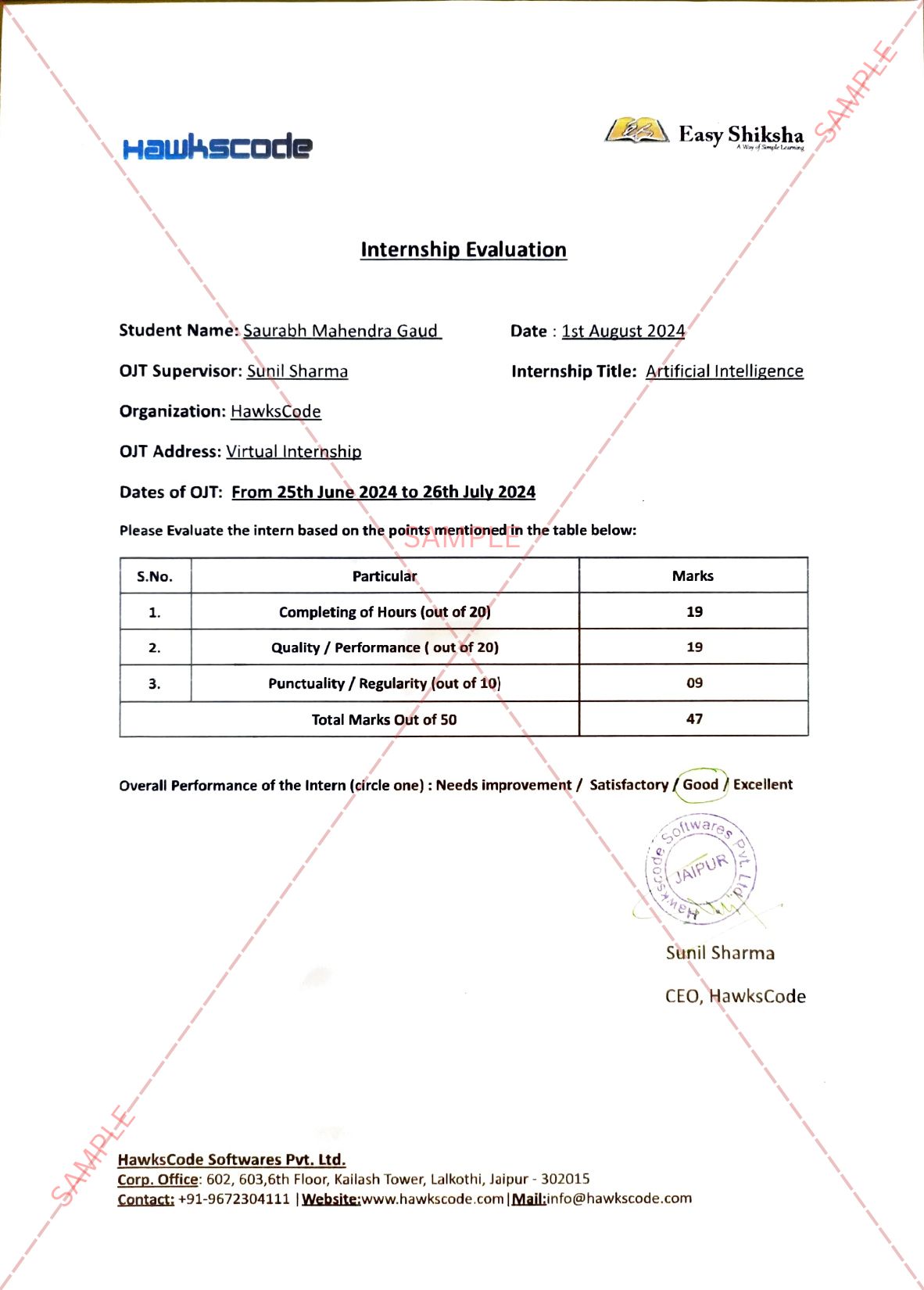
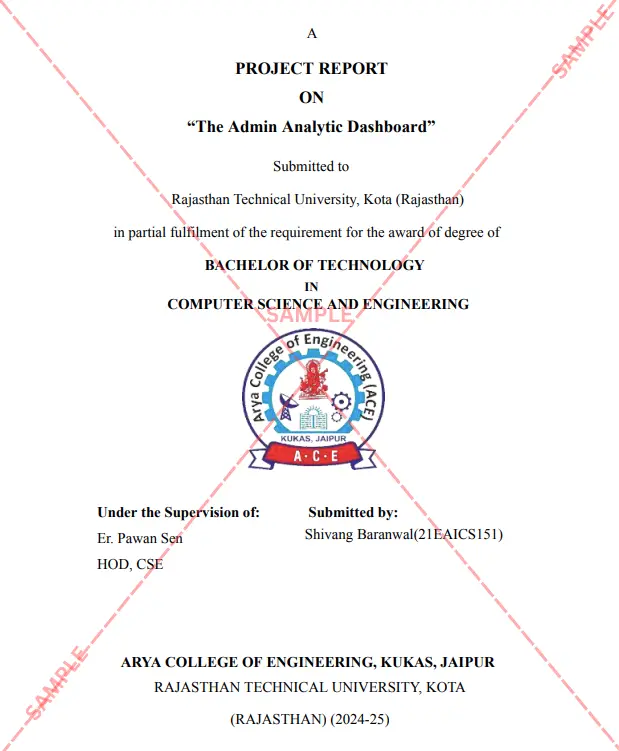
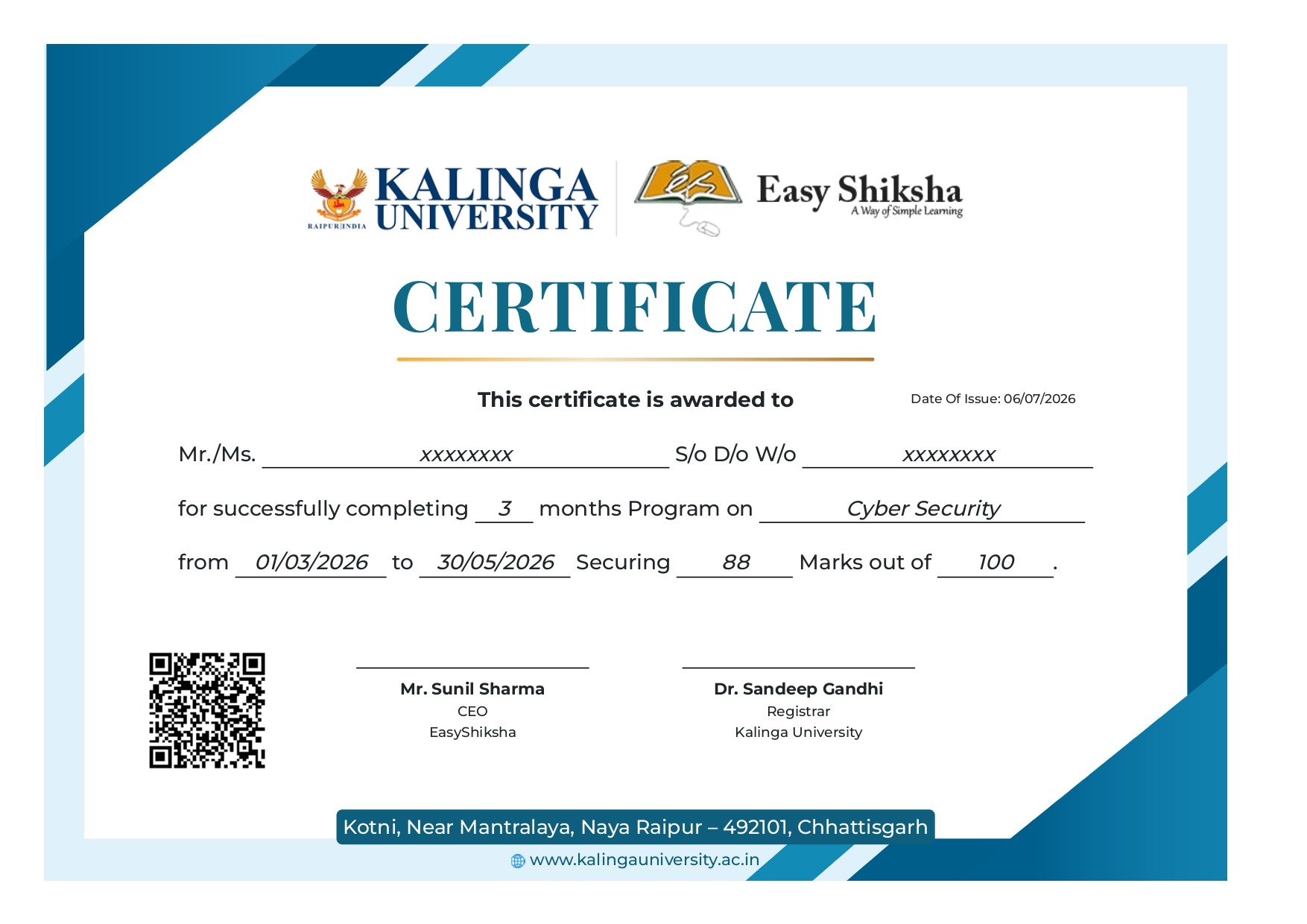
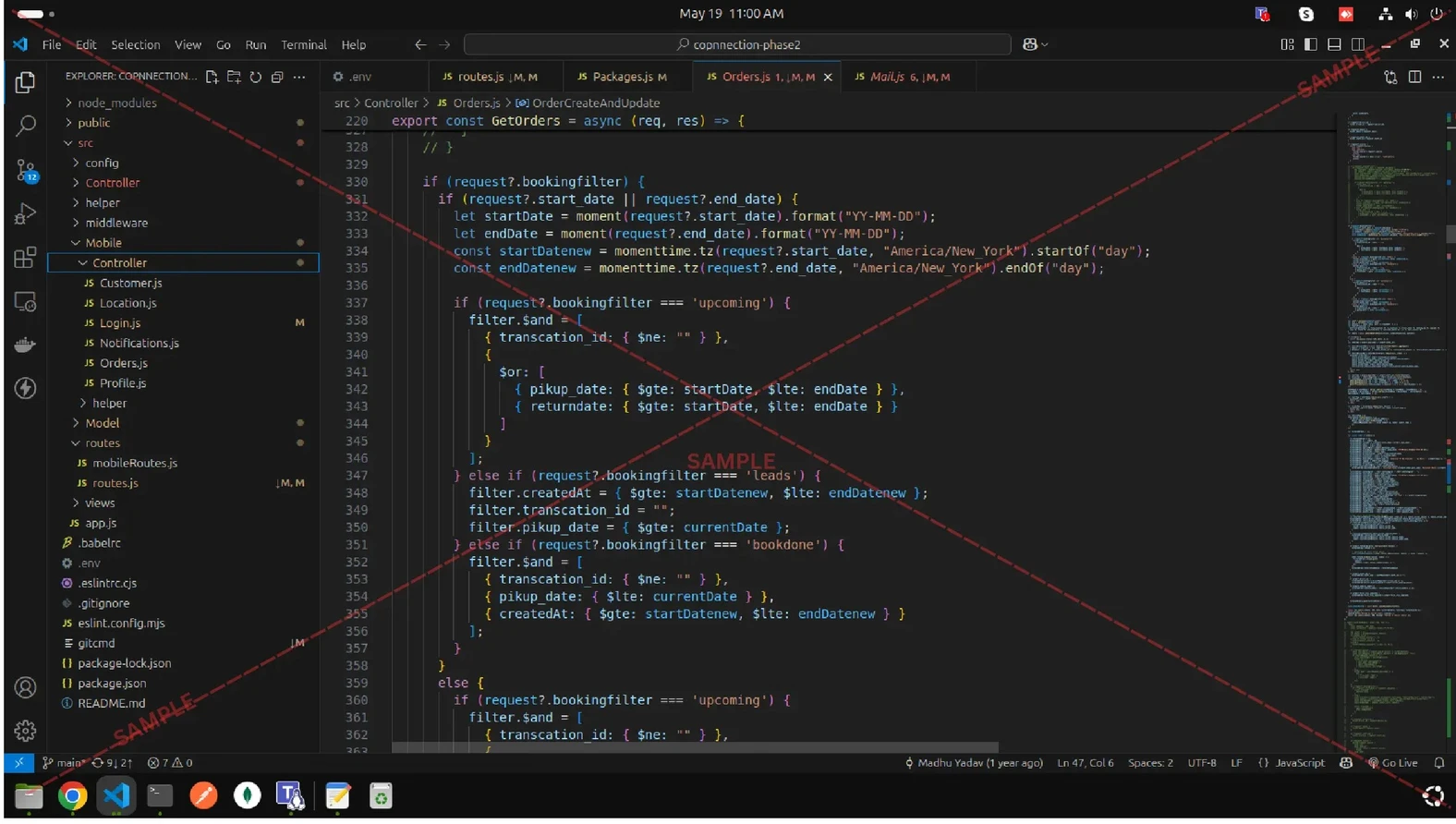
Insights from Internship Students: Testimonials
Quizzes Encourage Active Recall
Active recall is the process of attempting to retrieve information from memory rather than simply reviewing it. Suppose a learner completes a lesson explaining the basics of Python programming. Immediately afterward, the learner is asked which statement correctly describes a Python function.
The learner must recall the concept without simply rereading the lesson. If the answer is correct, the learner receives confirmation that the concept has been understood. If the answer is incorrect, the learner receives an opportunity to identify the gap.
This makes the quiz a learning activity rather than merely an examination. Repeated retrieval across a course can help learners strengthen their ability to recall important concepts when they need them.
Immediate Feedback Makes Learning More Effective
One of the greatest advantages of digital quizzes is immediate feedback.
In a traditional classroom, students may complete an assignment and wait hours or days before receiving corrections. During that time, they may continue thinking about a concept incorrectly. Online quizzes can provide feedback immediately.
When a learner selects an incorrect answer, the platform can explain the correct concept, provide a short explanation, or recommend additional learning material.
For example, an EasyShiksha learner completing a digital marketing course may answer a question incorrectly about search engine optimization. Instead of simply displaying a red mark, an interactive quiz could explain the underlying concept and direct the learner back to the relevant lesson.
This closes the feedback loop quickly. The learner knows what happened, understands why it happened, and has an opportunity to improve before moving forward.
Quizzes Help Identify Knowledge Gaps
Every learner has different strengths and weaknesses. A student may understand theoretical concepts but struggle with practical application. Another may perform well in basic lessons but have difficulty with advanced concepts.
Without assessment, these differences can remain hidden. Interactive quizzes provide measurable evidence.
Suppose a learner completes ten questions about a particular topic and consistently gets questions related to one concept wrong. That pattern may indicate a knowledge gap. The learner can then revisit the relevant lesson rather than unnecessarily repeating material they already understand.
For EasyShiksha, this type of learning structure can make online courses more efficient. Instead of asking every learner to study every concept repeatedly, assessment results can help guide learners toward the areas that require attention.
Quizzes Improve Learner Engagement
Maintaining engagement is a major challenge in online education.
Learners often study independently, without the physical presence of teachers or classmates. Distractions can make it easy to pause a course, postpone a lesson, or lose motivation. Interactive quizzes introduce regular moments of participation.
After watching a lesson, the learner is not simply asked to continue watching another video. They are asked to think and respond. This creates a rhythm within the course.
Learn. Think. Answer. Receive feedback. Improve. Continue.
Such interactions can make digital learning feel more dynamic. Quizzes can also provide learners with a sense of progress. Answering questions correctly can reinforce the feeling that they are actually mastering the material.
Interactive Quizzes Break Long Lessons Into Manageable Activities
Long educational sessions can become overwhelming. A learner may be able to concentrate effectively for a limited period before attention begins to decline.
Interactive quizzes can break longer courses into smaller learning segments. An online course might present a short video followed by five questions, then another lesson followed by another short assessment.
This structure creates natural checkpoints. Learners can pause after completing a quiz and return later without losing track of their progress.
For learners using EasyShiksha on mobile devices, this can be particularly useful. Someone may have only a short amount of time available during a break or commute and can complete a small lesson and quiz rather than attempting an entire course in one sitting.
Quizzes Support Spaced Learning
Effective learning is rarely achieved by studying everything once. Learners often need to revisit concepts at different times before information becomes deeply established in memory.
Interactive quizzes can support spaced learning by bringing important concepts back at appropriate intervals.
For example, a concept introduced on Monday may appear in a short revision quiz later in the week. The same concept could appear again in a more advanced question several weeks later. Each retrieval opportunity provides another chance to strengthen understanding.
An online learning app can automate these revision opportunities, potentially making long-term learning more structured than simply relying on learners to remember when they should revise.
Interactive Quizzes Can Make Revision More Efficient
Revision is often difficult because learners do not always know what they should revise.
Some students reread an entire chapter even though they already understand most of it. Others focus on topics they enjoy and neglect areas where they struggle. Quiz performance can provide a more objective picture.
If a learner consistently answers questions about one topic correctly, extensive revision may not be necessary. If performance is weak in another area, additional study may be more valuable. This can make revision more targeted.
For EasyShiksha learners preparing for certifications, interviews, internships, or professional applications, targeted revision can help them use their study time more effectively.
Quizzes Can Build Confidence
Confidence plays an important role in learning. A learner may understand a concept but remain uncertain about whether they can apply it. Interactive quizzes provide frequent opportunities to measure progress.
When learners consistently answer questions correctly, they receive evidence that their knowledge is improving.
Even incorrect answers can contribute positively when feedback explains the mistake and provides a path toward improvement. The goal should not be to create anxiety around assessment. Instead, quizzes should be positioned as opportunities for practice.
This changes the learner's relationship with mistakes. An incorrect answer becomes information about what to learn next rather than simply a failure.
Scenario-Based Quizzes Make Learning More Practical
One limitation of basic multiple-choice questions is that they may test recognition without requiring deeper application. Scenario-based quizzes can address this issue.
Instead of asking a learner to define project management, a quiz could describe a project experiencing delays and ask what the learner should do next.
Instead of asking a cybersecurity learner to define phishing, the quiz could present a realistic email scenario and ask the learner to identify warning signs.
Instead of asking a marketing learner to memorize a term, the quiz could provide a business situation and ask which strategy would be most appropriate. These questions require learners to apply knowledge rather than simply remember definitions. This makes interactive quizzes particularly useful for career-oriented courses.
Quizzes Can Connect Theory With Practical Skills
Online learning is increasingly focused on employability and skill development. Students do not simply want theoretical knowledge. They want to know whether they can use that knowledge in real situations. Interactive quizzes can help bridge this gap.
A programming course can ask learners to predict the output of a piece of code. A finance course can present a simple financial scenario and ask learners to choose an appropriate action.
A communication course can present a workplace conversation and ask learners to identify the most effective response.
These activities make assessment more closely related to practical application. For EasyShiksha, this is particularly relevant because skill-based education can benefit from assessments that measure understanding as well as application.
Gamification Can Make Quizzes More Engaging
Gamification involves incorporating selected game-like elements into non-game experiences. Online quizzes can use scores, progress indicators, achievement levels, streaks, challenges, and other mechanisms to make participation more engaging.
The objective should not be to turn education into a game at the expense of learning. Instead, gamification can provide additional motivation.
For example, learners may receive recognition for completing a series of quizzes, maintaining consistent study activity, or improving their performance.
A progress indicator can also help learners visualize how far they have come. When thoughtfully implemented, these elements can make learning feel more rewarding without replacing the educational purpose of the quiz.
AI Can Make Quizzes More Personalized
Artificial intelligence is creating new possibilities for interactive assessment. Traditional quizzes usually present the same questions to every learner.
AI-powered systems can potentially analyze performance and adjust subsequent questions. If a learner answers basic questions correctly, the system can introduce more challenging questions. If the learner struggles, the system can provide easier questions or additional practice.
This is known as adaptive assessment. AI can also potentially generate questions around specific topics, create different versions of assessments, identify recurring mistakes, and recommend resources based on performance.
For an online learning platform such as EasyShiksha, AI-powered assessment could eventually make quizzes more personalized to individual learners.
- Career Helper suggests occupations that correspond to your interests, values, aspirations, and personality.
-
Career Helper consists of:
- IQ Test
- Basic Test
- Advance Test
- Psychometric Test
- Know your talents, skills, strengths, and weaknesses.
- Choose the profession that suits you best.
- Get best career guidance by Experts.
- Explore various career options in India with EasyShiksha.
Adaptive Quizzes Can Adjust Difficulty
Consider two learners taking the same course. Learner A answers almost every introductory question correctly. Learner B struggles with basic concepts.
If both learners receive exactly the same sequence of questions, the assessment may not accurately reflect their needs. An adaptive quiz can respond differently.
Learner A can receive more advanced questions that challenge their understanding. Learner B can receive additional foundational questions and explanations. This creates a more individualized learning experience. The goal is not to make one learner feel better than another. It is to make the learning challenge appropriate for each individual's current level.
Quizzes Can Encourage Deeper Thinking
Well-designed quizzes do not have to focus entirely on factual recall. Questions can require learners to compare concepts, interpret information, analyze situations, identify relationships, predict outcomes, and make decisions.
For example, instead of asking a learner to define artificial intelligence, a course could describe a business problem and ask which type of AI application would be most appropriate.
Instead of asking a learner to memorize a programming syntax rule, a question could provide a code example and ask the learner to determine the result.
These questions encourage higher-order thinking. For professional courses, this is particularly valuable because workplace problems rarely appear as simple definitions.
Interactive Quizzes Can Support Different Types of Learners
Learners differ in their educational backgrounds, prior knowledge, confidence, and preferred ways of interacting with content. Interactive quizzes can provide variety through different question formats.
Visual questions can require learners to interpret diagrams or images. Scenario questions can provide realistic situations. Problem-solving questions can require calculations or reasoning. Matching activities can help learners connect concepts.
This variety can make assessments more inclusive and engaging.
It is important, however, not to assume that every learner belongs permanently to a single learning-style category. Effective personalization should consider actual performance and learning needs rather than relying entirely on fixed labels.
Quizzes Provide Valuable Data for Course Improvement
Interactive assessments do not only provide information about learners. They can also provide valuable information about courses. Suppose thousands of learners repeatedly answer the same question incorrectly.
That may indicate that the concept is genuinely difficult.
However, it could also indicate that the question is poorly worded, the lesson explanation is unclear, or the correct answer is ambiguous. Learning analytics can help course creators identify these patterns.
An online learning platform can use aggregate assessment data to improve lessons, clarify explanations, redesign questions, and identify areas where learners frequently struggle. This creates a feedback loop for course development itself.
Quizzes Can Improve Learning Retention
One of the biggest goals of education is long-term retention. Completing a course is not the same as remembering its content months later.
Interactive quizzes can support retention by requiring learners to retrieve knowledge repeatedly. A learner may complete a lesson about Excel formulas today and answer a quiz immediately. Later, a revision quiz can test the same concept in a different context.
Over time, this repeated retrieval can make knowledge easier to access. For EasyShiksha learners who want to develop skills for long-term career use, retention is especially important.
Quizzes Can Support Certification Preparation
Many learners use online courses to prepare for certifications or professional assessments. Interactive quizzes can help learners become familiar with assessment formats and identify areas where additional study is necessary.
Instead of waiting until the end of a course to discover weaknesses, learners can receive feedback throughout their learning journey.
Practice assessments can also help learners develop confidence in applying concepts under test conditions.
For EasyShiksha, integrating structured quizzes into certificate-oriented courses can make the learning experience more comprehensive.
Mobile Learning Makes Interactive Quizzes More Accessible
The popularity of smartphones has made mobile learning increasingly important. Learners do not necessarily study only at desks. They may learn during breaks, while travelling, at home, or between other responsibilities.
Interactive quizzes are particularly suitable for mobile learning because many can be completed in a few minutes.
A learner can open the EasyShiksha app, complete a short revision quiz, review incorrect answers, and continue with the course. This supports flexible learning without requiring a long uninterrupted study session.
Designing Better Interactive Quizzes
The effectiveness of a quiz depends on its design. Questions should be clearly connected to learning objectives. They should measure meaningful knowledge or skills rather than confuse learners with unnecessary complexity.
Incorrect options should be plausible enough to require thought, but not misleading. Feedback should explain important concepts rather than simply display “correct” or “incorrect.”
The number of questions should also be appropriate. A short quiz after a lesson can reinforce key ideas, while longer assessments can be used for broader evaluation. Most importantly, quizzes should contribute to learning rather than become obstacles that learners simply try to pass.
The Role of Feedback in Better Online Learning
Feedback is arguably one of the most valuable elements of an interactive quiz. A learner who chooses the wrong answer should ideally understand what went wrong.
For example, if a learner answers a question about programming incorrectly, the feedback could explain the relevant rule and provide a short example.
If the learner makes a mistake in a business scenario, the feedback could explain why another decision would be more appropriate.
This transforms the quiz from a measurement tool into a teaching tool. For EasyShiksha, detailed and meaningful feedback can make quizzes more valuable to learners because every question becomes another opportunity to understand the subject.
Interactive Quizzes and the Future of EasyShiksha
The future of online learning is likely to involve increasingly integrated learning experiences. Courses may combine videos, reading material, interactive activities, simulations, projects, internships, AI assistance, and adaptive assessments.
Interactive quizzes can serve as the connective layer between these components. A learner can watch a lesson, complete a quiz, receive personalized recommendations, practice a skill, and then complete a more advanced assessment. The result is a learning journey rather than a simple sequence of videos.
For EasyShiksha, this model aligns naturally with the growing demand for practical, flexible, and career-oriented digital education.
Conclusion
Interactive quizzes are much more than digital versions of traditional tests. When designed effectively, they can become an essential component of online learning.
They encourage active recall, improve engagement, identify knowledge gaps, provide immediate feedback, support revision, strengthen retention, and help learners measure their progress. Scenario-based and application-oriented questions can also connect theoretical knowledge with practical situations.
The integration of artificial intelligence can take interactive assessment even further by making quizzes adaptive and personalized. Instead of giving every learner exactly the same questions, future learning platforms can potentially adjust difficulty, recommend revision, identify recurring weaknesses, and create targeted learning experiences.
For an online learning app such as EasyShiksha, interactive quizzes can help transform digital courses into more active and engaging educational experiences. A learner can move from watching a lesson to answering questions, receiving feedback, practicing concepts, and applying knowledge.
This creates an important shift in online education: learning is no longer simply about consuming content. It is about interacting with knowledge.
As online education continues to evolve, the most effective platforms will increasingly focus not only on how much educational content they provide but also on how effectively learners interact with, understand, practice, and retain that content.
Interactive quizzes are an important part of that transformation. They turn moments of assessment into moments of learning and help make online education more engaging, measurable, personalized, and practical for today's learners.