


















M.Lib - Master of Library and Information Science
Explore university Master of Library and Information Science (M.Lib) and programs in India on EasyShiksha. Discover relevant certification programs and find options for enrollment.
What Is M.Lib?
Master of Library Science (M.Lib) is a postgraduate programme designed for learners seeking advanced knowledge and professional skills in library and information services. The programme builds on foundational concepts of Library and Information Science and explores the management, organisation, preservation and retrieval of information resources across traditional and digital environments.
M.Lib programmes may cover areas such as advanced library management, information systems, digital libraries, information retrieval, documentation, knowledge management, research methods and library automation. The programme can be relevant for graduates who want to develop specialised expertise for careers in academic libraries, public libraries, research institutions, information centres, documentation services and other knowledge-based organisations.
The curriculum, eligibility, duration and learning mode can vary by university. Students should therefore review the specific programme requirements before applying. EasyShiksha helps students explore and compare university programmes based on factors such as qualification, eligibility, duration, programme mode, curriculum and other academic details.
A program that pairs recognition with real skills
UGC-Recognised Degree
Same institutional recognition as a conventional Bachelor's degree.
Industry-Aligned Curriculum
Built with Sector Skill Councils, not just academic departments.
Direct Employability
Hands-on skill components designed for job-readiness, not just theory.
Universities offering these programs
Compare accreditation and programme count before choosing where to apply.
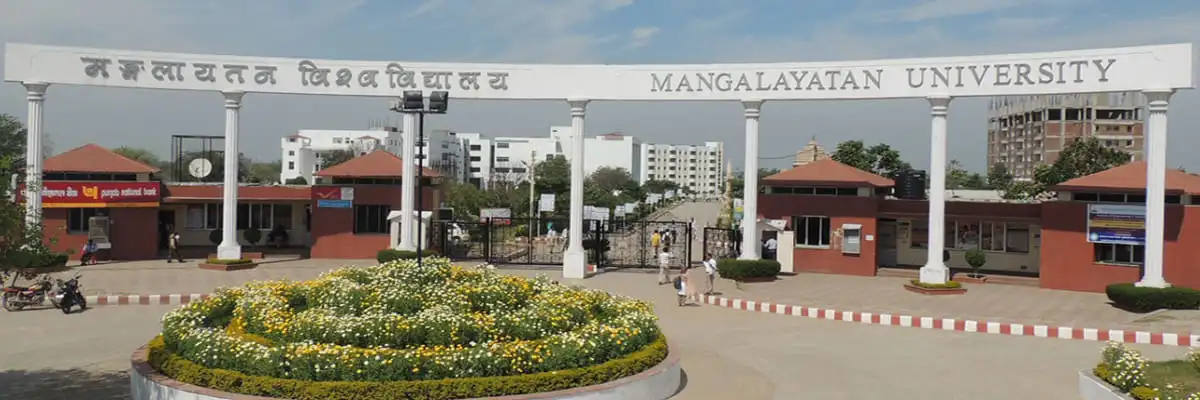
 Mangalayatan University
Mangalayatan University
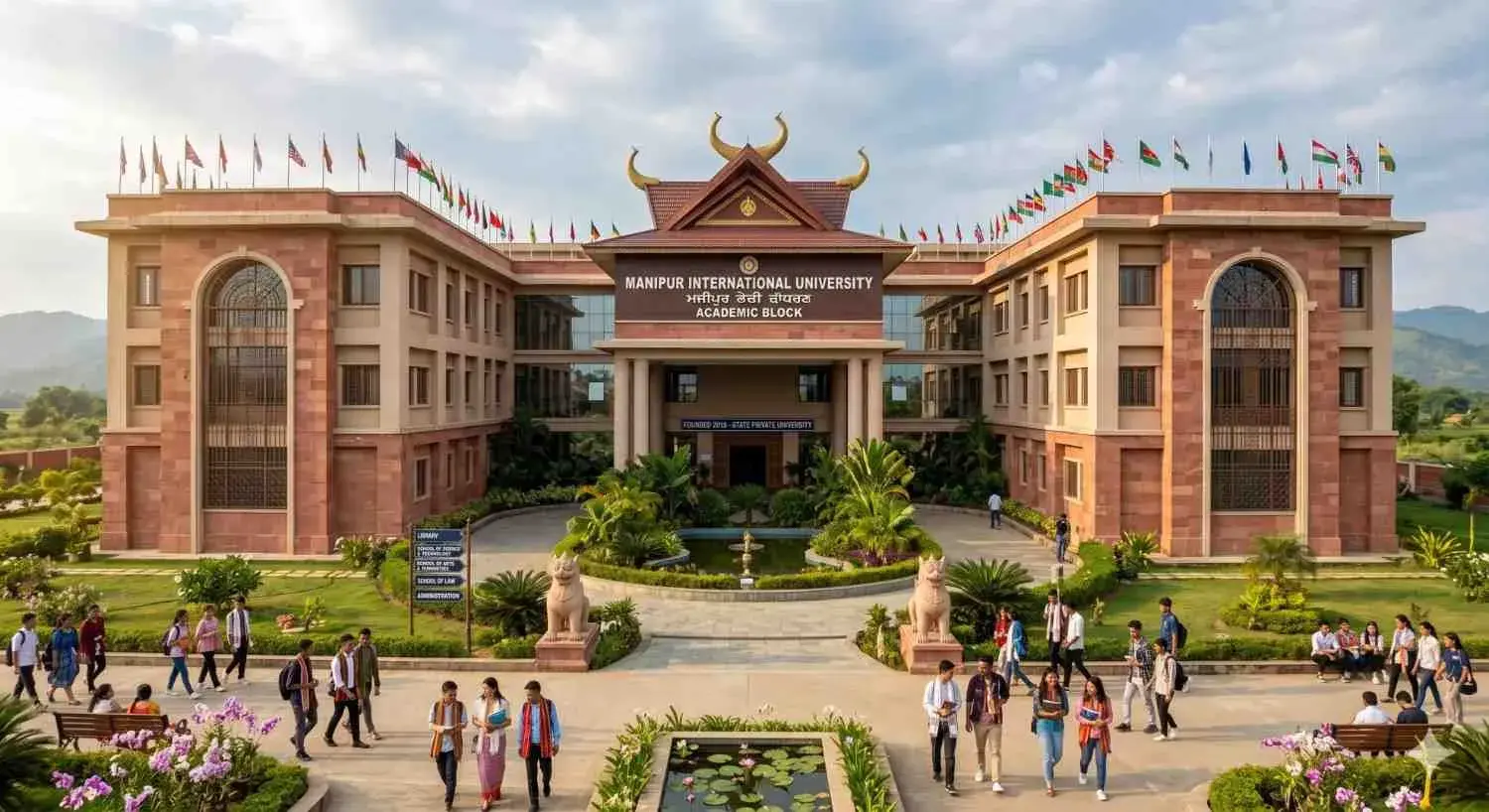
 Manipur International University
Manipur International University

 MK University Patan
MK University Patan

 Sikkim Global Technical University
Sikkim Global Technical University
What learners say
"The HR modules cover much more than recruitment. I found the sections on employee management and organisational behaviour particularly useful."
"A solid choice for anyone who wants to build a foundation in commerce before deciding on a more specific career direction."
"I wanted a program focused on skills I could actually use. The web development content gave me a much clearer understanding of how websites are built."
Frequently asked questions
What is M.Lib? +
M.Lib is a postgraduate programme in library and information science, focusing on managing, organizing, preserving, and providing access to information resources.
What does M.Lib stand for? +
M.Lib generally stands for Master of Library Science or Master of Library and Information Science (MLIS), depending on the institution and programme structure.
What subjects are studied in M.Lib? +
Subjects may include library management, information organization, cataloguing, classification, information technology, digital libraries, research methods, knowledge management, and information retrieval.
Who should consider M.Lib? +
M.Lib is suitable for graduates interested in libraries, information management, research, documentation, digital resources, knowledge services, and technology-driven information systems.
What skills can students develop through M.Lib? +
Students can develop skills in information organization, cataloguing, research, database management, digital resource handling, library administration, communication, information retrieval, and technology applications.
What are the career opportunities after M.Lib? +
Graduates may work as librarians, information officers, knowledge managers, documentation specialists, digital library professionals, researchers, or information-resource coordinators in various organizations.
Does M.Lib include digital information studies? +
Yes. Many M.Lib programmes include digital libraries, electronic resources, information technology, databases, digital preservation, information retrieval, and other areas related to modern information management.
Can students pursue higher studies after M.Lib? +
Yes. After M.Lib, students can pursue doctoral programmes, research, academic specializations, certifications, or other advanced studies related to library and information science.
Are all M.Lib programmes the same? +
No. Curriculum, duration, specialization options, practical training, technology components, eligibility, assessment methods, and recognition can vary between universities and institutions.
What should students check before choosing M.Lib? +
Students should check accreditation, university recognition, eligibility, curriculum, faculty, practical training, digital-library facilities, internships, placement support, programme duration, fees, and opportunities for further studies.
What is Master of Library Science (M.Lib)?
Master of Library Science (M.Lib) is a postgraduate programme focused on advanced concepts and practices in library and information management. It is designed for graduates who want to develop deeper expertise in managing information resources, library services, documentation systems and digital information environments.
As libraries increasingly incorporate electronic resources, digital repositories and information technologies, Library Science extends beyond the management of physical books. M.Lib programmes can therefore combine traditional library practices with modern approaches to information management, digital resources and technology-enabled services.
The exact structure of the programme depends on the university and its curriculum.
What Do You Study in an M.Lib Programme?
An M.Lib programme may cover advanced areas such as library management, information organisation, information retrieval, documentation, digital libraries, library automation, information systems, knowledge management and research methodology.
Students can develop an understanding of how information is collected, organised, preserved and made accessible to different user groups. Depending on the university, the curriculum may also include research-oriented components, information technology applications and practical training.
Students should refer to the official curriculum of the university to understand the specific subjects and academic requirements.
Skills Developed Through M.Lib
M.Lib can help students develop specialised skills relevant to library and information environments, including:
- Advanced information management
- Library administration
- Information organisation
- Cataloguing and classification
- Information retrieval
- Documentation
- Digital library management
- Research and analytical skills
- Information technology applications
- User and reference services
- Knowledge management
These skills can support professional responsibilities involving both physical and digital information resources.
Who Should Choose M.Lib?
M.Lib can be considered by graduates interested in library management, information services, documentation, research, digital libraries and knowledge management. It may be particularly relevant for learners who want to build specialised knowledge after completing an undergraduate qualification in Library and Information Science or a related field, subject to the university's eligibility criteria.
Students should check the specific admission requirements of the university because eligibility can vary according to the programme and institution.
Career Opportunities After M.Lib
An M.Lib qualification can support professional opportunities in libraries, educational institutions, research organisations, information centres, documentation services and other organisations that manage information resources.
Depending on their qualifications, skills, experience and employer requirements, graduates may explore areas such as library administration, information services, digital library management, documentation, research support and knowledge management.
Potential job titles and recruitment requirements vary across organisations. Certain positions may require additional qualifications, professional experience, examinations or other conditions.
Therefore, students should evaluate the requirements of their preferred career path rather than assuming that the postgraduate qualification alone guarantees a particular position.
Higher Studies and Professional Development
After completing an M.Lib, learners may pursue further academic or professional development depending on their goals and eligibility. Advanced study may include research-oriented programmes or specialised areas related to Library and Information Science, information management, digital libraries and knowledge services.
Additional certifications and technology skills can also be useful for professionals working in increasingly digital information environments.
How to Choose an M.Lib Programme?
When selecting an M.Lib programme, students should consider the university, curriculum, eligibility, duration, learning mode, practical training, fees and career objectives. It is also useful to examine whether the curriculum provides exposure to areas that align with the student's interests, such as digital libraries, information technology, research or knowledge management.
Students should verify programme-specific information directly with the university before admission.
At EasyShiksha, learners can explore university programmes and compare relevant academic details to identify programmes aligned with their educational background and professional goals.
Ready to apply?
Browse all programmes above and start your application in minutes.
View M.Lib Programmes


















