


















Diploma
Explore university Diploma courses and programs in India on EasyShiksha. Discover relevant diploma programs and find options for student enrollment.
What Is Diploma?
A Diploma is a focused academic or vocational qualification designed to provide students with subject knowledge and practical skills in a specific field. Diploma programmes are generally more specialised than broad academic programmes and may be offered in areas such as engineering, technology, management, business, computer applications, design, hospitality, healthcare, education, tourism and other professional or vocational domains.
Diploma courses can be available at different educational levels and may be designed for students entering a field after school, learners seeking technical or professional skills, or individuals looking to strengthen their existing knowledge. The eligibility requirements depend on the specific diploma programme and university or institution. Some programmes may require secondary or higher secondary education, while others may have additional academic or subject-specific requirements.
Diploma duration also varies according to the programme, institution and academic level. Depending on the course, learning may include classroom instruction, practical sessions, laboratory work, projects, training or other skill-based components. Diploma programmes may be offered in regular, online, distance or hybrid modes where available and permitted for the specific programme.
A Diploma can support skill development, employment-oriented learning, further education or progression into advanced programmes, depending on the qualification. At EasyShiksha, students can explore and compare university Diploma programmes based on specialisation, eligibility, duration, learning mode, curriculum and career relevance.
A program that pairs recognition with real skills
UGC-Recognised Degree
Same institutional recognition as a conventional Bachelor's degree.
Industry-Aligned Curriculum
Built with Sector Skill Councils, not just academic departments.
Direct Employability
Hands-on skill components designed for job-readiness, not just theory.
Clear Progression to Degree
A natural postgraduate path for further specialisation later.
Universities offering these programs
Compare accreditation and programme count before choosing where to apply.
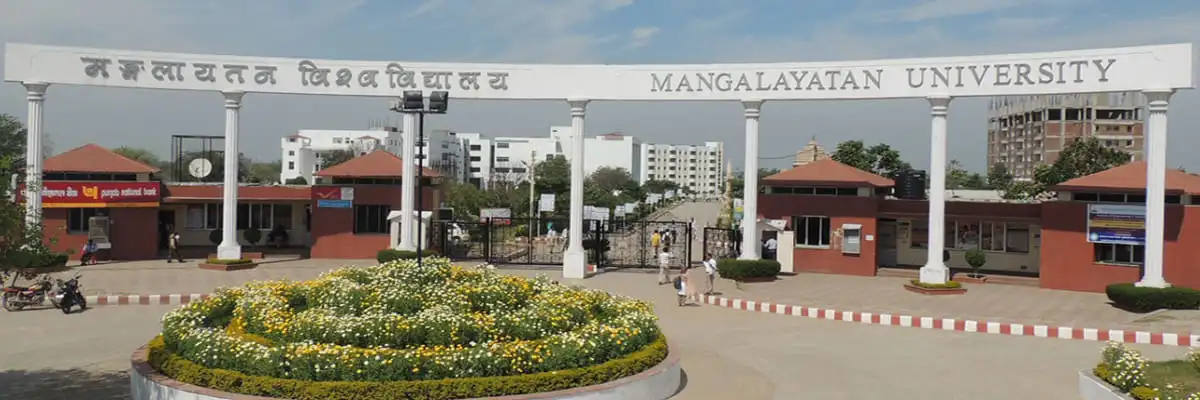
 Mangalayatan University
Mangalayatan University
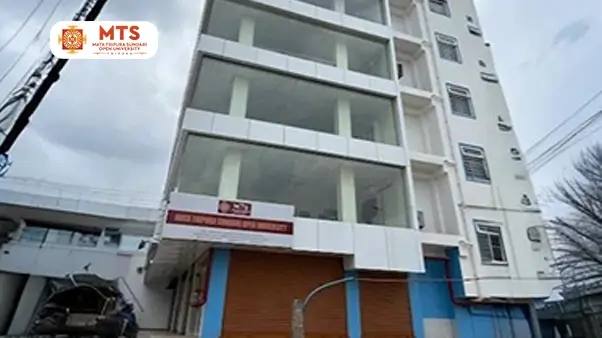
 Mata Tripura Sundari Open University
Mata Tripura Sundari Open University
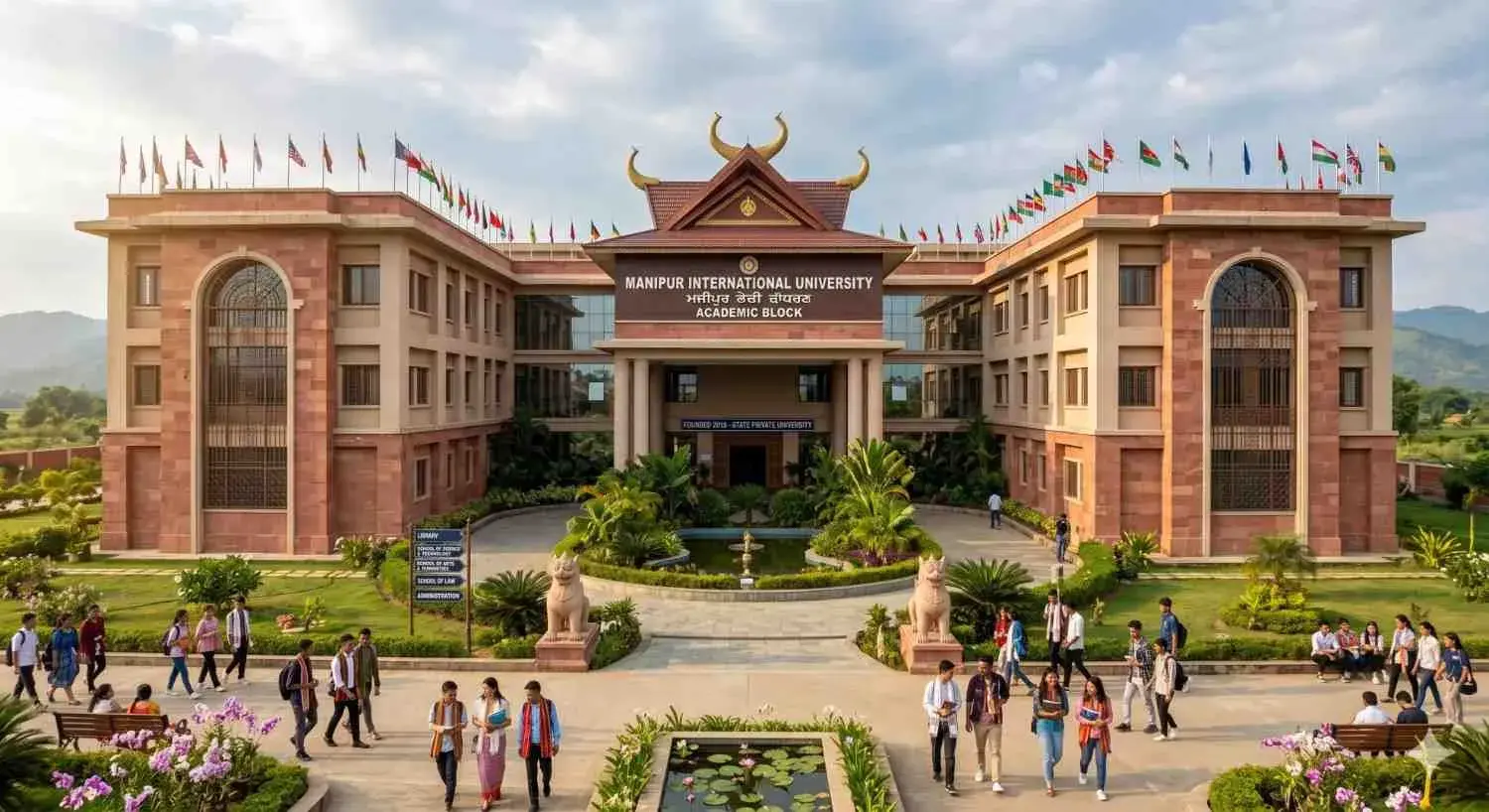
 Manipur International University
Manipur International University
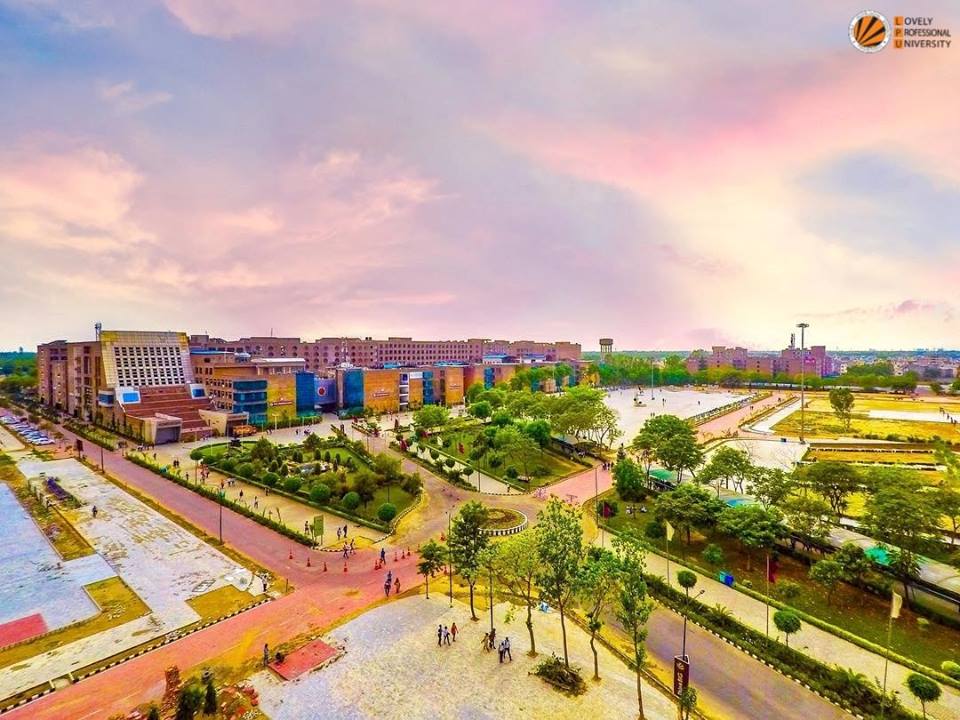
 Lovely Professional University
Lovely Professional University
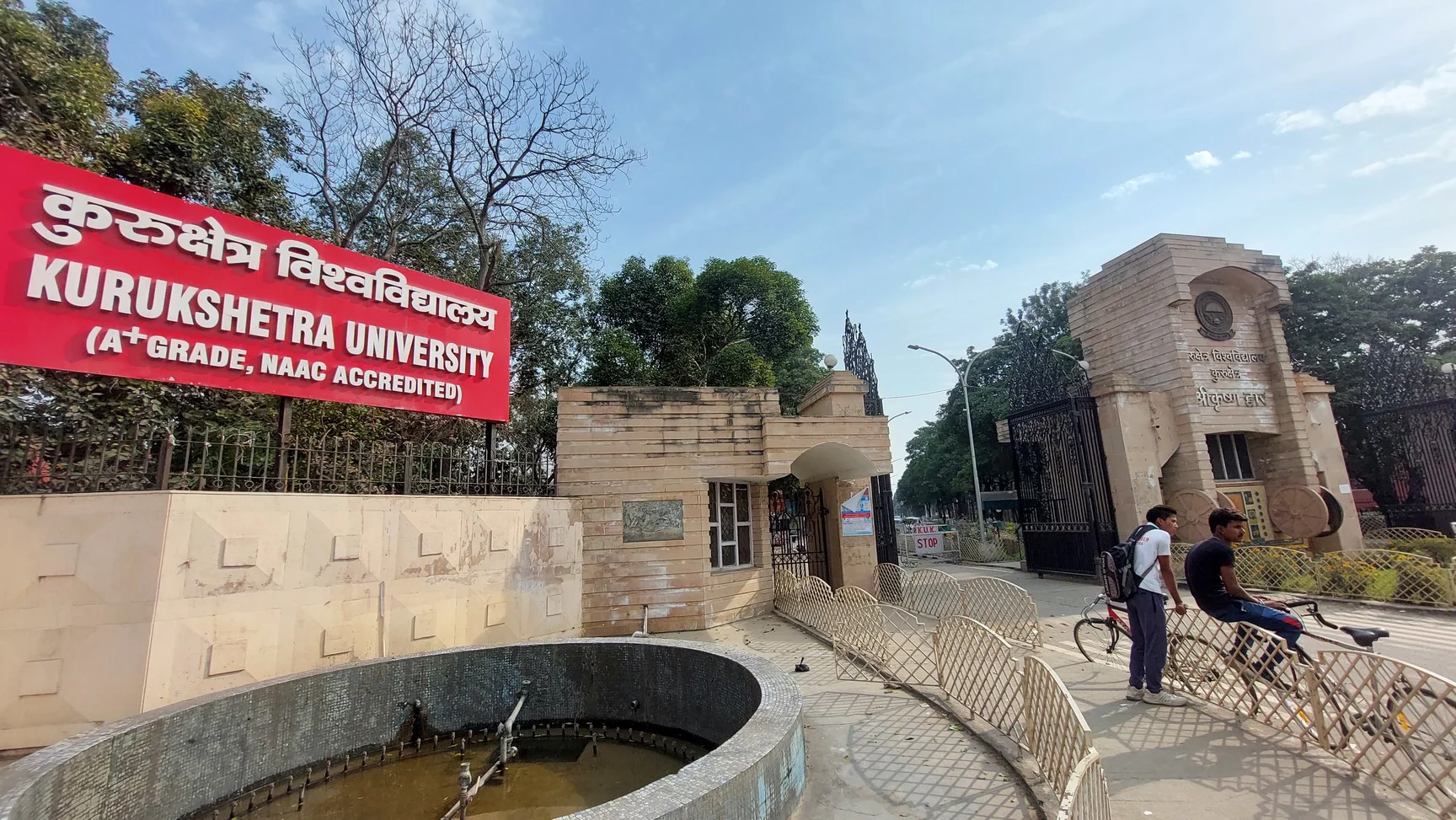
 Kurukshetra University
Kurukshetra University

 MK University Patan
MK University Patan

 Duke International University
Duke International University

 Atal Bihari Vajpayee Skill University
Atal Bihari Vajpayee Skill University

 Sikkim Global Technical University
Sikkim Global Technical University
What learners say
"A solid choice for anyone who wants to build a foundation in commerce before deciding on a more specific career direction."
"I wanted a program focused on skills I could actually use. The web development content gave me a much clearer understanding of how websites are built."
"The course helped me understand project planning, timelines and team coordination in a much more structured way. It has been useful alongside my work."
Frequently asked questions
What is a Diploma programme? +
A Diploma programme is a focused educational course that provides knowledge and practical skills in a particular subject, technical field or professional area. Diploma programmes may be academic, vocational, technical or professional. Their curriculum, duration, eligibility and learning structure vary according to the specific course and university or institution offering it.
What is the full form of Diploma? +
Diploma is not an abbreviation and therefore does not have a separate expanded form. The term refers to an academic, technical, professional or vocational qualification awarded after successful completion of a structured programme. The level, recognition, curriculum and purpose of a Diploma depend on the specific programme and institution.
Is a Diploma an undergraduate or postgraduate programme? +
A Diploma is not automatically classified as either an undergraduate or postgraduate programme. Diploma courses can exist at different educational levels and may have different admission requirements. Some are intended for students after school, while others require prior qualifications. Students should check the academic level and eligibility of the specific Diploma programme.
What is the duration of a Diploma programme? +
Diploma duration varies according to the subject, academic level, institution and programme structure. Some diploma courses may be relatively short, while others can extend over multiple semesters or academic years. There is no universal duration for every Diploma. Students should refer to the official programme details for the exact duration.
What is the eligibility for a Diploma programme? +
Diploma eligibility depends on the specific course and institution. Some programmes may require completion of secondary or higher secondary education, while others may require a relevant qualification or subject background. Additional admission conditions may also apply. Eligibility may vary by university and programme, so students should verify the official requirements before applying.
What specialisations are available in Diploma programmes? +
Diploma specialisations can be found across engineering, technology, computer applications, management, finance, design, fashion, hospitality, tourism, healthcare, education, media, culinary arts and other fields. The availability of specific Diploma courses depends on the university or institution. Students should review the curriculum and programme objectives before selecting a specialisation.
Can I pursue a Diploma online? +
Some Diploma programmes may be available online, distance or through other flexible learning modes, depending on the institution and course. However, not every Diploma can be completed online, particularly programmes requiring practical or laboratory-based training. Students should verify the officially available learning mode, assessment process and practical requirements of the selected programme.
What is the difference between a Diploma and a Degree? +
A Degree generally provides broader and more comprehensive academic education in a discipline, while a Diploma often focuses more specifically on a particular subject, skill or professional area. However, the distinction can vary according to the programme and educational system. Students should compare the specific qualifications based on level, duration, curriculum and progression opportunities.
What can I do after completing a Diploma? +
After completing a Diploma, students may pursue work opportunities relevant to their skills, continue with advanced education, or undertake additional certifications and specialised training. Further-study options depend on the specific Diploma and university admission rules. Career opportunities also vary according to the field, qualification, practical skills and employer requirements.
How can I choose the right Diploma programme or university? +
Students should compare Diploma programmes based on specialisation, eligibility, duration, curriculum, learning mode, practical training, admission requirements and career relevance. It is also important to review the university's official programme information before enrolling. EasyShiksha helps students discover and compare university Diploma programmes so they can evaluate options according to their academic and career goals.
What is a Diploma?
A Diploma is a structured educational qualification that focuses on developing knowledge and practical skills in a particular subject or professional area. Diploma programmes may be academic, technical, professional or vocational in nature. Compared with broader programmes, many diploma courses concentrate on specific skills and applications relevant to a particular field. The exact academic structure depends on the university or institution.
Why Choose a Diploma?
A Diploma can be suitable for students who want focused education in a specific discipline and practical exposure relevant to their area of interest. Depending on the programme, students may learn through classroom teaching, practical sessions, projects, laboratory work, workshops or industry-oriented activities. Diploma programmes can also serve as a pathway for learners seeking additional qualifications or further academic progression.
Diploma Specialisations / Domains
Diploma courses are available across numerous fields. Depending on the institution, students may find programmes in engineering and technology, computer applications, business and management, accounting and finance, design, fashion, hospitality, tourism, healthcare, education, media, culinary arts and other vocational areas. The exact specialisations offered vary by university and programme.
Diploma Eligibility and Duration
There is no single eligibility requirement or duration applicable to every Diploma programme. Eligibility may depend on the academic level and subject area. Some diploma courses may accept students after secondary or higher secondary education, while others may require a relevant qualification or prior academic background. Diploma duration can also vary considerably. Students should check the specific university's official eligibility and duration requirements before applying.
Diploma Learning Modes
Depending on the programme and institution, Diploma courses may be available through regular, online, distance or hybrid learning. However, availability varies by course, and programmes involving practical training, laboratories, workshops or other hands-on requirements may have specific learning arrangements. Students should confirm the officially available mode and attendance or practical requirements of their selected diploma.
Career and Higher Education Opportunities
A Diploma can help learners develop specialised knowledge and practical skills relevant to their chosen field. Depending on the qualification, graduates may pursue entry-level or skill-oriented professional opportunities, additional certifications or further education. Some diploma holders may also progress to higher-level academic programmes where the relevant university permits such progression and the student satisfies the required eligibility criteria.
Explore Diploma Programmes on EasyShiksha
At EasyShiksha, students can explore university Diploma programmes across multiple academic and professional domains. Before choosing a course, students can compare universities, specialisations, eligibility requirements, duration, learning modes, curriculum and career relevance. Reviewing these factors can help students identify Diploma programmes that fit their educational background, interests and future plans.
Ready to apply?
Browse all programmes above and start your application in minutes.
View Diploma Programmes


















