
















B.Tech - Bachelor of Technology
Explore B.Tech courses and degree programmes on EasyShiksha. Compare universities, specialisations, eligibility, duration and learning modes to find the right B.Tech programme.
What Is B.Tech?
Bachelor of Technology (B.Tech) is an undergraduate engineering and technology programme designed to provide students with theoretical knowledge, technical understanding and practical skills in a specialised technology or engineering domain. B.Tech programmes generally combine fundamental concepts with applied learning, helping students understand how scientific and technological principles are used to solve practical problems. The curriculum, specialisation, eligibility, duration and admission process vary by university and programme.
B.Tech courses are available across numerous engineering and technology disciplines, including Computer Science and Engineering, Information Technology, Mechanical Engineering, Civil Engineering, Electrical Engineering, Electronics and Communication Engineering, Artificial Intelligence, Data Science and other specialised areas. The availability of B.Tech specialisations differs among universities.
B.Tech eligibility commonly depends on the student's prior academic qualification, required subjects and the admission rules of the institution. Many programmes consider school-level education with relevant science subjects, but exact requirements vary by university. B.Tech duration also depends on the programme structure and applicable academic regulations.
B.Tech programmes may be offered through regular campus-based learning and, where specifically approved and available, other formats. Engineering education can involve lectures, laboratories, practical sessions, projects and other applied activities.
After completing a B.Tech, graduates can explore technical, engineering, software, research, management and other professional pathways depending on their specialisation and skills. At EasyShiksha, students can explore and compare B.Tech programmes by university, specialisation, eligibility, duration, curriculum, learning mode and career relevance.
A program that pairs recognition with real skills
UGC-Recognised Degree
Same institutional recognition as a conventional Bachelor's degree.
Industry-Aligned Curriculum
Built with Sector Skill Councils, not just academic departments.
Direct Employability
Hands-on skill components designed for job-readiness, not just theory.
Clear Progression to M.Tech
A natural postgraduate path for further specialisation later.
Universities offering these programs
Compare accreditation and programme count before choosing where to apply.
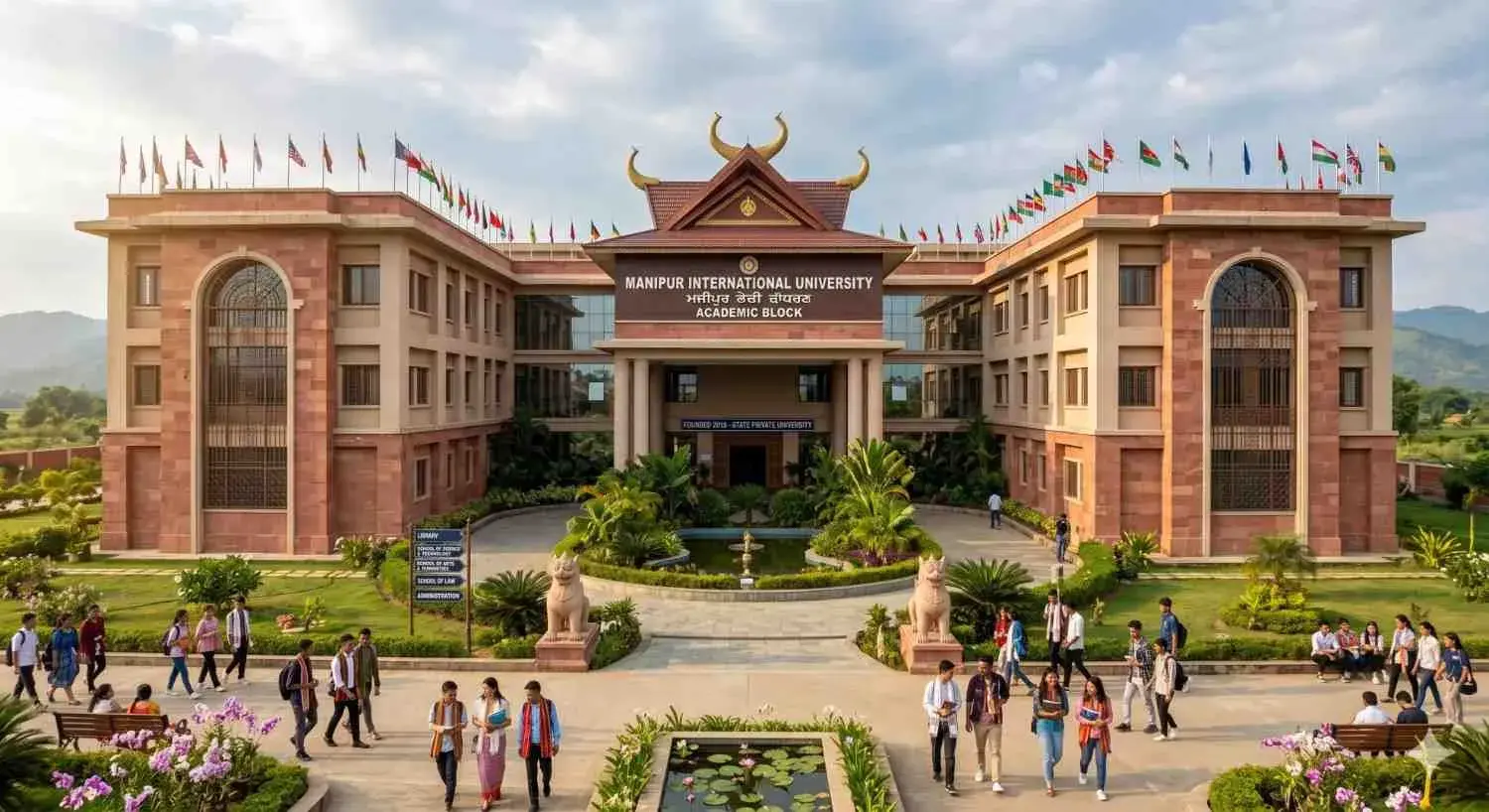
 Manipur International University
Manipur International University

 MK University Patan
MK University Patan

 Duke International University
Duke International University

 Sikkim Global Technical University
Sikkim Global Technical University

 Atal Bihari Vajpayee Skill University
Atal Bihari Vajpayee Skill University
What learners say
"I chose this program because I wanted to continue studying literature at a higher level. The variety of topics made the learning experience interesting."
"The AI specialization was exactly what I was looking for. It gave me a clear path from programming fundamentals to machine learning concepts."
"The HR modules cover much more than recruitment. I found the sections on employee management and organisational behaviour particularly useful."
Frequently asked questions
What is a B.Tech programme? +
B.Tech stands for Bachelor of Technology and is an undergraduate degree focused on engineering and technology. It combines theoretical concepts with practical and technical learning in a chosen specialisation. Depending on the university, students may study subjects involving mathematics, science, engineering principles, programming, laboratories, projects and other specialised technical areas.
What is the full form of B.Tech? +
The full form of B.Tech is Bachelor of Technology. It is an undergraduate technology and engineering degree offered across various specialisations. B.Tech courses can cover areas ranging from computer science and information technology to mechanical, civil, electrical, electronics and emerging technology disciplines.
Is B.Tech an undergraduate degree? +
Yes, B.Tech is an undergraduate degree programme. It provides specialised education in engineering and technology after the required prior academic qualification. The admission pathway, subject requirements and selection process vary by university. Students should check the specific programme's eligibility criteria and admission rules before applying.
What is the duration of a B.Tech programme? +
B.Tech duration depends on the university, programme structure and applicable academic regulations. A conventional B.Tech pathway is commonly structured over multiple academic years and semesters, but students should not assume the same duration for every programme. The official university curriculum should be checked for the exact duration and semester structure.
What is the eligibility for B.Tech? +
B.Tech eligibility varies by university and specialisation. Programmes may require completion of a recognised school-level qualification with specified subjects, often including relevant science and mathematics subjects. Minimum marks, entrance examinations or other admission conditions may also apply. Students should verify the official eligibility requirements of their selected B.Tech programme.
What specialisations are available in B.Tech? +
B.Tech specialisations can include Computer Science and Engineering, Information Technology, Mechanical Engineering, Civil Engineering, Electrical Engineering, Electronics and Communication Engineering, Artificial Intelligence, Data Science and many other technology areas. Not every university offers all specialisations. Students should compare the available B.Tech courses and their curriculum before selecting a discipline.
Can I pursue B.Tech online? +
The availability and recognition of online or flexible B.Tech programmes depend on the specific university, programme and applicable regulatory requirements. Engineering education may involve laboratories and practical components that require particular learning arrangements. Students should verify the officially approved mode, practical requirements, eligibility and recognition status before enrolling in any non-regular B.Tech programme.
What is the difference between B.Tech and B.E.? +
B.Tech and Bachelor of Engineering (B.E.) are both undergraduate engineering qualifications, although programme structures and naming conventions can vary between universities. The actual difference depends on the institution, curriculum and specialisation rather than the title alone. Students should compare the specific university programmes, subjects, practical training, eligibility and academic structure.
What can I do after completing B.Tech? +
After B.Tech, graduates can explore technical and professional opportunities related to their specialisation, such as software, engineering, technology, manufacturing, infrastructure, electronics or data-related roles. They may also consider postgraduate study, specialised certifications, research or management education where eligible. Career opportunities depend on the graduate's skills, specialisation, experience and industry requirements.
How can I choose the right B.Tech programme or university? +
What is B.Tech?
Bachelor of Technology (B.Tech) is an undergraduate degree focused on engineering, technology and their practical applications. Students typically study foundational scientific and mathematical concepts before progressing into specialised technical subjects. Depending on the specialisation, a B.Tech curriculum may include laboratory work, programming, engineering design, practical assignments, projects and other applied learning activities.
Why Choose a B.Tech?
A B.Tech can be suitable for students interested in engineering, technology, problem-solving and technical innovation. The programme allows learners to develop specialised knowledge while building analytical and practical capabilities. Students can choose a discipline that matches their interests, such as computing, electronics, mechanical systems, civil infrastructure or emerging technology areas. The right specialisation should be selected after considering curriculum and long-term goals.
B.Tech Specialisations / Domains
B.Tech specialisations cover a broad range of engineering and technology disciplines. Depending on the university, students may find Computer Science and Engineering, Information Technology, Mechanical Engineering, Civil Engineering, Electrical Engineering, Electronics and Communication Engineering, Artificial Intelligence, Data Science and other specialised programmes. The available B.Tech courses and curriculum can differ significantly between universities.
B.Tech Eligibility and Duration
B.Tech eligibility varies by university and specialisation. Admission requirements may include a recognised school-level qualification, specified subjects such as Physics, Chemistry and Mathematics, minimum marks and, where applicable, entrance examination requirements. B.Tech duration also depends on the programme structure and applicable regulations. Students should check the official eligibility and duration for the specific university before applying.
B.Tech Learning Modes
B.Tech programmes generally involve structured academic and practical learning, with the exact learning mode depending on the university and programme. Engineering courses can include classroom instruction, laboratories, workshops, projects and other practical components. Students should verify whether the selected programme is offered in regular or another approved format and understand its attendance and practical requirements.
Career and Higher Education Opportunities
A B.Tech can provide a foundation for technical and professional opportunities related to the chosen engineering or technology specialisation. Graduates may explore roles in software, engineering, technology, manufacturing, infrastructure, electronics, data and other sectors depending on their field and skills. They may also pursue postgraduate education, specialised certifications, research or management studies where eligible. Career outcomes depend on individual skills, experience and industry requirements.
Explore B.Tech Programmes on EasyShiksha
At EasyShiksha, students can explore and compare university B.Tech programmes across different engineering and technology disciplines. Learners can evaluate universities, B.Tech specialisations, eligibility requirements, duration, curriculum, learning mode, practical components and career relevance. Comparing these factors can help students identify a programme that matches their academic interests, technical strengths and future career objectives.
Ready to apply?
Browse all programmes above and start your application in minutes.
View B.Tech Programmes


















