



program icon
Explore

Sanskrit

Explore Sanskrit courses on EasyShiksha. Learn about Sanskrit literature, grammar, subjects, skills, career opportunities and higher-study options.

13 Programmes
4 University Partners
4.8โ˜… Avg. Rating
UGC-Recognised Degree
Industry-Aligned Curriculum
UGC-DEB Approved Online/ODL
Flexible Learning Options
Understanding Sanskrit

What Is Sanskrit?

Sanskrit is a classical language and an important field of study within Indian humanities, literature, linguistics, philosophy, and cultural studies. A Sanskrit specialization generally focuses on the study of Sanskrit language, grammar, literature, literary traditions, and intellectual heritage. Depending on the university and programme structure, students may study areas such as Sanskrit grammar, prose and poetry, classical texts, Indian philosophy, linguistics, poetics, drama, epics, and textual interpretation. The specialization can help students develop language proficiency, close-reading ability, translation skills, critical thinking, research skills, communication, and an understanding of India's literary and intellectual traditions. Sanskrit has academic relevance in higher education, teaching, research, publishing, translation, manuscript studies, cultural institutions, and heritage-related fields. Students may also use it as a foundation for postgraduate study and research in Sanskrit, Indian languages, linguistics, philosophy, literature, history, or related humanities disciplines. The exact subjects, curriculum, practical components, eligibility, and programme structure may vary by university and programme.

UGC Degree-Level Recognition
What You Get

A program that pairs recognition with real skills

UGC-Recognised Degree

Same institutional recognition as a conventional Bachelor's degree.

Industry-Aligned Curriculum

Built with Sector Skill Councils, not just academic departments.

Direct Employability

Hands-on skill components designed for job-readiness, not just theory.

Student Voices

What learners say

โ˜…โ˜…โ˜…โ˜…โ˜…

"I was looking for something that would help me understand digital marketing beyond just social media. The specialization covered a lot of useful areas."

P
Priya Verma Digital Marketing
โ˜…โ˜…โ˜…โ˜…โ˜…

"The curriculum starts with the fundamentals and gradually moves into more advanced topics, which worked really well for me as a beginner."

A
Aditya Singh Computer Applications
โ˜…โ˜…โ˜…โ˜…

"What I appreciated most was the depth of the subject matter. It helped me understand psychological concepts rather than simply memorising them."

N
Neha Kapoor Psychology
Career Opportunities

Explore career opportunities

A Sanskrit specialization can support career exploration in education, research, translation, publishing, cultural studies, heritage, and other humanities-related areas. Career opportunities depend on the student's qualification level, skills, experience, programme, institution, and the requirements of the particular role.

  • Teaching and education: Students with appropriate qualifications may explore teaching-related opportunities in schools, colleges, universities, educational institutions, or language-learning settings. Specific teaching positions can have additional academic, recruitment, eligibility, or professional requirements.

  • Research and academia: Sanskrit graduates may contribute to research involving Sanskrit literature, grammar, philosophy, textual traditions, manuscripts, cultural history, or Indian knowledge traditions. Higher academic qualifications may be expected for advanced research and academic positions.

  • Translation and language services: Strong Sanskrit language skills can be relevant to translation, interpretation of texts, editing, and language-focused content work. The nature of the role depends on the employer and the languages involved.

  • Publishing and editing: Knowledge of Sanskrit and literary analysis may be useful in publishing houses, academic publications, journals, educational content development, and editorial work involving classical literature or Indian humanities.

  • Archives, manuscripts and heritage: Students with relevant additional training may explore work associated with libraries, archives, museums, manuscript collections, cultural organisations, and heritage projects. Specialist roles may require knowledge of preservation, cataloguing, digitisation, or related methods.

  • Cultural and academic organisations: Sanskrit knowledge may be relevant to institutions working in Indian literature, cultural studies, heritage, language promotion, and scholarly activities.

Further study can expand academic options through postgraduate programmes, specialised research, and doctoral study in Sanskrit or related humanities disciplines. A Sanskrit specialization does not automatically qualify a student for a particular profession; career pathways depend on the qualification, additional requirements, skills, experience, and recruitment criteria applicable to the chosen field.

Common Questions

Frequently asked questions

What is Sanskrit specialization? +

Sanskrit specialization is an academic field focused on the study of the Sanskrit language, grammar, literature, classical texts, philosophy, linguistics, and related intellectual and cultural traditions.

What do students study in Sanskrit? +

Depending on the university and programme, students may study Sanskrit grammar, literature, poetry, prose, drama, classical texts, Indian philosophy, literary criticism, linguistics, translation, and textual interpretation.

What skills can students develop through Sanskrit? +

Students may develop language proficiency, close-reading, translation, critical thinking, textual analysis, research, academic writing, and communication skills. The skills developed depend on the programme structure.

What career opportunities are available after studying Sanskrit? +

Potential career areas include teaching, academic research, translation, publishing, editing, cultural organisations, archives, manuscript studies, and heritage-related work. Some positions require additional qualifications or specialised training.

Can students pursue higher studies after Sanskrit? +

Yes. Depending on their qualifications and eligibility, students can pursue postgraduate or research study in Sanskrit and related areas such as linguistics, Indian philosophy, literature, history, cultural studies, and comparative literature.

What is Sanskrit?

Sanskrit is a classical language of India with a substantial literary, philosophical, religious, scientific, and intellectual heritage. As an academic specialization, Sanskrit involves the systematic study of the language as well as the texts and traditions produced in it.

The field is not limited to learning vocabulary or grammar. Students may engage with Sanskrit literature, linguistic structures, literary interpretation, philosophy, cultural history, and methods of textual study. The specialization can therefore provide an interdisciplinary understanding of language and India's intellectual traditions.

Key Areas of Study

Programmes in this specialization may cover Sanskrit grammar and language structure, including concepts associated with classical grammatical traditions. Students may study prose, poetry, drama, epics, and other forms of Sanskrit literature.

Depending on the programme, areas of study can include Sanskrit literary criticism and poetics, Indian philosophy, linguistic analysis, translation, textual interpretation, and the historical development of Sanskrit literature. Classical works and important textual traditions may be examined through reading, interpretation, and contextual analysis.

Some programmes may also introduce students to manuscript studies, inscriptions, comparative literature, Indian knowledge traditions, or the relationship between Sanskrit and other Indian languages. Research-oriented programmes can involve textual criticism, interpretation of primary sources, and scholarly research methods.

The exact subjects and depth of study vary considerably according to the university, programme level, and academic structure.

Skills Developed

Students can develop strong language and reading skills through the study of Sanskrit texts and grammar. Close reading and interpretation can strengthen analytical and critical-thinking abilities, while translation exercises can develop accuracy and communication skills.

Research-oriented study may help students learn academic writing, source evaluation, textual analysis, documentation, and research methodology. Students may also develop an appreciation of linguistic structure, literary expression, historical context, and cultural interpretation.

Practical and Industry Relevance

Sanskrit knowledge can be relevant to education, academic research, translation, publishing, cultural institutions, archives, libraries, museums, heritage initiatives, and organisations involved in the study or preservation of Indian literary traditions.

The specialization may also provide transferable skills useful in content development, editing, research assistance, language-related work, and humanities-based projects. Roles in teaching or other regulated or institution-specific positions may require additional qualifications, recruitment requirements, training, or professional eligibility.

Who Should Consider This Specialization?

Sanskrit may interest students who enjoy languages, literature, Indian philosophy, history, linguistics, classical texts, and cultural studies. It can be particularly suitable for learners who are comfortable with detailed reading and interpretation and who want to explore India's classical intellectual traditions.

Students interested in academic research, teaching, translation, textual studies, or humanities-related careers may also consider this specialization as part of their academic pathway.

Higher Education and Further Study

Students can consider postgraduate and research-oriented study in Sanskrit and related areas, depending on their qualification and the eligibility requirements of the chosen programme. Possible academic directions include Sanskrit literature, linguistics, Indian philosophy, comparative literature, history, cultural studies, manuscript studies, and related humanities disciplines.

Doctoral research can provide a further pathway for students interested in specialised academic investigation. The exact curriculum, admission requirements, eligibility, practical training, and progression opportunities vary by university and programme.

Ready to apply?

Browse all programmes above and start your application in minutes.

View Sanskrit Programmes
Whatsapp Email Support

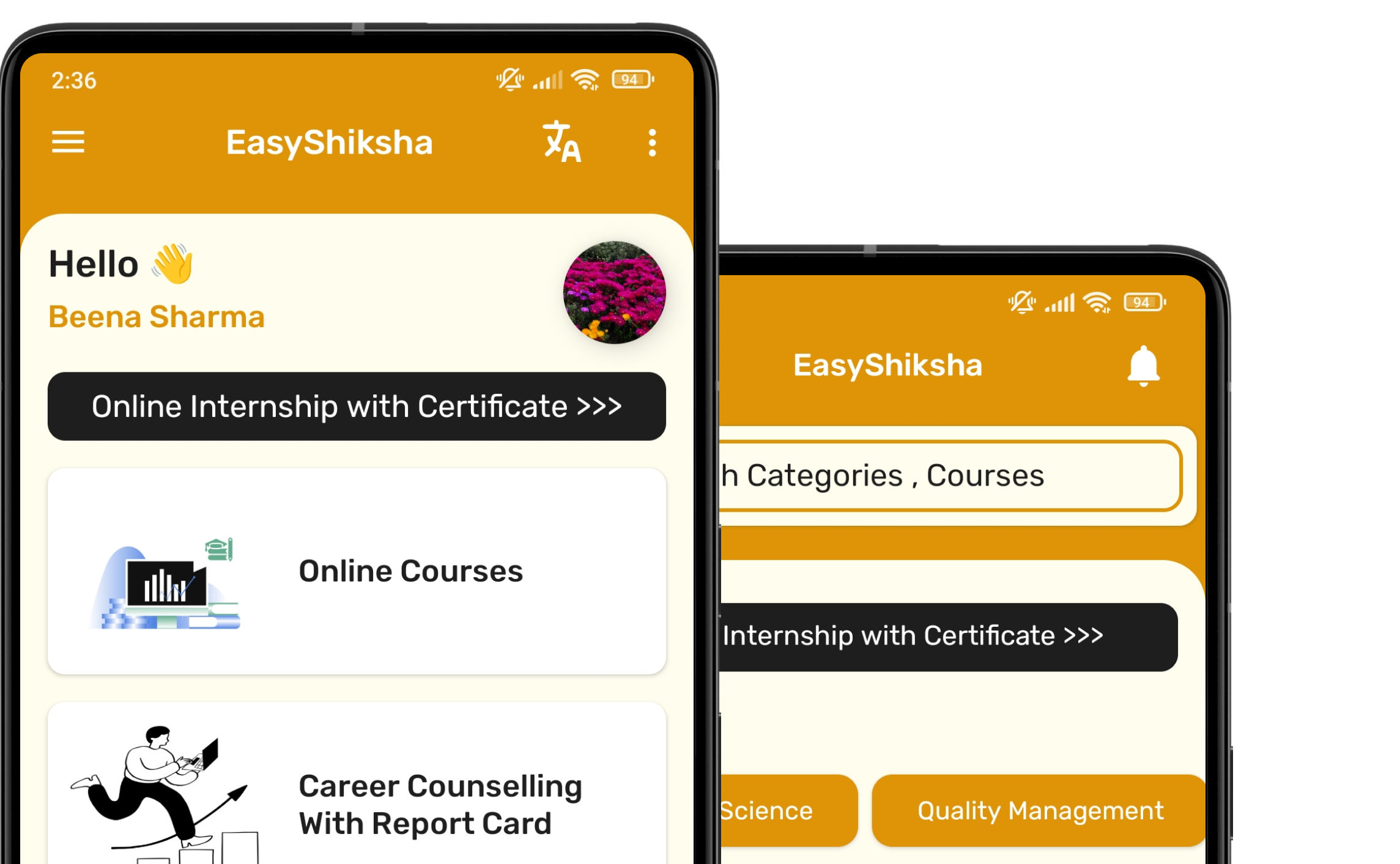
Experience the Speed: Now Available on Mobile!

Download EasyShiksha Mobile Apps from Android Play Store, Apple App Store, Amazon App Store, and Jio STB.

Curious to learn more about EasyShiksha's services or need assistance?

Our team is always here to collaborate and address all your doubts.

Message should be at least 50 characters long.