


program icon
Explore

Media Studies

Explore Media Studies courses and programmes on EasyShiksha. Learn about journalism, digital media, communication, content, careers and further study.

6 Programmes
3 University Partners
4.8โ˜… Avg. Rating
UGC-Recognised Degree
Industry-Aligned Curriculum
UGC-DEB Approved Online/ODL
Flexible Learning Options
Understanding Media Studies

What Is Media Studies?

Media Studies is an interdisciplinary specialization focused on understanding media, communication, digital content, audiences, and the social and cultural impact of media platforms. In higher education, it examines how information and ideas are created, represented, distributed, and consumed across traditional and digital media.

Common areas associated with Media Studies include mass communication, media theory, journalism, digital media, media production, advertising, public relations, audience studies, visual communication, and media research. Depending on the university and programme, students may also explore film and television, social media, digital storytelling, content creation, media management, or emerging communication technologies.

Studying Media Studies can help learners develop communication, research, critical thinking, writing, content development, creative, analytical, and digital media skills. The specialization is relevant to journalism, publishing, advertising, public relations, broadcasting, digital media, entertainment, content production, and communication-related sectors. Students may explore undergraduate, postgraduate, diploma, professional, or other relevant programmes where available. Further study can support advanced academic or research pathways in media and communication. Exact curriculum, practical training, eligibility, and programme structure vary by university and programme.

UGC Degree-Level Recognition
What You Get

A program that pairs recognition with real skills

UGC-Recognised Degree

Same institutional recognition as a conventional Bachelor's degree.

Industry-Aligned Curriculum

Built with Sector Skill Councils, not just academic departments.

Direct Employability

Hands-on skill components designed for job-readiness, not just theory.

Student Voices

What learners say

โ˜…โ˜…โ˜…โ˜…โ˜…

"I wanted a program focused on skills I could actually use. The web development content gave me a much clearer understanding of how websites are built."

D
Deepika Joshi Web Development
โ˜…โ˜…โ˜…โ˜…

"The course helped me understand project planning, timelines and team coordination in a much more structured way. It has been useful alongside my work."

A
Aman Bansal Project Management
โ˜…โ˜…โ˜…โ˜…โ˜…

"I enjoyed the creative side of the program, but I also liked that it introduced the practical thinking needed to design for real projects and audiences."

T
Tanvi Agarwal Graphic Design
Career Opportunities

Explore career opportunities

Journalism and News Media

Media Studies can provide a foundation for journalism-related pathways involving research, reporting, interviewing, writing, editing, and news production. Specific journalism roles may have additional organisational or professional requirements.

Digital Content and Content Creation

Students may explore digital content roles involving written, visual, audio, or video content for websites, social platforms, digital publications, and other media channels. Strong writing, storytelling, editing, and platform-specific skills can be relevant.

Advertising and Brand Communication

Media knowledge can support careers in advertising and communication, where professionals may contribute to campaigns, content, audience research, creative communication, or media planning.

Public Relations

Students may explore public relations and corporate communication roles involving communication with audiences and stakeholders, content preparation, media coordination, and organisational messaging.

Media Production

Depending on their practical skills and programme background, graduates may consider production-related work in video, television, film, digital media, audio, or other content environments. Specific production roles often require technical and portfolio-based skills.

Publishing and Editorial Work

Media Studies can also be relevant to publishing, editing, content development, and editorial functions. Professionals may work with written material, digital publications, research, or content quality processes.

Media Research and Academia

Students interested in research can explore media research, audience studies, communication research, and related academic fields. Advanced research or teaching pathways may require postgraduate or doctoral qualifications.

Further Study

Graduates may pursue postgraduate or specialised education in media, journalism, communication, digital media, advertising, public relations, film studies, or related disciplines.

Career opportunities depend on qualification level, programme, university, communication and technical skills, practical experience, portfolio, specialisation, and employer requirements. Studying Media Studies does not guarantee employment or qualification for a particular media profession.

Common Questions

Frequently asked questions

What is Media Studies as a university specialization? +

Media Studies examines media, communication, digital platforms, audiences, content, representation, and the social and cultural role of media. It can combine theoretical and practical areas depending on the programme.

What subjects are generally studied in Media Studies? +

Depending on the programme, students may study media theory, mass communication, journalism, digital media, media production, advertising, public relations, visual communication, audience studies, and media research.

What skills can students develop through Media Studies? +

Students may develop communication, writing, research, critical thinking, storytelling, content development, media analysis, creative, and digital communication skills.

What career opportunities are available after studying Media Studies? +

Depending on their qualification and practical skills, students may explore journalism, digital content, advertising, public relations, media production, publishing, editorial work, communication, media research, and related fields.

Can students pursue higher studies after Media Studies? +

Yes. Students may pursue postgraduate or research-oriented study in media, communication, journalism, digital media, advertising, public relations, film studies, cultural studies, or related disciplines, depending on programme requirements.

What is Media Studies?

Media Studies is an academic specialization that examines how media are created, distributed, represented, interpreted, and used by individuals and society. It covers traditional forms of communication as well as digital platforms and emerging media environments.

At university level, Media Studies can combine communication, cultural studies, journalism, technology, social sciences, and creative practices. Students may examine the relationship between media and audiences while also developing practical skills related to content, communication, research, or production, depending on the programme. The exact academic focus varies by university and programme.

Key Areas of Study

Programmes in Media Studies may cover media theory, mass communication, journalism, digital media, media production, advertising, public relations, visual communication, audience studies, and media research.

Media theory can introduce students to concepts related to representation, media influence, communication, culture, and audiences. Journalism-related study may focus on news gathering, reporting, writing, and media ethics. Digital media can examine online communication, digital platforms, social media, and content distribution.

Depending on the programme, students may also encounter film and television studies, photography, digital storytelling, content creation, broadcasting, media management, advertising communication, or public relations. Some programmes may include practical work in writing, audio-visual production, editing, presentation, or digital content.

Skills Developed

Media Studies can help students develop written and verbal communication, research, critical thinking, content development, storytelling, media analysis, creativity, and digital communication skills.

Depending on the programme, students may also gain experience in interviewing, reporting, scriptwriting, editing, presentation, visual communication, content planning, audience analysis, or media production. Practical skill development varies according to the programme structure and available learning opportunities.

Practical and Industry Relevance

Media knowledge can be applied across journalism, publishing, advertising, public relations, broadcasting, film and television, digital media, entertainment, social media, content production, and organisational communication.

The growth of digital platforms has expanded the ways organisations communicate with audiences and distribute information. Media professionals may therefore work across different formats, including written, audio, visual, video, and digital content. Specific responsibilities depend on the role, qualification, skills, experience, and organisation.

Who Should Consider This Specialization?

Media Studies may interest students who enjoy communication, writing, storytelling, current affairs, digital platforms, visual content, research, or creative work. It can be relevant to learners interested in journalism, content creation, advertising, public relations, media production, digital communication, or media research.

Students should compare individual programmes based on their balance of theory and practical work, media formats covered, production components, specialisation options, and career interests.

Higher Education and Further Study

Students can explore undergraduate, postgraduate, diploma, professional, or other relevant Media Studies and media-related programmes where available. Further study may allow specialisation in journalism, communication, digital media, advertising, public relations, film and television, media research, or related fields.

Students interested in academic research can pursue advanced study in media, communication, journalism, cultural studies, or related disciplines. The appropriate progression depends on the qualification held, programme requirements, academic interests, and career goals.

Ready to apply?

Browse all programmes above and start your application in minutes.

View Media Studies Programmes
Whatsapp Email Support

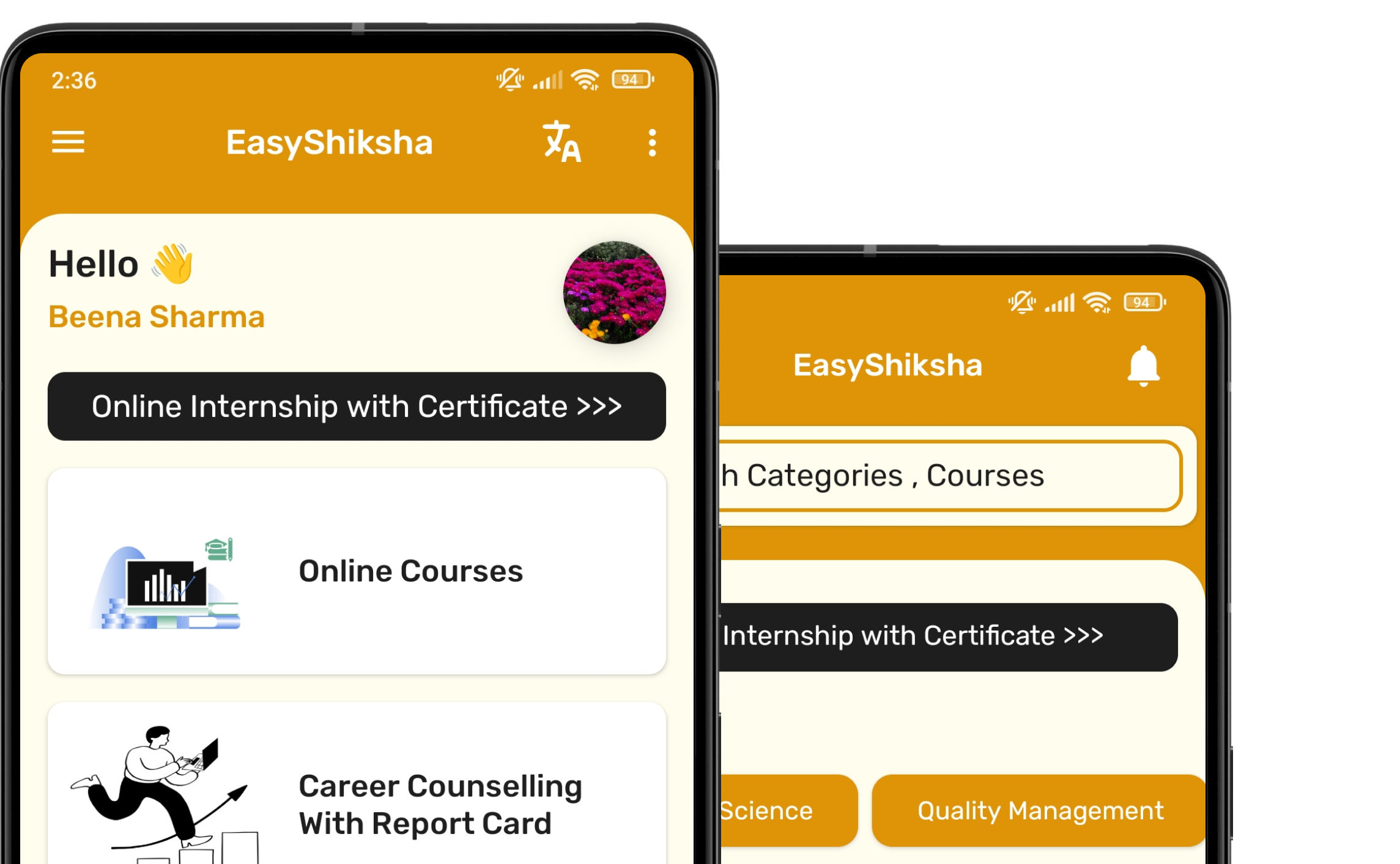
Experience the Speed: Now Available on Mobile!

Download EasyShiksha Mobile Apps from Android Play Store, Apple App Store, Amazon App Store, and Jio STB.

Curious to learn more about EasyShiksha's services or need assistance?

Our team is always here to collaborate and address all your doubts.

Message should be at least 50 characters long.