program icon
Explore

Electrical and Electronics Engineering

Explore Electrical and Electronics Engineering courses on EasyShiksha. Learn about power systems, electronics, automation, renewable energy and careers.

3 Programmes
1 University Partners
4.8โ˜… Avg. Rating
UGC-Recognised Degree
Industry-Aligned Curriculum
UGC-DEB Approved Online/ODL
Flexible Learning Options
Understanding Electrical and Electronics Engineering

What Is Electrical and Electronics Engineering?

Electrical and Electronics Engineering is a multidisciplinary engineering specialization that combines electrical systems, electronic devices, circuits, power technologies and control systems. It focuses on the generation, transmission, distribution and utilisation of electrical energy, along with the design and application of electronic systems and technologies.

The specialization may cover areas such as electrical circuits, electrical machines, power systems, power electronics, digital and analog electronics, control systems, microprocessors, communication systems and electrical measurements. Depending on the programme, learners may also study renewable energy, automation, embedded systems and smart electrical technologies.

Electrical and Electronics Engineering can be relevant for students interested in electrical systems, electronics, automation, power technology and engineering applications. It can help develop analytical, technical, design, programming, problem-solving and system-management skills.

The specialization has applications across power generation, manufacturing, electronics, automation, renewable energy, infrastructure and technology industries. The exact subjects, laboratory work and curriculum vary depending on the university and programme.

UGC Degree-Level Recognition
What You Get

A program that pairs recognition with real skills

UGC-Recognised Degree

Same institutional recognition as a conventional Bachelor's degree.

Industry-Aligned Curriculum

Built with Sector Skill Councils, not just academic departments.

Direct Employability

Hands-on skill components designed for job-readiness, not just theory.

Offered By

Universities offering these programs

Compare accreditation and programme count before choosing where to apply.

Student Voices

What learners say

โ˜…โ˜…โ˜…โ˜…โ˜…

"The AI specialization was exactly what I was looking for. It gave me a clear path from programming fundamentals to machine learning concepts."

K
Kunal Sharma Artificial Intelligence
โ˜…โ˜…โ˜…โ˜…โ˜…

"The HR modules cover much more than recruitment. I found the sections on employee management and organisational behaviour particularly useful."

S
Shreya Gupta Human Resource Management
โ˜…โ˜…โ˜…โ˜…

"A solid choice for anyone who wants to build a foundation in commerce before deciding on a more specific career direction."

R
Rahul Chauhan Commerce
Career Opportunities

Explore career opportunities

An Electrical and Electronics Engineering specialization can provide career opportunities across power systems, electrical equipment, electronics, automation, manufacturing, renewable energy and infrastructure. Career options depend on the candidate's qualification, technical skills, practical experience and employer requirements.

Electrical Engineering

Graduates may explore electrical engineering roles involving electrical systems, equipment, installations, maintenance and engineering operations. Responsibilities vary according to the industry and position.

Power Systems

Professionals can explore opportunities in power generation, transmission, distribution and electrical infrastructure. Roles may involve supporting the operation, maintenance and management of power systems.

Electronics

The electronics component of the specialization can support careers involving electronic circuits, devices, systems and equipment used across industrial and consumer applications.

Industrial Automation

Knowledge of electrical systems, electronics and control technologies can support opportunities in industrial automation. Professionals may work with automated equipment, control systems and industrial processes.

Power Electronics

Graduates with relevant knowledge can explore roles involving power conversion, electrical drives, power-control systems and related technologies.

Renewable Energy

The expansion of renewable energy creates opportunities involving solar, wind and other energy technologies. Electrical and electronics knowledge can be relevant to system design, installation, operation and maintenance, depending on the role.

Embedded Systems and Control

Students who develop programming and microcontroller skills can explore embedded systems, control systems and automation-related opportunities.

Further Education

Graduates can pursue advanced study in electrical engineering, electronics, power systems, renewable energy, control systems, automation, embedded systems and related engineering fields.

Common Questions

Frequently asked questions

What is Electrical and Electronics Engineering specialization? + Electrical and Electronics Engineering is a specialization combining electrical engineering, electronics, power systems, control technologies and related engineering applications.
What subjects can be studied under Electrical and Electronics Engineering? +

Depending on the programme, subjects may include electrical circuits, electrical machines, power systems, power electronics, analog and digital electronics, control systems, microprocessors and electrical measurements.

Who should choose Electrical and Electronics Engineering? +


It can be suitable for students interested in electrical systems, electronics, power technology, automation, control systems and engineering problem-solving.

What career opportunities are available after studying Electrical and Electronics Engineering? +

Career opportunities may include electrical engineering, power systems, electronics, industrial automation, power electronics, renewable energy, control systems and embedded technology-related roles.

Can Electrical and Electronics Engineering students pursue higher education? +

Yes. Depending on their academic background and eligibility, students can pursue further study in electrical engineering, electronics, power systems, renewable energy, automation, control systems, embedded systems and related disciplines.

What is Electrical and Electronics Engineering?

Electrical and Electronics Engineering is an interdisciplinary engineering specialization that combines principles of electrical engineering with electronics and control technologies. It focuses on electrical power systems as well as electronic circuits, devices and systems used across modern industrial and technological applications.

The specialization helps learners understand how electrical energy is generated, transmitted, distributed and utilised, while also developing knowledge of electronic systems used for control, communication, automation and information processing.

Depending on the programme, students may study fundamental electrical engineering concepts alongside electronics, power systems, control systems and emerging technologies.

Key Areas of Electrical and Electronics Engineering

An Electrical and Electronics Engineering specialization may cover several interconnected areas.

Electrical Circuits and Systems introduces the principles of electrical networks and circuit analysis. Electrical Machines focuses on machines such as motors, generators and transformers and their applications.

Power Systems covers concepts related to electrical power generation, transmission, distribution and utilisation. Power Electronics examines electronic devices and circuits used for controlling and converting electrical power.

The specialization may also include Analog and Digital Electronics, microprocessors and microcontrollers, electrical measurements, control systems and communication technologies.

Depending on the programme, learners may also study renewable energy systems, industrial automation, embedded systems, smart grids and other emerging technologies.

The exact curriculum, subjects and practical components depend on the selected university and programme.

Skills Developed Through the Specialization

Studying Electrical and Electronics Engineering can help learners develop technical and analytical skills related to electrical and electronic systems. Students may strengthen their abilities in circuit analysis, system design, electrical measurements, troubleshooting and engineering problem-solving.

The specialization can also develop programming, logical thinking, project management and technical communication skills. Laboratory sessions, engineering projects, simulations, practical training and internships may be included depending on the university and programme.

Importance of Electrical and Electronics Engineering

Electrical and electronic technologies are fundamental to modern infrastructure and industrial systems. Electrical engineering supports power generation and distribution, while electronics enables control, automation, communication and intelligent systems.

The specialization is therefore relevant across sectors such as energy, manufacturing, electronics, automation, infrastructure, transportation and technology. Developments in renewable energy, electric mobility, automation and smart electrical systems are also creating new areas for technical application.

Who Should Choose Electrical and Electronics Engineering?

This specialization can be suitable for students interested in electricity, electronics, electrical machines, power systems, automation and engineering technology. It may appeal to learners who enjoy mathematics, physics, technical analysis and solving engineering problems.

Before selecting a programme, students should review the university's eligibility requirements, curriculum, duration, learning mode, laboratory facilities, practical training and other programme-specific details.

Academic and Professional Scope

Electrical and Electronics Engineering provides a foundation for further education and professional development in electrical engineering, electronics, power systems, automation, control systems, renewable energy, embedded systems and related engineering disciplines.

Graduates can explore opportunities across power, manufacturing, electronics, automation, infrastructure, energy and technology industries. Career progression depends on the candidate's qualification, technical skills, practical experience and the requirements of individual employers.

Ready to apply?

Browse all programmes above and start your application in minutes.

View Electrical and Electronics Engineering Programmes
Whatsapp Email Support

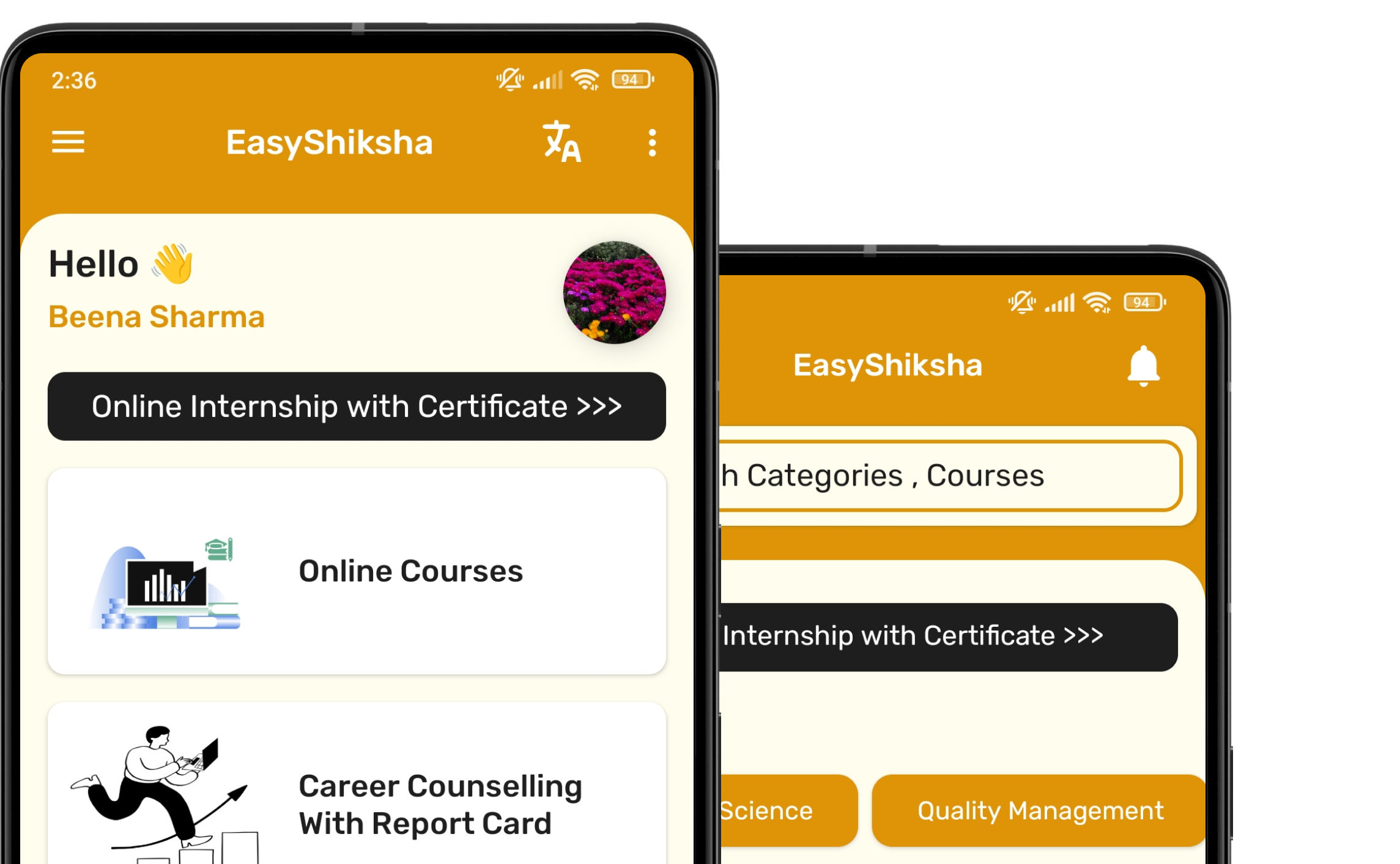
Experience the Speed: Now Available on Mobile!

Download EasyShiksha Mobile Apps from Android Play Store, Apple App Store, Amazon App Store, and Jio STB.

Curious to learn more about EasyShiksha's services or need assistance?

Our team is always here to collaborate and address all your doubts.

Message should be at least 50 characters long.