






























program icon
Explore

Data Science

Explore Data Science university courses and programs on EasyShiksha, including degree, diploma, UG and PG options for student enrollment.

28 Programmes
13 University Partners
4.8โ˜… Avg. Rating
UGC-Recognised Degree
Industry-Aligned Curriculum
UGC-DEB Approved Online/ODL
Flexible Learning Options
Understanding Data Science

What Is Data Science?

Data Science is an interdisciplinary specialization focused on collecting, processing, analysing, and interpreting data to identify patterns, generate insights, and support informed decision-making. It combines concepts from statistics, mathematics, programming, data analysis, and computing to work with structured and unstructured data.

Common areas associated with Data Science include statistical analysis, data visualisation, programming, databases, data preparation, machine learning, predictive analytics, and exploratory data analysis. Depending on the programme and university, students may also explore areas such as artificial intelligence, big data, deep learning, natural language processing, data engineering, and cloud-based data platforms.

Data Science can be relevant for students who enjoy mathematics, statistics, programming, analytical thinking, and solving problems using data. The specialization can help learners develop skills for working with datasets and applying analytical methods to practical problems across technology, business, finance, healthcare, marketing, research, and other fields.

Data Science may be offered through different programme types and academic structures, so curriculum, eligibility, duration, and learning mode can vary by university and programme. At EasyShiksha, students can explore relevant university programmes and compare options based on their academic interests, career goals, programme structure, eligibility, and specialisation choices.

UGC Degree-Level Recognition
What You Get

A program that pairs recognition with real skills

UGC-Recognised Degree

Same institutional recognition as a conventional Bachelor's degree.

Industry-Aligned Curriculum

Built with Sector Skill Councils, not just academic departments.

Direct Employability

Hands-on skill components designed for job-readiness, not just theory.

Offered By

Universities offering these programs

Compare accreditation and programme count before choosing where to apply.

Kalinga University campus
Kalinga University

Kalinga University

Raipur, Chhattisgarh ยท Est. 2013
UGCSec. 12B
NAAC B+Accredited
AICTEApproved
View University
Mangalayatan University campus
Mangalayatan University

Mangalayatan University

Aligarh, Uttar Pradesh ยท Est. 2006
UGCSec. 12B
NAAC A+Accredited
AICTEApproved
View University
Manipur International University campus
Manipur International University

Manipur International University

Imphal, Manipur ยท Est. 2019
UGCSec. 12B
AICTEApproved
View University
Sharda University campus
Sharda University

Sharda University

Noida, Uttar Pradesh ยท Est. 2009
UGCSec. 12B
NAAC A+Accredited
AICTEApproved
View University
Amity University campus
Amity University

Amity University

Noida, Uttar Pradesh ยท Est. 2005
UGCSec. 12B
NAAC A+Accredited
AICTEApproved
View University
Chandigarh University campus
Chandigarh University

Chandigarh University

Mohali, Punjab ยท Est. 2012
UGCSec. 12B
NAAC A+Accredited
AICTEApproved
View University
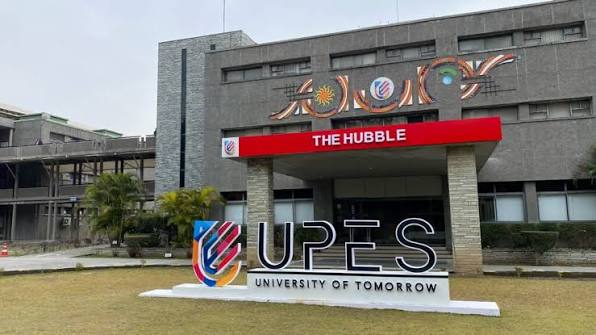
University of Petroleum and Energy Studies campus
University of Petroleum and Energy Studies

University of Petroleum and Energy Studies

Dehradun, Uttarakhand ยท Est. 2003
UGCSec. 12B
NAAC AAccredited
AICTEApproved
View University
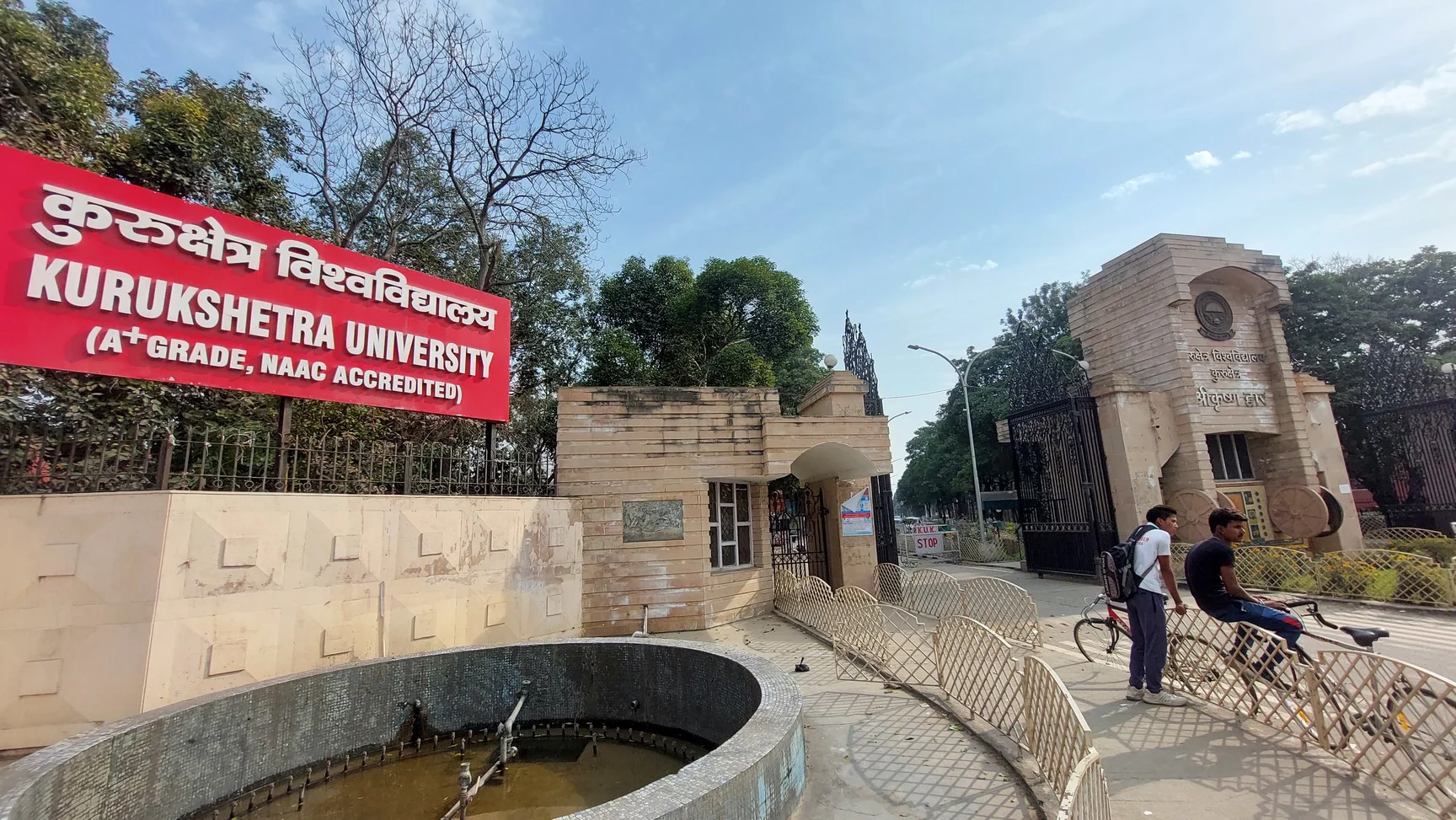
Kurukshetra University campus
Kurukshetra University

Kurukshetra University

Kurukshetra, Haryana ยท Est. 1956
UGCSec. 12B
NAAC A++Accredited
AICTEApproved
View University
Shoolini University campus
Shoolini University

Shoolini University

Solan, Himachal Pradesh ยท Est. 2009
UGCSec. 12B
NAAC A+Accredited
AICTEApproved
View University
Vellore Institute of Technology campus
Vellore Institute of Technology

Vellore Institute of Technology

Vellore, Tamil Nadu ยท Est. 1984
UGCSec. 12B
NAAC A++Accredited
AICTEApproved
View University
Christ University campus
Christ University

Christ University

Bengaluru, Karnataka ยท Est. 1969
UGCSec. 12B
NAAC A+Accredited
AICTEApproved
View University
MK University Patan campus
MK University Patan

MK University Patan

Patan, Gujarat ยท Est. 2022
UGCSec. 12B
AICTEApproved
View University
Duke International University campus
Duke International University

Duke International University

Namchi, Sikkim ยท Est. 2024
UGCSec. 12B
AICTEApproved
View University
Student Voices

What learners say

โ˜…โ˜…โ˜…โ˜…

"A solid choice for anyone who wants to build a foundation in commerce before deciding on a more specific career direction."

R
Rahul Chauhan Commerce
โ˜…โ˜…โ˜…โ˜…โ˜…

"I wanted a program focused on skills I could actually use. The web development content gave me a much clearer understanding of how websites are built."

D
Deepika Joshi Web Development
โ˜…โ˜…โ˜…โ˜…

"The course helped me understand project planning, timelines and team coordination in a much more structured way. It has been useful alongside my work."

A
Aman Bansal Project Management
Career Opportunities

Explore career opportunities

Data Scientist

Data scientists analyse datasets and apply statistical, computational, and machine learning techniques to identify patterns and generate insights. Their work can involve data preparation, exploratory analysis, predictive modelling, and communicating findings to support decision-making.

Data Analyst

Data analysts collect, process, analyse, and interpret data to help answer specific business or operational questions. They may use statistical techniques, databases, programming tools, and data visualisation methods to communicate useful findings.

Machine Learning Engineer

Machine learning engineers develop and implement systems that use machine learning algorithms. Their work can involve preparing data, developing models, evaluating performance, and integrating machine learning solutions into applications or systems.

Business Intelligence Analyst

Business intelligence analysts work with organisational data to identify trends and produce reports or analytical outputs that support business decisions. Data Science knowledge can provide foundations in data analysis, visualisation, databases, and statistical reasoning.

Data Engineer

Data engineers work on systems and processes used to collect, transform, store, and make data available for analysis. Depending on the role, they may work with databases, data pipelines, distributed systems, cloud technologies, and other data infrastructure.

Data Visualisation Specialist

Data visualisation specialists focus on presenting data in clear and meaningful visual formats. They may work with charts, dashboards, and other visual techniques to help users understand patterns, relationships, and trends within datasets.

Quantitative Analyst

Quantitative analysts use mathematical, statistical, and computational methods to analyse data and support decision-making, particularly in fields where quantitative modelling is important. Additional domain-specific knowledge may be required depending on the role.

Research Data Analyst

Research data analysts work with datasets generated through academic, scientific, social, or organisational research. They may help prepare data, conduct statistical analysis, interpret results, and present findings in a structured manner.

Career opportunities depend on qualification, analytical and technical skills, practical experience, projects, certifications, specialisation, and employer requirements. Learners may also pursue postgraduate education, professional certifications, research, or further specialisation in areas such as machine learning, artificial intelligence, data engineering, big data, business analytics, or advanced statistics.


Common Questions

Frequently asked questions

What is Data Science? +

Data Science is an interdisciplinary field that uses mathematics, statistics, programming, computing, and analytical methods to collect, process, analyse, and interpret data. It can involve identifying patterns, generating insights, building models, and supporting decision-making. The specific subjects and emphasis can vary depending on the university and programme.

What does Data Science cover? +

Data Science covers areas such as statistics, mathematics, programming, data preparation, databases, data visualisation, exploratory data analysis, and machine learning. Depending on the programme, students may also study artificial intelligence, predictive analytics, big data, deep learning, data engineering, natural language processing, or cloud-based data technologies.

What subjects are studied in Data Science? +

Common subjects may include statistics, mathematics, programming, databases, data structures, data visualisation, exploratory data analysis, and machine learning. Depending on the university and programme, additional subjects may include artificial intelligence, predictive analytics, big data technologies, deep learning, data engineering, or natural language processing.

Is Data Science a good choice for a career in data and technology? +

Data Science can be relevant for students interested in data, statistics, programming, analytical reasoning, and technology. It provides a foundation for working with datasets and analytical methods. Career outcomes depend on factors such as qualification, technical skills, practical experience, projects, specialisation, certifications, and the requirements of individual employers.

What skills are required for Data Science? +

Useful skills include statistical reasoning, mathematics, programming, data analysis, problem-solving, and analytical thinking. Familiarity with databases, data visualisation, and machine learning can also be valuable. Communication skills are useful because data professionals often need to explain analytical findings clearly to technical and non-technical audiences.

What are the career options after studying Data Science? +

Career options can include data scientist, data analyst, machine learning engineer, business intelligence analyst, data engineer, data visualisation specialist, quantitative analyst, and research data analyst. The specific roles available depend on the learner's qualification, technical abilities, practical experience, specialisation, certifications, and employer requirements.

Can I specialise further after studying Data Science? +

Yes. Learners can pursue further education, certifications, research, projects, or specialised training in areas such as machine learning, artificial intelligence, data engineering, big data, business analytics, deep learning, or advanced statistics. The most suitable pathway depends on the learner's academic background, career interests, and the requirements of the chosen programme or professional pathway.

Can I pursue Data Science through different programme types? +

Data Science may be available through different programme structures and academic offerings, depending on the university. Programme level, duration, learning mode, eligibility, curriculum, and specialisation options can vary. Students should review the specific programme information provided by each university before selecting or applying to a programme.

What is the eligibility for studying Data Science? +

Eligibility requirements vary by university and programme type. Depending on the programme, institutions may specify particular academic qualifications, subjects, entrance requirements, or other admission conditions. Students should check the eligibility criteria of the specific Data Science programme they are considering rather than assuming that one universal requirement applies to all programmes.

How do I choose the right Data Science programme? +

Students can compare Data Science programmes based on university, programme type and level, curriculum, learning mode, duration, eligibility, practical learning opportunities, specialisation options, and career interests. At EasyShiksha, learners can explore relevant university programmes and compare available information to identify options that align with their academic background and professional goals.

What is Data Science?

Data Science is a multidisciplinary field that uses statistical, mathematical, computational, and analytical techniques to extract useful information from data. It involves activities such as collecting and preparing data, exploring datasets, identifying patterns, building analytical models, and communicating findings. The specific curriculum and emphasis can vary depending on the university and programme.

What Do You Study in Data Science?

Common areas of study may include statistics, mathematics, programming, data structures, databases, data preparation, exploratory data analysis, data visualisation, and machine learning. Depending on the programme, students may also study predictive analytics, artificial intelligence, big data technologies, deep learning, natural language processing, data engineering, or cloud-based data systems. The curriculum can vary by university and programme.

Why Choose Data Science?

Data Science can help learners develop analytical and technical skills for working with data and transforming datasets into meaningful insights. It can strengthen abilities in programming, statistical reasoning, data visualisation, analytical problem-solving, and model development. These skills can be applied to different areas where data is used to understand trends, evaluate outcomes, make predictions, or support decisions.

Data Science and Emerging Technologies

Data Science is closely connected with technologies such as machine learning, artificial intelligence, big data platforms, cloud computing, deep learning, and automated analytics. Depending on the programme, learners may gain experience with modern data tools and techniques through coursework, projects, electives, or specialised modules. The field continues to evolve as organisations generate and use increasingly diverse forms of data.

Who Should Choose Data Science?

Data Science may suit learners who are interested in mathematics, statistics, programming, data analysis, and problem-solving. Curiosity about patterns and the ability to work systematically with information can also be useful. Students interested in applying analytical methods to areas such as business, technology, finance, healthcare, research, or marketing may find the specialization relevant.

Explore Data Science Programmes on EasyShiksha

At EasyShiksha, students can explore Data Science programmes offered through different universities and programme types. Learners can compare available options based on university, programme type, programme level, learning mode, eligibility, duration, curriculum, and specialisation options. This can help students identify programmes that align with their academic interests and career objectives.

Ready to apply?

Browse all programmes above and start your application in minutes.

View Data Science Programmes
Whatsapp Email Support

Experience the Speed: Now Available on Mobile!

Download EasyShiksha Mobile Apps from Android Play Store, Apple App Store, Amazon App Store, and Jio STB.

Curious to learn more about EasyShiksha's services or need assistance?

Our team is always here to collaborate and address all your doubts.

Message should be at least 50 characters long.









