


































program icon
Explore

Computer Applications

Explore Computer Applications courses and programmes on EasyShiksha. Learn about programming, software, databases, subjects, careers and further study.

18 Programmes
7 University Partners
4.8โ˜… Avg. Rating
UGC-Recognised Degree
Industry-Aligned Curriculum
UGC-DEB Approved Online/ODL
Flexible Learning Options
Understanding Computer Applications

What Is Computer Applications?

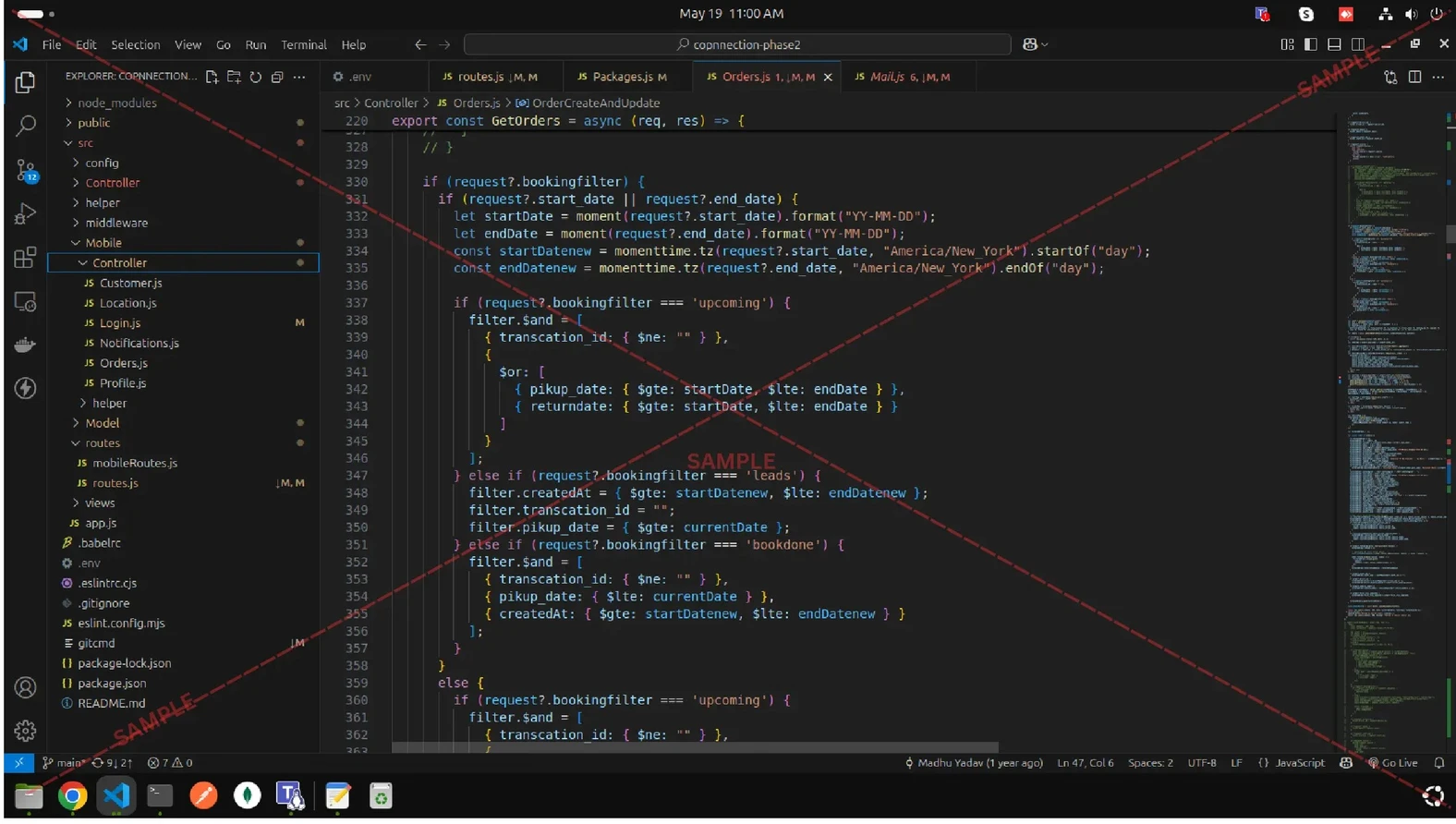
Computer Applications is a technology-focused specialization concerned with the practical use of computers, software, programming, databases, networks, and digital tools to develop and manage technology-based solutions. In higher education, it focuses on applying computing concepts to software development, information processing, business applications, and digital systems.

Common areas associated with Computer Applications include programming, data structures, database management, computer networks, operating systems, web development, software engineering, and application development. Depending on the university and programme, students may also explore mobile applications, cloud technologies, cybersecurity, data analytics, artificial intelligence, and other emerging areas of computing.

Studying Computer Applications can help students develop programming, analytical thinking, problem-solving, logical reasoning, software development, and technology-related skills. The specialization is relevant to software and IT services, digital businesses, application development, technology operations, and other computing-oriented sectors. Students may explore undergraduate, postgraduate, diploma, B.Voc, professional, or other relevant programmes where available. The exact curriculum, practical training, eligibility, duration, and programme structure vary by university and programme.

UGC Degree-Level Recognition
What You Get

A program that pairs recognition with real skills

UGC-Recognised Degree

Same institutional recognition as a conventional Bachelor's degree.

Industry-Aligned Curriculum

Built with Sector Skill Councils, not just academic departments.

Direct Employability

Hands-on skill components designed for job-readiness, not just theory.

Student Voices

What learners say

โ˜…โ˜…โ˜…โ˜…โ˜…

"The HR modules cover much more than recruitment. I found the sections on employee management and organisational behaviour particularly useful."

S
Shreya Gupta Human Resource Management
โ˜…โ˜…โ˜…โ˜…

"A solid choice for anyone who wants to build a foundation in commerce before deciding on a more specific career direction."

R
Rahul Chauhan Commerce
โ˜…โ˜…โ˜…โ˜…โ˜…

"I wanted a program focused on skills I could actually use. The web development content gave me a much clearer understanding of how websites are built."

D
Deepika Joshi Web Development
Career Opportunities

Explore career opportunities

Application and Software Development

Computer Applications can provide a foundation for software and application development roles. Professionals may work on designing, coding, testing, maintaining, and improving software applications based on technical and user requirements.

Web Development

Students with relevant programming and web technology skills may explore web development roles involving websites and web applications. Depending on the position, responsibilities can include front-end development, back-end development, database integration, or application maintenance.

Database and Information Systems

Knowledge of databases and information systems can be relevant to roles involving data organisation, database support, information management, and business applications. Additional technical skills may be required for specialised positions.

Mobile Application Development

Students who develop relevant programming and mobile technology skills may explore mobile application development. Work in this area can involve building, testing, updating, and maintaining applications for mobile platforms.

IT and Technology Services

Computer Applications education can also support technology-oriented roles in IT services and digital operations. Depending on the position, professionals may work with software, systems, applications, technical support, or technology implementation.

Data, Cloud and Emerging Technologies

Students may pursue further learning in areas such as data analytics, cloud computing, cybersecurity, artificial intelligence, or other computing technologies. The suitability for specialised roles depends on the additional knowledge and practical skills developed.

Further Education

Students can continue into postgraduate education, professional learning, specialised certifications where relevant, or research-oriented study in computing and related fields. Certain technology roles may also have specific technical or professional requirements.

Career opportunities depend on the qualification level, programme, university, technical skills, projects, practical experience, specialisation, and employer requirements. Studying Computer Applications does not automatically qualify a student for every technology-related role.


Common Questions

Frequently asked questions

What is Computer Applications as a university specialization? +

Computer Applications focuses on the practical use of computing, programming, software, databases, networks, and digital technologies to develop and manage technology-based solutions.

What subjects are generally studied in Computer Applications? +

Depending on the programme, students may study programming, data structures, databases, operating systems, computer networks, software engineering, web development, and application development. Some programmes may include AI, cloud computing, cybersecurity, or data analytics.

What skills can students develop through Computer Applications? +

Students may develop programming, logical reasoning, problem-solving, software development, database management, analytical thinking, application testing, and technical communication skills.

What career opportunities are available after studying Computer Applications? +

Depending on their qualification and skills, students may explore software development, application development, web development, database-related roles, IT services, technology operations, and specialised areas such as cloud, data, cybersecurity, or AI.

Can students pursue higher studies after Computer Applications? +

Yes. Depending on their qualification and academic goals, students may pursue postgraduate or specialised study in Computer Applications, Computer Science, Information Technology, software, data, cybersecurity, artificial intelligence, or related fields.

What is Computer Applications?

Computer Applications is an academic specialization focused on the practical application of computing knowledge to software, information systems, digital tools, and technology-based solutions. It helps students understand how computer applications are designed, developed, implemented, tested, and used to address practical requirements.

The specialization can combine programming and computing fundamentals with application-oriented learning. Depending on the programme, students may study software development, databases, web technologies, networking, application design, and other areas related to information technology. The academic scope varies by university and programme.

Key Areas of Study

Programmes in Computer Applications may cover programming languages, data structures and algorithms, database management, computer networks, operating systems, software engineering, web development, and application development.

Students may also encounter areas such as mobile application development, cloud computing, cybersecurity, data analytics, artificial intelligence, user-focused application design, or information systems, depending on the programme structure.

Programming and software development can help learners understand how applications are planned, coded, tested, and maintained. Database-related study can introduce methods for organising, storing, retrieving, and managing information. Web and application technologies may provide exposure to digital platforms and software used in practical environments.

Skills Developed

Computer Applications programmes can help students develop programming, logical reasoning, analytical thinking, problem-solving, software development, database management, and technical communication skills. Depending on the curriculum, learners may also develop skills in application testing, debugging, data handling, web development, and digital technologies.

Project-based learning, where included, can help students apply computing concepts to practical software or technology problems. The type and extent of practical learning depend on the specific programme.

Practical and Industry Relevance

Knowledge of Computer Applications can be applied to software development, websites and web applications, mobile applications, databases, business information systems, digital services, and technology operations.

The specialization can be relevant to IT services, software businesses, digital platforms, technology-enabled organisations, and other sectors that use computer applications as part of their operations. The relevance of particular skills depends on the programme curriculum and the requirements of the intended professional role.

Who Should Consider This Specialization?

Computer Applications may interest students who enjoy computers, programming, software, logical problem-solving, and technology. It can be considered by learners interested in developing applications, working with databases, understanding digital systems, or building practical computing skills.

Students should compare individual programmes based on curriculum, programme level, learning mode, practical components, specialisation options, and progression opportunities before selecting a programme.

Higher Education and Further Study

Students can explore undergraduate, postgraduate, diploma, B.Voc, professional, or other relevant Computer Applications programmes where available. Graduates may also pursue further study in computer applications, computer science, information technology, software development, data-related fields, cybersecurity, artificial intelligence, or other related disciplines.

Further academic progression can allow students to develop specialised knowledge or move toward research-oriented pathways. The appropriate progression route depends on the qualification already completed, university requirements, programme structure, and individual academic goals.

Ready to apply?

Browse all programmes above and start your application in minutes.

View Computer Applications Programmes
Whatsapp Email Support

Experience the Speed: Now Available on Mobile!

Download EasyShiksha Mobile Apps from Android Play Store, Apple App Store, Amazon App Store, and Jio STB.

Curious to learn more about EasyShiksha's services or need assistance?

Our team is always here to collaborate and address all your doubts.

Message should be at least 50 characters long.