
































program icon
Explore

Management

Explore Management university programs, degrees, B.Voc, diplomas, UG and PG courses in India and discover programs for enrollment through EasyShiksha.

557 Programmes
17 University Partners
4.8โ˜… Avg. Rating
UGC-Recognised Degree
Industry-Aligned Curriculum
UGC-DEB Approved Online/ODL
Flexible Learning Options
Understanding Management

What Is Management?

Management is a broad academic and professional domain focused on planning, organising, leading and controlling resources to achieve organisational objectives. It covers how organisations make decisions, manage people, allocate resources, understand markets, improve operations and respond to changing business environments. Major areas within Management include marketing, finance, human resources, operations, business analytics, entrepreneurship, strategic management, international business and supply chain management. Students may explore Management through programmes such as BBA, BMS, MBA, PGDM, M.Sc, postgraduate diploma, diploma and certification programmes, depending on the university and programme structure. The domain may appeal to students interested in business, leadership, communication, decision-making, problem-solving and organisational processes. Management education can provide knowledge applicable across sectors such as technology, finance, healthcare, retail, manufacturing, education and professional services. Students can also pursue further specialisation through postgraduate education, professional certifications and industry-oriented training. At EasyShiksha, learners can explore and compare university programmes related to Management based on programme type, specialisation, eligibility, duration, curriculum and learning mode.

UGC Degree-Level Recognition
What You Get

A program that pairs recognition with real skills

UGC-Recognised Degree

Same institutional recognition as a conventional Bachelor's degree.

Industry-Aligned Curriculum

Built with Sector Skill Councils, not just academic departments.

Direct Employability

Hands-on skill components designed for job-readiness, not just theory.

Offered By

Universities offering these programs

Compare accreditation and programme count before choosing where to apply.

Kalinga University campus
Kalinga University

Kalinga University

Raipur, Chhattisgarh ยท Est. 2013
UGCSec. 12B
NAAC B+Accredited
AICTEApproved
View University
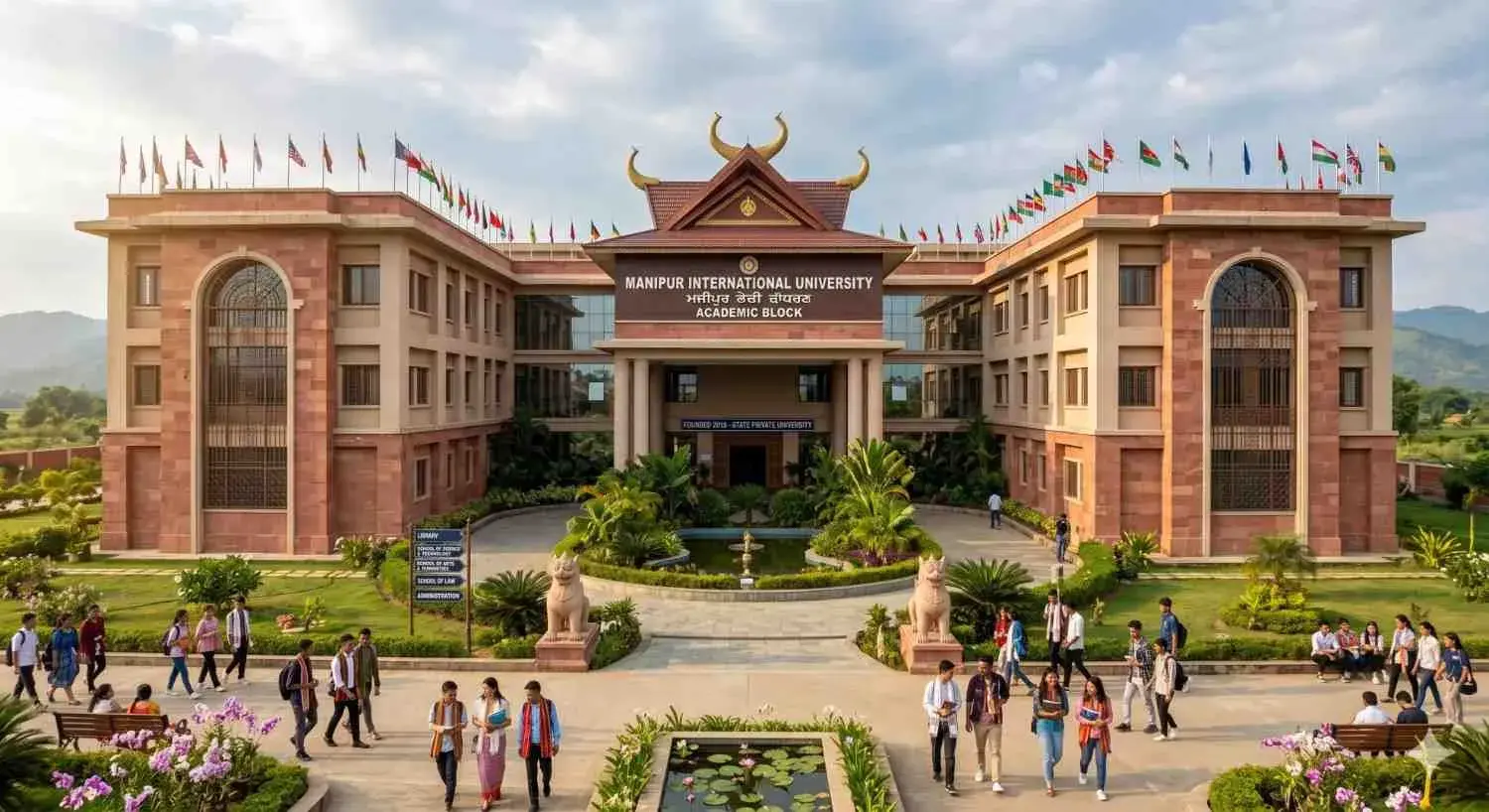
Manipur International University campus
Manipur International University

Manipur International University

Imphal, Manipur ยท Est. 2019
UGCSec. 12B
AICTEApproved
View University
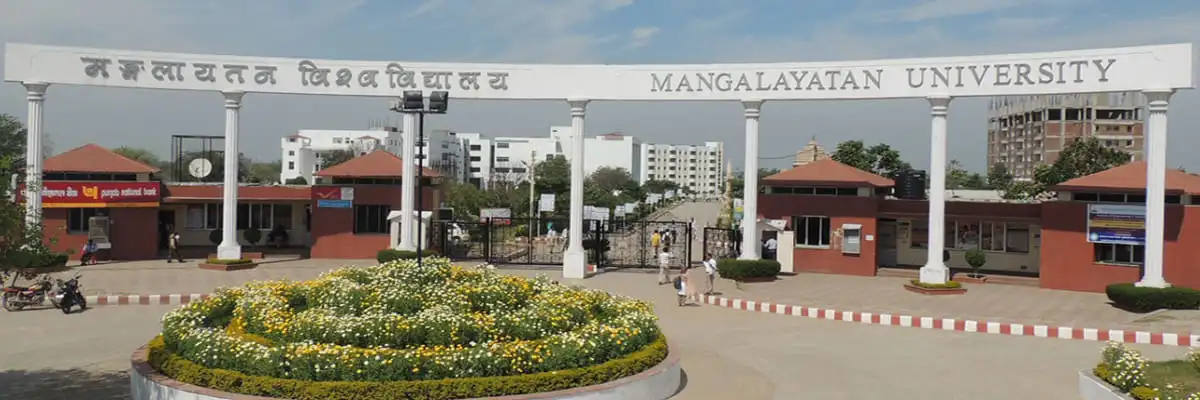
Mangalayatan University campus
Mangalayatan University

Mangalayatan University

Aligarh, Uttar Pradesh ยท Est. 2006
UGCSec. 12B
NAAC A+Accredited
AICTEApproved
View University
Dr. D. Y. Patil Vidyapeeth Pune campus
Dr. D. Y. Patil Vidyapeeth Pune

Dr. D. Y. Patil Vidyapeeth Pune

Pune, Maharashtra ยท Est. 2003
UGCSec. 12B
NAAC A++Accredited
AICTEApproved
View University
Uttaranchal University campus
Uttaranchal University

Uttaranchal University

Dehradun, Uttarakhand ยท Est. 2013
UGCSec. 12B
NAAC A+Accredited
AICTEApproved
View University
Sharda University campus
Sharda University

Sharda University

Noida, Uttar Pradesh ยท Est. 2009
UGCSec. 12B
NAAC A+Accredited
AICTEApproved
View University
Parul University campus
Parul University

Parul University

Vadodara, Gujarat ยท Est. 2015
UGCSec. 12B
NAAC A++Accredited
AICTEApproved
View University
Amity University campus
Amity University

Amity University

Noida, Uttar Pradesh ยท Est. 2005
UGCSec. 12B
NAAC A+Accredited
AICTEApproved
View University
University of Petroleum and Energy Studies campus
University of Petroleum and Energy Studies

University of Petroleum and Energy Studies

Dehradun, Uttarakhand ยท Est. 2003
UGCSec. 12B
NAAC AAccredited
AICTEApproved
View University
Assam down town University campus
Assam down town University

Assam down town University

Guwahati, Assam ยท Est. 2010
UGCSec. 12B
NAAC A+Accredited
AICTEApproved
View University
Amrita Vishwa Vidyapeetham campus
Amrita Vishwa Vidyapeetham

Amrita Vishwa Vidyapeetham

Coimbatore, Tamil Nadu ยท Est. 2003
UGCSec. 12B
NAAC A++Accredited
AICTEApproved
View University
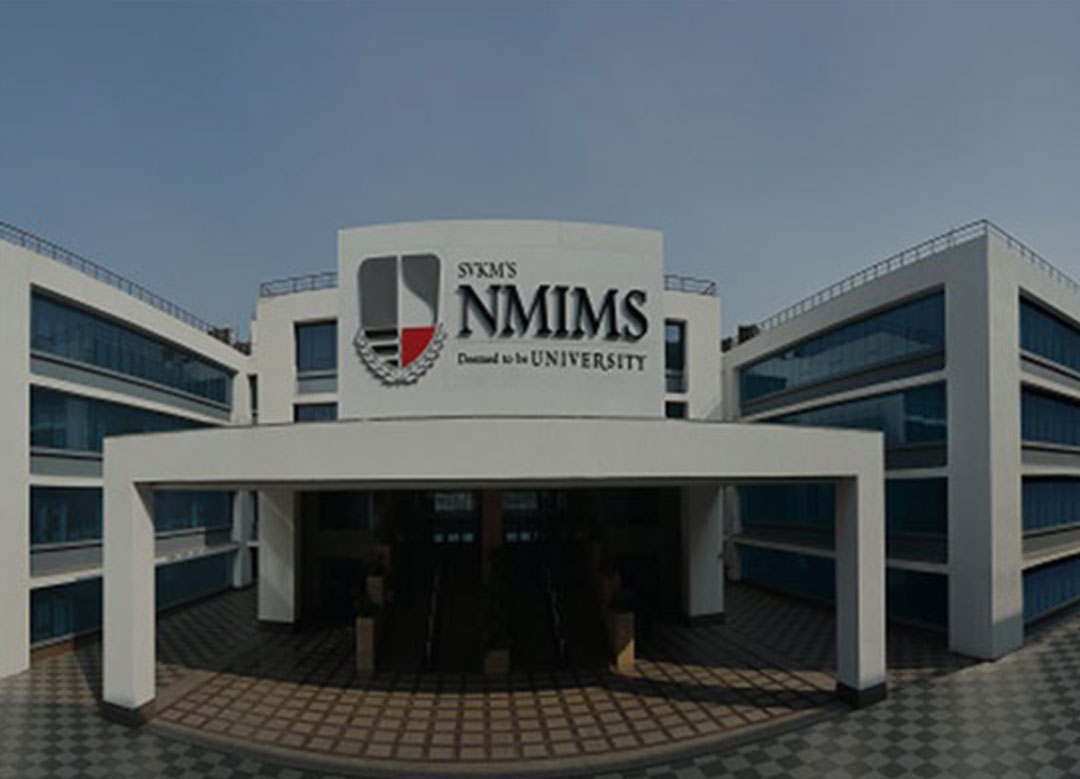
SVKM's Narsee Monjee Institute of Management Studies (NMIMS) campus
SVKM's Narsee Monjee Institute of Management Studies (NMIMS)

SVKM's Narsee Monjee Institute of Management Studies (NMIMS)

Mumbai, Maharashtra ยท Est. 1981
UGCSec. 12B
NAAC A+Accredited
AICTEApproved
View University
MK University Patan campus
MK University Patan

MK University Patan

Patan, Gujarat ยท Est. 2022
UGCSec. 12B
AICTEApproved
View University
Duke International University campus
Duke International University

Duke International University

Namchi, Sikkim ยท Est. 2024
UGCSec. 12B
AICTEApproved
View University
Atal Bihari Vajpayee Skill University campus
Atal Bihari Vajpayee Skill University

Atal Bihari Vajpayee Skill University

Gangtok, Sikkim ยท Est. 2025
UGCSec. 12B
AICTEApproved
View University
Sikkim Global Technical University campus
Sikkim Global Technical University

Sikkim Global Technical University

Namchi, Sikkim ยท Est. 2023
UGCSec. 12B
AICTEApproved
View University
Swami Vivekanand Subharti University campus
Swami Vivekanand Subharti University

Swami Vivekanand Subharti University

Meerut, Uttar Pradesh ยท Est. 2008
UGCSec. 12B
NAAC AAccredited
AICTEApproved
View University
Student Voices

What learners say

โ˜…โ˜…โ˜…โ˜…โ˜…

"The curriculum starts with the fundamentals and gradually moves into more advanced topics, which worked really well for me as a beginner."

A
Aditya Singh Computer Applications
โ˜…โ˜…โ˜…โ˜…

"What I appreciated most was the depth of the subject matter. It helped me understand psychological concepts rather than simply memorising them."

N
Neha Kapoor Psychology
โ˜…โ˜…โ˜…โ˜…โ˜…

"The finance modules were practical and relevant to the kind of work I want to do. I especially liked the focus on applying concepts to real situations."

S
Saurabh Jain Finance
Career Opportunities

Explore career opportunities

Marketing Manager

Marketing professionals help organisations plan and execute activities related to products, services, customers and markets. Their work can involve market research, branding, communication, campaign planning and performance analysis. Knowledge of marketing principles, consumer behaviour and business strategy can be relevant.

Human Resource Manager

Human resource professionals manage people-related functions within organisations. Their responsibilities may include recruitment, employee development, performance processes, workplace policies and employee relations. Knowledge of organisational behaviour, human resource management, communication and employment practices can provide a foundation for this career path.

Financial Manager

Financial managers contribute to financial planning, budgeting, reporting and resource management within organisations. Knowledge of accounting, financial management, business analysis and corporate finance can be useful. Students interested in this path may choose Management programmes with a finance specialisation.

Operations Manager

Operations managers help organisations coordinate processes, resources and activities involved in delivering products or services. Their work can include process improvement, resource planning, quality management and operational coordination. Knowledge of operations management, analytics and organisational processes can be relevant.

Business Analyst

Business analysts examine business requirements, processes and performance to support informed decisions and improvements. They may work with data, stakeholders and organisational teams to identify problems and evaluate solutions. Analytical thinking, communication and knowledge of business processes are valuable skills.

Management Consultant

Management consultants help organisations analyse challenges, evaluate processes and develop recommendations for improving performance or addressing specific business requirements. The role can involve research, data analysis, problem-solving and stakeholder communication. Management education can provide useful foundations in business concepts and analytical methods.

Project Manager

Project managers coordinate activities, resources, schedules and stakeholders to help projects progress toward defined objectives. Their work can involve planning, risk management, communication, documentation and monitoring. Knowledge of project management, leadership and organisational processes can be useful.

Supply Chain Manager

Supply chain professionals coordinate activities related to sourcing, procurement, inventory, logistics and distribution. They may work on improving processes, managing suppliers and coordinating resources. Knowledge of operations, supply chain management, analytics and business processes can support this career direction.

Business Development Professional

Business development professionals identify potential markets, partnerships, clients or business opportunities and contribute to organisational growth initiatives. Communication, market research, relationship management, negotiation and business analysis can be relevant skills for this role.

Entrepreneur

Entrepreneurs develop and manage business ventures, products or services. Their work may involve identifying opportunities, planning operations, managing resources, understanding customers and making business decisions. Management education can provide foundations in marketing, finance, operations and strategy that may be useful when developing a venture.

Career Development

Management career opportunities can depend on academic qualification, chosen specialisation, practical experience, communication skills, analytical abilities and employer requirements. Students may strengthen their profiles through postgraduate education, professional certifications, internships, projects, industry training and specialised business skills. Leadership, teamwork, problem-solving, digital literacy and adaptability can also support professional development across management functions.


Common Questions

Frequently asked questions

What is Management as a study domain? +

Management is a broad academic and professional domain focused on planning, organising, leading and coordinating resources to achieve organisational objectives. It covers areas such as marketing, finance, human resources, operations, strategy, entrepreneurship and business analytics. Management programmes can prepare students to understand organisational processes and decision-making.

What subjects are studied in Management? +

Management programmes may include principles of management, accounting, economics, marketing, finance, organisational behaviour, business communication and operations. Depending on the specialisation, students may also study human resources, business analytics, entrepreneurship, supply chain management, strategic management or international business.

What programmes are available in Management? +

Management education may be available through BBA, BMS, MBA, PGDM, postgraduate diploma, diploma and certification programmes. Programme level, duration, eligibility, curriculum and learning mode vary by university. Some institutions may also offer specialised programmes focused on areas such as marketing, finance, human resources or operations.

What are the major Management specialisations? +

Common specialisations include Marketing Management, Financial Management, Human Resource Management, Operations Management, Business Analytics, Entrepreneurship, International Business, Supply Chain Management and Strategic Management. Other areas can include Healthcare Management, Hospitality Management, Retail Management and Technology Management, depending on university offerings.

Who should study Management? +

Management may suit students interested in business, leadership, communication, teamwork, decision-making and organisational problem-solving. Students who want to understand how organisations operate and how resources are coordinated may find the domain relevant. The appropriate specialisation should be selected according to academic interests and career goals.

What skills are useful for Management? +

Useful Management skills include communication, leadership, analytical thinking, problem-solving, teamwork, planning and decision-making. Depending on the specialisation, students may also benefit from financial analysis, marketing, data analytics, project management or supply chain knowledge. Digital literacy and adaptability can also be valuable.

What are the career opportunities in Management? +

Management graduates may explore roles such as marketing manager, human resource professional, financial manager, operations manager, business analyst, management consultant, project manager, supply chain professional or business development professional. Career opportunities depend on qualification, specialisation, practical experience, skills and employer requirements.

Can I study Management online? +

Some Management degrees, postgraduate programmes, diplomas and certifications may be available through online or flexible learning modes. However, programme availability, eligibility, duration, curriculum and recognition vary by university and qualification. Students should verify the specific programme's learning mode and requirements before enrolling.

Can I study Management after 12th? +

Students may pursue certain undergraduate Management programmes after 12th, subject to the eligibility requirements of the university and programme. Options can include BBA, BMS and related qualifications. Admission criteria, required subjects, duration and selection procedures vary across institutions, so students should check specific programme requirements.

How do I choose the right Management programme? +

Students can compare Management programmes based on university, programme type, academic level, specialisation, eligibility, duration, curriculum, learning mode and career relevance. Consider whether the programme matches your interests in areas such as marketing, finance, human resources, operations or analytics. EasyShiksha can help learners explore and compare relevant university programmes.

What is Management?

Management is a broad academic and professional domain concerned with coordinating people, processes, finances, information and other resources to achieve organisational goals. It examines how organisations plan activities, make decisions, lead teams, manage operations and respond to internal and external challenges. Management combines concepts from business, economics, organisational behaviour, communication and decision-making.

What Do You Study in Management?

Management programmes may cover principles of management, organisational behaviour, business communication, economics, accounting, marketing, finance and operations. Depending on the programme, students may also study human resource management, business analytics, entrepreneurship, strategic management, supply chain management, international business and project management. Case studies, presentations, group projects and practical assignments may complement theoretical learning.

Programmes Available in Management

Management may be studied through programmes such as BBA, BMS, MBA, PGDM, postgraduate diploma, diploma and certification programmes, depending on the university and programme level. Some institutions may offer specialised Management programmes focused on areas such as human resources, marketing, finance or operations. Eligibility, duration, curriculum and learning mode vary by programme.

Specialisations in Management

Common Management specialisations include Marketing Management, Financial Management, Human Resource Management, Operations Management, Business Analytics, Entrepreneurship, International Business, Supply Chain Management, Project Management and Strategic Management. Other specialised areas may include Healthcare Management, Hospitality Management, Retail Management and Technology Management.

Why Choose Management?

Students may choose Management to develop an understanding of how organisations operate and how business decisions are made. The domain can build knowledge in areas such as leadership, communication, planning, analysis and resource management. It also allows students to specialise according to their interests and pursue further education or professional development in business-related fields.

Who Should Choose Management?

Management may suit students interested in business, leadership, teamwork, communication, decision-making and organisational problem-solving. It can be relevant to learners who want to understand how companies and other organisations function. Students should consider their preferred area, such as marketing, finance, human resources or operations, when selecting a Management programme.

Explore Management Programmes on EasyShiksha

EasyShiksha helps students explore and compare university programmes across academic and professional domains. When evaluating Management programmes, students can consider university, programme type, academic level, specialisation, eligibility, duration, curriculum, learning mode and career relevance. Programme availability and admission requirements vary between universities, so students should review specific programme details before making an academic decision.

Ready to apply?

Browse all programmes above and start your application in minutes.

View Management Programmes
Whatsapp Email Support

Experience the Speed: Now Available on Mobile!

Download EasyShiksha Mobile Apps from Android Play Store, Apple App Store, Amazon App Store, and Jio STB.

Curious to learn more about EasyShiksha's services or need assistance?

Our team is always here to collaborate and address all your doubts.

Message should be at least 50 characters long.










