




















program icon
Explore

Information Technology

Explore Information Technology university programs, degree, B.Voc, diploma, UG and PG courses in India and discover programs for enrollment through EasyShiksha.

80 Programmes
26 University Partners
4.8โ˜… Avg. Rating
UGC-Recognised Degree
Industry-Aligned Curriculum
UGC-DEB Approved Online/ODL
Flexible Learning Options
Understanding Information Technology

What Is Information Technology?

Information Technology (IT) is a broad academic and professional domain focused on using computing technologies, software, networks, databases and digital systems to collect, process, store, manage, secure and communicate information. Unlike a domain centred primarily on the theoretical foundations of computation, Information Technology places strong emphasis on the practical implementation, operation and management of technology within organisations and other environments. Key areas can include networking, database management, systems administration, web technologies, cloud computing, cybersecurity, information systems and IT infrastructure. Students may study IT through programmes such as B.Tech, B.Sc, BCA, M.Tech, M.Sc, MCA, diploma, postgraduate diploma and certification programmes, depending on university offerings. The domain can suit learners interested in computers, digital systems, troubleshooting and technology applications. IT knowledge is relevant across industries that depend on digital infrastructure and information systems. At EasyShiksha, students can explore and compare university programmes related to Information Technology based on university, programme type, specialisation, eligibility, duration and learning mode.

UGC Degree-Level Recognition
What You Get

A program that pairs recognition with real skills

UGC-Recognised Degree

Same institutional recognition as a conventional Bachelor's degree.

Industry-Aligned Curriculum

Built with Sector Skill Councils, not just academic departments.

Direct Employability

Hands-on skill components designed for job-readiness, not just theory.

Offered By

Universities offering these programs

Compare accreditation and programme count before choosing where to apply.

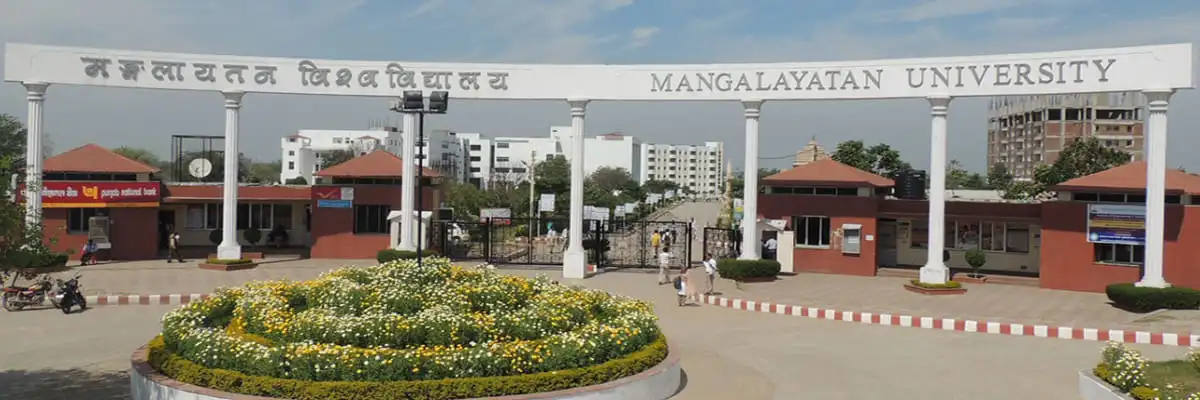
Mangalayatan University campus
Mangalayatan University

Mangalayatan University

Aligarh, Uttar Pradesh ยท Est. 2006
UGCSec. 12B
NAAC A+Accredited
AICTEApproved
View University
Mata Tripura Sundari Open University campus
Mata Tripura Sundari Open University

Mata Tripura Sundari Open University

Udaipur, Tripura ยท Est. 2024
UGCSec. 12B
AICTEApproved
View University
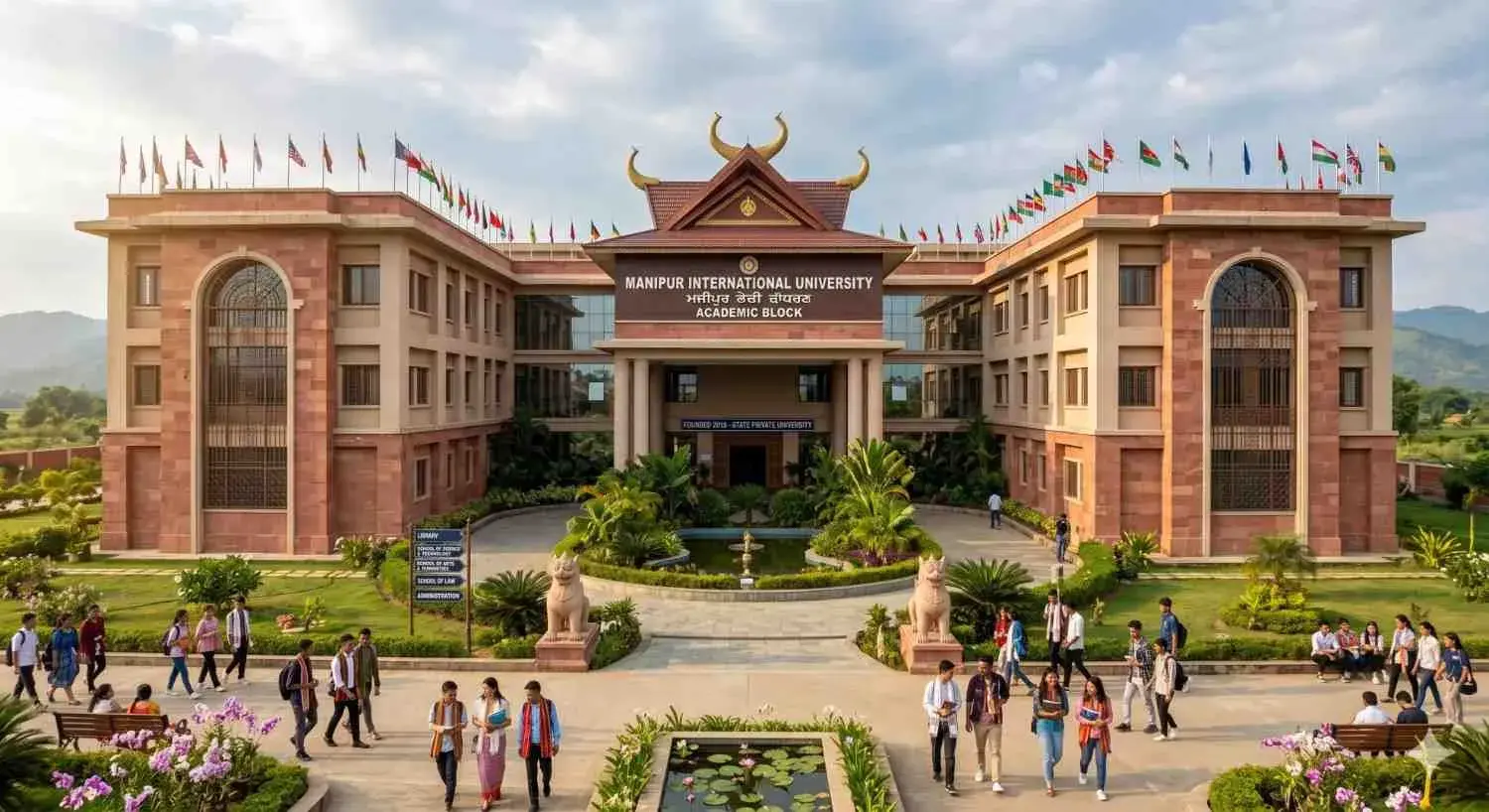
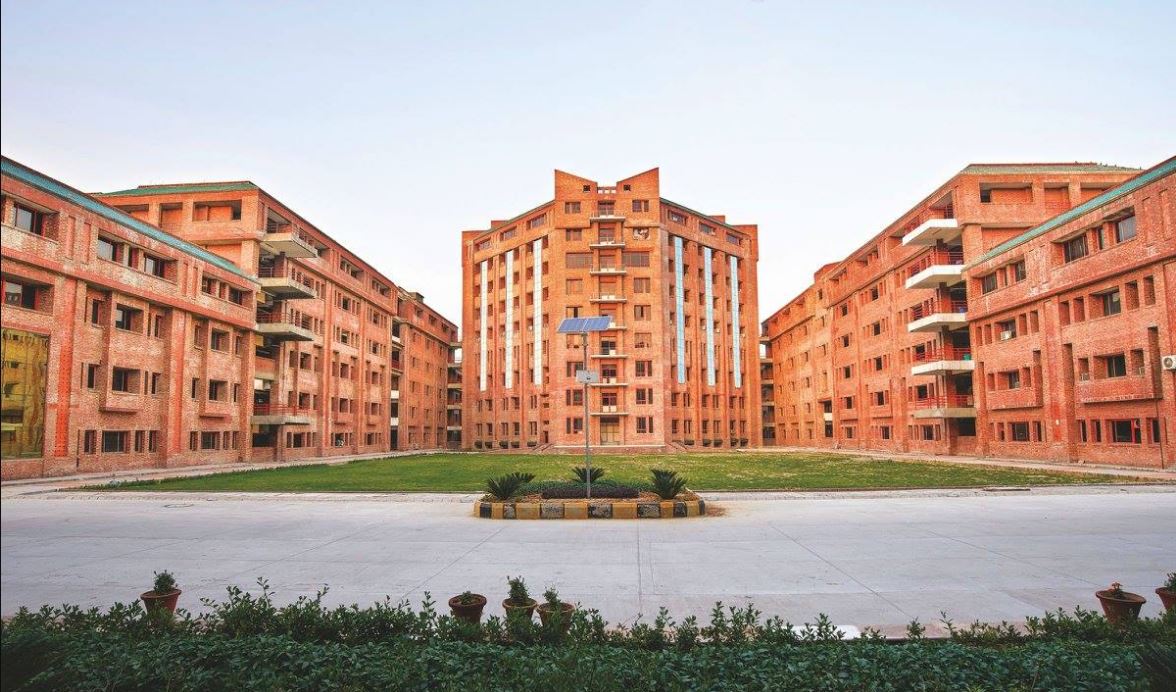
Manipur International University campus
Manipur International University

Manipur International University

Imphal, Manipur ยท Est. 2019
UGCSec. 12B
AICTEApproved
View University
Sharda University campus
Sharda University

Sharda University

Noida, Uttar Pradesh ยท Est. 2009
UGCSec. 12B
NAAC A+Accredited
AICTEApproved
View University
Manipal University Jaipur campus
Manipal University Jaipur

Manipal University Jaipur

Jaipur, Rajasthan ยท Est. 2011
UGCSec. 12B
NAAC A+Accredited
AICTEApproved
View University
Uttaranchal University campus
Uttaranchal University

Uttaranchal University

Dehradun, Uttarakhand ยท Est. 2013
UGCSec. 12B
NAAC A+Accredited
AICTEApproved
View University
Lovely Professional University campus
Lovely Professional University

Lovely Professional University

Phagwara, Punjab ยท Est. 2005
UGCSec. 12B
NAAC A++Accredited
AICTEApproved
View University
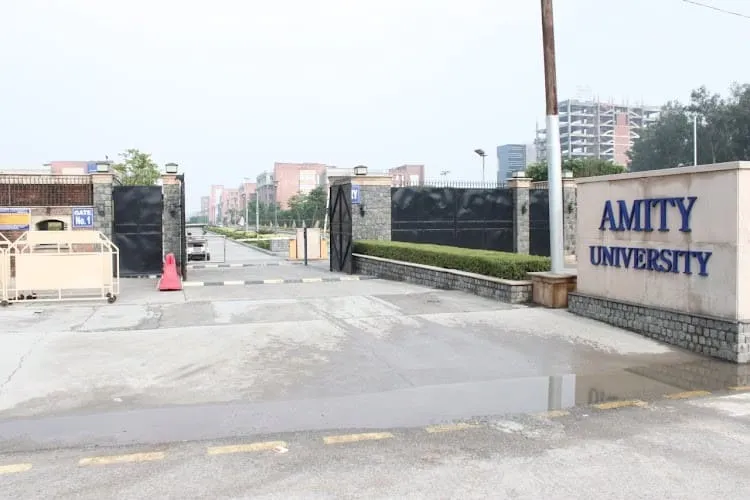
Amity University campus
Amity University

Amity University

Noida, Uttar Pradesh ยท Est. 2005
UGCSec. 12B
NAAC A+Accredited
AICTEApproved
View University
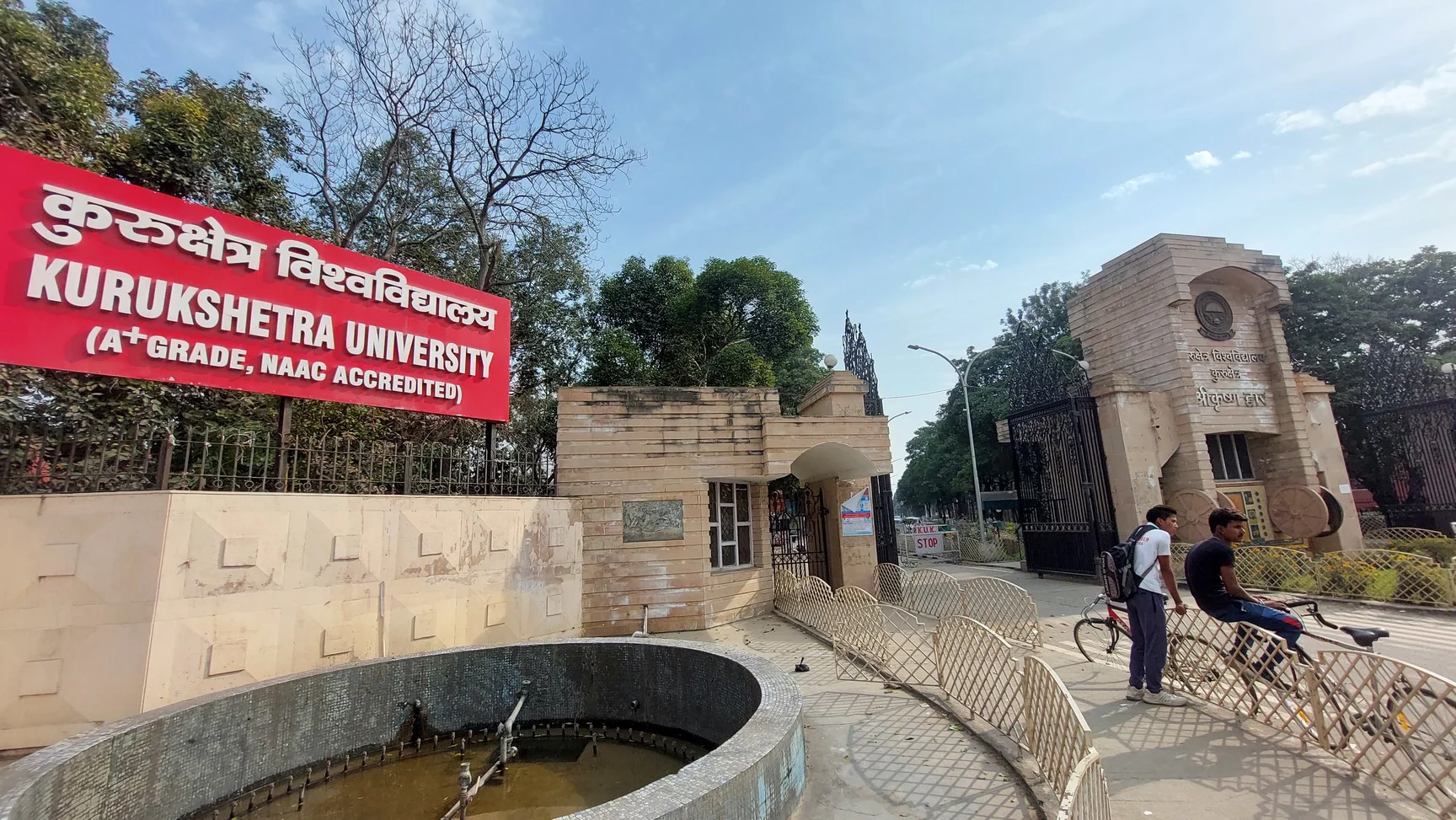
Kurukshetra University campus
Kurukshetra University

Kurukshetra University

Kurukshetra, Haryana ยท Est. 1956
UGCSec. 12B
NAAC A++Accredited
AICTEApproved
View University
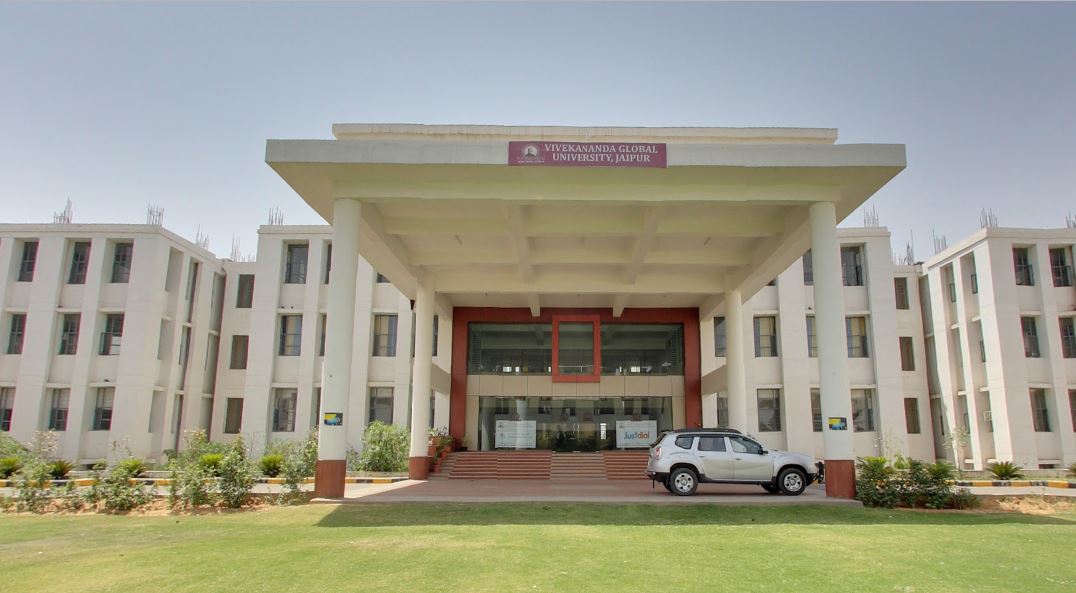
Vivekananda Global University campus
Vivekananda Global University

Vivekananda Global University

Jaipur, Rajasthan ยท Est. 2012
UGCSec. 12B
NAAC A+Accredited
AICTEApproved
View University
GLA University campus
GLA University

GLA University

Mathura, Uttar Pradesh ยท Est. 2010
UGCSec. 12B
NAAC A+Accredited
AICTEApproved
View University
Sikkim Manipal University campus
Sikkim Manipal University

Sikkim Manipal University

Gangtok, Sikkim ยท Est. 1995
UGCSec. 12B
NAAC A+Accredited
AICTEApproved
View University
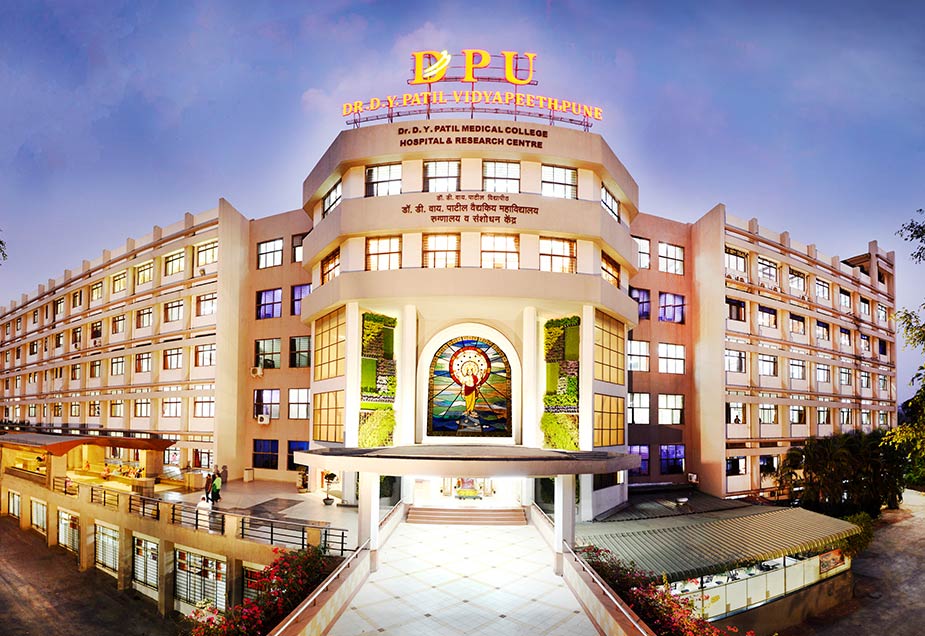
Dr. D. Y. Patil Vidyapeeth Pune campus
Dr. D. Y. Patil Vidyapeeth Pune

Dr. D. Y. Patil Vidyapeeth Pune

Pune, Maharashtra ยท Est. 2003
UGCSec. 12B
NAAC A++Accredited
AICTEApproved
View University
Shoolini University campus
Shoolini University

Shoolini University

Solan, Himachal Pradesh ยท Est. 2009
UGCSec. 12B
NAAC A+Accredited
AICTEApproved
View University
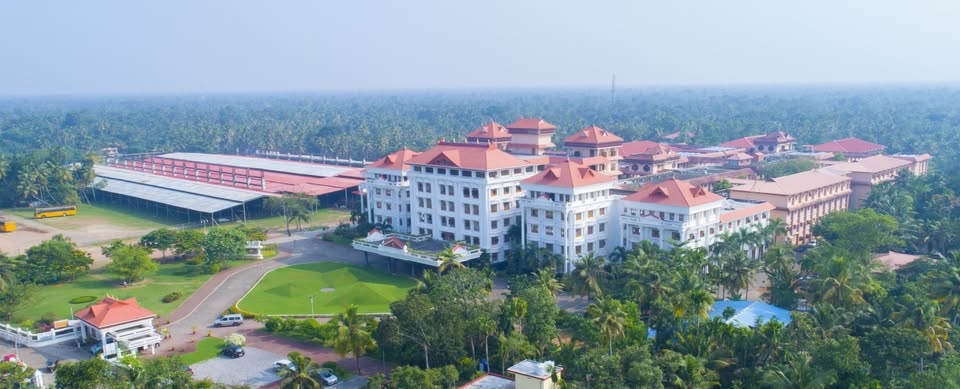
Amrita Vishwa Vidyapeetham campus
Amrita Vishwa Vidyapeetham

Amrita Vishwa Vidyapeetham

Coimbatore, Tamil Nadu ยท Est. 2003
UGCSec. 12B
NAAC A++Accredited
AICTEApproved
View University
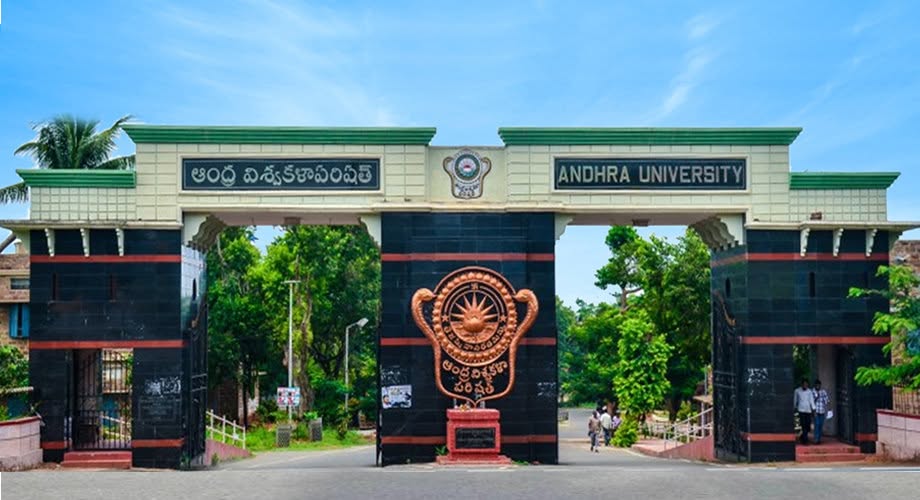
Andhra University campus
Andhra University

Andhra University

Visakhapatnam, Andhra Pradesh ยท Est. 1926
UGCSec. 12B
NAAC A++Accredited
AICTEApproved
View University
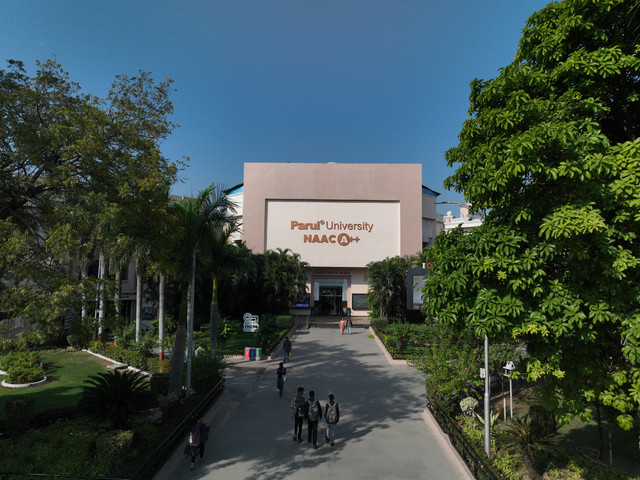
Parul University campus
Parul University

Parul University

Vadodara, Gujarat ยท Est. 2015
UGCSec. 12B
NAAC A++Accredited
AICTEApproved
View University
Dr. D. Y. Patil Vidyapeeth Mumbai campus
Dr. D. Y. Patil Vidyapeeth Mumbai

Dr. D. Y. Patil Vidyapeeth Mumbai

Navi Mumbai, Maharashtra ยท Est. 2003
UGCSec. 12B
NAAC A++Accredited
AICTEApproved
View University
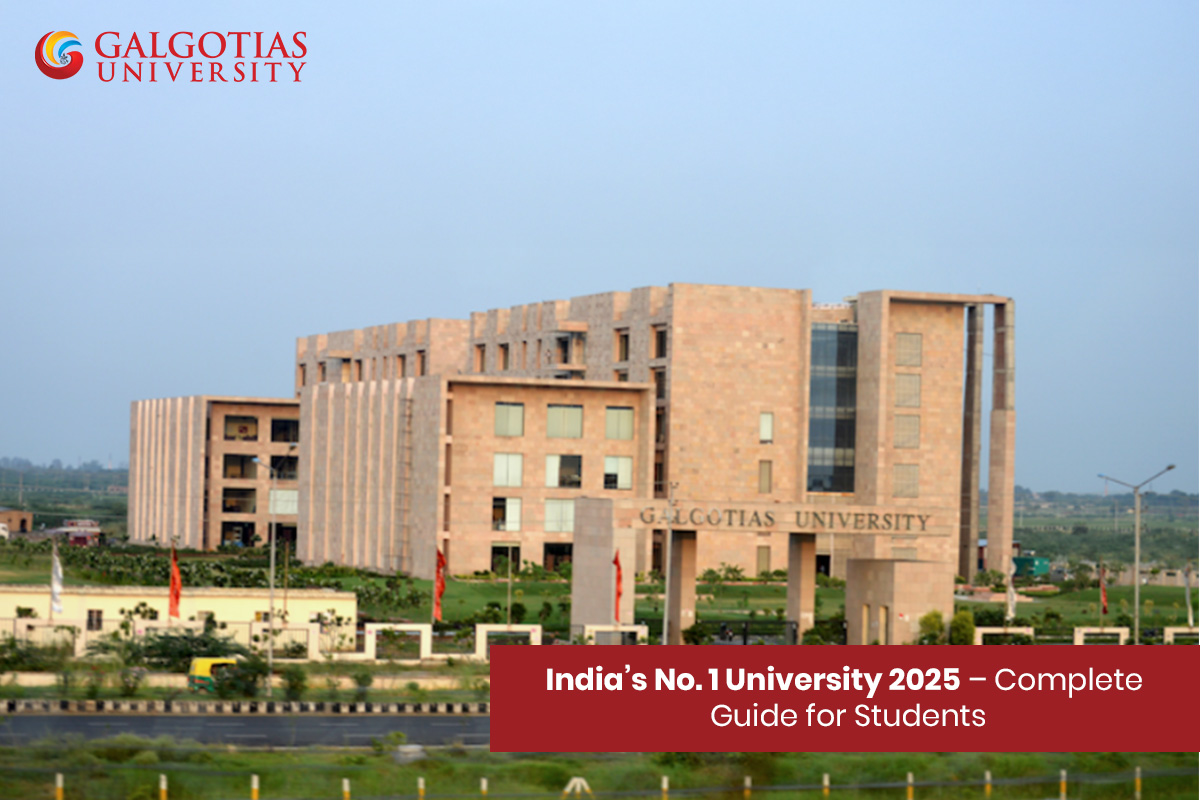
Galgotias University campus
Galgotias University

Galgotias University

Noida, Uttar Pradesh ยท Est. 2011
UGCSec. 12B
NAAC A+Accredited
AICTEApproved
View University
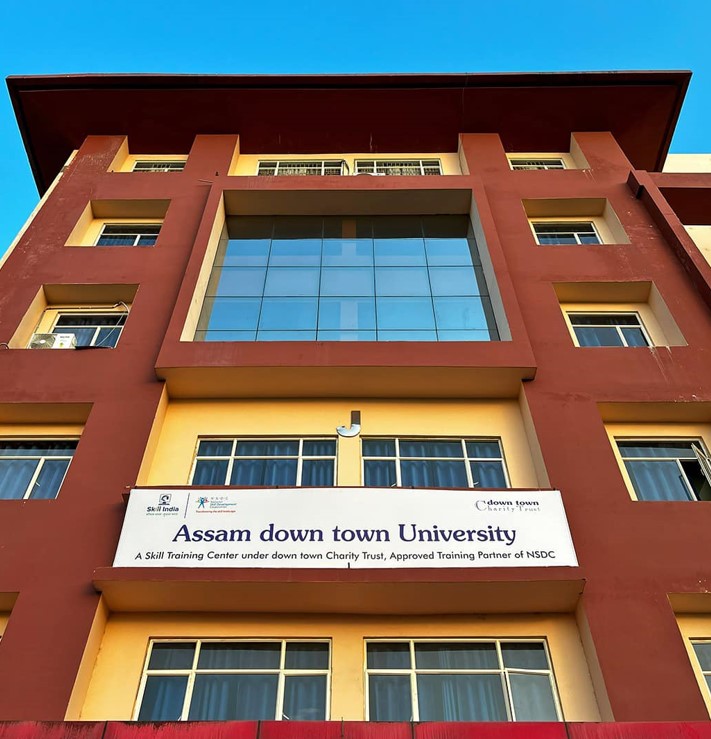
Assam down town University campus
Assam down town University

Assam down town University

Guwahati, Assam ยท Est. 2010
UGCSec. 12B
NAAC A+Accredited
AICTEApproved
View University
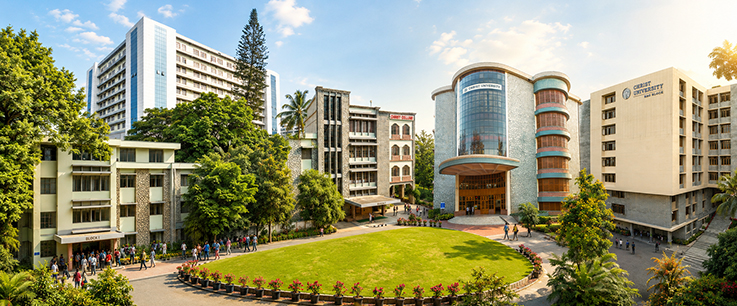
Christ University campus
Christ University

Christ University

Bengaluru, Karnataka ยท Est. 1969
UGCSec. 12B
NAAC A+Accredited
AICTEApproved
View University
Vellore Institute of Technology campus
Vellore Institute of Technology

Vellore Institute of Technology

Vellore, Tamil Nadu ยท Est. 1984
UGCSec. 12B
NAAC A++Accredited
AICTEApproved
View University
MK University Patan campus
MK University Patan

MK University Patan

Patan, Gujarat ยท Est. 2022
UGCSec. 12B
AICTEApproved
View University
Duke International University campus
Duke International University

Duke International University

Namchi, Sikkim ยท Est. 2024
UGCSec. 12B
AICTEApproved
View University
Sikkim Global Technical University campus
Sikkim Global Technical University

Sikkim Global Technical University

Namchi, Sikkim ยท Est. 2023
UGCSec. 12B
AICTEApproved
View University
Atal Bihari Vajpayee Skill University campus
Atal Bihari Vajpayee Skill University

Atal Bihari Vajpayee Skill University

Gangtok, Sikkim ยท Est. 2025
UGCSec. 12B
AICTEApproved
View University
Student Voices

What learners say

โ˜…โ˜…โ˜…โ˜…โ˜…

"I wanted a program focused on skills I could actually use. The web development content gave me a much clearer understanding of how websites are built."

D
Deepika Joshi Web Development
โ˜…โ˜…โ˜…โ˜…

"The course helped me understand project planning, timelines and team coordination in a much more structured way. It has been useful alongside my work."

A
Aman Bansal Project Management
โ˜…โ˜…โ˜…โ˜…โ˜…

"I enjoyed the creative side of the program, but I also liked that it introduced the practical thinking needed to design for real projects and audiences."

T
Tanvi Agarwal Graphic Design
Career Opportunities

Explore career opportunities

IT Support Specialist

IT support specialists help users and organisations resolve technology-related problems involving computers, software, networks and digital services. Troubleshooting, operating systems, hardware and software knowledge, communication and problem-solving skills can be useful for this role.

Systems Administrator

Systems administrators manage and maintain computer systems, servers and related technology infrastructure. Their work can involve system configuration, monitoring, maintenance, access management and troubleshooting. Knowledge of operating systems, networking, security and system administration can provide a foundation for this career.

Network Administrator

Network administrators manage and maintain organisational networks and related infrastructure. Responsibilities can include network configuration, monitoring, troubleshooting and performance management. Knowledge of networking protocols, security, communication systems and network devices is relevant to this career path.

Cloud Engineer

Cloud engineers work with cloud infrastructure, platforms and services used to deploy and operate digital systems. Relevant skills may include networking, virtualisation, operating systems, cloud platforms, automation and security. IT programmes with cloud-related subjects can help students develop foundational knowledge for this field.

Cybersecurity Analyst

Cybersecurity analysts help monitor and protect information systems, networks and digital resources from security risks. Relevant knowledge includes network security, access controls, system administration, security monitoring and risk awareness. Specialised IT programmes can provide academic foundations for cybersecurity-related careers.

Database Administrator

Database administrators manage databases and help maintain their availability, performance, security and reliability. Their work can involve database configuration, access control, backup procedures and troubleshooting. Knowledge of database management systems, SQL, data organisation and system administration can be useful.

Web Developer

Web developers create and maintain websites and web applications. Depending on their role, they may work with front-end interfaces, server-side technologies, databases and APIs. Programming, web technologies, databases and software development concepts are relevant skills that can be developed through IT education.

IT Consultant

IT consultants help organisations evaluate and implement technology solutions based on operational or business requirements. Their work can involve analysing systems, recommending solutions, supporting technology projects and communicating with stakeholders. Technical knowledge combined with analytical and communication skills can be valuable.

DevOps Professional

DevOps professionals support collaboration between development and IT operations, often using automation and deployment tools to improve software delivery processes. Relevant skills may include scripting, version control, cloud technologies, system administration, automation and continuous integration practices.

Information Systems Analyst

Information systems analysts examine how organisations use technology and information systems and identify ways to improve their effectiveness. Their work can involve requirements analysis, system evaluation, documentation and communication with users and technical teams. IT knowledge can provide a useful foundation for this role.

Career Development

Information Technology career paths can depend on academic qualification, chosen specialisation, technical skills, practical projects, certifications, industry exposure and employer requirements. Students may strengthen their profiles through postgraduate education, cloud or networking certifications, cybersecurity training, programming practice, portfolio projects and specialised technical courses. Communication, teamwork, troubleshooting and continuous learning are also useful for professional development.

Common Questions

Frequently asked questions

What is Information Technology? +

Information Technology is a broad domain focused on the practical use and management of computers, software, networks, databases and digital systems to handle information. It covers areas such as IT infrastructure, networking, cloud computing, cybersecurity, databases, information systems and technical support.

What subjects are studied in Information Technology? +

IT programmes may include programming, databases, computer networks, operating systems, information systems, web technologies and system administration. Depending on the programme, students may also study cloud computing, cybersecurity, software development, virtualisation, data management and emerging digital technologies.

What programmes are available in Information Technology? +

Information Technology may be studied through B.Tech, B.E., B.Sc, BCA, M.Tech, M.E., M.Sc, MCA, diploma, PG diploma and certification programmes, depending on the university. Programme duration, eligibility, curriculum and learning mode vary according to the specific qualification and institution.

What are the major Information Technology specialisations? +

IT-related specialisations can include Networking, Cloud Computing, Cybersecurity, Database Management, Information Systems, Web Technologies, Software Development, IT Infrastructure and Systems Administration. Some universities may also incorporate DevOps, Internet of Things, Data Analytics or other emerging technology areas.

What is the difference between Information Technology and Computer Science? +

Computer Science generally focuses more broadly on computation, algorithms, programming, software and the theoretical and technical foundations of computing. Information Technology places greater emphasis on applying, implementing and managing technology systems, networks, software and information infrastructure. However, the distinction and curriculum can vary between universities.

Who should study Information Technology? +

Information Technology may suit students interested in computers, networks, software applications, digital infrastructure and practical technology problem-solving. Students who enjoy troubleshooting and understanding how technology supports organisations may find the domain relevant. The best programme depends on academic interests, preferred subjects and career objectives.

What skills are useful for Information Technology? +

Useful skills can include problem-solving, logical reasoning, technical communication and familiarity with computing systems. Depending on the specialisation, networking, database management, programming, cloud computing, cybersecurity, operating systems or system administration skills may be relevant. Practical projects and continuous technical learning can further develop these capabilities.

What are the career opportunities in Information Technology? +

IT graduates may explore careers such as IT support specialist, systems administrator, network administrator, cloud engineer, cybersecurity analyst, database administrator, web developer, IT consultant or information systems analyst. Career opportunities depend on qualifications, specialisation, technical skills, practical experience and individual employer requirements.

Can I study Information Technology online? +

Some Information Technology degrees, certifications and skill-development programmes may be available through online or flexible learning modes. However, programme availability, practical requirements, eligibility, duration and recognition vary by university and qualification. Students should verify the specific programme's learning mode and requirements before enrolling.

Can I study Information Technology after 12th? +

Students may be able to pursue undergraduate IT-related programmes after 12th, depending on the eligibility requirements of the chosen university and programme. Options can include certain B.Tech, B.Sc or BCA programmes. Required subjects, admission criteria, duration and selection procedures vary between institutions.

What is Information Technology?

Information Technology is a broad academic and professional domain concerned with the practical use, implementation and management of computing and digital technologies to handle information. It encompasses hardware, software, networks, databases, systems and technology services used by individuals and organisations. IT professionals may work on deploying, maintaining, securing and improving technology systems that support communication, operations and business processes.

What Do You Study in Information Technology?

Information Technology programmes commonly cover programming fundamentals, databases, computer networks, operating systems, web technologies, information systems and system administration. Depending on the programme, students may also study cloud computing, cybersecurity, software development, data management, mobile technologies, virtualisation and IT infrastructure. Practical laboratory work, technical projects, system configuration and troubleshooting activities can complement theoretical learning.

Programmes Available in Information Technology

IT education may be available through B.Tech, B.E., B.Sc, BCA, M.Tech, M.E., M.Sc, MCA, diploma, PG diploma and certification programmes, depending on the university and subject focus. Programme duration, eligibility, curriculum, learning mode and admission requirements vary. Students should check individual university and programme requirements before applying.

Specialisations in Information Technology

Information Technology can include areas such as Networking, Cloud Computing, Cybersecurity, Database Management, Information Systems, Web Technologies, Software Development, IT Infrastructure and Systems Administration. Some programmes may incorporate emerging areas such as Internet of Things, DevOps, Artificial Intelligence and Data Analytics.

Why Choose Information Technology?

Students may choose Information Technology to develop practical knowledge of digital systems and learn how technology can be implemented and managed in real-world environments. The domain offers opportunities to specialise in infrastructure, cloud services, security, databases, systems or software-related areas. It can also provide a foundation for postgraduate study, professional certifications and further technical training.

Who Should Choose Information Technology?

Information Technology may suit students who are interested in computers, digital infrastructure, networking, software applications and solving technical problems. Learners who enjoy understanding how technology systems operate and how organisations use them may find the domain relevant. The appropriate programme should be selected according to academic interests, preferred specialisation and career goals.

Explore Information Technology Programmes on EasyShiksha

EasyShiksha helps students explore and compare university programmes across academic and professional domains. When evaluating Information Technology programmes, students can consider university, programme type, academic level, specialisation, eligibility, duration, learning mode, curriculum and career relevance. Programme availability and admission requirements vary by institution, so students should review the details of individual programmes before making a decision.

Ready to apply?

Browse all programmes above and start your application in minutes.

View Information Technology Programmes
Whatsapp Email Support

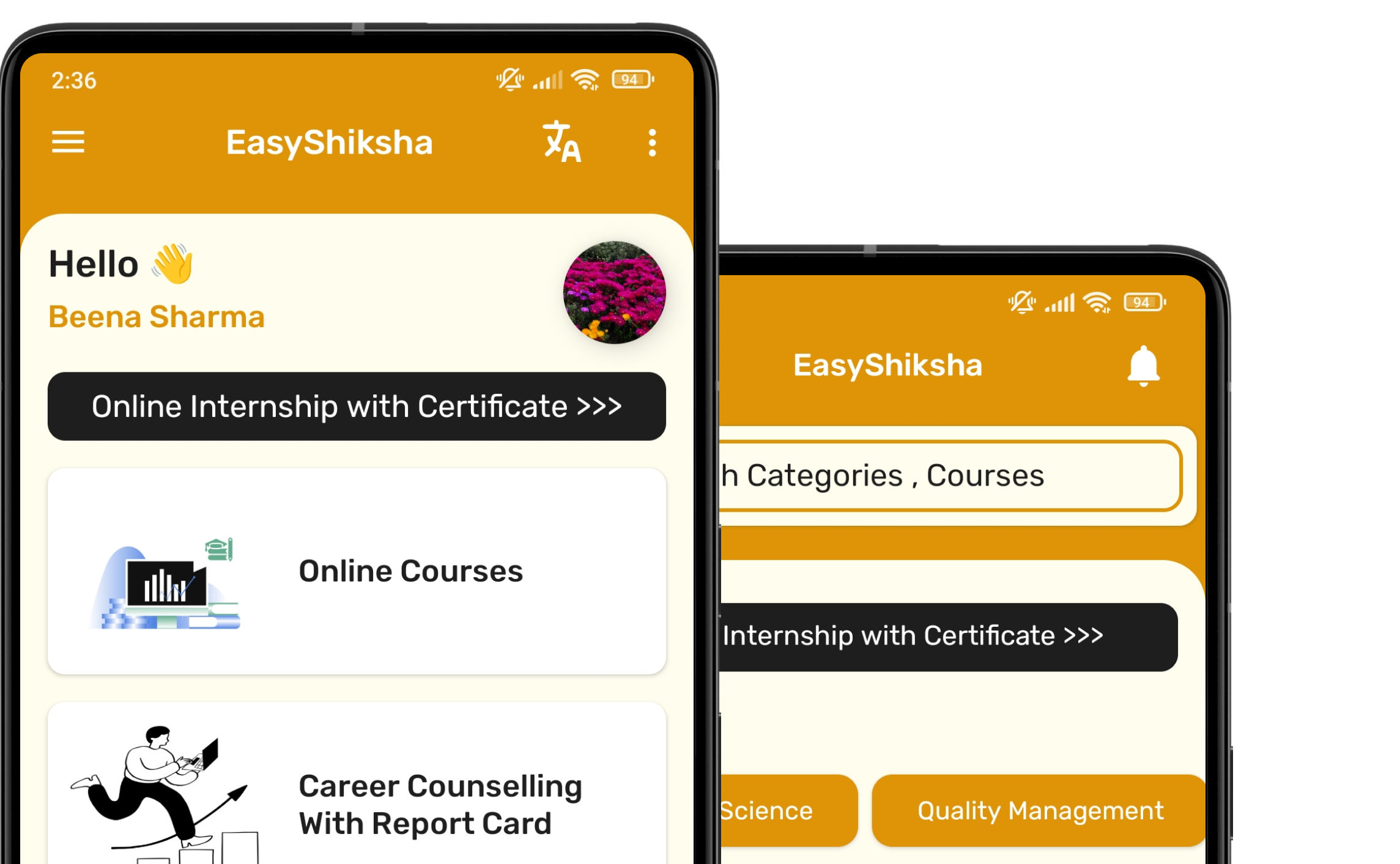
Experience the Speed: Now Available on Mobile!

Download EasyShiksha Mobile Apps from Android Play Store, Apple App Store, Amazon App Store, and Jio STB.

Curious to learn more about EasyShiksha's services or need assistance?

Our team is always here to collaborate and address all your doubts.

Message should be at least 50 characters long.