




















Software Engineer
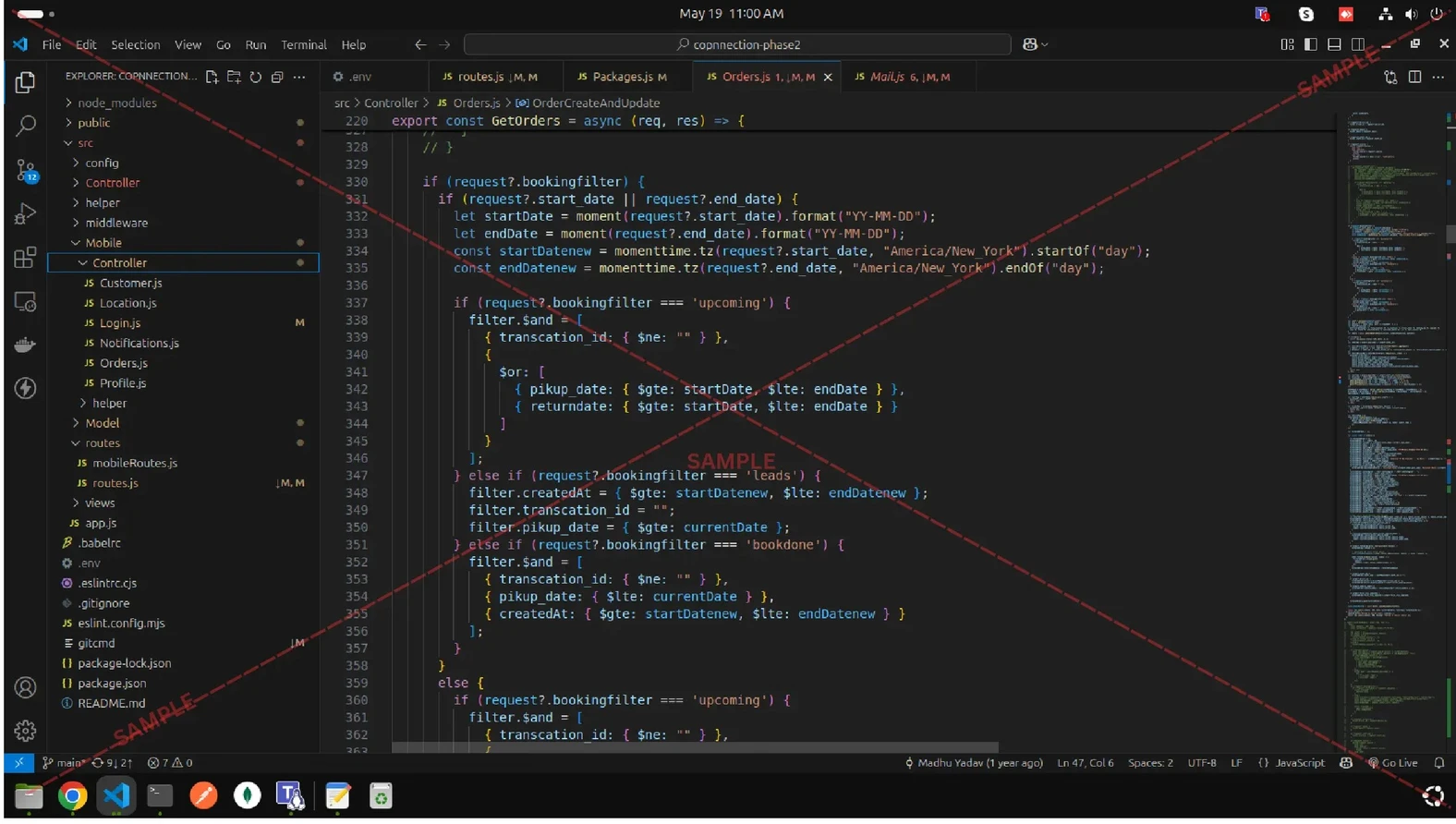
Software engineers design, develop, test and maintain software applications and systems. Programming, algorithms, databases, software development practices and problem-solving skills are particularly relevant. Students from Computer Science Engineering and related disciplines may develop a foundation for this career path.
Mechanical Engineer
Mechanical engineers work with machines, mechanical systems, manufacturing processes and product design. Knowledge of mechanics, thermodynamics, materials, computer-aided design and engineering analysis can be useful. Mechanical Engineering programmes commonly provide relevant theoretical and practical foundations.
Civil Engineer
Civil engineers contribute to the planning, design, construction and maintenance of infrastructure such as buildings, roads, bridges and water systems. Structural analysis, construction materials, surveying and project-related knowledge are relevant areas for this career path.
Electrical Engineer
Electrical engineers work with electrical systems, power technologies, control systems and related equipment. Understanding circuits, electrical machines, power systems, electronics and control principles can support work in areas such as energy, manufacturing and electrical infrastructure.
Electronics Engineer
Electronics engineers work with electronic circuits, devices, communication systems, embedded technologies and related hardware. Knowledge of electronics, digital systems, communication principles and embedded systems can provide a foundation for relevant roles.
Chemical Engineer
Chemical engineers apply principles of chemistry, physics, mathematics and engineering to industrial processes involving materials and chemical products. Process design, safety, materials, thermodynamics and process control are among the relevant areas of knowledge.
Aerospace Engineer
Aerospace engineers work with aircraft, spacecraft and related systems. Areas such as aerodynamics, propulsion, structures, materials and flight systems are relevant. Students interested in aerospace applications may pursue specialised Engineering programmes where available.
Robotics Engineer
Robotics engineers work with automated machines and robotic systems, combining concepts from mechanical engineering, electronics, programming and control systems. Knowledge of sensors, automation, robotics, embedded systems and programming can be valuable for this career path.
Engineering Analyst
Engineering analysts use technical knowledge, mathematical methods, modelling and analytical tools to evaluate systems, designs and processes. Depending on the discipline, their work may involve simulation, performance analysis, optimisation or technical decision-making.
Career Development
Engineering careers can depend on academic qualifications, chosen specialisation, technical skills, practical projects, internships or industry exposure, certifications and employer requirements. Professionals may strengthen their expertise through postgraduate education, specialised training, professional certifications, research or advanced technical skills. Communication, teamwork, analytical thinking and problem-solving can also contribute to professional development.