







B.Voc in Fashion Technology
Program Overview
B.Voc in Fashion Technology at Mangalayatan University is a three-year undergraduate vocational programme designed to develop creative, technical, and professional skills required for the fashion and apparel industry. The programme combines fashion design fundamentals with practical training in garment construction, textiles, fashion illustration, computer-aided design, pattern development, apparel production, fashion forecasting, merchandising, and fashion business management.
The curriculum progresses from foundational concepts such as Basics of Fashion, Fashion Drawing, Design Essentials and Design Thinking to advanced areas including Computer Aided Fashion Design, Textile & Fabric Artistry, Apparel Production, Pattern Development, Fashion Business Management, Advanced Garment Making, Costume Design, Accessory Design and Portfolio Development.
Eligibility Criteria
The minimum eligibility for admission in B.Voc is 10+2 (in any stream) or equivalent or a two-year ITI Diploma after Class 10th or a three-year Polytechnic Diploma after Class 10th.
Approval Details
MHRD, Government of India and UGC
Curriculum
Semester 1 introduces students to the fundamentals of fashion, communication, design thinking and creative development. Students build a strong foundation in fashion concepts, industry awareness, drawing and basic design principles.
1. Functional English
Students develop essential English communication skills, including verbal and non-verbal communication, listening, vocabulary, grammar and effective workplace communication.
2. Basics of Fashion
Introduces the fundamentals of fashion, fashion terminology, styles, trends, accessories, fashion seasons, fashion cycles and the evolution of fashion across different periods.
3. Development of Foundation Skills
Focuses on business communication, computer fundamentals, presentations, interviews, professional etiquette, teamwork, goal setting and employability skills.
4. Introduction to Fashion Industry
Provides an overview of the fashion business, its different levels, fashion markets, consumer segments, fashion categories and the role of designers, brands, retailers and manufacturers.
5. Design Thinking & Idea Generation
Introduces design thinking, brainstorming, mind mapping, SCAMPER and other creative techniques. Students learn how to research, define problems, generate concepts and develop design ideas.
6. Fashion Drawing
Develops fundamental drawing abilities through line and shading exercises, nature studies, perspective, object drawing and basic male and female fashion figure studies.
7. Design Essentials
Covers the basic elements and principles of design, including line, shape, colour, texture, balance, proportion, rhythm, emphasis and unity
Download Syllabus
Semester 2 develops students' knowledge of Indian fashion, professional communication, digital fashion design and basic garment construction. The semester combines creative, technical and practical learning.
1. Indian Historical Costumes
Introduces Indian fashion and costume traditions while exploring the development of the fashion industry, fashion marketing, branding, retailing, entrepreneurship, sustainability and global fashion markets.
2. Professional Communication
Develops professional communication skills through business writing, email communication, report writing, listening, group communication, negotiation and interpersonal skills.
3. Environmental Studies
Introduces environmental resources, ecosystems, biodiversity, conservation, sustainable development, climate change, environmental issues and the relationship between environment and human well-being.
4. Computer Aided Fashion Design
Provides practical exposure to digital fashion design using tools such as CorelDRAW and Photoshop. Students work with digital illustrations, colours, shapes, layouts, image editing, patterns, posters and fashion compositions.
5. Design Idea
Students learn to develop apparel and accessory design ideas using design elements, colour schemes, necklines, collars, sleeves, silhouettes, skirts, trousers and embellishments.
6. Fashion Illustration
Focuses on fashion figure development, facial features, hairstyles, prints, accessories, makeup and presentation of Indian and international costumes.
7. Basic Principles of Garment Technology
Introduces garment manufacturing, measurements, drafting, pattern making, sewing machines, stitches, seams and basic garment construction techniques for bodices, sleeves, skirts and trousers.
Semester 3 develops specialised skills in accessories, textiles, garment construction, fashion illustration and forecasting. Students gain greater exposure to practical fashion design and product development.
1. Accessory Design & Development
Introduces the design and development of fashion accessories such as bags, belts, jewellery, hats and footwear. Students learn about materials, tools, construction techniques, branding and sustainable accessory design.
2. India – Land & People I (Craft Traditions)
Explores India's geographical, cultural and social diversity, traditional crafts, religions, festivals, languages and major folk and classical performing arts.
3. Home Science
Covers the fundamentals of home science, human development, adolescence, hygiene, health, social development and factors influencing individual and family well-being.
4. Drafting Adaptation & Clothing Construction
Develops practical skills in dart manipulation, bodice adaptation, collars, sleeves, shirts, dresses, skirts, jackets and other garment variations.
5. Fashion Illustration & Application
Students develop advanced fashion illustrations covering male and female figures, fabric rendering, clothing categories, seasonal collections, fashion flats and technical specifications.
6. Elements of Textile
Introduces textile fibres, yarn formation, weaving, knitting, fabric construction, dyeing, printing, finishing and fabric care.
7. Fashion Forecasting
Students learn short-term and long-term fashion forecasting, trend analysis, colour forecasting, mood boards, theme boards, target-market analysis and national and international trend spotting.
Semester 4 focuses on advanced fashion construction, textile artistry, entrepreneurship, apparel production, quality control and pattern development for both women's and men's wear.
1. Psychology
Introduces basic concepts of psychology, human behaviour, consciousness, psychological methods, biological and cultural influences and human development.
2. India – Land & People II (Ancient Jewelry)
Explores ancient Indian jewellery traditions from the Indus Valley, Vedic, Mauryan, Gupta, Rajput and Mughal periods, including materials and sources of design inspiration.
3. Entrepreneurship Development
Introduces entrepreneurship, types and characteristics of entrepreneurs, business ideas, project formulation, entrepreneurial development programmes and support systems for small businesses.
4. Textiles & Fabric Artistry
Covers textile surface design, traditional dyeing and printing, Indian weaving techniques and traditional embroidery styles including Kantha, Chikankari, Phulkari, Kasuti and Zardozi.
5. Apparel Production & Quality Control
Provides knowledge of garment manufacturing, sampling, fabric inspection, cutting, production planning, sewing, finishing, packaging and quality-control procedures.
6. Pattern Development & Construction I – Women's Wear
Focuses on pattern development and construction for women's bodices, sleeves, skirts, dresses, trousers and jackets, including different design adaptations and variations.
7. Pattern Development & Construction II – Menswear
Introduces men's garment pattern making, including bodices, sleeves, trousers, shirts and jackets, along with garment details such as pockets, cuffs, belts and closures.
Semester 5 prepares students for advanced fashion design and commercial applications. Students study global crafts, fashion business, art history, business management, advanced garment techniques, costume design and accessories.
1. Global Culture Tradition
Introduces traditional crafts from different regions of the world, including Europe, Asia, North America, South America and Africa. Students also learn research, material collection and documentation.
2. Business of Fashion
Covers the scope of the fashion business, marketing concepts, market research, market segmentation, consumer behaviour and fashion forecasting for seasonal collections.
3. Art History
Explores major developments in art history from the Ancient World and Middle Ages through the Renaissance, Baroque, Rococo, nineteenth century and modern twentieth- and twenty-first-century movements.
4. Fashion Business Management
Introduces marketing management, human resources, financial management, international fashion markets, import/export processes, merchandising, sourcing, visual merchandising, branding and retail management.
5. Advanced Garment Making Techniques
Develops advanced skills in fashion draping, fitting, pattern grading and garment development. Students work with male and female garment blocks and are introduced to Gerber software for grading.
6. Costume Design
Introduces costume design for film and television, including character development, art direction, costume sourcing, wardrobe management, storyboards and preparation for shoots.
7. Accessory Design
Covers the history, components and categories of fashion accessories. Students develop concepts and prototypes for jewellery, handbags and headgear.
8. Pattern Exploration
Introduces advanced pattern development for jackets, coats, collars, trousers, resort wear, jumpsuits and other specialised garments, including zero-waste garment concepts.
Semester 6 is focused on professional preparation and the transition from academic learning to the fashion industry. Students develop skills in photography, professional practices, art appreciation, fashion range development and portfolio presentation.
1. Basics of Photography
Introduces camera types, shooting modes, exposure, aperture, shutter speed, ISO, portrait photography, lighting, composition, low-light photography and basic Photoshop editing.
2. Professional Practices
Prepares students for professional careers through workplace etiquette, communication, portfolio presentation, client interaction, negotiation, personal branding, freelancing, entrepreneurship, pricing, marketing and career development.
3. Art Appreciation
Introduces the fundamentals of art appreciation, elements and principles of art, Indian and Western art, different artistic mediums, art criticism and the relationship between art and fashion design.
4. Range Development
Students learn how to develop a complete fashion range based on target customers, market trends, seasons and occasions. The course covers trend research, mood boards, colour development, material selection, design variations, line planning, pricing, sampling and presentation.
5. Portfolio Development
Students compile and organise their fashion design work into a professional portfolio that demonstrates their creative, technical and practical capabilities.
6. Portfolio Presentation & Viva Voce
The programme concludes with the presentation of the student's portfolio and a viva voce, allowing students to demonstrate their understanding, design process, practical skills and overall learning from the programme.
Fee Structure
Admission Process
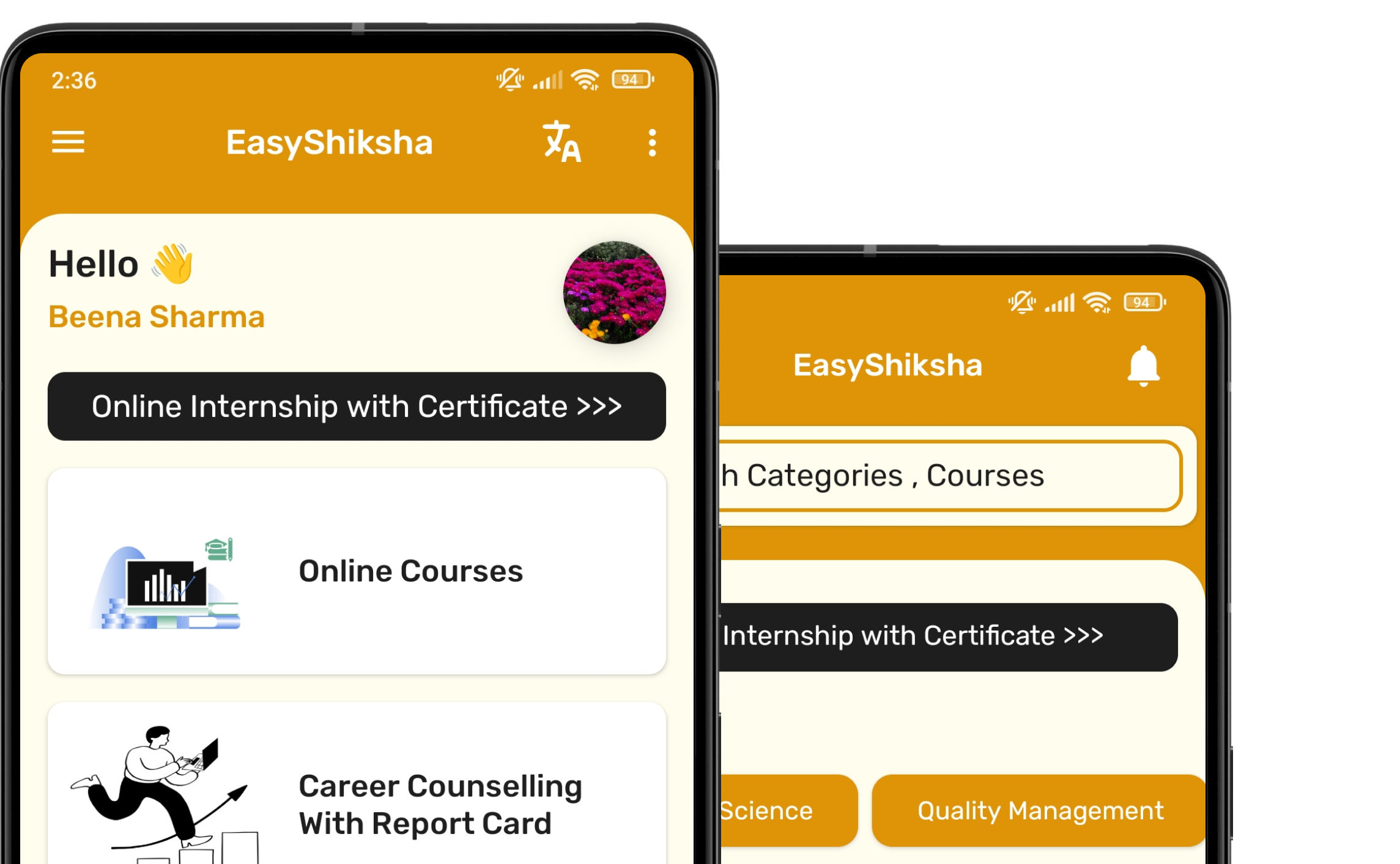
Students can apply for the B.Voc Fashion Technology programme through EasyShiksha. The complete application process is designed to make admission simple and convenient for eligible students.
Step 1: Click on Apply Now
Click the Apply Now button on the B.Voc Fashion Technology programme page and begin your application through EasyShiksha.
Step 2: Complete Personal Information
Fill in the required personal, contact and academic details accurately in the application form.
Step 3: Upload Required Documents
Upload the required documents for eligibility and admission verification as specified during the application process.
Step 4: Pay Application Fee
Pay the applicable application fee through the available online payment options to submit your application and initiate the admission process.
Step 5: Application Review
The EasyShiksha team reviews your application and submitted documents to verify your eligibility and ensure that the required information and documents have been provided.
Step 6: University Enrollment
Once the application is successfully reviewed and the student is found eligible, EasyShiksha facilitates the enrollment process with Mangalyatan University.
Step 7: LMS Access
After successful enrollment, the student is provided access to the Learning Management System (LMS) to begin their academic journey and access the available learning resources.
Start Your Application
Ready to begin your journey in Software Development? Click Apply Now to submit your application through EasyShiksha.
Career & Placements
The B.Voc in Fashion Technology prepares students for creative, technical and business-oriented roles across the fashion and apparel industry. The programme's focus on fashion design, garment construction, textiles, pattern development, merchandising, fashion business and portfolio development supports career opportunities such as:
- Fashion Designer – Develop apparel concepts, collections, silhouettes and fashion designs.
- Fashion Illustrator – Create fashion figures, illustrations, technical drawings and design presentations.
- Apparel Designer – Design and develop garments for different customer segments and markets.
- Pattern Maker – Develop and adapt garment patterns for women's and men's wear.
- Garment Production Executive – Coordinate garment production, construction and manufacturing processes.
- Quality Control Executive – Monitor fabric, garment production and finished-product quality.
- Fashion Merchandiser – Work on product planning, sourcing, merchandising, range development and market requirements.
- Fashion Stylist – Develop coordinated looks, styling concepts and visual presentations.
- Costume Designer – Design and source costumes for film, television, media and performance productions.
- Accessory Designer – Design products such as jewellery, handbags, headwear, belts and other fashion accessories.
- Fashion Illustrator / CAD Designer – Use digital design tools to create and present fashion concepts and collections.
- Fashion Business Executive – Work in fashion marketing, branding, retail and business management.
- Visual Merchandiser – Create visual product presentations for fashion retail environments.
- Fashion Entrepreneur – Start and manage an independent fashion label, design studio or fashion-related business.
- Freelance Fashion Professional – Provide independent services in designing, styling, illustration, consulting or fashion-related creative work.
Mangalayatan University, Aligarh
Mangalayatan University is a UGC-recognized private university located in Aligarh, Uttar Pradesh, India. Known for its strong industry connections, cutting-edge curriculum, and commitment to technology-driven education, Mangalayatan University has established itself as one of central India's premier higher education institutions.
The university's vision is to foster academic excellence, industry readiness, and global competitiveness among its graduates — making it an ideal partner for EasyShiksha's mission of accessible, quality online education.
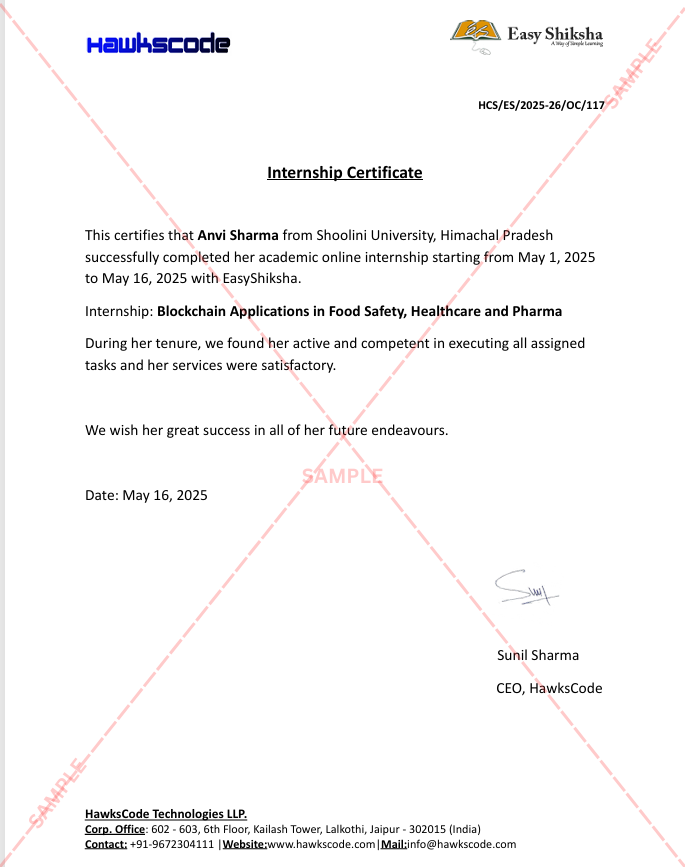
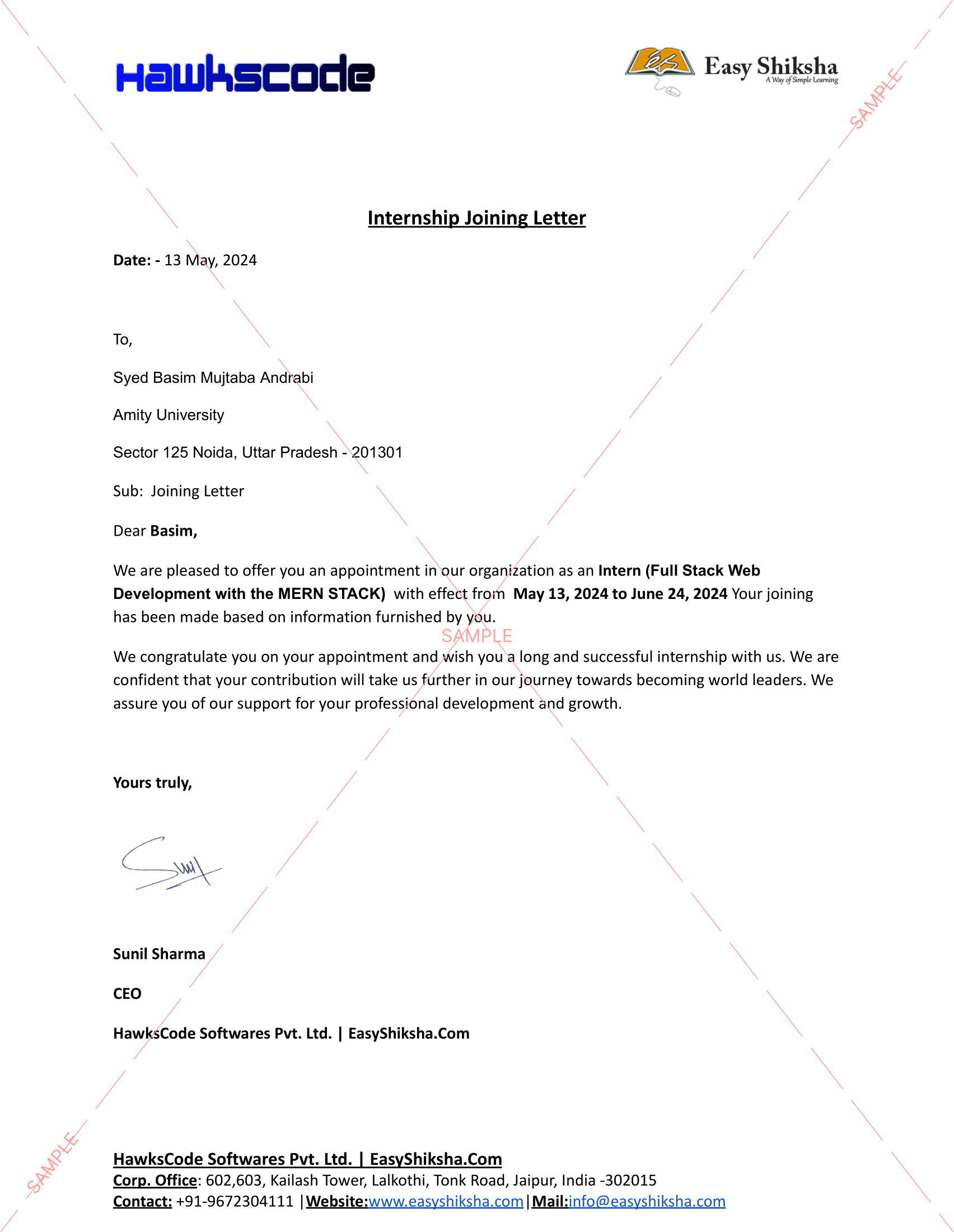
EasyShiksha has signed an MoU with Mangalayatan University to facilitate applications for various university programs and jointly offer B.Voc programs. All degrees and certifications under these programs will be awarded by Mangalayatan University. The EasyShiksha team will provide complete assistance and support throughout the admission and program process.
Mangalayatan University, Uttar Pradesh
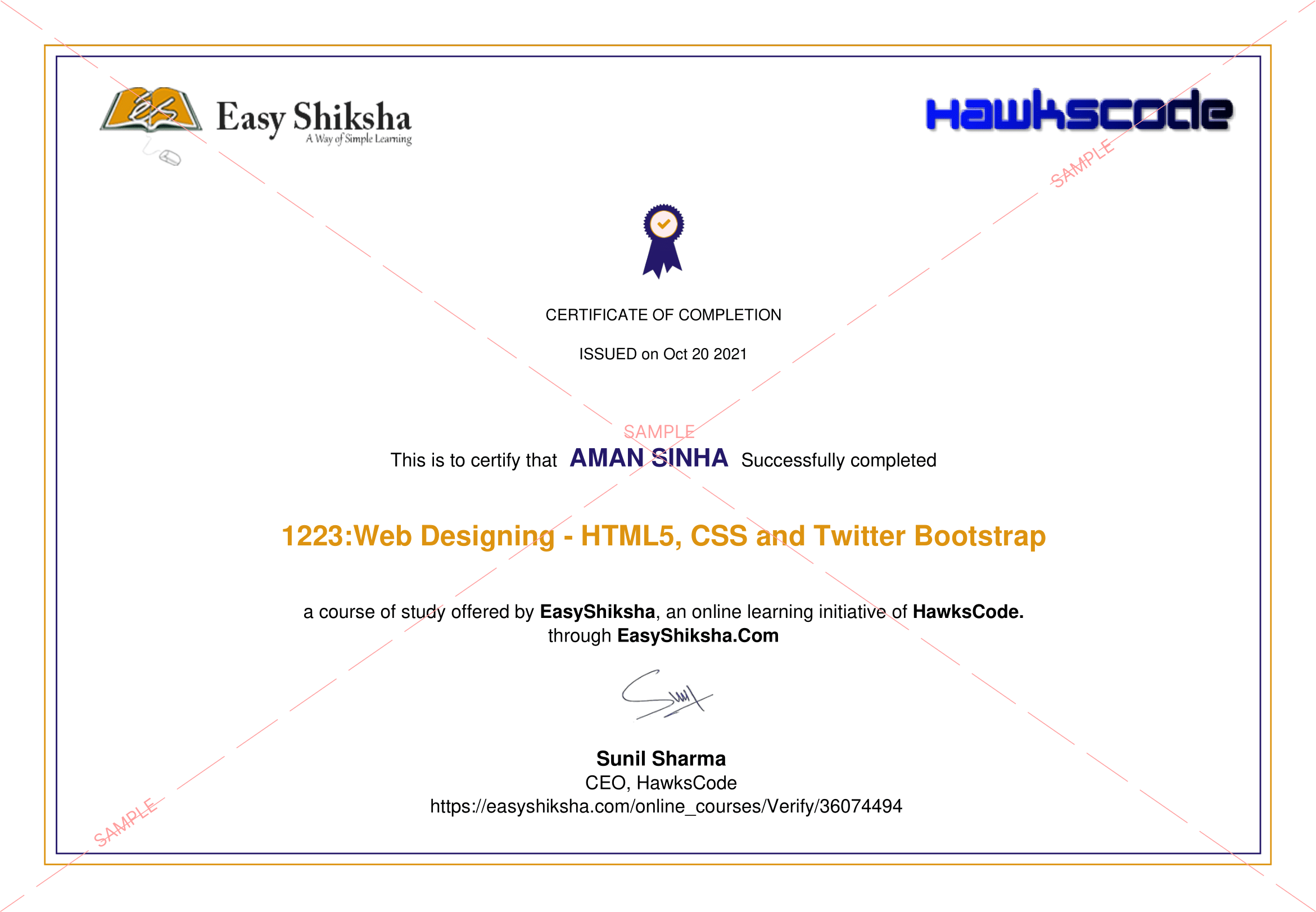
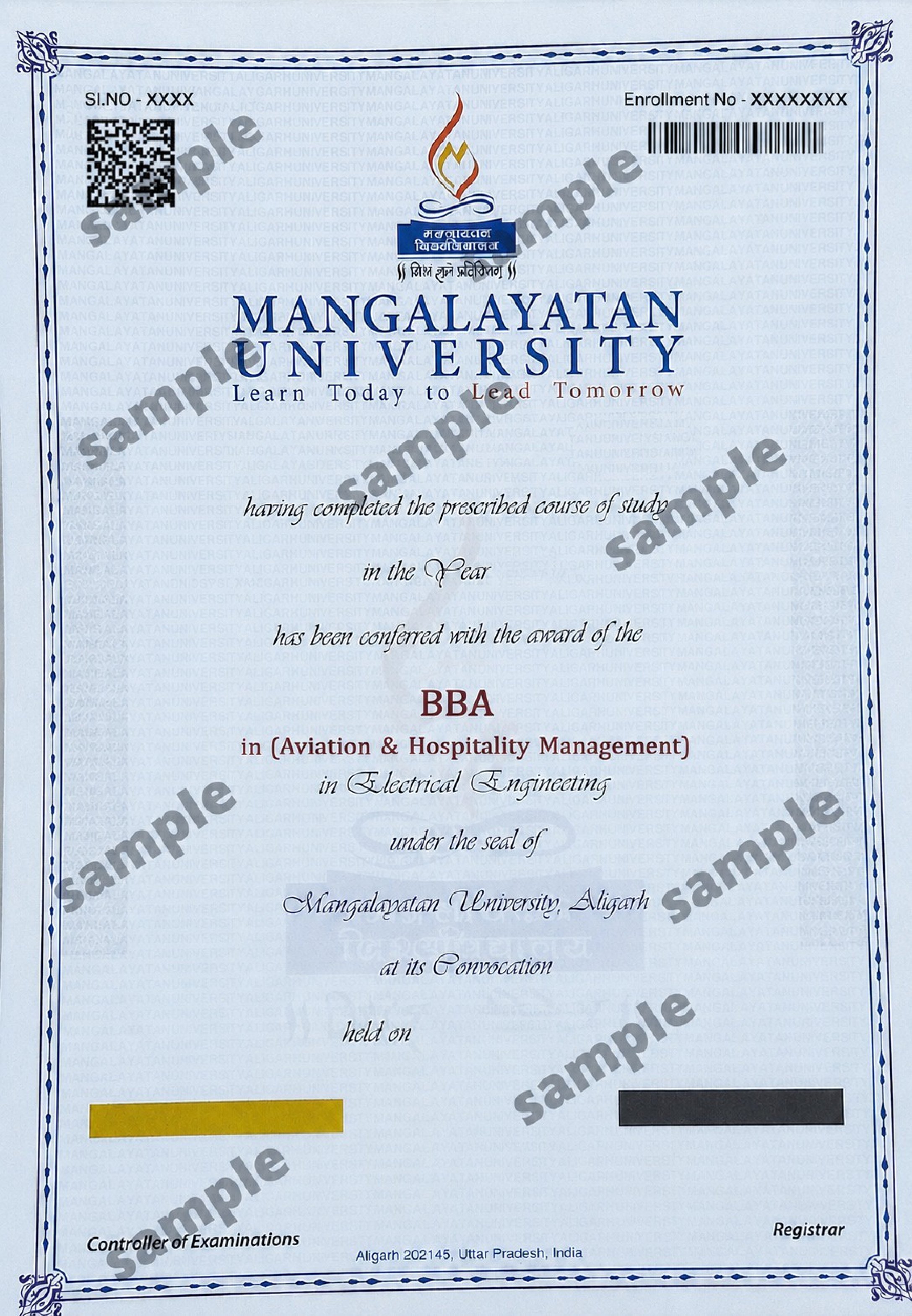
Sample Degree
Documents
Media Gallery
Frequently Asked Questions
Mangalayatan University is located at 33rd Milestone, Aligarh-Mathura Highway, Beswan, Aligarh, Uttar Pradesh, India. The campus is situated in close proximity to the Yamuna Expressway and the cities of Aligarh and Mathura.
Mangalayatan University was established in 2006 under the Mangalayatan University, Uttar Pradesh Act, 2006. The University states that it has the right to confer degrees under Sections 2(f) and 22(1) of the UGC Act.
Yes. Mangalayatan University states that it is recognized by the University Grants Commission (UGC) and was established through an Act of the Uttar Pradesh State Legislature. The University also lists NAAC A+ accreditation among its recognitions.
Yes. The University states that it is recognized by UGC-DEB for Open and Distance Learning (ODL) and is entitled by the UGC to offer online degree programmes. It also states that its online programmes are approved by AICTE.
Mangalayatan University offers programmes across multiple academic levels, including UG, PG, Diploma, PG Diploma and PhD. Its programme portfolio covers areas such as Engineering & Technology, Computer Applications, Management, Agriculture, Biotechnology, Pharmacy, Physiotherapy, Nursing, Journalism & Mass Communication and other disciplines.
Depending on the programme, applicants may be required to provide Class 10 and Class 12 certificates and marksheets, graduation/post-graduation marksheets where applicable, competitive examination rank card where applicable, migration/transfer certificate and recent passport-size photographs. Original documents may be required for verification.
Yes. The University states that students can apply for an education loan through banks, subject to the bank's eligibility criteria.
Mangalayatan University has a 70+ acre campus in Aligarh, Uttar Pradesh.
Mangalayatan University holds an A+ accreditation grade from the National Assessment and Accreditation Council (NAAC).
Yes. Mangalayatan University carries AICTE approval for its technical programmes.
The degree certificate is issued and signed directly by Mangalayatan University, rather than by EasyShiksha or another third-party platform.
The degree certificate is personalised with the student's name, programme, and completion date and carries the university's official signature and seal.
Yes. The university's campus hosts optional immersion sessions associated with select Executive and Hybrid-mode programmes.
Students can select a Mangalayatan University programme, submit their personal details and required documents, pay the application fee, and proceed through the university's application review process.
Yes. Applications submitted through EasyShiksha can be monitored through the dashboard, where applicants can view status updates such as Under Review and Accepted along with their reference ID.
The B.Voc Fashion Technology programme at Mangalayatan University is a 3-year undergraduate programme comprising 6 semesters and is designed to provide both creative and technical knowledge in fashion and apparel.
The programme covers Fashion Design, Fashion Drawing, Design Thinking, Computer-Aided Fashion Design, Textile Science, Garment Construction, Pattern Development, Fashion Forecasting, Apparel Production, Fashion Business Management, Costume Design, Accessory Design and Portfolio Development.
Yes. The curriculum includes practical learning in areas such as fashion illustration, CAD-based design, garment construction, textile artistry, pattern development, apparel production, draping, grading, accessory development and photography. Students also develop a fashion range and professional portfolio.
Graduates can explore careers in fashion design, apparel production, fashion merchandising, pattern making, fashion illustration, styling, costume design, accessory design, textile and garment industries, fashion retail and fashion business. Students can also pursue entrepreneurship or freelance opportunities in the fashion industry.
Students develop a combination of creative, technical and professional skills, including fashion illustration, design development, CAD, garment construction, pattern making, textile knowledge, fashion forecasting, apparel production, merchandising, fashion business management and professional portfolio presentation. The final semester specifically focuses on professional practices, range development and portfolio development